





New Hope sits in the heart of Minnesota's extreme temperature zone. January lows average 7 degrees. July highs push past 85. Your heating and cooling equipment works harder here than almost anywhere in the country.
The swing from subzero winters to humid summers puts massive stress on HVAC components. Furnace heat exchangers crack from constant thermal cycling. AC condensers corrode faster in spring humidity after winter salt exposure. Ductwork in older homes near Bass Lake and the Crystal Lake neighborhoods wasn't designed for modern high-efficiency systems, creating pressure imbalances that waste energy.
New Hope's housing stock includes everything from 1950s ramblers along Winnetka Avenue to newer construction near the Shoppes at Arbor Lakes. Each era brings different HVAC challenges. Post-war homes often have undersized ductwork. Homes from the 1980s frequently have original furnaces past their 20-year lifespan. Even newer homes can have builder-grade equipment that fails early under Minnesota's climate extremes.
Local soil conditions matter too. The clay-heavy ground shifts with freeze-thaw cycles, stressing gas lines and outdoor unit pads. We see cracked condensate lines and refrigerant leaks every spring from ground movement. Understanding these specific New Hope conditions means faster diagnosis and permanent repairs, not temporary patches.
We built our reputation in the northwest Twin Cities metro one service call at a time. Every technician on our team is EPA-certified and completes annual training on the latest high-efficiency systems and Minnesota energy codes. We don't send salespeople to your door. You get qualified technicians who diagnose problems accurately and explain your options in plain language.
Our service vans stock parts for the most common repairs. That means we fix most problems the same day, without return trips or waiting for shipments. When your heat goes out at 10 PM on a Tuesday, we're not scheduling you for Thursday afternoon. We dispatch immediately and stay until your system works.
We price every job before we start work. You see the cost, approve it, and know exactly what you're paying. No hidden fees for after-hours service. No markup surprises when we finish. If we quote $850 to replace your inducer motor, that's what you pay.
Our relationship with New Hope goes beyond service calls. We've installed complete systems in the Heritage Hills neighborhood, upgraded ductwork in homes near Twin Lake, and maintained commercial HVAC for local businesses along Bass Lake Road. We know which equipment holds up in Minnesota weather and which brands create repeat problems. That knowledge saves you money over the life of your system.
When we install or repair your HVAC, we guarantee the work. If something fails because of our service, we come back and make it right at no charge. Your comfort and safety aren't negotiable.

HVAC failures don't wait for business hours. We answer calls 24/7 and dispatch technicians to New Hope homes within hours, not days. Our vans carry common repair parts so we can restore your heat or air conditioning the same visit. No waiting, no callbacks, no sleeping in a freezing house while you wait for an appointment.

We diagnose the problem, explain what failed and why, then give you the repair cost before touching a wrench. You approve the price or you don't. No pressure, no surprise charges when we finish. After-hours calls cost the same as daytime service. Emergency means emergency, not an excuse to inflate prices.
Every technician holds current EPA Section 608 certification for refrigerant handling and completes ongoing education on Minnesota mechanical codes and high-efficiency equipment. You're not getting a helper or trainee. You get experienced professionals who diagnose accurately and repair systems correctly the first time, following manufacturer specs and local code requirements.
We've worked on hundreds of systems across New Hope's neighborhoods. We know the common problems in older homes near Northwood and the sizing mistakes in newer construction by Highway 169. That local knowledge means faster diagnosis and solutions matched to your specific home and equipment, not generic fixes.
Minnesota weather demands reliable heating and cooling. We handle everything from emergency furnace repairs on January nights to complete system replacements in aging homes. Our service range covers residential and light commercial HVAC for New Hope properties of all ages and sizes.
Emergency repairs get you up and running fast when equipment fails. Preventive maintenance catches problems before they become breakdowns. System replacements give you modern efficiency when repair costs exceed the value of keeping old equipment running. We size every installation correctly for your home's square footage, insulation, and ductwork capacity.
Central air conditioning, furnaces, heat pumps, ductwork, thermostats, and air quality equipment all fall under our service umbrella. We work on all major brands and recommend equipment based on reliability in Minnesota's climate, not manufacturer incentives or profit margins. Whether you need a blower motor replaced or a complete two-stage furnace installed, we have the equipment, parts, and expertise to handle it.
Our approach is straightforward. Diagnose accurately, explain clearly, price fairly, and complete the work right. No upselling, no scare tactics, no pushing unnecessary replacements. If your 15-year-old furnace needs a $300 repair and has five good years left, we'll tell you that instead of pushing a $6,000 replacement.
Equipment breakdowns don't follow a schedule. When your furnace quits at midnight in January or your AC fails during a weekend heatwave, you need help now. We answer emergency calls around the clock and dispatch technicians to New Hope within hours. Our service vans stock common parts for furnaces, air conditioners, and heat pumps so we can complete most repairs the same visit. No appointment-setting, no waiting days for a callback, no freezing while we order parts.
Old equipment fails more often and costs more to run. When repair bills add up or your furnace hits 20 years old, replacement makes financial sense. We install high-efficiency furnaces, central air conditioners, and heat pumps sized correctly for your home. Manual J load calculations ensure proper capacity. Ductwork modifications fix airflow problems. Every installation meets Minnesota mechanical code and manufacturer specifications. We pull permits, handle inspections, and warranty the complete system.
Regular maintenance prevents emergency breakdowns and extends equipment life. Our seasonal tune-ups include complete system inspection, cleaning, and adjustment. We check electrical connections, test safety controls, measure refrigerant charge, inspect heat exchangers for cracks, and verify proper combustion. Maintenance plans include priority scheduling, discounted repairs, and no overtime charges for after-hours service calls. Catching small problems during maintenance prevents expensive failures during peak season.
New Hope's extreme temperature swings create specific HVAC challenges. We see the same problems repeatedly across different neighborhoods, often tied to Minnesota's climate and the age of local housing stock. Understanding these common issues helps you recognize warning signs before minor problems become major failures.
Older homes near Plymouth Avenue and the areas surrounding Ryan Lake often have original equipment from the 1980s or 1990s. Those furnaces and air conditioners are well past their designed lifespan. Heat exchangers develop cracks, creating carbon monoxide risks. Evaporator coils leak refrigerant. Blower motors fail. When equipment reaches 15 to 20 years old, repair costs often exceed the value of keeping it running.
Newer homes face different issues. Builder-grade HVAC equipment frequently underperforms. Ductwork gets sized incorrectly, creating hot and cold rooms. Cheap thermostats fail within a few years. Installation shortcuts lead to premature breakdowns.
Minnesota's seasonal extremes stress every component. Furnaces cycle constantly through subzero nights. AC condensers sit through winter salt spray, then run hard through humid summers. Thermal expansion and contraction crack heat exchangers and stress refrigerant lines. Ground movement from freeze-thaw cycles shifts outdoor unit pads and stresses gas connections. These aren't one-time repairs. They're predictable Minnesota HVAC realities.
Constant heating cycles through Minnesota winters stress furnace heat exchangers. Cracks develop after 15 to 20 years, allowing combustion gases into your home's air supply. Carbon monoxide exposure causes headaches, dizziness, and serious health risks. Cracked heat exchangers require immediate furnace replacement. We test every heat exchanger during maintenance and shut down unsafe equipment immediately.
AC systems lose cooling capacity when refrigerant leaks from corroded coils or damaged lines. Your system runs constantly but can't reach the set temperature. Ground movement from freeze-thaw cycles stresses connections. Road salt accelerates outdoor coil corrosion. We locate leaks using electronic detectors, repair or replace damaged components, and recharge systems to manufacturer specifications per EPA regulations.
Undersized or poorly designed ductwork creates hot and cold rooms. Basements freeze while upstairs rooms overheat. Restricted airflow reduces efficiency and shortens equipment life. We measure static pressure, identify bottlenecks, and modify ductwork to match system capacity. Proper airflow distribution improves comfort and reduces energy waste without replacing major equipment.
Modern furnaces use electronic ignition instead of standing pilot lights. Hot surface igniters crack after thousands of heating cycles. Flame sensors corrode and fail to detect burner flames, shutting down the system. These failures happen during the coldest nights when you need heat most. We stock common ignition parts and restore heat the same visit without waiting for special orders.
You call because something's wrong with your heating or cooling. Your house is too hot, too cold, or your equipment is making strange noises. You need help, not a sales pitch. Here's exactly what happens when you contact us for HVAC service in New Hope.
We answer your call quickly and ask specific questions to understand your problem. Is the system completely dead or running but not heating or cooling? Are you seeing error codes? Hearing unusual sounds? This phone conversation helps us send the right technician with the right parts.
For emergencies, we dispatch immediately. Your frozen house or failed AC during a heatwave gets priority response, usually within a few hours. For non-emergency service, we schedule a convenient arrival window and show up when promised.
Our technician arrives in a fully stocked van, diagnoses your system, and explains the problem in clear terms. You get the repair cost before we start work. You approve it or decline it. No surprises, no pressure. If you approve, we complete the repair and test the system to verify it's working correctly. You pay the quoted price. That's the entire process. No gimmicks, no runarounds, no mystery fees added at the end.
Our technicians arrive with diagnostic tools and years of experience. We test components, measure voltages, check refrigerant pressures, and inspect safety controls to identify the root problem. Then we explain what failed, why it happened, and what needs to happen to fix it. No technical jargon, no confusing explanations. You understand exactly what's broken and what it takes to repair it before we quote a price.
After diagnosis, we give you the complete repair cost. Parts and labor, one price, quoted before we start the repair. You decide whether to proceed. No obligation, no pressure to approve work you don't want or can't afford. If the repair cost seems high, we explain why and discuss alternatives. Emergency calls don't cost more than scheduled service. The price we quote is the price you pay.
Once you approve the work, we complete the repair using quality parts and proper techniques. Every repair follows manufacturer specifications and Minnesota mechanical codes. After the repair, we test the complete system to verify proper operation. Furnaces get combustion analysis. AC gets refrigerant charge verification. You see the system working before we leave. If it breaks because of our work, we come back and fix it at no charge.
HVAC repairs shouldn't be complicated or mysterious. We've streamlined our process to three simple steps that get your system working again as quickly as possible. Every service call follows this same straightforward approach.
You call our main line and reach a real person who understands HVAC problems. We ask questions to understand your situation and send the right technician with appropriate parts. Emergency calls get immediate dispatch to New Hope, usually within hours. Non-emergency service gets scheduled at your convenience. We give you a realistic arrival window and call when we're on the way.
Our technician arrives, inspects your system, and identifies the problem using diagnostic equipment and experience. We explain what failed and why, then quote the complete repair cost including parts and labor. You approve the work or decline it. No hidden fees, no surprise charges added later. If you approve, we proceed immediately. If you decline, you pay only the diagnostic fee.
We complete the approved repair, install quality parts, and follow proper procedures. After the repair, we test your system thoroughly to verify everything works correctly. Heating systems get combustion analysis. Cooling systems get refrigerant charge verification. You see the system running properly before we leave. We clean up our work area and answer any questions about operation or maintenance.
HVAC work in Minnesota follows specific code requirements that protect your safety and ensure system performance. Understanding these standards helps you recognize quality work and avoid contractors who cut corners.
Minnesota adopted the International Mechanical Code with state-specific amendments. All HVAC installations require permits from local building departments. New Hope issues permits through Hennepin County, which conducts inspections to verify code compliance. Contractors must pull permits before starting work. Any company that suggests skipping permits to save money is risking your safety and putting you in violation of local ordinances.
Furnace installations require proper combustion air supply, correctly sized venting, and carbon monoxide detectors within 10 feet of sleeping areas per Minnesota law. Gas line pressure testing verifies no leaks. Condensate drains must terminate properly to prevent water damage. Electrical connections follow National Electrical Code requirements for proper grounding and circuit protection.
Air conditioning installations must meet EPA Section 608 regulations for refrigerant handling. Only certified technicians can purchase, handle, and charge systems with refrigerant. Proper evacuation removes moisture and air before charging. Refrigerant charge gets verified by subcooling or superheat measurements, not guesswork. Undersized line sets or improper charge kills efficiency and shortens compressor life.
Ductwork sizing follows Manual D calculations based on Manual J load calculations. Undersized ducts create high static pressure, reduce airflow, and waste energy. Proper duct sealing at all joints prevents conditioned air loss. Return air paths must be adequate to prevent negative pressure problems. These aren't optional upgrades. They're code requirements that ensure your system works efficiently and safely.
All furnace and central air conditioning installations in New Hope require mechanical permits issued through Hennepin County. Inspectors verify proper installation, venting, electrical connections, and refrigerant charge. Permits protect you by ensuring work meets Minnesota mechanical code. Contractors who skip permits to save time or money expose you to safety risks and code violations.
Proper HVAC sizing requires Manual J load calculations based on your home's square footage, insulation, windows, and air infiltration. Oversized equipment short cycles and wastes energy. Undersized equipment runs constantly and can't maintain comfort during temperature extremes. We calculate loads correctly and install appropriately sized equipment, not generic one-size-fits-all solutions.
Complete furnace or AC replacement takes one to two days depending on system complexity and ductwork modifications. Day one includes equipment removal, installation, and basic setup. Day two covers final connections, startup, and inspection. Rush jobs that skip proper procedures create future problems. Quality installation takes time to ensure everything works correctly and safely.
Federal law requires EPA Section 608 certification for anyone handling refrigerants. Proper recovery equipment prevents atmospheric release during repairs. System evacuation removes moisture and air before recharging. Refrigerant charge must match manufacturer specifications verified by actual measurements, not sight glasses or guesswork. These regulations protect the environment and ensure your system operates efficiently.
This video explains common HVAC problems facing New Hope, Minnesota homeowners and how to address heating and cooling system failures. Topics include emergency furnace repair, air conditioning service, cracked heat exchangers, refrigerant leaks, and when to replace versus repair aging equipment. Covers Minnesota mechanical code requirements, proper system sizing, and what to expect during HVAC service calls. Features specific challenges in New Hope neighborhoods including climate stress on equipment, ductwork issues in older homes, and ground movement effects on outdoor units.
New Hope sits at the center of our northwest Twin Cities service area. We've installed and serviced HVAC systems throughout the city's distinct neighborhoods, from older residential areas near Bass Lake to newer developments along the Highway 169 corridor.
The Heritage Hills neighborhood features mid-century homes built in the 1960s and 1970s. Many still run original furnaces or first-generation central air systems. We've replaced dozens of aging systems here, often upgrading ductwork to handle modern high-efficiency equipment. These homes typically need 80,000 to 100,000 BTU furnaces and three-ton air conditioners, though proper load calculations sometimes reveal oversized original equipment.
Areas near Northwood Parkway and around Twin Lake include a mix of rambler and split-level homes from the 1950s and 1960s. Ductwork in these properties often runs through crawl spaces or along exterior walls, creating efficiency challenges. We frequently add duct insulation and seal air leaks during system replacements. The lake proximity creates higher humidity, making air conditioning maintenance critical for preventing mold growth on evaporator coils.
The commercial corridor along Bass Lake Road serves New Hope's business community. We maintain HVAC systems for retail locations, restaurants, and office buildings. Commercial equipment faces different demands than residential systems, requiring more frequent filter changes and seasonal maintenance to handle extended operating hours.
South of Highway 55 near the Crystal Lake area, properties vary from updated homes to original 1950s construction. This neighborhood sees everything from basic furnace repairs to complete system overhauls in homes being renovated for resale. Ground movement from the clay-heavy soil affects outdoor unit installations, requiring proper pad placement and line set protection.
East New Hope along Winnetka Avenue and 42nd Avenue includes both established residential streets and newer townhome developments. The housing density creates interesting HVAC challenges. Townhomes share walls but have independent systems, requiring careful attention to combustion air supply and proper venting to prevent backdrafting between units.
We also serve adjacent communities including Crystal, Brooklyn Park, Plymouth, and Golden Valley. Our central location and multiple service vehicles mean fast response times throughout the northwest metro. Whether you're near the Shoppes at Arbor Lakes or in the quieter residential blocks around Ryan Lake, we reach New Hope addresses quickly with fully equipped service vans ready to diagnose and repair your heating or cooling system.
The $5000 rule is a quick calculation to help you decide between repair and replacement. Multiply your system's age by the repair cost. If the total exceeds $5000, replacement makes more financial sense. For example, if your 12-year-old furnace needs a $500 repair, that's $6000, so replacement is smarter. In New Hope, where winter temperatures can drop below zero and summers hit 90 degrees, an aging system forces your equipment to work harder. This rule helps you avoid throwing money at a failing unit that will quit during our extreme seasons.
A typical HVAC repair job in New Hope runs between $150 and $600, depending on the issue. Simple fixes like thermostat replacements or filter changes cost less. Compressor repairs, refrigerant recharges, or blower motor replacements cost more. Emergency calls during winter cold snaps or summer heat waves will add premium fees. Preventive maintenance visits cost around $100 to $200 and catch problems before they become expensive failures. Minnesota's temperature swings from negative 20 to 95 degrees stress your system year-round, so budgeting for annual tune-ups saves you from surprise breakdowns.
A new HVAC system for a typical New Hope home costs between $5000 and $12,000 installed. Your final price depends on system size, efficiency rating, brand, and installation complexity. Homes in older New Hope neighborhoods near Crystal Lake may need ductwork modifications, which adds cost. High-efficiency systems cost more upfront but slash utility bills during our brutal winters and humid summers. Two-stage furnaces and variable-speed air handlers handle Minnesota's temperature extremes better than single-stage units. Get multiple quotes from local contractors who understand our climate demands and building codes.
The $5000 rule is a quick calculation to help you decide between repair and replacement. Multiply your system's age by the repair cost. If the total exceeds $5000, replacement makes more financial sense. For example, if your 12-year-old furnace needs a $500 repair, that's $6000, so replacement is smarter. In New Hope, where winter temperatures can drop below zero and summers hit 90 degrees, an aging system forces your equipment to work harder. This rule helps you avoid throwing money at a failing unit that will quit during our extreme seasons.
A typical HVAC repair job in New Hope runs between $150 and $600, depending on the issue. Simple fixes like thermostat replacements or filter changes cost less. Compressor repairs, refrigerant recharges, or blower motor replacements cost more. Emergency calls during winter cold snaps or summer heat waves will add premium fees. Preventive maintenance visits cost around $100 to $200 and catch problems before they become expensive failures. Minnesota's temperature swings from negative 20 to 95 degrees stress your system year-round, so budgeting for annual tune-ups saves you from surprise breakdowns.
A new HVAC system for a typical New Hope home costs between $5000 and $12,000 installed. Your final price depends on system size, efficiency rating, brand, and installation complexity. Homes in older New Hope neighborhoods near Crystal Lake may need ductwork modifications, which adds cost. High-efficiency systems cost more upfront but slash utility bills during our brutal winters and humid summers. Two-stage furnaces and variable-speed air handlers handle Minnesota's temperature extremes better than single-stage units. Get multiple quotes from local contractors who understand our climate demands and building codes.
Replacing HVAC for a 2000 square foot house in New Hope typically costs $6000 to $10,000. You'll need a 3 to 4-ton air conditioner and a furnace rated for 80,000 to 100,000 BTUs to handle Minnesota winters. Homes built before 1980 in neighborhoods like Glenwood may need duct sealing or insulation upgrades, which increases cost. High-efficiency models with SEER ratings above 16 and AFUE above 95 percent perform better during our temperature extremes. Factor in removal of old equipment, new thermostat installation, and permits required by New Hope building codes.
Yes, you may qualify for federal tax credits in 2025 if your new HVAC system meets energy efficiency requirements. The Inflation Reduction Act offers credits up to $2000 for heat pumps and up to $1200 for high-efficiency furnaces and air conditioners. Your equipment must meet specific ENERGY STAR ratings. Minnesota also offers rebates through utility companies and state programs for efficient heating systems. Keep all receipts and manufacturer certification statements. Consult a tax professional to confirm eligibility, as requirements change yearly. These credits help offset the cost of systems built to withstand New Hope's climate.
The average HVAC system lasts 15 to 20 years with proper maintenance. Furnaces in New Hope typically reach 15 to 18 years because our heating season runs seven months. Air conditioners last 12 to 15 years due to humid summers and freeze-thaw stress on outdoor units. Heat pumps average 10 to 15 years when used year-round. Systems without annual maintenance fail earlier. Hard water in some New Hope areas corrodes humidifier components faster. Replace filters every three months, schedule yearly tune-ups, and address minor issues quickly to maximize lifespan in our extreme climate.
The 3-minute rule prevents compressor damage when your AC cycles on and off. After your system shuts down, wait at least three minutes before restarting. This allows refrigerant pressure to equalize between the high and low sides of the system. Starting too soon forces the compressor to work against high pressure, which damages internal components and shortens equipment life. In New Hope's humid summers, your AC may short-cycle if undersized or if you have a faulty thermostat. If your system cycles rapidly, call a technician to diagnose the problem before compressor failure occurs.
Standard homeowners insurance rarely covers HVAC repairs from normal wear and tear. Your policy may cover damage from covered perils like fire, lightning strikes, or vandalism. If a summer storm damages your outdoor condenser unit, you might have coverage. Insurance will not pay for a failed furnace in winter due to age or lack of maintenance. Review your policy or ask your agent about equipment breakdown coverage, which costs extra but covers mechanical failures. In New Hope, where winter furnace failure creates emergency situations, some homeowners add this protection for peace of mind.
HVAC technicians in the New Hope metro area earn between $25 and $45 per hour, depending on experience, certifications, and specialization. Entry-level techs start around $20 per hour. Journeyman techs with EPA certification and five years of experience earn $30 to $40 per hour. Master techs specializing in commercial systems or complex residential work earn $40 to $50 per hour. Emergency and overtime work pays premium rates. Minnesota's demanding climate requires skilled techs who understand both heating and cooling systems. Techs with commercial refrigeration or controls expertise command the highest wages in our market.
Insurance will pay for a new HVAC system only if damage results from a covered peril, not normal wear or age. If a house fire, tornado, or fallen tree destroys your equipment, your homeowners policy should cover replacement. Most policies exclude mechanical breakdown from old age or poor maintenance. If your 20-year-old furnace quits during a January cold snap, you pay out of pocket. Optional equipment breakdown coverage extends protection to mechanical failures. In New Hope, where HVAC systems work hard year-round, review your policy limits and consider additional coverage before you face a $10,000 emergency replacement.
Replacing HVAC for a 2000 square foot house in New Hope typically costs $6000 to $10,000. You'll need a 3 to 4-ton air conditioner and a furnace rated for 80,000 to 100,000 BTUs to handle Minnesota winters. Homes built before 1980 in neighborhoods like Glenwood may need duct sealing or insulation upgrades, which increases cost. High-efficiency models with SEER ratings above 16 and AFUE above 95 percent perform better during our temperature extremes. Factor in removal of old equipment, new thermostat installation, and permits required by New Hope building codes.
Yes, you may qualify for federal tax credits in 2025 if your new HVAC system meets energy efficiency requirements. The Inflation Reduction Act offers credits up to $2000 for heat pumps and up to $1200 for high-efficiency furnaces and air conditioners. Your equipment must meet specific ENERGY STAR ratings. Minnesota also offers rebates through utility companies and state programs for efficient heating systems. Keep all receipts and manufacturer certification statements. Consult a tax professional to confirm eligibility, as requirements change yearly. These credits help offset the cost of systems built to withstand New Hope's climate.
The average HVAC system lasts 15 to 20 years with proper maintenance. Furnaces in New Hope typically reach 15 to 18 years because our heating season runs seven months. Air conditioners last 12 to 15 years due to humid summers and freeze-thaw stress on outdoor units. Heat pumps average 10 to 15 years when used year-round. Systems without annual maintenance fail earlier. Hard water in some New Hope areas corrodes humidifier components faster. Replace filters every three months, schedule yearly tune-ups, and address minor issues quickly to maximize lifespan in our extreme climate.
The 3-minute rule prevents compressor damage when your AC cycles on and off. After your system shuts down, wait at least three minutes before restarting. This allows refrigerant pressure to equalize between the high and low sides of the system. Starting too soon forces the compressor to work against high pressure, which damages internal components and shortens equipment life. In New Hope's humid summers, your AC may short-cycle if undersized or if you have a faulty thermostat. If your system cycles rapidly, call a technician to diagnose the problem before compressor failure occurs.
Standard homeowners insurance rarely covers HVAC repairs from normal wear and tear. Your policy may cover damage from covered perils like fire, lightning strikes, or vandalism. If a summer storm damages your outdoor condenser unit, you might have coverage. Insurance will not pay for a failed furnace in winter due to age or lack of maintenance. Review your policy or ask your agent about equipment breakdown coverage, which costs extra but covers mechanical failures. In New Hope, where winter furnace failure creates emergency situations, some homeowners add this protection for peace of mind.
HVAC technicians in the New Hope metro area earn between $25 and $45 per hour, depending on experience, certifications, and specialization. Entry-level techs start around $20 per hour. Journeyman techs with EPA certification and five years of experience earn $30 to $40 per hour. Master techs specializing in commercial systems or complex residential work earn $40 to $50 per hour. Emergency and overtime work pays premium rates. Minnesota's demanding climate requires skilled techs who understand both heating and cooling systems. Techs with commercial refrigeration or controls expertise command the highest wages in our market.
Insurance will pay for a new HVAC system only if damage results from a covered peril, not normal wear or age. If a house fire, tornado, or fallen tree destroys your equipment, your homeowners policy should cover replacement. Most policies exclude mechanical breakdown from old age or poor maintenance. If your 20-year-old furnace quits during a January cold snap, you pay out of pocket. Optional equipment breakdown coverage extends protection to mechanical failures. In New Hope, where HVAC systems work hard year-round, review your policy limits and consider additional coverage before you face a $10,000 emergency replacement.
All Pro HVAC is conveniently located to serve the Minneapolis area and surrounding communities effectively. We invite you to view our service area on the map below, helping you visualize our reach and confirm that we are readily available to provide our expert heating, ventilation, and air conditioning services right to your doorstep, ensuring your comfort is always within reach.
Address:
New Hope, MN, 55428
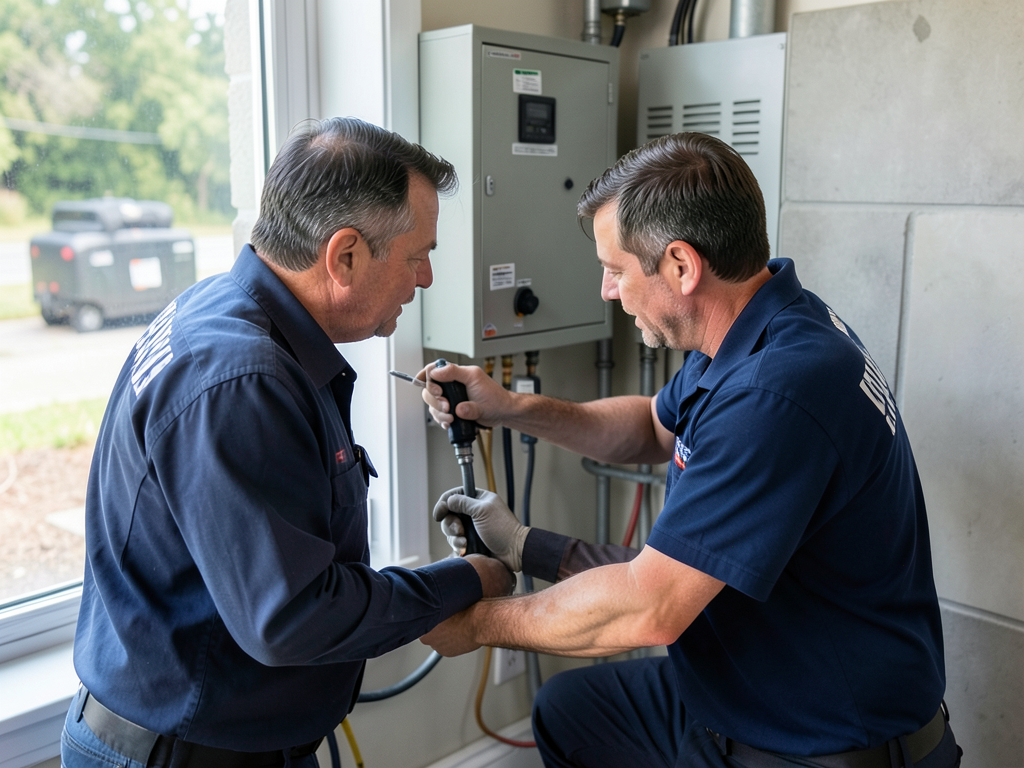
Keeping Your Home Warm During a Power Outage with HVAC Backup Power in Shoreview When winter storms hit Shoreview and the power goes out your furnace shuts down immediately leaving your home vulnerable to freezing…
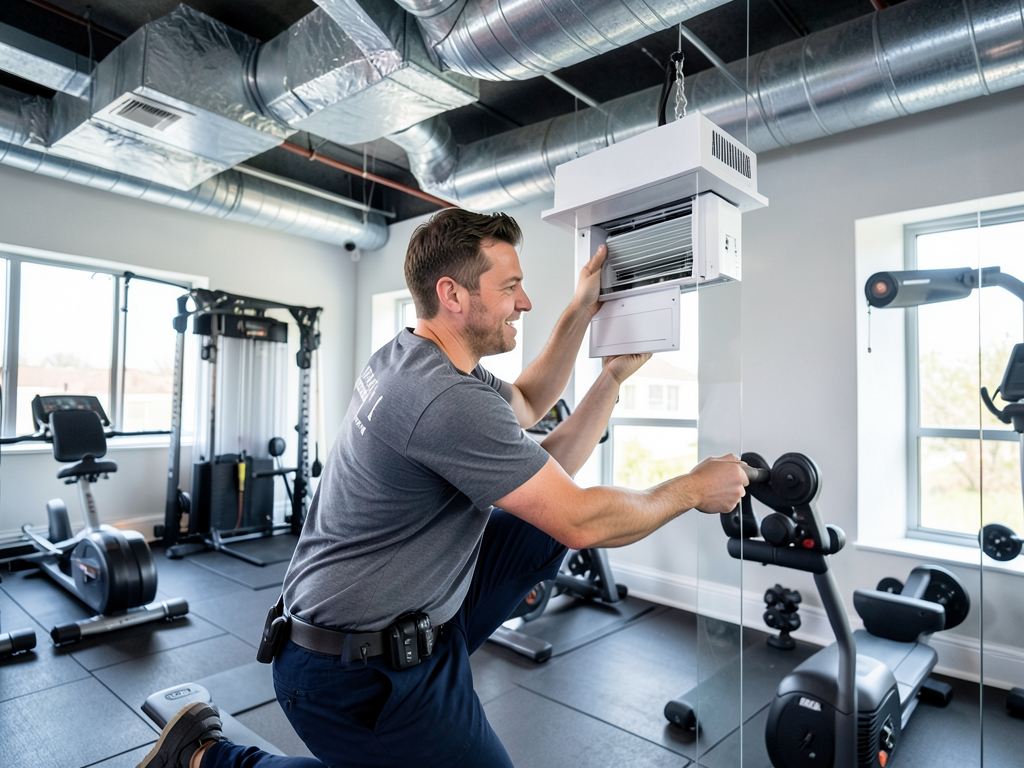
Building a Home Gym in Orono? Here's How to Keep It Comfortable Year-Round The Twin…
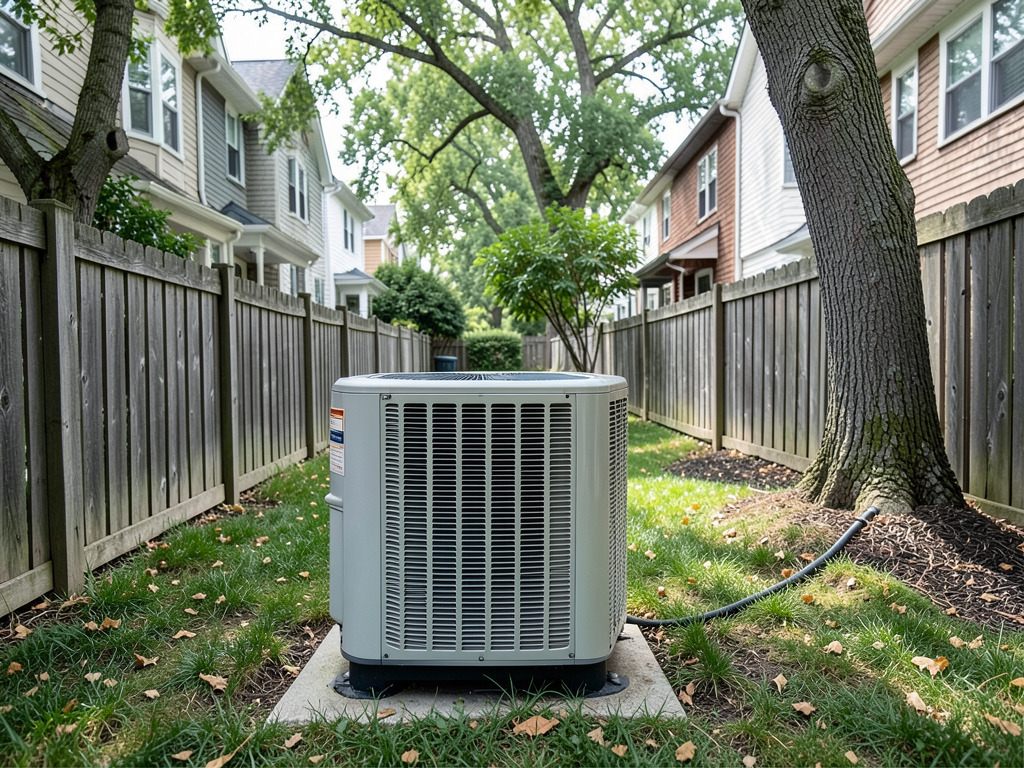
Living in Prospect Park means enjoying a tight-knit Minneapolis neighborhood where houses sit close together…
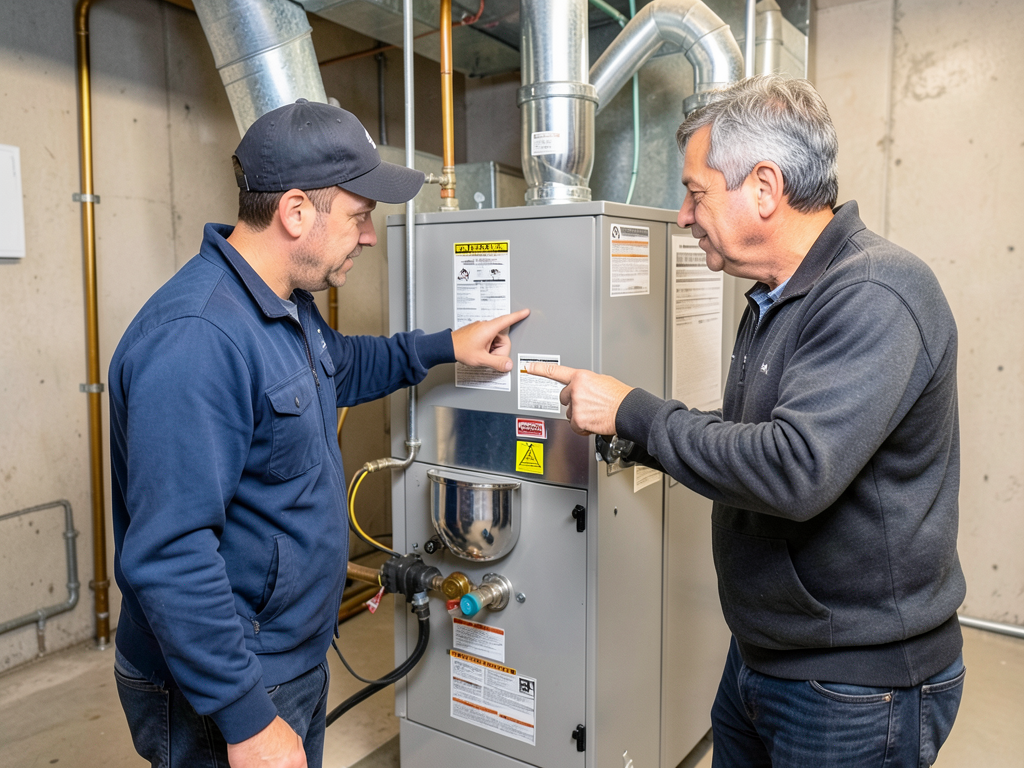
Choosing Between 80% and 96% Efficiency Furnaces for Your First Minneapolis Home Minneapolis winters are…
Your heating or cooling system won't fix itself. Call All Pro HVAC Minneapolis now at (651) 588-9677 for fast service in New Hope. We answer 24/7, dispatch quickly, and restore your comfort the same day. Stop suffering and start calling.