





St. Paul's climate creates brutal conditions for heating and cooling equipment. Winter temperatures drop below zero for weeks at a time, forcing furnaces to run continuously just to maintain 68 degrees inside older homes near Summit Avenue or Highland Park. The summer flip brings high humidity off the Mississippi River that makes air conditioners work overtime to manage moisture and temperature.
These seasonal extremes cause thermal expansion and contraction in ductwork, which creates gaps and reduces efficiency. The freeze-thaw cycles common to the Twin Cities metro stress outdoor condensing units, causing refrigerant leaks and compressor failures. St. Paul's older housing stock, particularly in neighborhoods like Merriam Park and Macalester-Groveland, often has undersized or aging duct systems that can't distribute conditioned air properly.
Local building codes require specific ventilation standards due to our heating-dominated climate, which affects how systems must be sized and installed. Ice dams on roofs near Cathedral Hill can damage attic-mounted air handlers. Spring and fall temperature swings mean your system switches between heating and cooling multiple times per week, which accelerates wear on control boards and thermostats.
We respond to HVAC emergencies across St. Paul and the surrounding metro because equipment failures create immediate problems for families. When your furnace quits on a January night or your AC dies during a July heat wave, you need a technician who shows up fast with the skills to diagnose and fix the problem.
All Pro HVAC Minneapolis keeps fully stocked service vehicles on the road throughout the Twin Cities. Our technicians carry replacement parts for common failures in residential systems, which eliminates delays waiting for shipments. We diagnose issues at the component level rather than recommending full system replacements when a repair will restore function.
Our approach focuses on fixing what's broken and explaining why it failed. St. Paul homeowners appreciate straight answers about whether a repair makes financial sense or if replacement is the better investment. We provide written estimates before starting work and explain the failure in plain language, not technical jargon designed to confuse.
We understand St. Paul's housing diversity. A 1920s bungalow in West Seventh has different HVAC challenges than a 1980s rambler in Battle Creek. Our experience with the area's architectural variety means we adapt solutions to your home's specific needs rather than forcing a one-size-fits-all approach. That local knowledge translates to faster diagnosis and repairs that last.

HVAC emergencies happen at midnight, on weekends, and during holidays. We maintain on-call technicians throughout the year because heating failures in Minnesota winters and cooling failures during summer humidity spikes create dangerous conditions. You reach a real person when you call, not an answering service.

Our service vehicles carry replacement parts for the most common residential HVAC failures. Ignitors, capacitors, contactors, thermostats, and refrigerant stay on every truck. This inventory approach means we complete most repairs in a single visit rather than scheduling return trips after ordering parts.
We identify the specific failed component rather than recommending unnecessary replacements. A failed capacitor doesn't mean you need a new condensing unit. A cracked heat exchanger might require furnace replacement, but a faulty limit switch just needs a new part. We explain the difference.
St. Paul's homes range from century-old Victorians to modern construction. We've worked on gravity furnaces in Ramsey Hill mansions and high-efficiency systems in new builds near Highland Bridge. That experience means we understand how your home's age and construction affect HVAC performance and repair options.
All Pro HVAC Minneapolis handles every aspect of residential heating and cooling in the St. Paul metro. Our service range covers emergency repairs, planned maintenance, and full system replacements. We work on furnaces, air conditioners, heat pumps, ductwork, and air quality equipment.
Emergency repairs focus on restoring heat or cooling as fast as possible. Maintenance visits prevent breakdowns by catching worn components before they fail. Replacement projects involve removing old equipment and installing new systems sized correctly for your home's heating and cooling load.
We organize our services around what St. Paul homeowners actually need. Central air repair handles everything from refrigerant leaks to compressor failures. Furnace service covers gas and electric heating systems. HVAC maintenance keeps both heating and cooling equipment running efficiently through Minnesota's temperature extremes.
Each service category addresses specific problems that occur in residential systems. Air conditioning issues peak during summer humidity. Heating problems surface when outdoor temperatures drop below freezing. Regular maintenance catches problems in both systems before they cause comfort loss or emergency service calls.
We diagnose and repair cooling failures in central air systems throughout St. Paul. Common problems include refrigerant leaks, failed compressors, broken contactors, and frozen evaporator coils. Our technicians use electronic leak detection to find refrigerant loss points, then repair the leak and recharge the system to manufacturer specifications. We replace failed capacitors and contactors on-site since these components cause most no-cooling calls during summer.
Our heating service covers gas and electric furnaces common in St. Paul homes. We repair ignition failures, replace cracked heat exchangers, fix blower motor problems, and restore failed control boards. Minnesota winters demand reliable heat, so we prioritize furnace calls and keep critical parts stocked. We inspect heat exchangers for cracks during every service call because carbon monoxide safety depends on exchanger integrity.
Scheduled maintenance prevents emergency breakdowns by catching worn parts before they fail. We clean evaporator and condenser coils, check refrigerant charge, test capacitors, inspect electrical connections, and verify airflow. Spring AC tune-ups prepare cooling systems for summer humidity. Fall furnace inspections ensure heating equipment works safely through winter. Regular maintenance extends equipment life and maintains efficiency.
St. Paul's climate and housing stock create predictable HVAC challenges. Winter cold stresses heating systems while summer humidity overworks air conditioners. Older homes near Summit Avenue and in Ramsey Hill have aging ductwork that leaks conditioned air into unconditioned spaces. Newer construction in Highland Bridge sometimes has undersized equipment that can't keep up with demand.
Freeze-thaw cycles damage outdoor condensing units. Ice buildup on heat pumps requires defrost cycles that reduce heating capacity. Ductwork in uninsulated attics loses heat in winter and gains heat in summer, which wastes energy and reduces comfort. These issues compound in homes with poor insulation or air sealing.
St. Paul homeowners also deal with short cycling, uneven temperatures between floors, high energy bills despite regular use, and complete system failures during extreme weather. Understanding why these problems occur helps you recognize when professional service is necessary rather than trying temporary fixes that don't address root causes.
Indoor coils freeze when airflow drops or refrigerant charge is low. Dirty filters, closed vents, or failed blower motors restrict airflow. Refrigerant leaks reduce system charge. Frozen coils stop cooling and can damage compressors. We diagnose the cause, fix the problem, and restore proper operation.
Furnaces that turn on and off rapidly waste energy and fail to heat homes properly. Causes include dirty flame sensors, failed limit switches, oversized equipment, or restricted airflow. Short cycling increases wear on igniters and heat exchangers. We identify why the furnace cycles and correct the underlying issue.
Gaps and holes in ductwork waste 20 to 30 percent of conditioned air in typical St. Paul homes. Leaks occur at joints, seams, and connections, especially in unconditioned attics and crawl spaces. Lost air means higher energy bills and uneven temperatures. Sealing ducts improves comfort and reduces operating costs.
Air conditioner compressors fail from electrical problems, refrigerant flooding, or contamination. Failed compressors stop cooling completely. Replacement requires recovering refrigerant, replacing the compressor, adding new refrigerant, and testing for leaks. Age and system condition determine whether compressor replacement or full system replacement makes financial sense.
Our service process prioritizes fast response and clear communication. When you call with an HVAC problem, you talk to someone who understands heating and cooling emergencies, not a generic call center. We ask questions about your symptoms to determine urgency and dispatch appropriately.
Emergency calls get same-day or next-available response depending on weather conditions and call volume. We explain arrival windows clearly and call if we're running late. Scheduled maintenance and non-emergency repairs get appointment times that fit your schedule.
Technicians arrive in marked vehicles with the tools and parts needed for residential HVAC work. We protect your floors with shoe covers and respect your home. After diagnosing the problem, we explain what failed, why it failed, and what repair options make sense for your situation. You receive written estimates before we start work so there are no surprises on the final invoice.
We explain HVAC problems in plain language without technical jargon designed to confuse you. When a component fails, we show you the failed part and explain what it does. If you have repair options, we outline the pros and cons of each approach. Some failures only have one solution. Others offer choices between repair and replacement. We provide the information you need to make informed decisions about your home's heating and cooling.
You receive a written estimate before we begin repairs. The estimate includes parts, labor, and any additional work needed to complete the job correctly. We don't start work until you approve the estimate. If we discover additional problems during the repair, we stop and explain the new issue before proceeding. Our goal is zero surprises when you receive the final invoice.
After completing repairs, we test system operation to verify the problem is solved. For furnaces, we check ignition, flame quality, temperature rise, and safety controls. For air conditioners, we measure refrigerant charge, check airflow, and verify cooling capacity. We run the system through a complete cycle before leaving your home. You see the equipment working correctly.
We keep the service process straightforward. You call with a problem, we send a qualified technician, and we fix what's broken. No upselling, no pressure tactics, just competent HVAC repair.
When you call All Pro HVAC Minneapolis, we gather information about your heating or cooling problem. Is the system making noise? Not heating or cooling? Blowing cold air when it should be warm? These details help us send the right technician with appropriate tools and parts. We provide an arrival window and confirm your contact number. For emergencies, we prioritize based on weather conditions and safety concerns.
Our technician inspects your system, tests components, and identifies the failure. We use diagnostic tools to measure electrical current, refrigerant pressure, airflow, and temperature. Once we find the problem, we explain what failed and what's required to fix it. You receive a written estimate covering parts and labor. We answer your questions and wait for approval before starting work on non-emergency repairs.
After you approve the estimate, we complete the repair using quality replacement parts. We test the system to verify it operates correctly and meets manufacturer specifications. For refrigerant work, we check for leaks and confirm proper charge. For heating repairs, we verify safe operation and proper combustion. We clean up our work area and show you the completed repair before leaving.
St. Paul HVAC work must comply with Minnesota State Building Code and local amendments adopted by the city. The Minnesota Mechanical Code governs equipment installation, ductwork sizing, ventilation requirements, and combustion air supply. St. Paul requires permits for furnace and air conditioner replacements, which triggers inspections to verify code compliance.
Refrigerant handling follows EPA Section 608 regulations. Technicians must hold valid EPA certification to purchase, handle, and recover refrigerants. We recover refrigerant from failed systems before disposal and maintain records of recovery and recycling. Cross-contaminating refrigerant types is prohibited, so we use dedicated recovery equipment for different refrigerant classes.
Gas furnace installations in St. Paul require specific venting configurations based on furnace efficiency rating. High-efficiency condensing furnaces use PVC vent pipes that must be sized and sloped correctly to drain condensate. Standard-efficiency furnaces require metal vent connectors that resist corrosion and maintain draft. All gas appliances need proper combustion air supply calculated by room volume and appliance input rating.
Air conditioner installations must meet minimum SEER ratings established by federal efficiency standards. As of 2023, new split systems require 14 SEER in northern climates. We size replacement equipment using Manual J load calculations that account for your home's insulation, window area, orientation, and internal heat gains. Oversized equipment short cycles and fails to dehumidify properly. Undersized equipment runs continuously without reaching setpoint.
Ductwork must be sealed with mastic or approved foil tape at all joints and seams. The Minnesota Energy Code limits duct leakage to 8 percent of system airflow for new installations and major renovations. We test duct tightness using calibrated equipment that measures total leakage at standard pressure. Sealing ducts improves efficiency and comfort while reducing energy waste in unconditioned spaces.
The state code establishes minimum standards for HVAC installations, including equipment clearances, vent sizing, combustion air supply, and electrical connections. St. Paul enforces these standards through permit inspections. Non-compliant work creates safety hazards and may void equipment warranties. We follow code requirements on every installation and repair.
Proper sizing prevents short cycling, humidity problems, and comfort complaints. Manual J calculations determine heating and cooling loads based on building characteristics. We measure square footage, insulation levels, window area, and infiltration rates. Correct sizing balances equipment capacity with actual load to maintain comfort and efficiency.
EPA regulations require certification for anyone who handles refrigerants. Section 608 covers recovery, recycling, and reclamation procedures. We maintain proper certification, use approved recovery equipment, and document refrigerant handling. Proper procedures prevent environmental contamination and ensure systems operate at design capacity.
Minnesota Energy Code limits duct leakage to reduce energy waste. We seal all duct joints with mastic or UL 181 approved tape. Leaky ducts in attics and crawl spaces waste conditioned air and increase operating costs. Proper sealing improves system efficiency and reduces runtime, which extends equipment life.
This video explains common HVAC failures in St. Paul, Minnesota homes and their causes. Topics include frozen evaporator coils, compressor failures, furnace short cycling, and ductwork air leaks. The content covers how Minnesota's extreme seasonal temperatures stress heating and cooling equipment and what homeowners should watch for as failure warning signs. All Pro HVAC Minneapolis provides context about residential HVAC service, emergency response, and repair processes for St. Paul area homes.
All Pro HVAC Minneapolis provides heating and cooling service throughout St. Paul and the greater Twin Cities metro. Our service area covers the dense urban neighborhoods near downtown, established residential areas surrounding Como Park and Highland Park, and newer developments near the Mississippi River.
We work regularly in Summit Hill, where Victorian and Tudor homes built in the early 1900s present unique HVAC challenges. These historic properties often have gravity furnace conversions, undersized ductwork, and multiple heating zones. Macalester-Groveland homes from the 1920s and 1930s typically have original duct systems that benefit from sealing and insulation upgrades. The tree-lined streets of Merriam Park and Lexington-Hamline contain solid brick construction that affects heating and cooling load calculations.
West Seventh neighborhoods closer to the river feature compact bungalows and small lot sizes that require careful equipment placement for condensing units and air handlers. Highland Park homes range from post-war ramblers to recent construction, which means we service everything from 40-year-old furnaces to high-efficiency heat pumps installed last year. The Battle Creek area east of downtown includes split-level homes from the 1970s that often have ductwork routing challenges.
North End and Payne-Phalen neighborhoods contain diverse housing stock with varying HVAC needs. Some homes have boiler heat with no existing ductwork, which affects air conditioning installation options. Others have forced air systems that need duct modifications to improve airflow to second floors. Frogtown's older homes sometimes have knob-and-tube wiring that requires electrical upgrades before installing new HVAC equipment.
We also serve Como Park, with its mix of early century homes and mid-century construction near the State Fairgrounds. Dayton's Bluff properties on the East Side present elevation challenges that affect condensate drainage and outdoor unit placement. The newer Highland Bridge development near Ford Parkway has modern construction with high-efficiency systems that require different service approaches than older equipment.
Our familiarity with St. Paul's neighborhoods, housing types, and common HVAC configurations helps us diagnose problems faster and recommend appropriate solutions. A 1920s stucco home in St. Anthony Park has different needs than a 1990s two-story in Sunray. We adapt our service approach based on your home's age, construction, and existing equipment.
The $5,000 rule is a repair-versus-replace guideline. Multiply your system's age by the repair cost. If the total exceeds $5,000, replacement makes more financial sense. For example, if your furnace is 12 years old and needs a $600 repair, that equals $7,200. You should replace it. St. Paul winters demand reliable heating, so this rule helps you avoid throwing money at an aging system that will fail again. A new high-efficiency system also cuts energy bills in our extreme climate and handles humidity better during summer months.
A new HVAC system in St. Paul typically ranges from mid-range to upper-mid investment depending on your home size, efficiency rating, and brand. Factors include ductwork condition, insulation quality, and whether you need a two-stage or variable-speed unit to handle Minnesota's temperature swings. Homes in older neighborhoods like Summit Hill or Highland Park may need duct modifications. High-efficiency systems cost more upfront but slash heating bills during brutal January cold snaps. Get multiple quotes from local contractors familiar with St. Paul building codes and climate demands.
An average HVAC job in St. Paul varies widely by scope. A simple furnace tune-up costs far less than a full AC condenser replacement. Duct sealing, thermostat upgrades, or air handler repairs fall somewhere between. Minnesota's freeze-thaw cycles strain systems harder than mild climates, so repairs often involve wear-and-tear components like blower motors or heat exchangers. Emergency calls during winter cold snaps or summer heatwaves cost more due to urgency. Always get a detailed diagnostic before approving work to avoid surprise charges.
The $5,000 rule is a repair-versus-replace guideline. Multiply your system's age by the repair cost. If the total exceeds $5,000, replacement makes more financial sense. For example, if your furnace is 12 years old and needs a $600 repair, that equals $7,200. You should replace it. St. Paul winters demand reliable heating, so this rule helps you avoid throwing money at an aging system that will fail again. A new high-efficiency system also cuts energy bills in our extreme climate and handles humidity better during summer months.
A new HVAC system in St. Paul typically ranges from mid-range to upper-mid investment depending on your home size, efficiency rating, and brand. Factors include ductwork condition, insulation quality, and whether you need a two-stage or variable-speed unit to handle Minnesota's temperature swings. Homes in older neighborhoods like Summit Hill or Highland Park may need duct modifications. High-efficiency systems cost more upfront but slash heating bills during brutal January cold snaps. Get multiple quotes from local contractors familiar with St. Paul building codes and climate demands.
An average HVAC job in St. Paul varies widely by scope. A simple furnace tune-up costs far less than a full AC condenser replacement. Duct sealing, thermostat upgrades, or air handler repairs fall somewhere between. Minnesota's freeze-thaw cycles strain systems harder than mild climates, so repairs often involve wear-and-tear components like blower motors or heat exchangers. Emergency calls during winter cold snaps or summer heatwaves cost more due to urgency. Always get a detailed diagnostic before approving work to avoid surprise charges.
A 3,000-square-foot home in St. Paul needs a properly sized system, typically in the higher tonnage range. Sizing depends on insulation levels, ceiling height, window quality, and sun exposure. Older homes near the Mississippi River or in Macalester-Groveland often lack modern insulation, requiring larger capacity units. Minnesota's extreme temperature range means you need equipment that handles 20-below winters and 90-degree summers. A load calculation is critical. Oversized systems short-cycle and waste energy. Undersized units run constantly and fail early. Local contractors should perform Manual J calculations.
In 2025, certain HVAC installations qualify for federal tax credits under the Inflation Reduction Act if they meet efficiency standards. High-efficiency furnaces, heat pumps, and central air systems may qualify. You can claim a percentage of the cost up to specific caps. Minnesota also offers rebates through utility programs like Xcel Energy for qualifying equipment. Keep all receipts and manufacturer certification statements. Consult a tax professional to confirm eligibility. Standard replacements without efficiency upgrades typically do not qualify. Energy Star ratings matter for credit approval.
The 3-minute rule prevents compressor damage. After your air conditioner shuts off, wait at least three minutes before restarting. This allows refrigerant pressure to equalize inside the system. Restarting too quickly forces the compressor to work against high pressure, which causes mechanical strain and premature failure. In St. Paul's humid summers, homeowners sometimes fiddle with thermostats during afternoon heat spikes. Avoid rapid on-off cycling. Modern systems have built-in delay timers, but older units lack this protection. Patience protects your compressor and extends system life.
Replacing HVAC in a 2,000-square-foot St. Paul home depends on system type, efficiency tier, and existing ductwork condition. A standard furnace and AC replacement falls in the moderate range. Homes in neighborhoods like Como Park or West Seventh often have older duct systems needing sealing or insulation upgrades, which adds cost. Minnesota's climate demands reliable heating, so many homeowners choose mid- to high-efficiency furnaces with two-stage burners. Installation complexity, permit fees, and refrigerant type also affect final pricing. Request quotes from multiple licensed contractors.
The best months to buy HVAC in St. Paul are late fall and early spring. Contractors face slower demand after cooling season ends in September and before heating emergencies spike in December. April and May also offer good deals before summer AC rush. You gain negotiating leverage and faster installation scheduling. Avoid buying during January cold snaps or July heatwaves when emergency demand drives prices up and technician availability drops. Planning ahead lets you compare bids, check financing options, and avoid the panic premium during extreme weather.
HVAC systems in St. Paul last 15 to 20 years on average, but Minnesota's harsh climate shortens lifespan compared to milder regions. Furnaces endure long heating seasons from October through April. Air conditioners battle high humidity and temperature extremes. Poor maintenance accelerates wear. Systems in homes near the river or in older neighborhoods like Dayton's Bluff work harder due to insulation gaps and air leaks. Annual tune-ups, filter changes, and prompt repairs extend longevity. Age alone does not dictate replacement, but efficiency drops and repair frequency increases after year 12.
Homeowners insurance rarely covers routine HVAC repairs or age-related failures. Policies typically exclude maintenance issues and normal wear. If a covered peril like fire, lightning strike, or vandalism damages your system, insurance may pay for repairs or replacement. Frozen pipes that burst and flood your furnace might qualify. Review your policy's exclusions carefully. In St. Paul, winter storm damage or tree limbs crushing an outdoor condenser could trigger coverage. Always file claims promptly and document damage with photos. Regular maintenance prevents most failures and keeps warranties valid.
A 3,000-square-foot home in St. Paul needs a properly sized system, typically in the higher tonnage range. Sizing depends on insulation levels, ceiling height, window quality, and sun exposure. Older homes near the Mississippi River or in Macalester-Groveland often lack modern insulation, requiring larger capacity units. Minnesota's extreme temperature range means you need equipment that handles 20-below winters and 90-degree summers. A load calculation is critical. Oversized systems short-cycle and waste energy. Undersized units run constantly and fail early. Local contractors should perform Manual J calculations.
In 2025, certain HVAC installations qualify for federal tax credits under the Inflation Reduction Act if they meet efficiency standards. High-efficiency furnaces, heat pumps, and central air systems may qualify. You can claim a percentage of the cost up to specific caps. Minnesota also offers rebates through utility programs like Xcel Energy for qualifying equipment. Keep all receipts and manufacturer certification statements. Consult a tax professional to confirm eligibility. Standard replacements without efficiency upgrades typically do not qualify. Energy Star ratings matter for credit approval.
The 3-minute rule prevents compressor damage. After your air conditioner shuts off, wait at least three minutes before restarting. This allows refrigerant pressure to equalize inside the system. Restarting too quickly forces the compressor to work against high pressure, which causes mechanical strain and premature failure. In St. Paul's humid summers, homeowners sometimes fiddle with thermostats during afternoon heat spikes. Avoid rapid on-off cycling. Modern systems have built-in delay timers, but older units lack this protection. Patience protects your compressor and extends system life.
Replacing HVAC in a 2,000-square-foot St. Paul home depends on system type, efficiency tier, and existing ductwork condition. A standard furnace and AC replacement falls in the moderate range. Homes in neighborhoods like Como Park or West Seventh often have older duct systems needing sealing or insulation upgrades, which adds cost. Minnesota's climate demands reliable heating, so many homeowners choose mid- to high-efficiency furnaces with two-stage burners. Installation complexity, permit fees, and refrigerant type also affect final pricing. Request quotes from multiple licensed contractors.
The best months to buy HVAC in St. Paul are late fall and early spring. Contractors face slower demand after cooling season ends in September and before heating emergencies spike in December. April and May also offer good deals before summer AC rush. You gain negotiating leverage and faster installation scheduling. Avoid buying during January cold snaps or July heatwaves when emergency demand drives prices up and technician availability drops. Planning ahead lets you compare bids, check financing options, and avoid the panic premium during extreme weather.
HVAC systems in St. Paul last 15 to 20 years on average, but Minnesota's harsh climate shortens lifespan compared to milder regions. Furnaces endure long heating seasons from October through April. Air conditioners battle high humidity and temperature extremes. Poor maintenance accelerates wear. Systems in homes near the river or in older neighborhoods like Dayton's Bluff work harder due to insulation gaps and air leaks. Annual tune-ups, filter changes, and prompt repairs extend longevity. Age alone does not dictate replacement, but efficiency drops and repair frequency increases after year 12.
Homeowners insurance rarely covers routine HVAC repairs or age-related failures. Policies typically exclude maintenance issues and normal wear. If a covered peril like fire, lightning strike, or vandalism damages your system, insurance may pay for repairs or replacement. Frozen pipes that burst and flood your furnace might qualify. Review your policy's exclusions carefully. In St. Paul, winter storm damage or tree limbs crushing an outdoor condenser could trigger coverage. Always file claims promptly and document damage with photos. Regular maintenance prevents most failures and keeps warranties valid.
All Pro HVAC is conveniently located to serve the Minneapolis area and surrounding communities effectively. We invite you to view our service area on the map below, helping you visualize our reach and confirm that we are readily available to provide our expert heating, ventilation, and air conditioning services right to your doorstep, ensuring your comfort is always within reach.
Address:
St. Paul, MN, 55117
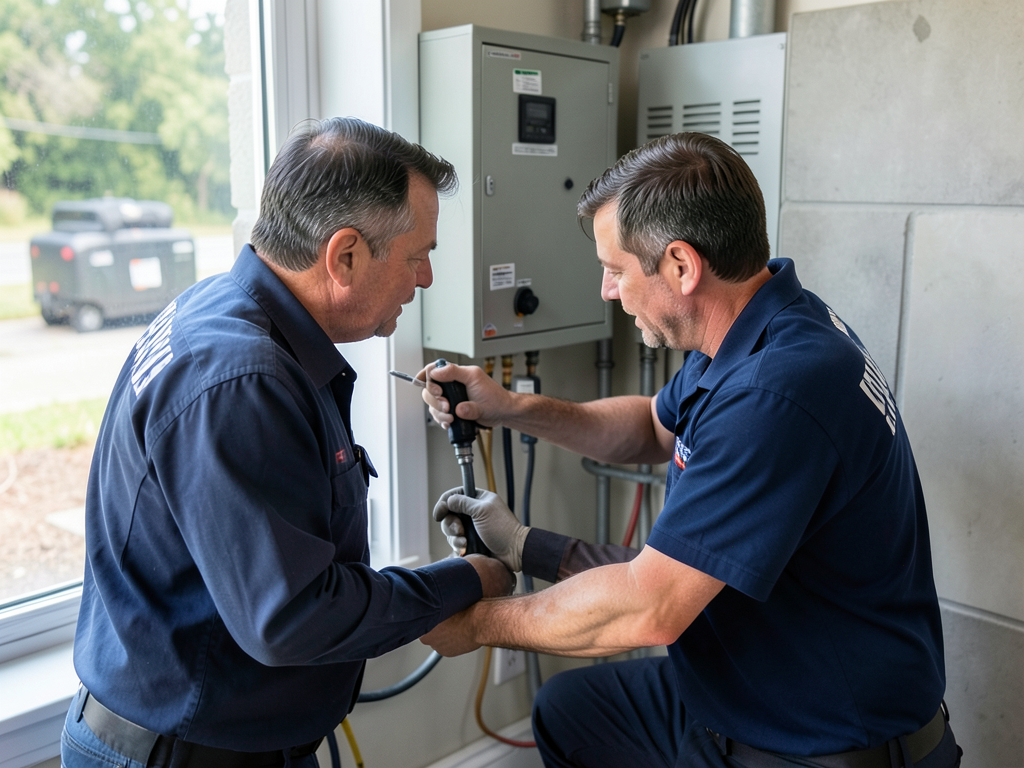
Keeping Your Home Warm During a Power Outage with HVAC Backup Power in Shoreview When winter storms hit Shoreview and the power goes out your furnace shuts down immediately leaving your home vulnerable to freezing…
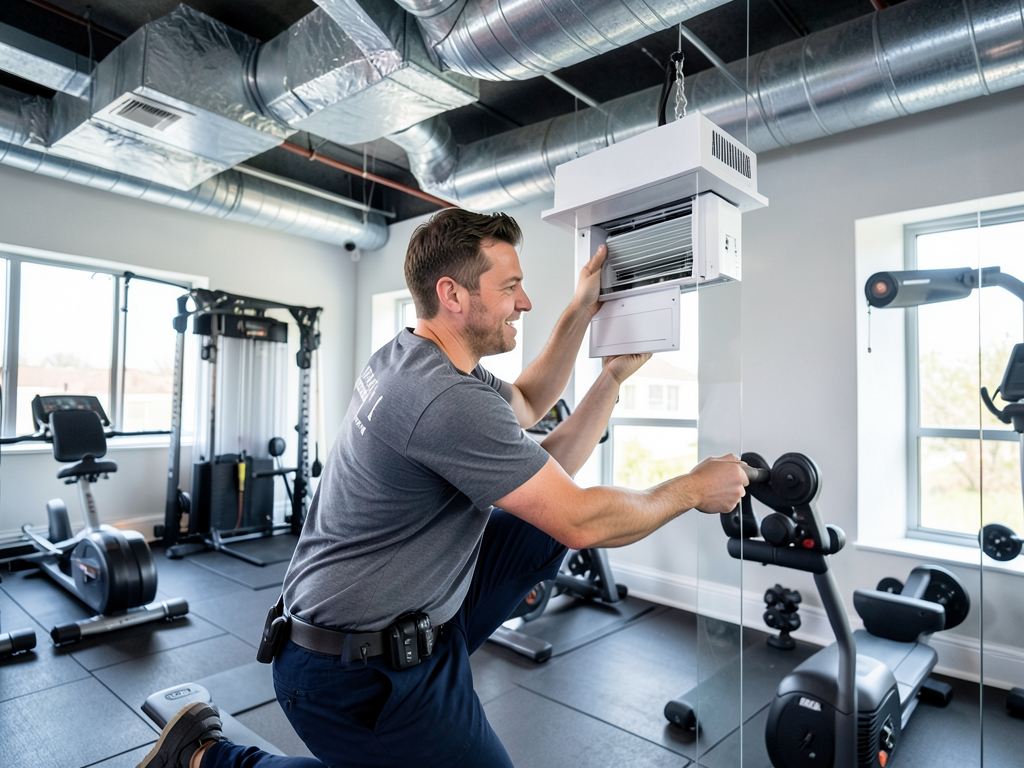
Building a Home Gym in Orono? Here's How to Keep It Comfortable Year-Round The Twin…
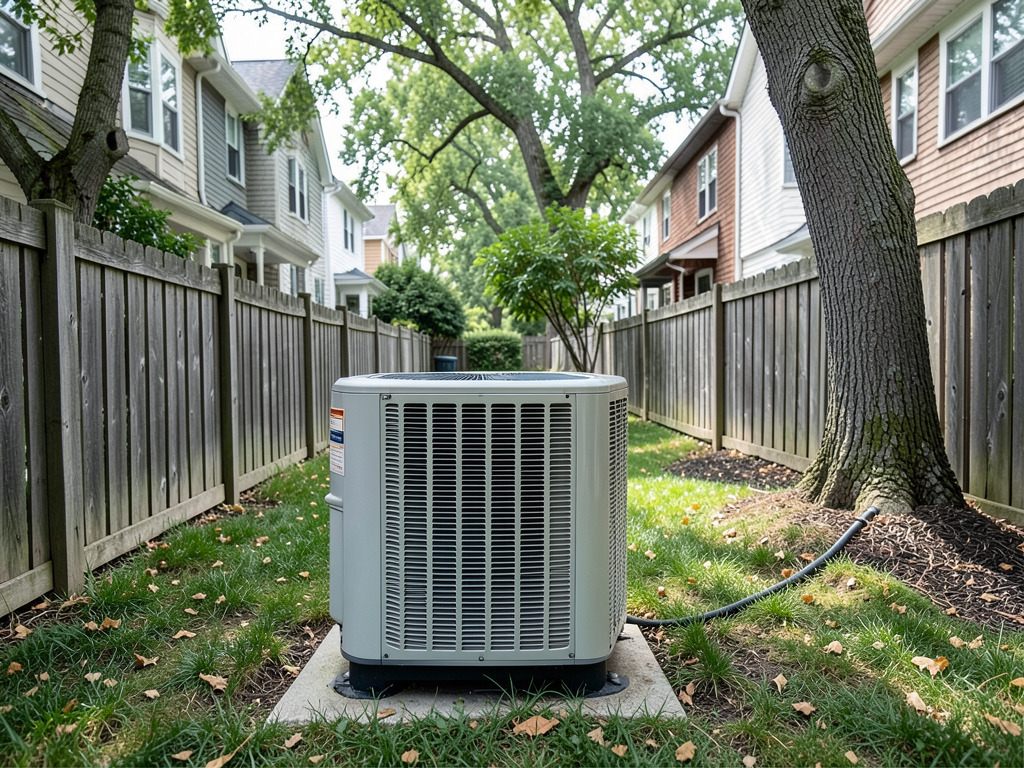
Living in Prospect Park means enjoying a tight-knit Minneapolis neighborhood where houses sit close together…
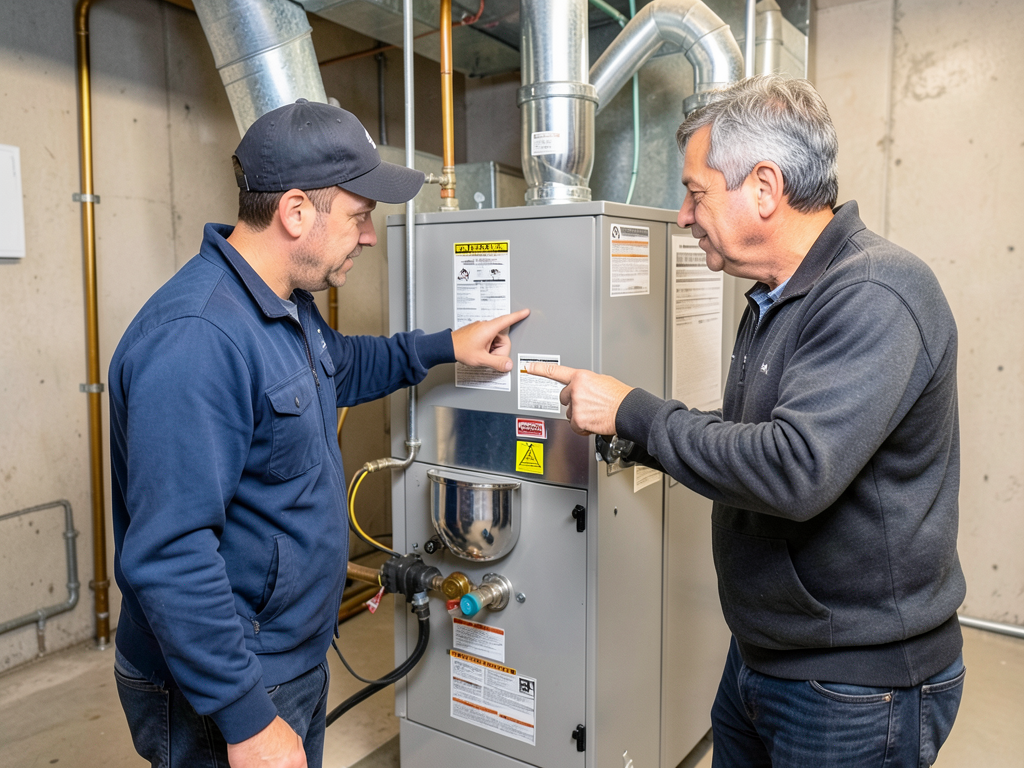
Choosing Between 80% and 96% Efficiency Furnaces for Your First Minneapolis Home Minneapolis winters are…
When your heating or cooling system fails, call All Pro HVAC Minneapolis at (651) 588-9677. We respond to emergencies 24/7 throughout the St. Paul metro and carry the parts needed to complete most repairs in one visit.