




Menu

Furnace Maintenance Checklist for Minneapolis Homes – Prevent Winter Breakdowns Before Subzero Temps Hit

A comprehensive furnace maintenance checklist designed for Minneapolis's brutal winters helps you catch small problems before they leave you without heat when temperatures drop to -20°F.

Slider Image 1
Slider Image 2
Slider Image 3
Slider Image 4
Slider Image 5
Slider Image 7
Slider Image 8
Slider Image 9
Slider Image 10
Slider Image 11

Why Minneapolis Furnaces Need a Different Maintenance Approach

Minneapolis furnaces work harder than heating systems almost anywhere else in the country. When January temperatures regularly hit -15°F with wind chills down to -40°F, your furnace runs nearly nonstop for weeks. This extreme cycling causes wear that homeowners in milder climates never face.

The freeze-thaw cycles that hit the Twin Cities metro create another problem. Condensate lines freeze. Heat exchangers crack from rapid temperature swings. Blower motors burn out from constant operation. A furnace that might last 20 years in Atlanta barely makes it 12 years in Minneapolis without proper preventative heating maintenance.

Your annual furnace inspection list needs to address these specific challenges. Standard heating system maintenance steps miss critical checkpoints for cold-climate systems. The differential between outdoor temps and your indoor setpoint can exceed 90 degrees in winter. That temperature gap puts massive stress on every component, from the ignition system to the flue pipe.

Most Minneapolis homes use natural gas furnaces rated for 80,000 to 120,000 BTU output. These systems cycle on and off 8 to 12 times per hour during peak winter. Each cycle creates thermal expansion and contraction. Over a single heating season, that equals thousands of stress events. A seasonal furnace service schedule catches the micro-cracks, loose connections, and component fatigue before they cause total failure.

The clay soil common throughout Hennepin and Ramsey Counties shifts foundations, which can stress ductwork connections and create air leaks that make your furnace work even harder.

Why Minneapolis Furnaces Need a Different Maintenance Approach
The Technical Components That Need Annual Inspection

The Technical Components That Need Annual Inspection

A proper furnace tune-up checklist goes far beyond changing the filter. You need to verify safe operation of the gas valve, test pressure switch operation, and measure temperature rise across the heat exchanger. These measurements tell you if the system operates within manufacturer specifications.

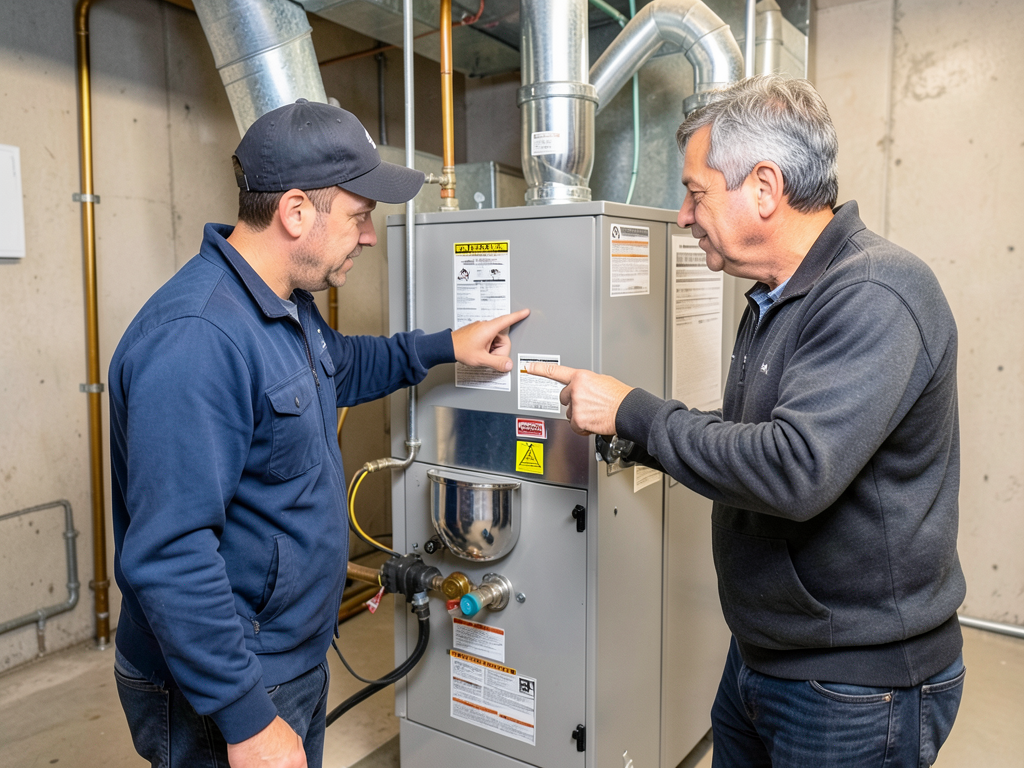
The heat exchanger inspection requires visual examination with a borescope camera. Cracks as thin as a credit card can allow carbon monoxide to enter your living space. We check for rust patterns, stress fractures around welds, and signs of overheating. High-efficiency furnaces with secondary heat exchangers need both primary and secondary chambers inspected.

Burner flame pattern analysis reveals combustion problems before they damage components. The flame should be steady, blue, and uniform across all burners. Yellow tips indicate incomplete combustion. Flickering flames suggest airflow problems. We measure flame sensor microamp readings to verify proper flame detection.

The draft inducer motor creates negative pressure to safely vent combustion gases. We test the pressure switch to confirm it closes at the correct vacuum level. If the inducer bearing wears out, the motor draws excessive amperage and eventually fails. Amperage testing catches this early.

Blower motor operation affects both comfort and efficiency. We measure static pressure in the supply and return plenums to verify proper airflow. High static pressure makes the blower work harder and increases energy consumption. We check capacitor values with a multimeter because weak capacitors cause motor failure.

Gas pressure testing at the manifold ensures proper fuel delivery. Too little pressure causes incomplete combustion. Too much pressure overheats the heat exchanger. We verify inlet pressure and manifold pressure match specifications for your specific model.

How Professional Furnace Maintenance Works

Furnace Maintenance Checklist for Minneapolis Homes – Prevent Winter Breakdowns Before Subzero Temps Hit
01

System Performance Testing

We start by running your furnace through a complete heating cycle while monitoring temperatures, pressures, and electrical values. This baseline test reveals how your system currently operates compared to factory specifications. We measure supply air temperature, return air temperature, and calculate temperature rise. We test thermostat operation and verify the blower cycles properly. This diagnostic phase identifies problems that homeowners cannot see or hear but that reduce efficiency and shorten equipment life.
02

Component Inspection and Cleaning

Next comes detailed inspection of every furnace component. We remove and examine burners, checking flame sensors and ignitors for carbon buildup. The blower wheel gets pulled and cleaned because dust accumulation reduces airflow by up to 30 percent. We inspect all electrical connections for signs of arcing or overheating. High-limit switches, rollout switches, and pressure switches get tested for proper operation. The flue pipe and vent termination get checked for blockages or corrosion that could cause backdrafting.
03

Calibration and Documentation

After cleaning and repairs, we calibrate the system for optimal performance. Gas pressure gets adjusted if needed. The thermostat anticipator gets set correctly. We fine-tune airflow to match your home's heating load. You receive a detailed report showing all measurements, test results, and photos of any concerning conditions. This documentation helps you plan for future repairs and provides a maintenance history if you sell your home. We note the expected service life of components showing wear.

Why Minneapolis Homeowners Choose Local HVAC Experts

Furnace maintenance in Minneapolis requires knowledge that national chains and out-of-state companies simply do not have. Local technicians understand how the extreme cold affects different furnace brands and models. We know which components fail first in subzero weather and which upgrades actually improve reliability in our climate.

Minneapolis and St. Paul follow the Minnesota State Mechanical Code, which has specific requirements for combustion air, venting, and carbon monoxide detection. New construction and replacement installations must meet efficiency minimums that exceed federal standards. Local HVAC companies stay current with these code changes and know which inspectors serve which neighborhoods.

The housing stock in Minneapolis creates unique challenges. Homes in Kenwood and Lowry Hill date to the early 1900s. These houses often have gravity furnaces converted to forced air or original ductwork with modern equipment. Proper maintenance requires understanding these hybrid systems. The split-level homes common in Richfield and Bloomington have ductwork designs that create pressure imbalances. We know how to address these issues during routine service.

All Pro HVAC Minneapolis technicians work in this climate year-round. We see what actually breaks when temperatures drop below zero for two weeks straight. We know the difference between a furnace that cycles normally and one that short-cycles from oversizing, which many homes in the Minneapolis metro face. This experience matters when you need accurate diagnosis and repairs that actually fix problems.

Community relationships matter for service quality. We work with the same parts suppliers, inspectors, and other trades repeatedly. This network means faster access to parts when your furnace needs repair during a cold snap. We know which equipment distributors stock parts for older Lennox, Carrier, and Trane models common in Minneapolis homes.

What to Expect from Professional Furnace Maintenance

Service Timeline and Scheduling

A thorough furnace tune-up takes 90 minutes to two hours, depending on your system type and condition. We recommend scheduling maintenance in September or early October, before heating season starts and before our schedule fills completely. Many Minneapolis homeowners wait until November when temperatures drop, but by then you risk waiting days for an appointment if we find problems that need repair. Early fall scheduling means you get priority booking and avoid the rush. If we discover a cracked heat exchanger or failed component during maintenance, you have time to schedule replacement before you actually need heat.

Initial System Assessment

The service call begins with questions about your heating system performance. We ask about unusual noises, uneven heating between rooms, recent utility bill changes, and how long the furnace has operated without professional service. We check your thermostat settings and inspect the condition of your existing filter. This conversation often reveals problems you have noticed but did not realize indicated specific failures. We then review your furnace make, model, and installation date. This information tells us which components typically fail at your system's age and which manufacturer-specific issues to examine during inspection.

Performance Results and Recommendations

After completing all tests and cleaning, you receive a detailed service report showing actual measurements versus manufacturer specifications. We explain what each number means in plain language. If we find problems, we prioritize them by urgency. Critical safety issues like cracked heat exchangers get flagged for immediate attention. Efficiency problems like dirty blower wheels get noted for monitoring. Wear items approaching end-of-life get documented so you can budget for replacement. You make informed decisions based on actual system condition, not sales pressure. We provide written estimates for any recommended repairs so you can compare options.

Ongoing Maintenance Planning

Regular furnace maintenance extends equipment life and prevents emergency breakdowns during January cold snaps when repair calls spike and wait times stretch to days. We recommend annual service for all forced-air heating systems in Minneapolis. Your service history stays in our system, so each visit builds on previous inspections. This continuity lets us track component degradation over time and predict failures before they happen. We send maintenance reminders each fall so you do not forget to schedule service. Consistent maintenance maintains manufacturer warranty coverage, improves energy efficiency, and ensures safe operation. The small annual investment in preventative heating maintenance prevents expensive emergency repairs and premature system replacement.

Frequently Asked Questions

You Have Questions,
We Have Answers

What maintenance should be done on a furnace? +

Your furnace needs annual maintenance to handle Minneapolis winters safely. A technician inspects the heat exchanger for cracks, tests the ignition system, checks gas pressure, and measures carbon monoxide levels. They clean the burners, test the blower motor, replace the air filter, and verify the thermostat calibration. The flue pipe gets inspected for blockages or corrosion. In Minneapolis, where furnaces run hard from October through April, this annual checkup prevents mid-winter breakdowns and catches dangerous issues like cracked heat exchangers before they become safety hazards. Skipping maintenance shortens equipment life and increases heating costs.

What is included in furnace tune up? +

A furnace tune up includes cleaning the burner assembly, inspecting the heat exchanger for cracks, testing the ignition system, and checking all electrical connections. The technician lubricates the blower motor bearings, replaces the air filter, and tests safety controls like the limit switch and flame sensor. They measure gas pressure, check for proper venting, and test carbon monoxide levels. In Minneapolis, where freeze-thaw cycles stress HVAC systems, the technician also inspects condensate drains on high-efficiency furnaces to prevent ice blockages. The tune up ends with a full system test to confirm proper heating and airflow throughout your home.

What is the average cost to service a furnace? +

Furnace service in Minneapolis typically costs between $80 and $150 for a standard tune up. This covers inspection, cleaning, testing, and a new filter. Repairs add to the cost. A flame sensor replacement runs $75 to $200. Blower motor work costs $150 to $450. Inducer motor replacement ranges from $300 to $600. Heat exchanger repairs or replacement can exceed $1,200. Minneapolis homes with older furnaces often face higher repair costs due to wear from our severe winters. Annual maintenance catches small issues before they become expensive failures. Many companies offer service plans that reduce per-visit costs.

What parts of a furnace need to be cleaned? +

The burner assembly collects dust and soot that reduces efficiency and causes uneven heating. The flame sensor gets coated with carbon buildup, causing ignition failures. The blower wheel accumulates dirt that restricts airflow and strains the motor. The heat exchanger needs inspection and cleaning to remove corrosion or debris. In Minneapolis, where furnaces run heavy cycles during cold months, these components work harder and accumulate buildup faster. The flue pipe can collect condensation residue on high-efficiency models. The air filter traps dust but needs replacement, not cleaning. Regular cleaning of these parts prevents breakdowns and maintains safe operation.

What is the $5000 rule? +

The $5,000 rule helps you decide between repair and replacement. Add the repair cost to your furnace age. If the total exceeds $5,000, replacement makes more financial sense. For example, a $1,500 repair on a 15-year-old furnace equals $6,500, so replace it. A $400 repair on a 10-year-old furnace equals $4,400, so repair it. In Minneapolis, where furnaces endure brutal winters, equipment often wears out faster than milder climates. The rule accounts for efficiency improvements in newer models. Furnaces older than 15 years also lack modern safety features and consume more energy, making replacement the smarter long-term investment.

How do I service my furnace myself? +

You can replace your air filter monthly and keep vents clear, but skip the rest. Furnace maintenance requires specialized tools and training. You cannot safely inspect the heat exchanger for cracks or test carbon monoxide levels without proper equipment. Gas connections require precise pressure measurements. Cleaning the burner assembly without proper technique causes more problems than it solves. In Minneapolis, where furnace failures during subzero weather create emergencies, improper DIY work leads to dangerous situations. A cracked heat exchanger leaks carbon monoxide into your home. Incorrect gas pressure causes incomplete combustion. Professional maintenance costs less than emergency repairs from DIY mistakes.

What is the average cost of a full tune up? +

A full furnace tune up in Minneapolis costs $80 to $150 on average. This includes inspection, cleaning, testing, and filter replacement. The price varies based on furnace type and accessibility. High-efficiency condensing furnaces cost more to service due to additional components like condensate pumps and secondary heat exchangers. Older furnaces with hard-to-reach parts increase labor time. Some companies charge premium rates for emergency or weekend service. Annual service contracts reduce per-visit costs and include priority scheduling. In Minneapolis, where winters are harsh, the tune up cost pays for itself through improved efficiency and prevented breakdowns during peak heating season.

What is the most expensive part to fix on a furnace? +

The heat exchanger is the most expensive furnace component to replace. Replacement costs range from $1,200 to $3,000 because it requires substantial disassembly and labor. In Minneapolis, where temperature swings stress metal components through expansion and contraction, heat exchangers crack more frequently than in moderate climates. The inducer motor ranks second at $300 to $600 for parts and labor. Control boards cost $200 to $600 depending on the model. Blower motors run $150 to $450. When heat exchanger replacement approaches 50 percent of a new furnace cost, replacement becomes the better option, especially for systems older than 15 years.

How do I know if my furnace needs a tune up? +

Your furnace needs a tune up if you notice weak airflow, yellow flames instead of blue, unusual noises like banging or squealing, or frequent cycling on and off. Rising energy bills without increased usage indicate declining efficiency. Dusty air or dry conditions suggest filter or blower issues. In Minneapolis, schedule annual maintenance before heating season starts in October. Waiting until your furnace fails during a January cold snap creates emergency situations. Furnaces older than 10 years need annual service regardless of symptoms. If your last tune up occurred over a year ago, schedule service now. Preventive maintenance costs less than emergency repairs.

How long does furnace maintenance take? +

Standard furnace maintenance takes 60 to 90 minutes for a thorough inspection and tune up. High-efficiency furnaces with complex components may require two hours. The technician needs access to the furnace, thermostat, and vents, so clear the area beforehand. In Minneapolis homes with finished basements or tight utility spaces, access challenges add time. If the technician discovers issues like a cracked heat exchanger or failed components, diagnostic time increases. Companies often schedule maintenance appointments in two-hour blocks to account for variations. Annual tune ups during shoulder seasons like September or October take less time than emergency calls during peak winter heating demand.

How Minneapolis's Extreme Temperature Swings Accelerate Furnace Wear

Minneapolis experiences some of the most extreme temperature variations in the continental United States. A typical winter day might start at -10°F and warm to 20°F by afternoon. Spring and fall bring even wilder swings, with 40-degree temperature changes within 24 hours. These rapid shifts cause metal components to expand and contract repeatedly. Heat exchangers develop stress cracks at weld points. Ductwork connections separate from thermal movement. Gas valve seals harden and crack from constant temperature cycling. Your furnace maintenance checklist must account for this accelerated wear that heating systems in moderate climates never experience. Minneapolis furnaces need inspection intervals half as long as systems in cities like Nashville or Charlotte.

Local HVAC companies in the Twin Cities metro understand the equipment failures specific to our climate. We know that Goodman furnaces installed between 2008 and 2012 have weak secondary heat exchangers that crack early in cold climates. We recognize the ignitor failures common in Carrier Infinity systems when they run continuously during polar vortex events. This knowledge comes from working exclusively in Minneapolis, St. Paul, Edina, Minnetonka, and surrounding communities where every furnace faces identical weather stress. National service chains rotate technicians between regions. They lack the focused experience that comes from servicing thousands of furnaces in one specific climate zone. When your heating system fails at 2 a.m. with the temperature at -15°F, you need technicians who have fixed that exact problem dozens of times in identical conditions.
HVAC Services in The Minneapolis Area

All Pro HVAC is conveniently located to serve the Minneapolis area and surrounding communities effectively. We invite you to view our service area on the map below, helping you visualize our reach and confirm that we are readily available to provide our expert heating, ventilation, and air conditioning services right to your doorstep, ensuring your comfort is always within reach.

Address:
All Pro HVAC Minneapolis, 1 W Franklin Ave, Minneapolis, MN, 55404

Additional Services We Offer

Our news updates

Latest Articles & News from The Blogs

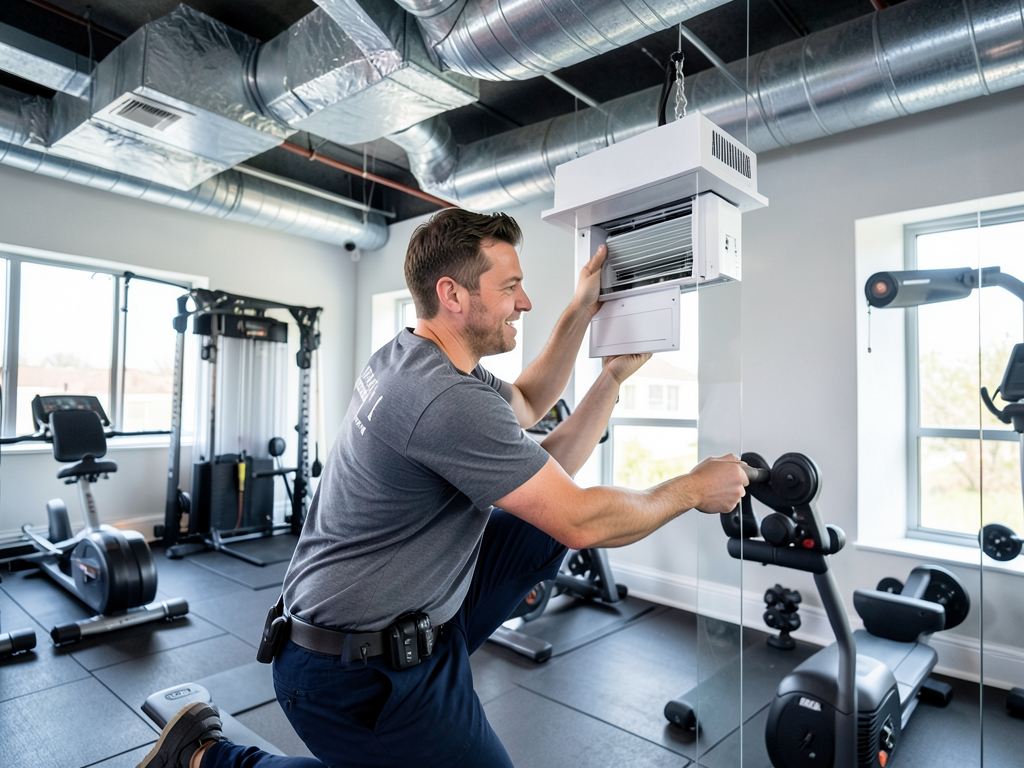
Building a Home Gym in Orono? Here's How to Keep It Comfortable Year-Round The Twin Cities climate makes home gym…

Adding HVAC to a New Home Gym or Yoga Studio in Orono

Building a Home Gym in Orono? Here's How to Keep It Comfortable Year-Round The Twin Cities climate makes home gym…

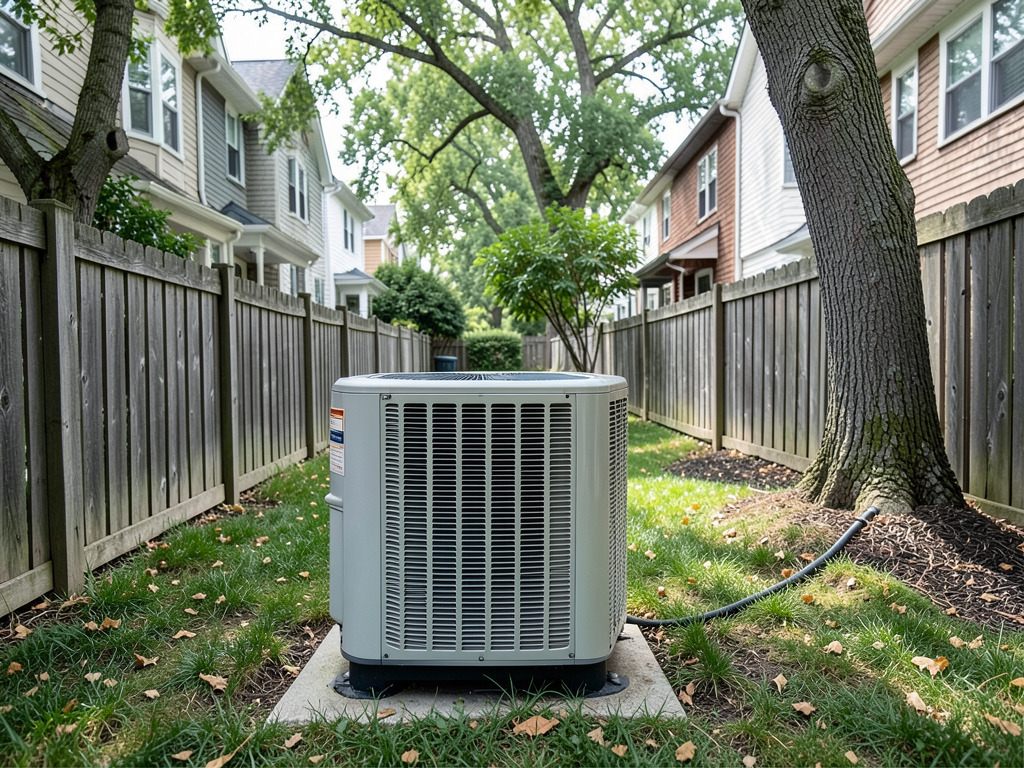
Soundproofing an Outdoor AC Unit for Small Backyards in Prospect Park

Living in Prospect Park means enjoying a tight-knit Minneapolis neighborhood where houses sit close together and outdoor spaces feel like…

Choosing Between 80% and 96% Efficiency Furnaces for Your First Minneapolis Home

Choosing Between 80% and 96% Efficiency Furnaces for Your First Minneapolis Home Minneapolis winters are brutal and your furnace choice…

Contact Us

Do not wait until the first cold snap to discover your furnace needs repair. Call All Pro HVAC Minneapolis at (651) 588-9677 to schedule your annual furnace inspection. September and October appointments are available now, before the heating season rush begins.