




Menu

Noisy AC or Heater in Minneapolis | Fast Diagnosis and Permanent Repair

Stop the racket and restore peace with expert technicians who diagnose the root cause of your loud air conditioner or furnace making noise, then fix it right the first time.

Slider Image 1
Slider Image 2
Slider Image 3
Slider Image 4
Slider Image 5
Slider Image 7
Slider Image 8
Slider Image 9
Slider Image 10
Slider Image 11

Why Your HVAC System Sounds Like a Construction Site

You hear it the moment the system kicks on. A loud heater clanging through the vents. An air conditioner making noise that sounds like gravel in a blender. The grinding. The squealing. The banging that wakes you at 2 AM.

Minneapolis winters hit negative double digits. Summers push 90 degrees with humidity that makes your home feel like a sauna. Your HVAC system runs harder and longer than systems in milder climates. That constant cycling accelerates wear on blower motors, compressor bearings, and fan blades.

A noisy HVAC system tells you something specific is failing. Loose mounting bolts vibrate against ductwork. Worn motor bearings create a metallic whine. Refrigerant lines expand and contract with Minneapolis's 100-degree temperature swings between January and July, causing rattling where they contact framing. Dirty blower wheels throw the fan assembly out of balance, creating a rhythmic thumping.

Your furnace making noise often signals a cracked heat exchanger, a safety risk that releases carbon monoxide into your living space. A loud air conditioner compressor might be running on low refrigerant, forcing the motor to work harder until it seizes completely. Ignoring these sounds does not make them go away. It makes the repair more expensive and increases the chance of a complete system failure during the coldest or hottest week of the year.

The noise is not normal. It is a warning. Minneapolis homeowners who wait too long end up replacing entire units instead of repairing a single component.

Why Your HVAC System Sounds Like a Construction Site
How We Pinpoint the Exact Source of the Noise

How We Pinpoint the Exact Source of the Noise

Generic troubleshooting wastes your time and money. We use a diagnostic protocol that isolates the exact failing component in your noisy HVAC system.

First, we power up the system and listen during both the startup sequence and steady-state operation. Different sounds occur at different points in the cycle. A metallic screech during startup points to a failed capacitor or seized bearing. A rhythmic banging during operation indicates an unbalanced blower wheel or loose mounting hardware.

We open the access panels and inspect the blower assembly, motor mounts, and compressor housing. We check belt tension on older systems. We measure voltage at the contactor to rule out electrical issues causing the compressor to hard-start. We inspect the condensate drain pan for standing water that might cause a gurgling sound through the drain line.

For furnaces, we examine the burner assembly and heat exchanger for cracks or warping. We check the inducer motor and pressure switch. We verify the flame sensor is clean and the gas valve cycles correctly. A loud heater often has a failing inducer motor or a cracked heat exchanger that allows combustion gases to leak.

For air conditioners, we check refrigerant pressures to rule out low charge. We inspect the compressor for physical damage and the condenser fan motor for bearing wear. We verify the reversing valve on heat pumps shifts cleanly without sticking.

We do not guess. We test, measure, and verify. You get a written diagnosis that explains what failed, why it failed, and what it takes to fix it permanently.

What Happens When We Diagnose Your Noisy System

Noisy AC or Heater in Minneapolis | Fast Diagnosis and Permanent Repair
01

System Assessment

We arrive with a full diagnostic toolkit and run the system through multiple cycles. You show us where the noise occurs and when it started. We listen at the air handler, the outdoor condenser, and inside the ductwork. We document the sound type, frequency, and whether it changes with temperature or load. This first evaluation takes 20 to 30 minutes and tells us which subsystem is failing.
02

Component Testing

We open the unit and test individual components. Blower motors get checked for bearing play. Compressors get tested for internal short-cycling. We measure amp draw on motors and compare it to the nameplate rating. We inspect mounting bolts, rubber isolators, and duct connections for looseness. We use a combustion analyzer on furnaces to verify safe operation. This phase isolates the failed part and confirms whether surrounding components are still in good condition.
03

Repair and Verification

We replace the failed component using OEM or better-grade parts. We reassemble the unit, tighten all fasteners, and verify the system runs quietly through multiple cycles. We measure airflow, check refrigerant charge, and confirm all safety switches function correctly. You hear the difference immediately. We document the repair and provide you with a detailed invoice showing exactly what was replaced and why. Your system runs the way it should, not the way it did.

Why Minneapolis Homeowners Choose All Pro HVAC for Noise Diagnosis

You need someone who understands how Minneapolis climate affects HVAC longevity. Our technicians see the same failure patterns every season. Blower motors that burn out from over-cycling during February cold snaps. Compressor bearings that wear out from running 18 hours a day during July heat waves. Condensate pumps that freeze and crack during spring temperature swings.

We stock the parts that fail most often in this climate. We do not need to order a blower motor or capacitor and make you wait three days while your system rattles apart. We carry them on the truck because we know what breaks in Minneapolis systems.

Our diagnostic process eliminates guesswork. You do not pay for trial-and-error repairs. We identify the problem, explain it in plain language, and give you a fixed price before we touch a wrench. You decide whether to repair or replace based on facts, not fear.

We work on systems in homes built in the 1920s with gravity furnaces converted to forced air. We service new construction with variable-speed heat pumps. We handle ductwork in finished basements where access is tight. We know how to work around Minneapolis's unique housing stock, from bungalows in Powderhorn to ramblers in St. Louis Park.

You get someone who answers the phone, shows up on time, and fixes the problem correctly. No upselling. No scare tactics. No pressure to replace a system that just needs a $200 part. We give you the information you need to make the right decision for your home and your budget.

What You Can Expect During a Noise Diagnosis

Same-Day Availability

We schedule most noise diagnostics within 24 hours. If your system is making a noise that indicates imminent failure, like grinding metal or a compressor that hums but will not start, we prioritize your call. Most diagnostics take 30 to 60 minutes. Simple repairs like tightening loose panels or replacing a capacitor happen the same visit. More involved repairs like replacing a blower motor or compressor get scheduled based on your availability, and we provide a firm timeline before we leave.

Transparent Diagnosis Process

We show you what failed. You see the worn bearing, the cracked mount, or the damaged component. We explain what caused the failure and whether other parts are at risk. You get a written diagnostic report with the part name, the labor required, and the total cost. We do not give you a vague estimate or a price range. You get a fixed number. If the repair cost approaches the value of the system, we tell you. You make the call, not us.

Quiet, Reliable Operation

After the repair, your system runs the way it was designed to run. You should hear air moving through the vents and the quiet hum of the blower motor. You should not hear banging, squealing, or grinding. We test the system under load to confirm the noise is eliminated. If a sound persists, we do not leave until we find the source. You get a system that operates reliably and quietly, and you get peace of mind that the repair was done right.

Post-Repair Support

We stand behind the work. If the noise returns or a new issue develops related to the repair, we come back and make it right. We provide guidance on maintenance that prevents future noise issues, like changing filters monthly during peak heating and cooling months and scheduling annual tune-ups. We also discuss system lifespan. If your unit is 15 years old and multiple components are wearing out, we give you realistic expectations about future repairs so you can plan accordingly.

Frequently Asked Questions

You Have Questions,
We Have Answers

Why is my AC so loud all of a sudden? +

A sudden loud noise often signals a failing component. Loose fan blades create a rattling or clanking sound. A worn compressor makes grinding or squealing noises. Debris in the outdoor unit causes banging. Refrigerant leaks produce a hissing sound. In Minneapolis, freeze-thaw cycles can loosen mounting bolts or damage fan blades. Ductwork expanding in extreme heat also creates popping sounds. Turn off your system immediately to prevent further damage. A diagnostic inspection identifies the exact cause. Ignoring the noise can turn a simple fix into a costly compressor or motor replacement.

What is the 3 minute rule for AC? +

The 3 minute rule prevents compressor damage. After your AC shuts off, wait at least 3 minutes before restarting. This allows refrigerant pressure to equalize throughout the system. Restarting too quickly forces the compressor to work against high pressure, causing strain and overheating. Minneapolis humidity and temperature swings make this rule critical. Many modern thermostats have built-in delay timers. If you experience frequent short cycling, a technician should check your capacitor, thermostat calibration, or refrigerant levels. Respecting this rule extends compressor life and prevents emergency breakdowns during summer heat waves.

What is the $5000 AC rule? +

The $5000 rule is an IRS guideline for energy-efficient home improvements. Homeowners can claim up to $3200 annually for qualifying HVAC equipment through tax credits, not deductions. This includes high-efficiency central air conditioners with a SEER2 rating of 16 or higher and heat pumps with specific HERS ratings. Minneapolis winters make dual-fuel systems particularly attractive under this credit. The rule also covers energy audits and insulation. Equipment must meet ENERGY STAR certification. Keep receipts and manufacturer certification statements. Consult a tax professional to verify eligibility, as rules change annually and income limits may apply.

What does an AC compressor sound like when it's going out? +

A failing compressor makes distinct sounds. A grinding noise signals worn internal bearings. Loud banging or clanking means internal components are loose or broken. A high-pitched squealing indicates electrical issues or locked rotor bearings. Clicking that fails to start the unit suggests electrical relay problems. In Minneapolis, compressors work harder during extreme heat and cold transitions, accelerating wear. If your outdoor unit vibrates excessively or the compressor hums without starting, immediate shutdown prevents catastrophic failure. Most compressor failures require full replacement, not repair. Early detection saves you from emergency service calls during peak season.

What does a blown blower motor sound like? +

A blown blower motor produces specific sounds. Loud squealing indicates worn bearings. Grinding noises mean bearings have failed completely. Humming without airflow suggests a seized motor or capacitor failure. Clicking sounds point to electrical relay issues. In Minneapolis homes with continuous fan operation during winter, motors wear faster. You may also notice weak airflow, burning smells, or frequent circuit breaker trips. Blower motors typically fail gradually, giving you warning signs. Replacing a motor before complete failure prevents secondary damage to your system. Regular filter changes reduce motor strain and extend lifespan significantly.

How much does it cost to replace a capacitor in an AC unit? +

Capacitor replacement typically costs between materials and labor combined. The part itself is inexpensive, but proper diagnosis and safe handling require professional knowledge. Capacitors store electrical charge even when power is off, creating shock hazards. Minneapolis temperature extremes stress capacitors, causing frequent failures. Dual capacitors cost slightly more than single-run capacitors. Signs you need replacement include humming without starting, slow fan speeds, or clicking sounds. Most technicians can replace a capacitor during a single service call. Replacing a failed capacitor immediately prevents compressor damage, which costs far more to repair.

How cool should my house be if it's 100 outside? +

When outside temperatures hit 100 degrees, expect your AC to maintain indoor temps around 75 to 78 degrees. Most residential systems can cool 15 to 20 degrees below outdoor temps. Minneapolis rarely sees triple-digit heat, but high humidity makes it feel hotter. Your system works harder in extreme heat, consuming more energy. Close blinds, use ceiling fans, and avoid heat-generating appliances during peak hours. If your home cannot reach 78 degrees, check filters, refrigerant levels, and ductwork. Unrealistic thermostat settings force your system to run continuously without reaching target temps.

How to tell if an AC capacitor is bad? +

A bad capacitor shows clear symptoms. Your outdoor fan spins slowly or not at all. The compressor hums loudly but does not start. You smell burning near the outdoor unit. The system clicks repeatedly without running. In Minneapolis, capacitors fail more often due to temperature extremes and voltage fluctuations. A multimeter test measures microfarads to confirm failure. Bulging or leaking capacitors are visibly damaged. Never touch a capacitor without discharging it first. Capacitor failure is the most common AC repair. Replacement is quick and prevents compressor burnout, which costs significantly more to fix.

How do the amish keep cool in the summer? +

The Amish use passive cooling strategies that work in any climate. They orient homes to catch prevailing breezes and plant shade trees strategically. Large porches and whole-house fans pull cool air through windows. Basements provide natural cooling during peak heat. They schedule heavy work for early morning or evening. Light-colored clothing and natural fabrics help. In Minneapolis, Amish communities use similar techniques adapted for higher humidity. They avoid heat-generating appliances during the day. While these methods work, modern HVAC systems provide consistent comfort and humidity control that passive cooling cannot match in extreme weather.

Can I write off my new AC unit on my taxes? +

You can claim a tax credit for qualifying AC units, not a write-off. The Inflation Reduction Act allows credits up to $3200 annually for ENERGY STAR certified systems with minimum SEER2 ratings. This is a credit reducing your tax bill, not a deduction reducing taxable income. Minneapolis homeowners benefit most from high-efficiency heat pumps qualifying for larger credits. Keep manufacturer certification statements and receipts. Medical necessity does not create additional deductions for standard comfort cooling. Business or rental property installations follow different rules under depreciation schedules. Consult a tax professional to verify your specific eligibility and current credit limits.

How Minneapolis Temperature Extremes Accelerate HVAC Wear and Noise

Minneapolis sees temperature swings from negative 20 degrees in January to 95 degrees in July. Your HVAC system cycles more frequently than systems in moderate climates. That constant on-off cycling wears out capacitors, bearings, and contactors faster. Outdoor condenser units endure freeze-thaw cycles that crack mounting pads and loosen hardware. Ductwork in unconditioned attics expands and contracts with extreme temperature shifts, causing joints to separate and metal to rub against wood framing. A furnace making noise in February or a loud air conditioner in July is often the result of components stressed beyond their design limits by Minneapolis weather.

All Pro HVAC has diagnosed and repaired noisy systems across Minneapolis, from Uptown lofts to Highland Park single-family homes. We know the common failure points in older systems that have been retrofitted multiple times. We understand local building codes and how they affect ductwork modifications. We work with the same supply houses and inspectors every day, which means faster parts access and smoother permitting when needed. Choosing a local team means you get someone who knows your neighborhood, your home style, and the specific challenges Minneapolis HVAC systems face.
HVAC Services in The Minneapolis Area

All Pro HVAC is conveniently located to serve the Minneapolis area and surrounding communities effectively. We invite you to view our service area on the map below, helping you visualize our reach and confirm that we are readily available to provide our expert heating, ventilation, and air conditioning services right to your doorstep, ensuring your comfort is always within reach.

Address:
All Pro HVAC Minneapolis, 1 W Franklin Ave, Minneapolis, MN, 55404

Additional Services We Offer

Our news updates

Latest Articles & News from The Blogs

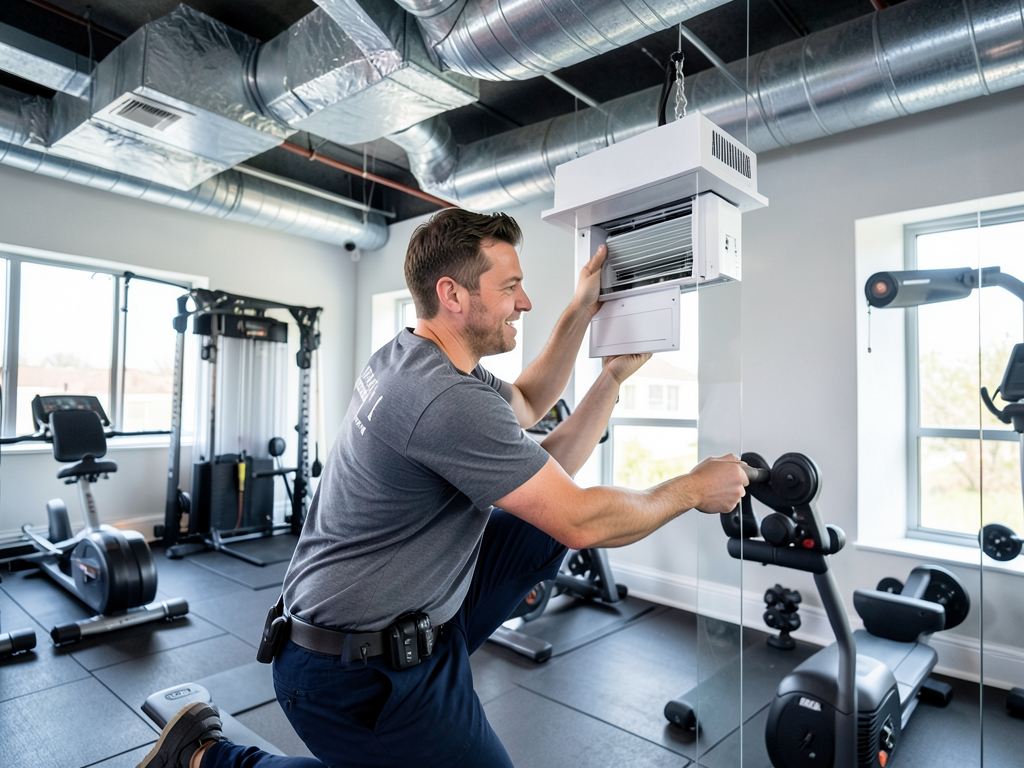
Building a Home Gym in Orono? Here's How to Keep It Comfortable Year-Round The Twin Cities climate makes home gym…

Adding HVAC to a New Home Gym or Yoga Studio in Orono

Building a Home Gym in Orono? Here's How to Keep It Comfortable Year-Round The Twin Cities climate makes home gym…

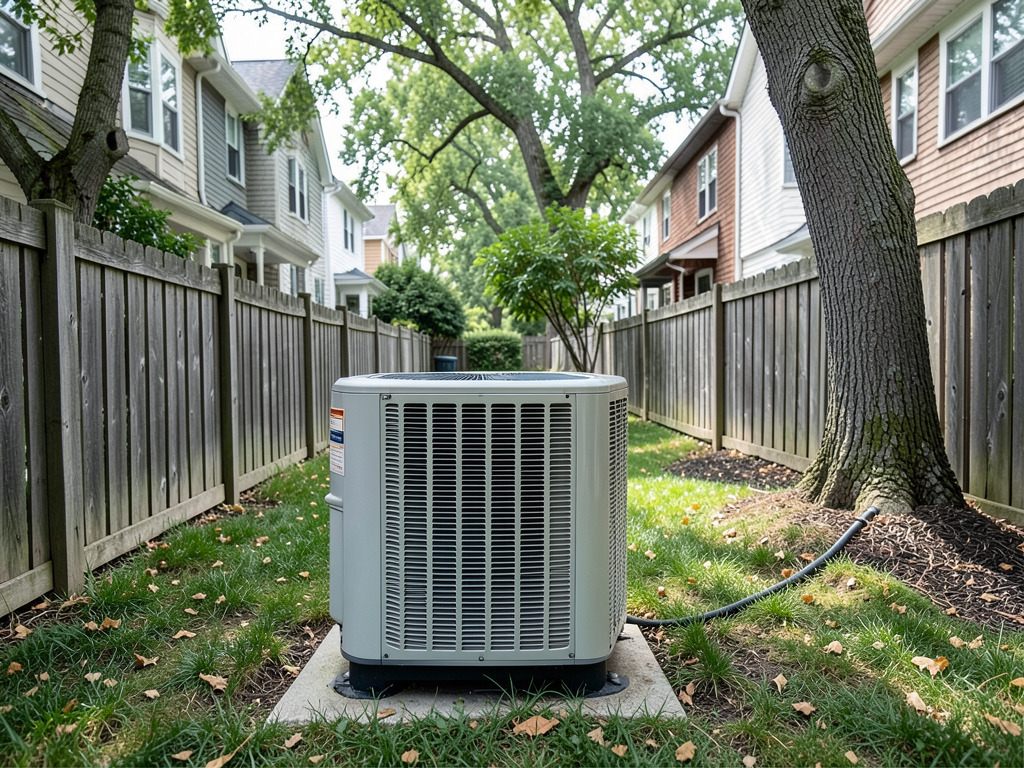
Soundproofing an Outdoor AC Unit for Small Backyards in Prospect Park

Living in Prospect Park means enjoying a tight-knit Minneapolis neighborhood where houses sit close together and outdoor spaces feel like…

Choosing Between 80% and 96% Efficiency Furnaces for Your First Minneapolis Home

Choosing Between 80% and 96% Efficiency Furnaces for Your First Minneapolis Home Minneapolis winters are brutal and your furnace choice…

Contact Us

Call All Pro HVAC Minneapolis at (651) 588-9677 to schedule a diagnostic visit. We will identify the source of the noise, explain what needs to be fixed, and give you a firm price. Stop wondering what is wrong. Get it fixed right.