




Menu

Storm Damage HVAC Repair in Minneapolis – Emergency Response Teams Dispatched Within 90 Minutes

All Pro HVAC Minneapolis deploys certified technicians 24/7 to restore heat and cooling after severe weather hits your home or business, preventing secondary water damage and system failure.

Slider Image 1
Slider Image 2
Slider Image 3
Slider Image 4
Slider Image 5
Slider Image 7
Slider Image 8
Slider Image 9
Slider Image 10
Slider Image 11

Why Minneapolis Storm Damage Destroys HVAC Systems Fast

Minneapolis weather hits hard and fast. Hailstorms punch through condenser coils. Lightning strikes fry circuit boards and capacitors. Wind-driven rain floods air handlers in attics. The combination of severe thunderstorms between May and September, plus the transition from heating to cooling season, creates a perfect storm for HVAC failure.

When your system goes down after severe weather, you are racing against two threats. First, your home loses climate control during extreme heat or cold. Second, water intrusion from storm damage starts breeding mold inside ductwork within 48 hours. The humid summer air in Minneapolis accelerates this process.

Storm damaged AC unit repair cannot wait. A compromised condensate drain line floods your basement. A cracked heat exchanger leaks carbon monoxide. Hail-damaged outdoor units lose refrigerant, which costs you money every hour the leak continues.

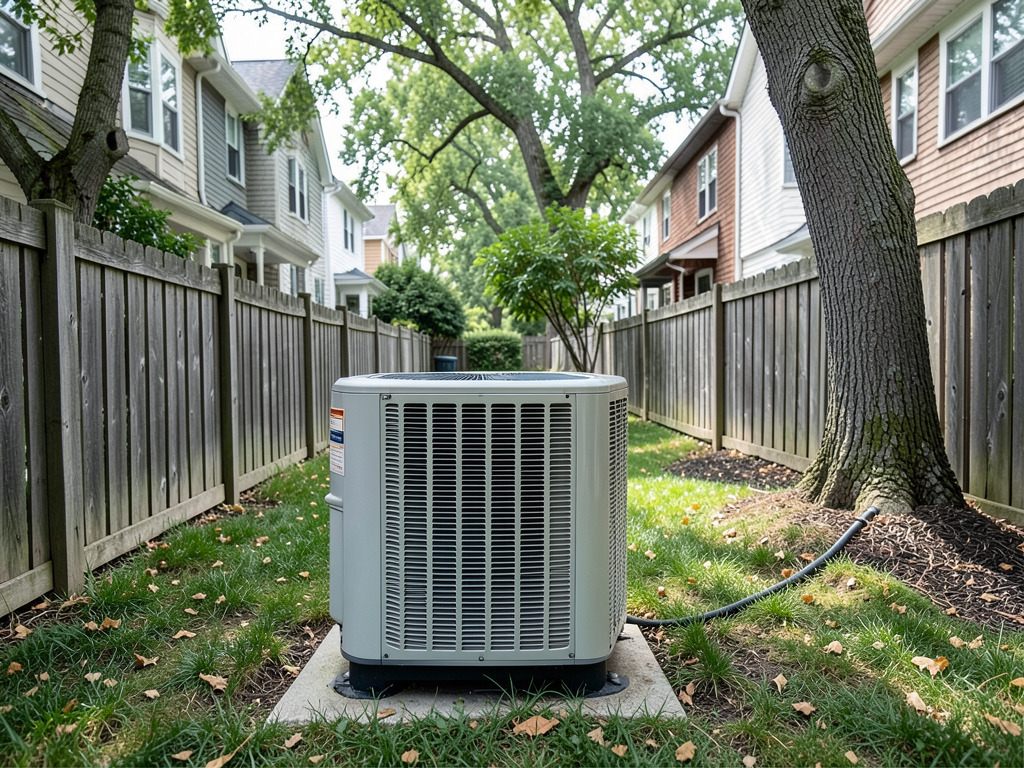
Emergency HVAC storm repair means more than fixing what broke. It means preventing the cascade of secondary damage that insurance adjusters see in every Minneapolis neighborhood after major weather events. The clay soil around foundations here shifts during heavy rain, which can disconnect refrigerant lines or crack concrete pads under outdoor units.

You need heating and cooling storm damage repair from technicians who understand how Minneapolis weather attacks your system, not generic contractors who treat every call the same.

Why Minneapolis Storm Damage Destroys HVAC Systems Fast
How We Restore Storm Damaged HVAC Systems

How We Restore Storm Damaged HVAC Systems

HVAC storm restoration services require a different approach than standard repairs. We start with a complete system diagnostic, not just the obvious damage. A lightning strike that blew your contactor might have also damaged the compressor windings or control board. We test voltage across every component before declaring anything safe.

Our technicians document everything for your insurance claim. We photograph damaged components, record serial numbers, and provide detailed repair estimates that match insurance industry standards. Most homeowners do not realize their policy covers emergency HVAC storm repair, but the documentation must be precise.

For refrigerant line damage, we perform nitrogen pressure tests to find pinhole leaks that visual inspection misses. Hail damage to condenser fins gets straightened with specialized combs, but if the coil tubes underneath are compromised, we replace the entire coil assembly. Patch jobs fail within months.

Water damage to indoor units means checking for mold growth in the blower housing and evaporator coil. We remove and treat contaminated insulation, then verify the condensate drain system works properly. A clogged drain caused by storm debris will flood your home again during the next cooling cycle.

Electrical components get the most attention. We megger test motors, verify ground continuity, and replace any contactor or relay that shows pitting or carbon scoring. The power surge that came with the lightning strike weakened parts that will fail next week without replacement.

All Pro HVAC Minneapolis stocks emergency repair parts for the brands most common in Twin Cities homes, which means same-day restoration for most storm damage scenarios.

What Happens When You Call for Storm Damage HVAC Repair

Storm Damage HVAC Repair in Minneapolis – Emergency Response Teams Dispatched Within 90 Minutes
01

Emergency Dispatch and Assessment

You call our 24/7 emergency line at (651) 588-9677. We ask specific questions about what happened, what you smell, and whether you have power. Our dispatcher assigns a technician based on your location in Minneapolis and the type of damage you describe. You get a callback within 15 minutes with an estimated arrival time and immediate safety instructions if needed.
02

Complete System Diagnostic

Our technician inspects both indoor and outdoor units, tests electrical components, checks refrigerant pressures, and photographs all damage. We use thermal imaging to detect hidden water intrusion in walls or ductwork. You receive a written diagnostic report that separates storm damage from pre-existing wear, which matters for insurance claims. We explain what failed, why it failed, and what else might fail soon.
03

Restoration and System Testing

We complete repairs using OEM or equivalent parts that meet manufacturer specifications. After restoration, we run a full system test cycle, verify temperatures at supply registers, check amp draw on all motors, and confirm proper refrigerant charge. You get a detailed invoice for insurance submission and a 30-day callback to verify everything still runs correctly. We document all work in your service history for future reference.

Why Minneapolis Residents Choose All Pro HVAC for Storm Damage

Storm damage requires technicians who understand Minneapolis building codes and weather patterns. We know that homes built before 1985 in neighborhoods like Powderhorn and Longfellow often have undersized electrical services that complicate HVAC repairs after power surges. We work with these systems daily.

All Pro HVAC Minneapolis maintains relationships with every major insurance carrier that covers homes in Hennepin County. Our estimates use Xactimate pricing, which insurance adjusters recognize and approve faster. We provide supplemental documentation when adjusters lowball initial damage assessments.

Our technicians train specifically on storm damage scenarios. They recognize the difference between a failed capacitor from age and one destroyed by a lightning-induced power surge. This distinction matters when your insurance company questions whether the damage came from the storm or normal wear.

We stock parts for the HVAC brands most common in Minneapolis: Lennox, Trane, Carrier, and Goodman. When a storm hits on a Saturday night, we have the contactor or circuit board your system needs. National chains wait until Monday for parts shipments.

The severe weather season here runs from late spring through early fall. We staff additional emergency technicians during peak months because we know storm calls spike after every severe thunderstorm warning. You will not sit in a queue behind 50 other customers.

Minneapolis homes face unique challenges. Mature trees in older neighborhoods like Kenwood drop branches on outdoor units. The transition from heating to cooling season stresses systems that run year-round. Clay soil movement cracks concrete equipment pads. We see these problems every week and fix them permanently.

What to Expect During Emergency Storm Damage Service

Response Time and Availability

We dispatch emergency HVAC storm repair technicians within 90 minutes during daylight hours and within two hours overnight. Our service area covers all Minneapolis neighborhoods from downtown to the city limits. During major storm events that affect multiple customers, we triage calls based on safety risks like gas leaks or electrical hazards. You get regular updates if weather delays our arrival. We staff crews 24/7 every day of the year, including holidays, because HVAC emergencies do not wait for business hours.

Insurance Documentation Process

Our technicians photograph all damage before starting repairs, document pre-existing conditions separately from storm damage, and provide itemized estimates that insurance adjusters can process immediately. We explain which repairs your policy likely covers and which fall under normal maintenance exclusions. You receive a detailed diagnostic report, parts invoices, and labor documentation formatted for insurance submission. We communicate directly with adjusters when they need technical clarification about damage causation or repair necessity. Most claims get approved within 72 hours when documentation is complete.

Repair Quality and Components

We replace damaged components with OEM parts or approved equivalents that match original specifications. Electrical components get upgraded to current code requirements if your system predates modern safety standards. Refrigerant repairs follow EPA protocols with proper recovery and recycling. We pressure test all connections and verify system performance meets manufacturer specifications before we leave. You get a written report showing temperature splits, superheat and subcool readings, and amp draws that prove your system runs correctly. Cosmetic repairs like straightened condenser fins get documented separately from critical component replacements.

Follow-Up and System Monitoring

We schedule a callback inspection 30 days after emergency repairs to verify everything still runs properly. Storm damage sometimes reveals itself gradually as weakened components fail under normal operation. We add notes to your service history about components that survived the storm but show wear that might shorten their lifespan. You receive recommendations for preventive maintenance that protects against future storm damage, like surge protectors for control boards or concrete pad reinforcement for outdoor units. We keep all diagnostic data on file for five years in case you need it for future insurance claims or system troubleshooting.

Frequently Asked Questions

You Have Questions,
We Have Answers

Does insurance cover HVAC damage? +

Most homeowners insurance policies cover HVAC damage caused by sudden, unexpected events like hail, wind, or falling debris during a storm. If your unit stopped working because of storm-related impacts, call your insurer immediately. Document all visible damage with photos. In Minneapolis, insurers typically approve claims for external damage but may deny coverage if the unit failed due to age or poor maintenance. Get a professional inspection fast. We work directly with insurance adjusters to document storm damage, provide detailed reports, and help you navigate the claims process so you get covered quickly.

How much does it cost to fix an HVAC system? +

Storm damage repair costs vary widely based on severity. Minor repairs like replacing damaged fan blades or electrical components range from hundreds to a few thousand dollars. Major compressor or coil damage can push costs higher. Complete system replacement becomes necessary when damage exceeds repair value. Minneapolis storms often cause hail damage to condenser fins, refrigerant line punctures, and electrical shorts from water intrusion. Insurance usually covers storm-related repairs after your deductible. We provide free storm damage inspections and detailed estimates before any work begins, helping you understand your options and insurance coverage.

Can a storm damage an AC unit? +

Yes. Minneapolis storms regularly damage AC units through multiple pathways. Hail dents condenser coils and fins, reducing efficiency or causing refrigerant leaks. High winds blow debris into units, breaking fan blades and damaging compressors. Heavy rain floods electrical components, causing shorts and control board failures. Flying branches puncture refrigerant lines or crush condensers entirely. Even indirect damage occurs when power surges from lightning strikes fry capacitors and contactors. If your AC stopped working during or after a storm, shut it off immediately and call for emergency inspection. Running damaged equipment worsens problems and increases repair costs.

What are the most common HVAC repairs? +

Storm-related HVAC repairs in Minneapolis typically include damaged condenser coils from hail, broken fan blades from debris impact, electrical component failure from power surges, refrigerant leaks from punctured lines, and water-damaged control boards. Wind can also loosen or rip off protective grilles and panels. Beyond storm damage, common year-round repairs include refrigerant recharges, capacitor replacements, thermostat malfunctions, and clogged drain lines. After severe weather events, request a full system inspection. Damage may not be immediately obvious, but hidden issues like bent fins or loosened electrical connections cause efficiency loss and future breakdowns.

What is the $5000 rule for HVAC? +

The $5000 rule helps you decide between repair and replacement. If your repair cost multiplied by your system's age exceeds $5000, replacement makes more financial sense. For example, a $500 repair on a 12-year-old system equals $6000, suggesting replacement. A $1000 repair on a 3-year-old system equals $3000, favoring repair. This rule factors in diminishing efficiency and increasing breakdown frequency as systems age. After storm damage in Minneapolis, this calculation becomes critical. Insurance may cover repairs, but if your damaged unit is already old and inefficient, replacement could save money long-term despite higher upfront costs.

What are three things that are not covered by homeowners insurance? +

Homeowners insurance typically excludes maintenance-related issues, gradual deterioration, and flood damage without separate flood insurance. For HVAC systems, insurers deny claims for normal wear and tear, lack of maintenance, mold growth from long-term neglect, and damage from pests or rodents. They also exclude pre-existing conditions. If your unit failed due to age rather than storm impact, expect denial. In Minneapolis, distinguish between storm damage and winter freeze damage from lack of winterization. Document the timeline carefully. Storm damage occurs suddenly during identifiable weather events. Maintenance failures develop over time. Insurance covers the former, not the latter.

How much does a new HVAC system cost 2000 sq ft? +

We cannot provide specific cost figures as prices vary based on efficiency ratings, brand selection, installation complexity, and current market conditions. For a 2000 square foot home in Minneapolis, you need proper sizing to handle humid summers and subzero winters. System capacity, SEER ratings, and installation factors like ductwork modifications affect final pricing. After storm damage, insurance coverage changes the equation. If your claim is approved, you pay only your deductible. Focus on getting multiple written estimates, understanding what insurance covers, and choosing appropriate efficiency levels for Minneapolis climate demands rather than fixating on price alone.

What is the most expensive repair on an AC unit? +

Compressor replacement ranks as the most expensive AC repair. The compressor pumps refrigerant through your system and requires specialized tools, refrigerant recovery, and technical expertise. Storm damage can destroy compressors through electrical surges, physical impact, or flooding. In Minneapolis, lightning-related power surges frequently damage compressors beyond repair. When compressor failure occurs on older units, total replacement often makes more sense financially than repair. If storm damage caused compressor failure, insurance typically covers replacement. Get professional assessment immediately. Running an AC with compressor damage causes additional system harm and higher costs.

What is the average lifespan of an HVAC? +

HVAC systems last 15 to 20 years with proper maintenance in Minneapolis. Our extreme temperature swings from subzero winters to humid summers stress systems more than moderate climates. Units work harder, cycling more frequently, reducing lifespan. Quality installation, regular filter changes, annual professional maintenance, and prompt repairs extend life expectancy. Storm damage can cut lifespan short if not addressed immediately. Even minor hail damage that goes unrepaired causes efficiency loss and accelerated wear. If your system is over 12 years old and suffers storm damage, evaluate replacement versus repair carefully using the $5000 rule.

What is the 3 minute rule for AC? +

The 3-minute rule prevents compressor damage during restarts. After your AC shuts off, wait at least three minutes before restarting. This delay allows refrigerant pressure to equalize throughout the system. Restarting too quickly forces the compressor to start under high pressure, causing mechanical stress, electrical overload, and potential failure. Modern thermostats enforce this delay automatically. After storm-related power outages in Minneapolis, resist the urge to immediately restart your system. Check for visible damage first. If power surged or your home flooded, call for professional inspection before restoring power to prevent additional damage from compromised electrical components.

How Minneapolis Severe Weather Patterns Create HVAC Vulnerabilities

Minneapolis sits at the convergence of three weather systems that produce violent summer storms. Cold Canadian air masses collide with Gulf moisture, creating the supercell thunderstorms that generate hail larger than golf balls and straight-line winds exceeding 80 mph. These storms concentrate between May and August, right when HVAC systems run hardest to combat humidity levels that regularly exceed 70 percent. The combination of extreme weather and constant system operation means storm damaged AC units fail faster here than in drier climates. Lightning strikes are particularly destructive in neighborhoods near Lake Calhoun and Lake Harriet, where water increases ground conductivity and channels electrical surges into home systems.

All Pro HVAC Minneapolis technicians train on local building codes that affect storm damage repairs. Minneapolis requires updated electrical permits for any HVAC work that involves replacing circuit breakers or upgrading service panels, which often happens after lightning strikes. We maintain contractor licenses with the city and pull permits same-day to keep your repairs legal and insurable. Our familiarity with Minneapolis housing stock matters when repairing systems in older homes. We know which neighborhoods have aluminum wiring that complicates electrical repairs and which areas have undersized gas lines that limit furnace replacement options. This local knowledge prevents the delays and code violations that plague out-of-town contractors who do not understand Minneapolis construction standards.
HVAC Services in The Minneapolis Area

All Pro HVAC is conveniently located to serve the Minneapolis area and surrounding communities effectively. We invite you to view our service area on the map below, helping you visualize our reach and confirm that we are readily available to provide our expert heating, ventilation, and air conditioning services right to your doorstep, ensuring your comfort is always within reach.

Address:
All Pro HVAC Minneapolis, 1 W Franklin Ave, Minneapolis, MN, 55404

Additional Services We Offer

Our news updates

Latest Articles & News from The Blogs

How to Spot Mold Inside Your AC Unit Before it Spreads in Your White Bear Lake Home Living near White…

How to Spot Mold Inside Your AC Unit Before it Spreads in Your White Bear Lake Home

How to Spot Mold Inside Your AC Unit Before it Spreads in Your White Bear Lake Home Living near White…

How Your St. Paul Pets are Secretly Impacting Your HVAC System Performance

How Your St. Paul Pets are Secretly Impacting Your HVAC System Performance Your furry friends bring joy to your St.…

When to Change Your Air Filter During the High Pollen Season in Shorewood

When to Change Your Air Filter During the High Pollen Season in Shorewood Spring in Shorewood brings blooming trees and…

Contact Us

Your HVAC system cannot wait. Call All Pro HVAC Minneapolis at (651) 588-9677 right now for emergency dispatch. Our technicians are standing by 24/7 to restore your heat or cooling and prevent secondary damage. Every hour you wait costs more money and increases risk.