




Menu

Heat Pump vs. Furnace Guide Minneapolis – Make the Right Choice for Minnesota's Extreme Winters

Compare efficiency, operating costs, and winter performance for Minneapolis homes where temperatures drop below zero and heating decisions directly impact your comfort and utility bills for the next 15 years.

Slider Image 1
Slider Image 2
Slider Image 3
Slider Image 4
Slider Image 5
Slider Image 7
Slider Image 8
Slider Image 9
Slider Image 10
Slider Image 11

Why Minneapolis Homeowners Face a Harder Heating Decision Than Most

Minneapolis winters hit negative double digits regularly. That single fact changes the entire heat pump vs furnace comparison for you.

When you research the difference between heat pump and furnace systems online, most guides ignore what happens at subzero temperatures. Heat pumps lose efficiency rapidly below 25 degrees. Minneapolis averages 52 days per year below zero. That means you face a choice between supplemental heat strips that spike your electric bill or a backup system that defeats the purpose of going electric.

Gas furnaces produce consistent BTU output regardless of outdoor temperature. When it is negative 15 degrees outside, a furnace delivers the same heat as it does at 30 degrees. Heat pumps cannot make that claim.

The heat pump vs gas furnace debate is not just about efficiency ratings on paper. It is about real-world performance when your family needs heat most. Modern cold-climate heat pumps have improved, operating effectively down to negative 13 degrees, but they still require defrost cycles that temporarily blow cool air. Furnaces do not defrost.

Your heating system choice affects your utility bills for 15 to 20 years. Minneapolis homeowners using natural gas pay an average of 40 percent less per BTU than electric resistance heating. Heat pump vs furnace pros and cons shift dramatically based on local fuel costs and climate severity.

You also need to consider your home's existing infrastructure. If you have natural gas service and ductwork, replacing a furnace is straightforward. Switching to a heat pump may require electrical panel upgrades, new refrigerant lines, and potentially a backup heat source for extreme cold snaps.

The question is not whether heat pumps work in Minneapolis. They do. The question is whether a heat pump or furnace makes more financial and practical sense for your specific home, usage patterns, and risk tolerance during polar vortex events.

Why Minneapolis Homeowners Face a Harder Heating Decision Than Most
How We Help You Choose the Right System Based on Your Home's Actual Load

How We Help You Choose the Right System Based on Your Home's Actual Load

We do not sell you a system. We calculate your heating load, analyze your utility rates, and model your annual operating costs for both technologies.

First, we measure your home's heat loss using Manual J load calculations. We factor in insulation levels, window quality, air leakage, and orientation. A 1,800-square-foot home in Linden Hills has different load characteristics than the same size home in Northeast Minneapolis due to building age, insulation standards, and exposure.

Next, we compare your current natural gas rate to your electric rate per therm equivalent. Minneapolis residents served by CenterPoint Energy pay different rates than those in surrounding suburbs. We calculate your break-even point based on actual utility tariffs, not national averages.

We then model both systems across Minneapolis's typical winter temperature distribution. You see exactly how many hours per year a heat pump operates in each efficiency range, how often it switches to auxiliary heat, and what that does to your monthly bills from November through March.

For heat pumps, we specify equipment with proper cold-climate compressor technology. Not all heat pumps handle subzero temperatures equally. We look at published capacity charts at 5 degrees, negative 5 degrees, and negative 13 degrees. We show you the exact BTU output degradation curve.

For furnaces, we right-size the unit and recommend modulating burners or two-stage operation for better efficiency and comfort. Oversized furnaces short-cycle, reducing efficiency and lifespan. We match the furnace capacity to your calculated load, not square footage guesses.

We also evaluate your electrical service. Older Minneapolis homes often have 100-amp panels. Adding a heat pump with auxiliary heat strips may require a panel upgrade. We identify these costs upfront so you make an informed decision.

Our recommendation depends on your heating load, existing infrastructure, budget, and comfort priorities. We explain the tradeoffs clearly so you choose the system that fits your situation.

How Our Heating System Comparison Process Works

Heat Pump vs. Furnace Guide Minneapolis – Make the Right Choice for Minnesota's Extreme Winters
01

Home Assessment and Load Calculation

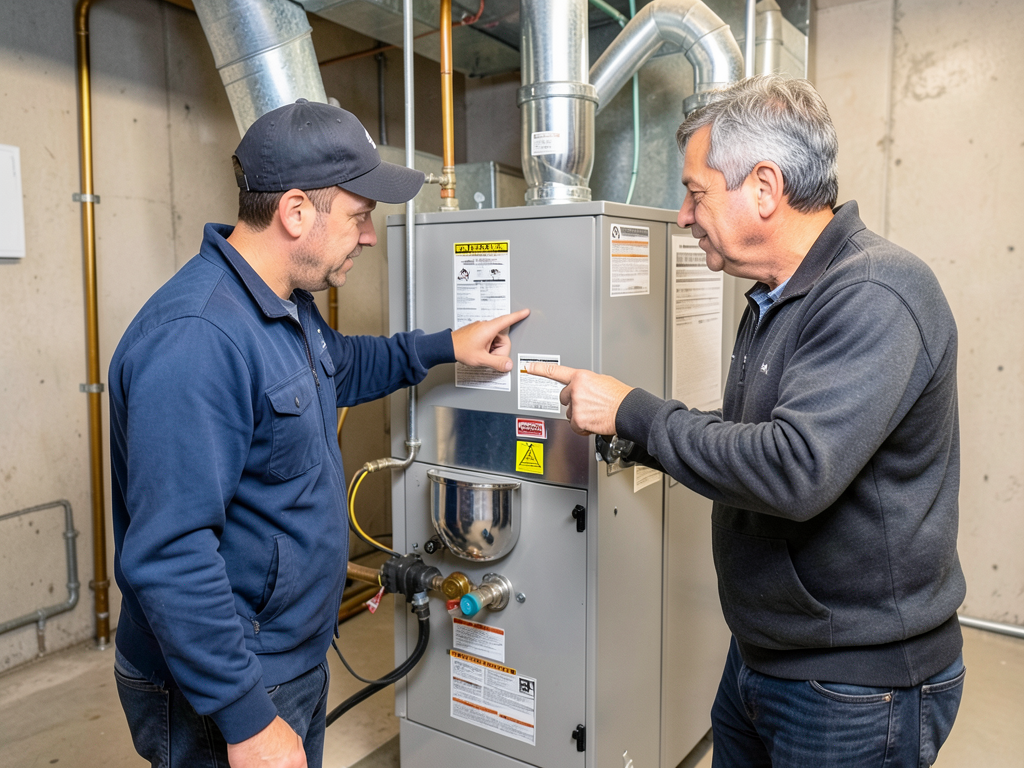
We measure your home's square footage, insulation values, window types, and air leakage to calculate precise heating load using Manual J methodology. This determines the exact BTU capacity you need for Minneapolis winter conditions. We also inspect your existing ductwork, electrical panel capacity, and fuel connections to identify infrastructure requirements for either system type.
02

Cost and Performance Modeling

We input your home's data into load modeling software that simulates both heat pump and furnace performance across Minneapolis's temperature distribution. You receive a side-by-side comparison showing projected annual operating costs, equipment lifespan, maintenance requirements, and total cost of ownership over 15 years. We use your actual utility rates from CenterPoint Energy and Xcel Energy for accurate projections.
03

System Recommendation and Installation Planning

We present equipment options with specific model numbers, efficiency ratings, and cold-weather capacity data. You see exactly which system meets your heating load at negative 15 degrees and what backup heat, if any, you need. We outline installation timelines, permit requirements, and any electrical or gas line modifications. You make the final decision with complete cost and performance transparency.

Why Minneapolis Homeowners Trust Local HVAC Expertise for Heating Decisions

National heating guides cannot account for Minneapolis's unique combination of extreme cold, high humidity summers, and specific utility rate structures. You need advice from contractors who install systems here and see how they perform through Minnesota winters.

We have installed both heat pumps and furnaces in Minneapolis neighborhoods from Kenwood to Longfellow. We know which equipment handles ice dam conditions, how different foundation types affect system placement, and which local utility rebate programs apply to your project.

Minneapolis follows Minnesota state mechanical code and local amendments. Heat pump installations require specific refrigerant line protection against freeze damage. Furnace combustion air requirements differ in homes with spray foam insulation versus fiberglass batts. We pull permits and schedule inspections correctly the first time.

We also understand Minneapolis homeowner priorities. You care about reliable heat during polar vortex events. You want to know your system will restart after a power outage. You need accurate guidance on whether your home's electrical service can support a heat pump without expensive panel upgrades.

Our familiarity with local housing stock matters. We have worked on 1920s bungalows with knob-and-tube wiring, 1960s ramblers with undersized ductwork, and new construction with high-efficiency envelopes. Each home type has different retrofit considerations that affect whether a heat pump or furnace makes sense.

We size systems conservatively for Minnesota conditions. Some contractors use warmer climate sizing practices that leave heat pumps struggling at subzero temperatures. We design for negative 15 degrees ambient, not the 30-degree balance point common in mild climates.

You also get realistic maintenance guidance. Heat pumps require more frequent filter changes and annual refrigerant checks. Furnaces need combustion analysis and flame sensor cleaning. We explain the actual upkeep requirements so you budget appropriately.

Choosing between a heat pump or furnace affects your comfort and costs for decades. Local expertise ensures your decision accounts for Minneapolis's climate realities, not theoretical performance data.

What to Expect When Comparing Heating Systems for Your Minneapolis Home

Assessment Timeline and Scheduling

We schedule in-home assessments within 48 hours of your call. The evaluation takes 60 to 90 minutes depending on home size and complexity. We measure your space, inspect existing equipment, review utility bills, and answer your questions on site. You receive a detailed comparison report within 24 hours showing projected costs, equipment options, and our recommendation. We work around your schedule, including evening and weekend appointments during busy seasons.

How the System Comparison Works

We calculate your home's heating load using Manual J standards, accounting for insulation, windows, air sealing, and orientation. We then model both heat pump and furnace performance across Minneapolis's temperature distribution using your actual utility rates. You see side-by-side projections showing equipment costs, installation complexity, annual operating expenses, and break-even timelines. We explain heat pump capacity degradation at subzero temperatures and how auxiliary heat affects your electric bill. You get transparent data to make an informed decision.

The Equipment Recommendation

We specify exact equipment models with published performance data at Minneapolis winter temperatures. For heat pumps, we show capacity and efficiency ratings at 5 degrees, negative 5 degrees, and negative 13 degrees. For furnaces, we recommend properly sized modulating or two-stage units matched to your calculated load. You receive equipment cut sheets, efficiency certifications, and cold-weather performance charts. We explain which rebates apply and help you file for available incentives from CenterPoint Energy, Xcel Energy, or state programs.

Maintenance and Long-Term Performance

Heat pumps require seasonal maintenance twice per year to maintain efficiency and check refrigerant levels. Furnaces need annual inspections focusing on combustion efficiency and safety controls. We offer maintenance agreements covering filter changes, system cleaning, and priority service scheduling. You receive reminders before each maintenance window and detailed service reports documenting system performance. We track your equipment's performance over time and alert you to any efficiency degradation before it becomes a comfort or cost issue.

Frequently Asked Questions

You Have Questions,
We Have Answers

How Minneapolis's Subzero Winters Change the Heat Pump vs. Furnace Decision

Minneapolis averages 52 days per year with temperatures below zero and experiences regular cold snaps dropping to negative 20 degrees during polar vortex events. Heat pumps lose capacity and efficiency as outdoor temperatures fall, often switching to electric resistance auxiliary heat below 20 degrees. This means Minneapolis homeowners relying on heat pumps face significantly higher electric bills during the coldest months when heating demand peaks. Gas furnaces maintain consistent output regardless of outdoor temperature, delivering the same BTU capacity at negative 15 degrees as they do at 30 degrees. The difference between heat pump and furnace performance becomes most apparent during extended January and February cold periods when your heating system runs continuously.

Minneapolis mechanical contractors understand local installation challenges including proper refrigerant line insulation against freeze damage, combustion air requirements for tightly sealed homes, and electrical service capacity in older neighborhoods. We work with city inspectors regularly and know permit requirements for both heat pump and furnace installations. Our familiarity with Minneapolis housing stock from historic Lowry Hill bungalows to new construction in Northeast means we account for existing ductwork sizing, electrical panel capacity, and gas line placement when recommending systems. Choosing a local contractor ensures your heating system is designed for Minnesota winters, not mild climate performance standards that fail during subzero weather.
HVAC Services in The Minneapolis Area

All Pro HVAC is conveniently located to serve the Minneapolis area and surrounding communities effectively. We invite you to view our service area on the map below, helping you visualize our reach and confirm that we are readily available to provide our expert heating, ventilation, and air conditioning services right to your doorstep, ensuring your comfort is always within reach.

Address:
All Pro HVAC Minneapolis, 1 W Franklin Ave, Minneapolis, MN, 55404

Additional Services We Offer

Our news updates

Latest Articles & News from The Blogs

How Your St. Paul Pets are Secretly Impacting Your HVAC System Performance Your furry friends bring joy to your St.…

How Your St. Paul Pets are Secretly Impacting Your HVAC System Performance

How Your St. Paul Pets are Secretly Impacting Your HVAC System Performance Your furry friends bring joy to your St.…

When to Change Your Air Filter During the High Pollen Season in Shorewood

When to Change Your Air Filter During the High Pollen Season in Shorewood Spring in Shorewood brings blooming trees and…

Why Low Humidity is Hurting Your Health and Your Furniture in Inver Grove Heights

Why Low Humidity is Hurting Your Health and Your Furniture in Inver Grove Heights Winter in Inver Grove Heights means…

Contact Us

Stop guessing which heating system fits your home and budget. Call (651) 588-9677 for an honest assessment with real performance data and cost projections. We calculate your heating load, model both systems, and show you exactly what to expect. Schedule your comparison today.