




Menu

Furnace Blowing Cold Air in Minneapolis – Expert Diagnosis and Same-Day Repair

When your furnace blows cold air during a Minnesota winter, you need fast answers and faster fixes. Our certified technicians diagnose the root cause and restore heat the same day in most cases.

Slider Image 1
Slider Image 2
Slider Image 3
Slider Image 4
Slider Image 5
Slider Image 7
Slider Image 8
Slider Image 9
Slider Image 10
Slider Image 11

Why Your Minneapolis Furnace Is Blowing Cold Air Instead of Heat

You set the thermostat to 72 degrees. The blower kicks on. But instead of warm air flooding your home, you feel cold air streaming from the vents. In Minneapolis, where January temperatures regularly drop below zero, a heater blowing cold air is not just an inconvenience. It is a safety risk.

This problem surfaces most often during the first cold snap of the season. Your furnace sat dormant through summer. Now it struggles to ignite or maintain combustion. The blower runs, but the burners do not fire. You hear the system working, yet your heating system blowing cold air continues.

Minneapolis homes face unique heating demands. When outdoor temps hit negative double digits, your furnace runs almost constantly. If the heat exchanger develops cracks from thermal stress, or if the flame sensor corrodes from moisture infiltration during humid summers, you get a furnace blowing cool air instead of the warmth you need.

The problem escalates quickly. Your backup heat strips (if you have them) cannot keep up. Pipes start to freeze. Your family bundles in blankets. What began as a furnace not blowing hot air becomes a full system failure within hours.

The causes vary. A tripped limit switch. A clogged air filter choking airflow. A malfunctioning gas valve. A failed ignitor. But the result is always the same: a furnace blowing unheated air when you need heat most. Minneapolis winters do not wait for convenient repair schedules.

Why Your Minneapolis Furnace Is Blowing Cold Air Instead of Heat
How We Fix Heating Systems That Blow Cold Air

How We Fix Heating Systems That Blow Cold Air

We do not guess. We diagnose using a systematic elimination process that identifies the exact failure point in your heating system.

First, we check the thermostat setting and wiring. A loose wire or incorrect mode setting (cooling instead of heating) causes many service calls. If the thermostat sends the correct signal, we move to the furnace itself.

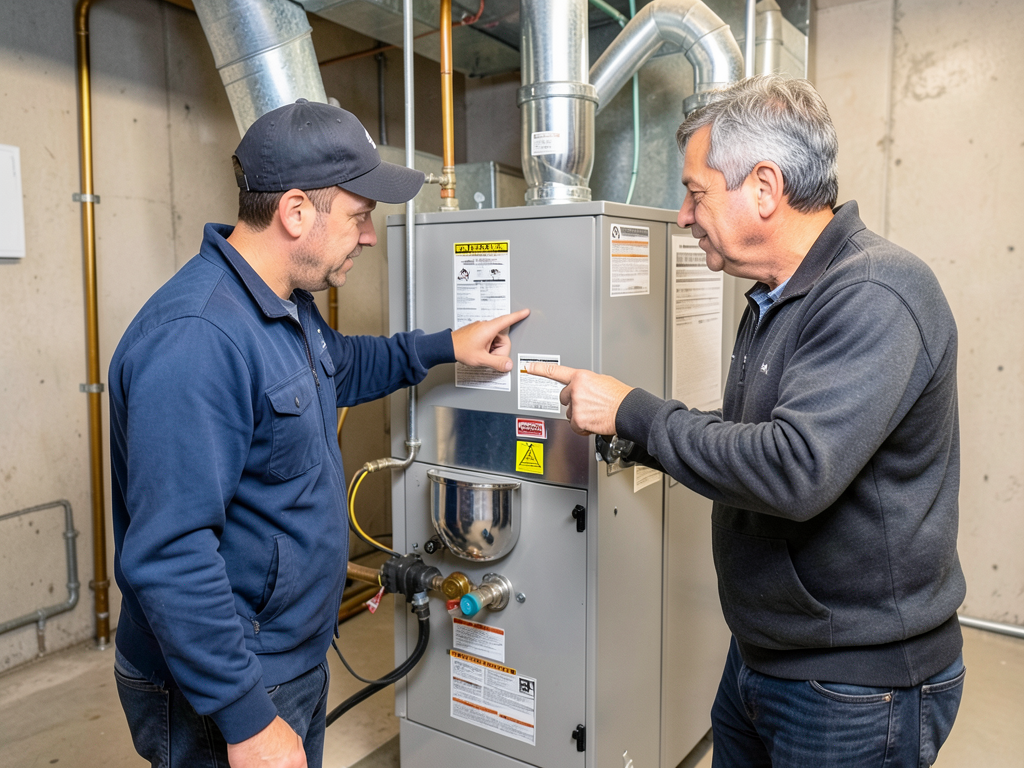
We inspect the air filter. A clogged filter restricts airflow across the heat exchanger. When airflow drops below the minimum threshold, the limit switch trips to prevent overheating. The blower continues running, but the burners shut down. You get air movement without heat. We replace the filter if needed and reset the limit switch.

Next, we test the ignition system. Modern furnaces use hot surface ignitors or intermittent pilot systems. If the ignitor cracks or weakens, it cannot reach the temperature needed to ignite gas. We use a multimeter to check resistance. A failed ignitor gets replaced immediately.

We examine the flame sensor. This small rod sits in the burner flame. It confirms combustion is occurring. Corrosion or carbon buildup blocks the signal. The gas valve closes as a safety measure. The blower runs, but no heat generates. We clean or replace the sensor and verify proper microamp readings.

If the problem persists, we check the gas valve, pressure switch, and inducer motor. We verify gas pressure at the manifold. We inspect the heat exchanger for cracks using a flashlight and mirror. We test all safety switches in sequence.

We fix the root cause, not just the symptom. When we finish, your furnace blows hot air consistently.

What Happens When You Call About Cold Air From Your Furnace

Furnace Blowing Cold Air in Minneapolis – Expert Diagnosis and Same-Day Repair
01

Immediate Phone Diagnosis

When you call, we ask specific questions to narrow the problem before we arrive. Is the blower running? Do you hear clicking or humming? When did the system last work properly? This phone screening helps us bring the right parts and tools. In many cases, we can identify whether you need an ignitor, flame sensor, or control board before we leave the shop.
02

On-Site System Testing

Our technician arrives with a full diagnostic kit. We test voltage at the thermostat, control board, and gas valve. We measure static pressure to check for airflow restrictions. We observe a full heating cycle from thermostat call to burner ignition to blower operation. We use combustion analyzers to check gas mixture and efficiency. This process takes 20 to 40 minutes depending on system complexity.
03

Repair and Heat Restoration

Once we identify the failed component, we explain the problem and the fix. Most repairs take 30 to 90 minutes. We carry common parts (ignitors, flame sensors, capacitors, contactors) on every truck. After the repair, we run the system through three complete cycles to verify proper operation. We check supply air temperature at the registers and confirm consistent heat output before we leave.

Why Minneapolis Homeowners Choose All Pro HVAC for Cold Air Problems

When your furnace blows cold air in Minneapolis, you need someone who understands how these systems fail in subzero weather. We service furnaces every day during Minnesota winters. We know the stress that negative temperatures put on heat exchangers, how ice dams affect combustion air intake, and how power surges from winter storms damage control boards.

All Pro HVAC Minneapolis techs carry the parts that fail most often in our climate. Hot surface ignitors crack from repeated thermal cycling. Flame sensors corrode faster here because of our humid summers followed by dry indoor winters. Pressure switches fail when condensate lines freeze. We stock these components because we replace them regularly.

We also understand Minneapolis building codes and ventilation requirements. Many older homes in Longfellow, Powderhorn, and Phillips have furnaces in basements with limited combustion air. When homeowners add insulation or seal air leaks (good for efficiency), they inadvertently starve the furnace of oxygen. The burners struggle to maintain flame. The system blows lukewarm or cold air. We identify these ventilation issues and recommend code-compliant solutions.

Our response time matters when outdoor temps threaten your pipes and your family's safety. We prioritize no-heat calls during cold snaps. Most customers get same-day service when they call before noon.

We also explain what went wrong and how to prevent it. Many cold air problems stem from deferred maintenance. A dirty filter, a skipped tune-up, or corroded electrical connections create small problems that cascade into full failures. We give you straight answers about whether you need a repair or a replacement, and we never upsell services you do not need.

What to Expect When We Diagnose Your Cold Air Problem

Fast Response During Winter Emergencies

When your furnace blows cold air and outdoor temps drop below 20 degrees, we treat it as a priority call. Most customers get same-day service if they call in the morning. Our average response time during winter is under four hours for no-heat emergencies. We answer phones seven days a week during heating season. You talk to a real person, not a voicemail system. We dispatch the closest available technician and provide an estimated arrival window within 30 minutes of your call.

Thorough System Diagnosis

We do not stop at the first failed component. A faulty flame sensor might be the immediate cause, but we investigate why it failed. Was it poor combustion? Improper gas pressure? A cracked heat exchanger leaking exhaust? We inspect the entire heating cycle from thermostat signal to heat delivery. You get a written report of what failed, why it failed, and what else needs attention. If your system has multiple problems, we prioritize them by safety and impact. You decide what gets fixed today and what can wait.

Reliable Heat Restoration

When we finish the repair, your furnace delivers consistent heat at the correct temperature. We measure supply air temp at the plenum (should be 120 to 140 degrees for most systems). We verify proper airflow at each register. We check for gas leaks, carbon monoxide, and proper venting. We run the system through startup, steady-state, and shutdown to confirm all safety controls work correctly. If we install a new part, we test it under load to ensure it handles the demands of Minneapolis winter heating.

Maintenance Guidance to Prevent Future Problems

After we restore heat, we explain what you can do to prevent the next breakdown. This includes filter change schedules (monthly during heavy use), signs of trouble to watch for, and when to call for service. We offer annual maintenance plans that include pre-season inspections, cleaning, and priority service. Regular maintenance catches small problems before they leave you without heat. Most cold air calls we service involve furnaces that have not been maintained in years. Simple prevention avoids midnight emergencies.

Frequently Asked Questions

You Have Questions,
We Have Answers

How do you fix a furnace that blows cold air? +

Start by checking your thermostat setting. Confirm it is set to heat mode and the temperature is above room temperature. Replace the air filter if it looks dirty or clogged. Inspect the pilot light or electronic igniter to ensure it is working. Check your circuit breaker to confirm the furnace has power. If the blower runs but no heat comes out, the issue likely involves the flame sensor, gas valve, or limit switch. In Minneapolis homes, extreme cold can trip safety switches or freeze condensate lines. If basic checks do not solve the problem, call a licensed HVAC technician to diagnose the root cause.

Why is cold air blowing when the heat is on? +

Cold air blowing during heating mode usually means the burners are not igniting. Common causes include a dirty flame sensor, faulty igniter, or gas supply issue. Your thermostat might also be wired incorrectly or set to fan-only mode instead of auto. The limit switch could be malfunctioning and preventing the burners from firing. During Minneapolis winters, rapid temperature drops can cause condensate drain lines to freeze, triggering safety shutoffs. The blower continues running even when burners fail, pushing unheated air through your vents. A technician can test ignition components, clean sensors, and verify proper gas flow to restore heat quickly.

Why is my furnace blowing air but not warm? +

Your furnace blows air but not warm air when the heating cycle fails to complete. Check if your thermostat fan setting is on continuous instead of auto. This keeps the blower running even when the furnace is not heating. A tripped high limit switch will shut off burners while the fan continues. Dirty filters restrict airflow, causing the heat exchanger to overheat and trigger safety shutoffs. Gas supply issues or a failed gas valve prevent fuel from reaching the burners. In Minneapolis, frozen condensate lines are common during sub-zero stretches and block drainage, forcing the system to shut down heating while the blower runs.

How do I reset my furnace? +

Locate the power switch on your furnace (looks like a light switch) and turn it off. Wait 30 seconds. Turn it back on. Alternatively, flip the furnace breaker in your electrical panel off, wait 30 seconds, then flip it back on. Listen for the blower to start and watch for the burners to ignite. If you have a standing pilot light, you may need to relight it following the instructions on the furnace panel. Minneapolis homes with older furnaces sometimes need reset after power surges or brief outages. If the furnace does not fire after reset, the issue requires professional diagnosis.

Should I turn off my furnace if it blows cold air? +

Yes, turn off your furnace if it blows cold air continuously and you cannot identify the cause. Running the system when burners fail wastes electricity and can mask serious issues. If you smell gas or notice unusual sounds, shut the system down immediately and call a technician. In Minneapolis winter conditions, turning off a malfunctioning furnace temporarily is safer than risking equipment damage or safety hazards. Switch the thermostat to off or emergency heat if available. Do not leave your home without heat for long in freezing weather. Contact an HVAC professional right away to restore safe heating function.

How can I tell if my thermostat is bad? +

A bad thermostat shows several warning signs. Your furnace does not respond when you adjust the temperature setting. The display is blank or unresponsive despite fresh batteries. Room temperature does not match the thermostat reading by more than three degrees. The system short cycles, turning on and off rapidly. Wiring looks loose or corroded at the thermostat base. In Minneapolis homes, older thermostats can fail due to voltage fluctuations during temperature swings. Test by setting the thermostat five degrees higher than current room temperature and listening for the furnace to click on within minutes. No response suggests thermostat failure or wiring issues.

What are signs of furnace failure? +

Watch for these furnace failure indicators. The system cycles on and off frequently without reaching set temperature. You hear loud banging, squealing, or rattling noises during operation. Heating becomes inconsistent, with some rooms staying cold. Your energy bills spike without explanation. Yellow or flickering pilot light flames instead of steady blue. Visible rust or cracks on the heat exchanger. Age over 15 years with increasing repair frequency. In Minneapolis, furnaces work harder during long cold stretches, accelerating wear on blower motors, igniters, and heat exchangers. Carbon monoxide detector alarms or soot buildup around the furnace require immediate shutdown and professional inspection.

What is the most expensive part to fix on a furnace? +

The heat exchanger is the most expensive furnace component to replace, often costing 40 to 60 percent of a new furnace price. This metal chamber transfers heat from combustion gases to air circulating through your home. Cracks develop from years of heating and cooling cycles, especially in Minneapolis where furnaces run five to six months yearly. A cracked heat exchanger can leak carbon monoxide and requires immediate replacement. The gas valve and blower motor are also costly repairs. When a heat exchanger fails on a furnace older than 12 years, replacement of the entire system often makes better financial sense than repair.

How to fix a heater not blowing hot air? +

Check your thermostat setting and confirm it is in heat mode, not fan-only. Replace the air filter if clogged. Verify the pilot light or igniter is working. Inspect the circuit breaker and reset if tripped. Check for closed or blocked supply vents in rooms. Clear snow and ice from exterior exhaust vents, which is common in Minneapolis after heavy snowfalls. Confirm the blower motor runs when the system calls for heat. If the burners ignite but blow lukewarm air, you may have ductwork leaks or undersized equipment. Persistent issues require a technician to test igniters, flame sensors, gas pressure, and airflow.

What are signs of a bad furnace igniter? +

A failing igniter shows clear symptoms. You hear the furnace click on but the burners never light. The igniter glows orange or dim red instead of bright white. Visible cracks appear on the ceramic element. The furnace attempts ignition multiple times then shuts down. The system works intermittently, heating sometimes but not others. In Minneapolis homes, igniters fail more often during heavy usage months when repeated heating cycles stress the element. Hot surface igniters typically last four to seven years. If your furnace is older than five years and shows ignition problems, the igniter is a likely culprit requiring replacement.

How Minneapolis Winter Temperature Swings Stress Furnace Components

Minneapolis experiences some of the widest temperature swings in the country. A November day might reach 50 degrees, then drop to 15 degrees overnight. Your furnace cycles on and off repeatedly during mild weather, then runs almost continuously during cold snaps. This pattern stresses ignitors, heat exchangers, and blower motors more than steady operation would. Hot surface ignitors expand and contract with each heating cycle. After thousands of cycles, they develop microfractures and fail. When they fail, your furnace blowing cold air is the first symptom. The blower runs, but ignition never occurs. This failure pattern is so common in our climate that we stock multiple ignitor types for same-day replacement.

Minneapolis homeowners also benefit from working with technicians who understand local HVAC code requirements and building stock. Many homes in Seward, Nokomis, and Northeast Minneapolis were built between 1920 and 1960. These homes often have furnaces in small mechanical rooms with limited combustion air. Modern high-efficiency furnaces need adequate fresh air for proper combustion. When installers fail to provide code-compliant air intake, the furnace starves for oxygen. Flames become lazy and yellow instead of crisp and blue. The flame sensor reads inconsistent combustion and shuts down the gas valve. You get cold air from the vents. We identify these installation problems and correct them according to Minneapolis mechanical code requirements.
HVAC Services in The Minneapolis Area

All Pro HVAC is conveniently located to serve the Minneapolis area and surrounding communities effectively. We invite you to view our service area on the map below, helping you visualize our reach and confirm that we are readily available to provide our expert heating, ventilation, and air conditioning services right to your doorstep, ensuring your comfort is always within reach.

Address:
All Pro HVAC Minneapolis, 1 W Franklin Ave, Minneapolis, MN, 55404

Additional Services We Offer

Our news updates

Latest Articles & News from The Blogs

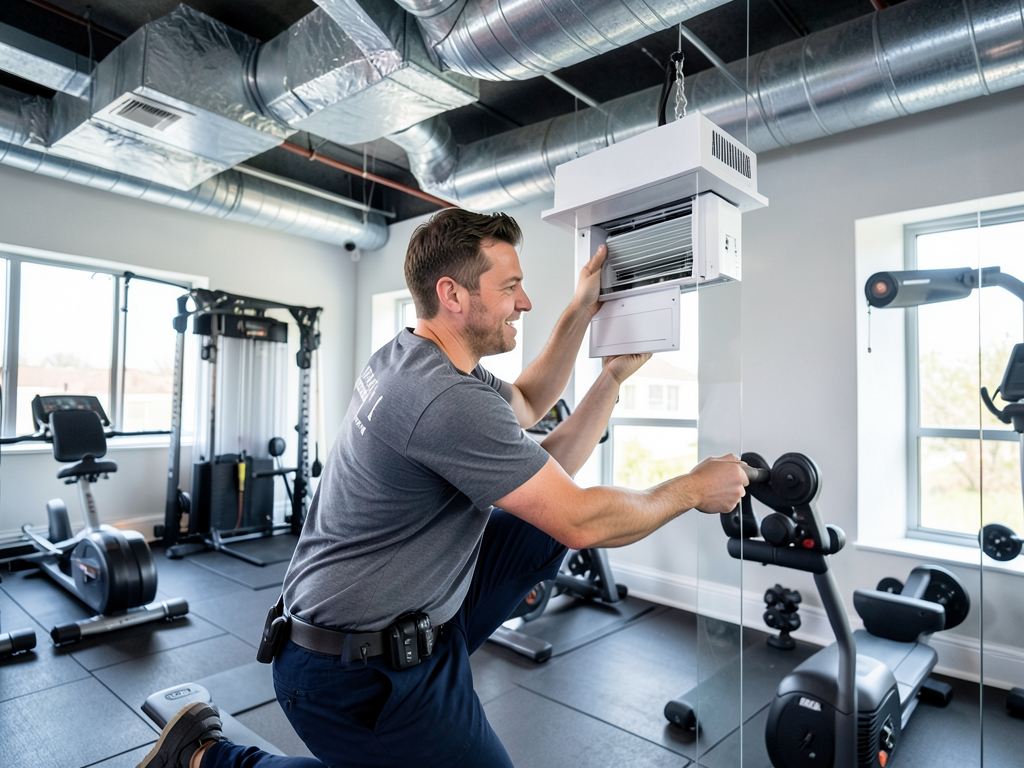
Building a Home Gym in Orono? Here's How to Keep It Comfortable Year-Round The Twin Cities climate makes home gym…

Adding HVAC to a New Home Gym or Yoga Studio in Orono

Building a Home Gym in Orono? Here's How to Keep It Comfortable Year-Round The Twin Cities climate makes home gym…

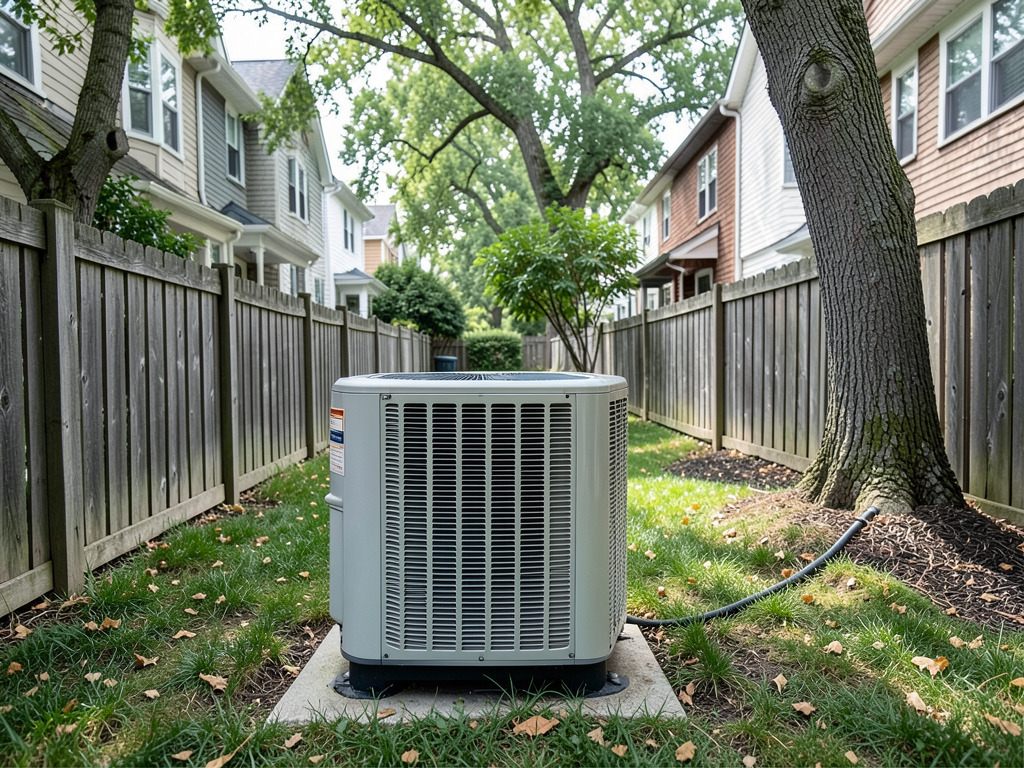
Soundproofing an Outdoor AC Unit for Small Backyards in Prospect Park

Living in Prospect Park means enjoying a tight-knit Minneapolis neighborhood where houses sit close together and outdoor spaces feel like…

Choosing Between 80% and 96% Efficiency Furnaces for Your First Minneapolis Home

Choosing Between 80% and 96% Efficiency Furnaces for Your First Minneapolis Home Minneapolis winters are brutal and your furnace choice…

Contact Us

Do not spend another hour in a cold house. Call (651) 588-9677 now for same-day furnace repair in Minneapolis. Our trucks are stocked and ready to restore your heat.