




Menu

Commercial Heating Services in Minneapolis | Industrial-Grade Solutions That Keep Your Business Running

All Pro HVAC Minneapolis delivers commercial heating solutions engineered for Minnesota's brutal winters, with rapid-response service that minimizes downtime and keeps your facility operational when temperatures drop below zero.

Slider Image 1
Slider Image 2
Slider Image 3
Slider Image 4
Slider Image 5
Slider Image 7
Slider Image 8
Slider Image 9
Slider Image 10
Slider Image 11

Why Minneapolis Commercial Facilities Cannot Afford Heating System Failure

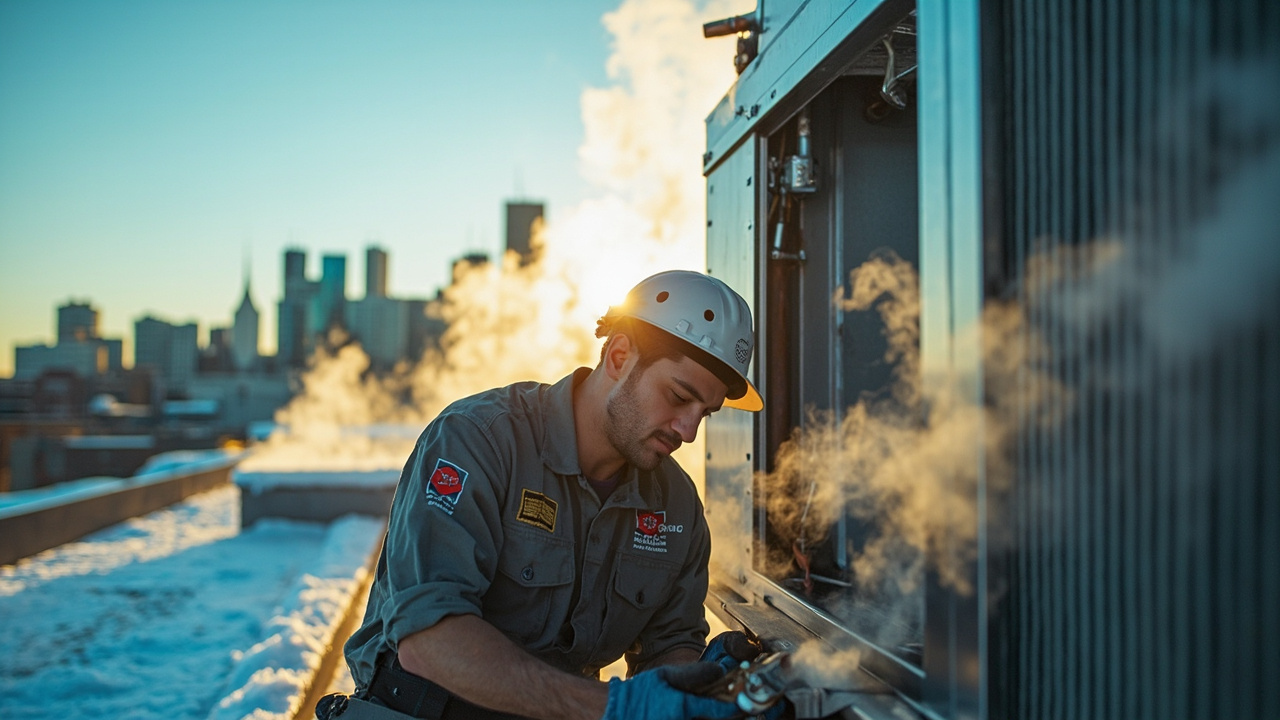
When the mercury drops to 15 below zero in January, your commercial heating system stops being a comfort issue and becomes a business continuity crisis. Minneapolis winters push commercial HVAC heating services to their operational limits. A failed boiler in a warehouse means frozen inventory. A malfunctioning rooftop unit in an office building means employee walkouts and potential liability claims. A compromised heating system in a medical facility means regulatory violations and patient safety risks.

Minneapolis's extreme freeze-thaw cycles create unique challenges for commercial heating contractors. Thermal expansion and contraction stress ductwork joints, crack heat exchangers, and degrade seals in gas valves. The city's commercial building stock, ranging from century-old brick structures in the North Loop to modern glass towers downtown, each requires different heating approaches. Older buildings with steam radiator systems face different failure modes than newer facilities with variable air volume systems.

Your heating system works harder in Minneapolis than almost anywhere else in the country. Commercial heating companies serving this market must understand how prolonged subzero temperatures affect system capacity, how wind loads from weather fronts moving across the plains impact rooftop unit performance, and how the city's stringent energy codes under the Minneapolis Green Building Policy affect system design and retrofit requirements. When your system fails at 6 AM on a Tuesday, you need industrial heating services that understand these local factors and respond immediately.

Why Minneapolis Commercial Facilities Cannot Afford Heating System Failure
How All Pro HVAC Minneapolis Delivers Commercial Heating Solutions

How All Pro HVAC Minneapolis Delivers Commercial Heating Solutions

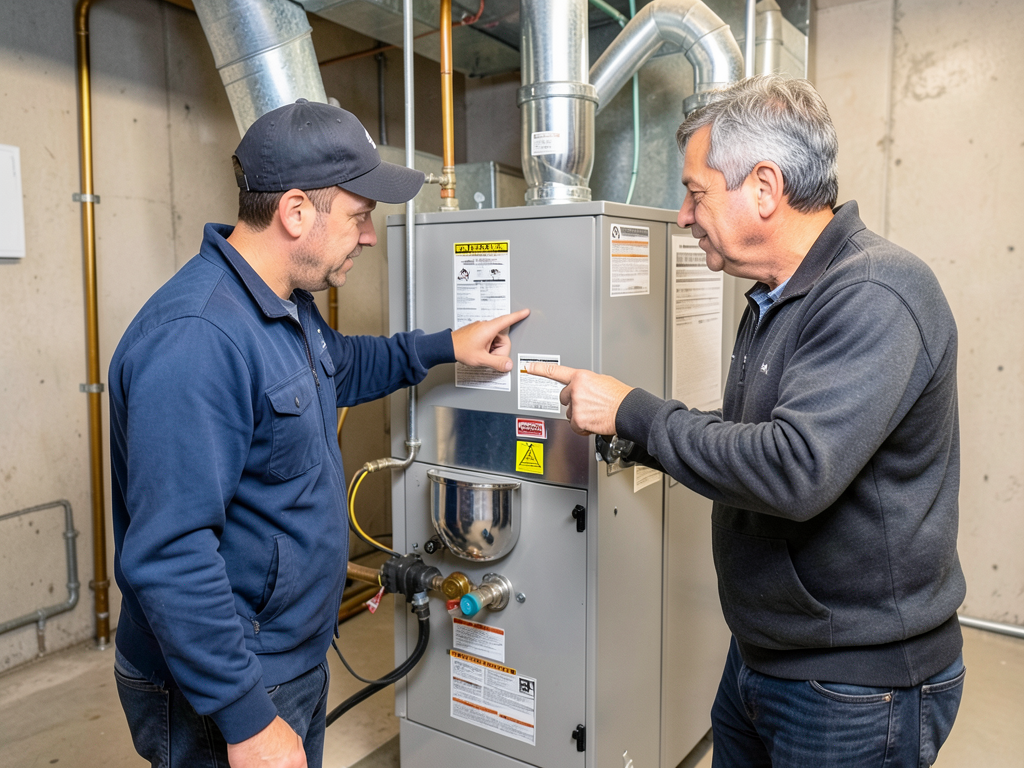
Commercial heating systems require diagnostic precision that residential service cannot provide. We deploy commercial-grade combustion analyzers to measure flue gas composition, identifying inefficient burner operation before it becomes a failure. Our technicians use thermal imaging cameras to detect heat loss patterns in ductwork and identify failing insulation in concealed spaces. We measure static pressure differentials across filters and coils to diagnose airflow restrictions that reduce capacity and increase operating costs.

For boiler systems common in Minneapolis's older commercial buildings, we perform hydrostatic testing on pressure vessels, inspect flame rod sensors for carbon buildup, and verify proper operation of low-water cutoff controls. These are not optional maintenance items. They are code-required safety inspections that prevent catastrophic failures. We test gas pressure at the manifold, verify proper draft through the flue, and confirm that modulating burners cycle properly across their operating range.

Rooftop units present different challenges. We verify refrigerant charge using superheat and subcooling measurements, inspect economizer dampers for proper operation during shoulder seasons, and test defrost controls to ensure coils do not ice over during heating mode. For variable frequency drive systems, we measure voltage imbalance and harmonic distortion that can damage motors. All Pro HVAC Minneapolis uses the same diagnostic protocols required for commercial heating contractors working in industrial facilities, medical buildings, and municipal structures. We document findings with photos and pressure readings, giving you the data needed for capital planning decisions and compliance reporting.

What Happens When You Call for Commercial Heating Service

Commercial Heating Services in Minneapolis | Industrial-Grade Solutions That Keep Your Business Running
01

Immediate Dispatch and Assessment

Your call triggers immediate dispatch of a commercial-certified technician with the diagnostic tools and replacement components common to Minneapolis commercial systems. We arrive with manometers, combustion analyzers, and thermal cameras. Within 30 minutes of arrival, you receive a preliminary assessment of system status, whether you can maintain partial operation, and what immediate risks exist to building occupants or operations. We communicate directly with your facility manager, not through a call center.
02

System Diagnosis and Options

We perform the full diagnostic protocol for your system type, whether that means pressure testing a boiler, analyzing flue gas composition, or measuring electrical draw on compressor motors. You receive a written diagnostic report with photos, pressure readings, and temperature differentials. We present repair options with honest assessments of remaining system life. If your heat exchanger is cracked, we explain why repair is not an option and provide replacement specifications that meet current Minneapolis energy code requirements.
03

Repair Execution and Testing

Repairs follow manufacturer specifications and Minneapolis mechanical code requirements. After repair completion, we perform operational testing across the full load range, verify safety control operation, and measure system efficiency. You receive documentation of all work performed, parts installed with model numbers, and post-repair performance data. For boiler work, this includes combustion efficiency readings. For rooftop units, this includes superheat and subcooling measurements. This documentation satisfies insurance requirements and supports your maintenance records for building audits.

Why Minneapolis Businesses Choose All Pro HVAC for Commercial Heating

Commercial heating solutions require different expertise than residential service. Your system operates under commercial building codes enforced by Minneapolis inspectors who understand the difference between NFPA 54 requirements for commercial gas systems and residential installations. Your insurance carrier expects maintenance documentation that meets ASHRAE standards. Your facility operates on schedules where a four-hour response time can mean thousands in lost productivity.

All Pro HVAC Minneapolis maintains relationships with commercial parts suppliers who stock components for Trane, Carrier, and Lennox commercial equipment. When a gas valve fails on your rooftop unit, we do not order parts that arrive in three days. We source them same-day from commercial distributors. When your boiler needs a replacement burner assembly, we know which suppliers stock obsolete parts for older Weil-McLain and Burnham units common in Minneapolis buildings constructed before 1990.

We understand Minneapolis-specific challenges. The city's energy benchmarking ordinance requires certain commercial buildings to track and report energy usage. When your heating system runs inefficiently, it shows up in these reports and can trigger mandatory energy audits. We provide the combustion efficiency data and system performance metrics you need for compliance reporting. Our technicians are familiar with the permitting requirements for equipment replacement in historic districts, where exterior equipment placement requires Heritage Preservation Commission review.

The North Loop, Downtown East, and industrial areas along the Mississippi River present unique access challenges. We schedule service during off-peak hours to minimize disruption, coordinate with building security for after-hours access, and work within the constraints of shared mechanical rooms in multi-tenant buildings. This is commercial heating service designed for the operational realities of Minneapolis business facilities.

What to Expect from Commercial Heating Service with All Pro HVAC Minneapolis

Response Time and Availability

Emergency commercial heating calls receive priority dispatch with technicians arriving within two hours during business hours and within three hours for after-hours emergencies. We staff commercial-certified technicians who carry the diagnostic equipment and common replacement parts needed for most Minneapolis commercial systems. You receive direct contact with the responding technician, not automated status updates. For planned maintenance and non-emergency repairs, we schedule around your operational requirements, including weekend and overnight work to avoid disrupting business operations. Our dispatch system prioritizes based on facility type, with medical facilities, senior housing, and occupied office buildings receiving fastest response.

Commercial System Assessment Process

Commercial heating diagnostics follow a systematic protocol that identifies root causes, not symptoms. We measure supply and return air temperatures, calculate temperature rise across heat exchangers, test gas pressure at manifolds and burner orifices, verify proper draft through flue systems, and inspect heat exchangers for cracks using borescope cameras. For hydronic systems, we test water pH and conductivity, measure flow rates through circuits, and verify proper operation of expansion tanks and air elimination devices. You receive a written diagnostic report with measured values, photos of problem components, and clear explanation of findings. This documentation supports capital planning decisions and provides the technical justification needed for board approval of major repairs.

System Performance and Efficiency

Commercial heating systems must deliver consistent temperatures across occupied spaces while operating efficiently enough to control utility costs. We verify that your system meets design specifications, delivering the BTU output required for your facility's heating load. Post-repair testing includes measuring combustion efficiency, verifying proper modulation across the operating range, and confirming that zone controls maintain setpoints. For systems with economizers, we verify proper damper operation during free cooling opportunities. You receive performance data showing system efficiency, which directly impacts your operating costs. A properly tuned commercial heating system in Minneapolis can reduce gas consumption by 15 to 20 percent compared to a system running with degraded burner efficiency or improper airflow.

Maintenance Plans and Ongoing Support

Commercial heating systems require preventive maintenance that follows manufacturer specifications and meets insurance requirements. Our maintenance contracts include fall pre-season inspections that verify system readiness before heating season, combustion analysis to optimize efficiency, inspection of safety controls, and filter replacement on schedules appropriate for your indoor air quality requirements. We maintain service records that satisfy insurance carrier requirements and provide documentation for ASHRAE-required maintenance logs. Maintenance customers receive priority scheduling for emergency calls and discounted rates on repairs. For multi-location businesses, we provide consolidated billing and service coordination across all your Minneapolis facilities. Maintenance intervals are customized based on your equipment type, operating hours, and facility requirements.

Frequently Asked Questions

You Have Questions,
We Have Answers

What is the $5000 rule for HVAC? +

The $5000 rule is a guideline for repair decisions. Multiply the age of your system by the repair cost. If the result exceeds $5000, replacement makes more financial sense than repair. For example, a 15-year-old unit needing a $400 repair equals $6000, signaling replacement. Commercial systems in Minneapolis face brutal winter loads and high cooling demands in summer, which accelerates wear. This rule helps you avoid throwing money at aging equipment that will fail again. Focus on total cost of ownership, not just the immediate repair bill. Downtime costs matter.

How much does a commercial HVAC cost? +

Commercial HVAC costs depend on building size, system type, and complexity. A small retail space might need a rooftop unit. A multi-tenant office building requires zone controls and variable refrigerant flow systems. Minneapolis buildings need equipment rated for subzero winter performance and humid summer conditions. Installation labor costs increase with difficult roof access or structural reinforcement needs. Expect higher upfront costs for equipment that handles thermal loads efficiently. Energy recovery ventilators and advanced controls add cost but reduce long-term operating expenses. Get load calculations specific to your building before requesting bids.

What is the best way to heat a commercial building? +

The best heating method depends on your building use and occupancy patterns. Gas-fired rooftop units deliver reliable heat for Minneapolis winters at lower operating costs than electric resistance. Radiant floor heating works well for warehouses and manufacturing spaces with high ceilings. Variable refrigerant flow systems provide zone control for offices with varying occupancy. Heat pumps can supplement gas systems during mild weather. Consider your building envelope quality, hours of operation, and utility rate structure. Proper zoning and programmable controls reduce waste. The right system balances capital cost against decades of operating expenses and business continuity.

What is the difference between HVAC and commercial HVAC? +

Commercial HVAC systems handle larger thermal loads and require more durability than residential equipment. Commercial units operate longer hours, support multiple zones, and withstand harsher conditions. Rooftop installations are common for commercial buildings to save interior space. Commercial systems use three-phase power, require building management integration, and need more frequent maintenance. Minneapolis commercial buildings face challenges residential units do not encounter, including makeup air requirements, high infiltration rates, and code-mandated ventilation standards. Commercial equipment prioritizes uptime and serviceability. Modular designs allow component replacement without full system shutdown. The stakes are higher when equipment failure stops business operations.

How much does a HVAC system cost for 4000 square feet? +

A 4000 square foot commercial space requires detailed load calculations before pricing. Building use matters. A restaurant generates more heat load than a storage facility. Insulation quality, window area, ceiling height, and occupancy density all affect sizing. Minneapolis climate demands equipment that handles minus 20-degree design temperatures and high summer humidity. A light commercial rooftop unit might work for simple applications. Multi-zone buildings need variable air volume systems or ductless splits. Do not size equipment based on square footage alone. Oversized systems short-cycle and waste energy. Undersized systems run continuously and fail early. Hire an engineer for proper load analysis.

Is a new HVAC system tax deductible in 2025? +

Commercial HVAC systems qualify for Section 179 expensing and bonus depreciation in 2025, subject to IRS rules and limitations. Section 179 lets you deduct the full purchase price of qualifying equipment in the year you place it in service. Bonus depreciation applies to new and used equipment. Energy-efficient systems may qualify for additional tax credits under the Inflation Reduction Act. Consult your tax advisor to determine eligibility and maximize deductions. Minneapolis businesses should document energy efficiency ratings and installation dates carefully. Tax rules change frequently. The deduction can significantly reduce your effective cost, improving return on investment for system replacements.

What is the best commercial HVAC system? +

The best commercial HVAC system matches your specific building requirements and operational profile. Packaged rooftop units dominate small to mid-size commercial buildings because they save interior space and simplify maintenance. Variable refrigerant flow systems offer precise zone control for offices. Chilled water plants work for large facilities with central equipment rooms. Minneapolis conditions favor systems with robust cold-weather performance, efficient defrost cycles, and humidity control. Evaluate total cost of ownership over 15 to 20 years, not just purchase price. Reliability and serviceability matter. Choose equipment with local parts availability and trained service technicians. Your building use drives the right solution.

How much is HVAC for a 2000 square foot house? +

This question addresses residential sizing, not commercial applications. Commercial heating differs from residential in scale, design, and operational demands. A 2000 square foot commercial space requires calculations based on use type, occupancy, and ventilation needs. Minneapolis commercial buildings face stricter code requirements than homes. Commercial systems prioritize uptime and efficiency under continuous operation. If you operate a small commercial property, avoid residential-grade equipment. It will not withstand the duty cycle or meet code requirements. Focus on light commercial or small packaged systems designed for business use. Load calculations remain essential for proper sizing and performance.

How often should a commercial HVAC system be serviced? +

Commercial HVAC systems need maintenance quarterly or at minimum twice per year. High-use equipment requires more frequent service. Schedule preventive maintenance before heating season and before cooling season. Minneapolis freeze-thaw cycles and summer humidity create conditions that accelerate wear. Regular inspections catch minor issues before they cause downtime. Filter changes, refrigerant checks, belt adjustments, and electrical connections need attention. Document all service for warranty compliance and asset management. Deferred maintenance increases energy costs and shortens equipment life. A maintenance contract reduces emergency repair costs and keeps your system code-compliant. Budget 2 to 4 percent of replacement cost annually for maintenance.

Why don't contractors like heat pumps? +

Contractors express concerns about heat pumps due to cold-climate performance limitations and service complexity. Traditional air-source heat pumps lose capacity below 25 degrees, requiring backup heat. Minneapolis winter design temperatures reach minus 20 degrees, which stressed older heat pump technology. Modern cold-climate heat pumps solve many issues, but some contractors lack training on newer systems. Refrigerant handling, variable-speed controls, and defrost cycles require different expertise than gas furnaces. Some contractors prefer familiar technology. Heat pumps also require larger electrical service, adding installation complexity. Resistance to change exists in every trade. Evaluate contractors based on manufacturer certifications and cold-climate heat pump experience.

How Minneapolis Building Codes and Climate Impact Commercial Heating Requirements

Minneapolis operates under some of the most stringent energy codes in the Midwest, driven by the city's Green Building Policy and Minnesota State Energy Code requirements that exceed federal minimums. Commercial heating systems installed or modified after 2020 must meet efficiency standards that require condensing boilers or high-efficiency rooftop units with economizers. The city's mechanical code requires annual inspections of commercial heating equipment in buildings over three stories, with documentation submitted to the city for buildings participating in the B3 Benchmarking program. These requirements mean that commercial heating contractors working in Minneapolis must understand code compliance issues that do not exist in neighboring suburbs operating under different jurisdictions.

All Pro HVAC Minneapolis works regularly with city mechanical inspectors, maintains current knowledge of Minneapolis amendments to state mechanical code, and understands the permitting process for commercial equipment replacement. We know which equipment modifications require permits, how to document refrigerant handling for EPA compliance, and what efficiency standards apply to replacement equipment in existing buildings. Our technicians carry Minneapolis mechanical licenses and can pull permits when required for major repairs or equipment replacement. This local expertise prevents project delays and ensures that your heating system repairs meet all code requirements the first time, avoiding failed inspections and costly rework.
HVAC Services in The Minneapolis Area

All Pro HVAC is conveniently located to serve the Minneapolis area and surrounding communities effectively. We invite you to view our service area on the map below, helping you visualize our reach and confirm that we are readily available to provide our expert heating, ventilation, and air conditioning services right to your doorstep, ensuring your comfort is always within reach.

Address:
All Pro HVAC Minneapolis, 1 W Franklin Ave, Minneapolis, MN, 55404

Additional Services We Offer

Our news updates

Latest Articles & News from The Blogs

Why New Energy Efficient Windows Might Make Your Armatage Home Feel Stuffy Armatage homeowners upgrading to energy efficient windows often…

Why New Energy Efficient Windows Might Make Your Armatage Home Feel Stuffy

Why New Energy Efficient Windows Might Make Your Armatage Home Feel Stuffy Armatage homeowners upgrading to energy efficient windows often…

Why Some Rooms in Your Como Home Stay Freezing While Others Overheat

Why Some Rooms in Your Como Home Stay Freezing While Others Overheat Living in a Como home with uneven temperatures…

Planning the HVAC for Your New Basement Bedroom in Shoreview

Planning the HVAC for Your New Basement Bedroom in Shoreview Adding a bedroom to your basement in Shoreview requires careful…

Contact Us

Your business cannot wait for heating repairs. Call All Pro HVAC Minneapolis now at (651) 588-9677 for immediate dispatch of a commercial-certified technician. We respond to Minneapolis commercial facilities within two hours and provide the diagnostic precision your system requires.