





Golden Valley sits in a climate zone that demands more from heating and cooling equipment than almost anywhere in the country. Winter temperatures regularly drop below zero, forcing furnaces to run nearly nonstop from November through March. Summer brings heat and humidity that can push air conditioners past their design limits. This extreme temperature swing, often 130 degrees between January lows and July highs, creates thermal stress on ductwork, refrigerant lines, and heat exchangers.
The area's mature housing stock adds another layer of complexity. Many homes in neighborhoods near Brookview Park and around Theodore Wirth Regional Park were built in the 1950s and 60s with undersized ductwork and outdated electrical systems. These homes often have inadequate insulation in attics and crawl spaces, making HVAC systems work harder to maintain comfort. Upgrading these systems requires understanding both modern efficiency standards and the limitations of older home construction. Golden Valley's mix of split-level homes and ranch-style layouts creates zoning challenges that generic HVAC companies often miss.
We've built our reputation in Golden Valley by showing up when we say we will and fixing problems correctly the first time. Too many HVAC companies send undertrained technicians who misdiagnose issues, leading to callbacks and wasted money. Our team completes continuous factory training on all major brands and holds EPA certifications for refrigerant handling. When we diagnose a failed compressor or cracked heat exchanger, you can trust the assessment.
Our service area focuses on the western Minneapolis suburbs, which means we're never more than 20 minutes from Golden Valley. We stock our trucks with parts for the systems most common in this area, including older Lennox, Trane, and Carrier equipment that many companies no longer support. This preparation eliminates the frustration of waiting days for parts while your family suffers without heat or air conditioning.
We also understand the financial stress of unexpected HVAC failures. Our pricing is straightforward, with no hidden diagnostic fees or pressure tactics. Before we start any repair, you'll know exactly what it costs and why the work is necessary. For larger investments like system replacements, we offer multiple equipment options at different price points and explain the real-world performance differences. Some homes need a basic builder-grade furnace. Others benefit from variable-speed systems that improve comfort and efficiency. We help you make the right choice for your home and budget, not our commission structure.

Golden Valley homeowners get priority scheduling for heating and cooling emergencies. When your furnace quits in January or your AC fails in July, we dispatch a technician the same day. Our trucks carry the most common repair parts, which means we fix most problems on the first visit without waiting for special orders.

Our team completes ongoing manufacturer training on residential heating and cooling systems. We hold EPA Section 608 certifications for refrigerant handling and maintain relationships with equipment distributors that give us access to technical support other companies can't reach. This expertise prevents misdiagnosis and gets your system running faster.
You receive a detailed quote before we start any work. Our pricing includes labor, parts, and any permits required for installation. We don't use bait-and-switch tactics or pressure you into unnecessary upgrades. If your system can be repaired cost-effectively, we'll tell you. If replacement makes more sense, we explain why with data.
We concentrate our service area in the western Minneapolis metro, which keeps our response times fast and our overhead low. This local focus means we understand Golden Valley's housing stock, common system configurations, and the climate challenges your equipment faces. We're not a national chain trying to serve everyone. We serve this community.
HVAC systems have three critical components: heating equipment for winter, air conditioning for summer, and the ductwork and controls that tie everything together. When one part fails, comfort disappears fast. All Pro HVAC Minneapolis handles every aspect of residential climate control, from emergency furnace repair at 2 AM to planned system replacements that improve efficiency and reduce energy bills.
We organize our services around how homeowners actually experience HVAC problems. Emergency breakdowns require immediate response and fast diagnosis. Planned upgrades need careful assessment, equipment selection, and installation precision. Ongoing maintenance prevents both scenarios by catching small problems before they become expensive failures. This structure ensures you get the right service at the right time, whether you're facing an immediate crisis or planning a long-term improvement.
Furnaces fail on the coldest nights. Air conditioners quit during heat waves. We provide same-day emergency service for Golden Valley homeowners facing climate control failures. Our technicians diagnose problems quickly, carry common replacement parts, and repair most systems on the first visit. We service all major brands including failed compressors, cracked heat exchangers, refrigerant leaks, blower motor failures, and control board issues. You get honest assessment of whether repair makes sense or if replacement is the smarter investment.
Older systems eventually reach the point where repair costs exceed replacement value. We help Golden Valley homeowners select new heating and cooling equipment matched to their home's size, ductwork capacity, and insulation levels. Our installation teams handle load calculations, permit acquisition, ductwork modification, electrical upgrades, and final inspection. We offer multiple equipment tiers from value-focused to premium efficiency, explaining real performance differences without sales pressure. Installations include startup, system testing, and thermostat programming.
Regular maintenance extends equipment life and prevents breakdowns during extreme weather. Our tune-up service includes filter replacement, electrical connection testing, refrigerant level verification, condensate drain cleaning, and combustion analysis on gas furnaces. We identify worn components before they fail and provide documentation of system performance. Golden Valley homeowners on our maintenance program receive priority scheduling for emergency calls and discounted repair rates. Spring AC tune-ups and fall furnace inspections keep systems running efficiently when you need them most.
Golden Valley's climate creates predictable stress points on heating and cooling systems. Extreme cold causes furnace heat exchangers to crack from thermal cycling. High summer humidity overworks air conditioner compressors and creates condensate drainage problems. The area's older homes compound these issues with undersized ductwork, inadequate insulation, and ventilation systems that can't handle modern efficiency requirements.
Understanding these common problems helps homeowners recognize warning signs before minor issues become expensive emergencies. Strange noises, inconsistent temperatures, rising energy bills, and frequent cycling all indicate developing problems. Catching these early prevents mid-winter furnace failures and summer AC breakdowns when replacement parts are scarce and service calls are expensive.
Minnesota's extreme cold forces furnaces to run near maximum capacity for months. This sustained heat cycling fatigues metal heat exchangers, eventually causing cracks that allow combustion gases into living spaces. Older furnaces in Golden Valley homes are especially vulnerable. Warning signs include visible soot, water moisture around the furnace, and increased carbon monoxide detector alerts.
Summer heat and humidity push air conditioners hard, especially in homes with inadequate attic insulation. Compressors are the most expensive component in AC systems, and failures often result from electrical issues, refrigerant leaks, or contaminated refrigerant lines. Systems over 12 years old with failing compressors usually make better candidates for replacement than expensive repair.
Many Golden Valley homes have ductwork in unconditioned attics and crawl spaces. Decades of thermal expansion and contraction separate joints and tear flexible connections. These leaks waste conditioned air, increase energy bills, and create comfort problems with rooms that never reach desired temperature. Proper duct sealing and insulation can improve system efficiency by 20 percent or more.
Modern thermostats control complex staging in multi-speed equipment. When thermostats fail or lose calibration, systems short-cycle, run continuously, or fail to maintain temperature. Many Golden Valley homes still use outdated mercury thermostats or basic digital models that can't properly control newer variable-speed equipment. Upgrading to programmable or smart thermostats improves comfort and reduces energy waste.
HVAC emergencies create stress. Your family is uncomfortable, you're worried about costs, and you need solutions fast. We've designed our service process to eliminate uncertainty and get your system running as quickly as possible. From your first phone call to final system testing, you'll know what's happening, why it's necessary, and exactly what it costs.
Our approach prioritizes clear communication and respect for your time. We show up during the scheduled window, protect your floors with boot covers, and clean up completely before we leave. You're not just getting a repair. You're getting a professional service experience that treats your home and your time with respect.
When you call with a heating or cooling emergency, you speak with a real person who understands HVAC systems. We gather information about your problem, provide a service call estimate, and schedule a technician. For true emergencies like no heat in winter or no AC with vulnerable family members, we prioritize same-day service. You receive a text when your technician is dispatched with their name, photo, and estimated arrival time.
Our technician arrives in a fully stocked truck and begins systematic diagnosis of your system. We test electrical connections, measure refrigerant pressures, inspect heat exchangers, and verify proper airflow. Once we identify the problem, you receive a detailed quote that includes parts, labor, and any permits required. We explain what failed, why it happened, and how the repair prevents future problems. You approve the work before we start.
After completing the repair, we test your entire system to verify proper operation. This includes measuring temperature output, checking safety controls, and confirming correct refrigerant charge on AC systems. We document the work completed and provide maintenance recommendations to prevent future breakdowns. You receive a written invoice, warranty information, and direct contact information if any issues arise. We stand behind our work completely.
We've eliminated the complexity and uncertainty from HVAC service. Our process moves from emergency response through diagnosis to permanent solution as efficiently as possible.
Call our Golden Valley service line and describe your heating or cooling problem. We assess urgency, provide service call pricing, and dispatch a technician. For emergencies, we prioritize same-day service. You receive text confirmation with technician details and arrival window. Our trucks carry diagnostic equipment and common replacement parts to fix most problems immediately without waiting for special orders.
Our technician performs complete system testing to identify the root cause of your problem. We check electrical systems, measure airflow, test safety controls, and inspect all major components. You receive a detailed explanation of what failed and why. We provide a written quote for repair with parts and labor broken out separately. If your system is old and repair costs approach replacement value, we discuss options honestly.
After you approve the work, we complete the repair and test your entire system. This includes verifying proper heating or cooling output, checking safety controls, and confirming correct operation of all components. We clean up completely, provide maintenance recommendations, and document everything for your records. You receive warranty information and our direct contact if any issues develop. Most repairs are completed the same day.
Minnesota has some of the strictest residential HVAC codes in the country, and for good reason. Extreme winter temperatures make furnace failures life-threatening, not just uncomfortable. The Minnesota State Fuel Gas Code, based on NFPA 54, governs all gas furnace installations and requires specific clearances, venting standards, and combustion air requirements. Many Golden Valley homes built before these codes were adopted need significant modifications to meet current safety standards during system replacement.
Air conditioning installations must comply with Minnesota's adoption of the International Mechanical Code, which specifies refrigerant line sizing, electrical disconnect requirements, and condensate drainage standards. Refrigerant handling requires EPA Section 608 certification, and technicians must document proper evacuation and charging procedures. Systems installed without following these protocols fail prematurely and can void manufacturer warranties.
Load calculation is perhaps the most ignored code requirement. Minnesota requires Manual J heat loss and gain calculations for all new HVAC installations. This calculation accounts for insulation levels, window efficiency, air infiltration, and internal heat gains to determine the correct equipment size. Oversized equipment short-cycles and fails to dehumidify properly. Undersized equipment runs continuously without maintaining comfort. Many contractors skip this step and guess at sizing, which leads to poor performance and high energy bills.
Ductwork design follows Manual D standards, which specify proper sizing, turning radius, and register placement for balanced airflow. Golden Valley's older homes often have undersized return air ducts that starve systems of airflow. This creates static pressure problems that damage blower motors and reduce efficiency. Proper duct design ensures each room receives adequate airflow without excessive noise or energy waste.
Manual J load calculations determine correct furnace and AC capacity for your home's specific characteristics. This calculation accounts for insulation, windows, orientation, and internal heat sources. Oversized equipment short-cycles and wastes energy. Undersized equipment runs continuously without maintaining temperature. Proper sizing is the foundation of system performance and must be calculated, not guessed.
System replacement costs vary based on equipment efficiency, required electrical upgrades, ductwork modifications, permit fees, and disposal of old equipment. High-efficiency furnaces require PVC venting that some homes lack. AC upgrades may need electrical panel modifications. Homes with inadequate ductwork need airflow improvements. These variables make accurate pricing impossible without on-site assessment of your specific installation requirements.
Emergency repairs typically complete the same day if parts are available. System replacements require permitting and inspection, usually taking 2-4 days from approval to completion. Custom ductwork fabrication or electrical upgrades extend timelines. We provide accurate schedules during your estimate and communicate immediately if any delays occur. Winter and summer peak seasons may affect parts availability for older equipment.
Golden Valley requires mechanical permits for furnace and air conditioner replacements, ductwork modifications, and gas line work. Permits ensure installations meet state codes and include final inspection by city mechanical inspectors. This process protects homeowners by verifying safe installation. Companies that skip permitting expose you to liability and potential problems selling your home. We handle all permit acquisition and inspection coordination.
Expert guide to residential HVAC service in Golden Valley, Minnesota. Covers common heating and air conditioning problems in local homes, emergency repair procedures, system replacement considerations, and Minnesota mechanical code requirements. Explains furnace heat exchanger failures, AC compressor issues, ductwork leaks, and proper equipment sizing through Manual J load calculations. Provides homeowners with knowledge to evaluate HVAC service needs and select qualified contractors for repair and installation work.
All Pro HVAC Minneapolis has built strong relationships throughout Golden Valley by focusing our service area on communities we can reach quickly. Our technicians know the neighborhoods around Brookview Golf Course and the homes near Theodore Wirth Regional Park. We've worked in the mid-century splits around Paisley Park and the newer construction near the Golden Valley Country Club. This focused service area keeps our response times fast and our knowledge of local housing stock current.
The northern sections of Golden Valley near Bass Lake have a mix of 1970s construction and newer developments. These homes often feature original HVAC systems reaching end of life, with ductwork that meets older efficiency standards but struggles with modern variable-speed equipment. We've helped dozens of homeowners in this area upgrade to high-efficiency systems that reduce energy bills without requiring complete duct replacement.
South Golden Valley, closer to Highway 55 and the Minneapolis border, includes many post-war ranch homes with crawl space furnaces and limited attic access for ductwork. These installations require specialized knowledge of confined space work and creative solutions for refrigerant line routing during AC additions. Our team has extensive experience with these challenging retrofits and understands the structural limitations of this housing style.
The western neighborhoods near Medicine Lake face additional challenges from high water tables that affect basement installations and create humidity problems that stress air conditioning systems. We account for these environmental factors when sizing dehumidification capacity and selecting equipment for below-grade installations. Our familiarity with Golden Valley's geography and housing characteristics ensures we design solutions that work for your specific location and home style.
We also serve nearby communities including Plymouth, New Hope, Crystal, and Robbinsdale. This concentrated service footprint means we're never more than 20 minutes from your home when you need emergency service. We maintain relationships with local building departments, understand municipal code requirements, and coordinate inspections efficiently. You get faster service and better results from a team that knows your neighborhood.
The $5000 rule helps you decide between repair and replacement. If your repair cost multiplied by your system's age exceeds $5000, replacement makes more sense. For example, a $400 repair on a 15-year-old furnace equals $6000, meaning you should replace it. In Golden Valley, where freeze-thaw cycles stress older equipment, this calculation helps you avoid throwing money at a failing system. If your unit is past 12 years and needs expensive repairs, replacement often saves you money long-term and prevents mid-winter breakdowns.
A complete HVAC system replacement in Golden Valley ranges from budget to premium tiers. Your total cost depends on equipment efficiency ratings, system size, ductwork condition, and installation complexity. Minnesota's extreme temperature swings demand higher-capacity units than mild climates. Multi-stage furnaces handle our cold winters better than single-stage models. Two-stage air conditioners manage humidity during muggy summer nights. Your home's square footage, insulation quality, and duct system condition all impact final pricing. Get multiple quotes from licensed contractors who understand Golden Valley's specific climate demands.
HVAC job costs in Golden Valley vary widely by scope. A furnace tune-up costs significantly less than full system replacement. Simple repairs like replacing a capacitor or flame sensor run lower than compressor replacement or heat exchanger work. Emergency calls during Minnesota's winter cold snaps often carry premium rates. Ductwork modifications, thermostat upgrades, and air quality additions increase total project costs. Jobs requiring permits or major electrical work cost more. The complexity of accessing your equipment matters. A contractor can provide accurate pricing after inspecting your specific system and home layout.
The $5000 rule helps you decide between repair and replacement. If your repair cost multiplied by your system's age exceeds $5000, replacement makes more sense. For example, a $400 repair on a 15-year-old furnace equals $6000, meaning you should replace it. In Golden Valley, where freeze-thaw cycles stress older equipment, this calculation helps you avoid throwing money at a failing system. If your unit is past 12 years and needs expensive repairs, replacement often saves you money long-term and prevents mid-winter breakdowns.
A complete HVAC system replacement in Golden Valley ranges from budget to premium tiers. Your total cost depends on equipment efficiency ratings, system size, ductwork condition, and installation complexity. Minnesota's extreme temperature swings demand higher-capacity units than mild climates. Multi-stage furnaces handle our cold winters better than single-stage models. Two-stage air conditioners manage humidity during muggy summer nights. Your home's square footage, insulation quality, and duct system condition all impact final pricing. Get multiple quotes from licensed contractors who understand Golden Valley's specific climate demands.
HVAC job costs in Golden Valley vary widely by scope. A furnace tune-up costs significantly less than full system replacement. Simple repairs like replacing a capacitor or flame sensor run lower than compressor replacement or heat exchanger work. Emergency calls during Minnesota's winter cold snaps often carry premium rates. Ductwork modifications, thermostat upgrades, and air quality additions increase total project costs. Jobs requiring permits or major electrical work cost more. The complexity of accessing your equipment matters. A contractor can provide accurate pricing after inspecting your specific system and home layout.
Replacing HVAC in a 2000 square foot Golden Valley home depends on several factors. Your equipment choices, efficiency ratings, and existing ductwork condition all affect pricing. Minnesota homes need properly sized furnaces to handle subzero temperatures and air conditioners rated for our humid summers. Two-story homes often cost more than single-level layouts due to zoning needs. Older homes may require duct sealing or insulation upgrades. Modern high-efficiency systems cost more upfront but slash utility bills during Golden Valley's long heating season. Request detailed quotes comparing equipment tiers and efficiency levels.
HVAC systems may qualify for federal tax credits in 2025 if they meet specific efficiency requirements. The Inflation Reduction Act allows credits for high-efficiency heat pumps, central air conditioners, and furnaces that meet ENERGY STAR criteria. You can claim a percentage of equipment and installation costs, subject to annual caps. Minnesota may offer additional state rebates for energy-efficient upgrades. Golden Valley homeowners should verify current federal tax credit percentages and efficiency thresholds before purchasing. Consult your tax professional and keep all receipts and manufacturer certification statements for documentation.
HVAC systems in Golden Valley average 15 to 20 years with proper maintenance. Furnaces typically last 15 to 20 years, while air conditioners run 12 to 17 years. Minnesota's extreme temperature swings stress equipment more than moderate climates. Systems that cycle frequently during subzero winters and humid summers wear faster. Regular maintenance extends lifespan significantly. Change filters monthly during heavy use. Annual professional tune-ups catch small problems before they cause failures. Poor installation shortens equipment life. Oversized or undersized units cycle inefficiently and fail early. Quality equipment with professional installation and regular service maximizes your investment.
Spring and fall offer the best HVAC pricing in Golden Valley. Contractors are less busy between heating and cooling seasons, creating more competitive pricing and flexible scheduling. You avoid emergency replacement during temperature extremes when demand spikes. Installing in April or October means you can test both heating and cooling before peak season. Some manufacturers offer rebates during off-peak months. You have time to research options rather than making rushed decisions during a January furnace failure or July AC breakdown. Plan ahead and replace aging equipment before it fails during extreme weather.
Installing AC in a 1500 square foot Golden Valley home varies by system type and existing infrastructure. If you have ductwork from forced-air heating, adding a central air conditioner costs less than starting from scratch. Homes without ducts need either new ductwork installation or ductless mini-split systems. Minnesota's humidity levels require proper sizing to handle both temperature and moisture. Older homes may need electrical panel upgrades to handle AC load. Two-story layouts often cost more than ranch homes. Energy-efficient models cost more upfront but reduce summer utility bills and improve comfort.
The most reliable furnace brands include Carrier, Trane, Lennox, and Rheem. Each manufacturer offers different warranty coverage and efficiency tiers. Reliability depends heavily on proper installation and regular maintenance, not just brand name. A premium furnace installed poorly fails faster than a mid-tier unit installed correctly. Minnesota's extreme cold demands furnaces designed for northern climates. Look for models with proven performance in subzero temperatures. Variable-speed blowers and two-stage burners handle Golden Valley's temperature swings better than basic single-stage units. Choose a qualified local contractor experienced with your chosen brand.
The three-minute rule prevents compressor damage during AC operation. After your air conditioner shuts off, wait three minutes before restarting it. This delay allows refrigerant pressure to equalize throughout the system. Restarting too quickly forces the compressor to start against high pressure, stressing internal components and shortening equipment life. Most modern thermostats have built-in delay timers. If you lose power during a summer storm in Golden Valley, the system automatically delays restart when power returns. Ignoring this rule can damage your compressor, leading to expensive repairs or complete system replacement.
Replacing HVAC in a 2000 square foot Golden Valley home depends on several factors. Your equipment choices, efficiency ratings, and existing ductwork condition all affect pricing. Minnesota homes need properly sized furnaces to handle subzero temperatures and air conditioners rated for our humid summers. Two-story homes often cost more than single-level layouts due to zoning needs. Older homes may require duct sealing or insulation upgrades. Modern high-efficiency systems cost more upfront but slash utility bills during Golden Valley's long heating season. Request detailed quotes comparing equipment tiers and efficiency levels.
HVAC systems may qualify for federal tax credits in 2025 if they meet specific efficiency requirements. The Inflation Reduction Act allows credits for high-efficiency heat pumps, central air conditioners, and furnaces that meet ENERGY STAR criteria. You can claim a percentage of equipment and installation costs, subject to annual caps. Minnesota may offer additional state rebates for energy-efficient upgrades. Golden Valley homeowners should verify current federal tax credit percentages and efficiency thresholds before purchasing. Consult your tax professional and keep all receipts and manufacturer certification statements for documentation.
HVAC systems in Golden Valley average 15 to 20 years with proper maintenance. Furnaces typically last 15 to 20 years, while air conditioners run 12 to 17 years. Minnesota's extreme temperature swings stress equipment more than moderate climates. Systems that cycle frequently during subzero winters and humid summers wear faster. Regular maintenance extends lifespan significantly. Change filters monthly during heavy use. Annual professional tune-ups catch small problems before they cause failures. Poor installation shortens equipment life. Oversized or undersized units cycle inefficiently and fail early. Quality equipment with professional installation and regular service maximizes your investment.
Spring and fall offer the best HVAC pricing in Golden Valley. Contractors are less busy between heating and cooling seasons, creating more competitive pricing and flexible scheduling. You avoid emergency replacement during temperature extremes when demand spikes. Installing in April or October means you can test both heating and cooling before peak season. Some manufacturers offer rebates during off-peak months. You have time to research options rather than making rushed decisions during a January furnace failure or July AC breakdown. Plan ahead and replace aging equipment before it fails during extreme weather.
Installing AC in a 1500 square foot Golden Valley home varies by system type and existing infrastructure. If you have ductwork from forced-air heating, adding a central air conditioner costs less than starting from scratch. Homes without ducts need either new ductwork installation or ductless mini-split systems. Minnesota's humidity levels require proper sizing to handle both temperature and moisture. Older homes may need electrical panel upgrades to handle AC load. Two-story layouts often cost more than ranch homes. Energy-efficient models cost more upfront but reduce summer utility bills and improve comfort.
The most reliable furnace brands include Carrier, Trane, Lennox, and Rheem. Each manufacturer offers different warranty coverage and efficiency tiers. Reliability depends heavily on proper installation and regular maintenance, not just brand name. A premium furnace installed poorly fails faster than a mid-tier unit installed correctly. Minnesota's extreme cold demands furnaces designed for northern climates. Look for models with proven performance in subzero temperatures. Variable-speed blowers and two-stage burners handle Golden Valley's temperature swings better than basic single-stage units. Choose a qualified local contractor experienced with your chosen brand.
The three-minute rule prevents compressor damage during AC operation. After your air conditioner shuts off, wait three minutes before restarting it. This delay allows refrigerant pressure to equalize throughout the system. Restarting too quickly forces the compressor to start against high pressure, stressing internal components and shortening equipment life. Most modern thermostats have built-in delay timers. If you lose power during a summer storm in Golden Valley, the system automatically delays restart when power returns. Ignoring this rule can damage your compressor, leading to expensive repairs or complete system replacement.
All Pro HVAC is conveniently located to serve the Minneapolis area and surrounding communities effectively. We invite you to view our service area on the map below, helping you visualize our reach and confirm that we are readily available to provide our expert heating, ventilation, and air conditioning services right to your doorstep, ensuring your comfort is always within reach.
Address:
Golden Valley, MN, 55422
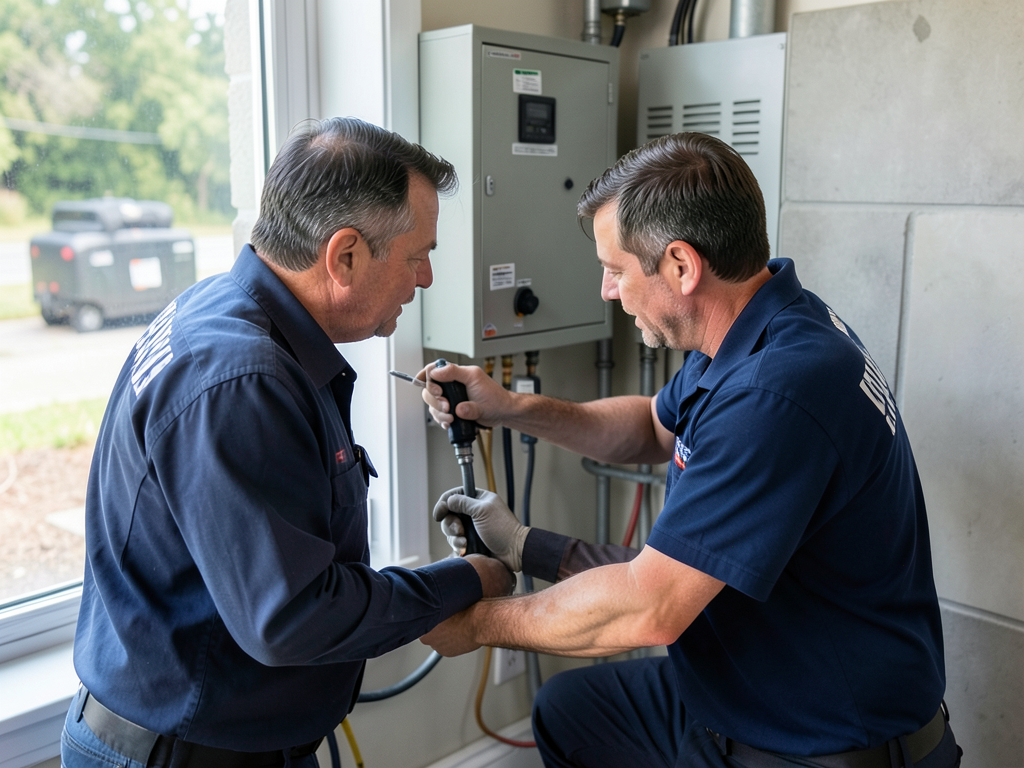
Keeping Your Home Warm During a Power Outage with HVAC Backup Power in Shoreview When winter storms hit Shoreview and the power goes out your furnace shuts down immediately leaving your home vulnerable to freezing…
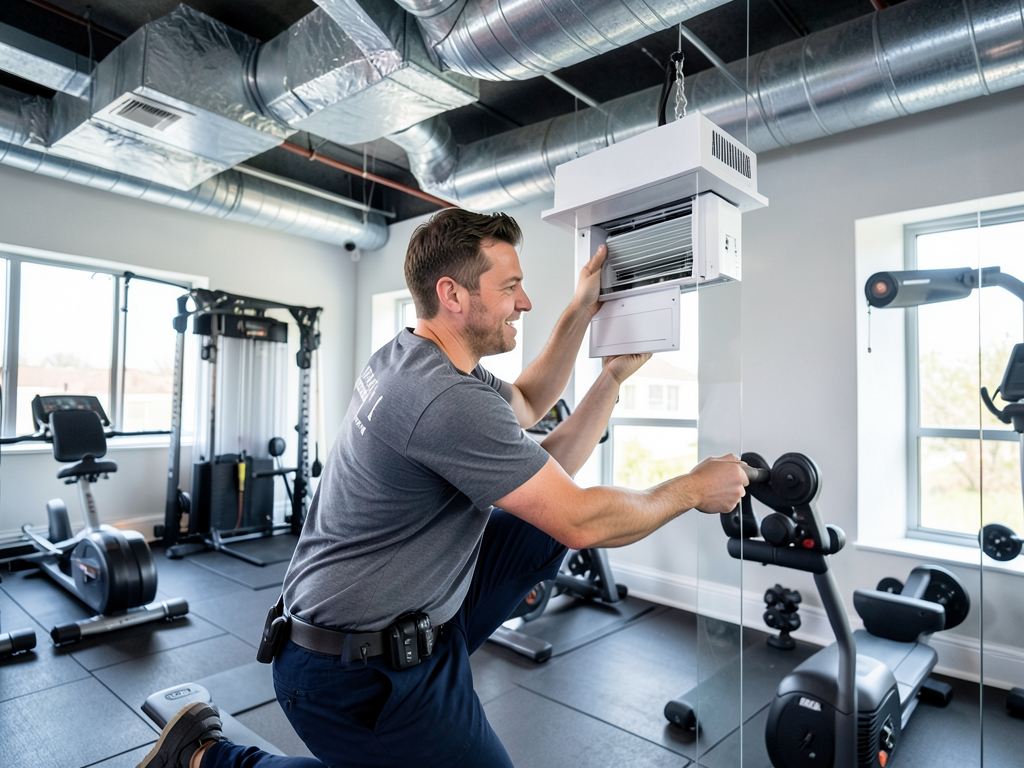
Building a Home Gym in Orono? Here's How to Keep It Comfortable Year-Round The Twin…
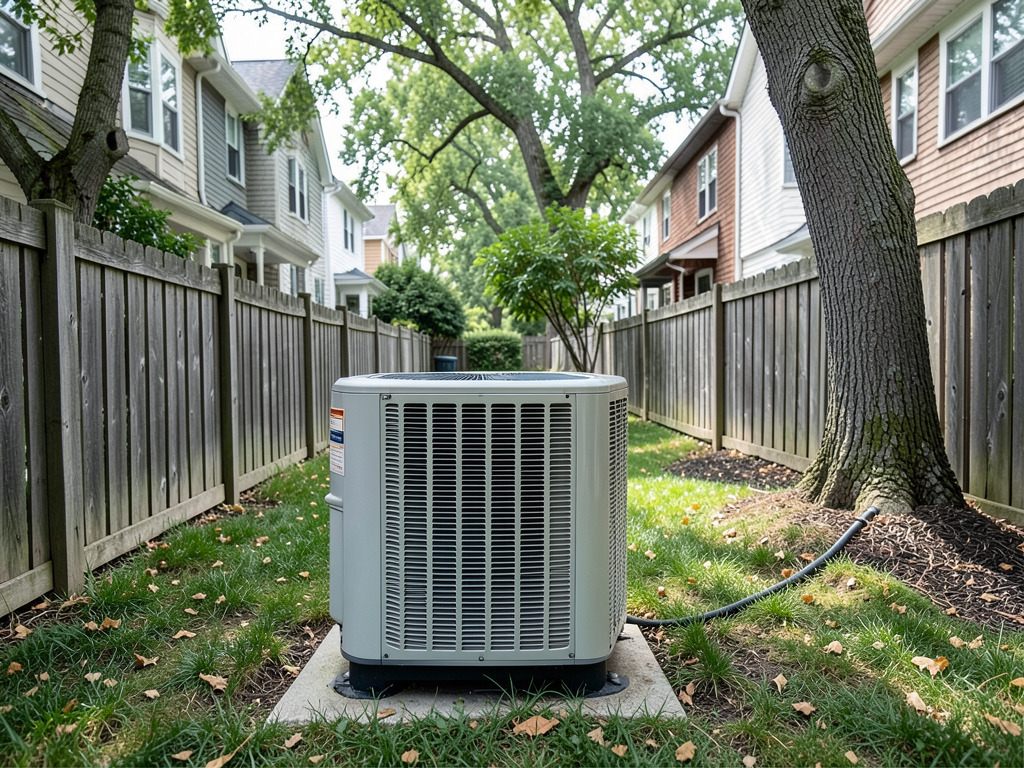
Living in Prospect Park means enjoying a tight-knit Minneapolis neighborhood where houses sit close together…
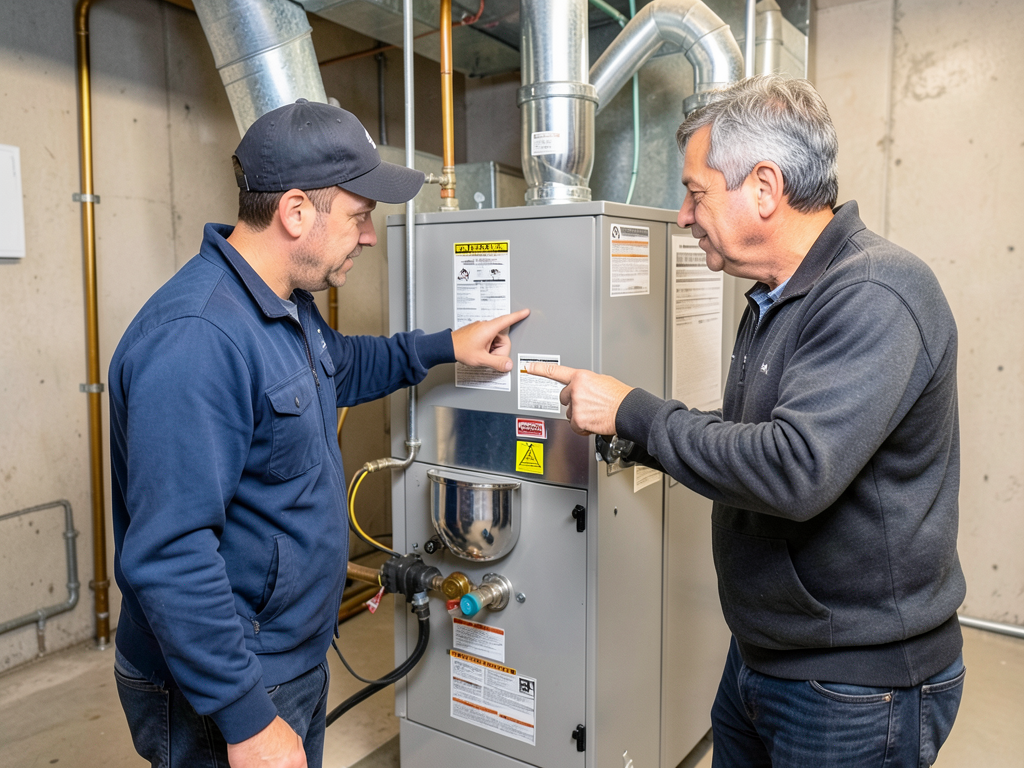
Choosing Between 80% and 96% Efficiency Furnaces for Your First Minneapolis Home Minneapolis winters are…
Don't wait for a comfortable temperature. Call All Pro HVAC Minneapolis now at (651) 588-9677 for same-day emergency service. Our technicians are ready to diagnose your heating or cooling problem and get your system running fast.