





Plymouth's location in the Minneapolis metro brings weather extremes that push HVAC systems harder than most places in the country. Winter temperatures regularly drop below zero, forcing furnaces to run continuously for weeks. Summer humidity levels climb past 70 percent, making air conditioners work overtime to keep homes comfortable.
The freeze-thaw cycles are brutal on equipment. Ice dams form on roofs near neighborhoods like Medicine Lake and Plymouth Creek, creating attic temperature swings that stress ductwork and venting systems. Spring and fall bring rapid temperature changes that force systems to switch between heating and cooling modes within hours.
Plymouth's housing stock ranges from 1970s splits in areas near County Road 101 to newer construction in Wayzata Bay. Older homes often have undersized ductwork and aging furnaces that struggle with efficiency. Newer builds feature high-efficiency systems that require precise calibration and maintenance.
The clay-heavy soil throughout Plymouth affects foundation stability, which can shift ductwork over time and create air leaks that waste energy. Combined with Minnesota's strict energy codes and the need for proper humidification during winter months, Plymouth homeowners need HVAC contractors who understand local conditions inside and out.
All Pro HVAC Minneapolis has built its reputation serving the western Minneapolis suburbs by showing up when we say we will and fixing problems right the first time. We understand Plymouth homeowners are tired of contractors who disappear after cashing checks or try to sell unnecessary equipment replacements.
Our technicians carry fully stocked trucks with parts for all major HVAC brands, which means we can complete most repairs during the initial visit. No waiting days for parts to arrive while your family suffers through uncomfortable temperatures. We stock everything from circuit boards for Carrier systems to heat exchangers for Lennox furnaces.
We believe in transparent pricing before work begins. You'll know exactly what the repair costs before we touch your system. No surprise charges, no hidden fees. If we find additional issues during diagnosis, we explain what's wrong, what it will cost to fix, and what happens if you choose to wait. The decision stays in your hands.
Our emergency service covers all of Plymouth, from the neighborhoods near Parkers Lake to homes in the Vicksburg Lane area. We answer our phones 24/7 because HVAC emergencies don't respect business hours. When your heat goes out on a Sunday night in January, you need a real person who can send help immediately, not a voicemail box.
We're also upfront about when repair doesn't make sense. If your 20-year-old furnace needs a $1,200 repair, we'll tell you honestly whether replacement makes more financial sense. Our job is to give you the information you need to make the right choice for your home and budget.

When your heating or cooling system fails, we mobilize immediately. Most Plymouth service calls get same-day response, with technicians arriving in fully stocked trucks ready to diagnose and repair on the spot. No waiting days for appointments while your home becomes unlivable.

You'll know the repair cost before work starts. We diagnose the issue, explain what's wrong in plain language, and provide a firm price quote. No hidden fees or surprise charges after the job. If we discover additional problems, we discuss options and costs before proceeding.
Our trucks carry extensive parts inventory for all major HVAC brands. This preparation means we complete most repairs during the initial service call. You won't sit in an uncomfortable home waiting for parts to ship while we schedule a return visit days later.
We've worked in Plymouth homes long enough to know how Minnesota winters stress furnaces and summer humidity challenges air conditioners. Our technicians understand local soil conditions, building codes, and the specific issues that affect different neighborhoods throughout the city.
All Pro HVAC Minneapolis handles every aspect of residential heating and cooling in Plymouth. Whether you need emergency furnace repair at 2 AM, annual maintenance to prevent breakdowns, or a complete system replacement for an aging unit, we provide expert service at every level.
Our approach separates services into three categories based on urgency and scope. Emergency repairs get you comfortable again within hours. Maintenance services prevent those emergencies from happening. System replacements solve recurring problems permanently with modern, efficient equipment.
Each service category requires different expertise and equipment. Our emergency technicians excel at rapid diagnosis and quick fixes under pressure. Our maintenance specialists catch small issues before they become expensive failures. Our installation crews handle complex equipment upgrades with precision that ensures years of reliable performance.
We staff all three service levels with experienced technicians who understand Plymouth's unique HVAC challenges. From the humidity control demands of lakefront homes near Medicine Lake to the heating capacity requirements of larger properties in the Fernbrook area, we match the right solution to your specific situation.
System failures don't wait for convenient timing. When your furnace quits during a cold snap or your AC dies during a heatwave, we respond immediately with fully equipped trucks and experienced technicians. We diagnose the problem quickly, explain what failed and why, and complete most repairs during the same visit. Our emergency service covers all of Plymouth around the clock because going without heat in January or cooling in July isn't an option for Minnesota families.
Regular maintenance catches small problems before they become emergency repairs. Our seasonal tune-ups include thorough inspection of all system components, cleaning of critical parts, calibration of controls, and testing of safety features. We check refrigerant levels in air conditioners, inspect heat exchangers in furnaces, and test electrical connections throughout the system. Plymouth homeowners who maintain their equipment avoid most emergency breakdowns and extend system life by years while keeping energy bills lower.
When repair costs approach replacement value or your system exceeds 15 years old, upgrading makes financial sense. We help Plymouth homeowners select properly sized equipment for their homes, handle all permit requirements, and complete installations with precision that ensures peak efficiency. Modern high-efficiency systems can cut energy bills by 30 percent while providing better comfort. We work with all major brands and explain options clearly so you can choose the right investment for your home.
Plymouth's climate creates specific HVAC challenges that differ from other regions. The extreme temperature range forces systems to work harder, and local conditions affect equipment in ways that surprise homeowners who move here from milder climates.
Winter humidity drops below 20 percent inside heated homes, creating static electricity and damaging woodwork. Summer humidity climbs past 70 percent, making air conditioners struggle to maintain comfort. The swing between these extremes within a six-month period stresses equipment and requires proper system configuration to manage.
Homes near Medicine Lake, Parkers Lake, and other water bodies face additional moisture management challenges. Higher local humidity levels can overwhelm improperly sized air conditioning systems. Basements in these areas often need supplemental dehumidification to prevent mold and musty odors.
The clay soil throughout Plymouth expands and contracts with moisture changes, shifting foundations gradually over time. This movement can disconnect ductwork, create air leaks, and throw systems out of balance. Even small foundation shifts affect HVAC performance in ways most homeowners don't recognize until efficiency drops noticeably.
Minnesota winters push heat pumps beyond their effective range. Ice builds up on outdoor coils when temperatures drop below 25 degrees, reducing efficiency dramatically. Many Plymouth homes use backup heating systems to compensate, but improper defrost cycle configuration causes equipment to freeze solid and stop working entirely.
Contractors often install oversized air conditioners in Plymouth homes, thinking bigger is better. These units cool spaces too quickly without removing humidity, then shut off before proper dehumidification occurs. Homes feel clammy and uncomfortable despite low thermostat settings. Proper sizing calculations prevent this common problem.
Plymouth's long heating season puts serious stress on furnace heat exchangers. Running continuously for weeks during cold snaps accelerates metal fatigue. Cracks develop that allow combustion gases to mix with household air, creating carbon monoxide risks. Annual inspections catch these dangerous failures before they threaten families.
Shifting foundations and settling houses disconnect duct joints over time. Air leaks waste conditioned air into attics, crawl spaces, and wall cavities. Plymouth homes can lose 30 percent of heated or cooled air before it reaches living spaces. Sealing these leaks dramatically improves comfort and cuts energy bills.
Working with All Pro HVAC Minneapolis means clear communication, respect for your time, and no-pressure service from start to finish. We know you're already stressed when you call for HVAC help. Our job is to solve your problem efficiently without adding complications.
When you contact us, you talk to a real person who understands HVAC and can assess your situation immediately. For emergencies, we dispatch technicians right away and give you accurate arrival windows. For scheduled service, we confirm appointments and call ahead when we're en route.
Our technicians arrive in marked trucks with full parts inventory. They'll introduce themselves, listen to your description of the problem, and conduct thorough diagnosis before recommending solutions. You'll receive clear explanations in everyday language, not technical jargon meant to confuse you.
We respect your home by wearing shoe covers, protecting work areas, and cleaning up completely before we leave. Your comfort matters throughout the process, not just after the repair is complete.
You'll never wonder what's happening with your HVAC repair. Our technicians explain what they're doing, what they find, and what it means for your system. If multiple repair options exist, we present each choice with honest pros and cons. You make the final decision based on complete information, not sales pressure. We answer questions patiently and make sure you understand exactly what work we're performing and why it's necessary.
We arrive within the scheduled window and complete most repairs in a single visit. Our technicians protect your floors, move furniture carefully when needed, and clean work areas thoroughly before leaving. We treat your Plymouth home with the same care we'd want for our own families. You won't find oil stains on your driveway or muddy footprints through your house after we finish.
Every repair comes with our service guarantee. If the problem returns or you experience issues related to our work, we come back and make it right at no additional charge. We also follow up after major repairs to ensure your system is performing properly and you're satisfied with the results. Your comfort and peace of mind matter more than closing service tickets quickly.
We've refined our service approach to eliminate wasted time and confusion. Most HVAC repairs follow this straightforward process that gets your Plymouth home comfortable again as quickly as possible.
Our technician arrives with diagnostic tools and parts inventory to identify your problem quickly. We listen to your description of symptoms, test system components, and pinpoint the failure. Most diagnosis takes 20 to 45 minutes. Once we identify the issue, we explain what failed, why it happened, and what's required to fix it. You'll receive a firm price quote before any repair work begins.
After you approve the quoted price, we complete the repair using quality parts and proper techniques. Our technicians work efficiently without cutting corners. We replace failed components, test all safety features, and verify proper system operation before calling the job complete. Most repairs finish within two hours of arrival, getting your heating or cooling back online the same day you called.
Before we leave, we run your system through complete heating or cooling cycles to ensure proper operation. We verify temperature output, check airflow levels, test safety controls, and confirm everything works correctly. You'll see the system running properly before we pack our tools. We clean the work area, answer any remaining questions, and provide maintenance recommendations to prevent future issues.
Minnesota enforces strict residential HVAC codes through the State Building Code Chapter 1322, which adopts the International Mechanical Code with state-specific amendments. Plymouth requires permits for all furnace and air conditioner replacements, with inspections to verify proper installation and venting.
The code mandates specific combustion air requirements for gas furnaces based on equipment location and home construction. Basement installations need different configurations than utility closets or attic installations. Improper combustion air causes incomplete burning, which creates carbon monoxide and wastes energy.
High-efficiency condensing furnaces require special venting materials and methods. The acidic condensate these units produce corrodes standard metal venting within months. Minnesota code requires PVC or CPVC venting for furnaces above 90 percent efficiency, with proper slope to drain condensate and prevent freezing.
Air conditioning refrigerant handling follows EPA Section 608 regulations in addition to state requirements. Technicians must recover refrigerant rather than venting it to atmosphere during repairs. Proper charging requires precise measurement, not guesswork. Overcharging or undercharging reduces efficiency and can damage compressors.
Duct sealing requirements under Minnesota Energy Code reduce air leakage to improve efficiency. New installations and major modifications must meet maximum leakage rates verified by testing. Proper duct sealing can improve system efficiency by 20 percent in homes with significant leakage.
Carbon monoxide detector placement near sleeping areas is mandatory in all Plymouth homes with fuel-burning appliances. These detectors save lives by warning families of dangerous gas buildup from cracked heat exchangers or blocked vents.
Proper HVAC sizing requires Manual J load calculations that account for Plymouth's climate zone, home insulation levels, window specifications, and air infiltration rates. Rules of thumb like "400 square feet per ton" create undersized or oversized systems that waste energy and provide poor comfort. Accurate calculations match equipment capacity to actual heating and cooling demands.
System age and repair cost determine whether fixing or replacing makes financial sense. Equipment over 15 years old with repair costs exceeding 50 percent of replacement value typically warrants upgrading. Newer high-efficiency models can cut energy costs enough to offset the investment within five to seven years for most Plymouth homes.
Spring and fall provide ideal windows for HVAC maintenance before peak demand seasons. Furnace tune-ups in September catch problems before winter heating begins. Air conditioner service in April ensures systems are ready for summer humidity. Scheduling maintenance during shoulder seasons avoids emergency calls during temperature extremes when wait times increase.
Minnesota's tight home construction for energy efficiency requires proper ventilation to maintain indoor air quality. Heat recovery ventilators and energy recovery ventilators exchange stale indoor air with fresh outdoor air while preserving heating or cooling energy. Whole-home air purification and humidification systems integrate with forced air systems to improve comfort and health.
This video explains HVAC repair and replacement decisions for Plymouth, Minnesota homeowners. Learn about equipment sizing, Minnesota building codes, seasonal maintenance timing, and repair versus replacement economics. Covers specific challenges from Plymouth's climate including humidity management, furnace heat exchanger failures, and ductwork issues common to local housing stock. Provides guidance on selecting qualified contractors and understanding fair pricing for heating and cooling services.
All Pro HVAC Minneapolis provides heating and cooling service throughout Plymouth and the western Minneapolis suburbs. We've worked in every neighborhood from the established areas near Medicine Lake to newer developments in Wayzata Bay.
The Medicine Lake area features homes built primarily in the 1960s and 1970s with mature landscaping and larger lots. Many properties here have original HVAC equipment that needs replacement or aging systems requiring frequent repair. Proximity to the lake creates higher humidity levels that challenge air conditioning systems during summer months.
Neighborhoods around Parkers Lake and Zachary Lane include a mix of housing styles and ages. Split-level homes common to this area often have ductwork challenges with multiple levels requiring balanced airflow. We've solved countless comfort issues in these homes by properly zoning systems and sealing duct leakage.
The Vicksburg Lane and Fernbrook neighborhoods feature newer construction with modern HVAC systems, but these homes aren't immune to problems. High-efficiency equipment requires precise setup and regular maintenance to perform properly. We've calibrated many systems in this area that were installed incorrectly by builders' contractors.
Plymouth Creek and the areas near County Road 101 contain diverse housing stock where HVAC needs vary significantly. Older homes may need system upgrades to improve efficiency, while newer properties require expert maintenance to preserve equipment warranties.
Our service area extends beyond Plymouth to include Maple Grove, Wayzata, Minnetonka, and other western suburbs. We understand how proximity to Lake Minnetonka affects humidity levels differently than areas farther inland. Highway 169 provides quick access throughout the region, helping us reach customers rapidly during emergencies.
Whether you live near the busy commercial district around Highway 55 or in quieter residential areas off Medicine Lake Road, we know the neighborhoods, understand local HVAC challenges, and provide the same quality service everywhere we work.
The $5000 rule helps you decide between repair or replacement. If your HVAC system's age multiplied by the repair cost exceeds $5000, replace it. For example, a 12-year-old unit needing a $500 repair equals $6000, so replacement makes sense. In Plymouth, where furnaces work overtime during subzero winters and ACs battle humid summers, this rule guides smart decisions. Older systems lose efficiency, driving up energy bills. If repairs keep piling up, you're throwing money at a failing system. A new unit offers better efficiency, lower bills, and reliable heating when temperatures plunge below zero.
Replacing HVAC for a 2000 square foot home in Plymouth typically runs $6000 to $12,000, depending on system type and efficiency. A basic furnace and AC combo costs less than high-efficiency heat pumps or variable-speed systems. Plymouth's cold winters require robust furnaces, often adding to costs compared to milder climates. Ductwork condition, insulation quality, and your home's layout affect pricing. Two-story homes may need zoned systems for comfort. Installation complexity, like tight crawl spaces or attic access, also impacts cost. Get multiple quotes and prioritize efficiency ratings. Lower energy bills offset higher upfront costs over time.
HVAC replacement for a 3000 square foot home in Plymouth ranges from $8000 to $18,000. Larger homes need higher-capacity systems to handle Minnesota's temperature extremes. You may require multiple zones to maintain comfort across floors and rooms. High-efficiency furnaces and air conditioners cost more upfront but deliver significant savings during Plymouth's brutal winters and humid summers. Existing ductwork condition matters. Leaky or undersized ducts reduce efficiency and drive up costs. Factor in your home's insulation and window quality. Poor insulation forces your system to work harder, shortening its lifespan and increasing energy bills.
The $5000 rule helps you decide between repair or replacement. If your HVAC system's age multiplied by the repair cost exceeds $5000, replace it. For example, a 12-year-old unit needing a $500 repair equals $6000, so replacement makes sense. In Plymouth, where furnaces work overtime during subzero winters and ACs battle humid summers, this rule guides smart decisions. Older systems lose efficiency, driving up energy bills. If repairs keep piling up, you're throwing money at a failing system. A new unit offers better efficiency, lower bills, and reliable heating when temperatures plunge below zero.
Replacing HVAC for a 2000 square foot home in Plymouth typically runs $6000 to $12,000, depending on system type and efficiency. A basic furnace and AC combo costs less than high-efficiency heat pumps or variable-speed systems. Plymouth's cold winters require robust furnaces, often adding to costs compared to milder climates. Ductwork condition, insulation quality, and your home's layout affect pricing. Two-story homes may need zoned systems for comfort. Installation complexity, like tight crawl spaces or attic access, also impacts cost. Get multiple quotes and prioritize efficiency ratings. Lower energy bills offset higher upfront costs over time.
HVAC replacement for a 3000 square foot home in Plymouth ranges from $8000 to $18,000. Larger homes need higher-capacity systems to handle Minnesota's temperature extremes. You may require multiple zones to maintain comfort across floors and rooms. High-efficiency furnaces and air conditioners cost more upfront but deliver significant savings during Plymouth's brutal winters and humid summers. Existing ductwork condition matters. Leaky or undersized ducts reduce efficiency and drive up costs. Factor in your home's insulation and window quality. Poor insulation forces your system to work harder, shortening its lifespan and increasing energy bills.
An HVAC service call in Plymouth averages $100 to $200 for the diagnostic visit. This covers the technician's time, inspection, and problem identification. Actual repairs cost extra, depending on the issue. Simple fixes like thermostat adjustments or filter changes add minimal cost. Major repairs like compressor replacement or heat exchanger fixes run significantly higher. Emergency calls during Plymouth's winter cold snaps or summer heat waves often include premium fees. Regular maintenance visits cost less than emergency diagnostics. Many companies waive the service fee if you proceed with recommended repairs. Always confirm pricing upfront before authorizing work.
Complete HVAC system replacement in Plymouth costs $5000 to $15,000 or more. Price depends on system size, efficiency rating, brand, and installation complexity. A basic single-stage furnace and standard AC costs less than a two-stage furnace with variable-speed air handler. High-efficiency systems save money long-term through lower utility bills, crucial during Plymouth's extreme weather. Installation factors include ductwork modifications, electrical upgrades, and permit fees. Homes with challenging layouts or outdated infrastructure cost more. Financing options spread costs over time. Replacing both furnace and AC together often saves money compared to separate installations.
The 3-minute rule prevents compressor damage. After your AC shuts off, wait at least 3 minutes before restarting it. This allows refrigerant pressure to equalize throughout the system. Restarting too quickly forces the compressor to work against high pressure, causing strain and potential failure. In Plymouth's humid summers, homeowners adjusting thermostats frequently risk violating this rule. Modern thermostats often include built-in delay features. If your AC short-cycles, turning on and off rapidly, you face a bigger problem. Short-cycling wastes energy, reduces comfort, and damages components. Call a technician to diagnose airflow restrictions or refrigerant issues.
HVAC systems in Plymouth last 15 to 20 years with proper maintenance. Furnaces handle Minnesota's harsh winters for 15 to 20 years. Air conditioners last 12 to 15 years, battling summer heat and humidity. Heat pumps typically run 10 to 15 years due to year-round use. Lifespan depends on maintenance quality, usage intensity, and installation correctness. Plymouth's temperature swings stress systems more than moderate climates. Regular filter changes, annual tune-ups, and prompt repairs extend equipment life. Poor maintenance cuts years off your system. If your furnace struggles during cold snaps or your AC can't keep up in summer, replacement may be approaching.
For Plymouth homeowners, 16 SEER beats 13 SEER in long-term value. SEER measures cooling efficiency. Higher numbers mean lower energy bills. A 16 SEER unit uses about 19% less energy than 13 SEER. During Plymouth's humid summers, the savings add up. Upfront cost is higher, but reduced utility bills recover the difference within years. Minnesota's climate means you run AC less than southern states, so payback takes longer. If you plan to stay in your home long-term, choose 16 SEER or higher. Short-term homeowners may prefer 13 SEER. Consider your budget and timeline when deciding.
In Plymouth, buy HVAC systems during fall or early spring for the best deals. Contractors offer discounts during shoulder seasons when demand drops. Avoid summer and winter when emergency replacements spike prices. October through April often brings promotional pricing and faster installation schedules. Manufacturers release new models in spring, prompting discounts on previous-year inventory. Tax credits and rebates sometimes align with specific months, check utility company programs. Planning ahead saves money and stress. Waiting until your furnace dies during a January cold snap means paying premium prices and enduring uncomfortable delays. Replace aging systems before they fail.
HVAC costs in 2025 will likely increase 3% to 8% due to inflation, supply chain factors, and regulatory changes. Equipment prices, labor costs, and materials continue rising. New efficiency standards may phase out older models, pushing prices higher. In Plymouth, expect complete system replacement to range $5500 to $16,000 or more, depending on system type and home size. High-efficiency models cost more but qualify for potential tax credits and rebates. Labor shortages in skilled trades also drive up installation costs. Plan your budget accordingly. Financing options help manage costs. Replace failing systems before emergency situations force rushed, expensive decisions.
An HVAC service call in Plymouth averages $100 to $200 for the diagnostic visit. This covers the technician's time, inspection, and problem identification. Actual repairs cost extra, depending on the issue. Simple fixes like thermostat adjustments or filter changes add minimal cost. Major repairs like compressor replacement or heat exchanger fixes run significantly higher. Emergency calls during Plymouth's winter cold snaps or summer heat waves often include premium fees. Regular maintenance visits cost less than emergency diagnostics. Many companies waive the service fee if you proceed with recommended repairs. Always confirm pricing upfront before authorizing work.
Complete HVAC system replacement in Plymouth costs $5000 to $15,000 or more. Price depends on system size, efficiency rating, brand, and installation complexity. A basic single-stage furnace and standard AC costs less than a two-stage furnace with variable-speed air handler. High-efficiency systems save money long-term through lower utility bills, crucial during Plymouth's extreme weather. Installation factors include ductwork modifications, electrical upgrades, and permit fees. Homes with challenging layouts or outdated infrastructure cost more. Financing options spread costs over time. Replacing both furnace and AC together often saves money compared to separate installations.
The 3-minute rule prevents compressor damage. After your AC shuts off, wait at least 3 minutes before restarting it. This allows refrigerant pressure to equalize throughout the system. Restarting too quickly forces the compressor to work against high pressure, causing strain and potential failure. In Plymouth's humid summers, homeowners adjusting thermostats frequently risk violating this rule. Modern thermostats often include built-in delay features. If your AC short-cycles, turning on and off rapidly, you face a bigger problem. Short-cycling wastes energy, reduces comfort, and damages components. Call a technician to diagnose airflow restrictions or refrigerant issues.
HVAC systems in Plymouth last 15 to 20 years with proper maintenance. Furnaces handle Minnesota's harsh winters for 15 to 20 years. Air conditioners last 12 to 15 years, battling summer heat and humidity. Heat pumps typically run 10 to 15 years due to year-round use. Lifespan depends on maintenance quality, usage intensity, and installation correctness. Plymouth's temperature swings stress systems more than moderate climates. Regular filter changes, annual tune-ups, and prompt repairs extend equipment life. Poor maintenance cuts years off your system. If your furnace struggles during cold snaps or your AC can't keep up in summer, replacement may be approaching.
For Plymouth homeowners, 16 SEER beats 13 SEER in long-term value. SEER measures cooling efficiency. Higher numbers mean lower energy bills. A 16 SEER unit uses about 19% less energy than 13 SEER. During Plymouth's humid summers, the savings add up. Upfront cost is higher, but reduced utility bills recover the difference within years. Minnesota's climate means you run AC less than southern states, so payback takes longer. If you plan to stay in your home long-term, choose 16 SEER or higher. Short-term homeowners may prefer 13 SEER. Consider your budget and timeline when deciding.
In Plymouth, buy HVAC systems during fall or early spring for the best deals. Contractors offer discounts during shoulder seasons when demand drops. Avoid summer and winter when emergency replacements spike prices. October through April often brings promotional pricing and faster installation schedules. Manufacturers release new models in spring, prompting discounts on previous-year inventory. Tax credits and rebates sometimes align with specific months, check utility company programs. Planning ahead saves money and stress. Waiting until your furnace dies during a January cold snap means paying premium prices and enduring uncomfortable delays. Replace aging systems before they fail.
HVAC costs in 2025 will likely increase 3% to 8% due to inflation, supply chain factors, and regulatory changes. Equipment prices, labor costs, and materials continue rising. New efficiency standards may phase out older models, pushing prices higher. In Plymouth, expect complete system replacement to range $5500 to $16,000 or more, depending on system type and home size. High-efficiency models cost more but qualify for potential tax credits and rebates. Labor shortages in skilled trades also drive up installation costs. Plan your budget accordingly. Financing options help manage costs. Replace failing systems before emergency situations force rushed, expensive decisions.
All Pro HVAC is conveniently located to serve the Minneapolis area and surrounding communities effectively. We invite you to view our service area on the map below, helping you visualize our reach and confirm that we are readily available to provide our expert heating, ventilation, and air conditioning services right to your doorstep, ensuring your comfort is always within reach.
Address:
Plymouth, MN, 55447
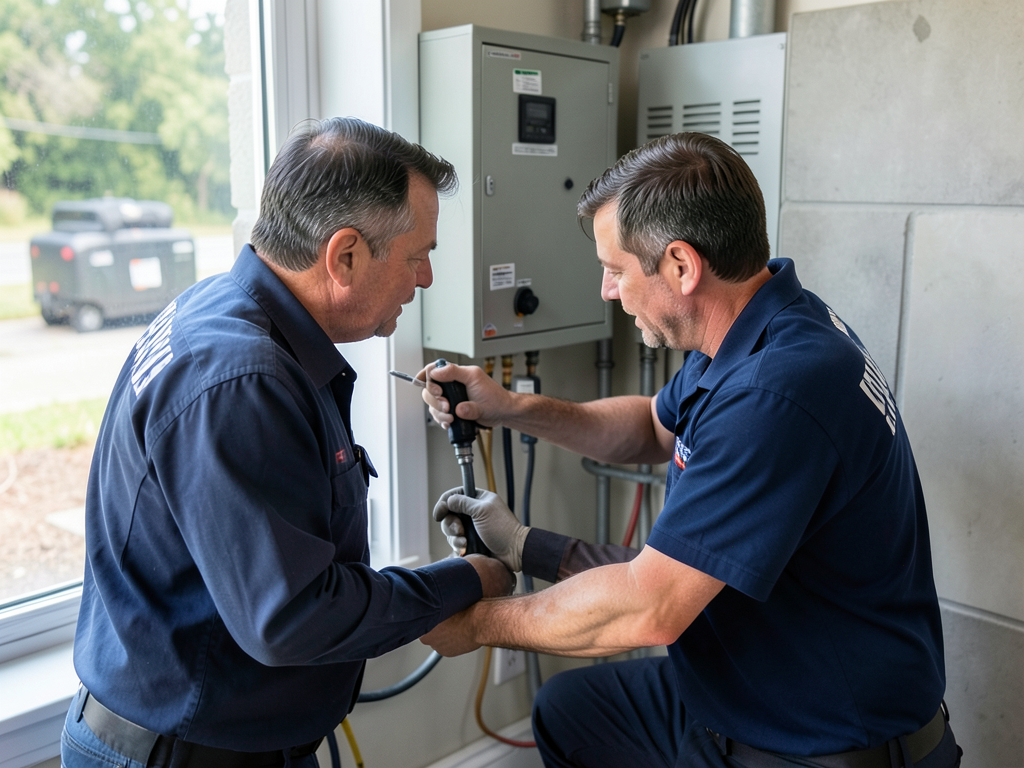
Keeping Your Home Warm During a Power Outage with HVAC Backup Power in Shoreview When winter storms hit Shoreview and the power goes out your furnace shuts down immediately leaving your home vulnerable to freezing…
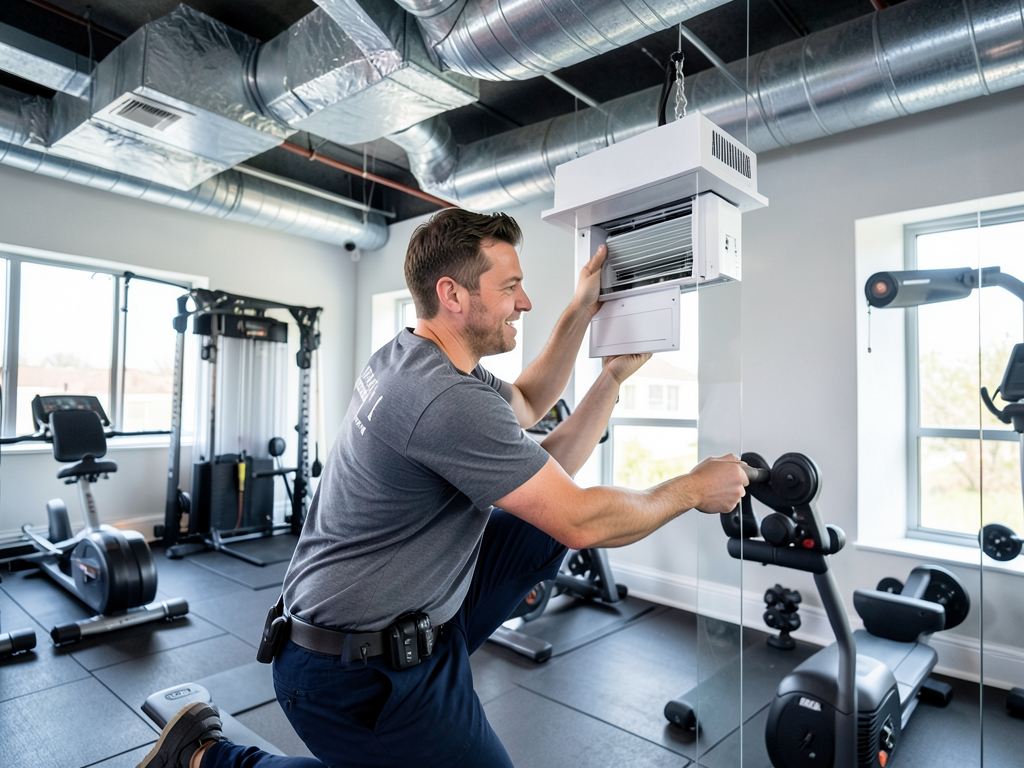
Building a Home Gym in Orono? Here's How to Keep It Comfortable Year-Round The Twin…
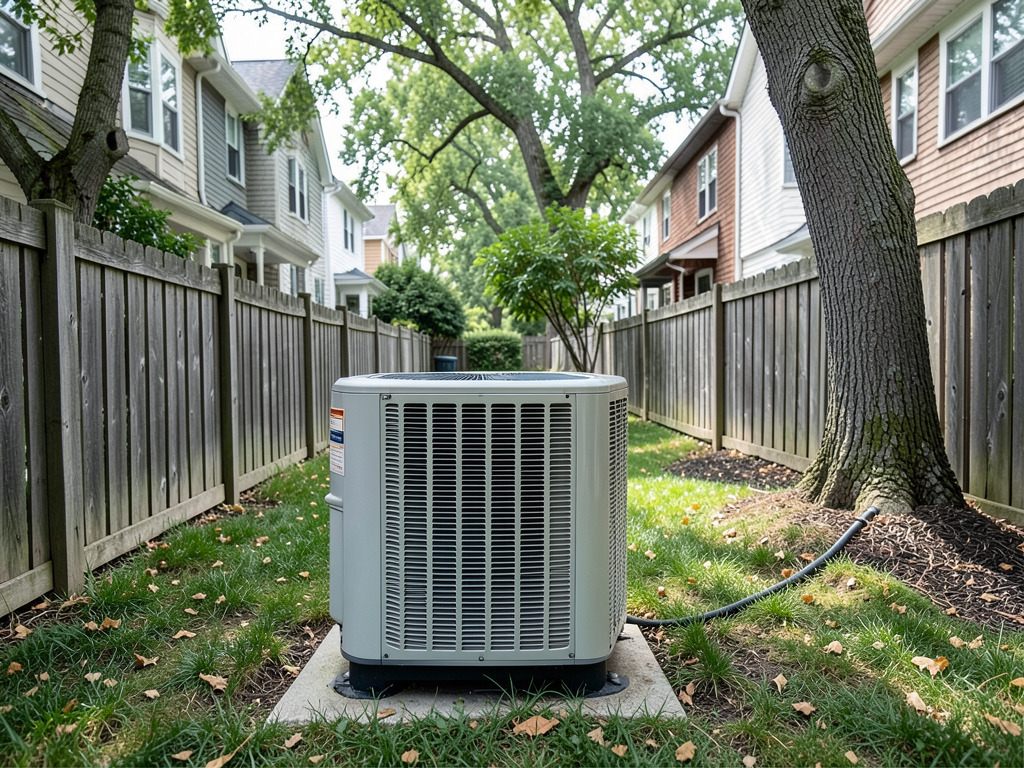
Living in Prospect Park means enjoying a tight-knit Minneapolis neighborhood where houses sit close together…
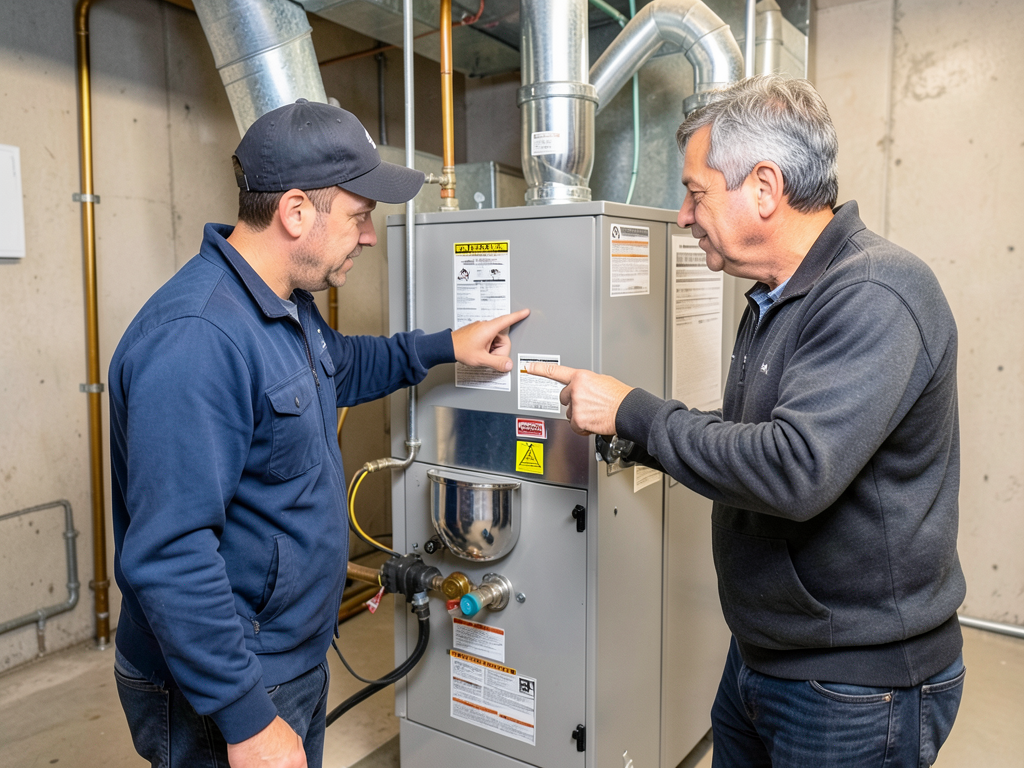
Choosing Between 80% and 96% Efficiency Furnaces for Your First Minneapolis Home Minneapolis winters are…
Your comfort can't wait. Call All Pro HVAC Minneapolis now at (651) 588-9677 for same-day emergency service or to schedule maintenance. Our Plymouth technicians are ready to solve your heating and cooling problems with honest pricing and expert repairs.