




Menu

Whole Home Humidifiers in Minneapolis – Balanced Indoor Air Year-Round

Central humidifiers integrated into your existing HVAC system provide consistent moisture control across every room, protecting wood floors, furniture, and respiratory health through Minnesota's brutal dry winters and temperature swings.

Slider Image 1
Slider Image 2
Slider Image 3
Slider Image 4
Slider Image 5
Slider Image 7
Slider Image 8
Slider Image 9
Slider Image 10
Slider Image 11

Why Minneapolis Homes Struggle with Dry Indoor Air

Minneapolis winters are punishing. When outdoor temperatures drop below freezing for weeks, your furnace runs constantly. Every heating cycle strips moisture from indoor air. You wake up with bloody noses, cracked lips, and static shocks. Your hardwood floors gap and creak. Crown molding separates from walls. Antique furniture develops cracks.

The problem compounds in homes built before 1980. Older construction lacks proper vapor barriers. Cold air infiltration from single-pane windows and uninsulated rim joists forces your furnace to work harder. The dryer the air becomes, the colder you feel at the same temperature. You crank the thermostat higher, which dries the air even more.

Portable humidifiers cannot keep up. You refill tanks daily. They humidify one room while the rest of the house stays parched. Minerals in Minneapolis tap water leave white dust on furniture. Mold grows in stagnant reservoirs if you forget to clean them.

Whole house humidifiers solve this. Furnace humidifiers integrate directly into your HVAC ductwork. They distribute moisture evenly through forced air circulation. Central humidifiers pull water from your plumbing line, so you never refill tanks. HVAC humidifiers maintain 35-45% relative humidity automatically, which protects wood, prevents static, and makes 68 degrees feel comfortable instead of bone-dry.

Ducted humidifiers work with your existing system. No tanks, no refills, no white dust. You program target humidity once and forget about it.

Why Minneapolis Homes Struggle with Dry Indoor Air
How Central Humidification Systems Actually Work

How Central Humidification Systems Actually Work

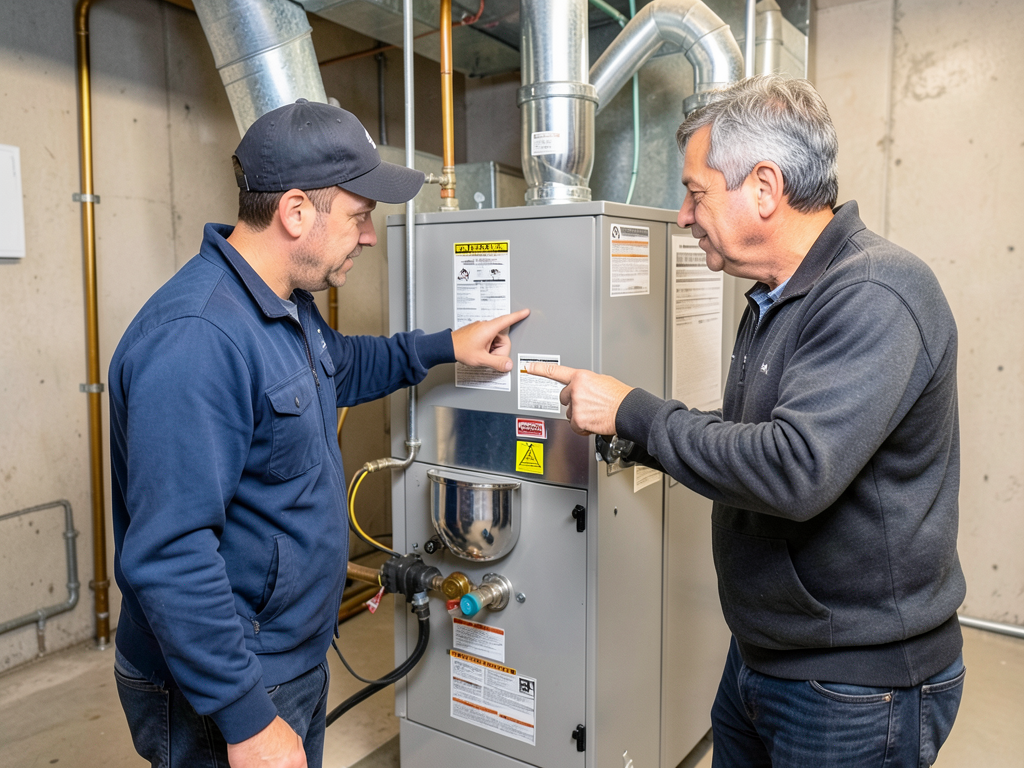
A whole house humidifier mounts directly to your furnace plenum or main supply trunk. It ties into your cold water line through a saddle valve or dedicated shutoff. When your furnace blower runs, air passes through the humidifier cabinet. Water trickles over an evaporator pad or steam canister, adding moisture to the airstream before it enters your ductwork.

We install three types depending on your system. Flow-through humidifiers use furnace airflow to evaporate water across a honeycomb pad. They waste some water down a drain line but require no electricity and need minimal maintenance. Reservoir models recirculate water over a rotating drum, which conserves water but requires more frequent cleaning in Minneapolis due to hard water deposits.

Steam humidifiers boil water into vapor and inject it directly into ducts. They add humidity fastest and work with heat pumps or homes without forced air heat. Steam models cost more upfront but deliver precise control and work independently of furnace cycles.

We size humidifiers based on cubic footage and your home's air exchange rate. Older Minneapolis homes with leaky windows need higher-capacity units. Newer construction with tight envelopes requires smaller models to prevent over-humidification, which can cause condensation on cold windows.

Installation takes three to four hours. We cut into the supply plenum, mount the cabinet, run water and drain lines, and wire the humidistat to your furnace control board. The humidistat monitors indoor humidity and signals the water valve to open when levels drop below your setpoint. All Pro HVAC Minneapolis matches equipment capacity to your specific heating system and home construction to prevent moisture problems.

What Happens During Humidifier Installation

Whole Home Humidifiers in Minneapolis – Balanced Indoor Air Year-Round
01

System Assessment and Sizing

Our technician calculates your home's cubic footage and inspects your furnace type, ductwork configuration, and existing water lines. We measure static pressure in your supply plenum to confirm your blower can handle the added resistance. We check for accessible cold water lines and suitable drain locations. This ensures we select a humidifier model that integrates properly without overloading your HVAC system or creating moisture issues.
02

Equipment Installation and Integration

We cut a template opening in your supply plenum, mount the humidifier cabinet, and seal all edges to prevent air leaks. We run a quarter-inch copper or braided supply line from your cold water pipe using a saddle valve or compression fitting. For flow-through models, we install a drain line to a floor drain or condensate pump. We wire the humidistat to your furnace control board so humidity cycles align with blower operation.
03

Calibration and Humidity Testing

We set your humidistat to 35% relative humidity and run the furnace through a full cycle. We verify water flow through the evaporator pad and check for leaks at all connections. We measure humidity levels in multiple rooms using a hygrometer to confirm even distribution. We walk you through seasonal adjustments, explaining how to increase humidity in January and reduce it in spring to prevent window condensation when outdoor temperatures fluctuate.

Why Minneapolis Homeowners Choose All Pro HVAC for Humidification

We understand Minnesota climate extremes. Most HVAC companies install humidifiers using generic manufacturer guidelines. We adjust for Minneapolis-specific factors like subzero winter temperatures, hard water mineral content, and the prevalence of older homes with varying insulation levels.

Minneapolis water contains high calcium and magnesium concentrations. This causes mineral buildup on evaporator pads and steam canisters faster than in other regions. We recommend maintenance schedules based on your actual water hardness, not arbitrary timelines. For homes with water softeners, we advise connecting humidifiers upstream of the softener to avoid introducing sodium into your HVAC system, which corrodes metal components.

We know which humidifier brands hold up in Minnesota conditions. Cheap models use plastic water distribution tubes that crack when attics drop below freezing. We install units with brass or stainless components rated for temperature extremes. We verify your attic has adequate insulation around ductwork before installing steam models, which can cause condensation problems if ducts run through unconditioned spaces.

Local building code requires backflow prevention on all plumbing connections. We install check valves on water supply lines to prevent contamination of your drinking water. Discount installers skip this, which fails inspection.

We service Minneapolis neighborhoods from Linden Hills to Northeast. We stock replacement pads and parts for all major brands. When your humidifier stops working in January, we respond the same day because we know dry air at 10 below zero makes your home unbearable. We carry diagnostic tools to troubleshoot electronic humidistats, solenoid valves, and control board integration issues that generic plumbers cannot fix.

What to Expect From Professional Humidifier Installation

Installation Timeline

Most whole house humidifier installations take three to four hours from arrival to completion. We schedule appointments in two-hour windows and call 30 minutes before arrival. For complex retrofits involving cramped mechanical rooms or difficult water line routing, installation may extend to five hours. We complete all work in a single visit unless we discover underlying furnace issues that require parts ordering. You can use your heating system immediately after installation. We test operation before leaving.

Pre-Installation Evaluation

Before installing equipment, we inspect your furnace filter, blower motor, and ductwork condition. A clogged filter or failing blower prevents proper humidification. We check static pressure readings to confirm your system can handle the added airflow restriction. We examine your ductwork for existing air leaks, which waste conditioned air and reduce humidification efficiency. If we find problems, we explain repair options before proceeding. We never install humidifiers on systems with inadequate airflow capacity.

Performance and Comfort Results

You will notice reduced static electricity within 24 hours. Respiratory comfort improves as nasal passages stop drying out overnight. Wood floors and furniture stabilize after two to three weeks of consistent humidity. You will feel warmer at lower thermostat settings because proper humidity makes 68 degrees feel like 72. This reduces heating costs by 3-5% through winter. Your furnace runs more efficiently because you are not overheating dry air. Skin stops cracking and houseplants thrive.

Ongoing Maintenance Requirements

Flow-through and reservoir humidifiers require annual evaporator pad replacement each fall before heating season. Steam models need descaling twice yearly in Minneapolis due to hard water. We offer annual maintenance visits where we replace pads, clean mineral deposits, inspect water connections for leaks, and verify humidistat calibration. Between professional service, you should check the water panel monthly during winter and replace it if you see heavy mineral crust or algae growth. Proper maintenance prevents mold and ensures consistent performance.

Frequently Asked Questions

You Have Questions,
We Have Answers

What is the downside of a whole-house humidifier? +

The main downside is maintenance. Whole-house humidifiers require regular cleaning and filter changes to prevent mold and mineral buildup. If you ignore upkeep, you risk distributing bacteria through your ductwork. Over-humidification causes condensation on windows, which can damage sills and frames. Minneapolis winters make this worse because cold glass meets warm, moist air. You also face higher water bills and potential leaks if installation is poor. Bypass models can reduce furnace efficiency if not balanced correctly. The key is monitoring humidity levels and committing to seasonal maintenance to avoid these issues.

What type of humidifier is best for a whole house? +

For Minneapolis homes, a steam humidifier is most effective. It boils water to create pure steam, which means no white dust and better control during brutal winter months when indoor air gets extremely dry. Bypass and fan-powered models cost less but depend on your furnace running, which is not ideal during milder days. Drum-style units are cheapest but require the most maintenance and breed mold faster. Your ductwork layout and home size matter. Larger homes over 3,000 square feet benefit from steam units. Consult an HVAC professional to match capacity to your square footage and heating system type.

What's the average cost of a whole-house humidifier? +

Whole-house humidifier costs vary by type and complexity. Bypass models start lower, while fan-powered units cost more. Steam humidifiers are the most expensive due to advanced components and electrical requirements. Installation adds to the total, especially if your ductwork needs modification or you require new electrical circuits. Minneapolis homes with older heating systems may face higher labor costs. Replacement filters and annual maintenance add ongoing expenses. Factor in water usage increases on your utility bill. Quality matters. Cheaper units require more frequent part replacements. Get multiple quotes from licensed Minneapolis HVAC contractors to compare.

What humidifier do consumer reports recommend? +

Consumer Reports has evaluated various brands over the years, focusing on steam and evaporative models. They prioritize efficiency, ease of maintenance, and durability. Specific recommendations change as manufacturers update models. Steam humidifiers consistently score high for performance and cleanliness, though they cost more upfront. Bypass units get mixed reviews due to maintenance demands. Check their current ratings directly, as product lines evolve. For Minneapolis conditions, prioritize models tested in cold climates with proven track records against mineral buildup from our hard water. Ask your HVAC contractor which brands they service most reliably in the metro area.

What are signs I need a humidifier? +

You need a humidifier if you notice static electricity shocks, dry skin, cracked lips, or frequent nosebleeds. Wood furniture may show gaps or splitting. Hardwood floors can separate at seams. You might experience worse allergy symptoms or sinus congestion despite no illness. Minneapolis winters push indoor humidity below 30 percent, which is too dry for comfort and health. Check your thermostat if it has a humidity readout. Ideal indoor humidity sits between 30 and 50 percent. If you run space heaters or your furnace constantly, you are drying out your air faster and need moisture replacement.

Where does the water go from a whole house dehumidifier? +

A whole-house dehumidifier drains water through a condensate line, similar to your air conditioner. The unit pulls moisture from air passing over cold coils, causing condensation. Water flows into a collection pan, then exits through PVC piping connected to a floor drain, sump pump, or exterior drain line. In Minneapolis basements, installers route lines to existing floor drains or utility sinks. Some units include a condensate pump if gravity drainage is not possible. You must ensure proper slope and secure connections to prevent leaks. Regular line cleaning prevents clogs from algae or mineral deposits, especially with our hard water.

Where's the best place to put a whole-house humidifier? +

The best place is directly on your furnace return plenum or main supply trunk. Your HVAC system distributes moisture evenly through existing ductwork, reaching every room. Minneapolis homes with forced-air furnaces are ideal for whole-house units. Install humidifiers on the return side for bypass and fan-powered models, so dry air pulls through the water panel before heating. Steam units mount on supply ducts because they inject vapor directly into conditioned air. Avoid locations near thermostats or exterior walls where temperature swings cause false readings. A licensed technician ensures proper placement based on your ductwork configuration and home layout.

What are the signs of too much humidity? +

Too much humidity causes condensation on windows, especially on Minneapolis winter mornings when outdoor temps drop below freezing. You will see water pooling on sills, mold spots in corners, or musty odors in closets. Paint may peel or wallpaper bubbles. You feel clammy despite cool indoor temperatures. Dust mites and mold thrive above 60 percent humidity, worsening allergies. Wood floors may cup or warp. Check your hygrometer. If readings exceed 50 percent in winter, reduce your humidistat setting. Excess moisture also stresses your HVAC system and can damage insulation in attics and wall cavities.

What is the healthiest type of humidifier for sinuses? +

For sinus relief, steam humidifiers are healthiest. They boil water, killing bacteria and mold spores before releasing pure vapor into your home. You avoid inhaling contaminants common in evaporative or ultrasonic models. Minneapolis hard water creates mineral dust with some units, which irritates sinuses. Steam systems eliminate this problem. Evaporative whole-house units with quality filters also work well if maintained properly. Avoid cool mist portable units, which breed bacteria quickly. Keep humidity between 40 and 50 percent. Too much moisture encourages mold growth, which worsens sinus problems. Clean or replace filters as recommended to maintain air quality.

Can a humidifier be added to an existing furnace? +

Yes, you can add a whole-house humidifier to an existing furnace. Most forced-air systems in Minneapolis homes accommodate retrofitting. Your HVAC technician mounts the unit on the return or supply plenum and taps into your water line. Bypass models are easiest to install and require no electrical work. Fan-powered and steam units need dedicated power circuits. Older furnaces may need ductwork modifications for proper airflow. Your contractor will assess available space, ductwork condition, and furnace compatibility. Installation takes a few hours. You gain comfort and protect your home without replacing your entire heating system. Schedule installation before winter for best results.

How Minnesota Winter Extremes Make Whole House Humidifiers Essential

Minneapolis experiences some of the nation's lowest winter humidity levels. When outdoor air at 10 below zero enters your home and heats to 70 degrees, relative humidity drops below 10%. This is drier than the Sahara Desert. Your furnace compounds the problem by heating already-dry air 40-60 times per day. Without central humidifiers, indoor humidity commonly drops to 5-8% from December through February. Wood furniture joints separate. Hardwood floors cup and crack. Static electricity damages electronics. Respiratory infections spread faster because dry mucous membranes cannot trap airborne pathogens.

Minneapolis building inspectors recognize the importance of proper humidification in cold climates. Modern residential code encourages whole house humidity control to protect structural wood and improve energy efficiency. All Pro HVAC Minneapolis understands local inspection requirements and installs systems that meet Minnesota mechanical code standards. We have worked with homes across Minneapolis neighborhoods from Victorian-era properties in Lowry Hill to new construction in Linden Hills. We adapt installation techniques to different foundation types, furnace configurations, and ductwork layouts common in Twin Cities residential construction.
HVAC Services in The Minneapolis Area

All Pro HVAC is conveniently located to serve the Minneapolis area and surrounding communities effectively. We invite you to view our service area on the map below, helping you visualize our reach and confirm that we are readily available to provide our expert heating, ventilation, and air conditioning services right to your doorstep, ensuring your comfort is always within reach.

Address:
All Pro HVAC Minneapolis, 1 W Franklin Ave, Minneapolis, MN, 55404

Additional Services We Offer

Our news updates

Latest Articles & News from The Blogs

How Your St. Paul Pets are Secretly Impacting Your HVAC System Performance Your furry friends bring joy to your St.…

How Your St. Paul Pets are Secretly Impacting Your HVAC System Performance

How Your St. Paul Pets are Secretly Impacting Your HVAC System Performance Your furry friends bring joy to your St.…

When to Change Your Air Filter During the High Pollen Season in Shorewood

When to Change Your Air Filter During the High Pollen Season in Shorewood Spring in Shorewood brings blooming trees and…

Why Low Humidity is Hurting Your Health and Your Furniture in Inver Grove Heights

Why Low Humidity is Hurting Your Health and Your Furniture in Inver Grove Heights Winter in Inver Grove Heights means…

Contact Us

Stop suffering through another dry Minnesota winter. Call All Pro HVAC Minneapolis at (651) 588-9677 for expert whole house humidifier installation. We provide accurate sizing, professional integration with your existing HVAC system, and ongoing maintenance support to keep your home comfortable year-round.