




Menu

AC Blowing Warm Air in Minneapolis – Expert Diagnosis and Same-Day Fixes

When your AC blowing warm air disrupts your comfort, our Minneapolis technicians diagnose the root cause fast and restore cold air the same day with precision repairs.

Slider Image 1
Slider Image 2
Slider Image 3
Slider Image 4
Slider Image 5
Slider Image 7
Slider Image 8
Slider Image 9
Slider Image 10
Slider Image 11

Why Your Air Conditioner Blows Hot Air in Minneapolis Homes

You walk to the thermostat, check the setting, and feel the vent. The air coming out is lukewarm or outright hot. Your air conditioning is running but not cooling. The compressor hums outside, the blower runs inside, but your central air is blowing warm air through every register in the house.

This problem intensifies during Minneapolis summers when humidity climbs and temperatures push into the 90s. The combination of high dew points and demand on your system exposes weaknesses that mild weather hides. Refrigerant leaks become critical. Compressor failures accelerate. Clogged condensers struggle under pollen loads from the urban tree canopy. Your AC vents blowing hot air signals a failure in the refrigeration cycle, the airflow path, or the control logic.

Minneapolis homes built before 1980 often have undersized ductwork or original equipment that no longer matches modern cooling demands. Split systems in older neighborhoods like Whittier or Powderhorn develop refrigerant leaks at brazed joints stressed by freeze-thaw cycling. Newer builds in Eden Prairie or Maple Grove may have installation errors where refrigerant was undercharged from day one. When your air conditioner is blowing hot air, the cause is never cosmetic. It requires diagnosis at the component level to isolate whether the issue lives in the outdoor unit, the indoor coil, the ductwork, or the thermostat wiring. Guessing wastes money. Precision saves it.

Why Your Air Conditioner Blows Hot Air in Minneapolis Homes
How We Diagnose and Fix Air Conditioning Not Blowing Cold Air

How We Diagnose and Fix Air Conditioning Not Blowing Cold Air

We start every service call with a refrigerant pressure test. Gauges go on the service ports to measure suction and discharge pressures against manufacturer specs. Low suction pressure with normal superheat points to a restriction in the metering device. High discharge pressure with low airflow across the condenser coil indicates a dirty coil or failed fan motor. We do not guess. We measure.

Next, we check the airflow volume at the supply plenum using a hot-wire anemometer. If your AC is running but not cooling, weak airflow from a clogged filter, collapsed duct, or failed blower capacitor will show up here. We pull the filter, inspect the evaporator coil for ice buildup, and verify blower wheel rotation and motor amperage draw. A blower pulling 30 percent over nameplate amps signals a failing run capacitor or bearing failure.

We also verify thermostat communication. If your central air is blowing warm air only on certain cycles, a failing thermostat or loose wire at the air handler terminal strip may interrupt the call for cooling. We test continuity on the Y-wire and confirm the reversing valve or contactor engages when the thermostat sends the signal.

Once we isolate the failure point, we explain the repair in clear terms. You understand what failed, why it failed, and what the fix involves before we proceed. If refrigerant is low, we locate the leak using nitrogen pressure testing and electronic leak detection. If the compressor is failing, we measure winding resistance and verify the start components before recommending replacement. Transparency eliminates surprises.

What Happens When You Call Us for AC Blowing Warm Air

AC Blowing Warm Air in Minneapolis – Expert Diagnosis and Same-Day Fixes
01

Immediate Dispatch and Arrival

You call, describe the issue, and we schedule a technician within hours. Same-day service is standard during cooling season. Our trucks carry diagnostic tools, refrigerant, capacitors, contactors, and common repair parts so we can fix most problems on the first visit. You receive a call when the technician is en route with an estimated arrival window.
02

System Diagnosis and Testing

The technician connects manifold gauges, checks amperage draws on motors, inspects the evaporator and condenser coils, and tests thermostat operation. We document pressures, temperatures, and airflow measurements. You get a verbal explanation of what is wrong and what the repair involves. We provide options if multiple solutions exist, prioritizing the most cost-effective fix that solves the root cause.
03

Repair and System Verification

Once approved, we complete the repair, recharge refrigerant to factory spec if needed, and verify proper operation. We monitor the system through a full cooling cycle, confirm cold air at the registers, and verify the compressor and blower are operating within normal parameters. You feel the cold air before we leave. We clean up the work area and provide a written summary of the repair.

Why Minneapolis Homeowners Choose All Pro HVAC for AC Repairs

Minneapolis HVAC systems face unique stressors that techs from outside the region miss. Winter shutdowns last six months. Units sit idle under snow and ice. Condensate lines freeze. Electrical components corrode from temperature swings. Spring startups reveal problems that developed during dormancy. We see it every season across neighborhoods from Uptown to Northeast to Highland Park.

Our techs understand how Minneapolis building codes affect system design. Homes in historic districts like Kenwood or Tangletown often have undersized electrical panels where adding a new condenser requires a service upgrade. We coordinate with electricians when needed to ensure code compliance. We also know which HVAC brands hold up best in our climate. Carrier, Lennox, and Trane dominate local installs, and we stock parts for these systems on every truck.

We also understand the soil conditions around Minneapolis. Clay soil shifts with moisture changes, stressing copper refrigerant lines that run underground or through crawl spaces. We inspect line sets for stress cracks and reposition lines to eliminate future failures. We see this frequently in South Minneapolis homes built in the 1950s where original ductwork and line sets have settled with the foundation.

Choosing a local company means faster response times, familiarity with local suppliers, and techs who understand your home's construction and system history. We know the common failure points in Minneapolis installations, and we fix them right the first time. No callbacks, no surprises, no runaround. Just cold air when you need it.

What to Expect When We Service Your Air Conditioning System

Same-Day Service During Cooling Season

We dispatch technicians within hours during Minneapolis summers. Most repairs happen the same day you call. Our trucks carry the components that fail most often, including capacitors, contactors, thermostats, and refrigerant. If your system needs a specialty part, we source it locally and return the next day. You are not waiting a week in the heat. We understand the urgency when temperatures climb and humidity makes indoor air unbearable. Speed matters, and we deliver it.

Thorough Diagnostic Process Before Any Repair

We do not sell you parts you do not need. Every service call starts with a complete system evaluation using calibrated gauges, multimeters, and airflow measurement tools. You receive a clear explanation of what is wrong, why it happened, and what the fix involves. We show you the failed component when possible. If multiple issues exist, we prioritize them by urgency and cost. You make the final decision on what gets repaired. No pressure, no upselling, no confusion.

Cold Air Verified Before We Leave

We do not consider the job complete until your system delivers cold air at the proper temperature and volume. After the repair, we run the system through a full cooling cycle, check refrigerant pressures, verify airflow at the registers, and confirm the thermostat cycles correctly. You feel the difference before we pack up. We also check for refrigerant leaks at the repair site and inspect electrical connections for proper torque. Quality control happens on-site, not after we leave.

Post-Repair Guidance and Maintenance Recommendations

After the repair, we walk you through what we did and provide recommendations to prevent future failures. This might include filter change reminders, coil cleaning schedules, or thermostat upgrades. We do not push maintenance contracts, but we do explain how regular service extends system life. If your system is aging and repairs are becoming frequent, we provide honest guidance on when replacement makes more financial sense. You get the information you need to make smart decisions about your equipment.

Frequently Asked Questions

You Have Questions,
We Have Answers

Why is my AC suddenly blowing warm air? +

Your AC blows warm air when something disrupts the cooling cycle. Common culprits include a tripped breaker, dirty air filter choking airflow, frozen evaporator coil, or low refrigerant from a leak. The thermostat might be set to fan-only mode instead of cooling. Outside, the condenser coil could be caked with cottonwood seeds and pollen, common in Minneapolis summers. A failed compressor or capacitor also stops heat transfer. Start by checking your breaker, filter, and thermostat settings. If the outdoor unit is not running or the coil is frozen, call a technician before you damage the compressor.

Should I turn off the AC if it is blowing warm air? +

Yes, turn off the AC at the thermostat if you notice warm air and suspect a frozen coil or hear strange noises. Running a system with ice buildup forces the compressor to work harder, risking permanent damage. Let the ice thaw for several hours before restarting. If the unit trips your breaker or you smell burning, shut it off immediately at the breaker box. Continuing to run a malfunctioning system in Minneapolis heat waves can escalate a minor repair into a full replacement. Check the filter and outdoor unit for obvious blockages, then call a technician.

Why is my AC running but not cooling? +

An AC that runs without cooling usually has airflow or refrigerant problems. A clogged air filter restricts airflow over the evaporator coil, preventing heat absorption. The outdoor condenser coil might be blocked by debris or cottonwood fluff, stopping heat release. Low refrigerant from a leak means the system cannot move heat effectively. A failed compressor runs but does not compress refrigerant. Ductwork leaks in older Minneapolis homes waste cooled air before it reaches you. Check your filter first. If clean, inspect the outdoor unit for obstructions. Persistent issues require a refrigerant check and pressure test.

How to reset AC not blowing cold air? +

Turn the thermostat to off and flip the breaker switch off for three to five minutes. This hard reset clears the control board and allows the compressor to depressurize. Turn the breaker back on, wait two minutes, then set the thermostat to cool. Make sure the thermostat is set at least five degrees below room temperature. Replace the air filter if dirty. If the AC still blows warm air after the reset, the problem is mechanical, not electrical. You likely have low refrigerant, a faulty capacitor, or compressor failure. A reset will not fix refrigerant leaks or broken components.

What is the 3 minute rule for AC? +

The three-minute rule protects the compressor from short cycling damage. After your AC shuts off, wait at least three minutes before restarting it. This allows refrigerant pressure to equalize between the high and low sides of the system. Starting the compressor with unequal pressure forces it to work against resistance, damaging internal components and shortening lifespan. Most modern thermostats have a built-in delay to enforce this rule automatically. If you manually reset your breaker or thermostat, wait the full three minutes. Ignoring this rule during troubleshooting can turn a minor issue into compressor failure.

How to fix a warm AC? +

Start with the simplest fixes. Replace the air filter if dirty or clogged. Check the thermostat is set to cool, not fan-only, and the temperature is set low enough. Inspect the outdoor condenser unit for debris, cottonwood seeds, or blocked airflow. Clear vegetation within two feet of the unit. Check your breaker box for tripped switches. If the evaporator coil is frozen, turn the system off and let it thaw. These fixes solve airflow and power issues. If warm air persists, you need a technician to check refrigerant levels, test the compressor, and inspect electrical components.

What are signs of a failing AC compressor? +

A failing compressor makes loud grinding, squealing, or chattering noises when the outdoor unit tries to start. The unit might hum but fail to start, or trip the breaker repeatedly. You notice warm air from vents even though the system runs. The compressor may short cycle, turning on and off every few minutes. Hard starting, where the unit struggles to start and dims your lights, signals capacitor or compressor wear. In Minneapolis humidity, a failing compressor cannot remove moisture, leaving your home clammy. Compressor failure often follows refrigerant leaks or electrical issues left unrepaired.

Should you turn off your AC if it's not cooling? +

Yes, turn off your AC if it is not cooling and you suspect frozen coils or mechanical failure. Running a non-cooling system wastes electricity and risks compressor burnout. If the outdoor unit is silent or the indoor coil has visible ice, shut down the system immediately. Let frozen coils thaw completely before restarting. If the AC runs normally but produces zero cooling after several hours, you likely have a refrigerant leak or compressor failure. Continuing to run it will not restore cooling and may turn a repairable issue into a replacement. Call a technician before restarting.

Will AC shut off if it overheats? +

Yes, most modern AC units have thermal overload protection that shuts the compressor off if it overheats. This safety prevents permanent motor damage. Overheating happens when the condenser coil is blocked, refrigerant is low, or the compressor runs continuously without cycling off. In Minneapolis summer heat, a dirty condenser coil covered in cottonwood fluff forces the compressor to work harder, triggering shutdown. The unit may restart once it cools, then overheat again, causing short cycling. If your AC shuts off repeatedly on hot days, clean the condenser coil and check refrigerant levels.

How to tell if AC is low on refrigerant? +

Low refrigerant causes the evaporator coil to freeze, forming visible ice on the copper lines or indoor unit. The AC runs constantly but never reaches the set temperature. Vents blow warm or slightly cool air instead of cold. You hear hissing or bubbling sounds near the refrigerant lines, indicating a leak. The outdoor unit may run but the compressor sounds labored. In humid Minneapolis summers, low refrigerant fails to dehumidify, leaving your home sticky. Refrigerant does not deplete naturally. Low levels always mean a leak. A technician must find the leak, repair it, and recharge the system.

How Minneapolis Humidity and Pollen Loads Stress AC Systems

Minneapolis summers bring high humidity and heavy pollen from urban tree cover. When your air conditioner blows hot air, a clogged evaporator coil is often the culprit. Cottonwood seed, oak pollen, and dust accumulate on the coil fins, restricting airflow and reducing heat transfer. The system runs longer cycles but delivers weak cooling. Condenser coils face the same issue outdoors. A coil covered in debris forces the compressor to work harder, raising discharge pressures and triggering thermal overload protection. Regular coil cleaning prevents this, but most homeowners skip it until the system fails.

Minneapolis also experiences dramatic temperature swings between spring and summer, forcing HVAC systems to shift from heating to cooling rapidly. This stresses components like reversing valves in heat pumps and expansion valves in split systems. Our techs understand these seasonal transitions and check the components most likely to fail after a long winter shutdown. We also know the local building codes that apply to refrigerant handling and electrical work. When you hire All Pro HVAC Minneapolis, you hire techs who know your climate, your home construction, and the specific challenges that cause air conditioning failures in this region.
HVAC Services in The Minneapolis Area

All Pro HVAC is conveniently located to serve the Minneapolis area and surrounding communities effectively. We invite you to view our service area on the map below, helping you visualize our reach and confirm that we are readily available to provide our expert heating, ventilation, and air conditioning services right to your doorstep, ensuring your comfort is always within reach.

Address:
All Pro HVAC Minneapolis, 1 W Franklin Ave, Minneapolis, MN, 55404

Additional Services We Offer

Our news updates

Latest Articles & News from The Blogs

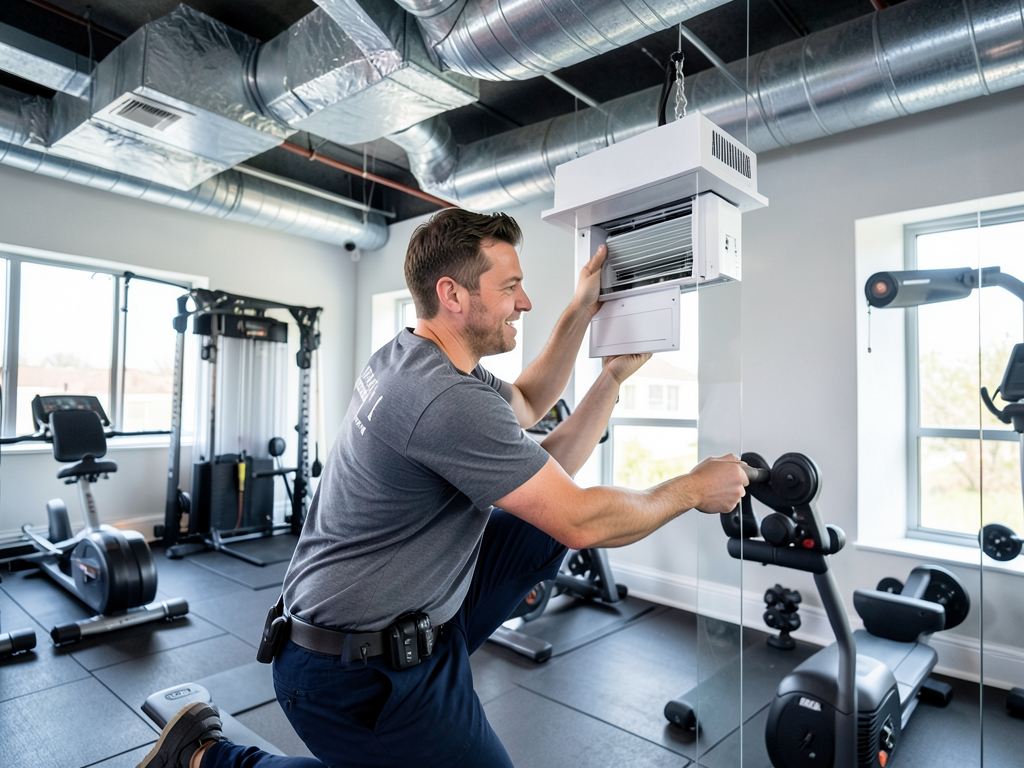
Building a Home Gym in Orono? Here's How to Keep It Comfortable Year-Round The Twin Cities climate makes home gym…

Adding HVAC to a New Home Gym or Yoga Studio in Orono

Building a Home Gym in Orono? Here's How to Keep It Comfortable Year-Round The Twin Cities climate makes home gym…

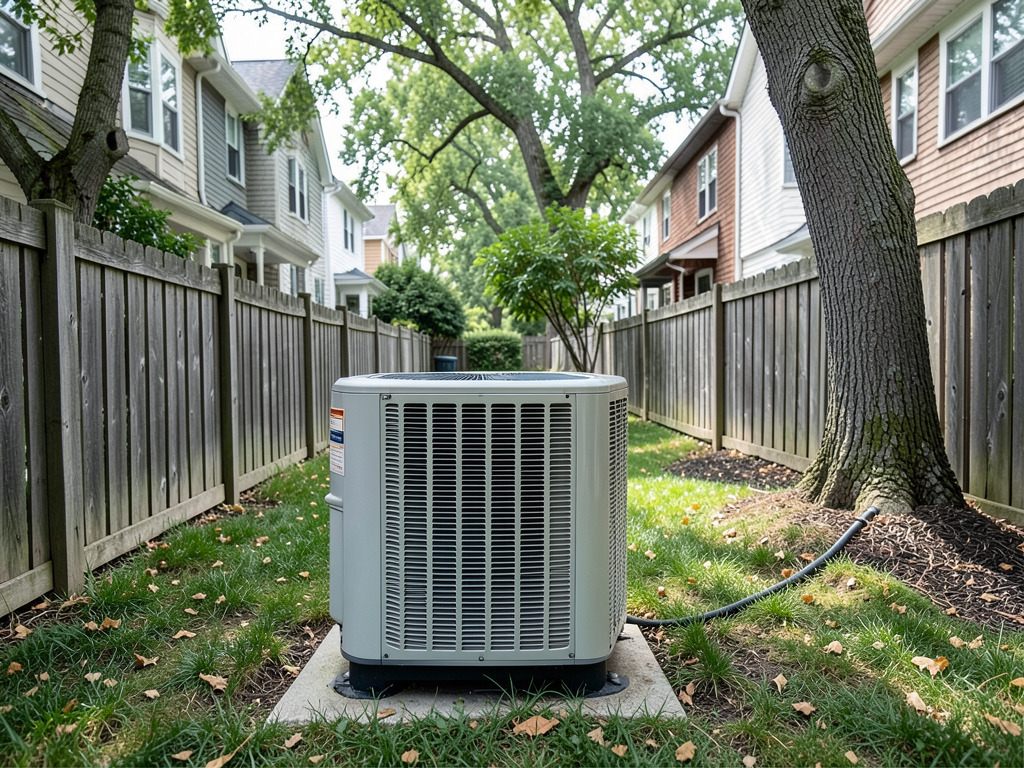
Soundproofing an Outdoor AC Unit for Small Backyards in Prospect Park

Living in Prospect Park means enjoying a tight-knit Minneapolis neighborhood where houses sit close together and outdoor spaces feel like…

Choosing Between 80% and 96% Efficiency Furnaces for Your First Minneapolis Home

Choosing Between 80% and 96% Efficiency Furnaces for Your First Minneapolis Home Minneapolis winters are brutal and your furnace choice…

Contact Us

Stop sweating. Call All Pro HVAC Minneapolis at (651) 588-9677 now. We diagnose the problem fast and restore cold air the same day. Our trucks are ready, and our techs know how to fix it right.