





Menu

Energy Saving Tips for Summer in Minneapolis – Cut Your Cooling Bills Without Sacrificing Comfort

Proven strategies to lower your summer energy costs in Minneapolis homes, from simple thermostat adjustments to system upgrades that reduce air conditioning bills by up to 30% while keeping your family cool through humid Minnesota summers.

Slider Image 1
Slider Image 2
Slider Image 3
Slider Image 4
Slider Image 5
Slider Image 7
Slider Image 8
Slider Image 9
Slider Image 10
Slider Image 11

Why Minneapolis Homeowners Face Higher Summer Cooling Costs

Minneapolis summers hit you with a double punch. The temperature climbs into the 90s, but the real problem is the humidity. When moisture saturates the air off Lake Calhoun and the Mississippi River, your home feels hotter than the thermometer reads. Your air conditioner runs longer cycles trying to remove that humidity, and your electric bill climbs.

The older housing stock around Powderhorn and Longfellow makes the problem worse. Many homes were built before modern insulation standards existed. Single-pane windows leak conditioned air. Attics trap heat like ovens. Basements stay damp. These structural issues force your cooling system to work overtime.

You are not imagining the spike in your summer utility costs. Minneapolis homes see cooling bills jump 40 to 60 percent between May and September. The combination of high humidity, inconsistent insulation, and aging HVAC equipment creates the perfect storm for energy waste.

Ways to lower cooling costs start with understanding how heat enters your home. Solar gain through south and west-facing windows heats rooms by mid-afternoon. Air leaks around doors and windows let hot air infiltrate. Ductwork in unconditioned attics absorbs heat and transfers it to the air flowing to your living spaces. Your thermostat compensates by running the system longer.

Summer energy efficiency ideas work best when they address Minneapolis-specific challenges. The goal is not just reducing air conditioning bills. You need strategies that tackle humidity control, prevent heat gain, and optimize your existing equipment for the unique climate patterns along the I-94 corridor.

Why Minneapolis Homeowners Face Higher Summer Cooling Costs
How Strategic Cooling Management Reduces Summer Energy Waste

How Strategic Cooling Management Reduces Summer Energy Waste

Lowering summer utility costs requires a systems approach. You cannot fix one problem and expect major savings. The most effective strategy combines equipment optimization, airflow management, and heat prevention.

Start with your thermostat settings. Every degree above 72°F saves roughly 3 percent on cooling costs. Set your programmable thermostat to 78°F when you are home and 82°F when you are away. The humidity in Minneapolis makes this feel comfortable when paired with proper air circulation. Ceiling fans create wind-chill effect that makes 78°F feel like 72°F.

Your air filter impacts efficiency more than most homeowners realize. A clogged filter restricts airflow and forces the blower motor to work harder. Check your filter monthly during summer. Replace standard fiberglass filters every 30 days. Pleated filters last 90 days but monitor pressure drop if you have pets or open windows frequently.

Ductwork leaks waste 20 to 30 percent of cooled air before it reaches living spaces. Inspect accessible duct runs in your basement or attic for disconnected joints or torn flex duct. Seal leaks with mastic sealant, not standard duct tape which degrades in heat. Insulate any ductwork running through unconditioned spaces to prevent heat absorption.

Your outdoor condensing unit needs clearance. Remove grass clippings, leaves, and cottonwood seeds from the fins. Trim vegetation back 24 inches on all sides. Dirty coils reduce heat transfer efficiency and increase compressor runtime. Schedule annual maintenance before the cooling season starts to catch refrigerant leaks, test capacitors, and verify proper airflow across the evaporator coil.

How to save electricity in summer depends on matching your system capacity to actual cooling load. An oversized air conditioner cycles on and off rapidly without removing humidity effectively. This creates that clammy feeling that makes you lower the thermostat further.

Your Summer Energy Savings Action Plan

Energy Saving Tips for Summer in Minneapolis – Cut Your Cooling Bills Without Sacrificing Comfort
01

System Performance Assessment

We start by measuring your current system efficiency and identifying energy waste patterns. Our technicians check refrigerant charge, measure temperature split across the evaporator coil, test static pressure in the duct system, and inspect insulation levels in the attic. This diagnostic phase reveals exactly where your cooling dollars disappear and which improvements deliver the highest return on investment for your specific home.
02

Targeted Efficiency Upgrades

Based on assessment findings, we implement the most cost-effective improvements first. This might include sealing duct leaks, adding attic insulation, installing a programmable thermostat, or upgrading to a variable-speed air handler. We focus on solutions that pay for themselves through energy savings within two to three years. Every recommendation addresses Minneapolis-specific challenges like humidity control and temperature swings between day and night.
03

Ongoing Performance Monitoring

After implementing efficiency upgrades, we help you track actual savings and adjust strategies as needed. You receive guidance on optimal thermostat schedules for your lifestyle, seasonal maintenance reminders, and tips for maximizing the improvements we made. Most Minneapolis homeowners see a 20 to 35 percent reduction in summer cooling costs within the first season, with savings continuing year after year as equipment operates under less stress.

Why Minneapolis Homeowners Trust All Pro HVAC for Energy Solutions

All Pro HVAC Minneapolis understands how Minnesota summers impact your cooling system. We have worked in hundreds of homes from Highland Park to Northeast Minneapolis. We know which neighborhoods have undersized ductwork from the 1960s construction boom. We recognize the insulation gaps common in St. Paul bungalows. We understand how the urban heat island effect around downtown Minneapolis increases cooling loads.

This local knowledge matters when you want to reduce energy waste. A technician from out of state might recommend standard solutions that work in Arizona but fail in humid climates. They might miss the mold risk from overcooling or the ice formation on evaporator coils caused by restricted airflow in older homes.

We size equipment correctly for Minneapolis conditions. The industry rule of thumb for system sizing assumes moderate humidity. Minneapolis requires different calculations to account for latent cooling load. An air conditioner that handles sensible heat perfectly in Denver will short-cycle here because it cannot remove enough moisture from the air.

Our maintenance plans focus on problems specific to the Twin Cities metro. We clean condensate drain lines before they clog with algae growth from high humidity. We check for corrosion on outdoor units exposed to road salt spray near major highways. We verify your system can handle the temperature swings between 90-degree days and 60-degree nights that stress compressor operation.

Energy efficiency recommendations consider your home's construction era and neighborhood. A 1920s home in Kenwood needs different strategies than a 1980s split-level in Bloomington. We look at your actual utility bills, not just theoretical calculations. We measure results with temperature data loggers and combustion analysis equipment.

You get straight answers about which improvements make financial sense. We will not sell you a new air conditioner if duct sealing and insulation upgrades will solve the problem. We prioritize solutions that deliver measurable savings within your budget.

What Happens During Your Energy Efficiency Consultation

Same-Week Scheduling Availability

We schedule your home energy assessment within five business days of your call. Most consultations happen within three days. The evaluation takes 90 minutes to two hours depending on your home size and system complexity. We work around your schedule with evening and Saturday appointments available. You receive a detailed report within 24 hours showing current efficiency levels, problem areas, and recommended solutions ranked by cost-effectiveness and energy savings potential.

Comprehensive System Evaluation

Our technicians perform a complete diagnostic assessment of your cooling system and home envelope. We measure supply and return air temperatures, check refrigerant superheat and subcooling, test duct leakage with calibrated flow hoods, inspect attic insulation depth and coverage, and identify air infiltration points around windows and doors. We photograph problem areas and explain findings in clear terms. You understand exactly why your energy bills run high and which factors contribute most to waste.

Measurable Results and Savings

Every recommendation includes projected energy savings based on your current usage patterns and utility rates. We show payback periods for each improvement so you make informed decisions. Most Minneapolis homeowners who implement our top three recommendations see cooling costs drop 25 to 40 percent in the first summer. We provide before and after temperature measurements to verify performance improvements. Your air conditioner runs fewer hours per day while maintaining better comfort and humidity control throughout your home.

Seasonal Maintenance and Support

After implementing efficiency upgrades, we offer ongoing maintenance to protect your investment. Spring tune-ups prepare your system for summer heat. Fall inspections catch problems before winter. We track your system performance over time and alert you to developing issues before they cause breakdowns or efficiency loss. Members of our maintenance program receive priority scheduling, discounted repairs, and annual energy reports showing your cumulative savings. You have direct access to our team for questions about thermostat settings, filter selection, or any cooling concerns.

Frequently Asked Questions

You Have Questions,
We Have Answers

How can we save energy in summer? +

Start by setting your thermostat to 78 degrees when you are home and raising it higher when you leave. Close blinds and curtains during peak sun hours to block heat. Replace air filters monthly during summer. Run ceiling fans counterclockwise to push cool air down. Seal gaps around windows and doors to stop cool air from escaping. Minneapolis humidity makes your AC work harder, so use a dehumidifier in your basement. Switch to LED bulbs because they generate less heat. Run appliances like dishwashers and dryers during cooler evening hours to reduce strain on your AC system.

What are the 5 P's of energy conservation? +

The 5 P's of energy conservation are People, Process, Product, Plant, and Planet. People means training your household to turn off lights and electronics. Process refers to developing habits like adjusting thermostats and using timers. Product involves choosing efficient appliances and LED lighting. Plant means maintaining your HVAC system with regular filter changes and tune-ups. Planet connects your actions to broader environmental impact. For Minneapolis homes, focus heavily on Process and Plant because our extreme temperature swings from winter to summer demand well-maintained systems. A poorly maintained AC unit in our humid climate wastes significant energy.

Does keeping the AC at 72 save money? +

Keeping your AC at 72 costs more than setting it at 78 degrees. Every degree below 78 increases your cooling costs by roughly 3 to 5 percent. In Minneapolis, where summer humidity makes indoor air feel warmer, that 72-degree setting forces your compressor to run constantly. You pay for longer run times and higher electricity consumption. Set your thermostat to 78 when home and 85 when away. Use ceiling fans to make 78 feel comfortable. Your AC works most efficiently when it runs steady cycles instead of struggling to maintain a temperature far below outdoor conditions.

What runs your electric bill up the most? +

Your air conditioning system consumes the most electricity during Minneapolis summers. Central AC accounts for nearly half of summer electric bills in humid climates like ours. Water heaters rank second, running constantly to maintain temperature. Older refrigerators and freezers in basements or garages work harder in heat. Clothes dryers generate massive heat and use significant power. Phantom loads from electronics left plugged in add up quickly. Pool pumps run for hours daily. Dehumidifiers in basements cycle frequently due to our high groundwater and humidity levels. Address AC efficiency first because it drives your bill higher than any other single appliance.

Is 72 a good temperature for AC in the summer? +

Yes, 72 degrees works for AC in summer, but it costs you more than necessary. Most people feel comfortable at 78 degrees when ceiling fans circulate air. The Department of Energy recommends 78 as the efficiency sweet spot. Minneapolis humidity makes indoor air feel warmer, so 72 might seem necessary, but proper dehumidification solves that problem without lowering temperature. If you prefer 72, raise it to 78 or higher when you leave home. Each degree below 78 increases your bill by 3 to 5 percent. Install a programmable thermostat to automate temperature changes and maximize savings.

What are 5 energy-saving tips? +

First, set your thermostat to 78 degrees and use ceiling fans. Second, replace AC filters monthly during summer months. Third, seal air leaks around windows and doors with weatherstripping or caulk. Fourth, close blinds and curtains during the hottest part of the day to block solar heat gain. Fifth, schedule annual AC maintenance before summer starts to catch refrigerant leaks and dirty coils. Minneapolis homes lose significant cool air through attic spaces and basements, so add insulation where needed. Run major appliances during evening hours when outdoor temperatures drop. These five actions cut cooling costs immediately.

What are 8 ways to save energy? +

Set your thermostat to 78 degrees. Replace AC filters monthly. Seal air leaks around windows and doors. Close blinds during peak sun hours. Use ceiling fans to circulate cool air. Schedule annual HVAC maintenance before summer. Upgrade to a programmable or smart thermostat. Switch to LED bulbs throughout your home. In Minneapolis, add basement dehumidification to reduce moisture without overcooling. Run dishwashers and dryers during cooler evening hours. Insulate attic spaces to prevent heat transfer. Unplug electronics when not in use. Plant shade trees on south and west sides of your home to block afternoon sun.

What are 10 examples of conservation of energy? +

Set thermostats to 78 degrees during summer. Install a programmable thermostat. Replace HVAC filters monthly. Seal air leaks around windows and doors. Use LED bulbs instead of incandescent. Run ceiling fans counterclockwise. Close blinds during peak sun hours. Schedule annual AC tune-ups. Add attic insulation to prevent heat transfer. Use a dehumidifier in basements to reduce AC workload. Minneapolis homes benefit from whole-house fans that pull cool evening air inside. Turn off lights in empty rooms. Unplug chargers and electronics. Wash clothes in cold water. Air-dry dishes instead of using heated drying cycles.

What are 10 ways to conserve resources? +

Adjust thermostats to save energy. Replace old appliances with efficient models. Install low-flow showerheads to reduce water heating costs. Use rain barrels for outdoor watering. Compost kitchen waste instead of using garbage disposals. Switch to reusable air filters. Insulate hot water pipes to reduce heat loss. Install dimmer switches to control lighting. Use power strips to eliminate phantom loads. Maintain your HVAC system with regular tune-ups. Minneapolis residents should focus on weatherization because our climate extremes demand tight building envelopes. Seal basement rim joists and attic bypasses. Plant native landscaping that requires less watering. Cook multiple meals at once to maximize oven use.

What is the $5000 AC rule? +

The $5,000 AC rule is a myth, not an official policy. Some claim you should replace your AC if repairs exceed $5,000, but that oversimplifies the decision. The real calculation multiplies repair cost by the age of your unit. If that total exceeds the cost of replacement, buy new. For example, a $1,000 repair on a 10-year-old unit equals $10,000, which exceeds replacement cost. Consider efficiency gains too. New units use 30 to 50 percent less energy. In Minneapolis, where AC runs hard against summer humidity, upgrading to a high-efficiency system pays back faster than in milder climates.

Why High Humidity Makes Energy Efficiency Critical for Minneapolis Homes

Minneapolis sits at the confluence of the Mississippi and Minnesota rivers, creating a microclimate with higher humidity than surrounding areas. Summer dew points regularly climb into the uncomfortable 65 to 70°F range. Your air conditioner must remove this moisture before you feel cool. Dehumidification consumes more energy than temperature reduction. Older single-stage systems cycle on and off too quickly to handle moisture removal effectively. This explains why your home feels sticky even when the thermostat reads 72°F. Variable-speed equipment runs longer cycles at lower capacity, removing humidity without overcooling. The energy savings come from running the compressor at 40 percent capacity for steady dehumidification rather than full blast in short bursts.

Minneapolis building codes have evolved significantly over the past 50 years. Homes built before 1980 often lack adequate attic insulation and air sealing. The city's Neighborhood Energy Connection program offers rebates for efficiency upgrades, but you need to know which improvements qualify and how to document savings. All Pro HVAC Minneapolis stays current with local utility incentive programs through Xcel Energy and CenterPoint Energy. We help you navigate rebate applications and ensure installations meet program requirements. Our familiarity with Minneapolis housing stock means we recognize which efficiency measures work best for your home's age and construction type.
HVAC Services in The Minneapolis Area

All Pro HVAC is conveniently located to serve the Minneapolis area and surrounding communities effectively. We invite you to view our service area on the map below, helping you visualize our reach and confirm that we are readily available to provide our expert heating, ventilation, and air conditioning services right to your doorstep, ensuring your comfort is always within reach.

Address:
All Pro HVAC Minneapolis, 1 W Franklin Ave, Minneapolis, MN, 55404

Additional Services We Offer

Our news updates

Latest Articles & News from The Blogs

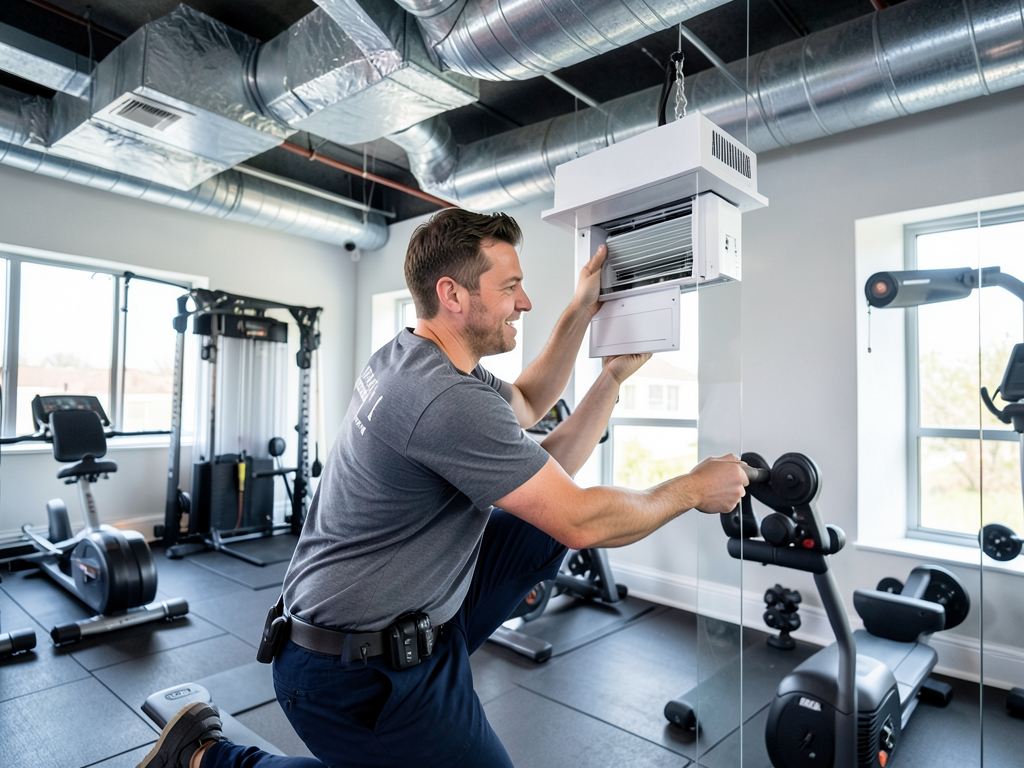
Building a Home Gym in Orono? Here's How to Keep It Comfortable Year-Round The Twin Cities climate makes home gym…

Adding HVAC to a New Home Gym or Yoga Studio in Orono

Building a Home Gym in Orono? Here's How to Keep It Comfortable Year-Round The Twin Cities climate makes home gym…

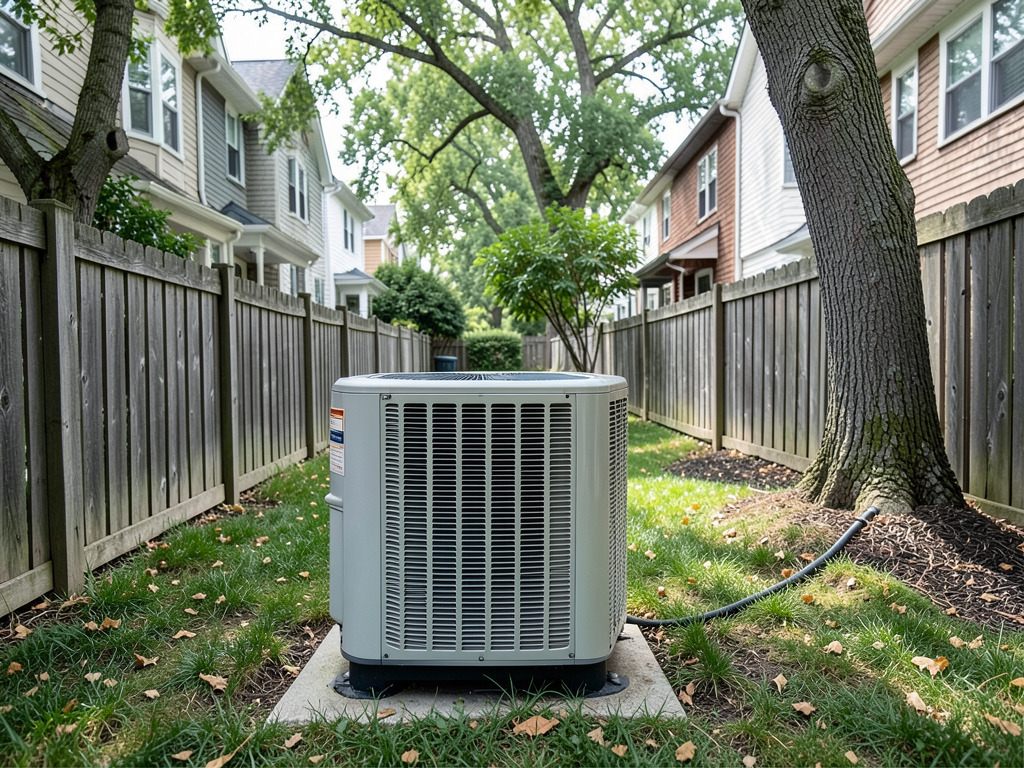
Soundproofing an Outdoor AC Unit for Small Backyards in Prospect Park

Living in Prospect Park means enjoying a tight-knit Minneapolis neighborhood where houses sit close together and outdoor spaces feel like…

Choosing Between 80% and 96% Efficiency Furnaces for Your First Minneapolis Home

Choosing Between 80% and 96% Efficiency Furnaces for Your First Minneapolis Home Minneapolis winters are brutal and your furnace choice…

Contact Us

Schedule your energy efficiency consultation now and discover exactly where your cooling dollars go. Call (651) 588-9677 to book your assessment. Most Minneapolis homeowners who implement our recommendations see savings on their next electric bill.