




Menu

Air Purification Systems in Minneapolis | Indoor Air Quality Solutions for Minnesota's Extreme Seasonal Climate

All Pro HVAC Minneapolis installs central air cleaners and whole-house air purifiers engineered to combat Minnesota's unique air quality challenges, from winter dryness to spring allergens and summer humidity.

Slider Image 1
Slider Image 2
Slider Image 3
Slider Image 4
Slider Image 5
Slider Image 7
Slider Image 8
Slider Image 9
Slider Image 10
Slider Image 11

Why Minneapolis Homes Need Advanced Air Filtration Systems

Minneapolis air quality shifts drastically across seasons. Winter heating cycles recirculate stale air for months while homes stay sealed against subzero temperatures. Spring thaw releases mold spores from melting snow and ice dams. Summer humidity from nearby Chain of Lakes feeds dust mites and mildew. Fall brings ragweed pollen across the Mississippi River Valley.

Your forced-air HVAC system moves air through ductwork 40 to 50 times per day. Without proper air cleaning systems, you recirculate pet dander, volatile organic compounds from furniture, cooking particles, and outdoor pollutants tracked inside. Standard one-inch furnace filters catch only large debris. They miss particles under 10 microns, the size range that triggers asthma and allergies.

Minneapolis building stock presents another challenge. Many homes in Lowry Hill, Kingfield, and Longfellow date to pre-1950 construction. Older homes lack modern ventilation standards. They trap indoor air pollutants more effectively than newer builds with controlled air exchange systems. Retrofit air filtration systems become essential for maintaining healthy indoor environments in these historic properties.

Residents near I-35W and Highway 100 face additional particulate exposure from vehicle emissions. The Minnesota Pollution Control Agency reports elevated PM2.5 readings during winter inversions when cold air traps exhaust at ground level. Whole-house air purifiers integrated with your existing HVAC system provide continuous filtration without requiring behavioral changes or standalone units in every room.

Why Minneapolis Homes Need Advanced Air Filtration Systems
How Professional HVAC Air Purifiers Work

How Professional HVAC Air Purifiers Work

Central air cleaners integrate directly into your return air plenum, the main chamber where air enters your furnace or air handler. This location allows the system to filter 100 percent of conditioned air before distribution through supply ducts. We size filtration systems based on your HVAC unit's CFM rating, ductwork configuration, and static pressure tolerance.

MERV-rated mechanical filters use pleated media to capture particles through impaction and interception. Higher MERV ratings trap smaller particles but increase airflow resistance. We calculate your blower motor's capacity to ensure added filtration does not reduce system efficiency or cause premature motor failure. Most Minneapolis homes benefit from MERV 11 to MERV 13 filters, which remove pollen, mold spores, and fine dust without excessive pressure drop.

Electronic air cleaners use electrostatic precipitation. Particles pass through an ionization chamber that applies positive charge, then collect on negatively charged plates. These systems remove particles down to 0.1 microns, including bacteria and tobacco smoke. They require periodic plate cleaning but maintain consistent airflow better than high-MERV mechanical filters. We recommend electronic systems for homes with pets or smokers.

HEPA filtration removes 99.97 percent of particles at 0.3 microns but requires dedicated fan units due to extreme airflow resistance. We install bypass HEPA systems that pull a portion of return air through the filter while maintaining proper system airflow. This approach delivers medical-grade filtration without compromising your furnace operation during Minneapolis's coldest months when heating capacity matters most.

Your Air Purification System Installation Timeline

Air Purification Systems in Minneapolis | Indoor Air Quality Solutions for Minnesota's Extreme Seasonal Climate
01

Indoor Air Assessment

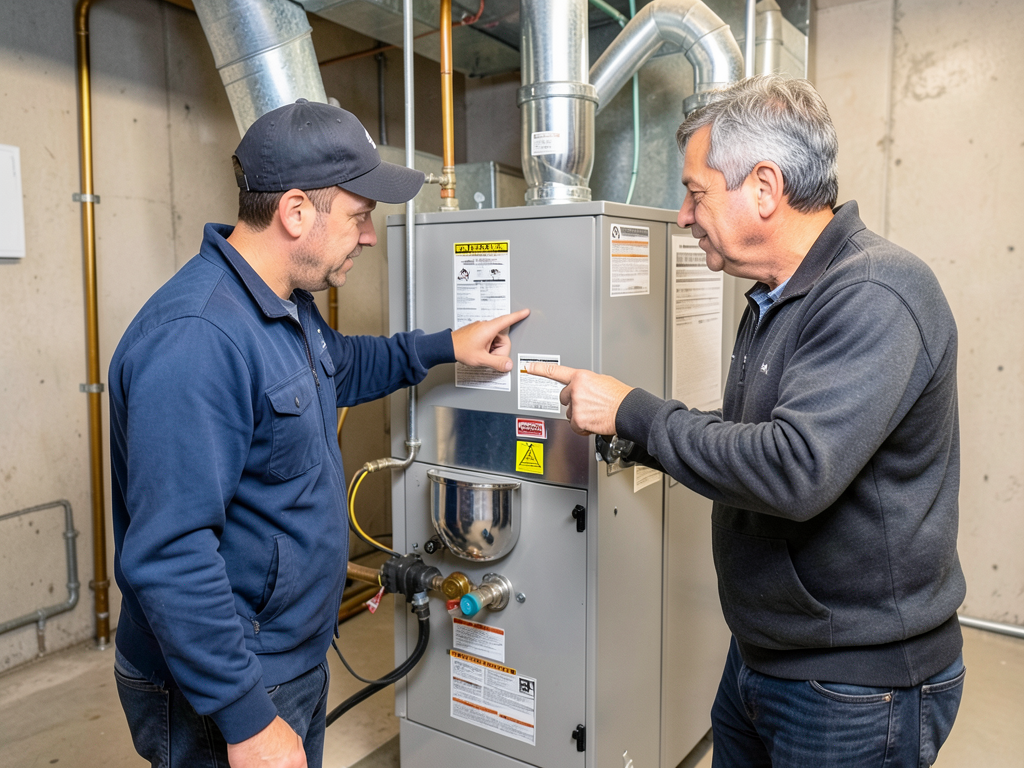
We measure your home's air exchange rate using a blower door test and calculate total cubic footage to determine required filtration capacity. Our technicians inspect your furnace or air handler nameplate to verify blower motor specifications and maximum external static pressure tolerance. We examine existing ductwork for proper return air pathways and identify optimal installation locations for central air cleaners based on your basement or utility room layout.
02

System Integration

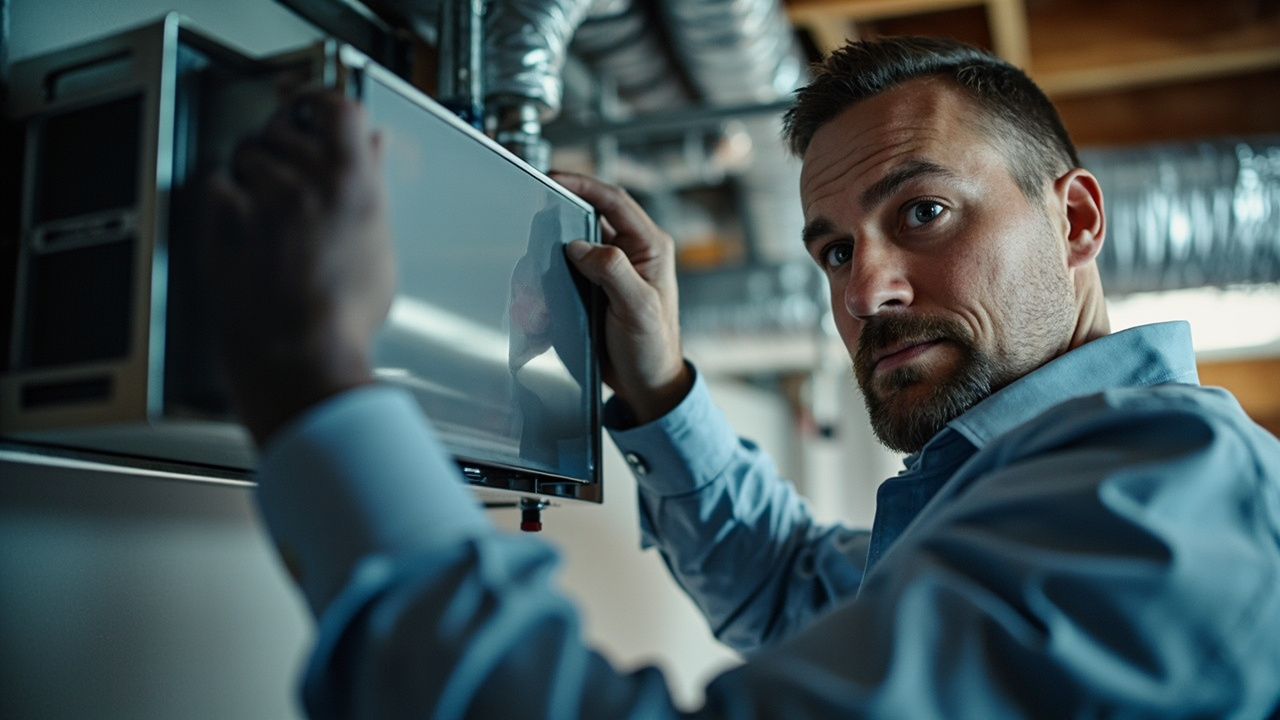
We cut precise openings in your return plenum and install mounting flanges for the air cleaning system. Filter cabinets mount directly to sheet metal ductwork with sealed connections to prevent bypass air. Electronic systems require dedicated 120-volt circuits, which we run from your electrical panel with proper wire gauge for continuous operation. We integrate UV-C germicidal lamps when enhanced biological control matters for mold-prone basements common in Powderhorn and Seward neighborhoods.
03

Airflow Verification Testing

After installation, we use a digital manometer to measure static pressure across the filter and at the blower compartment. Total external static pressure must stay within manufacturer specifications to prevent reduced airflow or motor overheating. We verify proper air distribution at supply registers throughout your home and adjust dampers if needed. You receive documentation showing baseline measurements and a maintenance schedule for filter replacement or electronic cell cleaning based on your system type.

Why All Pro HVAC Minneapolis Knows Air Filtration Systems

Minneapolis HVAC systems run under extreme load variation. Your furnace operates continuously during January cold snaps when overnight temperatures hit minus 15 degrees. Summer air conditioning handles 90-degree days with 70 percent humidity from lake effect moisture. Adding air purification systems requires understanding how filtration affects equipment performance across these temperature swings.

We work with Bryant, Carrier, Lennox, and Trane equipment common in Minneapolis installations. Each manufacturer specifies different maximum static pressure ratings for blower motors. We reference factory engineering data rather than generic filter specifications to ensure compatibility. A MERV 16 filter that works on a variable-speed ECM blower may cause a standard PSC motor to overheat or trip on thermal overload.

Minneapolis building codes require proper electrical installation for powered air cleaning systems. We pull permits for electronic air cleaners and UV lamp installations, ensuring work meets Minnesota State Building Code Article 310 for HVAC electrical requirements. Inspectors verify proper wire sizing, circuit protection, and equipment grounding. Unpermitted work discovered during home sales creates title issues and costly corrections.

We service neighborhoods from Bryn Mawr to Tangletown where home layouts vary from bungalows with compact mechanical rooms to split-level homes with complex ductwork runs. Older homes often have undersized return air pathways that limit filtration options. We modify ductwork when needed to accommodate whole-house air purifiers without creating whistling noises or reducing system capacity. Our technicians understand the difference between sheet metal trunk lines and flexible duct branches, critical knowledge for proper filter placement.

What to Expect from Your Air Filtration Installation

Installation Timeframe

Most central air cleaner installations take four to six hours. We schedule work when your system remains operational, important during Minneapolis winters when going without heat creates frozen pipe risks. Complex installations requiring new electrical circuits or significant ductwork modifications may extend to a full day. We complete all work in a single visit to avoid leaving your HVAC system partially operational. Electronic air cleaners require electrical inspection before final connection, which adds one to two days for permit processing and inspector scheduling.

Pre-Installation Evaluation

Our assessment includes furnace age, blower motor type, existing filter location, and ductwork condition. We test your current system's airflow using temperature split measurements and static pressure readings to establish performance baselines. You receive specific product recommendations based on your indoor air quality concerns, whether you need allergen control, odor removal, or general particulate filtration. We explain trade-offs between mechanical filters, electronic systems, and HEPA units so you understand maintenance requirements and operating costs before purchase.

Performance Results

Air filtration systems reduce visible dust accumulation on furniture and electronics within two weeks. Allergy and asthma symptoms typically improve after 30 days of continuous operation as accumulated allergens clear from carpets and soft furnishings. Electronic air cleaners eliminate cooking odors and pet smells more effectively than mechanical filters. HEPA systems deliver the cleanest air but require the most maintenance attention. We provide air quality testing before and after installation for customers who want documented improvement measurements using particulate counters.

Ongoing Maintenance Requirements

Mechanical filters need replacement every six to 12 months depending on MERV rating and household factors like pets or woodworking hobbies. We stock replacement filters for systems we install and provide reminder service at appropriate intervals. Electronic air cleaners require cell washing every two to three months, a 15-minute task using dishwasher detergent and water. UV lamps lose germicidal effectiveness after 9,000 operating hours, requiring annual replacement. We include maintenance procedures during installation and offer service agreements covering filter changes and electronic cell cleaning.

Frequently Asked Questions

You Have Questions,
We Have Answers

What is the best home air purifying system? +

The best home air purifying system depends on your specific needs. HEPA filtration systems capture 99.97% of airborne particles, making them ideal for Minneapolis homes dealing with pollen and dust. Whole-house systems integrate with your existing HVAC and treat every room simultaneously. Portable units work well for single spaces but lack coverage. In Minneapolis, where homes stay sealed tight during cold winters, whole-house HEPA systems paired with UV-C light technology address both particulate matter and biological contaminants. Look for systems with activated carbon filters to handle volatile organic compounds common in older Twin Cities housing stock.

Is there a downside to air purifiers? +

Yes, some air purifiers create ozone as a byproduct, which irritates lungs and worsens asthma. Avoid ionic and ozone-generating models entirely. Another downside is noise. Cheaper units run loud enough to disrupt sleep. Maintenance costs add up too. HEPA filters need replacement every 6-12 months, and UV bulbs degrade over time. Some Minneapolis homeowners over-rely on purifiers while ignoring the root cause like poor ventilation or moisture problems. Air purifiers work best as part of a complete indoor air quality strategy, not a standalone fix for mold or ductwork contamination.

What is an air purification system? +

An air purification system removes contaminants from indoor air through mechanical filtration, UV light, or electronic methods. Whole-house systems install directly into your HVAC ductwork and treat air before it circulates through your home. They capture particles like dust, pollen, pet dander, mold spores, and bacteria. Most use HEPA filters that trap microscopic particles. Some add UV-C light to kill viruses and bacteria. Others include activated carbon layers to absorb odors and chemical vapors. In Minneapolis, where homes stay closed during winter, these systems maintain air quality when natural ventilation is not practical.

How much is a whole-house air purification system? +

Whole-house air purification systems vary widely in price based on technology and installation complexity. Basic HEPA filtration starts lower, while advanced systems combining HEPA, UV-C light, and activated carbon cost more. Installation involves ductwork modification and electrical connections, which adds to the total investment. In Minneapolis, older homes with tight ductwork may require additional labor. Filter replacement runs annually or semi-annually depending on usage and air quality. Budget for ongoing maintenance when calculating total ownership cost. Get multiple quotes from licensed HVAC contractors familiar with Minneapolis building codes and climate-specific air quality challenges.

What to avoid when buying an air purifier? +

Avoid air purifiers that generate ozone. These units market themselves as air cleaners but release harmful gas that damages lungs. Skip models without HEPA certification, they lack proper filtration standards. Ignore inflated Clean Air Delivery Rate claims without third-party testing. Avoid units too small for your room size, they cycle air too slowly. In Minneapolis homes, skip single-room units if you need whole-house coverage. Avoid brands with expensive proprietary filters that lock you into one supplier. Check noise ratings before buying. Units rated above 50 decibels disrupt sleep and daily activities.

Do house air purifiers really work? +

Yes, house air purifiers work when properly sized and maintained. HEPA filters physically trap particles as small as 0.3 microns. Studies show they reduce airborne allergens, pet dander, and dust. UV-C systems kill bacteria and viruses on contact. In Minneapolis, where seasonal allergies and winter air stagnation create indoor air quality issues, purifiers measurably improve breathing conditions. They work best when paired with proper ventilation and humidity control. Results depend on filter quality, room size, and air exchange rate. You will notice less dust accumulation and fewer allergy symptoms within weeks of installation.

What are signs you need an air purifier? +

You need an air purifier if you wake with congestion or itchy eyes. Persistent dust accumulation despite regular cleaning signals poor air filtration. Odors that linger after cooking or from pets indicate trapped contaminants. Family members with asthma or allergies struggling indoors need cleaner air. In Minneapolis, if your home smells musty during winter when windows stay closed, airborne mold spores may be circulating. Visible dust floating in sunlight means your HVAC filter is not catching particles. Frequent respiratory infections among household members suggest biological contaminants in your air supply.

Is it okay to sleep with an air purifier on all night? +

Yes, sleeping with an air purifier on all night is safe and beneficial. Continuous operation maintains consistent air quality while you breathe for eight hours. Most modern units run quietly enough for bedroom use. HEPA filters do not release chemicals or create harmful byproducts during operation. In Minneapolis, where homes stay sealed during cold months, overnight purification prevents pollutant buildup. Running the unit continuously actually extends filter life by preventing dust caking. Position the purifier three feet from your bed for optimal air circulation without direct drafts. Check noise ratings before purchase to ensure sleep compatibility.

Do air purifiers remove dust? +

Yes, air purifiers remove dust effectively through HEPA filtration. These filters capture particles down to 0.3 microns, including dust mites, pollen, and fine dust that settles on surfaces. You will notice less dust accumulation on furniture and floors. In Minneapolis homes with forced-air heating, purifiers reduce dust circulation from ductwork. They work continuously to trap airborne particles before they settle. However, purifiers do not eliminate dust already on surfaces. You still need regular cleaning. Whole-house systems installed in ductwork capture dust at the source before it spreads through your home.

Do you let air purifiers run all the time? +

Yes, let air purifiers run continuously for best results. Constant operation maintains clean air by continuously cycling and filtering. Turning units on and off allows pollutants to accumulate between cycles. Modern HEPA systems use minimal electricity, adding little to monthly costs. In Minneapolis, where homes stay closed during winter, continuous operation prevents stagnant air and pollutant buildup. Running 24/7 actually extends filter life by preventing heavy dust loading. Set the fan to low or auto mode during quiet hours. Most quality units last years under continuous use with proper filter maintenance every 6-12 months.

How Minneapolis's Temperature Extremes Impact Air Purification System Performance

Minneapolis sees 130-degree annual temperature swings from winter lows near minus 20 to summer highs above 95 degrees. This range affects HVAC air purifiers through humidity variations and system runtime changes. Winter heating creates indoor relative humidity below 20 percent, causing static electricity that improves electronic air cleaner particle collection but increases dust suspension. Summer air conditioning removes moisture, creating conditions where mold spores and bacteria become primary filtration targets. Whole-house air purifiers must handle these shifting pollutant profiles without manual adjustment or seasonal equipment changes.

All Pro HVAC Minneapolis understands how local mechanical codes affect air cleaning systems. Minnesota amendments to the International Mechanical Code specify maximum duct velocity and minimum filter accessibility requirements. We install filter racks with proper clearance for media changes without removing supply plenums, critical in tight basement installations common throughout older Minneapolis neighborhoods. Our familiarity with Xcel Energy rebate programs for high-efficiency equipment helps customers offset air purification system costs through utility incentives for improved HVAC performance and reduced runtime.
HVAC Services in The Minneapolis Area

All Pro HVAC is conveniently located to serve the Minneapolis area and surrounding communities effectively. We invite you to view our service area on the map below, helping you visualize our reach and confirm that we are readily available to provide our expert heating, ventilation, and air conditioning services right to your doorstep, ensuring your comfort is always within reach.

Address:
All Pro HVAC Minneapolis, 1 W Franklin Ave, Minneapolis, MN, 55404

Additional Services We Offer

Our news updates

Latest Articles & News from The Blogs

Building a Home Gym in Orono? Here's How to Keep It Comfortable Year-Round The Twin Cities climate makes home gym…

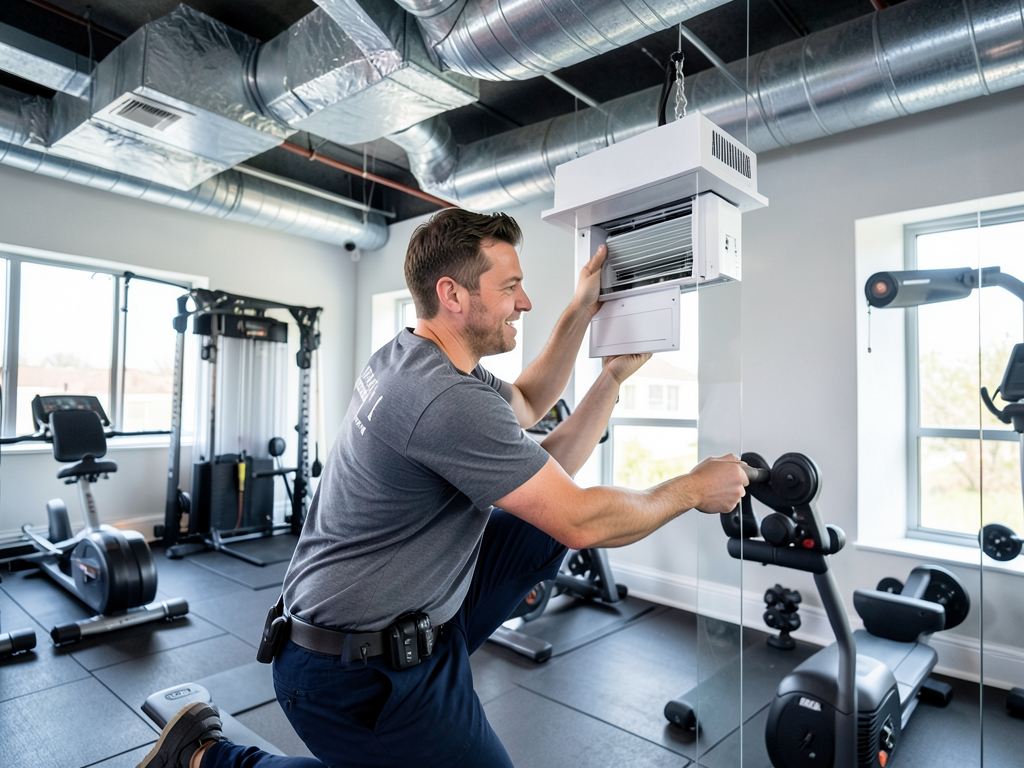
Adding HVAC to a New Home Gym or Yoga Studio in Orono

Building a Home Gym in Orono? Here's How to Keep It Comfortable Year-Round The Twin Cities climate makes home gym…

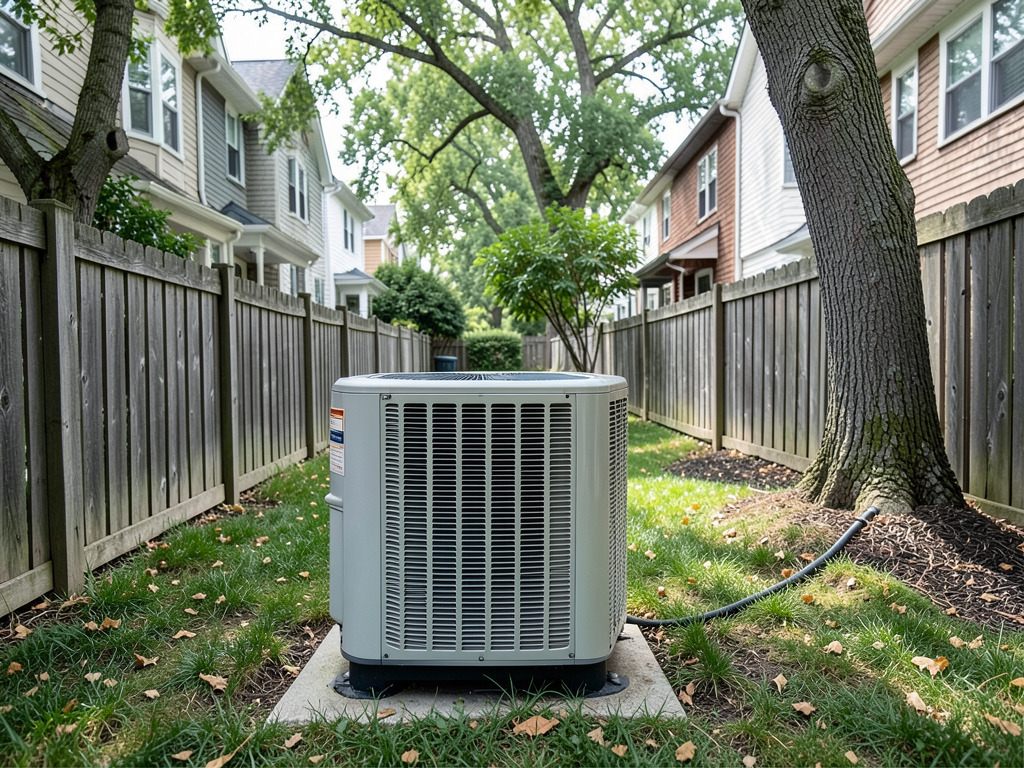
Soundproofing an Outdoor AC Unit for Small Backyards in Prospect Park

Living in Prospect Park means enjoying a tight-knit Minneapolis neighborhood where houses sit close together and outdoor spaces feel like…

Choosing Between 80% and 96% Efficiency Furnaces for Your First Minneapolis Home

Choosing Between 80% and 96% Efficiency Furnaces for Your First Minneapolis Home Minneapolis winters are brutal and your furnace choice…

Contact Us

Call All Pro HVAC Minneapolis at (651) 588-9677 for same-week air purification system installation. We provide free in-home assessments with specific product recommendations and upfront pricing. Your healthier indoor air starts with one phone call.