




Menu

Multi-Family HVAC Services in Minneapolis | Minimize Downtime and Maximize Energy Efficiency Across Your Property

All Pro HVAC Minneapolis delivers comprehensive multi-family HVAC services that keep apartment complexes, condominiums, and multi-unit properties running efficiently year-round while reducing operational costs and tenant complaints.

Slider Image 1
Slider Image 2
Slider Image 3
Slider Image 4
Slider Image 5
Slider Image 7
Slider Image 8
Slider Image 9
Slider Image 10
Slider Image 11

The Hidden Cost of Inadequate Multi-Unit HVAC Management in Minneapolis

Minneapolis property managers face unique heating and cooling challenges that directly impact your bottom line. When winter temperatures plunge below zero and summer humidity drives cooling loads through the roof, inadequate apartment complex HVAC services create cascading problems. Tenant complaints spike. Energy bills drain your budget. Units sit vacant while you scramble for emergency repairs.

The issue compounds in multi-family housing because one failing system affects multiple tenants. A malfunctioning boiler in a 40-unit complex does not just inconvenience one family. It triggers a property management crisis. Minneapolis building codes require specific temperature maintenance standards. Falling short creates liability exposure.

Multi-unit HVAC maintenance demands differ fundamentally from single-family systems. You are managing centralized boilers, rooftop package units, split systems across dozens of units, and complex ductwork running through shared walls and ceilings. The freeze-thaw cycles Minneapolis experiences every year stress these systems relentlessly. Expansion and contraction create leaks in refrigerant lines. Condensate drains freeze and back up. Heat exchangers crack under thermal stress.

Property management HVAC contractors must understand occupancy patterns, staggered load demands, and the cascade effect when systems fail. A malfunctioning zone controller affects six units simultaneously. You need condominium heating and cooling repair that accounts for shared infrastructure and minimizes disruption across multiple occupied spaces. Generic residential service fails because the scale and complexity exceed standard protocols.

The cost of reactive maintenance exceeds planned service by 300 percent. Emergency repairs during a cold snap mean premium labor rates, expedited parts shipping, and potential tenant relocation costs. Multi-family housing HVAC solutions require preventive strategies that catch problems before they cascade.

The Hidden Cost of Inadequate Multi-Unit HVAC Management in Minneapolis
How All Pro HVAC Minneapolis Approaches Multi-Family System Management

How All Pro HVAC Minneapolis Approaches Multi-Family System Management

We treat multi-family HVAC services as an asset management function, not just equipment repair. Your heating and cooling systems represent significant capital investment. Our approach maximizes that investment through predictive maintenance, strategic equipment assessment, and load optimization.

We start by mapping your entire system infrastructure. That means documenting every rooftop unit, every zone controller, every thermostat, and every piece of distribution equipment. We create a comprehensive equipment inventory that includes model numbers, installation dates, maintenance history, and performance baselines. This inventory becomes your operational roadmap.

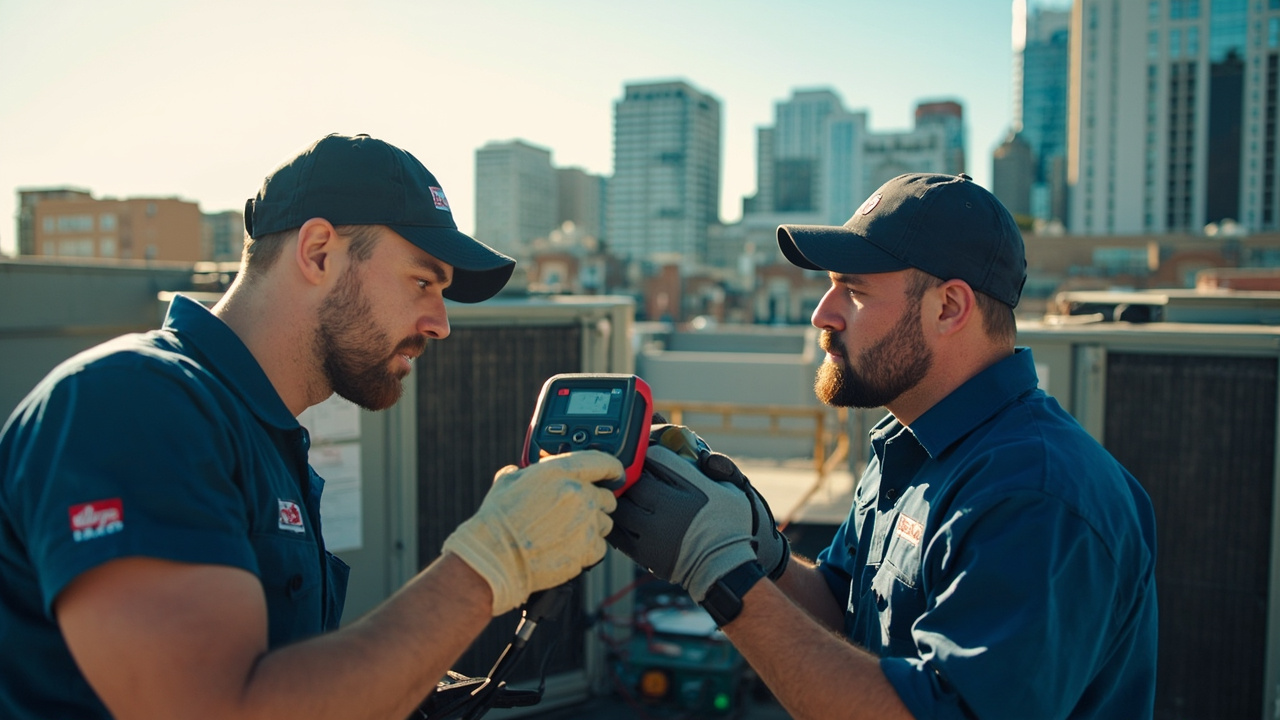
Next, we assess actual load demands against system capacity. Many apartment complexes operate with oversized or undersized equipment because previous installations relied on generic calculations. We measure real-world performance. We use digital manometers to test static pressure across duct systems. We measure supply and return temperatures at multiple points. We check refrigerant superheat and subcooling to verify charge accuracy.

For boiler systems common in Minneapolis multi-unit buildings, we perform combustion analysis. We measure flue gas temperature, oxygen content, and carbon monoxide levels. This tells us combustion efficiency and identifies potential safety issues before they become emergencies. We inspect heat exchangers with borescope cameras to catch cracks invisible to standard visual inspection.

Our maintenance protocols address the specific failure modes Minneapolis weather creates. We check all condensate drain lines and install heat tape where freeze risk exists. We verify economizer operation on rooftop units because Minneapolis climate allows substantial free cooling during shoulder seasons. We test all safety controls including high pressure cutouts, low pressure cutouts, and freeze stats.

We also coordinate with your building management system if you have centralized controls. Integration allows remote monitoring, automated alerts, and performance trending that catches degradation before failure occurs.

Your Multi-Family HVAC Service Experience

Multi-Family HVAC Services in Minneapolis | Minimize Downtime and Maximize Energy Efficiency Across Your Property
01

Comprehensive System Audit

We begin with a complete assessment of your property heating and cooling infrastructure. Our technicians document every piece of equipment, test current performance against manufacturer specifications, and identify immediate concerns plus potential failure points. You receive a detailed report with equipment condition ratings, energy efficiency metrics, and prioritized recommendations. This audit creates your baseline for ongoing management and helps you plan capital expenditures strategically rather than reactively.
02

Customized Maintenance Planning

Based on your audit results, we develop a maintenance schedule tailored to your property configuration and equipment mix. This plan accounts for seasonal demands Minneapolis creates, coordinates service timing to minimize tenant disruption, and establishes clear protocols for both routine maintenance and emergency response. We schedule preventive maintenance during low-occupancy periods when possible. The plan includes filter replacement frequencies, belt inspection intervals, refrigerant level checks, and control calibration schedules specific to each system type across your property.
03

Ongoing Performance Management

We execute the maintenance plan and continuously track system performance. After each service visit, you receive documentation of work performed, measurements taken, and any developing issues identified. We trend energy consumption patterns and compare them against baseline data to catch efficiency degradation early. When repairs become necessary, we provide cost-benefit analysis comparing repair versus replacement options. You make informed decisions backed by actual performance data rather than guesswork. This ongoing management approach reduces emergency calls, extends equipment life, and keeps energy costs predictable.

Why Minneapolis Property Managers Choose All Pro HVAC

All Pro HVAC Minneapolis understands the operational realities property managers face. You need contractors who show up on schedule, communicate clearly, and solve problems without creating new ones. You need technicians who can work in occupied buildings without disrupting tenants. You need accurate estimates and transparent billing.

We built our multi-family HVAC services specifically around these requirements. Our technicians carry complete tool inventories and common parts for Minneapolis-area equipment. That means fewer return trips and faster problem resolution. We maintain direct relationships with equipment distributors across the metro, ensuring rapid parts access when specialized components fail.

We also understand Minneapolis mechanical codes and inspection requirements. When equipment replacement becomes necessary, we handle permit applications and coordinate inspections. We know which AHJ requirements apply to multi-family occupancies. We understand ventilation requirements for different unit configurations. We know when existing installations qualify for grandfathered status and when upgrades must meet current code.

Our experience with Minneapolis building stock gives us specific advantages. We have worked on properties throughout Uptown, Northeast, Dinkytown, and the North Loop. We understand the mechanical systems in vintage buildings along with modern construction. We know the common issues in buildings constructed during different eras. Post-war construction often features steam heat systems requiring specialized knowledge. Buildings from the 1970s frequently have undersized ductwork. New construction emphasizes high-efficiency equipment but sometimes sacrifices serviceability.

We also maintain relationships with property management companies, building engineers, and facility directors across Minneapolis. These connections mean we understand industry expectations and communicate in terms property professionals recognize. We provide documentation formatted for your asset management systems. We coordinate with your preferred vendors for related trades when HVAC work requires plumbing, electrical, or structural coordination.

What You Can Expect from Our Multi-Family HVAC Services

Rapid Response Times

Property emergencies demand immediate attention. We maintain service availability seven days per week because heating failures do not respect business hours. During winter months, we prioritize multi-family properties where system failures affect multiple families. Our dispatch system routes technicians based on location and equipment expertise, minimizing your wait time. For properties under maintenance contract, we guarantee response within four hours for emergency calls. We also provide after-hours contact numbers that reach actual technicians, not answering services. When you call during a crisis, you get someone who can dispatch help immediately and provide interim guidance while help travels to your location.

Thorough Diagnostic Process

We diagnose problems systematically rather than replacing parts randomly. Our technicians use digital diagnostic tools including refrigerant analyzers, combustion analyzers, and thermal imaging cameras. This technology identifies root causes quickly. A tenant complaint about insufficient cooling might stem from a failing compressor, low refrigerant charge, restricted airflow, or faulty controls. Each cause requires different solutions at vastly different price points. We test methodically to determine actual failure modes before recommending repairs. You receive detailed explanations of findings, not vague assessments. When multiple repair options exist, we present them with honest pros and cons for each approach, letting you make informed decisions based on your budget and long-term plans.

Quality Workmanship Standards

Our installation and repair work meets manufacturer specifications and code requirements. We follow proper brazing procedures for refrigerant lines, maintaining nitrogen purge to prevent oxide formation. We use appropriate sealants and fasteners for ductwork connections. We verify electrical connections are torqued correctly. We test all safety controls after installation or repair. For refrigerant work, we evacuate systems to proper vacuum levels and verify leak-free operation before charging. We pressure test all ductwork modifications. These details matter because shortcuts create callbacks and premature failures. You get documentation of all work performed, including photos when relevant, measurements taken, and materials used. This documentation supports your property maintenance records and provides verification for inspections or audits.

Preventive Maintenance Programs

Our maintenance agreements provide scheduled service that keeps systems running efficiently and catches problems early. We customize service frequencies based on equipment type, age, and usage patterns. Rooftop units receive quarterly inspections. Boilers get pre-season tune-ups before heating demand peaks. We maintain detailed service records accessible through online portals, giving you complete maintenance history documentation. Preventive maintenance reduces energy consumption by maintaining peak efficiency. It extends equipment life by addressing wear before components fail catastrophically. It minimizes emergency repairs by catching developing problems during scheduled service. Maintenance contract customers receive priority scheduling and preferred rates on repairs. We also provide annual performance reports showing system trends and helping you plan capital replacement budgets.

Frequently Asked Questions

You Have Questions,
We Have Answers

What is the $5000 rule for HVAC? +

The $5000 rule is a guideline property managers use to decide whether to repair or replace a failing HVAC system. Multiply the age of the unit by the estimated repair cost. If the result exceeds $5000, replacement is often more cost-effective than repair. For example, a 12-year-old system needing a $500 repair equals $6000, which signals replacement. In Minneapolis multi-family buildings, this rule helps you avoid repeated service calls during harsh winters and manage capital expenditures predictably. Factor in energy efficiency gains and tenant comfort when making the decision.

What is multi family HVAC? +

Multi-family HVAC refers to heating and cooling systems designed for apartment buildings, condos, and multi-unit residential properties. These systems differ from single-family setups because they must balance individual tenant comfort, centralized efficiency, and fair cost allocation. Common configurations include packaged rooftop units, boiler systems with individual fan coils, or split systems serving multiple units. In Minneapolis, multi-family HVAC must handle extreme temperature swings from sub-zero winters to humid summers while maintaining reliable operation across all units. Proper design prevents tenant complaints and reduces your operating costs.

Is multi stage HVAC worth it? +

Multi-stage HVAC systems are worth it for multi-family properties in Minneapolis. These systems run at lower capacities during mild weather and ramp up during temperature extremes. This reduces energy consumption by 20 to 30 percent compared to single-stage units, which run at full blast every time. For property managers, this means lower utility bills and fewer tenant complaints about uneven temperatures. Multi-stage systems also reduce wear on components, extending equipment lifespan. Given Minneapolis winters and the need for consistent performance, the upfront investment pays off through reduced operating costs and improved tenant satisfaction.

What is the best HVAC system for a two story house? +

For two-story multi-family units in Minneapolis, a zoned system with a variable-speed heat pump or dual-fuel setup performs best. Two-story layouts create natural temperature stratification, with upper floors often overheating while lower floors stay cold. Zoned systems allow independent temperature control per floor, improving tenant comfort and reducing energy waste. Heat pumps with electric backup handle mild weather efficiently, while dual-fuel systems switch to gas during sub-zero stretches. Size the system correctly for Minneapolis climate loads. Undersized equipment struggles in January, while oversized units short-cycle and waste energy.

What HVAC qualifies for tax credit 2025? +

For 2025, HVAC systems qualifying for federal tax credits include heat pumps with a Seasonal Energy Efficiency Ratio of 16 or higher, central air conditioners with SEER2 of 16 or more, and gas furnaces with Annual Fuel Utilization Efficiency of 97 percent or higher. The Energy Efficient Home Improvement Credit offers up to $2000 for qualifying equipment. Property owners in Minneapolis can leverage these credits when upgrading multi-family buildings. Verify equipment meets ENERGY STAR certification and retain manufacturer documentation. Consult your tax advisor to confirm eligibility and maximize deductions for your specific property portfolio.

How much does a HVAC system cost for 4000 square feet? +

A commercial-grade HVAC system for 4000 square feet in a multi-family building typically costs $25,000 to $50,000 installed. Variables include equipment type (rooftop unit versus split system), zoning requirements, ductwork condition, and Minneapolis building code compliance. Multi-family properties often need higher-capacity systems with redundancy to avoid tenant disruptions. Factor in control systems for individual unit billing and seasonal efficiency demands. Request detailed load calculations and equipment proposals from contractors familiar with Minneapolis climate. Cheaper installations often use undersized equipment that fails during peak demand. Get multiple bids and verify contractor experience with multi-family projects.

What is the 3 minute rule for AC? +

The 3-minute rule requires waiting at least three minutes after shutting off an air conditioner before restarting it. This delay allows refrigerant pressures to equalize within the system, preventing compressor damage from starting under high pressure. In multi-family buildings, short-cycling from power interruptions or thermostat errors can destroy compressors quickly. Minneapolis properties experience frequent summer storms that cause brief outages. Install time-delay relays on rooftop units to enforce this rule automatically. Educate maintenance staff to wait before resetting breakers. Ignoring this rule leads to premature compressor failure and expensive emergency replacements during peak cooling season.

What are the disadvantages of multi-family homes? +

Multi-family HVAC disadvantages include complex maintenance coordination, tenant complaints about temperature control, and higher upfront capital costs compared to single-family systems. Shared ductwork can spread odors and noise between units. Equipment failures affect multiple tenants simultaneously, creating liability exposure. In Minneapolis, aging systems struggle with extreme cold, leading to frozen pipes and emergency calls. Cost allocation disputes arise when tenants question utility bills. Deferred maintenance escalates into system-wide failures. Property managers must budget for 24/7 service contracts and plan capital replacements strategically. Poor HVAC performance directly impacts tenant retention and property value.

How much does a multi zone HVAC system cost? +

Multi-zone HVAC systems for multi-family buildings in Minneapolis cost $15,000 to $40,000 depending on the number of zones, building layout, and equipment quality. Each zone requires its own thermostat, dampers, and control wiring. A four-zone system for a small apartment building runs $20,000 to $30,000 installed. Larger properties with eight or more zones exceed $40,000. Factor in ductwork modifications and Minneapolis code compliance. Multi-zone systems reduce energy waste by heating or cooling only occupied areas. The investment pays off through lower utility bills and fewer tenant complaints about comfort inconsistencies across units.

What is the 2 foot rule for HVAC? +

The 2-foot rule requires maintaining at least two feet of clearance around outdoor HVAC units for proper airflow and service access. Obstructions like vegetation, storage, or snow drifts restrict airflow, reduce efficiency, and cause overheating. In Minneapolis, snow accumulation around rooftop units and ground-level condensers blocks airflow and damages components. Property managers must schedule regular snow removal and trim landscaping. Technicians need clearance to perform maintenance safely. Blocked units work harder, consume more energy, and fail prematurely. Enforce the 2-foot rule year-round to protect your equipment investment and avoid costly mid-winter breakdowns.

How Minneapolis Winter Temperature Extremes Impact Multi-Family HVAC Reliability

Minneapolis experiences some of the most severe temperature swings in the continental United States. Winter temperatures regularly drop below negative 10 degrees, creating extreme stress on heating systems serving multi-family properties. Boiler systems and furnace heat exchangers undergo massive thermal expansion and contraction cycles. Rooftop package units face particular challenges because outdoor sections operate in subzero conditions while delivering 70-degree air indoors. This 80-degree differential creates condensation and ice buildup issues unique to cold climates. Heat pump systems lose significant capacity when outdoor temperatures drop below 20 degrees, often requiring supplemental heat that drives operating costs up dramatically. Property managers must understand these climate-specific challenges when planning apartment complex HVAC services and budgeting for seasonal demand spikes.

All Pro HVAC Minneapolis operates under Minnesota mechanical codes and understands Minneapolis building department requirements for multi-family occupancies. We maintain proper licensing for commercial HVAC work and carry appropriate liability coverage for properties with multiple dwelling units. Our familiarity with local inspection processes means we can navigate permit requirements efficiently, reducing project delays. We also understand the Minneapolis energy benchmarking ordinance affecting larger multi-family properties, and we can provide the system documentation you need for compliance reporting. Choosing local contractors who understand these regional requirements protects you from code violations, failed inspections, and the costly delays that result from working with providers unfamiliar with Minneapolis building standards.
HVAC Services in The Minneapolis Area

All Pro HVAC is conveniently located to serve the Minneapolis area and surrounding communities effectively. We invite you to view our service area on the map below, helping you visualize our reach and confirm that we are readily available to provide our expert heating, ventilation, and air conditioning services right to your doorstep, ensuring your comfort is always within reach.

Address:
All Pro HVAC Minneapolis, 1 W Franklin Ave, Minneapolis, MN, 55404

Additional Services We Offer

Our news updates

Latest Articles & News from The Blogs

Building a Home Gym in Orono? Here's How to Keep It Comfortable Year-Round The Twin Cities climate makes home gym…

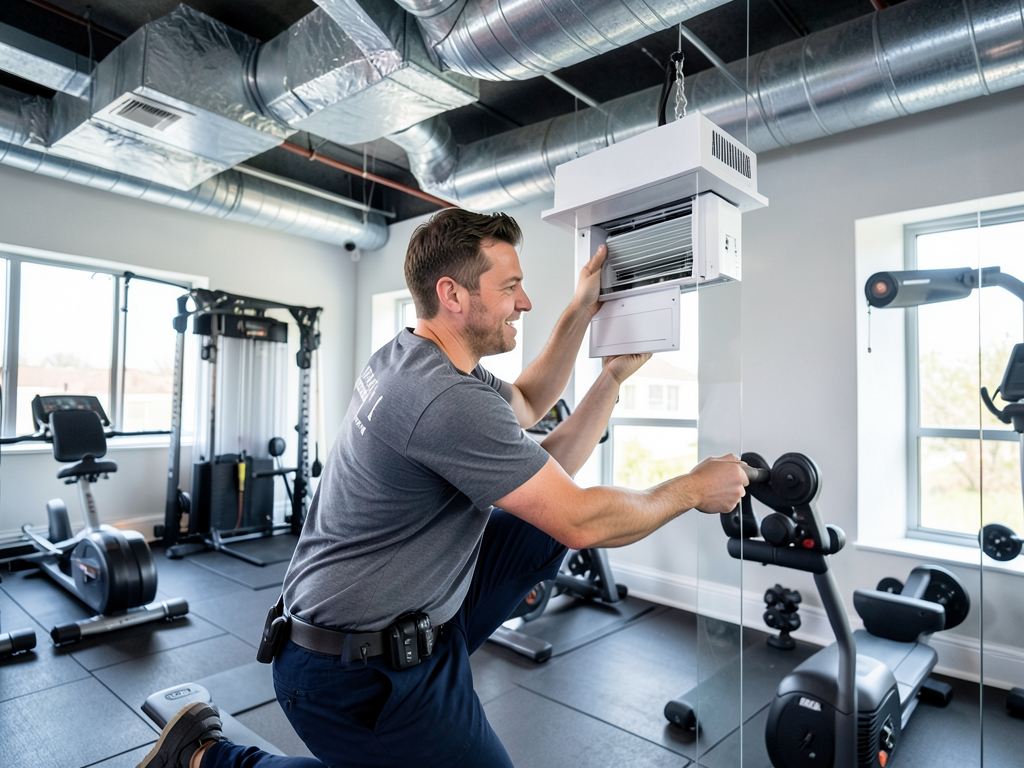
Adding HVAC to a New Home Gym or Yoga Studio in Orono

Building a Home Gym in Orono? Here's How to Keep It Comfortable Year-Round The Twin Cities climate makes home gym…

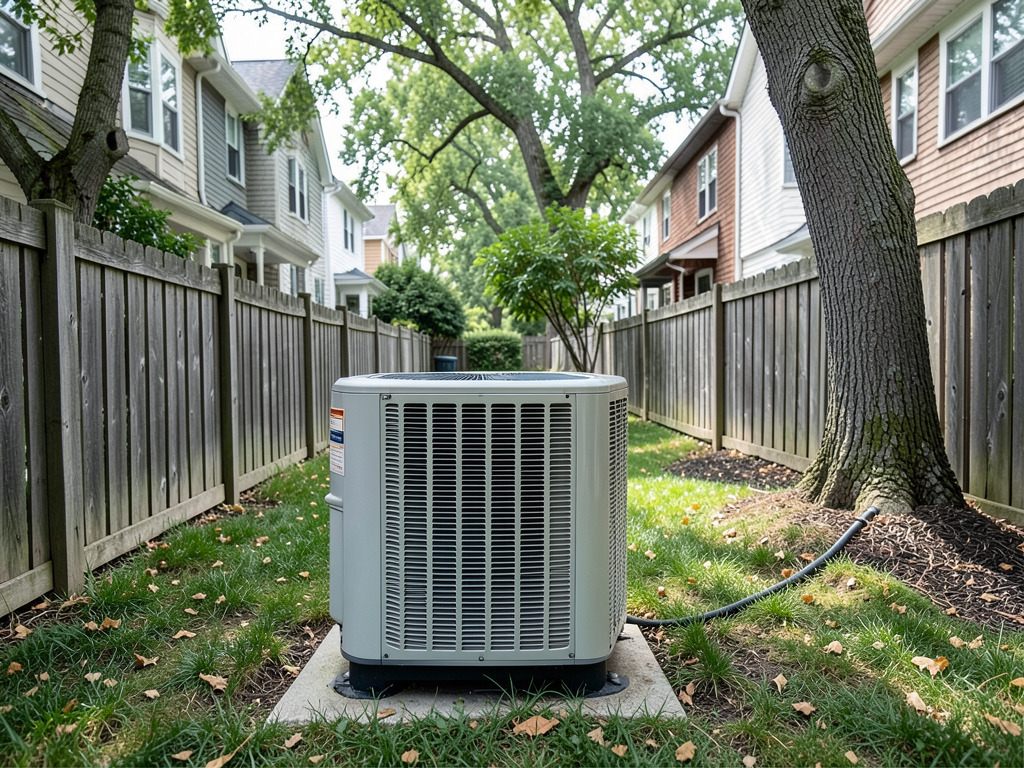
Soundproofing an Outdoor AC Unit for Small Backyards in Prospect Park

Living in Prospect Park means enjoying a tight-knit Minneapolis neighborhood where houses sit close together and outdoor spaces feel like…

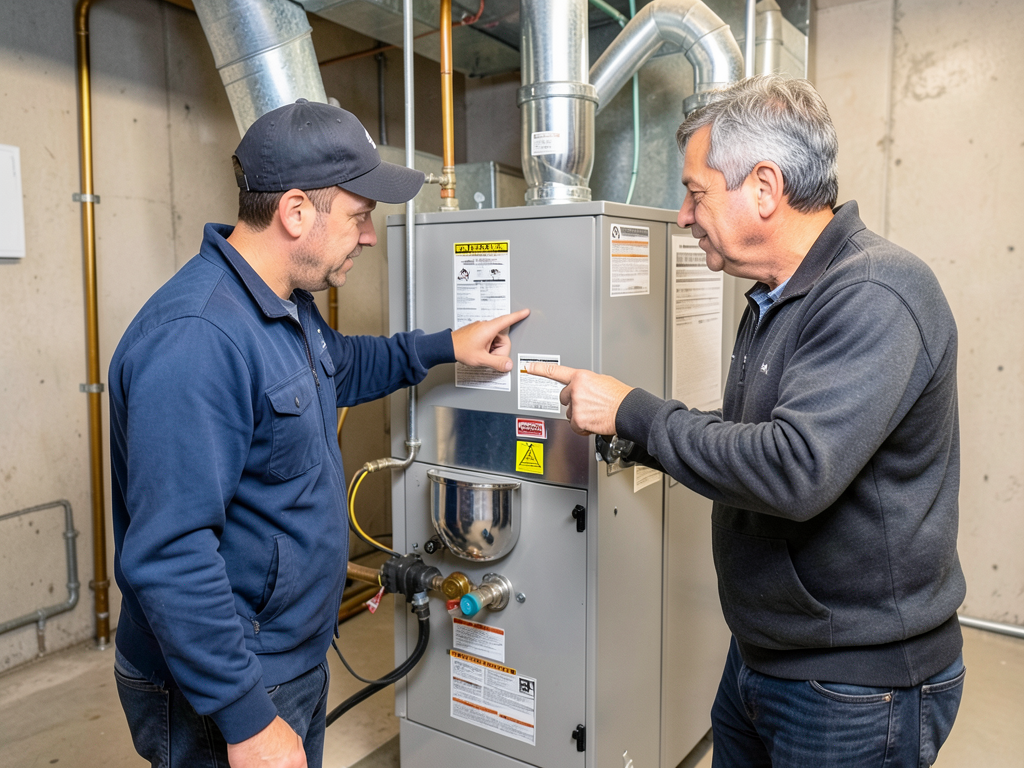
Choosing Between 80% and 96% Efficiency Furnaces for Your First Minneapolis Home

Choosing Between 80% and 96% Efficiency Furnaces for Your First Minneapolis Home Minneapolis winters are brutal and your furnace choice…

Contact Us

Your tenants deserve reliable comfort, and your property deserves expert care. Contact All Pro HVAC Minneapolis at (651) 588-9677 for comprehensive multi-family HVAC services. We provide same-day emergency response and flexible scheduling for planned maintenance across the Minneapolis metro area.