




Menu

Commercial HVAC Contractors in Minneapolis | Industrial-Grade Systems That Keep Your Business Running

All Pro HVAC Minneapolis specializes in commercial mechanical systems for Minneapolis businesses. We minimize downtime with 24/7 service, handle everything from retail spaces to industrial facilities, and keep your operations compliant with Minnesota mechanical codes.

Slider Image 1
Slider Image 2
Slider Image 3
Slider Image 4
Slider Image 5
Slider Image 7
Slider Image 8
Slider Image 9
Slider Image 10
Slider Image 11

Minneapolis Commercial Buildings Face Extreme Thermal Stress Year-Round

Your commercial HVAC system operates under conditions that would destroy residential equipment in weeks. Minneapolis experiences temperature swings of over 100 degrees between January lows and July highs. Your rooftop units cycle through freeze-thaw stress that cracks condenser coils. Your building envelope expands and contracts, stressing ductwork connections. Indoor air quality suffers when ventilation systems fail to compensate for sealed commercial construction designed for energy efficiency.

Commercial mechanical contractors in Minneapolis deal with unique load calculations. A 20,000-square-foot retail space in Uptown generates different BTU requirements than a warehouse in Northeast Minneapolis. Your system must handle occupancy variations, process loads from equipment, and maintain precise temperature zones for inventory protection or employee comfort.

When commercial heating and cooling services fail during a January cold snap, pipes freeze. During July humidity, mold grows in ductwork. Either scenario costs you thousands in lost productivity, spoiled inventory, or emergency repairs billed at premium rates.

Industrial HVAC contractors understand that your system is not a comfort amenity. It is infrastructure. A failed compressor in a medical office shuts down operations. A malfunctioning economizer in a restaurant kitchen violates health codes. A broken VAV box in an office building triggers lease violations.

Commercial HVAC service providers in Minneapolis must account for building codes that require specific ventilation rates, emergency shutdown protocols, and energy benchmarking compliance under Minneapolis's B3 Benchmarking program. Your system is a regulatory liability if maintained incorrectly.

Minneapolis Commercial Buildings Face Extreme Thermal Stress Year-Round
Load Calculations and Equipment Sizing Drive Commercial System Performance

Load Calculations and Equipment Sizing Drive Commercial System Performance

Commercial HVAC companies approach system design differently than residential contractors. We calculate actual thermal loads using ASHRAE standards, not rules of thumb. A Minneapolis warehouse with high ceilings and southern exposure has different load characteristics than a ground-floor office with north-facing windows. We measure occupancy density, lighting loads, plug loads from equipment, and ventilation requirements based on building use.

We size equipment to match your load profile, not catalog capacity. Oversized units short-cycle, wasting energy and failing to decontrol humidity. Undersized units run continuously, degrading components and failing during peak demand. We match compressor staging, fan speeds, and economizer operation to your building's actual needs.

Our commercial mechanical contractors use building automation systems to optimize performance. We program setback schedules that reduce energy use during unoccupied hours without compromising morning startup. We configure demand-controlled ventilation that adjusts fresh air intake based on CO2 sensors, reducing heating and cooling loads while maintaining indoor air quality.

We specify equipment designed for commercial duty cycles. Residential-grade condensing units fail under continuous operation. We install scroll compressors rated for 50,000-hour lifespans, not 15,000-hour residential units. We use belt-driven blowers that allow precise airflow adjustment, not fixed-speed direct-drive fans.

Commercial heating and cooling services include preventive maintenance contracts that reduce failure rates by 40 percent. We inspect electrical contactors for pitting, measure refrigerant subcooling and superheat, test capacitors under load, and verify economizer damper operation. We catch failures before they happen, not after they cost you a day of lost revenue.

How Commercial HVAC Installation Works for Minneapolis Businesses

Commercial HVAC Contractors in Minneapolis | Industrial-Grade Systems That Keep Your Business Running
01

Site Assessment and Load Analysis

We conduct a detailed site survey measuring your building envelope, occupancy patterns, and existing system performance. Our commercial HVAC service providers analyze utility bills to establish baseline energy consumption. We identify code compliance gaps, calculate required ventilation rates per Minnesota mechanical code, and develop equipment specifications matched to your thermal loads and operational schedule.
02

Equipment Installation and Integration

We coordinate installation during off-hours to minimize business disruption. Our industrial HVAC contractors handle rigging for rooftop units, run refrigerant lines with proper pitch and insulation, and integrate controls with your building automation system. We pressure-test ductwork to verify it meets SMACNA leakage standards, commission all safety controls, and program economizers for Minneapolis climate conditions.
03

System Commissioning and Training

We verify system performance under full load conditions, measuring airflow at each zone and confirming temperature control accuracy. Our commercial mechanical contractors document all setpoints, provide operation manuals, and train your facility staff on thermostat programming and filter replacement schedules. We establish a preventive maintenance plan that keeps your system compliant and efficient throughout its service life.

Why Minneapolis Businesses Choose All Pro HVAC for Commercial Systems

All Pro HVAC Minneapolis understands that commercial HVAC failures cost you more than discomfort. They cost you revenue. We maintain relationships with equipment distributors that allow us to source replacement parts within hours, not days. When your packaged rooftop unit fails on a Saturday morning, we have the compressor in stock or can get it before your Monday opening.

We know Minneapolis mechanical codes. We understand that the 2020 Minnesota Energy Code requires economizers on units over 54,000 BTU/h cooling capacity. We know that Minneapolis requires backflow preventers on all hydronic heating systems. We know that refrigerant handling requires EPA 608 certification and that Minnesota restricts R-22 use in new installations.

Our commercial HVAC contractors work in specific Minneapolis commercial corridors. We have installed systems in Warehouse District loft conversions where vintage buildings lack space for modern ductwork. We have retrofitted systems in Nicollet Mall retail spaces where noise restrictions prohibit rooftop equipment operation during business hours. We have maintained systems in North Loop restaurants where kitchen exhaust requirements demand specialized makeup air units.

We provide transparent proposals that break down equipment costs, labor costs, and permit fees. You receive load calculations, equipment specifications, and energy consumption projections before work begins. We do not change scope midproject unless you approve change orders in writing.

Our preventive maintenance contracts include quarterly inspections, priority emergency service, and discounted repair labor. We track your equipment history in our service management system, identifying failure patterns before they become emergencies. We remind you when filters need replacement, when refrigerant levels should be checked, and when belts show wear.

What Minneapolis Businesses Should Expect from Commercial HVAC Contractors

Response Time and Service Availability

Commercial HVAC service providers offer 24/7 emergency response because business operations do not stop at 5 p.m. All Pro HVAC Minneapolis maintains on-call technicians who respond to commercial failures within two hours during business hours and within four hours after hours. We prioritize calls based on business impact. A failed system in a medical office receives immediate dispatch. A non-critical maintenance item gets scheduled during your next service window. We communicate arrival times and provide status updates so you can plan around our service work.

System Diagnostics and Failure Analysis

Our industrial HVAC contractors use diagnostic tools that pinpoint failures without guesswork. We measure amperage draw on compressors to detect mechanical binding. We use refrigerant analyzers to identify contamination. We test control voltage at thermostats, zone dampers, and safety switches. We provide written diagnostic reports that explain what failed, why it failed, and what you need to do to prevent recurrence. You receive repair options with cost estimates before we perform any work. You decide whether to repair or replace based on equipment age and failure history.

Installation Quality and Performance Verification

Commercial mechanical contractors verify system performance through commissioning procedures that test every component under operating conditions. We measure supply air temperature at design conditions. We verify refrigerant charge using subcooling and superheat measurements, not sight glasses. We test safety controls by simulating failure conditions. We document airflow at each diffuser and verify that zone temperatures match thermostat setpoints. You receive commissioning reports that prove your system operates as designed. These reports satisfy building inspector requirements and provide baseline data for future troubleshooting.

Maintenance Programs and Equipment Lifespan

Preventive maintenance extends commercial HVAC equipment lifespan from 12 years to 20 years. Our maintenance contracts include seasonal inspections that prepare your system for Minneapolis temperature extremes. Before winter, we test ignition systems, inspect heat exchangers for cracks, and verify combustion efficiency. Before summer, we clean condenser coils, test compressor amp draw, and verify refrigerant charge. We provide maintenance logs that document all service work, part replacements, and system performance trends. These logs satisfy lease requirements and provide documentation for insurance claims or warranty disputes.

Frequently Asked Questions

You Have Questions,
We Have Answers

What is the $5000 rule for HVAC? +

The $5000 rule is an IRS guideline for commercial property owners. If your HVAC repair costs less than $5000, you can deduct it as a maintenance expense in the current tax year. If the repair exceeds $5000, you must capitalize and depreciate it over time. This threshold applies per unit or system, not total building cost. For Minneapolis commercial properties, this matters when weighing repair versus replacement decisions. Document all invoices separately for each rooftop unit or system to maximize your deduction options and maintain compliance during audits.

How much do commercial HVAC contractors make? +

Commercial HVAC contractors in Minneapolis earn between $55,000 and $95,000 annually, depending on certifications and experience. Licensed journeymen with EPA certifications and specialized training in controls or chillers command higher wages. Master-level technicians servicing large Minneapolis office buildings or industrial facilities often exceed $100,000 with overtime. Compensation reflects the technical complexity of commercial systems, liability exposure, and the demanding nature of maintaining business-critical climate control. Union shops typically pay more but require apprenticeship completion. Independent contractors can earn more through per-project billing.

How much does a HVAC contractor charge per hour? +

Commercial HVAC contractors in Minneapolis charge $125 to $200 per hour for service calls, with higher rates for after-hours or emergency response. Diagnostic fees range from $150 to $300. Rates reflect technician expertise, insurance costs, and specialized tools required for commercial systems. Large rooftop units, chillers, and Building Automation Systems demand advanced training. Emergency calls during Minneapolis winter cold snaps command premium rates due to urgency and business downtime risks. Many contractors offer service agreements with discounted hourly rates to reduce your operating costs and prioritize your facility.

How much does a new commercial HVAC cost? +

New commercial HVAC systems in Minneapolis cost $6,000 to $12,000 per ton installed. A 10-ton rooftop unit runs $60,000 to $120,000, including ductwork modifications and controls integration. Large office buildings or warehouses requiring multiple units or chiller systems can exceed $500,000. Costs vary based on system type, efficiency ratings, zoning requirements, and Minneapolis building code compliance. Variable Refrigerant Flow systems cost more upfront but reduce long-term energy expenses. Budget for engineering studies, permits, and potential electrical service upgrades. Phased replacements minimize business disruption and spread capital expenditures.

What HVAC qualifies for tax credit 2025? +

The 2025 Energy Efficient Commercial Buildings Deduction allows up to $5.00 per square foot for HVAC systems meeting ASHRAE 90.1 efficiency standards. Commercial properties installing high-efficiency rooftop units, heat pumps, or building automation systems may qualify. Equipment must be placed in service during the tax year and certified by a qualified engineer. Minneapolis building owners should focus on systems with SEER2 ratings above 15 and IEER above 16. Consult your tax advisor to confirm eligibility, as rules change annually and require specific documentation for IRS compliance.

What is the 3 minute rule for AC? +

The 3 minute rule prevents compressor damage by requiring a minimum 3 minute wait between shut-off and restart cycles. This allows refrigerant pressures to equalize inside the system. If you restart too quickly, high pressure damages the compressor motor, causing premature failure. Most modern commercial units have built-in short-cycle protection timers. If your Minneapolis facility experiences frequent power fluctuations or manual resets, verify your system includes this safety feature. Bypassing the timer voids warranties and leads to expensive compressor replacements. Train facility staff to respect this interval during troubleshooting.

Can you make 200K a year in HVAC? +

Yes, experienced commercial HVAC technicians in Minneapolis can earn $200,000 annually through specialization and strategic positioning. Master-level technicians running service routes for large commercial accounts, managing multiple job sites, or operating independent contracting businesses reach this threshold. Revenue comes from combining base salary, overtime during peak heating and cooling seasons, emergency callback premiums, and performance bonuses. Expertise in complex systems like chillers, Building Automation Systems, or critical facilities such as hospitals and data centers commands premium rates. Business ownership or profit-sharing arrangements accelerate income growth beyond employee compensation limits.

What pays better, commercial or residential HVAC? +

Commercial HVAC pays 20 to 40 percent more than residential work in Minneapolis. Commercial technicians earn higher wages due to system complexity, liability exposure, and business-critical nature of climate control. Rooftop units, chillers, and variable refrigerant flow systems require advanced training and certifications. Commercial work offers more stable year-round employment since businesses cannot defer maintenance. Projects are larger and margins higher. However, commercial requires stronger troubleshooting skills, ability to read complex schematics, and comfort working at heights. Residential offers easier entry but lower long-term earning potential and seasonal income fluctuations.

Which HVAC gets paid the most? +

Industrial HVAC technicians specializing in process cooling, clean rooms, or mission-critical facilities earn the highest wages in Minneapolis. Data center HVAC specialists command premium rates due to 24/7 uptime requirements and precision environmental controls. Chiller technicians servicing large commercial buildings, hospitals, or manufacturing facilities earn top compensation. Controls specialists integrating Building Automation Systems across multi-building campuses also rank high. Earning potential increases with manufacturer certifications from Trane, Carrier, or Johnson Controls. Emergency service technicians willing to work nights, weekends, and Minneapolis winter storms earn substantial overtime premiums on top of base wages.

What not to say to a general contractor? +

Never tell a commercial HVAC contractor you have not budgeted for the project, are getting multiple bids solely on price, or lack decision-making authority. Avoid demanding work without permits or asking them to cut corners on code compliance. Do not request cash discounts or imply payment delays. Never compare them unfavorably to previous contractors or threaten bad reviews before work begins. Minneapolis commercial projects require professional respect and clear communication. Provide complete building details, realistic timelines, and decision criteria upfront. Contractors walk away from clients who signal payment problems, unrealistic expectations, or liability exposure.

Why Minneapolis Building Codes and Climate Demands Specialized Commercial HVAC Expertise

Minneapolis enforces strict mechanical codes through its Construction Code Services division. The 2020 Minnesota Energy Code requires buildings over 10,000 square feet to meet specific insulation and air sealing standards that affect HVAC sizing. Commercial buildings must comply with ASHRAE 62.1 ventilation standards that mandate minimum fresh air rates based on occupancy type. Restaurants require 15 CFM per person. Offices require 5 CFM per person. Medical offices require 25 CFM per person. Commercial HVAC contractors must design systems that meet these requirements while maintaining energy efficiency. Minneapolis also participates in voluntary benchmarking programs that track energy use per square foot, creating pressure to optimize system performance.

All Pro HVAC Minneapolis maintains working relationships with city inspectors, mechanical engineers, and energy auditors throughout the Minneapolis commercial market. We understand local permitting processes, know which projects require special inspections, and coordinate with other trades during tenant improvement projects. Our commercial heating and cooling services include code compliance verification that protects you from failed inspections and costly rework. We pull permits, schedule inspections, and provide documentation that satisfies building officials. This local expertise saves you time, reduces project risk, and ensures your system operates legally and efficiently.
HVAC Services in The Minneapolis Area

All Pro HVAC is conveniently located to serve the Minneapolis area and surrounding communities effectively. We invite you to view our service area on the map below, helping you visualize our reach and confirm that we are readily available to provide our expert heating, ventilation, and air conditioning services right to your doorstep, ensuring your comfort is always within reach.

Address:
All Pro HVAC Minneapolis, 1 W Franklin Ave, Minneapolis, MN, 55404

Additional Services We Offer

Our news updates

Latest Articles & News from The Blogs

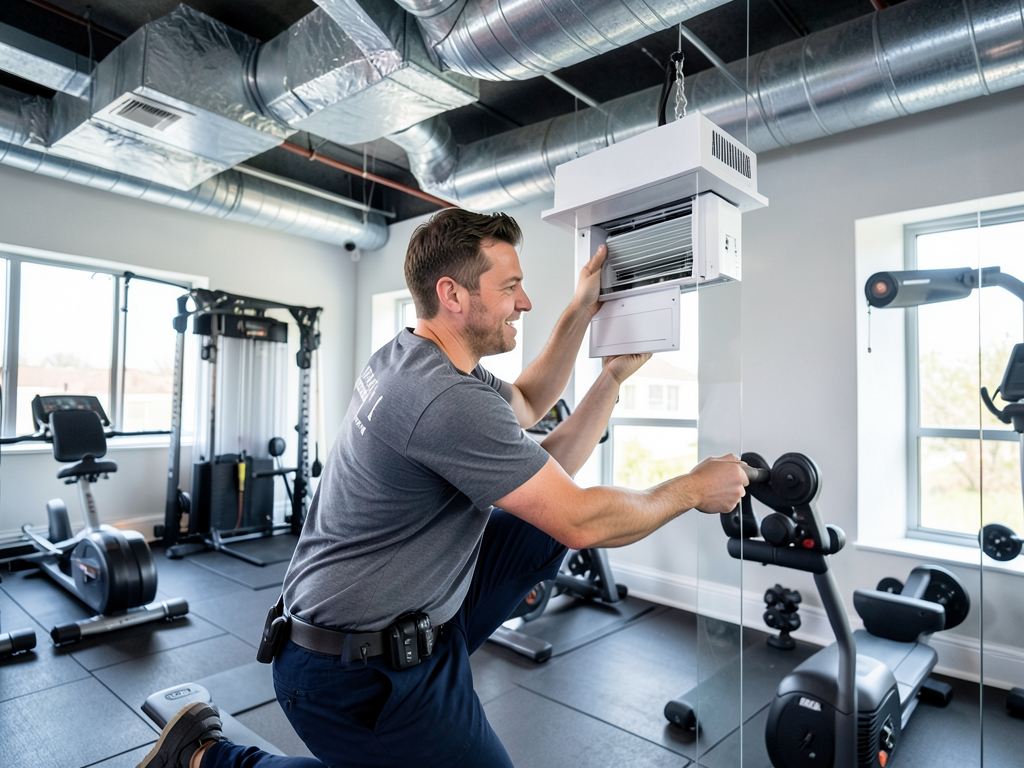
Building a Home Gym in Orono? Here's How to Keep It Comfortable Year-Round The Twin Cities climate makes home gym…

Adding HVAC to a New Home Gym or Yoga Studio in Orono

Building a Home Gym in Orono? Here's How to Keep It Comfortable Year-Round The Twin Cities climate makes home gym…

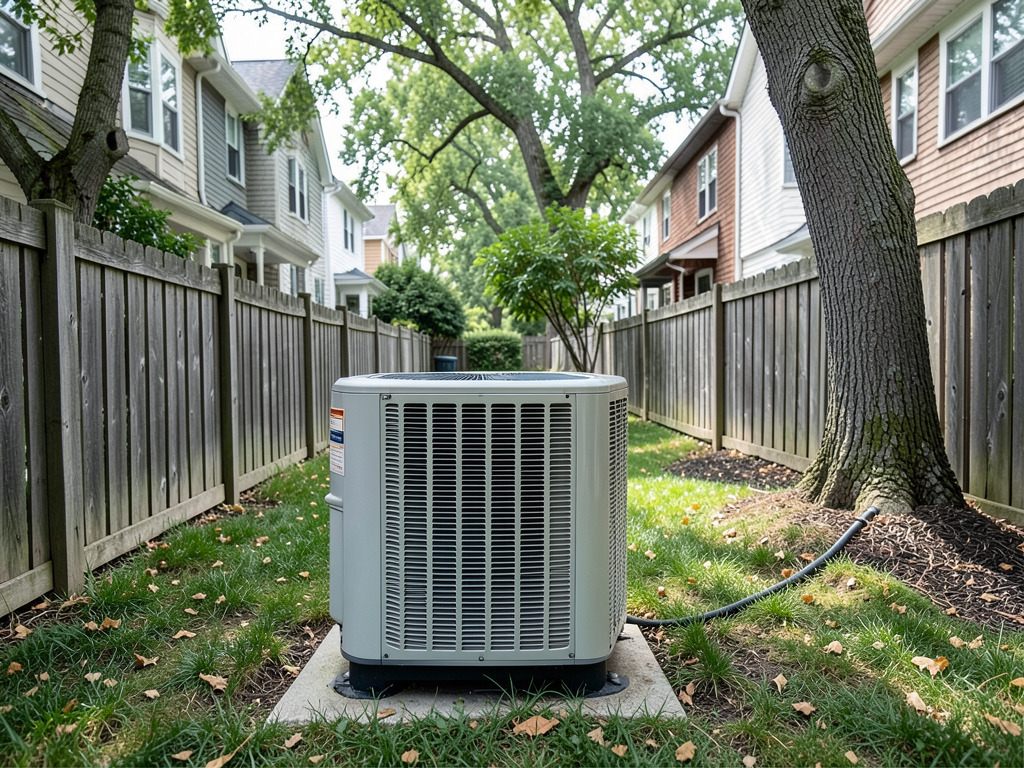
Soundproofing an Outdoor AC Unit for Small Backyards in Prospect Park

Living in Prospect Park means enjoying a tight-knit Minneapolis neighborhood where houses sit close together and outdoor spaces feel like…

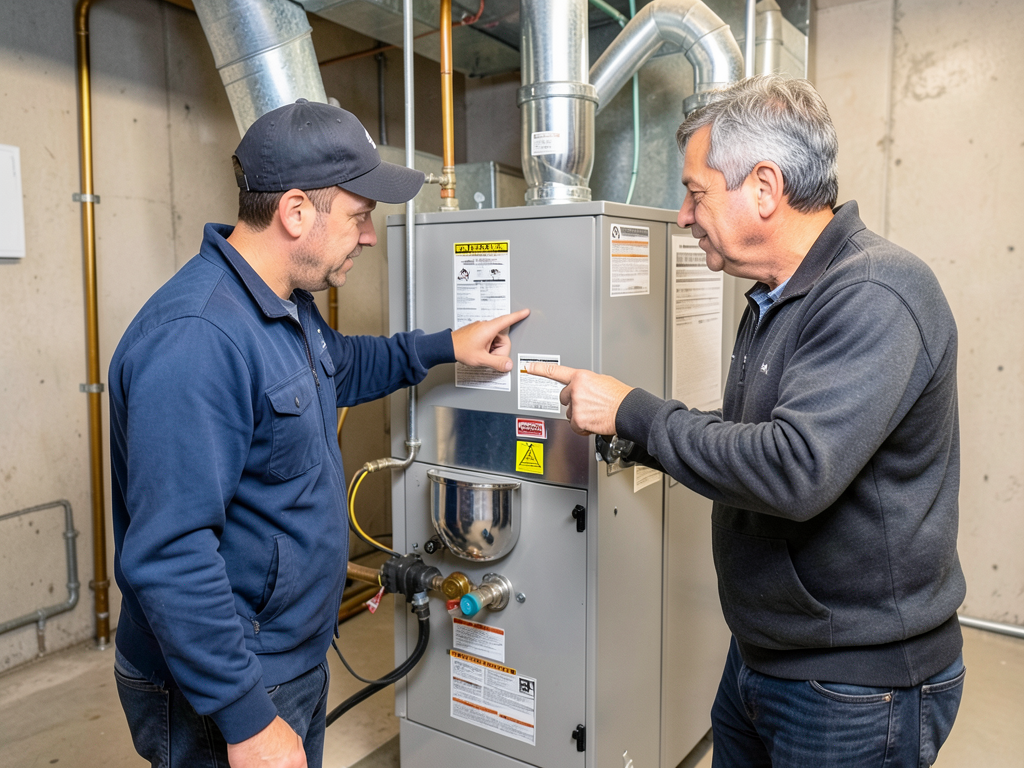
Choosing Between 80% and 96% Efficiency Furnaces for Your First Minneapolis Home

Choosing Between 80% and 96% Efficiency Furnaces for Your First Minneapolis Home Minneapolis winters are brutal and your furnace choice…

Contact Us

Your commercial system is too important to trust to generalists. Call All Pro HVAC Minneapolis at (651) 588-9677 for a detailed system assessment. We provide written proposals, transparent pricing, and service contracts that protect your business from unexpected failures.