





Menu

Why Air Filter Changes Matter in Minneapolis – Protect Your Home from Minnesota's Harsh Seasonal Extremes

Regular air filter replacement keeps your HVAC system running efficiently through Minneapolis's bitter cold winters and humid summers, preventing breakdowns when you need heating and cooling most.

Slider Image 1
Slider Image 2
Slider Image 3
Slider Image 4
Slider Image 5
Slider Image 7
Slider Image 8
Slider Image 9
Slider Image 10
Slider Image 11

How Minneapolis Weather Makes Air Filter Maintenance Critical

Minneapolis residents face unique air quality challenges that make filter maintenance more than just routine upkeep. Winter months bring six months of heating demands, with furnaces running nearly nonstop from October through April. This extended heating season forces more air through your filter than homes in milder climates experience.

Spring introduces cottonwood seeds, tree pollen, and grass allergens that clog filters fast. Summer humidity breeds mold spores that your HVAC system pulls indoors without proper filtration. Fall leaf debris and early heating cycles compound the problem.

The benefits of changing air filters become obvious when you consider how Minnesota's climate stresses your system. A clogged filter makes your furnace work harder during subzero stretches, when equipment failure means real danger. Dirty filters also reduce airflow by 15 percent or more, forcing your system to run longer cycles to reach temperature.

Why replace HVAC filters regularly in this climate? Minneapolis homes experience more particulate buildup than national averages. Road salt dust, winter sand, and construction debris from freeze-thaw road repairs enter homes constantly. Your filter captures these particles before they damage blower motors or heat exchangers.

The significance of air filter replacement extends beyond equipment protection. Minnesota's tight, well-insulated homes trap indoor air pollutants. Without clean filters cycling fresh air properly, you breathe recycled contaminants. Pet dander, cooking particles, and cleaning chemical residue accumulate quickly in our sealed winter homes.

Reasons for changing AC filters include preventing ice buildup on coils during humid summers. When airflow drops, evaporator coils freeze, shutting down cooling when Minneapolis hits 90-degree heat waves. Regular filter changes prevent this failure mode entirely.

How Minneapolis Weather Makes Air Filter Maintenance Critical
What Proper Filter Maintenance Does for Your System

What Proper Filter Maintenance Does for Your System

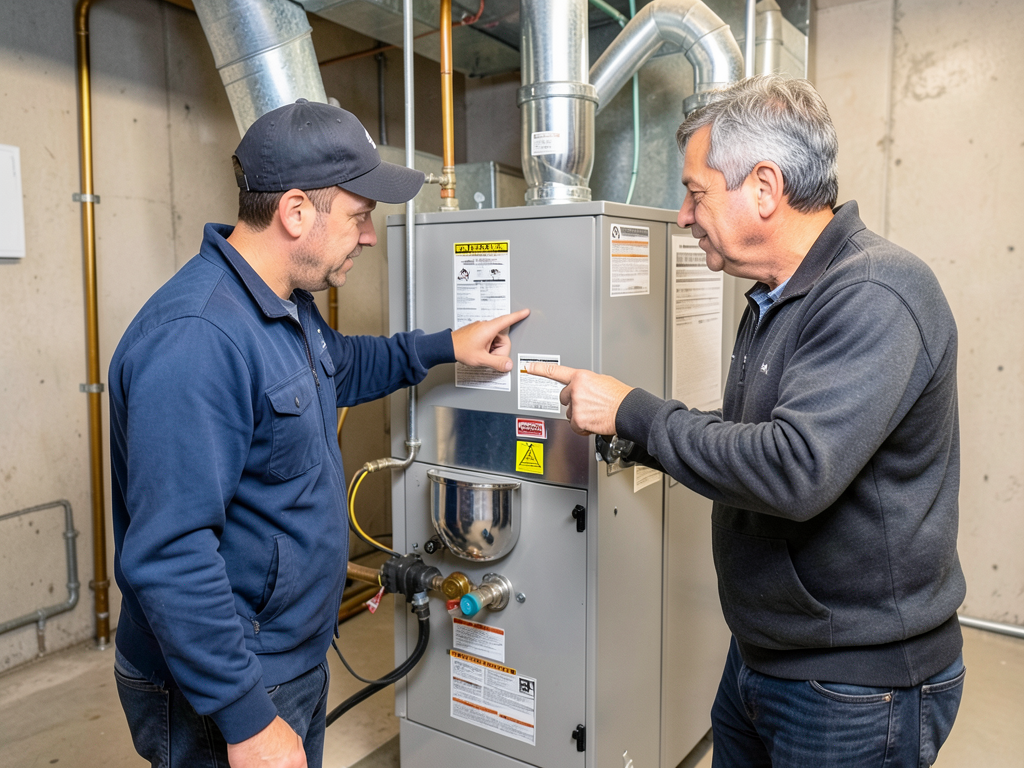
Clean filters maintain static pressure balance across your ductwork. When filters clog, pressure differentials increase, forcing your blower motor to draw more amperage. This electrical stress shortens motor life and drives up utility bills. We measure pressure drops across filters to determine optimal replacement intervals for your specific system and usage patterns.

The impact of dirty air filters shows up in heat exchanger performance first. Restricted airflow causes furnaces to overheat, triggering limit switches that cycle equipment off prematurely. These short-cycling episodes reduce efficiency and create temperature swings throughout your home. In extreme cases, overheating cracks heat exchangers, releasing carbon monoxide into living spaces.

All Pro HVAC Minneapolis tests airflow velocity at supply registers to verify proper filter function. We look for velocity drops that indicate restriction, even when filters appear clean to the eye. Minneapolis's fine dust particles embed deep in filter media, blocking airflow while leaving the surface looking acceptable.

Filter efficiency ratings matter differently here than in other climates. MERV 8 filters handle basic dust but miss fine particulates common in our urban environment. MERV 11 filters capture smaller particles without restricting airflow in properly sized systems. MERV 13 filters provide hospital-grade filtration but require blower motor upgrades in many older Minneapolis homes.

We match filter density to your blower capacity and ductwork design. Oversized filters in undersized systems cause the same problems as clogged filters. Static pressure increases, airflow drops, and efficiency plummets. Right-sizing filtration to your equipment specifications maintains manufacturer-rated performance levels.

Pleated filters outperform fiberglass alternatives in Minneapolis conditions. The increased surface area captures more particulates before restriction occurs. We install filters with the airflow arrow pointing toward the blower, ensuring proper orientation for maximum efficiency and longest service life.

How We Help You Maintain Clean Air Year-Round

Why Air Filter Changes Matter in Minneapolis – Protect Your Home from Minnesota's Harsh Seasonal Extremes
01

System Assessment

We measure static pressure, check blower motor amperage draw, and inspect your current filter condition and sizing. This assessment reveals whether your system needs standard replacement intervals or accelerated schedules based on actual operating conditions. We also verify filterracks are sealed properly to prevent bypass airflow that undermines filtration efficiency.
02

Custom Filter Schedule

Based on your home's particulate load, occupancy patterns, and equipment specifications, we create a replacement schedule that matches real-world conditions. Homes with pets, construction nearby, or smokers need monthly changes. Standard Minneapolis homes typically require changes every 60 to 90 days. We adjust timing seasonally, increasing frequency during high-pollen spring months and heavy heating periods.
03

Ongoing Monitoring

We track filter condition over time, documenting how quickly restriction builds in your specific environment. This data helps predict optimal change intervals and identifies indoor air quality issues before they damage equipment. If filters clog faster than expected, we investigate ductwork leaks, return air problems, or indoor sources creating excessive particulates that need addressing beyond simple filter changes.

Why Minneapolis Homeowners Trust Local HVAC Expertise

Minneapolis's extended heating season and extreme temperature swings require HVAC knowledge that generic service providers miss. We understand how thermal stack effect in multi-story Minneapolis homes affects filter loading rates. Winter's temperature differential between basement and upper floors creates powerful air currents that pull particulates through systems faster than single-story homes experience.

Local building codes require specific ventilation rates for Minneapolis's climate zone. We ensure filter selections maintain required airflow while meeting code-mandated fresh air exchange rates. This balance prevents both under-filtration and over-restriction that compromises ventilation effectiveness.

Our technicians recognize Minneapolis-specific HVAC configurations. Many homes built in the 1920s through 1950s have undersized return air systems that make filter selection critical. We identify these constraints and recommend solutions that work within existing infrastructure limitations rather than forcing inappropriate filtration that creates new problems.

We stock filters sized for Minneapolis's common HVAC brands and configurations. Lennox, Carrier, and Trane systems dominate local installations, each with specific filter dimensions and specifications. Our inventory matches what Minneapolis homes actually need, not generic sizes that require modification or leave gaps allowing bypass.

All Pro HVAC Minneapolis maintains relationships with local filter suppliers, ensuring availability even during supply chain disruptions. When national shortages hit, we secure filters for existing customers first. This local supply chain reliability matters during Minneapolis's heating season, when filter failures can't wait for backorders.

We document filter changes in your service history, creating maintenance records that prove consistent upkeep. These records increase home resale value and validate proper system care for warranty claims. Minneapolis home inspectors specifically check HVAC maintenance records, making documented filter changes a selling point during real estate transactions.

What You Get with Professional Filter Service

Rapid Response Availability

We respond to filter-related service calls within 24 hours throughout the Minneapolis metro. During heating season, we prioritize emergency calls where clogged filters have caused system shutdowns. Our technicians carry common filter sizes on service vehicles, allowing immediate replacement during diagnosis visits. For customers on maintenance plans, we schedule filter changes proactively, preventing emergency situations entirely. This scheduled approach ensures your system never operates with restricted airflow, maintaining efficiency and preventing damage during Minneapolis's temperature extremes when HVAC demands peak.

Comprehensive System Inspection

Every filter change includes visual inspection of accessible ductwork, blower compartment cleanliness, and drain line condition. We check for dust accumulation patterns that indicate air leaks or bypass issues undermining filtration. Our technicians photograph filter condition before replacement, documenting particulate types and loading patterns. These photos help identify pollution sources like duct leaks drawing attic dust or return air grilles pulling particles from unfinished basements. This diagnostic information guides recommendations beyond simple filter replacement, addressing root causes of excessive particulate loading.

Verified Performance Results

After installing clean filters, we measure supply register airflow to verify proper system performance. Temperature differential across coils confirms adequate airflow for efficient heat transfer. We document these measurements, creating baseline data that reveals performance degradation over time. When numbers deviate from baseline, we identify developing problems before they cause failures. This verification process ensures filter changes actually restore intended performance rather than just checking a maintenance box. You receive written documentation of all measurements for your permanent maintenance records.

Proactive Maintenance Planning

We create customized maintenance schedules based on your system's actual particulate exposure and operating hours. Customers receive reminder calls or emails before filters need changing, preventing the common problem of forgotten maintenance. For homes with high particulate loads, we discuss upgraded filtration options, electronic air cleaners, or whole-house air purification systems that reduce filter change frequency while improving air quality. This forward-looking approach prevents recurring problems rather than simply reacting to failures. You maintain control over maintenance timing while ensuring your system receives care before performance suffers.

Frequently Asked Questions

You Have Questions,
We Have Answers

Does changing the air filter improve performance? +

Yes. A clean air filter allows unrestricted airflow into your HVAC system, which improves efficiency and performance. When airflow is unobstructed, your furnace or air conditioner does not have to work as hard to circulate conditioned air throughout your home. This reduces strain on the blower motor and other components. In Minneapolis, where heating systems run heavily during long winters, a clean filter prevents unnecessary energy waste and maintains consistent indoor comfort. Poor airflow from a clogged filter forces your system to cycle longer, which increases wear and reduces lifespan.

What happens if I don't change the air filter in my car? +

A dirty car air filter restricts airflow to your engine, which reduces performance and fuel efficiency. Your engine compensates by burning more fuel to generate the same power, which wastes gas. Over time, a clogged filter causes rough idling, sluggish acceleration, and potential engine misfires. In Minneapolis winters, where road salt and grit are heavy, contaminants accumulate faster in filters. Ignoring replacement can trigger your check engine light and damage the mass airflow sensor. Regular changes protect engine components and keep your vehicle running smoothly through harsh seasonal conditions.

How often should you change your air filter? +

For home HVAC systems in Minneapolis, change your air filter every 1 to 3 months. Homes with pets, allergy sufferers, or heavy system use need monthly changes. Standard households can extend to 60 or 90 days. For cars, replace the engine air filter every 12,000 to 15,000 miles or annually. Minneapolis conditions, including road dust, pollen from spring thaw, and winter salt particles, accelerate filter contamination. Check your filter monthly by holding it up to light. If light cannot pass through easily, replace it immediately.

How to tell if your air filter needs changing? +

Hold your air filter up to a light source. If you cannot see light passing through the filter media, it needs replacement. Visible dust buildup, grayish discoloration, or clogged pleats are clear indicators. For HVAC systems, reduced airflow from vents, longer heating or cooling cycles, and increased energy bills signal a dirty filter. In vehicles, symptoms include reduced acceleration, poor fuel economy, or a check engine light. Minneapolis homeowners should inspect filters monthly, especially after heavy pollen seasons in spring or during peak heating months when furnaces run continuously.

Does changing the air filter make the AC colder? +

Yes. A clean air filter improves airflow across the evaporator coil, which allows your AC to remove heat more efficiently. When air flows freely, the system reaches your thermostat setting faster and maintains cooler temperatures with less effort. A clogged filter forces your AC to work harder and longer, which can cause the evaporator coil to freeze and reduce cooling capacity. In Minneapolis summers, where humidity is high, unrestricted airflow also improves dehumidification. Replace your filter before cooling season starts to maximize comfort and efficiency throughout the warm months.

Will a new air filter improve MPG? +

Yes. A clean engine air filter improves fuel economy by allowing optimal airflow into the combustion chamber. When your engine receives the correct air-to-fuel ratio, it burns fuel efficiently and produces proper power without excess consumption. A clogged filter restricts airflow, which forces the engine to compensate by using more fuel. While modern fuel-injected engines are less affected than older carbureted models, you can still see a 1 to 3 percent improvement in MPG with a fresh filter. In Minneapolis, where winter driving conditions are tough, maintaining efficiency helps offset higher fuel costs.

Can I just clean my air filter instead of replacing it? +

It depends on the filter type. Disposable pleated filters used in most Minneapolis homes and vehicles should be replaced, not cleaned. Cleaning them damages the filter media and reduces effectiveness. However, reusable electrostatic filters or washable foam filters can be cleaned according to manufacturer instructions. For standard fiberglass or pleated filters, attempting to clean them wastes time and allows contaminants to pass through damaged fibers. Replacement filters are inexpensive compared to the risk of system damage or poor indoor air quality. Follow manufacturer guidelines to determine if your specific filter is cleanable.

What are the symptoms of a dirty air filter? +

Dirty air filter symptoms include reduced airflow from vents, longer system run times, increased energy bills, and excessive dust accumulation on surfaces. You may notice uneven heating or cooling, musty odors when the system runs, or visible dust around return vents. In Minneapolis homes, dirty filters often cause furnaces to overheat and trigger safety shutoffs during winter. For vehicles, symptoms include rough idling, sluggish acceleration, decreased fuel economy, and black exhaust smoke. A check engine light may illuminate if the mass airflow sensor detects restricted airflow. Inspect filters monthly to catch problems early.

How long do air filters last in a car? +

Car air filters typically last 12,000 to 15,000 miles or about one year. However, driving conditions significantly affect lifespan. In Minneapolis, where road construction dust, spring pollen, and winter road treatment particles are heavy, filters may need replacement more frequently. If you drive on gravel roads, in heavy traffic, or in dusty conditions, inspect your filter every 6,000 miles. Check your owner's manual for specific recommendations. Visual inspection is reliable. If the filter appears darkened, clogged, or damaged, replace it immediately regardless of mileage to protect engine performance.

How much does an air filter cost? +

Home HVAC air filters range from 5 to 50 dollars depending on size, MERV rating, and brand. Standard 1-inch pleated filters cost 10 to 20 dollars. High-efficiency filters with MERV 11 or higher ratings cost more but trap smaller particles. Car engine air filters typically cost 15 to 40 dollars for standard replacements. Performance filters or specialty brands cost more. In Minneapolis, buying filters in multipacks reduces cost per unit. Avoid the cheapest fiberglass filters, which offer minimal filtration. Investing in quality filters protects your system and improves air quality without significant expense.

Why Minneapolis's Urban Dust Load Demands Vigilant Filter Maintenance

Minneapolis's winter road treatment creates unique indoor air quality challenges. Salt brine, sand, and magnesium chloride used on Twin Cities roads become fine dust particles that vehicles carry home on undercarriages and clothing. This particulate matter is highly corrosive and abrasive, damaging HVAC components when it bypasses filtration. Spring brings additional challenges as street sweepers redistribute accumulated winter debris, creating dust clouds that infiltrate homes through normal air infiltration. These seasonal particulate spikes require more frequent filter changes than manufacturers' generic recommendations account for. The impact of dirty air filters multiplies here because contamination includes corrosive salts that accelerate metal degradation in heat exchangers and coils.

Minneapolis's mature tree canopy and Mississippi River proximity create high biological particulate loads. Cottonwood seeds in June, oak pollen in spring, and mold spores from river valley humidity challenge filtration systems beyond typical suburban environments. Local HVAC contractors understand these seasonal patterns and adjust maintenance schedules accordingly. We recognize when filter clogging accelerates during specific Minneapolis seasons and proactively schedule changes to prevent system stress. This local knowledge prevents the common mistake of applying national maintenance standards to Minneapolis's unique environmental conditions. Choosing local expertise means your filter maintenance matches actual particulate exposure rather than generic timelines that leave systems vulnerable during peak contamination periods.

HVAC Services in The Minneapolis Area

All Pro HVAC is conveniently located to serve the Minneapolis area and surrounding communities effectively. We invite you to view our service area on the map below, helping you visualize our reach and confirm that we are readily available to provide our expert heating, ventilation, and air conditioning services right to your doorstep, ensuring your comfort is always within reach.

Address:
All Pro HVAC Minneapolis, 1 W Franklin Ave, Minneapolis, MN, 55404

Additional Services We Offer

Our news updates

Latest Articles & News from The Blogs

How Your St. Paul Pets are Secretly Impacting Your HVAC System Performance Your furry friends bring joy to your St.…

How Your St. Paul Pets are Secretly Impacting Your HVAC System Performance

How Your St. Paul Pets are Secretly Impacting Your HVAC System Performance Your furry friends bring joy to your St.…

When to Change Your Air Filter During the High Pollen Season in Shorewood

When to Change Your Air Filter During the High Pollen Season in Shorewood Spring in Shorewood brings blooming trees and…

Why Low Humidity is Hurting Your Health and Your Furniture in Inver Grove Heights

Why Low Humidity is Hurting Your Health and Your Furniture in Inver Grove Heights Winter in Inver Grove Heights means…

Contact Us

Protect your HVAC system from Minneapolis's harsh climate demands. Call All Pro HVAC Minneapolis at (651) 588-9677 now to schedule a filter inspection and system airflow assessment. We respond fast and keep your home comfortable year-round.