
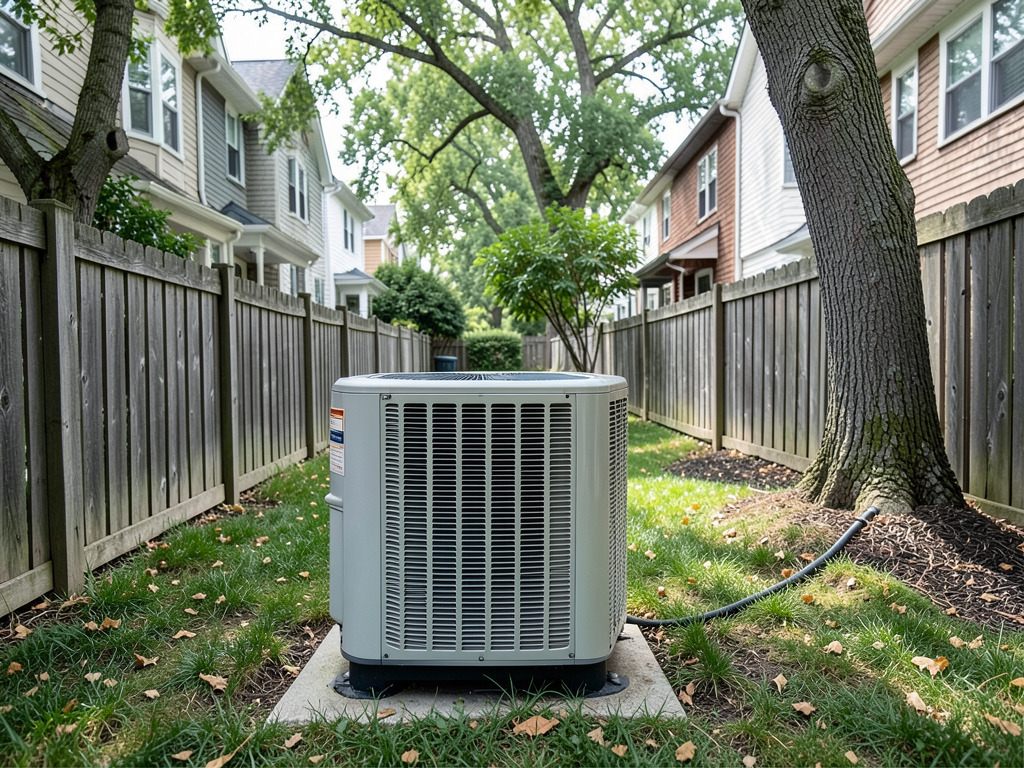
Living in Prospect Park means enjoying a tight-knit Minneapolis neighborhood where houses sit close together and outdoor spaces feel like extensions of your living room. When summer heat hits and your air conditioner kicks on the noise can quickly become a problem for you and your neighbors. Modern HVAC technology and strategic soundproofing can dramatically reduce outdoor AC noise without sacrificing cooling performance. Minneapolis mechanical permits.
Soundproofing an outdoor AC unit in a small backyard requires understanding both the equipment and the local environment. Prospect Park’s older homes often have narrow side yards and close property lines making noise control essential. With the right approach you can enjoy cool comfort while keeping the peace with those living nearby.
Understanding AC Noise Levels and Why They Matter in Prospect Park
Standard air conditioners typically operate between 60 and 80 decibels which is comparable to normal conversation or heavy traffic. In a dense neighborhood like Prospect Park where homes sit on 40-foot-wide lots that noise carries easily across property lines. The Minneapolis Code of Ordinances Title 15 Chapter 389 sets noise control standards that apply to residential areas making it important to choose equipment that won’t violate local ordinances.
Sound travels differently in Prospect Park due to the area’s mature tree canopy and the way homes are positioned on narrow lots. The neighborhood’s mix of early 20th-century bungalows and craftsman-style homes creates unique acoustic challenges. Many of these homes were built before air conditioning was common so retrofitting with modern systems requires careful planning to minimize noise impact.
Comparing Decibel Levels What’s Acceptable for Your Neighbors?
Understanding decibel ratings helps you make informed decisions about which AC unit to install. Here’s how common sounds compare:
| Sound Source | Decibel Level | What It Feels Like |
|---|---|---|
| Whisper | 20 dB | Very quiet almost silent |
| Refrigerator hum | 40 dB | Background noise |
| Normal conversation | 60 dB | Comfortable speaking level |
| Standard AC unit | 70-80 dB | Loud noticeable |
| Quiet AC unit | 50-60 dB | Similar to rainfall |
Modern quiet AC units use inverter technology and sound-dampening materials to operate at 50-60 decibels which is barely noticeable from a neighboring property. This reduction makes a significant difference in maintaining good relationships with your Prospect Park neighbors.
Top Soundproofing Solutions for Small Backyard AC Units
Soundproofing an outdoor AC unit involves multiple strategies working together. The most effective approach combines equipment selection with physical barriers and smart placement.
1. Choose the Right Equipment
Modern AC units with inverter-driven compressors operate more quietly than traditional single-speed units. These systems adjust their output based on cooling demand running at lower speeds when less cooling is needed. This not only reduces noise but also improves energy efficiency. How Much a New High Efficiency Furnace Really Costs in Minneapolis.
Side-discharge air conditioners are particularly well-suited for Prospect Park’s narrow lots. These units blow air out the side rather than the top allowing for closer placement to walls and fences while maintaining proper airflow. The horizontal design also tends to be more compact than traditional vertical units. Weak Airflow from Vents.
2. Install Sound Barriers
Physical barriers can significantly reduce noise transmission. A solid fence or wall between your AC unit and neighboring properties can block direct sound paths. The barrier should be at least as tall as the unit and extend beyond it on both sides for maximum effectiveness.
Sound blankets or compressor jackets are another effective solution. These specialized covers fit around the outdoor unit and absorb noise before it reaches your neighbors. They’re particularly useful for older units that you’re not ready to replace.
3. Strategic Placement
Where you place your AC unit matters as much as what you install. Positioning the unit away from bedroom windows patios and property lines can reduce noise complaints. In Prospect Park where many homes have shared driveways or narrow side yards careful placement is essential.
Consider the prevailing wind direction when placing your unit. Sound travels more easily with the wind so positioning your AC on the side of your home that’s sheltered from the direction of your closest neighbor can help.
Minneapolis Building Codes and Permit Requirements
Installing or replacing an outdoor AC unit in Minneapolis requires following specific building codes and obtaining proper permits. The Minneapolis Mechanical and Fuel Gas Code sets requirements for equipment installation including clearance distances from property lines and structures.
For most residential properties in Prospect Park AC units must be placed at least 3 feet from property lines and 5 feet from any building opening. These setbacks ensure proper airflow and prevent noise from entering nearby windows. Your specific lot may have different requirements based on its size and configuration.
Before installation you’ll need to obtain a mechanical permit from the City of Minneapolis. This process involves submitting plans that show the unit’s location electrical connections and how it meets code requirements. Working with a licensed HVAC contractor who understands local codes can streamline this process.
Installation Best Practices for Maximum Noise Reduction
Professional installation plays a crucial role in minimizing AC noise. Even the quietest unit can become a noise problem if installed incorrectly. Here are key installation considerations:
Proper leveling is essential. An unlevel AC unit can cause vibration that amplifies noise. The concrete pad or mounting surface should be perfectly level to prevent this issue.
Secure mounting prevents vibration transfer to your home’s structure. Rubber isolation pads between the unit and mounting surface can absorb vibrations before they become audible.
Correct refrigerant line sizing ensures optimal system performance. Undersized lines can cause the compressor to work harder increasing both noise and energy consumption.
Electrical connections must be properly grounded and sized. Poor electrical connections can cause buzzing or humming sounds that carry across your property.
Maintenance Tips to Keep Your AC Quiet
Regular maintenance is essential for keeping your AC unit operating quietly. Here’s what you should do:
- Clean or Replace Air Filters
Dirty filters restrict airflow causing the system to work harder and generate more noise. Check filters monthly during cooling season.
- Clear Debris from Around the Unit
Leaves grass clippings and other debris can block airflow and cause the fan to work harder. Keep a 2-foot clearance around the unit.
- Check and Tighten Mounting Hardware
Vibration can loosen bolts and brackets over time. Annual tightening prevents rattling noises.
- Clean the Condenser Coils
Dirty coils reduce heat transfer efficiency causing the system to run longer and louder. Professional cleaning once yearly is recommended.
- Inspect the Fan Blades
Damaged or unbalanced fan blades create vibrations and noise. Look for cracks or warping and replace if needed.
Soundproofing Materials and Their Effectiveness
Different soundproofing materials offer varying levels of noise reduction. Understanding these options helps you choose the best solution for your situation.
| Material | Noise Reduction | Best For | Cost Range |
|---|---|---|---|
| Sound blankets | 5-10 dB | Existing units | $100-300 |
| Fencing barriers | 10-15 dB | Property line separation | $500-2,000 |
| Mass loaded vinyl | 15-20 dB | Wall construction | $2-5/sq ft |
| Acoustic panels | 8-12 dB | Ambient noise reduction | $50-150/panel |
Combining multiple soundproofing approaches often provides the best results. For example pairing a sound blanket with a strategic fence placement can reduce noise by 20-25 decibels making your AC virtually inaudible to neighbors.
Energy Efficiency and Noise: The Connection
There’s a strong relationship between energy efficiency and noise levels in modern AC systems. High-efficiency units with SEER2 ratings above 18 typically use variable-speed compressors and advanced fan designs that operate more quietly than standard units.
Inverter technology which allows the compressor to adjust its speed based on cooling demand is a key factor in both efficiency and noise reduction. These systems can operate at 40-60% capacity during mild weather producing minimal noise while maintaining comfortable temperatures.
Prospect Park’s climate with hot summers and cold winters makes heat pump systems worth considering. Modern cold-climate heat pumps can provide both heating and cooling while operating more quietly than traditional AC units. Some models produce as little as 45 decibels during normal operation. Switching to a Cold Climate Heat Pump in Minnesota (Is It Worth It?).
Common Noise Problems and Their Solutions
Even with proper installation and maintenance AC units can develop noise issues. Here are common problems and how to address them:
Rattling sounds often indicate loose components or debris in the unit. Check for loose panels screws or foreign objects that may have entered the system.
Clicking noises when the unit starts or stops can signal electrical issues or failing contactors. These should be inspected by a professional to prevent system damage.
Grinding sounds usually indicate bearing problems in the fan motor or compressor. This is a serious issue that requires immediate professional attention.
Hissing or bubbling noises may indicate refrigerant leaks. Low refrigerant levels cause the system to work harder increasing noise and reducing efficiency.
Cost Considerations for Soundproofed AC Installation
Investing in a quiet AC system involves several cost factors. While specific pricing varies by manufacturer and installation complexity understanding these categories helps with budgeting:
Equipment costs for quiet AC units typically run 15-25% higher than standard models. However the energy savings from high-efficiency units often offset this difference over time.
Soundproofing materials add to the initial investment but provide long-term value through improved neighbor relations and increased property enjoyment.
Professional installation ensures proper setup and warranty protection. While DIY installation might seem cost-effective improper installation can void warranties and create noise problems.
Long-term maintenance costs for quiet systems are often lower due to their advanced technology and efficiency features.
Frequently Asked Questions
How loud is too loud for an AC unit in a residential area?
Most residential areas consider 60-65 decibels the maximum acceptable noise level for continuous outdoor equipment. This is about the volume of normal conversation. Units operating above 70 decibels may violate local noise ordinances especially during nighttime hours.
Can I install a soundproof barrier around my existing AC unit?
Yes sound barriers can be added to existing units. However they must be designed to maintain proper airflow and access for maintenance. A professional should evaluate your specific setup to ensure the barrier won’t cause overheating or other issues.
How much does it cost to replace a noisy AC unit with a quiet one?
Replacement costs vary widely based on unit size efficiency rating and installation complexity. A basic quiet replacement might start around $3,500 while high-end systems with advanced soundproofing features can exceed $8,000. Most homeowners in Prospect Park spend $4,500-6,000 for a quality quiet system.
Will a quieter AC unit save me money on energy bills?
Often yes. Quiet AC units frequently incorporate high-efficiency technology that reduces energy consumption. Many modern quiet systems use 20-40% less electricity than older standard units potentially saving $200-400 annually on cooling costs.
Do I need a permit to install soundproofing around my AC unit?
Sound barriers typically don’t require permits if they’re under 6 feet tall and not attached to permanent structures. However any work involving electrical connections or structural modifications does require permits. Check with Minneapolis building inspection for specific requirements.
Making the Right Choice for Your Prospect Park Home
Choosing the right soundproofing solution for your AC unit depends on your specific situation budget and neighborhood context. Consider these factors:
Your lot size and configuration determine how much space you have for equipment and barriers. Prospect Park’s narrow lots may limit your options for large sound barriers.
Your home’s age and construction affect installation approaches. Older homes may have different electrical requirements or structural considerations.
Your relationship with neighbors matters. Even if your unit meets code requirements maintaining good relations through noise reduction is valuable.
Your long-term plans influence investment decisions. If you plan to stay in your home for many years investing in high-quality quiet equipment makes more sense.
Soundproofing your outdoor AC unit is an investment in both comfort and community harmony. With proper planning and professional installation you can enjoy cool summer comfort without creating noise problems for yourself or your neighbors.
Ready to reduce AC noise in your Prospect Park backyard? Call (651) 588-9677 today to schedule a consultation and learn about quiet cooling solutions that work for your specific situation.
Don’t let AC noise ruin your summer enjoyment or strain your neighborhood relationships. Professional help is just a phone call away at (651) 588-9677. Our team understands Prospect Park’s unique challenges and can recommend solutions that keep you cool while maintaining peace with your neighbors. For more information, visit Department of Energy air conditioning guide. For more information, visit ASHRAE HVAC standards.
{
“@context”: “https://schema.org”,
“@type”: “BlogPosting”,
“headline”: “Soundproofing an Outdoor AC Unit for Small Backyards in Prospect Park”,
“description”: “Reduce AC noise in your Prospect Park backyard with proven soundproofing solutions. Learn local codes, equipment options, and installation tips for quiet cooling.”,
“wordCount”: 2071,
“datePublished”: “2026-06-13T09:08:00.000Z”,
“dateModified”: “2026-06-13T09:08:00.000Z”,
“inLanguage”: “en-US”,
“mainEntityOfPage”: {
“@type”: “WebPage”,
“@id”: “https://allprohvacminneapolis.com”
},
“publisher”: {
“@type”: “LocalBusiness”,
“name”: “All Pro HVAC Minneapolis”,
“url”: “https://allprohvacminneapolis.com”
},
“author”: {
“@type”: “Organization”,
“name”: “All Pro HVAC Minneapolis”,
“url”: “https://allprohvacminneapolis.com”
},
“image”: {
“@type”: “ImageObject”,
“url”: “https://allprohvacminneapolis.com/wp-content/uploads/2026/03/soundproofing-an-outdoor-ac-unit-for-small-backyar-1.png”
}
}
{
“@context”: “https://schema.org”,
“@type”: “HVACBusiness”,
“name”: “All Pro HVAC Minneapolis”,
“url”: “https://allprohvacminneapolis.com”,
“address”: {
“@type”: “PostalAddress”,
“addressLocality”: “Minneapolis”
},
“areaServed”: {
“@type”: “City”,
“name”: “Minneapolis”
}
}
{
“@context”: “https://schema.org”,
“@type”: “FAQPage”,
“mainEntity”: [
{
“@type”: “Question”,
“name”: “Comparing Decibel Levels What’s Acceptable for Your Neighbors?”,
“acceptedAnswer”: {
“@type”: “Answer”,
“text”: “Understanding decibel ratings helps you make informed decisions about which AC unit to install. Here’s how common sounds compare:”
}
},
{
“@type”: “Question”,
“name”: “How loud is too loud for an AC unit in a residential area?”,
“acceptedAnswer”: {
“@type”: “Answer”,
“text”: “Most residential areas consider 60-65 decibels the maximum acceptable noise level for continuous outdoor equipment. This is about the volume of normal conversation. Units operating above 70 decibels may violate local noise ordinances especially during nighttime hours.”
}
},
{
“@type”: “Question”,
“name”: “Can I install a soundproof barrier around my existing AC unit?”,
“acceptedAnswer”: {
“@type”: “Answer”,
“text”: “Yes sound barriers can be added to existing units. However they must be designed to maintain proper airflow and access for maintenance. A professional should evaluate your specific setup to ensure the barrier won’t cause overheating or other issues.”
}
},
{
“@type”: “Question”,
“name”: “How much does it cost to replace a noisy AC unit with a quiet one?”,
“acceptedAnswer”: {
“@type”: “Answer”,
“text”: “Replacement costs vary widely based on unit size efficiency rating and installation complexity. A basic quiet replacement might start around $3,500 while high-end systems with advanced soundproofing features can exceed $8,000. Most homeowners in Prospect Park spend $4,500-6,000 for a quality quiet system.”
}
},
{
“@type”: “Question”,
“name”: “Will a quieter AC unit save me money on energy bills?”,
“acceptedAnswer”: {
“@type”: “Answer”,
“text”: “Often yes. Quiet AC units frequently incorporate high-efficiency technology that reduces energy consumption. Many modern quiet systems use 20-40% less electricity than older standard units potentially saving $200-400 annually on cooling costs.”
}
},
{
“@type”: “Question”,
“name”: “Do I need a permit to install soundproofing around my AC unit?”,
“acceptedAnswer”: {
“@type”: “Answer”,
“text”: “Sound barriers typically don’t require permits if they’re under 6 feet tall and not attached to permanent structures. However any work involving electrical connections or structural modifications does require permits. Check with Minneapolis building inspection for specific requirements.”
}
}
]
}
{
“@context”: “https://schema.org”,
“@type”: “HowTo”,
“name”: “AC Maintenance Steps”,
“step”: [
{
“@type”: “HowToStep”,
“position”: 1,
“name”: “Clean or Replace Air Filters”,
“text”: “Dirty filters restrict airflow causing the system to work harder and generate more noise. Check filters monthly during cooling season.”
},
{
“@type”: “HowToStep”,
“position”: 2,
“name”: “Clear Debris from Around the Unit”,
“text”: “Leaves grass clippings and other debris can block airflow and cause the fan to work harder. Keep a 2-foot clearance around the unit.”
},
{
“@type”: “HowToStep”,
“position”: 3,
“name”: “Check and Tighten Mounting Hardware”,
“text”: “Vibration can loosen bolts and brackets over time. Annual tightening prevents rattling noises.”
},
{
“@type”: “HowToStep”,
“position”: 4,
“name”: “Clean the Condenser Coils”,
“text”: “Dirty coils reduce heat transfer efficiency causing the system to run longer and louder. Professional cleaning once yearly is recommended.”
},
{
“@type”: “HowToStep”,
“position”: 5,
“name”: “Inspect the Fan Blades”,
“text”: “Damaged or unbalanced fan blades create vibrations and noise. Look for cracks or warping and replace if needed.”
}
],
“image”: “https://allprohvacminneapolis.com/wp-content/uploads/2026/03/soundproofing-an-outdoor-ac-unit-for-small-backyar-1.png”
}
{
“@context”: “https://schema.org”,
“@type”: “BreadcrumbList”,
“itemListElement”: [
{
“@type”: “ListItem”,
“position”: 1,
“name”: “Home”,
“item”: “https://allprohvacminneapolis.com”
},
{
“@type”: “ListItem”,
“position”: 2,
“name”: “Blog”,
“item”: “https://allprohvacminneapolis.com/blog”
},
{
“@type”: “ListItem”,
“position”: 3,
“name”: “Soundproofing an Outdoor AC Unit for Small Backyards in Prospect Park”
}
]
}
{
“@context”: “https://schema.org”,
“@type”: “Service”,
“serviceType”: “HVAC”,
“provider”: {
“@type”: “LocalBusiness”,
“name”: “All Pro HVAC Minneapolis”,
“url”: “https://allprohvacminneapolis.com”
},
“areaServed”: {
“@type”: “City”,
“name”: “Minneapolis”
},
“description”: “Reduce AC noise in your Prospect Park backyard with proven soundproofing solutions. Learn local codes, equipment options, and installation tips for quiet cooling.”
}