



Menu

Commercial Duct Cleaning in Minneapolis – Minimize Downtime and Maintain IAQ Compliance for Your Facility

All Pro HVAC Minneapolis delivers industrial-grade commercial ductwork cleaning that keeps your operations running, your indoor air quality within ASHRAE standards, and your HVAC system operating at peak efficiency across the Twin Cities metro.

Slider Image 1
Slider Image 2
Slider Image 3
Slider Image 4
Slider Image 5
Slider Image 7
Slider Image 8
Slider Image 9
Slider Image 10
Slider Image 11

Why Commercial Duct Cleaning Is Critical in Minneapolis Facilities

Minneapolis facilities face unique HVAC challenges that directly impact your bottom line. The freeze-thaw cycle we experience six months a year forces commercial buildings to run heating systems longer and harder than almost anywhere else in the country. That extended run time accelerates dust, particulate, and debris accumulation inside your ductwork. When you add the humidity load from Lake Minnetonka and the Mississippi River corridor, you create conditions where biological growth can take hold in commercial air vent systems.

Your industrial HVAC duct cleaning schedule is not optional. Contaminated ductwork reduces system efficiency by up to 40 percent, forcing your equipment to work harder and consume more energy. That means higher utility bills and shorter equipment lifespans. For food processing plants, medical facilities, and manufacturing operations in the Minneapolis metro, dirty ductwork also creates liability. Airborne contaminants can migrate into production areas, violate health codes, and trigger costly shutdowns.

Commercial ductwork cleaning is a business continuity issue. If your facility operates in Hennepin or Ramsey County, you are subject to local mechanical code enforcement. Inspectors can flag contaminated ductwork during routine inspections, and remediation orders can halt operations until compliance is restored. Routine industrial air duct cleaning prevents these disruptions and keeps your certificates of occupancy current.

The question is not whether you need commercial HVAC duct cleaning. The question is whether your provider understands the demands of large-scale systems and can execute the work without disrupting your operations. Speed, capacity, and compliance are non-negotiable.

Why Commercial Duct Cleaning Is Critical in Minneapolis Facilities
How All Pro HVAC Minneapolis Executes Commercial Duct Cleaning

How All Pro HVAC Minneapolis Executes Commercial Duct Cleaning

We approach commercial air vent cleaning as a surgical operation, not a maintenance task. Our process begins with a full system audit using borescope cameras and airflow measurement tools. We map your entire duct network, identify contamination zones, and document baseline conditions. This diagnostic phase is critical because commercial ductwork systems are not uniform. Supply plenums, return ducts, exhaust risers, and mixing boxes all accumulate different types of debris and require different cleaning methods.

Once we have the map, we deploy negative air machines with HEPA filtration to create controlled zones. This prevents cross-contamination during the cleaning process and ensures that debris stays contained. We use mechanical brushes, compressed air whips, and contact vacuuming to dislodge and extract particulate matter from duct interiors. For facilities with heavy grease or biological contamination, we apply EPA-registered antimicrobial treatments after mechanical cleaning.

Our industrial ductwork cleaning process is designed for minimal downtime. We work in phases, isolating sections of your HVAC system so the rest of your facility stays operational. For 24-hour production environments, we schedule work during low-occupancy shifts or perform the cleaning in rolling segments over weekends. We coordinate directly with your facility managers to align with production schedules and avoid conflicts with critical operations.

After cleaning, we perform post-cleaning airflow verification and provide photographic documentation of the work. You receive a full report that includes before and after images, airflow data, and compliance certifications. This documentation is critical for audits, insurance reviews, and health department inspections. Commercial HVAC duct cleaning is not about making ducts look clean. It is about restoring system performance and proving that restoration with data.

What Happens During Your Commercial Duct Cleaning

Commercial Duct Cleaning in Minneapolis – Minimize Downtime and Maintain IAQ Compliance for Your Facility
01

System Mapping and Access

We begin by accessing your HVAC system at air handling units, supply plenums, and return registers. Using borescope cameras and airflow meters, we map the entire duct network to identify contamination zones and determine the most effective access points. This phase prevents unnecessary demo work and ensures we clean every cubic foot of ductwork without disrupting your facility layout or causing unnecessary downtime.
02

Negative Pressure Extraction

We establish negative air zones using HEPA-filtered vacuum systems to contain debris during extraction. Mechanical brushes and compressed air whips dislodge particulate matter from duct interiors, and high-volume vacuums remove the debris before it can migrate into occupied spaces. For grease-laden or biologically contaminated systems, we apply EPA-registered antimicrobial treatments after mechanical cleaning to neutralize remaining contaminants and prevent regrowth.
03

Verification and Documentation

After cleaning, we perform post-cleaning airflow verification and capture photographic evidence of the work. You receive a compliance report that includes before and after images, airflow data, and certifications for your records. This documentation is critical for health department audits, insurance reviews, and internal EHS compliance. We also provide maintenance recommendations based on your system usage and environment to help you plan future cleaning intervals.

Why Minneapolis Businesses Trust All Pro HVAC for Commercial Duct Cleaning

All Pro HVAC Minneapolis has been cleaning commercial ductwork in the Twin Cities metro for years, and we understand what local facilities need. We know that Minneapolis building codes require mechanical ventilation systems to meet ASHRAE 62.1 standards for indoor air quality. We know that Hennepin County Health Department inspectors flag contaminated ductwork during restaurant and food processing audits. We know that freeze-thaw cycles stress HVAC systems here more than in most climates, and that stress accelerates contamination buildup.

Our team is trained on NADCA standards for commercial HVAC duct cleaning. We do not cut corners, and we do not use residential-grade equipment on industrial systems. Our trucks carry truck-mounted vacuum systems capable of generating 16,000 cubic feet per minute of airflow. That capacity is required for large commercial duct networks. Anything less is inadequate and leaves debris behind.

We also understand scheduling. If you operate a cold storage facility in Fridley, a printing plant in St. Louis Park, or a medical clinic in Edina, you cannot afford multi-day shutdowns. We work around your production calendar and complete the work in phases to minimize disruption. For critical facilities, we provide 24-hour turnaround options.

You will not get generic answers from us. When you call, you speak to someone who has cleaned ductwork in buildings like yours and who understands the specific challenges of your industry. That knowledge translates into faster project execution, fewer surprises, and better results. We have cleaned ductwork in Minneapolis warehouses, hospitals, schools, and manufacturing plants. We know what works and what does not.

Trust is earned by delivering on commitments. All Pro HVAC Minneapolis shows up when we say we will, completes the work as scoped, and provides the documentation you need to stay compliant. No surprises.

What to Expect When You Schedule Commercial Duct Cleaning

Scheduling and Turnaround Time

We understand that your facility operates on a tight schedule. Most commercial duct cleaning projects are completed in one to three days, depending on system size and contamination level. We offer flexible scheduling, including nights and weekends, to align with your production calendar. For emergency situations involving health code violations or system failures, we provide expedited service with 24 to 48-hour mobilization. Our project managers coordinate directly with your facility team to minimize downtime and avoid conflicts with critical operations. You receive a detailed project timeline before work begins so you can plan accordingly.

Pre-Cleaning Assessment

Before any cleaning begins, we perform a thorough system assessment. Our technicians use borescope cameras to inspect duct interiors and airflow meters to measure system performance. We document contamination levels, identify access points, and map the entire duct network. This diagnostic phase allows us to provide an accurate scope of work and pricing. You receive a written assessment that includes photographic evidence of contamination and a recommended cleaning plan. This transparency ensures there are no surprises once work begins and allows you to make informed decisions about your HVAC maintenance strategy.

Cleaning Results

After cleaning, your HVAC system will operate more efficiently and deliver cleaner air. You will notice improved airflow, reduced energy consumption, and fewer odor complaints from occupants. We verify these results through post-cleaning airflow testing and provide photographic documentation showing clean duct interiors. For facilities with IAQ compliance requirements, we provide certifications that meet ASHRAE and NADCA standards. The result is a cleaner, safer, and more efficient HVAC system that supports your business operations and reduces liability. You also receive maintenance recommendations to help you plan future cleaning intervals and prevent contamination buildup.

Post-Cleaning Support

We do not disappear after the job is done. You receive a full compliance report that includes before and after photos, airflow data, and cleaning certifications. This documentation is critical for health department audits, insurance reviews, and internal EHS compliance. We also provide ongoing maintenance recommendations based on your system usage and environment. For facilities that require annual or biannual cleaning, we offer scheduled maintenance agreements that lock in pricing and guarantee availability. If issues arise after cleaning, we respond quickly to address them. Our goal is to be your long-term partner for commercial HVAC maintenance, not just a one-time vendor.

Frequently Asked Questions

You Have Questions,
We Have Answers

How much does commercial duct cleaning cost? +

Commercial duct cleaning costs depend on building size, system complexity, and contamination level. A 10,000 square foot facility typically costs more than a small retail space due to linear footage of ductwork. Multi-story buildings in downtown Minneapolis require specialized access equipment, increasing labor costs. Severe mold or construction debris adds remediation expenses. Request a site inspection for accurate pricing. Focus on ROI: cleaner ducts reduce HVAC strain, lower energy bills, and minimize tenant complaints. Deferred maintenance costs more long-term through system failures and IAQ liability. Budget for cleaning as preventive maintenance, not reactive expense.

How often should commercial HVAC ducts be cleaned? +

Commercial ducts require cleaning every 3 to 5 years under normal conditions. High-occupancy environments like Minneapolis warehouses, restaurants, or medical offices need annual service due to accelerated contaminant buildup. Manufacturing facilities generating dust or particulates require more frequent cleaning to maintain code compliance. Minneapolis freeze-thaw cycles create moisture intrusion risks, promoting mold growth in ductwork. ASHRAE guidelines recommend inspection after renovations, water damage, or vermin infestation. Schedule cleaning during low-occupancy periods to minimize business disruption. Document cleaning for facility audits and tenant lease agreements. Proactive maintenance prevents system downtime and maintains indoor air quality standards.

How to clean commercial air ducts? +

Commercial duct cleaning requires certified technicians using negative air machines and HEPA filtration systems. Professionals seal supply and return vents, then create negative pressure to contain contaminants. Rotating brushes and compressed air agitate debris from duct walls. Industrial vacuums extract loosened particles through access points. Technicians clean coils, blower assemblies, and plenums to prevent recontamination. Minneapolis facilities must follow NADCA standards to avoid liability issues. Camera inspections verify cleaning thoroughness and document pre- and post-conditions. DIY attempts lack proper containment, spreading contaminants throughout occupied spaces. Professional cleaning protects employee health and maintains HVAC warranty compliance. Schedule during off-hours to avoid operational disruption.

What are the drawbacks of duct cleaning? +

Improperly executed duct cleaning damages flexible ductwork, dislodges asbestos-containing materials, or spreads contaminants into occupied spaces. Uncertified contractors using inadequate equipment create more problems than they solve. Aggressive brushing punctures duct liner or disconnects joints, causing air leaks that increase energy costs. Some systems show minimal contamination, making cleaning unnecessary expense. Minneapolis buildings with newer HVAC systems may not require service yet. Verify contractor NADCA certification before authorizing work. Request camera documentation proving contamination exists. Avoid companies offering suspiciously low bids, they cut corners on containment procedures. Proper cleaning by qualified professionals eliminates these risks and delivers measurable IAQ improvements.

How much does Stanley Steemer charge to clean your ducts? +

Stanley Steemer pricing varies by location and building specifications. Request a site-specific quote reflecting your Minneapolis facility's square footage, ductwork accessibility, and contamination level. National franchises often lack specialized commercial experience compared to dedicated HVAC contractors. Commercial duct cleaning demands industrial equipment, NADCA-certified technicians, and liability insurance covering occupied buildings. Residential-focused companies may not understand Minneapolis commercial code requirements or handle complex rooftop unit configurations. Compare multiple bids emphasizing certifications, equipment specifications, and insurance coverage. Cheapest bid rarely delivers best value. Focus on contractors providing detailed scope of work, camera documentation, and post-cleaning verification. Protect your business continuity investment.

What time of year is best for duct cleaning? +

Schedule commercial duct cleaning during moderate weather months, spring or fall, when HVAC demand is lowest. Minneapolis winters require continuous heating, making system downtime costly and uncomfortable for occupants. Summer cooling loads are equally critical for tenant comfort. Shoulder seasons allow technicians to work without compromising building conditions. Plan around business cycles to minimize disruption. Retail facilities clean before holiday rushes. Restaurants schedule between peak seasons. Manufacturing plants coordinate with planned maintenance shutdowns. Post-construction cleaning happens immediately before occupancy to remove drywall dust and debris. Avoid January through March when frozen rooftop access complicates exterior unit work. Proactive scheduling prevents emergency cleanings during critical operating periods.

What are the signs air ducts need cleaning? +

Visible dust discharge from supply registers indicates contaminated ductwork. Musty odors signal mold growth from Minneapolis humidity infiltration. Increased employee respiratory complaints or allergy symptoms point to poor indoor air quality. Rising energy bills suggest restricted airflow from debris accumulation. Uneven heating or cooling across zones indicates blocked distribution pathways. Visible mold growth near vents or water stains on ceilings require immediate inspection. Vermin droppings or insect infestations necessitate emergency cleaning and sealing. Post-renovation facilities contain construction dust throughout duct systems. Recent water damage or roof leaks create contamination risks. Camera inspections confirm suspected problems before committing to full cleaning. Document conditions for insurance claims or tenant disputes.

How do professionals clean ductwork in commercial buildings like Lowes? +

Large retail facilities like Lowes require truck-mounted negative air machines and extended reach tools for high-volume duct systems. Technicians create containment zones using plastic barriers to isolate work areas from active sales floors. Multiple access points allow simultaneous cleaning of trunk lines feeding different departments. Industrial HEPA vacuums handle heavy debris loads from construction materials and product packaging residue. Elevated supply ducts need scissor lifts or scaffolding for proper access. Cleaning occurs during overnight hours to avoid customer disruption. Minneapolis facilities coordinate with corporate facility managers following standardized protocols. Camera documentation proves compliance with corporate IAQ standards. Specialized commercial contractors understand big-box logistics and minimize operational impact.

What is the 2 foot rule for ductwork? +

The 2 foot rule requires supports every 2 feet for horizontal duct runs to prevent sagging and airflow restriction. Unsupported ductwork develops low spots collecting moisture and debris, creating mold growth conditions common in Minneapolis humid summers. Sagging ducts disconnect at joints, causing conditioned air loss into plenum spaces and increasing energy waste. Commercial installations must follow Minnesota mechanical code specifications for hanger spacing and support methods. Inspectors verify compliance during new construction and major renovations. Existing buildings violating this standard experience premature system failure and poor IAQ. Proper support maintains designed airflow velocities and prevents contamination pooling. Corrections require accessing concealed spaces, increasing retrofit costs significantly.

Can I clean my HVAC ducts myself? +

No. Commercial duct cleaning requires specialized equipment, certifications, and liability insurance you cannot obtain as a building owner. Industrial negative air machines cost tens of thousands of dollars. NADCA certification demands rigorous training in containment protocols and safety procedures. Minneapolis commercial buildings involve complex rooftop units, multi-zone systems, and occupied space coordination beyond DIY capability. Improper cleaning spreads contaminants, damages ductwork, or violates building codes, exposing you to tenant lawsuits and insurance claim denials. Professional contractors carry pollution liability coverage protecting against IAQ incidents. Focus your resources on facility management oversight, not technical execution. Hire certified professionals and verify their work through documentation and post-cleaning inspections.

How Minneapolis Winter Cycles Accelerate Contamination in Commercial Ductwork

Minneapolis experiences one of the longest heating seasons in the country, with HVAC systems running from October through April. That extended run time forces more air through your ductwork, accelerating particulate accumulation. The freeze-thaw cycle also creates humidity fluctuations inside buildings, and when warm indoor air meets cold duct surfaces, condensation forms. That moisture provides the conditions for mold and bacterial growth inside commercial air vent systems. For food service, healthcare, and manufacturing facilities, this contamination creates serious liability. Routine industrial air duct cleaning is not optional in this climate.

Minneapolis businesses operate under strict mechanical and health codes enforced by the City of Minneapolis and Hennepin County. Inspectors can flag contaminated ductwork during routine inspections, and remediation orders can shut down operations until compliance is restored. All Pro HVAC Minneapolis understands these local requirements and delivers commercial HVAC duct cleaning that meets or exceeds ASHRAE 62.1 and NADCA standards. We have worked with facilities across the Twin Cities metro, from downtown Minneapolis high-rises to suburban industrial parks, and we understand the unique demands of this market. Local expertise matters.
HVAC Services in The Minneapolis Area

All Pro HVAC is conveniently located to serve the Minneapolis area and surrounding communities effectively. We invite you to view our service area on the map below, helping you visualize our reach and confirm that we are readily available to provide our expert heating, ventilation, and air conditioning services right to your doorstep, ensuring your comfort is always within reach.

Address:
All Pro HVAC Minneapolis, 1 W Franklin Ave, Minneapolis, MN, 55404

Additional Services We Offer

Our news updates

Latest Articles & News from The Blogs

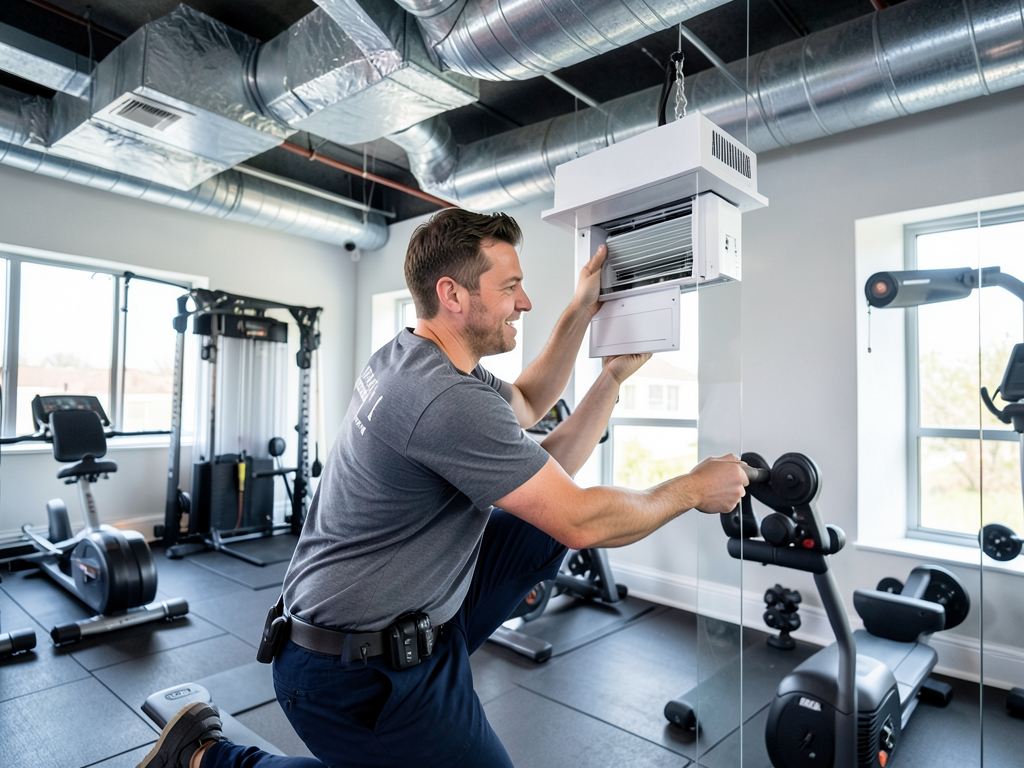
Building a Home Gym in Orono? Here's How to Keep It Comfortable Year-Round The Twin Cities climate makes home gym…

Adding HVAC to a New Home Gym or Yoga Studio in Orono

Building a Home Gym in Orono? Here's How to Keep It Comfortable Year-Round The Twin Cities climate makes home gym…

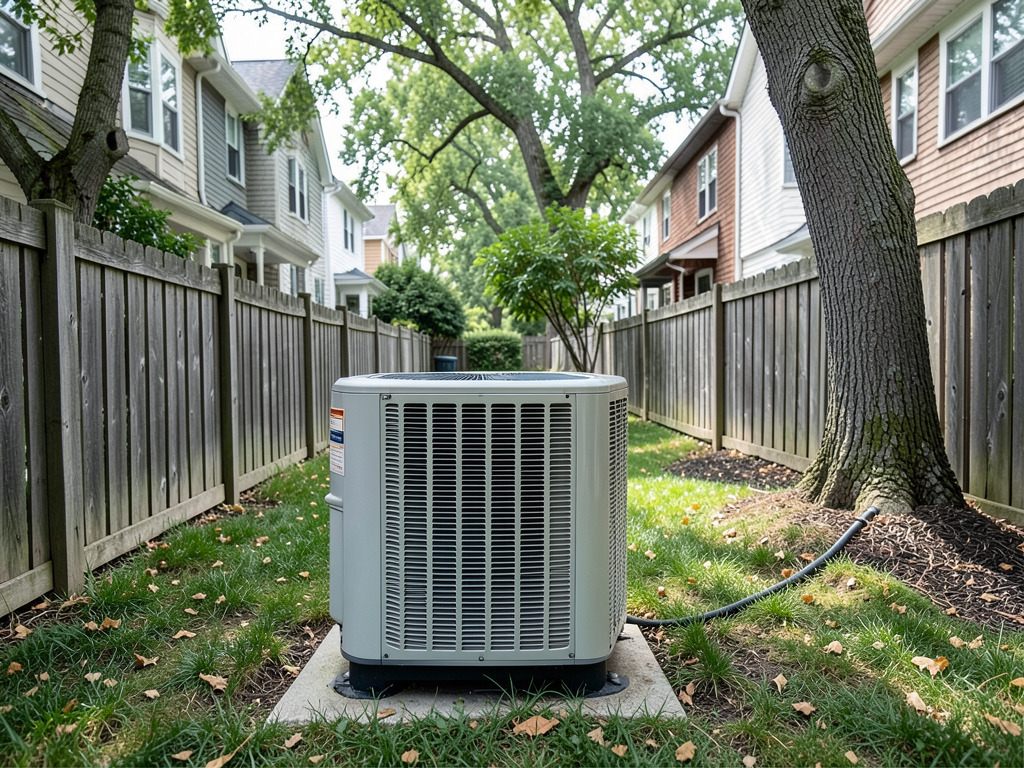
Soundproofing an Outdoor AC Unit for Small Backyards in Prospect Park

Living in Prospect Park means enjoying a tight-knit Minneapolis neighborhood where houses sit close together and outdoor spaces feel like…

Choosing Between 80% and 96% Efficiency Furnaces for Your First Minneapolis Home

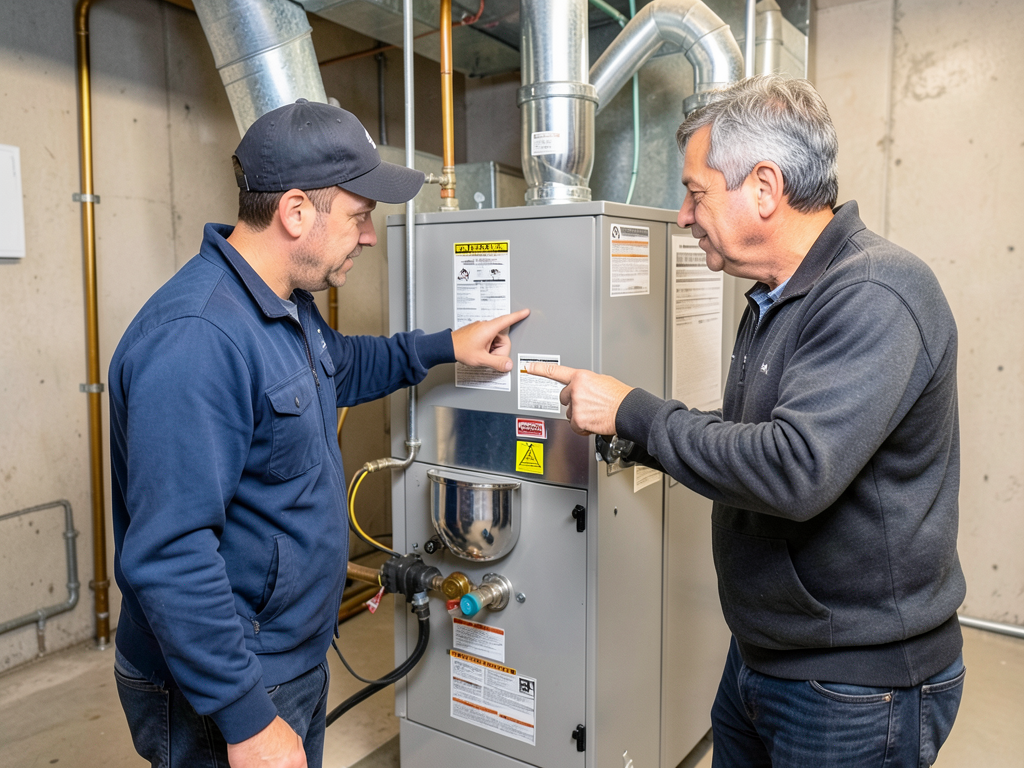
Choosing Between 80% and 96% Efficiency Furnaces for Your First Minneapolis Home Minneapolis winters are brutal and your furnace choice…

Contact Us

Your facility cannot afford contaminated ductwork. Call All Pro HVAC Minneapolis at (651) 588-9677 to schedule a system assessment. We provide fast, professional commercial duct cleaning that keeps your operations running and your facility compliant.