





Menu

Excess Dust in Home in Minneapolis – Fast HVAC Diagnostics Stop the Dust at the Source

All Pro HVAC Minneapolis identifies the exact system failure causing excessive house dust, from failing filters to ductwork leaks, and fixes it right the first time so you stop living in a dust cloud.

Slider Image 1
Slider Image 2
Slider Image 3
Slider Image 4
Slider Image 5
Slider Image 7
Slider Image 8
Slider Image 9
Slider Image 10
Slider Image 11

Why Minneapolis Homes Battle Constant Dust Buildup

You dust on Monday. By Wednesday, your shelves look like they have not been touched in weeks. You are vacuuming twice as often and still losing the battle against excessive house dust that settles on every surface. This is not normal, and you are right to be frustrated.

Minneapolis homes face a unique dust problem tied directly to our climate extremes. Winter heating cycles run six months straight, forcing dry air through your HVAC system at high velocity. This dry air carries more particulate matter and keeps it suspended longer. When your furnace runs constantly from November through March, any weakness in your duct system becomes a dust highway. Leaky return ducts pull in attic insulation fibers, construction debris from wall cavities, and fine particulate from crawlspaces.

Too much dust in home environments here also stems from our summer humidity swings. When outdoor air hits 80 percent humidity in July and your AC struggles to keep up, moisture interacts with dust particles and creates heavier buildup that settles faster on horizontal surfaces. Your air handler pulls in unconditioned air through gaps, carrying pollen, mold spores, and outdoor pollutants.

The heavy dust buildup you see is not a cleaning problem. It is a system integrity problem. Torn or missing air filters, undersized return air grilles, negative pressure imbalances, and deteriorating duct seals all contribute to unusually dusty home conditions. Minneapolis's temperature extremes accelerate these failures. Your HVAC system is supposed to filter and condition air, not distribute contamination.

Why Minneapolis Homes Battle Constant Dust Buildup
How We Diagnose and Stop Dust at the Mechanical Source

How We Diagnose and Stop Dust at the Mechanical Source

Most companies will sell you an expensive air purifier and call it solved. That treats a symptom, not the cause. All Pro HVAC Minneapolis runs a full-system diagnostic that identifies where dust enters and how your equipment distributes it.

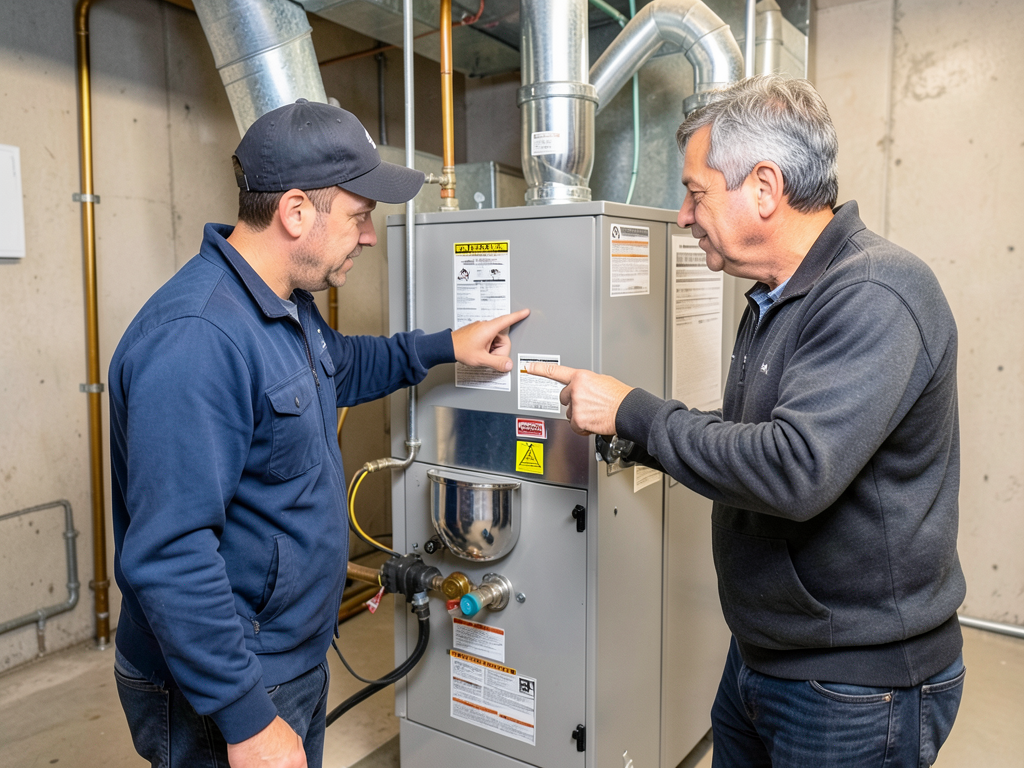
We start with a static pressure test across your duct system. This tells us if you have leaks, undersized returns, or blocked supply branches. High static pressure means your blower works harder and pulls unfiltered air through every crack in the system. We measure pressure drops at the filter rack, across the coil, and at each major duct junction. A balanced system operates between 0.3 and 0.8 inches of water column. Anything higher means you are pulling dust from places you should not.

Next, we inspect your filter fit and MERV rating. A filter that does not seal properly lets bypass air carry dust straight into your living space. We check for light gaps around the filter frame and verify the filter track is not warped. A MERV 8 filter catches large particles but misses fine dust. A MERV 11 or 13 filter captures more, but only if your blower motor can handle the increased resistance without overheating.

We visually inspect all accessible ductwork for disconnected joints, torn flex duct, and missing mastic at seams. We check your attic and crawlspace for negative pressure indicators like insulation pulled toward return vents. We examine your air handler cabinet for panel gaps and missing gaskets. We verify your outdoor air intake is properly filtered if you have an ERV or HRV system.

Then we assess your blower speed and airflow. An oversized blower moving air too fast stirs up settled dust inside ducts and keeps it airborne longer.

What Happens During Your Dust Source Assessment

Excess Dust in Home in Minneapolis – Fast HVAC Diagnostics Stop the Dust at the Source
01

System Pressure Mapping

We connect a digital manometer to multiple test ports across your HVAC system and measure static pressure differentials. This reveals hidden duct leaks, undersized return grilles, and airflow restrictions that pull unfiltered air into your ductwork. High pressure drops indicate your system is working against itself and pulling dust from wall cavities, attics, and crawlspaces. We document readings at the filter, supply plenum, return plenum, and key branch runs.
02

Filter and Seal Inspection

We remove your existing filter and inspect the track for warping, debris buildup, and proper sealing surfaces. We check for light leaks around the frame that allow bypass air to skip filtration entirely. We verify your current filter MERV rating matches your system capacity and measure the pressure drop across it. If your filter is undersized, installed backwards, or the wrong density for your blower motor, you are circulating unfiltered air through your home every time the system runs.
03

Ductwork and Blower Analysis

We visually inspect accessible ductwork for disconnected boots, torn flex duct, and missing sealant at joints. We check your blower wheel for dust accumulation that indicates filter bypass or outdoor air contamination. We measure supply air velocity to confirm your blower speed is not excessive. If you have an older system with a permanent split capacitor motor instead of an ECM, we verify the speed tap setting. This final assessment tells us if dust is being pulled in, stirred up, or both.

Why Minneapolis Homeowners Trust Local HVAC Expertise for Dust Problems

Dust problems in Minneapolis are not the same as dust problems in Phoenix or Houston. Our climate, housing stock, and construction methods create unique challenges that require local knowledge.

Most Minneapolis homes were built with heating as the priority. Cooling was an afterthought added later. This means duct systems were often sized for heating airflow, which is lower than cooling airflow. When you add central air conditioning to a heating-only duct system, you increase blower speed and static pressure. Higher pressure finds every crack and gap in your ductwork. Older homes in neighborhoods like Kenwood, Lowry Hill, and Tangletown have ductwork that was never sealed to modern standards. Metal trunk lines were assembled with sheet metal screws and no mastic. Flex duct connections were secured with duct tape, which fails after a few years of temperature cycling.

All Pro HVAC Minneapolis has worked in these homes for years. We know the common retrofit issues and how builders cut corners during the 1990s air conditioning boom. We understand how Minneapolis's freeze-thaw cycles crack duct seals in unconditioned attics and cause flex duct to separate from boots. We know which local HVAC companies installed systems correctly and which ones left messes behind.

We also understand Minnesota's energy code requirements for duct sealing and insulation. Current code requires all ductwork in unconditioned spaces to be sealed to less than 6 percent leakage and insulated to R-8. Older systems do not meet this standard, and every leak is a dust entry point. When we seal your ducts, we use mastic and fiberglass mesh that lasts decades, not foil tape that fails in three years.

You need someone who knows how to fix dust problems in homes with basement returns, main-floor supplies, and attic air handlers.

What to Expect When You Schedule a Dust Assessment

Same-Day and Next-Day Availability

We schedule most dust assessments within 24 hours of your call. This is not an emergency service, but we understand that living in constant dust affects your health and quality of life. Our diagnostic appointments typically run 60 to 90 minutes, depending on system complexity and home size. We work around your schedule, including evenings and weekends, so you do not need to take time off work. You will receive a call 30 minutes before arrival with a technician photo and name. We ask that you provide access to your mechanical room, attic access point, and crawlspace entry if applicable.

Comprehensive System Evaluation

Our technician performs a full-system pressure test, filter inspection, and visual duct assessment during the initial visit. We document all findings with photos and pressure readings. You receive a written report that explains what we found, why it causes dust issues, and what needs to be corrected. We prioritize repairs by impact, so you know what fixes the problem fastest. If your issue is a simple filter upgrade or seal repair, we often complete it the same day with your approval. More complex repairs like duct sealing or blower motor replacement are scheduled separately with a detailed scope and timeline.

Measurable Air Quality Improvement

Once we complete repairs, you will notice a reduction in visible dust within three to five days as existing particulate settles and is removed through normal cleaning. Most customers report a 60 to 80 percent reduction in dust accumulation on furniture and floors within two weeks. We verify our work by re-testing static pressure and confirming readings are within acceptable ranges. If you have a smart thermostat or air quality monitor, you will see measurable improvements in particulate counts. Your home will feel cleaner, your HVAC filters will last longer, and you will spend less time dusting and vacuuming.

Ongoing Maintenance and Filter Management

After we fix your dust source, we help you maintain the improvement. We provide a filter change schedule based on your specific system and household conditions. Homes with pets or high occupancy need more frequent changes. We offer filter delivery service so you always have the correct size and MERV rating on hand. We also recommend annual duct inspections to catch new leaks or seal failures before they become dust problems again. Proper maintenance keeps your system running efficiently and your home dust-free. We keep detailed service records so we can track system performance over time and catch problems early.

Frequently Asked Questions

You Have Questions,
We Have Answers

Why do I have so much dust in my house? +

Excess dust in your Minneapolis home comes from multiple sources. Leaky ductwork spreads particles through every room. Dirty air filters force your HVAC system to recirculate dust instead of trapping it. Gaps around windows and doors let in outdoor pollutants. Minneapolis homes face additional challenges from freeze-thaw cycles that create foundation cracks, allowing soil dust inside. Old insulation breaks down over time and releases fibers. Your furnace may also pull in dust from the basement or crawl space. Check your duct seals, replace filters monthly during heating season, and inspect weatherstripping around entry points.

How do I stop my house from getting so dusty? +

Stop dust by addressing your HVAC system first. Replace filters every 30 days during Minneapolis winters when furnaces run constantly. Seal duct leaks with mastic sealant, not tape. Clean supply and return vents quarterly. Run your furnace fan on continuous low speed to maintain air circulation and filtration. Seal gaps around windows and doors with weatherstripping. Install door sweeps on exterior doors. Vacuum with a HEPA filter twice weekly. Minimize clutter that collects particles. Have your ductwork professionally cleaned if you see visible dust buildup inside vents. These steps reduce airborne particles significantly.

Do air purifiers actually reduce dust? +

Air purifiers reduce airborne dust when sized correctly for your space. HEPA filters capture 99.97% of particles down to 0.3 microns, including dust mites, pollen, and dander. Place units in bedrooms and main living areas for best results. They supplement, not replace, your HVAC filtration system. In Minneapolis homes with forced air heating, purifiers work best alongside regular filter changes and duct maintenance. Choose units with Clean Air Delivery Rate (CADR) ratings appropriate for your square footage. Run them continuously during heating season. They help but cannot fix underlying ductwork problems or poor ventilation.

Is it unhealthy to live in a dusty house? +

Living in a dusty house triggers respiratory problems and allergies. Dust contains mites, mold spores, pet dander, and chemical particles that irritate airways. You may experience persistent coughing, itchy eyes, or sinus congestion. Children and those with asthma face higher risks. Dust mites thrive in Minneapolis humidity during summer months, making symptoms worse. Long-term exposure to high dust levels contributes to chronic inflammation. Fine particles penetrate deep into lungs, especially from deteriorating insulation or combustion byproducts. Address excessive dust promptly by improving filtration, sealing ducts, and maintaining your HVAC system to protect your family's health.

How Minneapolis's Six-Month Heating Season Accelerates Dust Problems

Minneapolis forces your furnace to run nearly 180 days per year, often cycling 8 to 12 times per hour on the coldest days. This constant airflow exposes every weakness in your duct system. A small gap in a return duct joint might pull in a few cubic feet of unfiltered air per cycle. Over six months, that small gap pulls in thousands of cubic feet of attic insulation fibers, wall cavity dust, and construction debris. Winter's low humidity keeps this dust airborne longer, so it circulates through your home multiple times before settling. Summer humidity in July and August adds a second problem when moisture causes dust to clump and settle faster on surfaces, making buildup more visible and harder to remove.

All Pro HVAC Minneapolis understands how our local climate and construction practices create dust issues. We have worked in homes across Uptown, Northeast, Highland Park, and South Minneapolis. We know which builders used proper duct sealing techniques and which ones relied on shortcuts that fail after a few years. We are familiar with Minneapolis's building code requirements for duct sealing in unconditioned spaces and can bring older systems up to current standards. When you hire local HVAC professionals who have diagnosed hundreds of dust problems in homes just like yours, you get solutions that work the first time and last through our extreme seasonal temperature swings.

HVAC Services in The Minneapolis Area

All Pro HVAC is conveniently located to serve the Minneapolis area and surrounding communities effectively. We invite you to view our service area on the map below, helping you visualize our reach and confirm that we are readily available to provide our expert heating, ventilation, and air conditioning services right to your doorstep, ensuring your comfort is always within reach.

Address:
All Pro HVAC Minneapolis, 1 W Franklin Ave, Minneapolis, MN, 55404

Additional Services We Offer

Our news updates

Latest Articles & News from The Blogs

Building a Home Gym in Orono? Here's How to Keep It Comfortable Year-Round The Twin Cities climate makes home gym…

Adding HVAC to a New Home Gym or Yoga Studio in Orono

Building a Home Gym in Orono? Here's How to Keep It Comfortable Year-Round The Twin Cities climate makes home gym…

Soundproofing an Outdoor AC Unit for Small Backyards in Prospect Park

Living in Prospect Park means enjoying a tight-knit Minneapolis neighborhood where houses sit close together and outdoor spaces feel like…

Choosing Between 80% and 96% Efficiency Furnaces for Your First Minneapolis Home

Choosing Between 80% and 96% Efficiency Furnaces for Your First Minneapolis Home Minneapolis winters are brutal and your furnace choice…

Contact Us

Call All Pro HVAC Minneapolis at (651) 588-9677 right now to schedule your dust source assessment. We will identify the exact failure in your system and fix it so you can finally stop dusting every other day.