




Menu

Outdoor Unit Not Spinning in Minneapolis – Expert Diagnosis and Fast Repair

When your air conditioner outdoor fan stops running, you need trained technicians who understand outdoor unit not spinning issues and can restore cooling fast in Minneapolis homes.

Slider Image 1
Slider Image 2
Slider Image 3
Slider Image 4
Slider Image 5
Slider Image 7
Slider Image 8
Slider Image 9
Slider Image 10
Slider Image 11

Why Your AC Condenser Fan Stopped Working in Minneapolis

You walk outside to check your air conditioner. The compressor hums, but the fan blade sits motionless. The outdoor unit fan not running is one of the most common cooling failures Minneapolis homeowners face during summer heat waves.

When your condenser fan is not spinning, your entire system overheats. The compressor works harder, refrigerant pressure spikes, and your electric bill climbs while indoor temperatures rise. The outside AC fan not turning means heat cannot escape from the refrigerant loop, which forces your system into safety shutdown mode.

Minneapolis summers combine high humidity with temperatures that regularly push into the 90s. This climate puts extra strain on condenser fans, which must run continuously during peak cooling hours. The freeze-thaw cycles from brutal Minnesota winters also damage fan motor bearings and capacitors during the off-season.

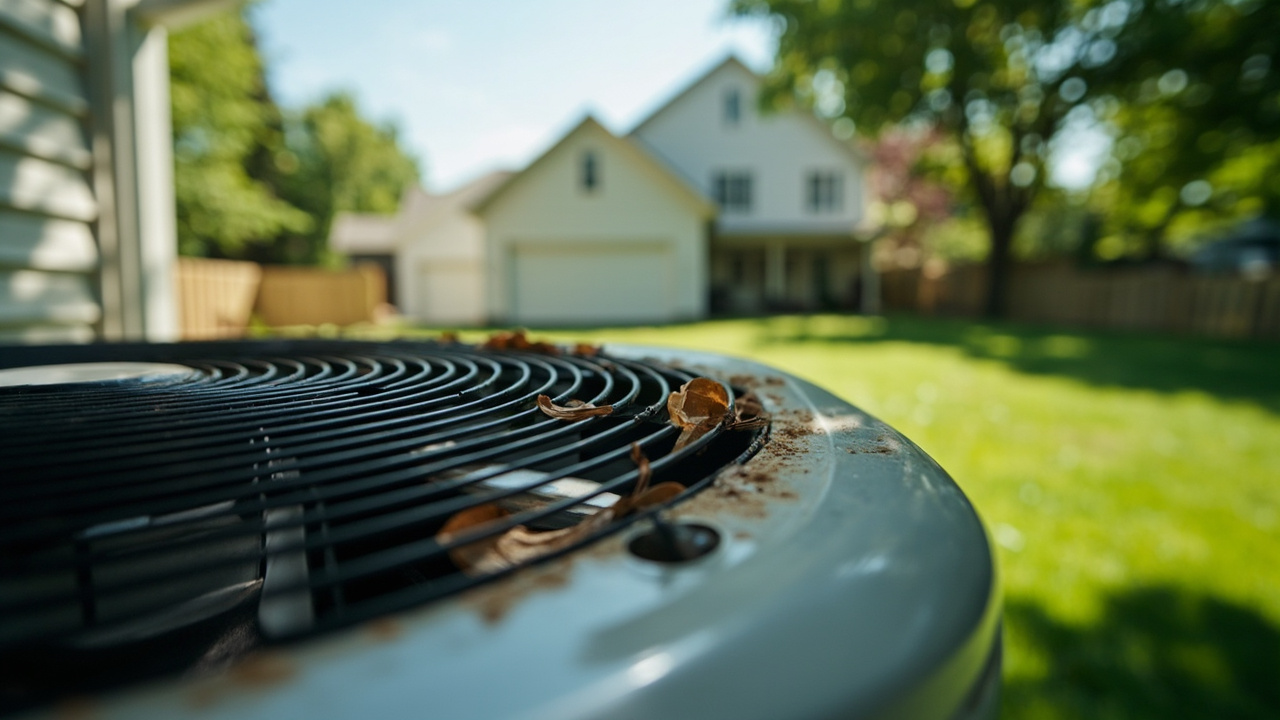
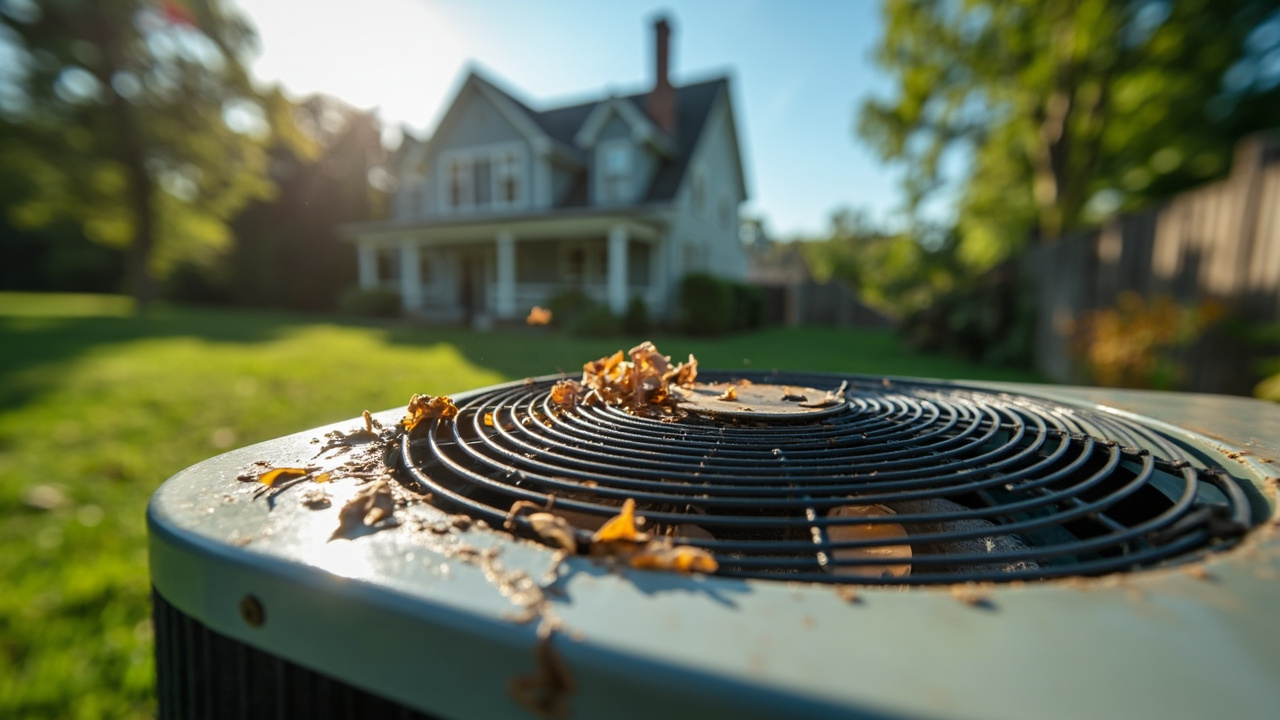
When your air conditioner outdoor fan is not running, the problem usually traces back to four components. A failed start capacitor is the most common culprit, followed by seized motor bearings, a tripped contactor, or a burned-out fan motor. Outdoor debris like cottonwood seeds and maple spinners clog the fan housing in Minneapolis, which restricts blade movement and strains the motor until it fails.

The AC condenser fan not working creates a cascade of problems. Your compressor cycles on thermal overload. Indoor coils freeze from restricted airflow. Refrigerant pressures go out of range. What starts as a simple fan issue becomes a multi-component failure if you wait too long to address it.

Why Your AC Condenser Fan Stopped Working in Minneapolis
How We Fix Condenser Fans That Stop Spinning

How We Fix Condenser Fans That Stop Spinning

When you call All Pro HVAC Minneapolis about your outdoor unit not spinning, we start with electrical diagnostics. Our technicians check voltage at the contactor, measure capacitor microfarad ratings against factory specs, and test the fan motor windings for shorts or opens. We use digital multimeters and clamp ammeters to isolate the exact failure point before recommending any parts.

If your condenser fan is not spinning due to a bad capacitor, we match the replacement to your specific compressor and fan motor requirements. Capacitors are rated by microfarads and voltage tolerance. Using the wrong capacitor creates hard starting, motor overheating, and premature failure. We verify the original equipment specifications and install exact-match components.

Seized bearings require fan motor replacement. We remove the old motor, check the fan blade for cracks or imbalance, and install a permanent split capacitor motor with the correct horsepower and rotation speed. Minneapolis humidity causes bearing corrosion during winter storage, which explains why many condenser fans fail during first startup in late spring.

When the outside AC fan is not turning because of a failed contactor, we replace the entire relay assembly. Contactors develop pitting on the contact points after years of daily cycling. This creates resistance, heat buildup, and eventual welding or failure to close. We install contractor-grade contactors rated for residential HVAC applications, not the cheap aftermarket versions that fail within months.

Our diagnostic approach saves you money. We find the root cause instead of replacing parts randomly. When your air conditioner outdoor fan is not running, we explain exactly what failed, why it failed, and what you need to prevent the next breakdown.

What Happens When We Service Your Non-Spinning Outdoor Unit

Outdoor Unit Not Spinning in Minneapolis – Expert Diagnosis and Fast Repair
01

Initial Electrical Testing

We arrive with diagnostic equipment and check power supply to your condensing unit. Our technicians verify voltage at the disconnect, test the contactor for proper closure, and measure current draw on both fan and compressor circuits. This electrical baseline tells us whether the problem is mechanical, electrical, or control-related before we open any panels.
02

Component Diagnosis

After confirming power delivery, we test the start capacitor with a dedicated capacitance meter. We check fan motor resistance across all windings, inspect the blade for damage or obstruction, and manually rotate the shaft to detect bearing failure. This systematic approach identifies whether your condenser fan stopped because of capacitor failure, motor burnout, or mechanical binding.
03

Repair and Testing

Once we isolate the failed component, we install the replacement part and reassemble your outdoor unit. We energize the system and verify proper fan rotation, measure operating amperage against nameplate specifications, and monitor system pressures to confirm normal operation. You see your condenser fan spinning smoothly before we leave, and we explain what caused the failure and how to prevent future issues.

Why Minneapolis Homeowners Choose Local HVAC Experts

When your outdoor unit stops spinning during a Minneapolis heat wave, you need technicians who understand local equipment challenges. All Pro HVAC Minneapolis specializes in condensing unit repairs for the brands and models common to Minnesota homes. We stock the capacitors, contactors, and fan motors that fit Carrier, Trane, Lennox, and Rheem systems installed throughout Hennepin County.

Minneapolis building codes require proper electrical disconnects and adequate clearance around outdoor units. We verify code compliance during every service call and flag potential violations that could affect your homeowner's insurance or future home sales. Our technicians know the difference between Minneapolis mechanical code requirements and general industry standards.

The extreme temperature swings in Minneapolis create specific failure patterns. Capacitors degrade faster here because of winter cold and summer heat cycling. Fan motor bearings corrode during humid spring weather after sitting idle all winter. We see these patterns daily and stock the parts that fail most often in our climate zone.

Our response time matters when your AC stops working in July. We dispatch technicians from our Minneapolis location, which means faster arrival times than national chains routing trucks from distant suburbs. When your condenser fan is not spinning and indoor temperatures climb past 80 degrees, you need someone who arrives in hours, not days.

We explain repairs in plain language. You learn what failed, why it failed, and what you can do to extend the life of your equipment. Our technicians provide written estimates before starting work and show you the failed parts after removal. This transparency builds trust and helps you make informed decisions about repair versus replacement.

What to Expect During Condenser Fan Repair

Same-Day Service Availability

We schedule most outdoor unit fan repairs within 24 hours of your call. Our technicians carry common capacitors and contactors on their trucks, which allows us to complete many repairs during the first visit. When your outside AC fan is not turning, we prioritize your call during hot weather because we know how quickly indoor temperatures rise without working air conditioning. Emergency slots are available for heat waves when vulnerable family members are at risk from extreme indoor temperatures.

Complete System Evaluation

Our diagnostic process goes beyond just the fan motor. We check refrigerant pressures, measure superheat and subcooling, inspect electrical connections for corrosion or looseness, and verify proper thermostat operation. This comprehensive evaluation catches problems before they become expensive failures. Many times a condenser fan stops spinning because of a separate electrical issue that affects multiple components. We find these hidden problems during our initial assessment and give you a complete picture of your system's condition.

Reliable Parts and Workmanship

We install OEM-equivalent parts that match your equipment manufacturer's specifications. Capacitors meet exact microfarad ratings and voltage tolerances. Fan motors match horsepower, rotation speed, and shaft dimensions. Contactors are rated for the electrical load of your specific condensing unit. This attention to specification matching prevents premature failure and ensures your repaired system operates as efficiently as it did when new. You get parts that last, not cheap substitutes that fail during the next cooling season.

Preventive Maintenance Recommendations

After repairing your condenser fan, we provide maintenance guidance specific to Minneapolis conditions. You learn how often to rinse cottonwood debris from the fan housing, when to schedule spring startup service, and which warning signs indicate developing problems. We explain how winter storage preparation protects fan motor bearings from corrosion during our long off-season. This education helps you avoid repeat failures and extends the life of your outdoor unit components.

Frequently Asked Questions

You Have Questions,
We Have Answers

Why is my outside AC not spinning? +

Your outside AC unit may not spin due to a failed capacitor, burned-out fan motor, or tripped breaker. The capacitor stores energy to start the motor, and when it fails, the fan cannot turn. A locked compressor or frozen coils can also prevent spinning. In Minneapolis, spring startup issues often stem from capacitor failure after sitting idle through harsh winters. Dirt and debris trapped in the unit during fall can jam the blades. Do not force the blades by hand. Turn off power at the breaker and call a licensed technician to diagnose the exact cause.

What is the problem if the fan is not spinning? +

A non-spinning fan signals electrical failure or mechanical blockage. The capacitor may be dead, preventing motor startup. The fan motor itself may have burned windings from age or overheating. Loose wiring or a blown fuse in the disconnect box can cut power to the fan. Physically, debris like leaves or cottonwood seeds common in Minneapolis can jam the blades. A seized fan bearing also stops rotation. If the compressor runs but the fan does not, the system cannot dissipate heat and will overheat. Immediate diagnosis prevents compressor damage.

Why is my AC unit humming but not spinning? +

A humming AC unit without spinning indicates the compressor tries to run but the fan motor is stuck or failing. The capacitor may be weak, providing insufficient voltage to start the fan. The motor may be seized due to worn bearings or internal failure. You hear the hum because the compressor energizes but cannot cycle refrigerant without airflow. This condition causes overheating and will damage the compressor if left running. Shut off the system immediately to prevent a costly compressor replacement. A technician must test the capacitor and motor.

How to fix AC unit outside fan not working? +

Turn off power at the breaker and the outdoor disconnect switch. Check for visible debris blocking the fan blades. Remove any leaves, grass, or cottonwood fluff common in Minneapolis yards. Inspect the capacitor for bulging or leaking, a sign of failure. Test voltage at the contactor to confirm power reaches the motor. If the motor hums but does not spin, the capacitor or motor needs replacement. Do not attempt electrical repairs without proper tools and knowledge. Contact a licensed HVAC technician to safely replace components and restore airflow.

Should I turn off my AC if the fan isn't spinning? +

Yes, turn off your AC immediately if the fan stops spinning. Without the fan, the condenser coil cannot release heat, causing the compressor to overheat. Continued operation risks compressor failure, which costs thousands to replace. Turn off the system at the thermostat and the breaker to prevent cycling. The compressor may still try to run without the fan, building dangerous pressure. In Minneapolis, running a system with a failed fan during summer heat accelerates damage. Call a technician the same day to diagnose and repair the issue before attempting to restart.

What is the $5000 rule for AC? +

The $5000 rule helps homeowners decide between AC repair and replacement. If repair costs multiplied by the system age in years exceed $5000, replace the unit. For example, a $500 repair on a 12-year-old system equals $6000, suggesting replacement. This rule accounts for diminishing returns on aging equipment. Older systems have lower efficiency and higher ongoing repair risk. In Minneapolis, where AC units endure harsh freeze-thaw cycles, systems older than 12 years often justify replacement. Newer units offer better SEER ratings, reducing summer cooling costs and improving reliability.

How do I know if my fan motor is blown? +

A blown fan motor shows specific symptoms. The motor may hum without spinning, indicating internal winding failure or seized bearings. You may smell burning insulation from overheated windings. The motor housing feels excessively hot to touch. Visually, the capacitor may bulge or leak, but the motor itself has failed. Use a multimeter to test motor windings for continuity. If windings read infinite resistance or short to ground, the motor is dead. In Minneapolis, motors often fail after 10 to 15 years due to freeze-thaw stress and summer overwork.

Can you spray WD-40 in a fan motor? +

No, never spray WD-40 into an AC fan motor. WD-40 is a solvent, not a lubricant, and will damage motor bearings by washing away proper grease. Modern condenser fan motors use sealed bearings requiring no maintenance. Older motors with oil ports need specific electric motor oil, not penetrating spray. WD-40 attracts dust and gums up internal components. If your motor squeals or seizes, it needs replacement, not temporary fixes. In Minneapolis, attempting DIY motor lubrication often worsens problems. Call a technician to assess whether the motor requires replacement or proper service.

Does putting ice in front of a fan work? +

Placing ice in front of a fan creates a temporary cooling effect but does not replace AC. The fan blows air across melting ice, lowering air temperature slightly through evaporative cooling. This works for small spaces but cannot dehumidify or cool a whole home like an AC system. In Minneapolis, summer humidity makes this method less effective, as the air already carries moisture. If your AC fan is not spinning and you need temporary relief, use fans with ice while waiting for repairs. This is a stopgap, not a solution.

What is the 3 minute rule for AC? +

The 3-minute rule prevents compressor damage from short cycling. After shutting off your AC, wait at least 3 minutes before restarting. This delay allows refrigerant pressures to equalize between the high and low sides of the system. Restarting too quickly forces the compressor to start against high pressure, straining the motor and potentially damaging the compressor. Modern thermostats often have built-in delay timers. In Minneapolis, power outages during summer storms can cause rapid cycling. Always wait several minutes after power restoration before letting the AC restart to protect the compressor.

How Minneapolis Climate Extremes Cause Condenser Fan Failures

Minneapolis experiences temperature swings from minus 20 in January to 95 degrees in July. This 115-degree annual range stresses every component in your outdoor unit. Capacitors lose capacitance from repeated thermal cycling. Fan motor bearings corrode during humid spring thaws after sitting motionless through sub-zero winters. The condensing unit sits exposed to ice, snow, rain, and intense summer sun, which degrades electrical connections and causes premature wear. When your condenser fan stops spinning, the failure often traces back to damage accumulated during Minnesota's harsh seasonal transitions.

Minneapolis mechanical codes require outdoor units to sit on elevated pads that prevent ice damage and ensure proper drainage. Our technicians verify installation compliance during every service call because improper mounting causes premature fan motor failure from water intrusion and ice formation. We understand local inspection requirements for condensing unit installations and can identify code violations that affect system longevity. Choosing a Minneapolis-based HVAC company means working with technicians who know the specific challenges of maintaining cooling equipment in our extreme climate zone.
HVAC Services in The Minneapolis Area

All Pro HVAC is conveniently located to serve the Minneapolis area and surrounding communities effectively. We invite you to view our service area on the map below, helping you visualize our reach and confirm that we are readily available to provide our expert heating, ventilation, and air conditioning services right to your doorstep, ensuring your comfort is always within reach.

Address:
All Pro HVAC Minneapolis, 1 W Franklin Ave, Minneapolis, MN, 55404

Additional Services We Offer

Our news updates

Latest Articles & News from The Blogs

Building a Home Gym in Orono? Here's How to Keep It Comfortable Year-Round The Twin Cities climate makes home gym…

Adding HVAC to a New Home Gym or Yoga Studio in Orono

Building a Home Gym in Orono? Here's How to Keep It Comfortable Year-Round The Twin Cities climate makes home gym…

Soundproofing an Outdoor AC Unit for Small Backyards in Prospect Park

Living in Prospect Park means enjoying a tight-knit Minneapolis neighborhood where houses sit close together and outdoor spaces feel like…

Choosing Between 80% and 96% Efficiency Furnaces for Your First Minneapolis Home

Choosing Between 80% and 96% Efficiency Furnaces for Your First Minneapolis Home Minneapolis winters are brutal and your furnace choice…

Contact Us

Your home should be comfortable, not sweltering. Call All Pro HVAC Minneapolis at (651) 588-9677 right now for fast condenser fan repair. We diagnose the problem accurately and restore your cooling system quickly.