




Menu

Benefits of Inverter Technology in Minneapolis – Cut Your Energy Bills by Up to 40% While Staying Comfortable Year-Round

Minneapolis homeowners are discovering how inverter technology transforms heating and cooling efficiency, slashing utility costs while delivering precise temperature control through brutal winters and humid summers. Learn why variable speed systems outperform traditional HVAC in extreme climates.

Slider Image 1
Slider Image 2
Slider Image 3
Slider Image 4
Slider Image 5
Slider Image 7
Slider Image 8
Slider Image 9
Slider Image 10
Slider Image 11

Why Minneapolis Climate Demands Smarter HVAC Technology

Minneapolis throws everything at your HVAC system. You face subzero January mornings that hit -20°F, then sweltering July afternoons pushing 95°F with oppressive humidity rolling off the Mississippi River. Traditional single-stage systems run full blast or shut off completely, cycling dozens of times per day. Each startup surge burns massive energy. Each shutdown leaves you in temperature limbo.

This constant on-off pattern murders efficiency. Your compressor works hardest during those startup moments, drawing peak amperage every single cycle. In Minnesota's 7,000+ heating degree days and humid summer months, that adds up to staggering utility bills. The advantages of inverter air conditioners become crystal clear when you realize they eliminate this wasteful cycling entirely.

Variable speed compressor benefits show up immediately in your comfort level. Instead of blasting cold air until the thermostat clicks off, inverter technology adjusts output continuously. Your system runs at 40% capacity on mild September evenings, then ramps to 100% when Arctic air slams through in February. This constant modulation means zero temperature swings, zero hot spots near south-facing windows, and zero cold drafts when the system restarts.

Inverter HVAC energy efficiency shines brightest during shoulder seasons. Traditional systems short-cycle constantly in spring and fall, running for 3 minutes, shutting off for 7, repeating endlessly. Inverter systems maintain a steady 30-50% output, using a fraction of the energy while keeping every room within one degree of your setpoint. The pros of inverter heat pumps become undeniable when you compare monthly bills against your neighbors running conventional equipment.

Why Minneapolis Climate Demands Smarter HVAC Technology
How Inverter Technology Delivers Superior Performance

How Inverter Technology Delivers Superior Performance

The core difference sits in the compressor motor control. Traditional systems use single-speed induction motors. They run at 3,600 RPM or nothing. Inverter systems use DC brushless motors controlled by variable frequency drives. The VFD adjusts electrical frequency from 15Hz to 90Hz, allowing compressor speeds from 800 RPM to 5,400 RPM.

This variable speed operation changes everything about refrigerant management. At low speeds, refrigerant moves slowly through the evaporator coil, maximizing heat exchange time. Your indoor coil pulls more BTUs per pound of refrigerant flow. The outdoor condenser operates below ambient noise levels. You get better dehumidification because longer coil contact time means more moisture removal per cycle.

When demand increases, the inverter ramps motor frequency smoothly. The compressor accelerates gradually over 30-60 seconds instead of slamming to full speed in 2 seconds. This soft-start approach reduces mechanical stress on bearings, valves, and scroll components. Your equipment lasts longer. Fewer service calls. Lower lifetime ownership costs.

The inverter technology power savings compound through Minnesota's temperature extremes. During a cold snap, traditional heat pumps hit their balance point around 30°F and switch to expensive electric resistance strips. Quality inverter heat pumps maintain efficient vapor compression down to -15°F by spinning the compressor faster and adjusting refrigerant injection timing. You avoid auxiliary heat penalties that can double your heating costs during the coldest weeks.

The system intelligence extends beyond the compressor. Inverter platforms adjust fan speeds independently, optimizing airflow for current load conditions. Low-speed operation maintains air circulation without the temperature overshoot that triggers conventional thermostats to cut power. Your home stays comfortable without the energy waste.

What Happens When You Upgrade to Inverter Technology

Benefits of Inverter Technology in Minneapolis – Cut Your Energy Bills by Up to 40% While Staying Comfortable Year-Round
01

System Assessment and Load Calculation

We perform Manual J load calculations specific to your home's envelope, insulation values, window orientation, and infiltration rates. This determines the precise capacity range your inverter system needs. Minneapolis homes built before 1980 often have different requirements than newer construction near Lake Calhoun. We measure existing ductwork static pressure and identify any restrictions that would limit variable speed performance. Proper sizing ensures your inverter system operates in its optimal efficiency range.
02

Equipment Selection and Installation Planning

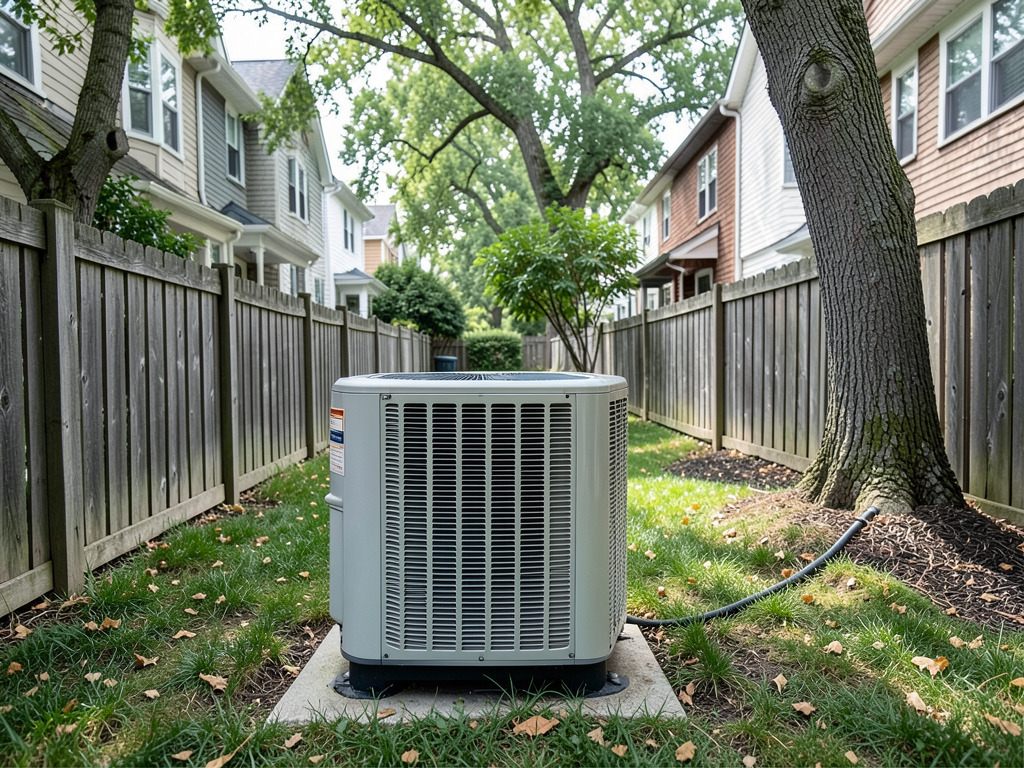
We match inverter equipment to your specific needs, considering Minneapolis climate data and your usage patterns. The installation plan addresses refrigerant line sizing, which differs from traditional systems due to variable refrigerant flow rates. We verify electrical service capacity because inverter systems require different circuit protection than fixed-speed units. Proper outdoor unit placement matters more with inverter technology since these systems run continuously at varying outputs rather than cycling on and off.
03

Commissioning and Performance Optimization

After installation, we program the inverter controller for your home's thermal characteristics and your comfort preferences. This includes setting ramp rates, minimum and maximum frequencies, and defrost cycle parameters for Minnesota winter operation. We verify refrigerant charge across the operating range using subcooling and superheat measurements at multiple compressor speeds. You receive training on the advanced thermostat features that let you maximize inverter technology power savings while maintaining comfort through every season.

Why Minneapolis Homeowners Choose Local Inverter Expertise

Inverter technology requires different installation standards than traditional HVAC. The variable frequency drives generate electrical noise that can interfere with home automation systems if not properly grounded. Refrigerant line sets need larger liquid lines and proper oil return management because flow rates change constantly. These details matter in Minneapolis where systems run year-round under heavy load.

We understand Minnesota electrical codes that govern VFD installations. Your inverter system needs dedicated circuits with specific wire gauges and proper grounding to the service panel. Outdoor disconnects require different amp ratings than conventional equipment. Getting this wrong means nuisance breaker trips or premature control board failures. Local building inspectors in Minneapolis know what to look for in inverter installations. We ensure your system passes inspection the first time.

The advantages of inverter air conditioners multiply when installed correctly for this climate. We account for snow load on outdoor units, positioning them where drifting won't block airflow or bury the cabinet. We know which inverter models handle our temperature extremes reliably. Some inverter systems marketed nationally struggle when outdoor temps drop below zero. We install equipment proven in Minnesota conditions, not just specifications that look good in marketing materials.

Service matters after installation. Inverter systems require technicians who understand VFD diagnostics, refrigerant charge verification across operating ranges, and control sequence troubleshooting. A technician who only knows fixed-speed systems will misdiagnose inverter issues, replacing expensive components unnecessarily. Our team trains specifically on inverter technology, using manufacturer diagnostic tools that read fault codes, compressor speeds, and real-time power consumption.

You also get guidance on maximizing your investment. We help you understand how thermostat setback strategies differ with inverter systems compared to traditional equipment. The optimal approach changes because inverter systems recover from setback more efficiently than single-stage units.

What to Expect from Your Inverter HVAC System

Immediate Comfort Improvement and Quieter Operation

You notice the difference within hours of startup. Temperature swings disappear. Hot and cold spots vanish. The system runs so quietly you will check to make sure it is actually operating. At low speeds, inverter systems produce 35-45 decibels indoors, quieter than a refrigerator. Outdoor noise drops to conversation level instead of the disruptive roar of traditional compressor startups. Your bedroom stays consistently comfortable without the temperature roller coaster that disrupts sleep. Humidity control improves dramatically during Minneapolis summers because longer run times at lower speeds remove more moisture than short bursts of maximum cooling.

Energy Bill Reduction Within First Month

Your first utility bill after inverter installation shows measurable savings. Most Minneapolis homeowners see 25-40% reduction in HVAC energy costs compared to their old system. The savings scale with your usage. If you previously spent $200 monthly cooling your home in July and August, expect that to drop to $120-140. Winter heating bills decrease even more dramatically if you upgrade from electric resistance heat or an aging furnace. The inverter system payback period typically runs 5-8 years in Minnesota climate, faster if you are replacing a system over 12 years old. Track your consumption through your utility's online portal to see exactly how much you are saving.

Extended Equipment Lifespan and Reliability

Inverter systems last longer than traditional HVAC because they avoid the mechanical stress of constant startups. The soft-start operation means bearings, valves, and electrical contacts endure far less wear. You can expect 18-22 years of service life from quality inverter equipment, compared to 12-15 years for conventional systems. The variable speed operation also means fewer service calls. There is no hard-starting capacitor to fail. No contactor to pit and burn. The compressor runs continuously at varying speeds rather than cycling violently. This translates to lower maintenance costs and fewer emergency breakdowns during temperature extremes when you need your system most.

Ongoing Support and System Optimization

We provide regular maintenance tailored to inverter technology. Annual service includes VFD inspection, control board firmware updates when available, and refrigerant charge verification across the compressor's operating range. We monitor system runtime data to ensure your equipment operates within design parameters. If your inverter spends too much time at maximum capacity, we investigate whether ductwork improvements or insulation upgrades would improve performance. You receive guidance on thermostat programming adjustments as seasons change. We also track your energy savings over time, comparing actual consumption against projections to verify you are getting the expected return on your investment.

Frequently Asked Questions

You Have Questions,
We Have Answers

What are the benefits of inverter technology? +

Inverter technology adjusts compressor speed to match your exact heating or cooling demand. Instead of turning on and off repeatedly, the system runs continuously at variable speeds. This means lower energy bills, fewer temperature swings, and quieter operation. In Minneapolis, where winters push furnaces hard and summers spike cooling loads, inverter systems adapt efficiently to both extremes. You save 20 to 40 percent on energy costs compared to single-stage systems. Inverter units also handle humidity better and extend equipment lifespan by reducing wear from constant startup cycles.

What is the disadvantage of an inverter? +

Inverter systems cost more upfront than traditional units. The initial purchase and installation price can run 15 to 30 percent higher. Repair costs are also steeper because the variable-speed compressor and control boards are more complex. If a component fails, replacement parts and specialized labor cost more. In Minneapolis, you need a technician trained on inverter systems, and not all HVAC contractors have that expertise. You also need compatible ductwork and proper sizing. If your existing setup needs major modifications, that adds to the installation expense.

What should you not plug into an inverter? +

Never plug heat-producing appliances like space heaters, hair dryers, or curling irons into an inverter. These draw massive surge currents that exceed most inverter capacities. Laser printers and microwaves also spike power demand during startup, which can overload or damage the inverter. Power tools with induction motors, like circular saws and drills, create voltage spikes that harm inverter circuits. Medical equipment requiring pure sine wave power should only use inverters rated for that output. Always check the wattage rating on your inverter and the startup surge requirements of the device before connecting it.

Which one is better, AC or inverter? +

Inverter AC systems outperform traditional AC units in energy efficiency and comfort. A standard AC runs at full capacity until it shuts off, wasting energy and creating temperature swings. An inverter AC modulates compressor speed to maintain steady temperatures, cutting energy use by up to 40 percent. For Minneapolis homes facing subzero winters and humid summers, inverter systems adapt to both heating and cooling loads more effectively. You get quieter operation, better humidity control, and longer equipment life. The higher upfront cost pays back through lower utility bills and fewer repairs over time.

Can an inverter run a fridge? +

Yes, an inverter can run a refrigerator, but you need the right size inverter and battery capacity. Most refrigerators draw 100 to 800 watts while running, but startup surge can hit 2,000 watts or more. You need a pure sine wave inverter rated for at least triple the running wattage to handle that surge. In Minneapolis, where power outages happen during winter storms, a 2,000-watt inverter with a deep-cycle battery can keep a fridge running for several hours. Calculate your fridge's wattage and match it to inverter capacity before relying on it during an outage.

How long will a 12V battery last with an inverter? +

Battery runtime depends on inverter load and battery capacity. A 12V 100Ah deep-cycle battery delivers about 1,200 watt-hours of usable energy. If you draw 100 watts, expect 10 to 12 hours of runtime. At 500 watts, you get roughly 2 hours. Lead-acid batteries should not discharge below 50 percent capacity to avoid damage. In Minneapolis winter conditions, cold temperatures reduce battery efficiency by 20 to 30 percent, shortening runtime. Always size your battery bank based on actual wattage draw and factor in temperature losses if you store batteries in an unheated garage or basement.

Why Minneapolis Temperature Extremes Make Inverter Technology Essential

Minneapolis experiences a 115-degree annual temperature swing from typical winter lows around -15°F to summer highs near 95°F. Traditional fixed-speed systems either size for peak load and short-cycle constantly during mild weather, or undersize for efficiency and struggle during temperature extremes. Inverter technology solves this impossible compromise by adjusting capacity across a 3:1 or 4:1 range. Your system delivers 18,000 BTUs on a 50-degree October afternoon, then ramps to 60,000 BTUs when January delivers subzero wind chills. This flexibility matters enormously in a climate where you need both heating and cooling performance within the same equipment.

Minneapolis building inspectors and local HVAC codes have adapted to inverter technology adoption. The city recognizes these systems require different installation standards than traditional equipment, particularly regarding electrical service and refrigerant line sizing. Working with local contractors who understand these requirements ensures your installation meets code and performs reliably. We maintain relationships with inspectors throughout Hennepin County and stay current on evolving standards for variable speed equipment. This local expertise protects your investment and ensures you get the full advantages of inverter air conditioners without installation shortcuts that compromise performance or void manufacturer coverage.
HVAC Services in The Minneapolis Area

All Pro HVAC is conveniently located to serve the Minneapolis area and surrounding communities effectively. We invite you to view our service area on the map below, helping you visualize our reach and confirm that we are readily available to provide our expert heating, ventilation, and air conditioning services right to your doorstep, ensuring your comfort is always within reach.

Address:
All Pro HVAC Minneapolis, 1 W Franklin Ave, Minneapolis, MN, 55404

Additional Services We Offer

Our news updates

Latest Articles & News from The Blogs

How Your St. Paul Pets are Secretly Impacting Your HVAC System Performance Your furry friends bring joy to your St.…

How Your St. Paul Pets are Secretly Impacting Your HVAC System Performance

How Your St. Paul Pets are Secretly Impacting Your HVAC System Performance Your furry friends bring joy to your St.…

When to Change Your Air Filter During the High Pollen Season in Shorewood

When to Change Your Air Filter During the High Pollen Season in Shorewood Spring in Shorewood brings blooming trees and…

Why Low Humidity is Hurting Your Health and Your Furniture in Inver Grove Heights

Why Low Humidity is Hurting Your Health and Your Furniture in Inver Grove Heights Winter in Inver Grove Heights means…

Contact Us

Stop wasting money on outdated HVAC technology. Call (651) 588-9677 now for a free inverter system assessment. We will calculate your potential energy savings and show you exactly how variable speed technology transforms comfort and efficiency in Minneapolis climate. Schedule your consultation today.