




Menu

Winterizing Your HVAC System in Minneapolis | Avoid Costly Mid-Winter Breakdowns

Protect your heating system from Minneapolis's brutal freeze-thaw cycles with comprehensive winterization that prevents emergency failures when temperatures drop below zero.

Slider Image 1
Slider Image 2
Slider Image 3
Slider Image 4
Slider Image 5
Slider Image 7
Slider Image 8
Slider Image 9
Slider Image 10
Slider Image 11

Why Minneapolis Winter Conditions Destroy Unprepared HVAC Systems

Minneapolis winters are not forgiving. Your heating system faces temperature swings from 40 degrees down to negative 20 in less than 24 hours. These freeze-thaw cycles put stress on heat exchangers, ignition systems, and blower motors that systems in milder climates never experience.

When your furnace quits at 2 a.m. on a January night when it is negative 15 outside, you are looking at frozen pipes within hours. The damage compounds fast. Getting your heating system ready for winter is not optional in Minneapolis. It is essential protection against catastrophic failure during the coldest months.

Minneapolis's housing stock includes many older homes with original HVAC systems that were installed decades ago. These systems already run at reduced efficiency. Without proper winter hvac preparation, you are gambling with equipment that already operates at the edge of its lifespan. Small issues like cracked heat exchangers or failing limit switches become total system failures when temperatures plunge.

The problem compounds when you consider that every HVAC contractor in the metro area gets slammed with emergency calls during the first deep freeze. Wait times stretch to days. Meanwhile, your family sits in a 45-degree house, and your water pipes are at risk. Preparing hvac for winter eliminates this scenario. You catch the small problems before they become emergencies.

Heating system winterization addresses the specific vulnerabilities that Minneapolis weather exploits. Blower wheels collect dust that restricts airflow. Ignition systems corrode from summer humidity. Condensate drains freeze and back up. These failures are predictable and preventable with proper hvac winter maintenance.

Why Minneapolis Winter Conditions Destroy Unprepared HVAC Systems
The Technical Reality of Winter HVAC Preparation

The Technical Reality of Winter HVAC Preparation

Winterizing your hvac system involves methodical inspection and adjustment of every component that handles combustion, airflow, and heat distribution. This is not a visual check. It requires testing under load conditions that simulate peak demand.

We start with combustion analysis. Your furnace burns natural gas or propane to create heat. That combustion process must maintain precise air-to-fuel ratios. When ratios drift out of specification, you get incomplete combustion. That creates carbon monoxide and reduces heat output. We measure flue gas temperature, oxygen levels, and draft pressure to verify safe, efficient combustion.

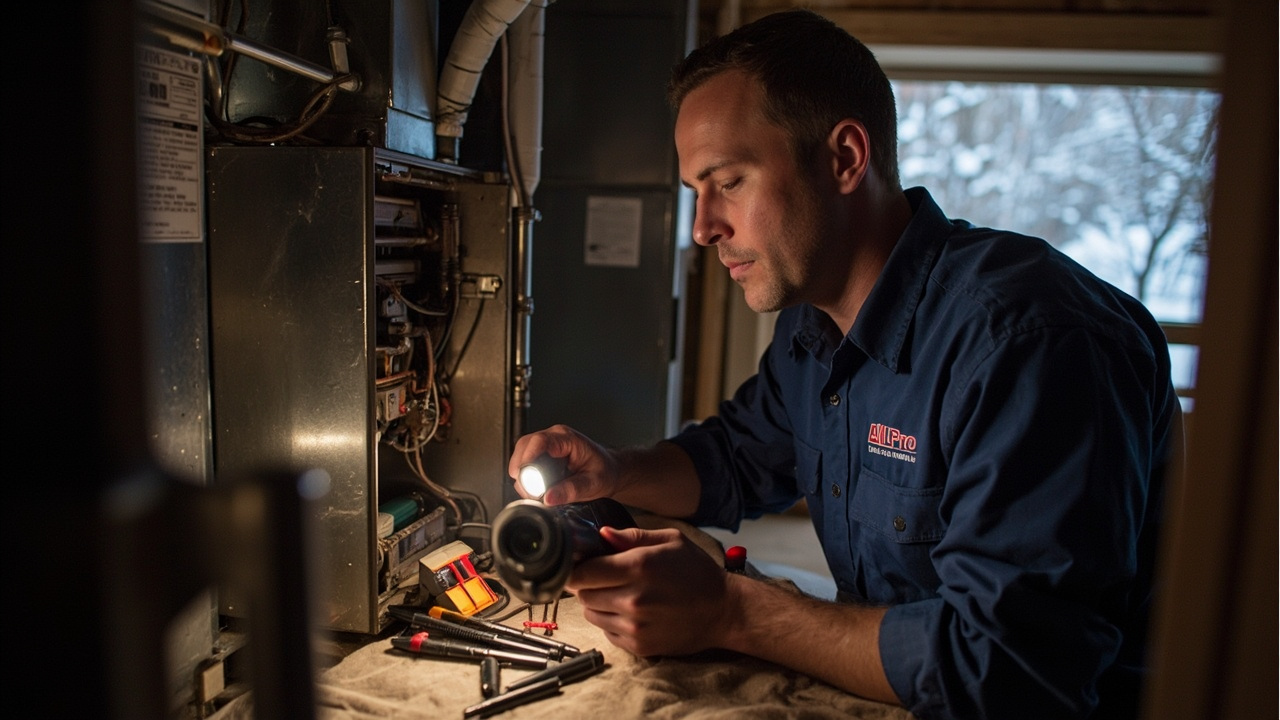
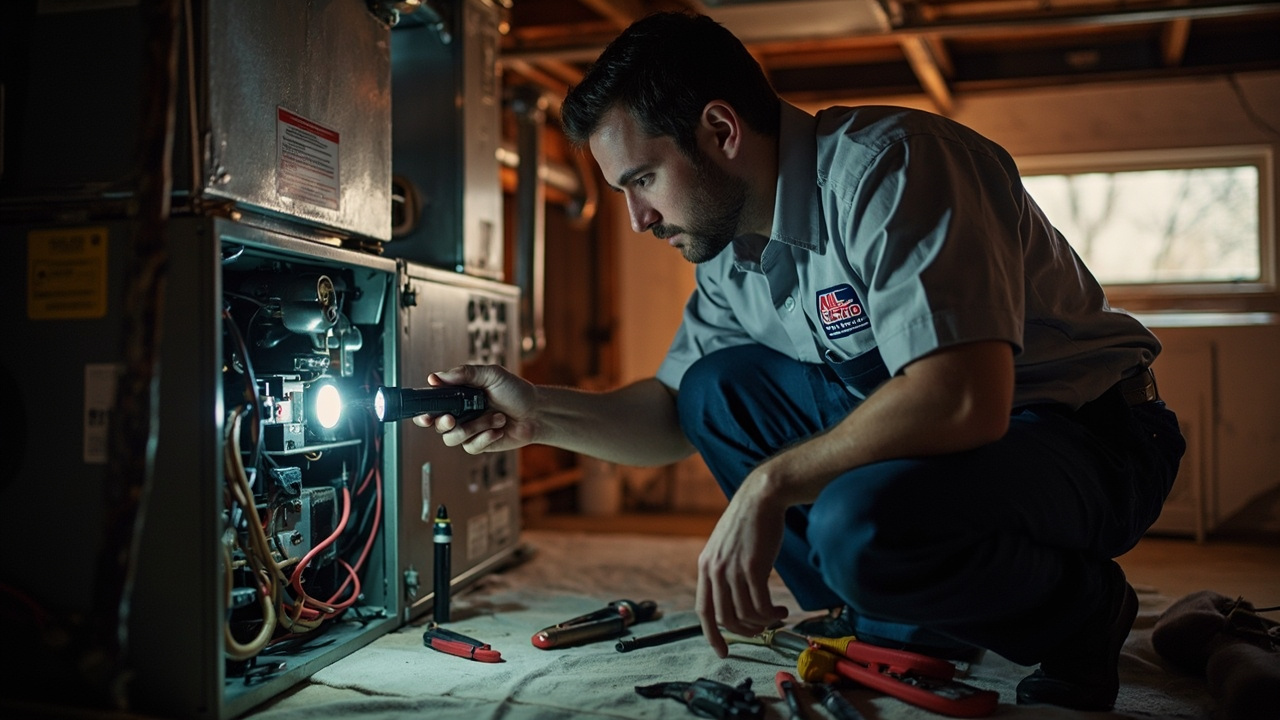
Heat exchanger inspection requires removing the blower assembly and using a high-intensity light to examine every panel for cracks or corrosion. A cracked heat exchanger allows combustion gases to mix with your home's air supply. This is a safety hazard that only gets worse under the thermal stress of continuous winter operation.

Blower motor amp draw tells us whether the motor is struggling. Motors pull higher amperage when bearings wear or when the wheel is restricted by debris. We clean the blower wheel, lubricate motor bearings where applicable, and verify that airflow meets the manufacturer's specifications for your system's tonnage.

Thermostat calibration matters more than most people realize. A thermostat that reads two degrees off forces your system to overcycle or underheat. We test temperature accuracy and verify that the anticipator settings match your system's cycle times.

Condensate systems freeze in Minneapolis winters. We inspect the drain line, clean the trap, and verify that the safety switch functions. A frozen condensate line shuts down your furnace when you need it most.

How Professional Winterization Works

Winterizing Your HVAC System in Minneapolis | Avoid Costly Mid-Winter Breakdowns
01

System Performance Testing

We run your furnace through multiple heating cycles while measuring temperature rise across the heat exchanger, airflow volume at the registers, and amp draw on the blower motor. This reveals problems that only appear under operational load. Static pressure testing identifies ductwork restrictions that force your system to work harder and wear out faster.
02

Component Inspection and Adjustment

Every ignition component gets tested. Hot surface igniters are fragile and fail without warning. Flame sensors corrode and cause nuisance shutdowns. We measure flame sensor microamp signal to verify reliable operation. Gas valve pressure gets checked against manufacturer specifications. Limit switches and rollout switches get tested for proper cutoff temperatures to prevent overheating.
03

Safety and Efficiency Verification

Final combustion analysis confirms safe operation. We document CO levels, oxygen percentage, and draft pressure. You receive a written report showing your system's current condition and any recommendations for repairs or adjustments. This documentation is critical if you need to file an insurance claim or if a safety issue develops later in the season.

Why Minneapolis Homeowners Choose All Pro HVAC Minneapolis

We work on HVAC systems in Minneapolis every day. We know the specific failure patterns that your climate creates. We know that homes in the Kenwood neighborhood have different ductwork configurations than homes in Northeast Minneapolis. We know that systems in buildings near the Chain of Lakes deal with higher humidity that accelerates corrosion.

Local expertise matters because Minneapolis has specific code requirements for HVAC installations and modifications. Combustion air requirements differ from national standards because of our climate. Condensate disposal has restrictions because of our freeze-thaw cycles. When you need a repair or modification, we know what is allowed and what will pass inspection.

Our technicians carry parts inventory specific to the equipment brands common in Minneapolis homes. Carrier, Lennox, Trane, Rheem, and Bryant dominate the local market. We stock the ignitors, flame sensors, pressure switches, and control boards that fail most often in these systems. That means we complete most repairs during the initial service visit instead of scheduling a return trip after ordering parts.

Winter hvac preparation is not a sales opportunity for us. It is diagnostic work. We find the problems and tell you what needs attention now versus what can wait. You get honest assessment based on actual component condition, not arbitrary replacement schedules designed to maximize service revenue.

We operate year-round in Minneapolis. We are not seasonal contractors who disappear when the weather turns. When you need emergency service in February, the same company that winterized your system in October answers the phone. That continuity matters when you need fast response during a breakdown.

What You Get with Professional Winterization

Service Timing and Scheduling

Winterization takes 90 minutes to two hours depending on your system's configuration and condition. We schedule appointments in two-hour windows to give our technicians time to complete thorough inspection without rushing. Fall is the ideal time for this service. September through early November gives you results before you need continuous heat. Avoid the October rush by scheduling in September. Emergency winterization is available, but scheduling ahead gives you more flexibility.

Comprehensive System Assessment

You receive detailed analysis of your heating system's current condition. This includes combustion efficiency measurements, safety system verification, and airflow testing. We photograph any components that show wear or damage so you can see what we see. The written report includes specific recommendations with explanations of why each item matters. You get information you need to make informed decisions about repairs or replacement without pressure or sales tactics.

Improved Efficiency and Reliability

Clean, properly adjusted systems use less fuel and deliver more consistent heat. You notice the difference in monthly utility costs and in temperature consistency throughout your home. More important, you gain reliability. Systems that receive annual maintenance have dramatically lower failure rates than neglected systems. Winter hvac preparation reduces your risk of mid-winter breakdown by catching problems before they cause failures. You avoid the inconvenience, expense, and safety risks of emergency repairs during cold weather.

Ongoing Support and Documentation

Your service record stays in our system. We track your equipment's maintenance history, previous repairs, and component ages. This information helps us diagnose problems faster if you need service later. It also helps you make replacement decisions by showing your system's total cost of ownership over time. You get priority scheduling for future maintenance and access to our emergency service line when urgent problems develop. Annual winterization keeps your system documentation current and accurate.

Frequently Asked Questions

You Have Questions,
We Have Answers

How do you winterize your HVAC system? +

Start by replacing your air filter to improve airflow and efficiency. Clean debris from around your outdoor unit and check for ice buildup or frost on the coils. Inspect your thermostat to confirm it switches properly from cooling to heating mode. Schedule a professional furnace tune-up before Minneapolis temperatures drop below freezing. A technician will test ignition, check gas pressure, inspect the heat exchanger for cracks, and measure carbon monoxide levels. Seal duct leaks in your attic or crawlspace to prevent heated air loss. Clear vents and registers inside your home to maintain proper circulation through Minnesota's cold months.

How to prepare your HVAC system for winter? +

Replace your furnace filter with a fresh one rated for winter dust and allergen loads. Test your heating system by setting your thermostat to heat mode and letting it run for 15 minutes. Listen for unusual noises like banging or scraping. Inspect your outdoor heat pump or condenser unit for leaves, dirt, or debris that blocks airflow. Check that your outdoor unit sits level on its pad. Schedule a professional inspection to verify gas connections, electrical components, and refrigerant levels. In Minneapolis, prepare for subzero temperatures by ensuring your system can handle extended heating cycles without overworking.

How to keep a HVAC unit from freezing in winter? +

Ice forms on HVAC units when airflow stops or refrigerant pressure drops too low. Clear snow and ice from around your outdoor unit after each storm. Keep at least two feet of clearance on all sides. Install a wind baffle if your unit faces harsh northwest winds common in Minneapolis winters. Check that your defrost cycle activates properly on heat pumps. Ice buildup on coils signals low refrigerant or a failing defrost board. Turn off your system if you see thick ice and call a technician. Running a frozen unit damages the compressor and shortens equipment life.

Should HVAC be covered in winter? +

Do not cover your HVAC unit in winter. Modern outdoor units are built to withstand Minnesota's freeze-thaw cycles and subzero temperatures. Covering the unit traps moisture inside, which leads to rust, corrosion, and mold growth on internal components. Covers also create shelter for rodents that chew through wiring. If you use a heat pump year-round, blocking airflow prevents the defrost cycle from working and causes ice damage. You can place a piece of plywood on top to block falling ice from trees, but leave all four sides open for ventilation.

What is the $5000 rule for HVAC? +

The $5,000 rule is a guideline to decide between repairing or replacing your HVAC system. Multiply the cost of the repair by the age of your equipment in years. If the result exceeds $5,000, replacement makes more financial sense than fixing it. For example, a $500 repair on a 12-year-old furnace equals $6,000, which suggests you should replace the unit. In Minneapolis, where furnaces work harder due to long heating seasons, older systems lose efficiency faster. Factor in rising energy bills and frequent breakdowns when calculating total ownership costs.

What is the 3 minute rule for AC? +

The three-minute rule prevents compressor damage when restarting your air conditioner or heat pump. After shutting off your system, wait at least three minutes before turning it back on. This delay allows refrigerant pressure to equalize between the high and low sides of the system. Restarting too quickly forces the compressor to work against high pressure, which can burn out the motor. Modern thermostats have built-in delay timers. If you lose power during a storm in Minneapolis, the system automatically waits before restarting to protect the compressor from electrical surges.

What are the 5 P's for cold weather? +

The five P's for cold weather are proper planning prevents poor performance. Applied to HVAC, this means scheduling maintenance before winter hits Minneapolis. Replace filters early. Test your furnace in October, not January when you need it most. Stock spare filters and know your emergency shutoff locations. Insulate exposed pipes in unheated spaces like garages or crawlspaces. Program your thermostat to maintain consistent temperatures, which reduces strain on your system. Keep your outdoor unit clear of snow after each storm. Preparation stops breakdowns before they happen during subzero stretches.

How do the Amish keep warm in the winter? +

This question does not relate to winterizing HVAC systems in Minneapolis. Amish heating practices involve wood stoves and passive solar design, which are not relevant to modern forced-air furnaces or heat pumps. If you need guidance on winterizing your home heating system, focus on filter changes, professional tune-ups, and ensuring your thermostat functions correctly. Minneapolis winters demand reliable, efficient heating equipment. Schedule an inspection with a licensed HVAC technician to verify your system is ready for extended cold weather operation.

Is it okay my house is set at 65 in the winter? +

Setting your thermostat to 65 degrees in winter is fine if you feel comfortable and your pipes stay protected. Minneapolis winters require maintaining at least 55 degrees to prevent frozen pipes in exterior walls and crawlspaces. Lowering your thermostat saves energy and reduces heating bills. Each degree below 68 cuts costs by three percent. Wear layers and use space heaters in occupied rooms. Avoid setting temperatures below 60 for extended periods, which strains your furnace when you raise the temperature again. Programmable thermostats automatically lower temperatures when you sleep or leave home.

Should I set my heat pump to auto in winter? +

Set your heat pump to auto in winter so it switches between heating and fan-only modes as needed. Auto mode saves energy by running the fan only when the system heats your home. The on setting runs the fan continuously, which increases electricity costs and wears out the motor faster. In Minneapolis, where heat pumps work harder during subzero temperatures, auto mode prevents unnecessary cycles. If your home feels unevenly heated, check for blocked vents or duct leaks instead of changing the fan setting. Auto mode optimizes comfort while reducing energy waste throughout Minnesota's long heating season.

How Minneapolis's Extreme Temperature Swings Impact HVAC Winterization

Minneapolis experiences temperature fluctuations that strain HVAC components in ways that constant cold does not. A system that handles steady 20-degree weather operates under consistent load. When temperatures swing from 35 degrees down to negative 10 within 12 hours, your furnace cycles from light operation to maximum output repeatedly. These transitions stress heat exchangers, expansion and contraction causes metal fatigue, and control systems must adjust constantly. Older systems built before modern control technology arrived lack the sophisticated staging that newer equipment uses to handle these swings smoothly. Getting heating system ready for winter means preparing for these cycles specifically.

Minneapolis mechanical codes require specific clearances, combustion air provisions, and venting configurations that differ from national standards. Contractors who work primarily in suburban or rural markets sometimes miss these requirements. We work within Minneapolis city limits every day. We know what inspectors look for and what modifications require permits. That knowledge protects you from compliance problems if you need repairs or system modifications. Local expertise means faster, more accurate service that meets all applicable codes without delays or callbacks.
HVAC Services in The Minneapolis Area

All Pro HVAC is conveniently located to serve the Minneapolis area and surrounding communities effectively. We invite you to view our service area on the map below, helping you visualize our reach and confirm that we are readily available to provide our expert heating, ventilation, and air conditioning services right to your doorstep, ensuring your comfort is always within reach.

Address:
All Pro HVAC Minneapolis, 1 W Franklin Ave, Minneapolis, MN, 55404

Additional Services We Offer

Our news updates

Latest Articles & News from The Blogs

Building a Home Gym in Orono? Here's How to Keep It Comfortable Year-Round The Twin Cities climate makes home gym…

Adding HVAC to a New Home Gym or Yoga Studio in Orono

Building a Home Gym in Orono? Here's How to Keep It Comfortable Year-Round The Twin Cities climate makes home gym…

Soundproofing an Outdoor AC Unit for Small Backyards in Prospect Park

Living in Prospect Park means enjoying a tight-knit Minneapolis neighborhood where houses sit close together and outdoor spaces feel like…

Choosing Between 80% and 96% Efficiency Furnaces for Your First Minneapolis Home

Choosing Between 80% and 96% Efficiency Furnaces for Your First Minneapolis Home Minneapolis winters are brutal and your furnace choice…

Contact Us

Avoid emergency breakdowns and expensive mid-winter repairs. Call All Pro HVAC Minneapolis at (651) 588-9677 to schedule comprehensive winter hvac preparation. We respond fast and deliver honest assessment of your system's condition. Protect your home and your family this winter.