




Menu

Short Cycling in Minneapolis – Fast Expert Diagnosis Before Your Energy Bills Double

Your HVAC system kicking on and off every few minutes is wasting electricity and putting unnecessary wear on expensive components. All Pro HVAC Minneapolis identifies the root cause of short cycling and fixes it right the first time.

Slider Image 1
Slider Image 2
Slider Image 3
Slider Image 4
Slider Image 5
Slider Image 7
Slider Image 8
Slider Image 9
Slider Image 10
Slider Image 11

Why Your HVAC System Is Turning On and Off Repeatedly

You hear it constantly. The furnace roars to life, runs for two minutes, shuts down, then kicks back on before the house even feels comfortable. This rapid cycling is not normal. Your system should run in steady cycles of at least 10 to 15 minutes to properly heat or cool your home.

Short cycling wastes energy and money. Every time your HVAC system starts up, it pulls a surge of electricity. When your air conditioner short cycles, you are paying for dozens of startup surges throughout the day instead of one or two efficient runs. Your utility bills climb while your home stays uncomfortable.

Minneapolis homes face unique challenges that trigger furnace short cycling and AC turning on and off repeatedly. Our extreme temperature swings from subzero winters to humid 90-degree summers put constant stress on HVAC components. Frozen evaporator coils in summer, oversized equipment installed in older homes with poor insulation, and dirty flame sensors in winter are common culprits here.

The problem gets worse when ignored. A system that kicks on and off repeatedly wears out compressors, blower motors, and ignition components years ahead of schedule. You might think you are saving money by delaying the repair call, but HVAC rapid cycling destroys parts that cost thousands to replace.

Most homeowners assume the thermostat is broken or the system needs refrigerant. Sometimes that is true. More often, the issue is a clogged filter, a failing pressure switch, or a heat exchanger problem that only a trained technician can diagnose correctly.

Why Your HVAC System Is Turning On and Off Repeatedly
How We Stop Short Cycling and Restore Efficient Operation

How We Stop Short Cycling and Restore Efficient Operation

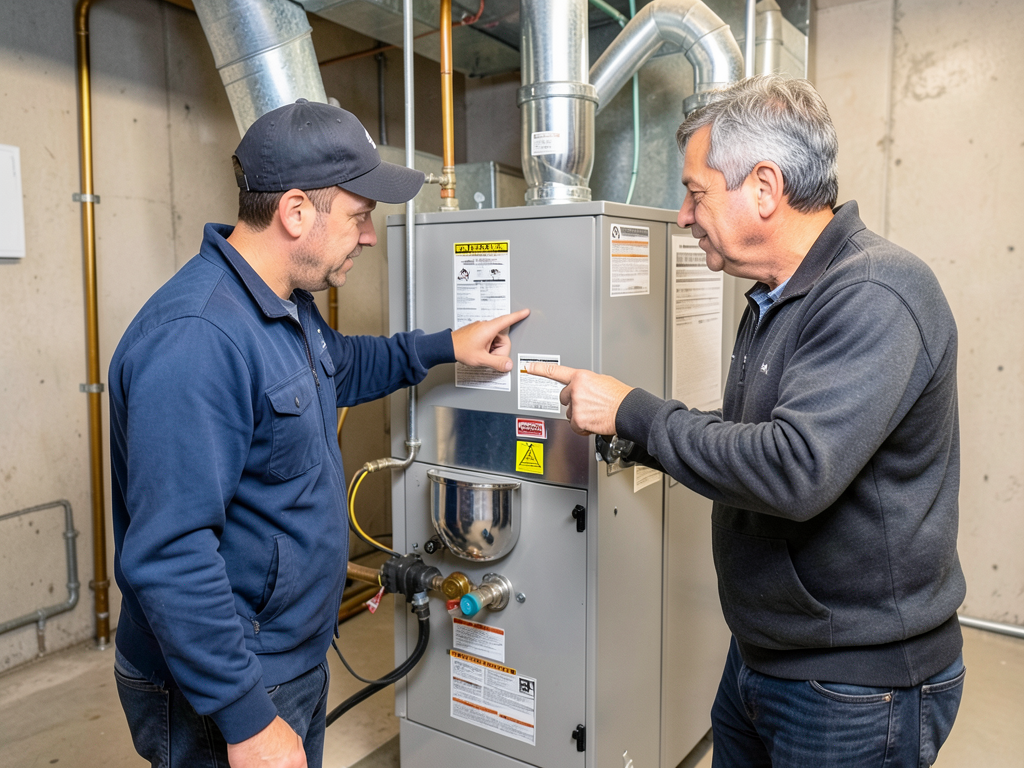
We do not guess. Short cycling has a dozen possible causes, and throwing parts at the problem wastes your time and money. Our diagnostic process eliminates variables systematically until we isolate the exact failure point.

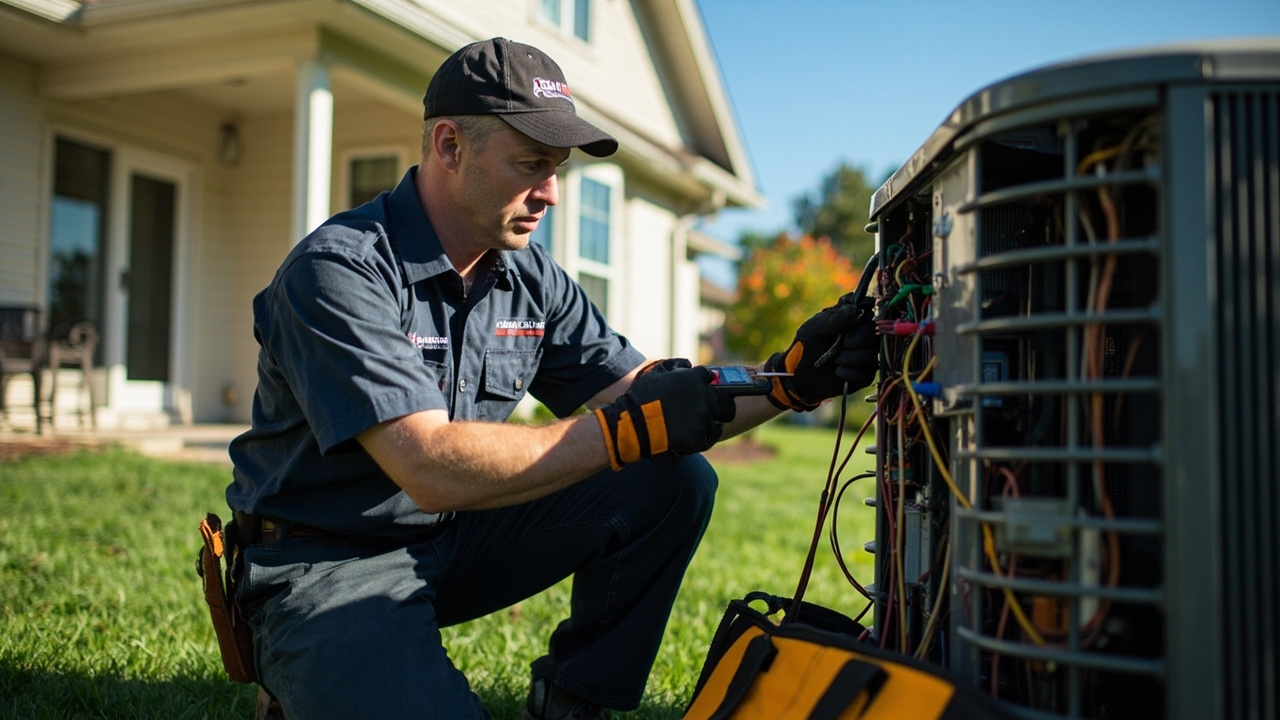
First, we measure runtime intervals with calibrated instruments. A system running 90-second cycles tells us something different than one running five-minute cycles. We check refrigerant pressures on both the high and low side to rule out charge imbalances or restricted metering devices. Low refrigerant causes the evaporator coil to freeze, triggering the pressure safety switch and shutting the system down prematurely.

Next, we inspect airflow. A dirty filter or blocked return duct causes the heat exchanger to overheat or the evaporator to freeze. We measure static pressure across the blower and compare it to manufacturer specs. If airflow is restricted, the limit switch will cycle the system off to prevent damage.

For furnaces, we test flame sensors and ignition components. A dirty flame sensor cannot confirm ignition, so the gas valve shuts off after a few seconds. The furnace tries again, fails again, and repeats the cycle until you call us.

Oversized equipment is a common problem in Minneapolis. A contractor installs a furnace rated for 3,000 square feet in a 1,800-square-foot bungalow because they want to be sure you stay warm. The system heats the space too fast, shuts off before completing a proper cycle, then restarts when the temperature drops two degrees. We evaluate system sizing and recommend solutions that match your actual heat load.

We fix the root cause, not the symptom. That means you get lasting results and lower energy bills.

How We Diagnose and Repair Your Short Cycling System

Short Cycling in Minneapolis – Fast Expert Diagnosis Before Your Energy Bills Double
01

Initial Diagnostic Assessment

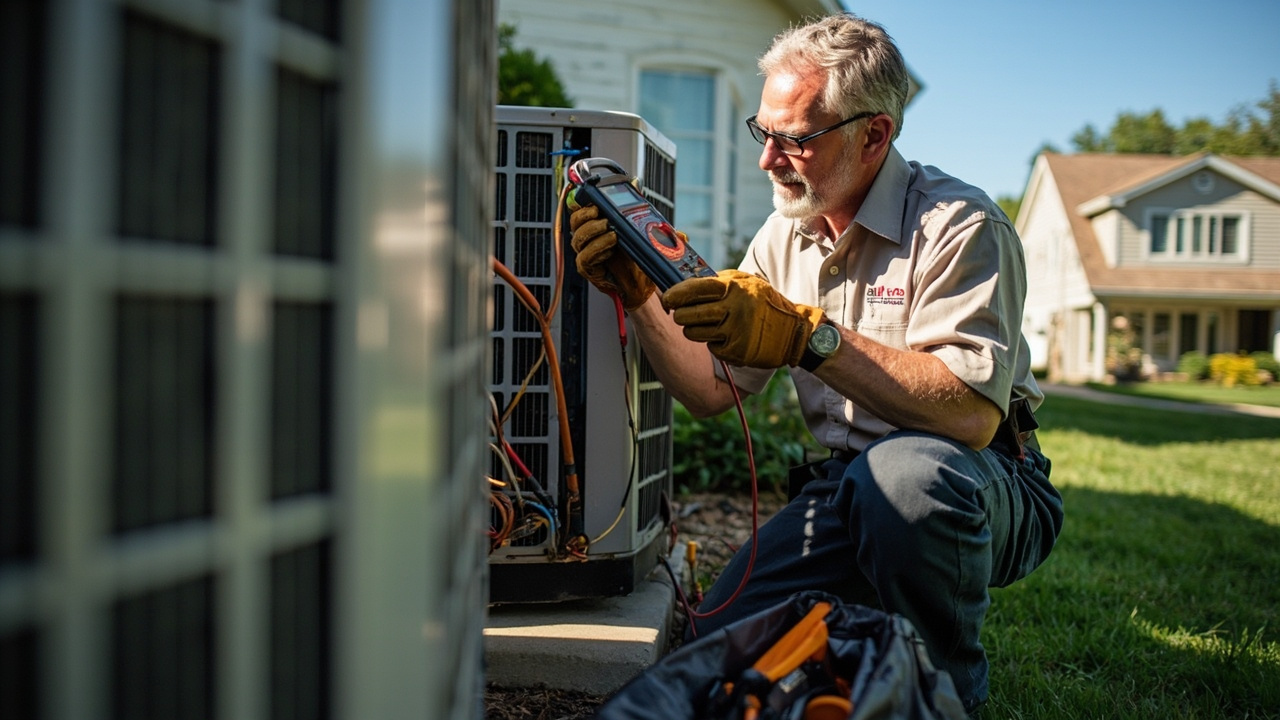
We start by observing your system through multiple cycles while monitoring temperatures, pressures, and electrical current draw. Our technicians use digital multimeters and refrigerant gauges to capture real-time data as the system kicks on and off. We also interview you about when the problem started, how often it happens, and whether it occurs in heating mode, cooling mode, or both.
02

Component-Level Testing

Once we narrow the possibilities, we test individual components. That includes flame sensors, pressure switches, capacitors, thermostats, and control boards. We measure airflow with a manometer and inspect ductwork for restrictions or leaks. If refrigerant levels are low, we find the leak before adding charge. This methodical approach eliminates guesswork and prevents unnecessary part replacement, saving you money.
03

Repair and Verification

After identifying the failure, we complete the repair and verify proper operation through multiple heating or cooling cycles. We measure runtime intervals to confirm the system now completes full cycles. We also recheck refrigerant pressures, airflow, and amperage draw to ensure everything meets manufacturer specifications. You get a detailed explanation of what we found, what we fixed, and how to prevent the issue from recurring.

Why Minneapolis Homeowners Trust All Pro HVAC Minneapolis for Short Cycling Repairs

All Pro HVAC Minneapolis has spent years diagnosing short cycling issues in homes across the Twin Cities metro. We understand how Minneapolis's climate affects HVAC performance. Subzero cold stresses heat exchangers and ignition systems. Summer humidity overworks compressors and clogs condensate drains. We see these patterns every season, so we know where to look first.

We also understand the housing stock here. Many Minneapolis homes were built in the 1920s through 1950s with radiators or gravity furnaces. When forced-air systems get retrofitted into older homes, contractors sometimes size equipment incorrectly or install ductwork that restricts airflow. We evaluate your system in the context of your home's age, insulation, and layout. That allows us to recommend solutions that actually work long-term.

You will not get upselling or fearmongering from us. If your system is short cycling because of a dirty flame sensor, we clean it and charge you for the service call. We do not push you into a new furnace unless the heat exchanger is cracked or the cost to repair exceeds 50 percent of replacement. Our job is to give you the information you need to make a smart decision.

We also respond fast. A furnace that kicks on and off repeatedly in January is an emergency. We prioritize short cycling calls because we know the problem accelerates wear and can lead to complete system failure. Most of the time, we can get to you the same day or within 24 hours.

Our technicians carry common short cycling parts on their trucks. Flame sensors, capacitors, pressure switches, and filters are standard inventory. That means we can often fix the problem on the first visit without waiting for parts to arrive.

What You Can Expect When You Call Us About Short Cycling

Fast Response Times

We understand that short cycling is frustrating and expensive. Your system is wasting energy, driving up your utility bills, and wearing out components every time it kicks on and off. We prioritize these calls and typically arrive the same day or within 24 hours. Our dispatch team will give you a clear arrival window and keep you updated if anything changes. You will not spend days waiting while your system destroys itself.

Thorough Diagnostic Process

Our technicians do not guess. We use diagnostic tools and manufacturer guidelines to identify the exact cause of your short cycling. That includes testing refrigerant pressures, measuring airflow, checking electrical components, and observing system operation through multiple cycles. You will get a clear explanation of what is wrong, why it is happening, and what it will take to fix it. We show you the failed part and explain how it caused the problem.

Repairs That Last

We fix the root cause, not the symptom. If low airflow is causing your heat exchanger to overheat and trigger the limit switch, we address the airflow restriction instead of just resetting the switch. If your system is oversized for your home, we discuss your options for right-sizing the equipment. You get a solution that eliminates the short cycling and restores efficient operation, not a temporary patch that fails again in two weeks.

Preventive Maintenance Guidance

After we fix your short cycling issue, we give you a clear maintenance plan to prevent future problems. That might include changing your filter every 30 days, scheduling annual tune-ups before heating and cooling season, or keeping your outdoor unit clear of debris and snow. We also explain warning signs that indicate a problem is developing so you can call us before short cycling starts again.

Frequently Asked Questions

You Have Questions,
We Have Answers

What is the most common cause of short cycling? +

The most common cause is an oversized HVAC system. When your unit is too powerful for your home, it reaches the set temperature too quickly and shuts off before completing a full cycle. In Minneapolis homes, dirty air filters are another frequent culprit, especially during high-pollen months or in older homes with poor filtration. Refrigerant leaks, faulty thermostats, and frozen evaporator coils also trigger short cycling. Minneapolis freeze-thaw cycles can stress refrigerant lines and cause slow leaks. A malfunctioning compressor or clogged condensate drain will create the same problem. Get a diagnostic check to pinpoint the exact issue.

How long is considered short cycling? +

A normal cooling cycle runs 10 to 15 minutes before shutting off. Your system is short cycling if it turns on and off every 3 to 7 minutes. In Minneapolis summers, proper cycling becomes critical when humidity levels spike. A system that runs only 2 to 5 minutes cannot remove moisture effectively, leaving your home clammy and uncomfortable. Heating cycles differ slightly. Your furnace should run 10 to 20 minutes during Minneapolis winters. If it fires up every few minutes, you have a problem. Track how often your system starts and stops over an hour to confirm short cycling.

How do you fix short cycling? +

First, replace your air filter if it looks dirty or clogged. Check your thermostat settings and location. If it sits near a heat source or in direct sunlight, it gives false readings. Clean debris from around your outdoor condenser unit. For Minneapolis homes, check that your evaporator coil is not frozen, especially after extended runtime. If these basic fixes do not work, call a licensed HVAC technician. Refrigerant leaks require professional repair. Oversized systems may need zone controls or replacement. Faulty pressure switches, capacitors, or compressors need expert diagnosis. Do not ignore short cycling. It wastes energy and causes premature failure.

What is the meaning of short cycling? +

Short cycling means your HVAC system turns on and off too frequently without completing a full heating or cooling cycle. The compressor or furnace fires up, runs for just a few minutes, shuts down, then restarts shortly after. This rapid start-stop pattern prevents your system from reaching optimal efficiency. In Minneapolis, short cycling during winter means your furnace never fully warms your home, leaving cold spots. During summer, your AC cannot dehumidify properly, making rooms feel sticky. The constant cycling strains mechanical components, increases energy bills, and shortens equipment lifespan. Short cycling is always a symptom of an underlying problem that needs correction.

How to tell if AC is short cycling? +

Listen for the compressor turning on and off every few minutes instead of running steadily. Walk to your thermostat and watch the display. If the system reaches the set temperature in under 5 minutes, then restarts shortly after, you have short cycling. In Minneapolis homes, you will notice uneven temperatures between rooms. Your energy bills spike despite shorter runtimes because startup uses the most power. Check your outdoor unit. If the fan and compressor cycle rapidly, the problem is confirmed. Feel your supply vents. Air should blow consistently for 10-plus minutes. If it stops and starts frequently, call an HVAC technician.

What is the $5000 AC rule? +

The 5000 dollar AC rule is an informal guideline for replacement decisions. Multiply the age of your air conditioner by the repair cost. If the total exceeds 5000, replacement makes more financial sense than repair. For example, a 12-year-old unit needing 600 dollars in repairs equals 7200, suggesting replacement. In Minneapolis, where systems endure extreme seasonal stress, this rule helps homeowners avoid throwing money at aging equipment. The rule is not absolute. Consider efficiency ratings, refrigerant type, and remaining lifespan. A 7-year-old system needing a 900-dollar repair totals 6300, but modern replacements offer better efficiency and lower operating costs long-term.

How much does it cost to fix short cycling? +

Simple fixes like replacing a dirty filter or recalibrating a thermostat cost 75 to 200 dollars. Cleaning a frozen evaporator coil or unclogging a condensate drain runs 150 to 400 dollars. Refrigerant leak repair and recharge costs 400 to 1500 dollars, depending on severity and refrigerant type. Replacing a faulty pressure switch or capacitor runs 200 to 600 dollars. Compressor replacement is expensive, ranging from 1500 to 3000 dollars. For Minneapolis homeowners, costs vary by contractor and system accessibility. Oversized systems may require complete replacement, costing 4000 to 8000 dollars. Get multiple quotes before committing to major repairs.

How long does it take to heat a house from 50 to 70? +

Heating a Minneapolis home from 50 to 70 degrees typically takes 1.5 to 4 hours, depending on home size, insulation quality, and furnace capacity. A well-insulated 1500-square-foot home with a properly sized furnace reaches temperature in about 2 hours. Older homes with poor insulation or single-pane windows take longer, especially during subzero outdoor temperatures. Furnace BTU output matters. A 60000 BTU furnace heats faster than a 40000 BTU unit. If your system takes significantly longer, check for ductwork leaks, dirty filters, or an undersized furnace. Never crank the thermostat above your target temperature. It does not speed heating and wastes energy.

Why is my cycle suddenly so short? +

If your HVAC cycle suddenly shortened, something changed in your system. A newly clogged air filter restricts airflow and causes rapid temperature swings at the thermostat. In Minneapolis, a refrigerant leak can develop suddenly after freeze-thaw damage to exterior lines. A failing thermostat gives inaccurate readings, triggering premature shutoffs. Your compressor or furnace ignitor may be wearing out, causing inconsistent operation. Check for recent changes. Did you adjust thermostat settings or close too many vents? Reduced airflow forces the system to overwork and cycle rapidly. If no obvious changes occurred, schedule a diagnostic appointment. Sudden short cycling indicates a failing component.

What is considered short cycling on an air conditioner? +

Short cycling on an air conditioner means the compressor runs for less than 10 minutes before shutting off, then restarts within a few minutes. Normal AC operation cycles on for 10 to 15 minutes, reaches the set temperature, then stays off for 10 to 20 minutes before the next cycle. In Minneapolis, proper cycling is critical during humid summer months. Short cycling prevents dehumidification, leaving your home uncomfortable even at the correct temperature. The rapid on-off pattern increases wear on the compressor and contactors. If your outdoor unit cycles more than 4 to 6 times per hour, you have short cycling that needs professional diagnosis and repair.

How Minneapolis's Extreme Temperature Swings Trigger Short Cycling

Minneapolis experiences some of the most extreme seasonal temperature shifts in the country. We go from 20 below zero in January to 95 degrees with 70 percent humidity in July. That range puts massive stress on HVAC components. Furnace heat exchangers expand and contract with temperature changes, developing cracks that cause the system to overheat and shut down. Air conditioner compressors struggle in high humidity, freezing evaporator coils and triggering pressure switches that stop the system mid-cycle. Homes built before modern insulation standards amplify these issues because the HVAC system has to work harder to maintain comfort, accelerating wear and increasing the likelihood of short cycling.

Minneapolis building codes and climate-specific installation practices matter when diagnosing short cycling. Local contractors familiar with Minnesota's energy code understand proper heat load calculations and duct sizing for our climate. A technician who only works in warmer states might miss frozen condensate drain issues or fail to account for the impact of subzero temperatures on heat pump defrost cycles. All Pro HVAC Minneapolis has diagnosed short cycling in thousands of Twin Cities homes. We know which furnace models develop cracked heat exchangers after 15 Minnesota winters and which air conditioner brands handle our humid summers better than others. That local expertise means faster diagnosis and more reliable repairs.
HVAC Services in The Minneapolis Area

All Pro HVAC is conveniently located to serve the Minneapolis area and surrounding communities effectively. We invite you to view our service area on the map below, helping you visualize our reach and confirm that we are readily available to provide our expert heating, ventilation, and air conditioning services right to your doorstep, ensuring your comfort is always within reach.

Address:
All Pro HVAC Minneapolis, 1 W Franklin Ave, Minneapolis, MN, 55404

Additional Services We Offer

Our news updates

Latest Articles & News from The Blogs

Building a Home Gym in Orono? Here's How to Keep It Comfortable Year-Round The Twin Cities climate makes home gym…

Adding HVAC to a New Home Gym or Yoga Studio in Orono

Building a Home Gym in Orono? Here's How to Keep It Comfortable Year-Round The Twin Cities climate makes home gym…

Soundproofing an Outdoor AC Unit for Small Backyards in Prospect Park

Living in Prospect Park means enjoying a tight-knit Minneapolis neighborhood where houses sit close together and outdoor spaces feel like…

Choosing Between 80% and 96% Efficiency Furnaces for Your First Minneapolis Home

Choosing Between 80% and 96% Efficiency Furnaces for Your First Minneapolis Home Minneapolis winters are brutal and your furnace choice…

Contact Us

Your HVAC system should not turn on and off every few minutes. Call All Pro HVAC Minneapolis at (651) 588-9677 right now for fast, expert diagnosis and repair. We will stop the short cycling and restore efficient operation.