




Menu

New HVAC System Cost 2026 in Minneapolis – Complete Pricing Breakdown and Installation Guide

Understanding New HVAC System Cost 2026 means navigating equipment tiers, labor rates, and Minnesota-specific installation requirements that directly impact your final investment and long-term comfort.

Slider Image 1
Slider Image 2
Slider Image 3
Slider Image 4
Slider Image 5
Slider Image 7
Slider Image 8
Slider Image 9
Slider Image 10
Slider Image 11

Why Minneapolis HVAC Replacement Costs Differ from National Averages

Minneapolis homeowners face unique cost factors when replacing an HVAC system in 2026. The extreme temperature swings, from subzero winters to humid summers, require equipment with higher SEER2 ratings and enhanced heating capacity. This drives up the average HVAC system price 2026 compared to moderate climates.

The 2026 heating and cooling system cost in Minneapolis includes additional line items you won't find in warmer regions. Condensate pumps to prevent freeze damage, upgraded insulation around refrigerant lines, and cold-weather heat pump configurations add to base pricing. Minneapolis building code requires specific venting standards for high-efficiency furnaces, which increases installation complexity and labor hours.

Supply chain stabilization has helped moderate the 2026 HVAC replacement cost, but Minneapolis-specific equipment remains premium. Systems rated for negative-degree operation cost more than standard units. The new HVAC installation pricing 2026 reflects this reality. A basic split system starts lower than a cold-climate heat pump designed for Minnesota winters.

Your home's existing ductwork condition matters. Minneapolis homes built before 1980 often have undersized or leaky ducts. Addressing these issues during replacement prevents efficiency loss and comfort problems. Ignoring duct problems means overpaying on utility bills for the next 15 years.

The 2026 HVAC replacement price guide shows wide ranges because every home differs. A 1,200-square-foot ranch requires different equipment than a 3,000-square-foot two-story. Zoning needs, insulation levels, and window efficiency all factor into proper system sizing and final cost.

Why Minneapolis HVAC Replacement Costs Differ from National Averages
How All Pro HVAC Minneapolis Calculates Your System Investment

How All Pro HVAC Minneapolis Calculates Your System Investment

We start with a Manual J load calculation, the industry standard for determining correct system capacity. This engineering-based approach accounts for your home's square footage, insulation R-values, window U-factors, and air infiltration rates. Oversized systems short-cycle and waste energy. Undersized systems run constantly and fail early.

Equipment selection comes next. We present options across three tiers: builder-grade single-stage, mid-tier two-stage, and premium variable-speed systems. Single-stage units cycle on and off at full capacity. Two-stage systems run at low speed most of the time, improving efficiency and comfort. Variable-speed systems modulate output in 1% increments, providing precise temperature control and maximum efficiency.

Minneapolis requires specific considerations during equipment selection. We evaluate your existing electrical service capacity. Older homes with 100-amp panels may need upgrades to support modern high-efficiency equipment. Heat pumps with auxiliary electric heat can draw significant amperage during cold snaps.

Ductwork assessment happens before we quote. We perform a blower door test and duct leakage test to quantify air loss. Leaky ducts waste 20-40% of heated and cooled air. We calculate the cost of duct sealing, insulation upgrades, or complete replacement against long-term energy savings.

The new HVAC installation pricing 2026 includes permit fees, required electrical work, refrigerant line installation, condensate drainage, thermostat upgrades, and startup commissioning. We detail every line item. Hidden costs don't exist in our quotes. You see exactly where your investment goes and what value each component provides for Minneapolis climate conditions.

What Happens During Your HVAC Replacement Quote Process

New HVAC System Cost 2026 in Minneapolis – Complete Pricing Breakdown and Installation Guide
01

In-Home System Assessment

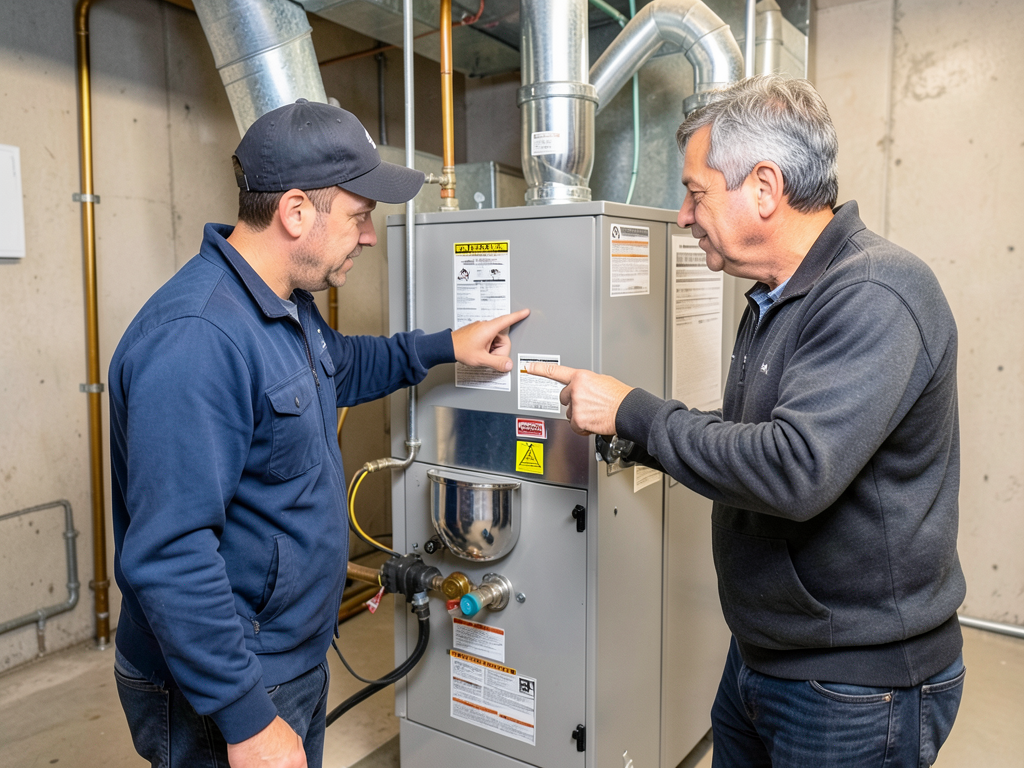
We measure your home's dimensions, inspect existing ductwork, evaluate insulation levels, and assess electrical capacity. You receive a detailed load calculation showing exactly what size system your home requires. We photograph problem areas in your current system and explain how new equipment addresses these issues specific to Minneapolis heating and cooling demands.
02

Equipment Options Presentation

You review three equipment tiers with transparent pricing for each. We explain SEER2 ratings, HSPF2 ratings, and sound levels in plain language. You see total project costs including equipment, labor, permits, and materials. We discuss financing options and help you understand the payback period for higher-efficiency systems based on Minneapolis utility rates.
03

Installation Scheduling and Completion

Once you approve the quote, we schedule installation within your preferred timeframe. Most replacements complete in one day. We handle permit applications, coordinate electrical work if needed, and perform final system commissioning. You receive operating instructions, warranty documentation, and a maintenance schedule. We verify system performance meets design specifications before we leave your property.

Why Minneapolis Homeowners Choose All Pro HVAC for System Replacement

Minneapolis HVAC replacement requires knowledge of local building codes and climate realities. We install systems year-round, including winter replacements when emergency situations arise. Our technicians understand cold-weather installation protocols, including proper refrigerant charging at low ambient temperatures and condensate line freeze protection.

We stock equipment designed for Minnesota's climate extremes. Not all HVAC brands perform equally in subzero conditions. We specify systems with enhanced vapor injection technology for heat pumps, which maintains heating capacity down to negative temperatures. Standard heat pumps lose efficiency below 25 degrees. Cold-climate models continue heating effectively at minus 15 degrees.

Our load calculations account for Minneapolis-specific factors. We use local design temperatures of negative 16 degrees for heating and 91 degrees with 75% humidity for cooling. These accurate inputs prevent undersizing, which causes comfort complaints and premature equipment failure. National chain installers often use generic sizing that doesn't match Minnesota conditions.

We maintain relationships with local suppliers, which matters when supply chain disruptions occur. During equipment shortages, we secure inventory faster than companies dependent on distant warehouses. This means shorter wait times between quote approval and installation completion.

All Pro HVAC Minneapolis employs NATE-certified technicians who complete ongoing education on evolving refrigerant regulations and efficiency standards. The 2026 HVAC replacement cost includes compliance with updated refrigerant handling requirements. We properly recover old refrigerants and charge new systems to manufacturer specifications using calibrated manifold gauges and digital scales. Improper refrigerant charge reduces efficiency by up to 20% and voids warranties.

What Your HVAC Replacement Investment Includes

Project Timeline and Scheduling

Most HVAC replacements complete in 6-10 hours depending on system complexity and necessary ductwork modifications. We provide a specific installation date, not a vague window. Emergency replacements during heating season receive priority scheduling. We protect your home with floor coverings and containment barriers during equipment removal and installation. All debris leaves with our crew. You experience minimal disruption to your daily routine.

Comprehensive Home Energy Evaluation

Your quote includes a Manual J load calculation performed by certified technicians. We don't estimate system size based on existing equipment or square footage rules of thumb. You receive a detailed report showing heat gain and loss calculations for your specific home. We identify insulation deficiencies, air leakage points, and ductwork problems that affect system performance. This engineering-based approach ensures correct equipment sizing and prevents costly mistakes that plague quick quotes.

Performance Testing and Commissioning

We don't just install equipment and leave. Every system receives startup commissioning that verifies airflow rates, refrigerant charge, temperature split across the coil, and thermostat calibration. You receive documentation showing your system meets design specifications. We measure supply register airflow to ensure proper distribution. This verification process prevents the efficiency loss and comfort problems that occur when systems aren't properly commissioned after installation.

Manufacturer Warranty Registration and Maintenance Planning

We handle manufacturer warranty registration immediately after installation. Many homeowners skip this step and discover coverage issues years later during a failure. You receive warranty documentation, equipment manuals, and a recommended maintenance schedule. Regular maintenance extends equipment life and maintains efficiency. We offer maintenance agreements that include annual tune-ups, priority service, and discounts on repairs. Proper maintenance prevents the 5% annual efficiency decline that occurs with neglected systems.

Frequently Asked Questions

You Have Questions,
We Have Answers

Will HVAC prices go down in 2026? +

HVAC prices in 2026 will depend on several factors, including supply chain recovery, labor costs, and refrigerant regulations. While some material costs may stabilize after recent spikes, labor shortages continue to drive prices upward in Minneapolis. The transition to new refrigerants and higher efficiency standards required by federal regulations adds cost. Inflation and demand for heat pumps in Minnesota's climate also affect pricing. Expect prices to remain elevated compared to pre-2020 levels, though not necessarily higher than 2025. Focus on long-term energy savings rather than waiting for dramatic price drops that may not materialize.

Will HVAC systems be more expensive in 2025? +

HVAC systems in 2025 cost more than previous years due to new DOE efficiency standards that took effect January 2023, requiring higher SEER2 ratings. Manufacturing changes to meet these standards increased production costs. Minneapolis homeowners face additional expenses because cold-climate equipment requires advanced features like variable-speed compressors and enhanced defrost cycles. Supply chain improvements have stabilized somewhat, but labor costs remain high. Refrigerant transitions and copper price volatility continue to impact pricing. Systems meeting Minnesota's heating demands cost more than those in milder climates. Expect equipment to remain at elevated price points throughout 2025.

What is the $5000 rule for HVAC? +

The $5000 rule is a guideline to decide between repair or replacement. Multiply the repair cost by your system's age in years. If the result exceeds $5000, replacement makes more financial sense. For example, a $400 repair on a 10-year-old system equals $4000, suggesting repair. A $600 repair on a 12-year-old system equals $7200, indicating replacement. This rule accounts for future repair likelihood and efficiency losses. In Minneapolis, where furnaces work harder during brutal winters, systems over 15 years old often fail this test. Factor in rising energy bills from worn equipment when making your decision.

How much is HVAC to cost in 2025? +

HVAC costs in 2025 range from $8000 to $18000 for complete system replacement in Minneapolis homes. A basic furnace and air conditioner for a 1500 square foot home starts around $8000. Larger homes or high-efficiency equipment with variable-speed technology push costs toward $15000 or more. Heat pump systems, gaining popularity in Minnesota for their dual heating and cooling function, range from $10000 to $20000 depending on capacity and cold-climate features. Installation complexity, ductwork modifications, and permits add to base equipment costs. Get multiple quotes to understand specific pricing for your home's needs.

What is the new HVAC system in 2026? +

The new HVAC systems in 2026 focus on higher efficiency ratings, smart technology integration, and environmentally friendly refrigerants. Heat pumps dominate the market, with cold-climate models designed specifically for Minnesota winters becoming more affordable and effective. Variable-speed compressors and modulating furnaces provide better comfort and efficiency. Smart thermostats with learning capabilities and zoning systems offer improved control. New refrigerants like R-454B replace older options, meeting environmental regulations. Dual-fuel systems combining heat pumps with gas furnaces gain traction in Minneapolis, providing efficiency and backup heating during extreme cold snaps when temperatures plummet below zero.

What is the best time of year to buy a new HVAC system? +

Fall and spring offer the best time to buy a new HVAC system in Minneapolis. Contractors experience slower periods during these shoulder seasons, providing better availability and potentially lower prices. You avoid emergency replacements during peak summer heat or winter cold when demand spikes and prices increase. Installing during mild weather allows proper testing of both heating and cooling functions. Many manufacturers offer rebates and promotions during off-peak months. Schedule installation in October or April to ensure your system runs efficiently before extreme temperatures arrive. Avoid waiting until your system fails during a January cold snap or July heatwave.

How much does a new HVAC system cost 2000 sq ft? +

A new HVAC system for a 2000 square foot home in Minneapolis costs between $10000 and $16000 on average. A mid-efficiency gas furnace paired with a 3-ton air conditioner runs $10000 to $12000 installed. High-efficiency systems with variable-speed technology and SEER2 ratings above 16 cost $13000 to $16000. Heat pump systems for this square footage range from $12000 to $18000, depending on cold-climate features needed for Minnesota winters. These estimates include standard installation but not ductwork replacement, electrical upgrades, or zoning systems. Home insulation, layout, and ceiling height affect final system size and cost.

What are the HVAC trends for 2026? +

HVAC trends for 2026 include widespread heat pump adoption, even in cold climates like Minneapolis. Cold-climate heat pumps now function efficiently down to negative 15 degrees. Smart home integration allows remote monitoring and predictive maintenance alerts. Indoor air quality products like UV lights, advanced filtration, and ventilation systems gain priority. Electrification pushes more homeowners toward all-electric systems, reducing gas reliance. Zoning systems provide room-by-room temperature control, improving comfort and efficiency. Refrigerant transitions continue with A2L refrigerants becoming standard. Subscription-based maintenance plans and financing options make system ownership more accessible for Minneapolis homeowners.

Is a new HVAC system tax deductible in 2025? +

A new HVAC system may qualify for tax deductions if it meets energy efficiency requirements. The Inflation Reduction Act provides tax credits for qualified systems through 2032. Heat pumps meeting efficiency standards qualify for credits up to 30 percent of cost, capped at specific limits. Energy Star certified central air conditioners and furnaces may also qualify. These are tax credits, not deductions, directly reducing your tax bill. Requirements include specific SEER2 and HSPF2 ratings. Keep receipts and manufacturer certification statements. Consult a tax professional to determine eligibility for your Minneapolis home, as rules change and income limits may apply.

Can I write off a new HVAC? +

You can write off a new HVAC system through federal tax credits if the equipment meets energy efficiency standards. The Inflation Reduction Act offers credits for qualified heat pumps, central air conditioners, and furnaces through 2032. This is a tax credit, not a standard deduction, meaning it directly reduces taxes owed. Credits cover up to 30 percent of equipment and installation costs, subject to annual caps. Systems must meet minimum efficiency ratings and include Energy Star certification. For Minneapolis homeowners, cold-climate heat pumps often qualify. Keep documentation including receipts and manufacturer certifications. Consult a tax advisor for specific guidance on your situation.

How Minneapolis Winter Temperatures Impact HVAC System Selection and Pricing

Minneapolis experiences an average of 70 days below zero each winter. This extreme cold demands HVAC equipment with specialized cold-weather capabilities. Standard heat pumps lose heating capacity as outdoor temperatures drop, requiring expensive auxiliary electric heat. Cold-climate heat pumps with enhanced vapor injection maintain efficiency to negative 15 degrees, reducing operating costs during prolonged cold snaps. The 2026 HVAC replacement cost reflects this equipment upgrade, but the investment pays back through lower utility bills during Minneapolis's lengthy heating season that extends from October through April.

Minneapolis building codes require specific HVAC installation practices that impact project costs. All condensate lines must include freeze protection, typically heat tape and insulation. High-efficiency furnaces need PVC venting that meets clearance requirements from windows and property lines. The city requires permits for HVAC replacements, and inspectors verify proper installation before final approval. All Pro HVAC Minneapolis maintains relationships with local inspectors and understands current code requirements. We handle permit applications, schedule inspections, and ensure your installation passes on the first visit. This local expertise prevents costly callbacks and delays.
HVAC Services in The Minneapolis Area

All Pro HVAC is conveniently located to serve the Minneapolis area and surrounding communities effectively. We invite you to view our service area on the map below, helping you visualize our reach and confirm that we are readily available to provide our expert heating, ventilation, and air conditioning services right to your doorstep, ensuring your comfort is always within reach.

Address:
All Pro HVAC Minneapolis, 1 W Franklin Ave, Minneapolis, MN, 55404

Additional Services We Offer

Our news updates

Latest Articles & News from The Blogs

How Your St. Paul Pets are Secretly Impacting Your HVAC System Performance Your furry friends bring joy to your St.…

How Your St. Paul Pets are Secretly Impacting Your HVAC System Performance

How Your St. Paul Pets are Secretly Impacting Your HVAC System Performance Your furry friends bring joy to your St.…

When to Change Your Air Filter During the High Pollen Season in Shorewood

When to Change Your Air Filter During the High Pollen Season in Shorewood Spring in Shorewood brings blooming trees and…

Why Low Humidity is Hurting Your Health and Your Furniture in Inver Grove Heights

Why Low Humidity is Hurting Your Health and Your Furniture in Inver Grove Heights Winter in Inver Grove Heights means…

Contact Us

Stop guessing about replacement costs. Call (651) 588-9677 for a detailed in-home assessment and transparent pricing. We provide same-day quotes with no pressure tactics. You deserve to know exactly what your HVAC investment includes before making a decision.