



Menu

Commercial Maintenance Agreements in Minneapolis – Minimize Downtime and Reduce Emergency Repair Costs by Up to 40%

Protect your facility operations with planned HVAC maintenance agreements that prioritize equipment uptime, extend system lifespan, and give you fixed budgeting control across the Minneapolis metro.

Slider Image 1
Slider Image 2
Slider Image 3
Slider Image 4
Slider Image 5
Slider Image 7
Slider Image 8
Slider Image 9
Slider Image 10
Slider Image 11

Why Minneapolis Commercial Facilities Cannot Afford Reactive HVAC Management

Minneapolis commercial properties face extreme temperature swings that stress HVAC systems harder than most regions. Your rooftop units and boilers cycle through subzero winters and humid 90-degree summers, creating metal fatigue, refrigerant leaks, and compressor failures that shut down operations without warning.

When your HVAC system fails during a February cold snap, you face immediate business interruption. Frozen pipes, employee discomfort, and potential tenant complaints create liability exposure. Reactive service calls cost three to four times more than scheduled maintenance because technicians dispatch under emergency conditions, parts ship overnight, and your facility loses productive hours.

Commercial HVAC service contracts eliminate this risk cycle. HVAC preventive maintenance agreements put your equipment on a scheduled inspection cadence that catches bearing wear, electrical connection degradation, and refrigerant charge issues before they cascade into full system failures. Commercial planned maintenance agreements give you predictable operating expenses instead of surprise capital outlays.

Minneapolis building codes require specific ventilation rates and temperature controls for occupied commercial spaces. Commercial HVAC maintenance plans ensure you maintain code compliance through documented service records. When inspectors review your facilities, a commercial HVAC service agreement demonstrates due diligence in equipment stewardship and tenant safety protocols.

The alternative is betting your business continuity on aging equipment with no failure warning system. That gamble costs Minneapolis businesses thousands in lost revenue every winter when neglected systems quit during peak demand periods.

Why Minneapolis Commercial Facilities Cannot Afford Reactive HVAC Management
How Structured Maintenance Agreements Protect Your Equipment Investment

How Structured Maintenance Agreements Protect Your Equipment Investment

Commercial HVAC service contracts create a systematic approach to equipment longevity. All Pro HVAC Minneapolis builds maintenance schedules around your specific equipment inventory, operating hours, and facility type. A warehouse running 24/7 requires different service intervals than an office building operating business hours only.

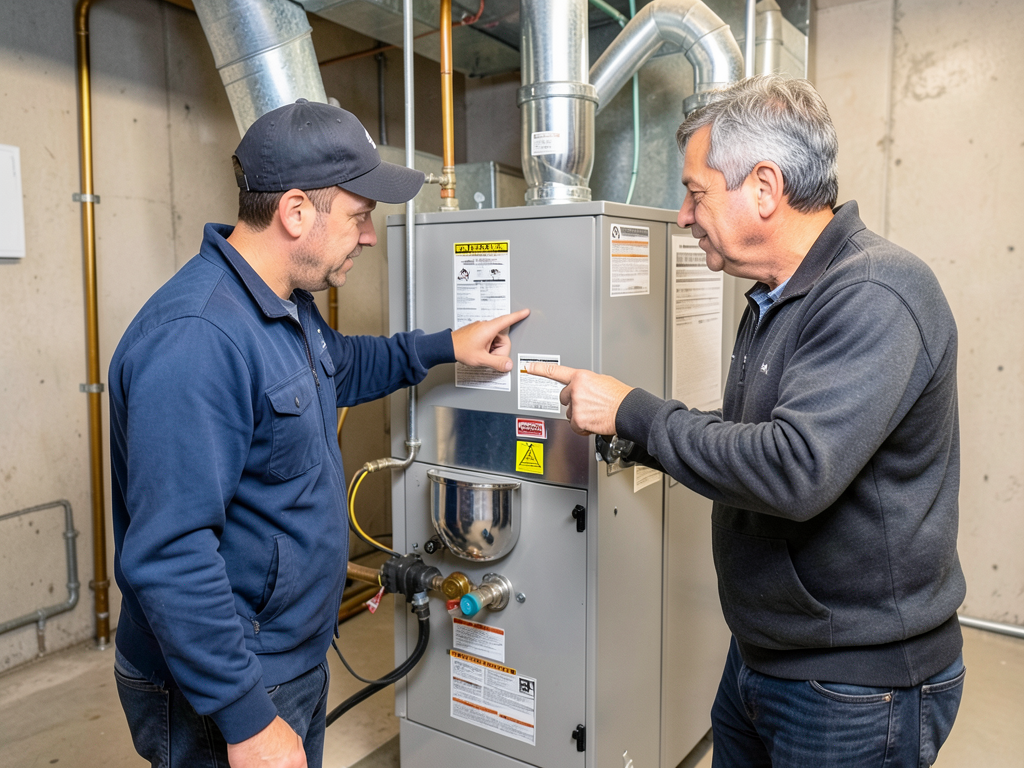
Your agreement begins with a comprehensive baseline assessment. Technicians document current equipment condition, identify existing deficiencies, and establish performance benchmarks. This creates accountability. You know what normal looks like for amp draw on compressors, static pressure across filters, and temperature differentials across coils.

Scheduled visits follow manufacturer specifications for filter changes, belt tension adjustments, and lubrication protocols. Technicians test safety controls, verify economizer operation, and inspect electrical connections under load. Commercial HVAC maintenance plans include infrared scanning to detect hot spots in electrical panels before they trigger breaker failures.

Preventive maintenance agreements prioritize components that fail most frequently in Minneapolis conditions. Condensate drain lines freeze during shoulder seasons when overnight temperatures drop below 32 degrees but daytime heat still requires cooling. Regular treatment prevents ice blockages that overflow drain pans and damage ceilings.

Commercial planned maintenance agreements include detailed reporting after every visit. You receive documentation of work performed, components replaced, and emerging issues that require monitoring. This creates an equipment history that informs capital planning. When a rooftop unit reaches end of serviceable life, you have data to justify replacement instead of reacting to catastrophic failure.

The systematic approach reduces your total cost of ownership by extending equipment lifespan 30 to 40 percent compared to reactive maintenance models.

How Commercial HVAC Service Agreements Get Implemented in Your Facility

Commercial Maintenance Agreements in Minneapolis – Minimize Downtime and Reduce Emergency Repair Costs by Up to 40%
01

Initial Equipment Audit

Technicians catalog every HVAC asset in your facility, recording make, model, installation date, and current operating condition. This audit identifies equipment running beyond expected service life and components requiring immediate attention. You receive a complete equipment inventory with recommended service intervals tailored to each system's age and usage patterns.
02

Customized Service Scheduling

Your agreement establishes service visits around your operational requirements. Critical systems receive quarterly inspections. Standard equipment follows biannual schedules. Visits occur during your preferred maintenance windows to avoid disrupting business operations. You get advance notice of every scheduled visit with confirmed technician arrival times and specific tasks planned for that service call.
03

Priority Emergency Response

Agreement holders receive expedited dispatch when unexpected failures occur between scheduled visits. Your facility moves to front of the service queue. You get direct access to commercial service coordinators who understand your equipment history and can authorize emergency repairs without delay. This priority positioning minimizes downtime during critical system failures that scheduled maintenance could not prevent.

Why Minneapolis Commercial Properties Choose All Pro HVAC for Service Agreements

Minneapolis commercial HVAC requirements differ substantially from milder climates. Equipment must handle 120-degree temperature differentials between winter and summer extremes. Boilers and rooftop units cycle more frequently here than in temperate regions, accelerating wear on contactors, relays, and mechanical components.

All Pro HVAC Minneapolis maintains service relationships with commercial properties throughout the metro, from downtown high-rises to suburban industrial parks. Our technicians understand local code requirements for commercial ventilation rates, which vary by occupancy classification. We document service work to meet Minneapolis inspection standards and maintain compliance records that satisfy property insurance requirements.

Commercial HVAC service agreements require parts inventory that supports immediate repairs. We stock common failure components for major equipment brands used in Minneapolis commercial construction. When a contactor fails during a scheduled visit, the technician replaces it from truck stock instead of ordering parts and returning later. This parts availability prevents single-point failures from extending into multi-day outages.

Our commercial service team operates dedicated routes for agreement properties. You work with the same technicians who learn your facility layout, understand your operational priorities, and recognize developing issues before they escalate. This continuity eliminates the learning curve that happens when different technicians arrive for every service call.

HVAC preventive maintenance agreements include access to our commercial service coordinator team. You get direct phone contact with personnel who can authorize work, coordinate with your facility management software, and schedule service around your building events. This eliminates the communication delays that happen when service providers route all requests through general dispatch numbers.

What Your Commercial Maintenance Agreement Includes

Service Visit Frequency and Response Times

Most commercial agreements include quarterly service visits for critical equipment and biannual visits for standard systems. Visits occur during your specified maintenance windows, with confirmed appointment times to minimize facility disruption. Agreement holders receive priority emergency dispatch with target response times under two hours for critical system failures. You get 24/7 access to commercial service coordinators who can authorize emergency repairs without waiting for approval chains during off-hours failures.

Comprehensive System Assessment and Documentation

Every scheduled visit includes systematic inspection of all agreement-covered equipment. Technicians measure amp draw, refrigerant pressures, temperature differentials, and airflow rates, comparing current readings against baseline performance metrics. You receive detailed service reports documenting work performed, components replaced, and developing issues requiring monitoring. This creates equipment history that informs capital planning and demonstrates maintenance due diligence for insurance and regulatory compliance. Infrared electrical scanning identifies hot connections before they trigger failures.

Predictable Operating Costs and Budget Control

Commercial planned maintenance agreements convert unpredictable repair expenses into fixed monthly costs. Your agreement covers all scheduled maintenance labor, routine component replacements, and system adjustments needed to maintain efficient operation. This eliminates surprise invoices for emergency service calls and allows accurate budget forecasting for facility operating expenses. You know exactly what you will spend on HVAC maintenance each fiscal year, making commercial HVAC service contracts valuable tools for financial planning and operational cost control.

Priority Parts Access and Repair Authorization

Agreement properties receive priority access to replacement parts during supply shortages and delivery delays. Technicians carry common failure components on service vehicles, enabling immediate repairs during scheduled visits. When major component replacement becomes necessary, your agreement includes pre-authorized spending limits that allow technicians to proceed with repairs without waiting for approval during after-hours emergencies. This authorization structure prevents small failures from becoming extended outages while procurement processes work through approval chains. You maintain operational continuity while administrative processes catch up.

Frequently Asked Questions

You Have Questions,
We Have Answers

What should be included in a maintenance agreement? +

A commercial maintenance agreement should include scheduled inspections, filter replacements, system cleaning, and performance testing. For Minneapolis facilities, agreements must account for extreme seasonal demands. Your contract should specify response times for emergency calls, coverage hours, labor rates, and parts pricing. Include documentation requirements for compliance audits and detailed service reports after each visit. Define what equipment gets covered, exclusions like refrigerant or major component failures, and renewal terms. Clarify whether the agreement covers just routine maintenance or includes repairs. A solid contract protects your business continuity and budgeting predictability across harsh Minnesota winters and humid summers.

What is the difference between AMC and CAMC? +

AMC stands for Annual Maintenance Contract, covering routine preventive maintenance like inspections, cleaning, and filter changes. CAMC means Comprehensive Annual Maintenance Contract, which includes both preventive maintenance and repairs, including parts and labor. CAMC costs more upfront but eliminates surprise repair bills. For Minneapolis commercial properties facing freeze-thaw stress and extreme temperature swings, CAMC offers better budget protection. AMC works if you have newer equipment with low failure risk. CAMC makes sense for aging systems or mission-critical operations where downtime costs exceed the premium. Evaluate your equipment age, failure history, and downtime tolerance when choosing between them.

What is an example of a commercial agreement? +

A commercial HVAC maintenance agreement is a common example. A Minneapolis office building might contract quarterly inspections, biannual filter changes, coil cleaning, refrigerant level checks, and calibration of controls. The agreement specifies service frequency, response times for emergency calls, and pricing for covered tasks. Another example is a property management company contracting annual roof inspections and gutter cleaning for multiple buildings. Commercial agreements differ from residential because they emphasize liability protection, business continuity, and regulatory compliance. They include detailed reporting requirements and often tier pricing based on equipment count or square footage. The goal is predictable costs and minimized operational disruption.

What are the 4 types of maintenance? +

The four types are corrective, preventive, predictive, and reliability-centered maintenance. Corrective maintenance fixes failures after they happen. Preventive maintenance follows scheduled tasks like filter changes to prevent breakdowns. Predictive maintenance uses data and diagnostics to identify problems before failure occurs. Reliability-centered maintenance prioritizes critical systems based on failure consequences. For Minneapolis commercial facilities, preventive maintenance prevents winter heating failures and summer cooling disruptions. Predictive maintenance catches bearing wear or refrigerant leaks early. Most maintenance agreements focus on preventive tasks with corrective work billed separately. The right mix depends on your equipment criticality, age, and operational risk tolerance.

What is the 80 20 rule in maintenance? +

The 80-20 rule states that 80 percent of equipment failures come from 20 percent of components. Focus preventive maintenance on that critical 20 percent to maximize reliability and ROI. For Minneapolis commercial HVAC systems, this means prioritizing compressors, heat exchangers, and controls over cosmetic panels. Target high-wear components exposed to extreme temperature cycling. Apply this principle when negotiating maintenance agreements. Ensure your contract covers the failure-prone components specific to your equipment and climate stress. Do not waste budget on excessive inspections of low-risk parts. Concentrate resources where failure consequences are highest for your operations and bottom line.

What is a standard maintenance agreement? +

A standard maintenance agreement covers scheduled inspections, cleaning, lubrication, and minor adjustments. It typically excludes parts, major repairs, and emergency service outside business hours. For Minneapolis commercial properties, standard agreements include seasonal tune-ups before heating and cooling seasons, filter replacements, and performance reporting. The contract specifies visit frequency, response times, and what triggers additional charges. Standard agreements keep equipment running efficiently and catch small problems before they escalate. They do not cover catastrophic failures or neglected systems. Review the exclusions carefully. If your operation cannot tolerate downtime, consider upgrading to a comprehensive agreement that includes repairs and parts coverage.

What is the 10% rule of preventive maintenance? +

The 10 percent rule suggests allocating 10 percent of equipment replacement cost annually to preventive maintenance. This benchmark helps you budget appropriately and avoid under-maintaining assets. For a Minneapolis commercial building with 200,000 dollars in HVAC equipment, budget roughly 20,000 dollars yearly for maintenance. This covers quarterly inspections, filter changes, cleaning, and minor adjustments. Under-maintaining equipment accelerates wear, increases energy costs, and triggers premature failures. Over-maintaining wastes budget on unnecessary tasks. Use the 10 percent rule as a starting point, then adjust based on equipment age, criticality, and manufacturer recommendations. Proper maintenance extends asset life and protects your capital investment.

What does an annual maintenance contract include? +

An annual maintenance contract includes scheduled inspections, system cleaning, filter replacements, lubrication, and performance testing. For Minneapolis commercial facilities, contracts typically cover pre-season tune-ups before winter heating and summer cooling demands. Expect documentation after each visit, including findings, completed tasks, and recommendations for repairs. Contracts specify how many visits you receive, response times for service calls, and labor rates for non-covered work. Some include priority scheduling and discounted repair rates. Basic contracts cover labor only. Parts, refrigerant, and major component replacements get billed separately. Review what equipment gets covered, exclusions, and renewal terms before signing.

What are the two types of AMC? +

The two types are non-comprehensive and comprehensive AMC. Non-comprehensive AMC covers preventive maintenance only, including inspections, cleaning, adjustments, and lubrication. You pay separately for parts and repairs. Comprehensive AMC covers both preventive maintenance and repairs, including parts and labor for covered failures. For Minneapolis commercial properties, comprehensive AMC offers better budget predictability and faster repairs since parts sourcing is included. Non-comprehensive AMC costs less upfront but exposes you to variable repair expenses. Choose non-comprehensive for newer equipment with low failure risk. Choose comprehensive for aging systems, critical operations, or when predictable budgeting outweighs premium costs. Evaluate your risk tolerance and equipment condition.

What are the 5 C's of a contract? +

The five Cs are capacity, consideration, competence, consent, and lawful purpose. Capacity means both parties have legal authority to enter the contract. Consideration is the exchange of value, like payment for maintenance services. Competence requires both parties understand terms and obligations. Consent means voluntary agreement without coercion or misrepresentation. Lawful purpose ensures the contract does not involve illegal activities. For Minneapolis commercial maintenance agreements, verify the contractor holds proper licensing and insurance. Ensure pricing, scope, and exclusions are clearly defined. Both parties must agree on terms without ambiguity. A valid contract protects your business interests and ensures enforceability if disputes arise.

How Minneapolis Winter Conditions Make Commercial HVAC Service Agreements Essential

Minneapolis commercial buildings experience heating demands that stress equipment beyond typical operating parameters. When outdoor temperatures drop below zero for extended periods, rooftop units and boilers run continuously without defrost cycles or rest periods. This constant operation accelerates bearing wear, exposes electrical connection weaknesses, and tests heat exchanger integrity under sustained thermal stress. Commercial HVAC maintenance plans catch these stress-related failures during scheduled inspections before they cascade into complete system shutdowns during peak heating demand. Buildings without preventive maintenance agreements face emergency service calls during the coldest weeks when every commercial HVAC contractor operates at capacity and response times extend to 24 hours or longer.

Minneapolis mechanical codes require specific documentation for commercial HVAC system maintenance, particularly for buildings with complex occupancy classifications or special ventilation requirements. HVAC preventive maintenance agreements create the service records that satisfy these documentation requirements during building inspections and insurance audits. All Pro HVAC Minneapolis understands local inspection expectations and structures service documentation to meet Minneapolis code compliance standards. Our commercial service team works throughout the metro area, from Northeast Minneapolis industrial properties to Eden Prairie office parks, maintaining the commercial HVAC service contracts that keep facilities operating through extreme seasonal demands.
HVAC Services in The Minneapolis Area

All Pro HVAC is conveniently located to serve the Minneapolis area and surrounding communities effectively. We invite you to view our service area on the map below, helping you visualize our reach and confirm that we are readily available to provide our expert heating, ventilation, and air conditioning services right to your doorstep, ensuring your comfort is always within reach.

Address:
All Pro HVAC Minneapolis, 1 W Franklin Ave, Minneapolis, MN, 55404

Additional Services We Offer

Our news updates

Latest Articles & News from The Blogs

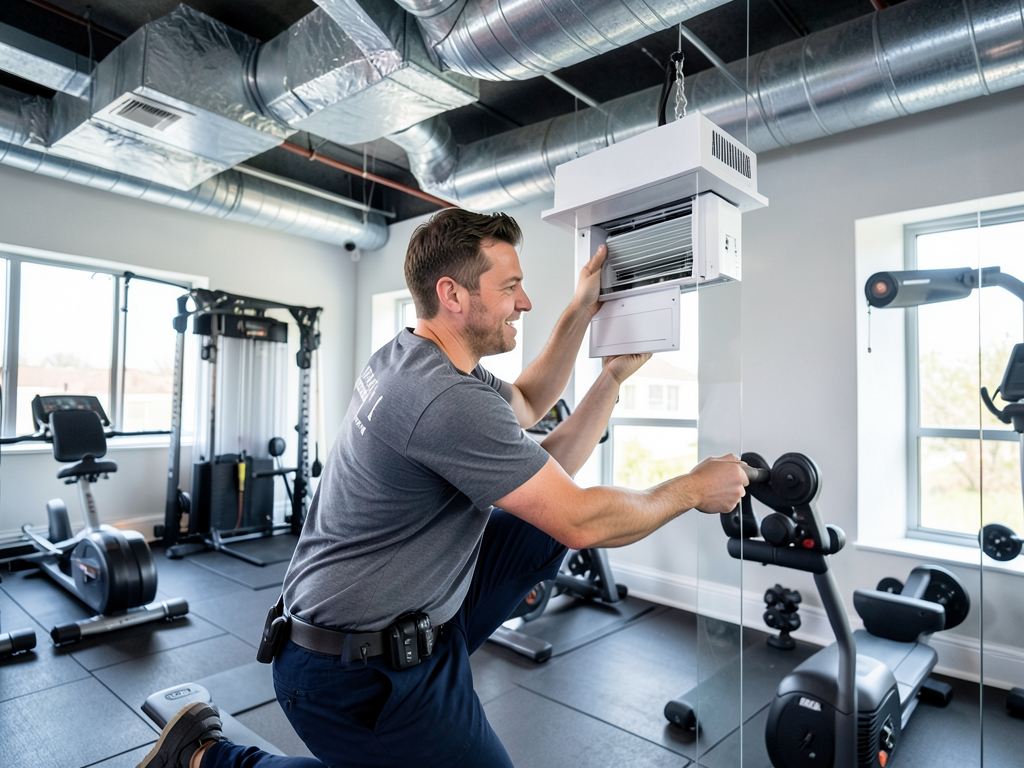
Building a Home Gym in Orono? Here's How to Keep It Comfortable Year-Round The Twin Cities climate makes home gym…

Adding HVAC to a New Home Gym or Yoga Studio in Orono

Building a Home Gym in Orono? Here's How to Keep It Comfortable Year-Round The Twin Cities climate makes home gym…

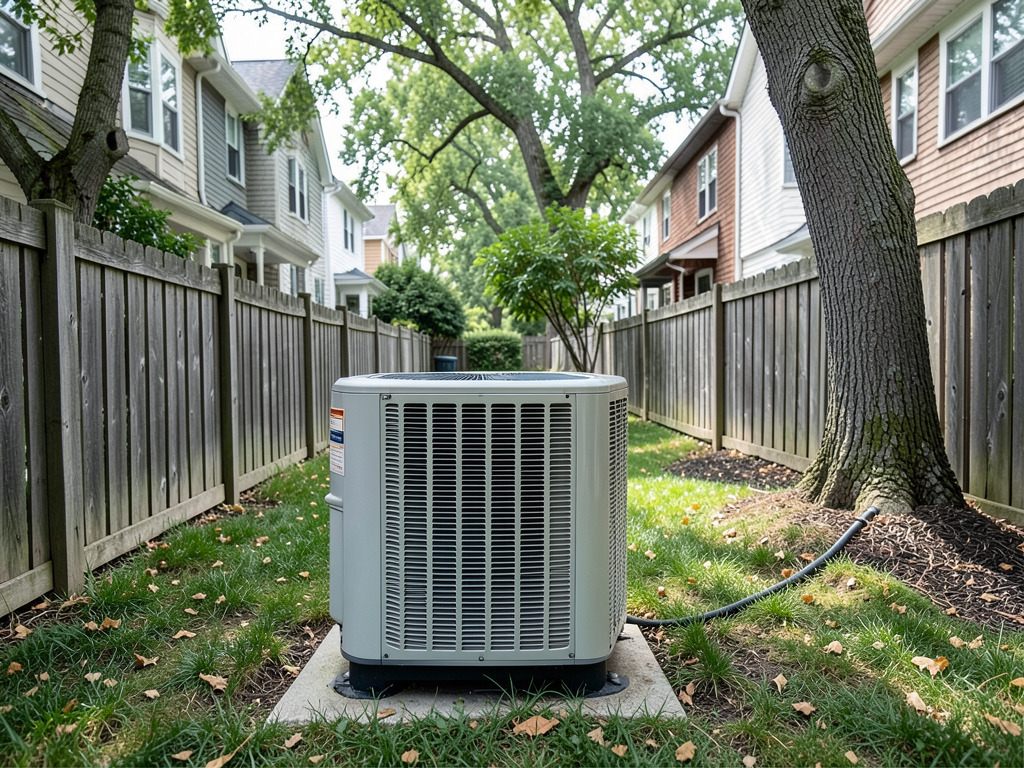
Soundproofing an Outdoor AC Unit for Small Backyards in Prospect Park

Living in Prospect Park means enjoying a tight-knit Minneapolis neighborhood where houses sit close together and outdoor spaces feel like…

Choosing Between 80% and 96% Efficiency Furnaces for Your First Minneapolis Home

Choosing Between 80% and 96% Efficiency Furnaces for Your First Minneapolis Home Minneapolis winters are brutal and your furnace choice…

Contact Us

Stop gambling on reactive maintenance. Call (651) 588-9677 to schedule your facility equipment audit and receive a customized commercial HVAC service agreement proposal. Get fixed maintenance costs, priority emergency response, and the equipment reliability your operations require.