





St. Louis Park sits in the heart of Minnesota's extreme climate zone, where furnaces run hard from October through April and air conditioners battle oppressive summer humidity. January temperatures regularly drop below zero, forcing heating systems to operate at maximum capacity for months. Summer heat and humidity create condensation issues that stress cooling equipment and promote mold growth in ductwork.
The city's housing stock ranges from mid-century ramblers in Minikahda Vista to newer construction near Wolfe Park, each with different HVAC configurations and challenges. Older homes often have undersized ductwork or inefficient single-stage systems that struggle with modern heating demands. The clay-rich soil throughout St. Louis Park causes foundation settling that can disconnect ductwork joints and create air leaks that waste energy.
Winter freeze-thaw cycles are brutal on outdoor condenser units. Ice buildup damages fan blades and coils. Spring brings pollen from mature tree canopies in neighborhoods like Wooddale and Westwood Hills, clogging filters faster than in newer suburbs. Your HVAC system works harder here than in most of the country, which means equipment failures happen without warning when you need climate control most.
We built our reputation in the Twin Cities metro by showing up fast and fixing problems right. When your heat goes out at 11 PM in January, you need a technician who answers the phone, not a voicemail system. Our dispatch operates around the clock because HVAC emergencies don't follow business hours.
Every technician on our team carries Minnesota state licenses and manufacturer certifications for major brands. We invest in ongoing training because HVAC technology evolves rapidly. Modern variable-speed systems and smart thermostats require diagnostic skills that older repair shops haven't developed. We troubleshoot the actual problem instead of throwing parts at symptoms.
Our service trucks stock common components for furnaces, air conditioners, and heat pumps. Most repairs finish in a single visit because we arrive prepared. We don't schedule callbacks to order parts that should already be on hand. Time matters when your family is uncomfortable.
We serve St. Louis Park neighborhoods from Park Commons to the Cedar Lake Road corridor. Our technicians know the HVAC configurations common to different areas. The split-level homes near Aquila Park have different ductwork challenges than the ramblers in Westwood. Local knowledge speeds diagnosis and prevents mismatched repairs.
Transparent pricing means you approve costs before work begins. No surprise charges. No hidden fees for after-hours service. We quote the repair, you decide if it makes sense, and we complete the work efficiently. Simple and honest.

Climate emergencies don't wait for morning. Our technicians respond to St. Louis Park calls day and night, arriving with diagnostic equipment and parts to restore your comfort fast. No voicemail. No delays. Just immediate dispatch when your system fails.

Every repair technician holds current Minnesota state licensing and manufacturer certifications. We invest in continuous training on modern HVAC technology including variable-speed systems, smart controls, and high-efficiency equipment. Your repair is handled by qualified professionals, not apprentices learning on your system.
Our trucks stock hundreds of common components for furnaces, air conditioners, and heat pumps. Most repairs complete in one visit because we arrive prepared with parts and tools. No waiting days for components to arrive while your family suffers through temperature extremes.
You approve all costs before work begins. We quote the repair clearly, explain what failed and why, then complete the job at the agreed price. No surprise charges for evening service. No hidden diagnostic fees. Just honest pricing for quality HVAC repair in St. Louis Park.
Your HVAC system includes multiple components that heat, cool, and circulate air throughout your home. When one part fails, your entire comfort system suffers. All Pro HVAC Minneapolis provides complete service for every aspect of residential climate control in St. Louis Park.
We repair and maintain furnaces, air conditioners, heat pumps, ductwork, thermostats, and air quality equipment. Our technicians diagnose problems accurately using calibrated instruments that measure airflow, refrigerant pressures, combustion efficiency, and electrical performance. Accurate diagnosis prevents unnecessary part replacement and gets your system working efficiently.
Emergency repairs stop active failures that leave your home uninhabitable. Maintenance service prevents breakdowns before they happen by catching worn components early. Installation and replacement services upgrade outdated systems that waste energy or can't keep up with extreme Minnesota weather. We handle all three service categories with the same commitment to quality and speed.
Furnace failure in January creates a dangerous situation. AC failure during humid July weather makes your home unbearable. We dispatch technicians immediately to diagnose and repair heating and cooling failures across St. Louis Park. Our trucks stock blower motors, ignitors, capacitors, contactors, and refrigerant for on-site repairs. Most emergency calls resolve in a single visit, restoring your comfort within hours of your call.
Regular maintenance catches problems before they cause system failure. We inspect heat exchangers for cracks, test ignition systems, measure refrigerant charge, check electrical connections, and clean components that degrade performance. Spring AC tune-ups and fall furnace inspections keep your system running efficiently through peak demand months. Maintenance customers get priority scheduling and discounted repair rates when service is needed.
When repair costs approach replacement value or your system can't maintain comfort, upgrading makes financial sense. We install high-efficiency furnaces, air conditioners, and heat pumps sized correctly for St. Louis Park homes. Proper load calculations prevent oversized equipment that cycles inefficiently. We handle permits, inspections, and utility rebate applications. Installation typically completes in one to two days with minimal disruption to your routine.
Minnesota's extreme temperature swings stress HVAC equipment harder than moderate climates. St. Louis Park homes face specific problems related to climate, housing age, and seasonal weather patterns. Understanding these common failures helps you recognize warning signs before complete system breakdowns.
Furnaces run continuously from late fall through early spring, accumulating thousands of operating hours each winter. This extended runtime wears components faster than in southern states where heating is occasional. Air conditioners battle high humidity that accelerates corrosion and promotes biological growth in drain pans and ductwork.
Older neighborhoods have aging HVAC infrastructure. Original ductwork may have disconnected joints or inadequate insulation. Outdated thermostats lack the efficiency controls that modern systems require. Recognizing these patterns helps our technicians diagnose root causes instead of temporarily patching symptoms that will recur.
Hot surface ignitors crack from repeated heating cycles during long Minnesota winters. Pilot assemblies clog with dust and fail to sense flame properly. When ignition components fail, your furnace won't start even though the blower runs. We stock ignitors for all major brands and complete most repairs same-day.
Freeze-thaw cycles stress copper refrigerant lines where they exit your home to reach the outdoor condenser. Vibration from compressor operation gradually works connections loose. Low refrigerant reduces cooling capacity and can damage compressors. We locate leaks with electronic detectors, repair them permanently, and recharge systems to manufacturer specifications.
Blower motors run constantly during heating and cooling seasons, moving thousands of cubic feet of air daily. Bearings wear out. Capacitors weaken and reduce motor efficiency. When blowers fail, air stops circulating even if your furnace or AC runs. We carry replacement motors and capacitors for fast restoration of airflow.
High-efficiency furnaces and air conditioners produce condensation that drains through plastic tubes. Algae grows in standing water. Dust accumulates in drain lines. Clogs cause water backup that triggers safety shutoffs. Summer humidity makes AC drain clogs particularly common in St. Louis Park. We clear drains and treat them to prevent biological growth.
HVAC emergencies create stress. Your family needs heat or cooling restored quickly, and you need honest information about costs and timing. We eliminate uncertainty by communicating clearly from your first call through job completion.
When you contact us, a real person answers and gathers information about your problem. We don't route you through automated menus or make you leave voicemail. Our dispatcher identifies whether you need emergency service or can schedule a standard appointment, then commits to a specific arrival window.
Technicians call before arriving and show up in marked trucks with proper identification. They assess your system thoroughly, explain what failed in plain language, and quote repair costs before touching tools. You decide if the repair makes sense or if replacement is smarter. No pressure. No inflated quotes hoping you won't get second opinions.
Our phone lines connect you to dispatch staff who understand HVAC problems, not call center workers reading scripts. They determine problem urgency, schedule technician arrival, and answer basic questions about what to expect. Emergency calls get immediate dispatch. Routine service schedules at your convenience. You receive a confirmation text with technician details and arrival window.
Technicians arrive with diagnostic equipment to test your system properly. They measure voltages, check refrigerant pressures, inspect heat exchangers, and verify airflow. Accurate diagnosis identifies root causes instead of guessing based on symptoms. You get a clear explanation of what failed, why it happened, and what repair involves. Written quotes include parts and labor with no hidden charges.
Once you approve the quote, technicians complete repairs efficiently using quality parts. We test system operation before leaving to confirm proper heating or cooling. You receive documentation of work performed and recommendations for preventing future issues. Our repairs include warranty coverage on parts and labor, giving you confidence the problem is truly fixed.
We designed our service process to minimize your downtime and eliminate surprises. Three simple steps take you from system failure to restored comfort.
Call (651) 588-9677 to reach our dispatch team. Describe your HVAC problem and we'll determine service urgency. Emergency calls get same-day dispatch. Routine maintenance schedules at your convenience. We provide a specific arrival window and text you technician details. No waiting around all day wondering when service will arrive.
Our technician inspects your system using calibrated instruments to identify the failure cause. They explain the problem clearly, show you failed components when possible, and provide a written quote for repair. You decide if you want to proceed. If costs exceed repair value, we discuss replacement options with transparent pricing for new equipment.
After you approve the quote, we complete repairs using quality parts from our stocked truck. Most jobs finish the same day. We test system operation thoroughly, verify proper heating or cooling output, and clean up completely. You receive documentation of work performed, warranty information, and maintenance recommendations to prevent future breakdowns.
Professional HVAC service in Minnesota requires adherence to state mechanical codes, manufacturer specifications, and industry best practices. All Pro HVAC Minneapolis maintains rigorous standards that protect your home and ensure system longevity.
Minnesota Mechanical Code mandates specific requirements for furnace venting, combustion air supply, refrigerant handling, and electrical connections. We pull permits for equipment replacement and coordinate inspections to ensure code compliance. Proper permitting protects your homeowner's insurance coverage and prevents problems when you sell your property.
Refrigerant handling requires EPA Section 608 certification. Our technicians hold current certifications for recovering, recycling, and charging systems with refrigerants including R-410A and R-22. We use electronic leak detectors and nitrogen pressure testing to locate leaks accurately before adding refrigerant. Simply topping off low systems without fixing leaks wastes money and harms the environment.
Load calculation determines correct equipment sizing for your home's heating and cooling requirements. Minnesota's climate requires careful attention to heating capacity since undersized furnaces can't maintain comfort during extreme cold snaps. We calculate heat loss using Manual J methodology, accounting for insulation levels, window quality, air infiltration, and orientation. Properly sized equipment runs efficiently instead of short-cycling or struggling to reach setpoint.
Ductwork design affects system performance as much as equipment quality. We test static pressures to identify undersized ducts or excessive restriction from dirty filters and closed vents. Leaking ducts waste conditioned air in attics and crawlspaces. We seal connections with mastic and metallic tape, never cloth duct tape which degrades quickly.
Minnesota requires permits for furnace and air conditioner replacement. We handle permit applications and coordinate inspections with local authorities. Proper permitting ensures your installation meets mechanical code requirements for venting, combustion air, electrical service, and refrigerant lines. This protects your insurance coverage and home value.
Correct sizing balances initial cost against operating efficiency and comfort. Oversized furnaces short-cycle and waste energy. Undersized systems run constantly during temperature extremes. We perform Manual J load calculations to match equipment capacity to your home's actual heating and cooling requirements, accounting for Minnesota's climate demands.
Equipment older than 15 years approaches the end of useful life. When repair costs exceed half the replacement value, new equipment makes financial sense. We provide honest assessments comparing repair costs to replacement benefits including improved efficiency, reliability, and warranty coverage. The decision is always yours.
EPA regulations require certified technicians for refrigerant service. We hold Section 608 certifications and use approved recovery equipment. Older systems using R-22 refrigerant face limited supply as production ended. We explain options for repairing R-22 systems versus upgrading to modern R-410A equipment with better availability and efficiency.
This video explains common HVAC problems affecting St. Louis Park, Minnesota homes and how All Pro HVAC Minneapolis diagnoses and repairs them. Topics include furnace ignition failures caused by extreme cold, air conditioning refrigerant leaks from freeze-thaw cycles, blower motor failures, and condensate drain clogs. Viewers learn why Minnesota's climate stresses heating and cooling systems, what warning signs indicate impending failure, and what to expect during emergency HVAC service calls.
All Pro HVAC Minneapolis provides heating and cooling service throughout St. Louis Park and neighboring communities in Hennepin County. Our technicians respond quickly to calls from every neighborhood, understanding the unique characteristics of different areas.
The Minikahda Vista neighborhood near Cedar Lake features mid-century homes with original HVAC systems that often need upgrading. These properties typically have perimeter ductwork and single-stage furnaces that struggle with energy efficiency. We work extensively in this area replacing outdated equipment and improving duct insulation.
Westwood Hills and Wooddale neighborhoods contain mature tree canopies that drop leaves and pollen, clogging outdoor condenser units and requiring frequent filter changes. Homes near Wolfe Park and Aquila Park often have split-level designs with complex ductwork configurations that challenge proper airflow balance. Our technicians understand these architectural patterns and adjust systems accordingly.
The Park Commons area near Highway 100 includes newer construction with modern HVAC systems, but these homes still face Minnesota's brutal climate demands. High-efficiency equipment requires specialized diagnostic skills that our team maintains through continuous training. Properties along Excelsior Boulevard experience traffic vibration that can gradually loosen refrigerant connections over time.
We serve the entire Cedar Lake Road corridor extending into neighboring Golden Valley and Hopkins. Our service area includes residential properties near Brookside Avenue and throughout the greater St. Louis Park metro region. Response times stay consistent across all neighborhoods because we dispatch from central locations with quick highway access via Interstate 394 and Highway 7.
The diversity of housing stock across St. Louis Park means we encounter everything from 1950s ramblers to contemporary new builds. Each property type presents different HVAC challenges, but our experience across thousands of local service calls means we've likely worked on systems similar to yours. This local knowledge speeds diagnosis and prevents trial-and-error repairs that waste your time and money.
The $5000 rule is a simple guideline to help you decide between repair and replacement. Multiply the age of your system by the repair cost. If the result exceeds $5000, replacement makes more financial sense. For example, a 12-year-old furnace needing a $500 repair equals $6000, suggesting replacement. In St. Louis Park, where Minnesota winters stress aging systems and energy costs stay high, this rule helps you avoid throwing money at a system near end-of-life. Factor in efficiency gains from newer models that can cut heating bills by 20-30 percent.
Basic HVAC repairs in St. Louis Park typically run $150 to $600 for issues like thermostat problems, clogged filters, or capacitor replacements. Moderate repairs like blower motor replacement or refrigerant recharge cost $400 to $1500. Major component failures such as compressor or heat exchanger replacement range $1500 to $3500. System replacement varies widely based on home size, equipment efficiency, and ductwork condition. Minnesota climate demands reliable heating, so costs reflect the need for quality equipment that handles sub-zero temperatures and high summer humidity. Get multiple quotes and ask about equipment warranties.
St. Louis Park air quality ranks moderate on most days, with seasonal variations. Spring pollen from oak and birch trees affects many residents. Summer ozone levels occasionally spike during hot, stagnant weather. Winter indoor air quality drops when homes stay sealed tight, trapping dust, pet dander, and cooking byproducts. Your HVAC system directly impacts indoor air quality. Upgrading to MERV 11-13 filters, adding whole-home air purifiers, or installing UV lights helps remove allergens and bacteria. Regular duct cleaning every three to five years reduces particulate buildup that circulates through your home.
The $5000 rule is a simple guideline to help you decide between repair and replacement. Multiply the age of your system by the repair cost. If the result exceeds $5000, replacement makes more financial sense. For example, a 12-year-old furnace needing a $500 repair equals $6000, suggesting replacement. In St. Louis Park, where Minnesota winters stress aging systems and energy costs stay high, this rule helps you avoid throwing money at a system near end-of-life. Factor in efficiency gains from newer models that can cut heating bills by 20-30 percent.
Basic HVAC repairs in St. Louis Park typically run $150 to $600 for issues like thermostat problems, clogged filters, or capacitor replacements. Moderate repairs like blower motor replacement or refrigerant recharge cost $400 to $1500. Major component failures such as compressor or heat exchanger replacement range $1500 to $3500. System replacement varies widely based on home size, equipment efficiency, and ductwork condition. Minnesota climate demands reliable heating, so costs reflect the need for quality equipment that handles sub-zero temperatures and high summer humidity. Get multiple quotes and ask about equipment warranties.
St. Louis Park air quality ranks moderate on most days, with seasonal variations. Spring pollen from oak and birch trees affects many residents. Summer ozone levels occasionally spike during hot, stagnant weather. Winter indoor air quality drops when homes stay sealed tight, trapping dust, pet dander, and cooking byproducts. Your HVAC system directly impacts indoor air quality. Upgrading to MERV 11-13 filters, adding whole-home air purifiers, or installing UV lights helps remove allergens and bacteria. Regular duct cleaning every three to five years reduces particulate buildup that circulates through your home.
A new HVAC system for a 1500 square-foot home in St. Louis Park costs $5000 to $10000 installed. This includes a 2.5-3 ton air conditioner and 60000-80000 BTU furnace, standard efficiency models. High-efficiency systems with variable-speed technology add $2000 to $4000 but cut energy bills significantly. Ductwork modifications, new thermostats, and zone controls increase costs. Minnesota building codes require proper sizing for extreme cold, so oversizing or undersizing affects both price and performance. Request Manual J load calculations to ensure correct equipment sizing. Get three written estimates comparing equipment brands and efficiency ratings.
Complete HVAC system replacement in St. Louis Park ranges $6000 to $15000 depending on home size, equipment quality, and installation complexity. This covers new furnace, air conditioner, thermostat, and installation labor. Homes with existing ductwork in good condition stay at the lower end. Add $3000 to $8000 if ductwork needs replacement or major sealing. High-efficiency two-stage or modulating systems cost more upfront but reduce energy bills by 30-40 percent. Minnesota rebates through Xcel Energy and CenterPoint can offset $500 to $1200. Factor in removal and disposal of old equipment.
The 3-minute rule protects your compressor from damage. After your AC shuts off, wait at least 3 minutes before restarting it. This allows refrigerant pressure to equalize throughout the system. Restarting too quickly forces the compressor to work against high pressure, straining components and shortening lifespan. Most modern thermostats have built-in delay timers. In St. Louis Park, where AC units cycle frequently during humid July and August weather, this protection prevents premature compressor failure. If your system short-cycles or trips breakers, call a technician to check refrigerant levels and electrical components.
HVAC installation for a 2000 square-foot house in St. Louis Park costs $7000 to $12000 for standard efficiency equipment. This includes a 3-3.5 ton air conditioner and 80000-100000 BTU furnace. High-efficiency models with SEER ratings above 16 and AFUE above 95 percent add $3000 to $5000. Minnesota winters demand reliable heating capacity, so proper sizing matters. Homes with poor insulation or older windows may need larger systems. Two-story homes often benefit from zoned systems, adding $2000 to $4000. Request itemized quotes showing equipment specifications, labor, permits, and warranty coverage.
HVAC systems last 15-20 years with proper maintenance. Furnaces in St. Louis Park often reach 18-22 years because they run heavily during long Minnesota winters, but regular tune-ups extend life. Air conditioners typically last 12-15 years due to outdoor exposure and refrigerant stress. Heat pumps average 10-15 years since they work year-round. Systems installed in the 1990s or early 2000s should be evaluated for replacement. Efficiency drops 5-10 percent in the final years, increasing energy costs. Annual maintenance catches small issues before they cause major failures and extends equipment lifespan by 3-5 years.
Homeowners insurance rarely covers HVAC repairs from normal wear and tear or lack of maintenance. Coverage applies only when damage results from covered perils like fire, lightning strikes, vandalism, or falling trees. If a storm damages your outdoor condenser unit, you can file a claim minus your deductible. Gradual deterioration, rust, and mechanical breakdown are your responsibility. Some insurers offer equipment breakdown endorsements covering sudden mechanical failures for an additional premium. In St. Louis Park, where winter storms and summer hail occur, review your policy to understand what scenarios trigger coverage.
St. Louis faces challenges including aging infrastructure, urban heat islands, air quality from vehicle emissions, and flooding along the Mississippi and Missouri Rivers. The region experiences temperature extremes from humid summers to sub-zero winters, stressing building systems. Economic disparities affect access to quality housing and services. If you meant St. Louis Park specifically, the suburb deals with aging housing stock from the 1950s-70s requiring system upgrades, stormwater management issues, and maintaining air quality near Highway 100 and Interstate 394. These factors directly impact HVAC demands, as older homes need modern systems to handle Minnesota climate efficiently.
A new HVAC system for a 1500 square-foot home in St. Louis Park costs $5000 to $10000 installed. This includes a 2.5-3 ton air conditioner and 60000-80000 BTU furnace, standard efficiency models. High-efficiency systems with variable-speed technology add $2000 to $4000 but cut energy bills significantly. Ductwork modifications, new thermostats, and zone controls increase costs. Minnesota building codes require proper sizing for extreme cold, so oversizing or undersizing affects both price and performance. Request Manual J load calculations to ensure correct equipment sizing. Get three written estimates comparing equipment brands and efficiency ratings.
Complete HVAC system replacement in St. Louis Park ranges $6000 to $15000 depending on home size, equipment quality, and installation complexity. This covers new furnace, air conditioner, thermostat, and installation labor. Homes with existing ductwork in good condition stay at the lower end. Add $3000 to $8000 if ductwork needs replacement or major sealing. High-efficiency two-stage or modulating systems cost more upfront but reduce energy bills by 30-40 percent. Minnesota rebates through Xcel Energy and CenterPoint can offset $500 to $1200. Factor in removal and disposal of old equipment.
The 3-minute rule protects your compressor from damage. After your AC shuts off, wait at least 3 minutes before restarting it. This allows refrigerant pressure to equalize throughout the system. Restarting too quickly forces the compressor to work against high pressure, straining components and shortening lifespan. Most modern thermostats have built-in delay timers. In St. Louis Park, where AC units cycle frequently during humid July and August weather, this protection prevents premature compressor failure. If your system short-cycles or trips breakers, call a technician to check refrigerant levels and electrical components.
HVAC installation for a 2000 square-foot house in St. Louis Park costs $7000 to $12000 for standard efficiency equipment. This includes a 3-3.5 ton air conditioner and 80000-100000 BTU furnace. High-efficiency models with SEER ratings above 16 and AFUE above 95 percent add $3000 to $5000. Minnesota winters demand reliable heating capacity, so proper sizing matters. Homes with poor insulation or older windows may need larger systems. Two-story homes often benefit from zoned systems, adding $2000 to $4000. Request itemized quotes showing equipment specifications, labor, permits, and warranty coverage.
HVAC systems last 15-20 years with proper maintenance. Furnaces in St. Louis Park often reach 18-22 years because they run heavily during long Minnesota winters, but regular tune-ups extend life. Air conditioners typically last 12-15 years due to outdoor exposure and refrigerant stress. Heat pumps average 10-15 years since they work year-round. Systems installed in the 1990s or early 2000s should be evaluated for replacement. Efficiency drops 5-10 percent in the final years, increasing energy costs. Annual maintenance catches small issues before they cause major failures and extends equipment lifespan by 3-5 years.
Homeowners insurance rarely covers HVAC repairs from normal wear and tear or lack of maintenance. Coverage applies only when damage results from covered perils like fire, lightning strikes, vandalism, or falling trees. If a storm damages your outdoor condenser unit, you can file a claim minus your deductible. Gradual deterioration, rust, and mechanical breakdown are your responsibility. Some insurers offer equipment breakdown endorsements covering sudden mechanical failures for an additional premium. In St. Louis Park, where winter storms and summer hail occur, review your policy to understand what scenarios trigger coverage.
St. Louis faces challenges including aging infrastructure, urban heat islands, air quality from vehicle emissions, and flooding along the Mississippi and Missouri Rivers. The region experiences temperature extremes from humid summers to sub-zero winters, stressing building systems. Economic disparities affect access to quality housing and services. If you meant St. Louis Park specifically, the suburb deals with aging housing stock from the 1950s-70s requiring system upgrades, stormwater management issues, and maintaining air quality near Highway 100 and Interstate 394. These factors directly impact HVAC demands, as older homes need modern systems to handle Minnesota climate efficiently.
All Pro HVAC is conveniently located to serve the Minneapolis area and surrounding communities effectively. We invite you to view our service area on the map below, helping you visualize our reach and confirm that we are readily available to provide our expert heating, ventilation, and air conditioning services right to your doorstep, ensuring your comfort is always within reach.
Address:
St. Louis Park, MN, 55416
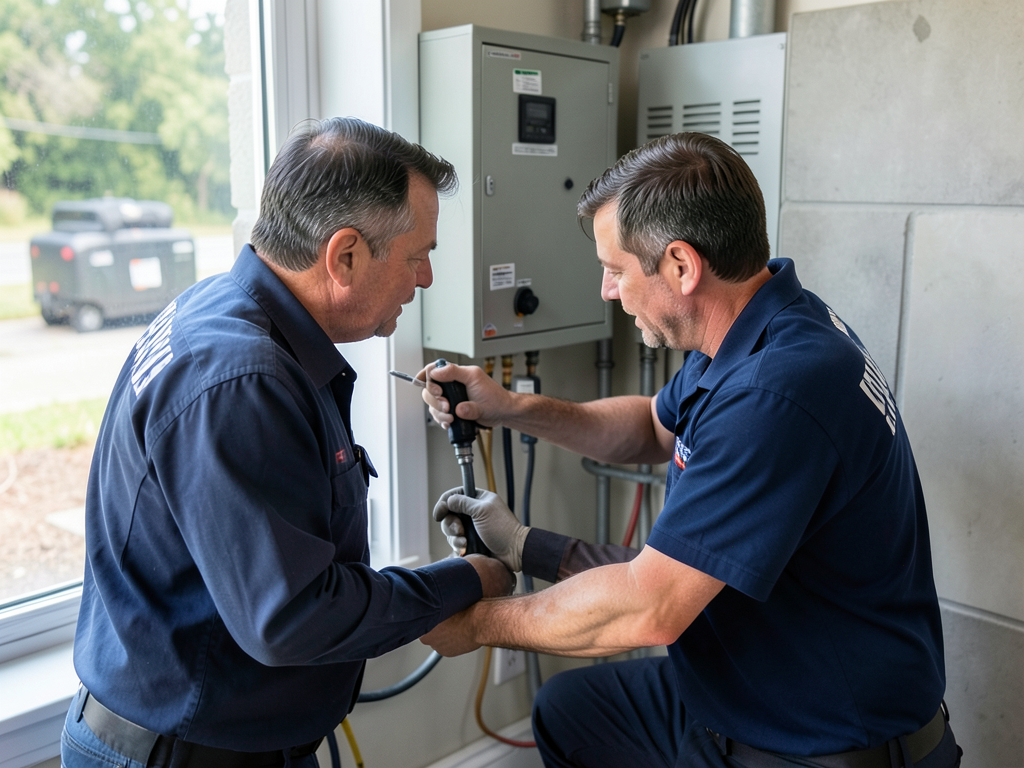
Keeping Your Home Warm During a Power Outage with HVAC Backup Power in Shoreview When winter storms hit Shoreview and the power goes out your furnace shuts down immediately leaving your home vulnerable to freezing…
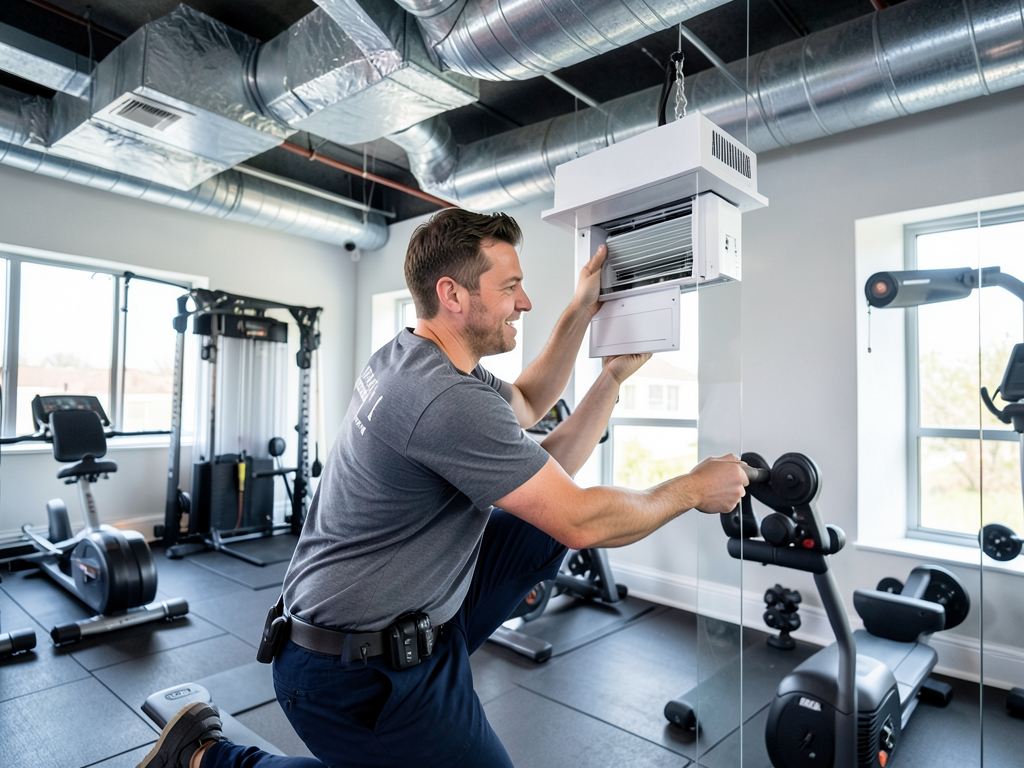
Building a Home Gym in Orono? Here's How to Keep It Comfortable Year-Round The Twin…
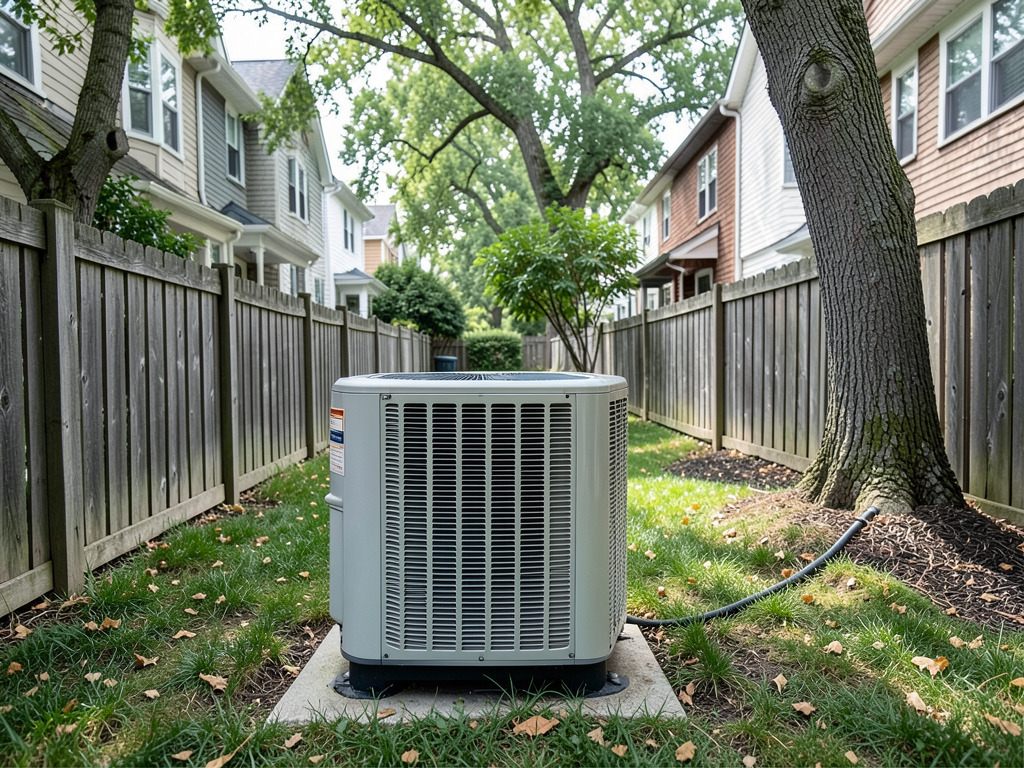
Living in Prospect Park means enjoying a tight-knit Minneapolis neighborhood where houses sit close together…
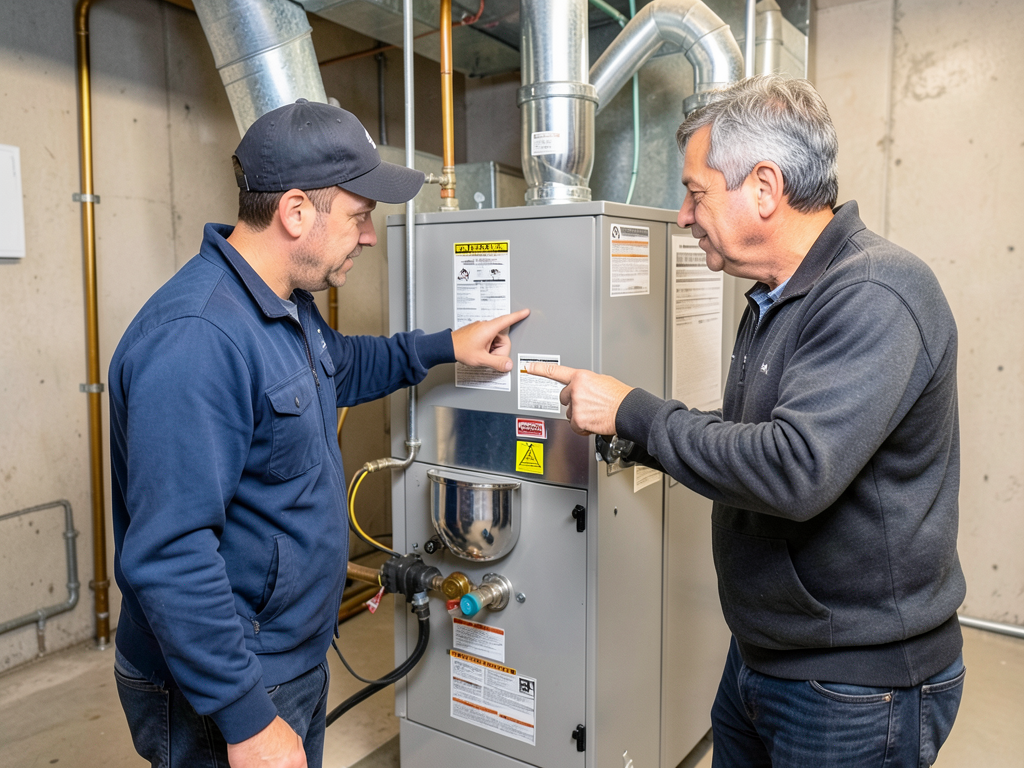
Choosing Between 80% and 96% Efficiency Furnaces for Your First Minneapolis Home Minneapolis winters are…
Your comfort can't wait. Call (651) 588-9677 now for immediate dispatch to your St. Louis Park home. Our technicians arrive prepared to diagnose and repair your heating or cooling system fast. Available 24/7 for emergencies.