
Planning the HVAC for Your New Basement Bedroom in Shoreview
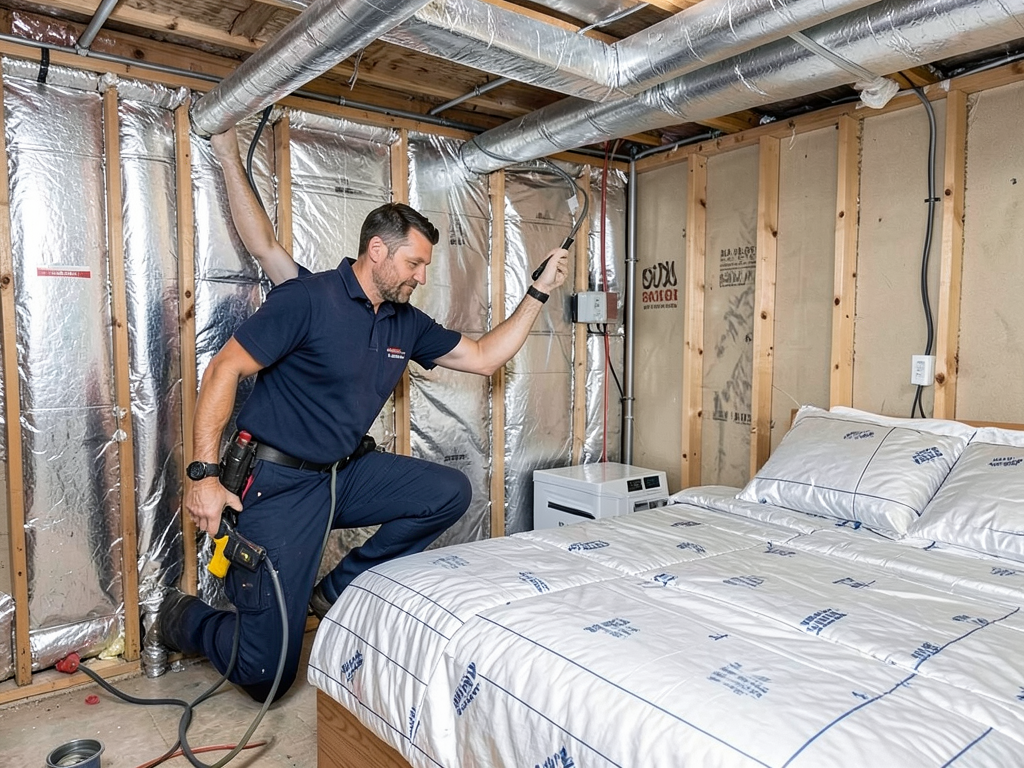
Adding a bedroom to your basement in Shoreview requires careful HVAC planning to ensure year-round comfort and code compliance. The Twin Cities climate, with its extreme temperature swings and high humidity, creates unique challenges for basement heating and cooling. Without proper ductwork design, insulation, and zoning, your new bedroom could be too cold in winter, too warm in summer, or suffer from moisture problems that lead to mold growth. Switching to a Cold Climate Heat Pump in Minnesota (Is It Worth It?).
Shoreview’s 1970s and 80s-era homes often have existing HVAC systems that weren’t designed for additional living space below grade. Simply tapping into existing supply lines without professional calculation can overload your system, reduce airflow to upper floors, and create uncomfortable temperature imbalances throughout your home. A proper Manual J load calculation ensures your furnace and air conditioner can handle the additional square footage while maintaining optimal performance. How Much a New High Efficiency Furnace Really Costs in Minneapolis.
Understanding Basement HVAC Challenges in Shoreview
Basement bedrooms in Shoreview face specific HVAC challenges that differ from above-grade spaces. The ground surrounding your foundation maintains a relatively constant temperature of around 50-55°F year-round, which affects how heat transfers through your basement walls and floor. During Minnesota’s harsh winters, this can create a significant heat loss that your HVAC system must overcome. In summer, the naturally cooler basement temperature combined with warm, humid outside air can lead to condensation on ductwork and walls if not properly managed.
The age and construction of your home also impacts HVAC planning. Many Shoreview homes built in the 1970s and 80s have galvanized steel ductwork that may be undersized for modern comfort standards. These older systems often have leaks at joints and seams, reducing efficiency by up to 30%. Additionally, the concrete block or poured concrete foundation walls common in this area conduct heat differently than wood-framed above-grade walls, requiring specialized insulation and vapor barrier strategies.
Ductwork Options for Basement Bedrooms
Several ductwork approaches exist for basement bedroom additions, each with distinct advantages for Shoreview homes. Understanding these options helps you make informed decisions about comfort, aesthetics, and budget.
| Ductwork Type | Best For | Cost Range | Installation Time |
|---|---|---|---|
| Extended Supply Runs | Existing systems with capacity | $800-$1,500 | 1-2 days |
| Separate Zone System | Large basements or multiple rooms | $2,500-$4,000 | 2-4 days |
| High-Velocity Mini Duct | Low ceiling clearance | $3,000-$5,000 | 2-3 days |
| Ductless Mini-Split | Additions without existing ducts | $2,800-$4,500 | 1 day |
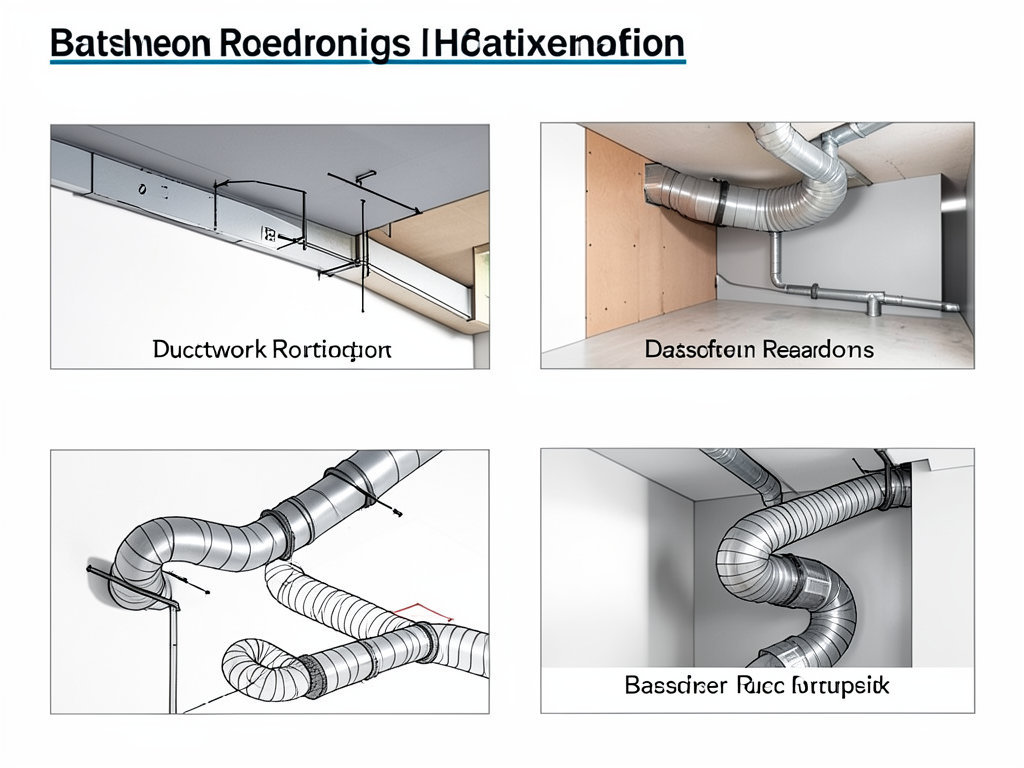
Extended supply runs work well when your existing system has sufficient capacity and your basement layout allows for straightforward duct routing. This approach involves tapping into your main supply trunk and running new ducts to the bedroom, typically through ceiling joists or along walls within soffits. The key is ensuring your furnace can handle the additional static pressure without reducing airflow to other parts of your home. Weak Airflow from Vents.
Separate zone systems provide the most comfort control by installing dampers and a zone controller that allows independent temperature settings for your basement bedroom. This solution works best for larger basement additions where you want to avoid heating or cooling unused spaces. The system includes temperature sensors, motorized dampers, and a control panel that integrates with your existing thermostat. EPA HVAC and indoor air quality guidelines.
Insulation and Code Requirements for Shoreview Basements
Minnesota Energy Code requires specific R-values for basement ductwork insulation based on climate zone. In Shoreview’s Climate Zone 6, supply ducts in unconditioned spaces must have a minimum R-8 insulation, while return air ducts require R-6 minimum. These requirements help prevent heat loss in winter and condensation in summer. The code also mandates vapor barriers on the warm side of insulation to prevent moisture migration through walls and ceilings.
Beyond insulation, Minnesota Mechanical Code Section 604.3 requires specific clearances for combustion air ducts and vents. If your basement bedroom is near your furnace or water heater, you must maintain proper clearances to prevent backdrafting of combustion gases. The code also specifies requirements for supply and return air volumes based on room size – a typical 12×12 bedroom needs approximately 100-150 CFM of supply air for adequate heating and cooling.
Moisture management is critical in Shoreview basements due to the area’s clay soil composition, which can retain water and create hydrostatic pressure against foundation walls. Installing a vapor barrier on basement walls before finishing, combined with proper drainage around your foundation, prevents moisture from entering your new bedroom. A dehumidifier sized for your basement’s square footage helps maintain relative humidity between 30-50%, preventing mold growth and protecting your HVAC equipment.
Aesthetic Solutions for Basement Ductwork
Hiding ductwork while maintaining adequate ceiling height presents a common challenge in basement bedroom projects. Shoreview homes often have ceiling heights of 7-8 feet in basements, leaving limited space for ducts, especially when considering building codes require minimum 7-foot ceiling heights in finished bedrooms.
Soffit construction offers an effective solution by creating a lowered ceiling area specifically to house ductwork. A typical soffit extends 12-18 inches from the wall and can be finished with drywall to match your bedroom’s aesthetic. Strategic soffit placement along walls or in corners minimizes visual impact while providing necessary clearance for ducts. Some homeowners incorporate soffits into the room’s design by adding recessed lighting or creating architectural interest with stepped ceiling heights.
For homes with slightly more ceiling height flexibility, exposed spiral ductwork has become a popular industrial-chic option. This approach leaves galvanized steel ducts visible, often painted in contrasting colors to create a design feature rather than hiding the infrastructure. While this option doesn’t work for every aesthetic, it can save considerable construction costs and maintain maximum ceiling height in the bedroom.
Moisture Prevention and Dehumidification
Shoreview’s humid summers create significant condensation risks in basement ductwork. When warm, moist air contacts cold supply ducts carrying air conditioned air, water vapor condenses on the duct surface. Over time, this moisture can lead to mold growth, rust on metal ducts, and water damage to finished surfaces. Proper insulation with sealed vapor barriers prevents this condensation by keeping the outer duct surface above the dew point temperature.
A whole-house dehumidifier integrated with your HVAC system provides the most effective moisture control for basement bedrooms. These units can remove 70-100 pints of water per day, maintaining optimal humidity levels even during Minnesota’s most humid periods. For standalone solutions, a properly sized portable dehumidifier should have a capacity of at least 30 pints for a 200-square-foot bedroom, with continuous drainage to avoid manual emptying.
Regular maintenance prevents moisture-related HVAC problems. This includes checking duct insulation for tears or gaps, cleaning or replacing air filters monthly during heavy use periods, and ensuring your condensate drain lines remain clear. A simple screwdriver test involves checking duct surface temperature – if supply ducts feel significantly colder than room air, you likely have inadequate insulation that needs addressing before moisture problems develop.
Permitting and Professional Installation in Shoreview
Ramsey County requires permits for most basement finishing work, including HVAC modifications. The permitting process ensures your project meets current building codes and passes inspection before you close up walls. For HVAC work, you’ll need to submit plans showing duct layouts, equipment specifications, and ventilation calculations. The permit fee varies based on project scope but typically ranges from $100-$300 for basement HVAC modifications.
Professional installation becomes crucial when working with existing HVAC systems. A licensed HVAC contractor will perform a Manual J calculation to determine if your current furnace and air conditioner can handle the additional load. They’ll also check your existing ductwork’s condition, measure static pressure throughout your system, and ensure proper airflow balance. Many Shoreview homes have 80% efficient furnaces that may struggle with additional basement runs, potentially requiring system upgrades for optimal performance.
Professional contractors also understand local building practices specific to Shoreview. Many homes in the area have unique challenges like clay soil expansion, frost heave concerns, and specific insulation requirements for Minnesota’s climate. An experienced local contractor will know how to address these issues while ensuring your new bedroom remains comfortable and energy-efficient year-round.
Cost Factors and ROI for Basement HVAC Projects
The cost of adding HVAC to a basement bedroom in Shoreview varies significantly based on your home’s existing system and the complexity of the installation. Basic supply duct extensions typically cost $800-$1,500, while comprehensive zoning systems run $2,500-$4,000. High-velocity mini-duct systems, ideal for homes with space constraints, range from $3,000-$5,000. Ductless mini-split systems offer another option at $2,800-$4,500 but may not integrate with your existing HVAC system.
Several factors influence these costs in Shoreview specifically. The age of your home affects how easily new ducts can be routed through existing floor joists and walls. Older homes may require additional structural modifications to accommodate ductwork. The distance from your furnace to the new bedroom impacts material costs, with longer runs requiring more ducting and insulation. Your home’s existing insulation quality also affects overall system efficiency and long-term operating costs.
Energy efficiency improvements from proper HVAC installation can provide significant returns through reduced utility bills. A well-designed basement HVAC system can reduce heating costs by 15-20% compared to poorly designed alternatives. Additionally, a comfortable, climate-controlled basement bedroom adds valuable living space that increases your home’s market value – often providing 70-80% return on investment when you sell your Shoreview home.
Frequently Asked Questions
Can I use flexible duct for my basement bedroom?
Yes, flexible duct can work for basement bedrooms, but it requires proper support every 4-5 feet and should not be compressed or kinked during installation. While flexible duct is easier to install in tight spaces, it creates more air resistance than rigid duct, potentially reducing system efficiency if not sized correctly.
How do I know if my existing HVAC system can handle a basement addition?
A professional Manual J load calculation will determine your system’s capacity. Signs your system may be undersized include weak airflow to upper floors, the furnace running continuously in winter, or the air conditioner struggling to cool your home in summer. Most systems installed before 2000 have 20-30% less capacity than modern equivalents.
What’s the best way to hide basement ductwork without losing ceiling height?
Strategic soffit placement along walls or in corners minimizes visual impact while maintaining adequate clearance. For very low ceilings, consider high-velocity mini-duct systems that use smaller, more flexible ducts requiring less space. Some homeowners also use decorative elements like crown molding or tray ceilings to conceal ductwork aesthetically.
How can I prevent my basement bedroom from feeling damp?
Proper insulation with sealed vapor barriers prevents condensation on ducts and walls. A whole-house dehumidifier integrated with your HVAC system maintains optimal humidity levels. Ensure your foundation has proper drainage, and consider a perimeter drain system if you experience water issues. Regular HVAC maintenance, including cleaning condensate drains, also helps prevent moisture problems.
Do I need a permit for basement HVAC work in Shoreview?
Yes, Ramsey County requires permits for most HVAC modifications in basement finishing projects. The permit ensures your work meets current building codes and passes inspection. Your HVAC contractor should handle the permitting process, submitting plans for ductwork layout and equipment specifications to the county building department.
Ready to Plan Your Basement Bedroom HVAC System?
Don’t let poor HVAC planning compromise your new basement bedroom’s comfort. The extreme Minnesota climate demands professional expertise to ensure proper heating, cooling, and moisture control. Whether you need to extend existing ducts, install a zoning system, or explore high-velocity options, our Shoreview HVAC specialists have the local experience to get it right the first time.
Call (651) 588-9677 today to schedule your basement HVAC consultation. We’ll perform a complete system evaluation, provide detailed recommendations, and ensure your new bedroom stays comfortable year-round. Don’t wait until winter – proper planning now prevents costly problems later.
Pick up the phone and call (651) 588-9677 before the next storm hits. Your comfort can’t wait, and neither should you. For more information, visit Minneapolis building permits.
{
“@context”: “https://schema.org”,
“@type”: “BlogPosting”,
“headline”: “Planning the HVAC for Your New Basement Bedroom in Shoreview”,
“description”: “Learn how to properly plan HVAC for a basement bedroom in Shoreview. Get expert tips on ductwork, insulation, and zoning for year-round comfort.”,
“wordCount”: 1994,
“datePublished”: “2026-05-15T13:48:00.000Z”,
“dateModified”: “2026-05-15T13:48:00.000Z”,
“inLanguage”: “en-US”,
“mainEntityOfPage”: {
“@type”: “WebPage”,
“@id”: “https://allprohvacminneapolis.com”
},
“publisher”: {
“@type”: “LocalBusiness”,
“name”: “All Pro HVAC Minneapolis”,
“url”: “https://allprohvacminneapolis.com”
},
“author”: {
“@type”: “Organization”,
“name”: “All Pro HVAC Minneapolis”,
“url”: “https://allprohvacminneapolis.com”
},
“image”: {
“@type”: “ImageObject”,
“url”: “https://allprohvacminneapolis.com/wp-content/uploads/2026/03/planning-the-hvac-for-your-new-basement-bedroom-in-1.png”
}
}
{
“@context”: “https://schema.org”,
“@type”: “HVACBusiness”,
“name”: “All Pro HVAC Minneapolis”,
“url”: “https://allprohvacminneapolis.com”,
“address”: {
“@type”: “PostalAddress”,
“addressLocality”: “Minneapolis”
},
“areaServed”: {
“@type”: “City”,
“name”: “Minneapolis”
}
}
{
“@context”: “https://schema.org”,
“@type”: “FAQPage”,
“mainEntity”: [
{
“@type”: “Question”,
“name”: “Can I use flexible duct for my basement bedroom?”,
“acceptedAnswer”: {
“@type”: “Answer”,
“text”: “Yes, flexible duct can work for basement bedrooms, but it requires proper support every 4-5 feet and should not be compressed or kinked during installation. While flexible duct is easier to install in tight spaces, it creates more air resistance than rigid duct, potentially reducing system efficiency if not sized correctly.”
}
},
{
“@type”: “Question”,
“name”: “How do I know if my existing HVAC system can handle a basement addition?”,
“acceptedAnswer”: {
“@type”: “Answer”,
“text”: “A professional Manual J load calculation will determine your system’s capacity. Signs your system may be undersized include weak airflow to upper floors, the furnace running continuously in winter, or the air conditioner struggling to cool your home in summer. Most systems installed before 2000 have 20-30% less capacity than modern equivalents.”
}
},
{
“@type”: “Question”,
“name”: “What’s the best way to hide basement ductwork without losing ceiling height?”,
“acceptedAnswer”: {
“@type”: “Answer”,
“text”: “Strategic soffit placement along walls or in corners minimizes visual impact while maintaining adequate clearance. For very low ceilings, consider high-velocity mini-duct systems that use smaller, more flexible ducts requiring less space. Some homeowners also use decorative elements like crown molding or tray ceilings to conceal ductwork aesthetically.”
}
},
{
“@type”: “Question”,
“name”: “How can I prevent my basement bedroom from feeling damp?”,
“acceptedAnswer”: {
“@type”: “Answer”,
“text”: “Proper insulation with sealed vapor barriers prevents condensation on ducts and walls. A whole-house dehumidifier integrated with your HVAC system maintains optimal humidity levels. Ensure your foundation has proper drainage, and consider a perimeter drain system if you experience water issues. Regular HVAC maintenance, including cleaning condensate drains, also helps prevent moisture problems.”
}
},
{
“@type”: “Question”,
“name”: “Do I need a permit for basement HVAC work in Shoreview?”,
“acceptedAnswer”: {
“@type”: “Answer”,
“text”: “Yes, Ramsey County requires permits for most HVAC modifications in basement finishing projects. The permit ensures your work meets current building codes and passes inspection. Your HVAC contractor should handle the permitting process, submitting plans for ductwork layout and equipment specifications to the county building department.”
}
},
{
“@type”: “Question”,
“name”: “Ready to Plan Your Basement Bedroom HVAC System?”,
“acceptedAnswer”: {
“@type”: “Answer”,
“text”: “Don’t let poor HVAC planning compromise your new basement bedroom’s comfort. The extreme Minnesota climate demands professional expertise to ensure proper heating, cooling, and moisture control. Whether you need to extend existing ducts, install a zoning system, or explore high-velocity options, our Shoreview HVAC specialists have the local experience to get it right the first time.”
}
}
]
}
{
“@context”: “https://schema.org”,
“@type”: “BreadcrumbList”,
“itemListElement”: [
{
“@type”: “ListItem”,
“position”: 1,
“name”: “Home”,
“item”: “https://allprohvacminneapolis.com”
},
{
“@type”: “ListItem”,
“position”: 2,
“name”: “Blog”,
“item”: “https://allprohvacminneapolis.com/blog”
},
{
“@type”: “ListItem”,
“position”: 3,
“name”: “Planning the HVAC for Your New Basement Bedroom in Shoreview”
}
]
}
{
“@context”: “https://schema.org”,
“@type”: “Service”,
“serviceType”: “HVAC”,
“provider”: {
“@type”: “LocalBusiness”,
“name”: “All Pro HVAC Minneapolis”,
“url”: “https://allprohvacminneapolis.com”
},
“areaServed”: {
“@type”: “City”,
“name”: “Minneapolis”
},
“description”: “Learn how to properly plan HVAC for a basement bedroom in Shoreview. Get expert tips on ductwork, insulation, and zoning for year-round comfort.”
}