
Why New Energy Efficient Windows Might Make Your Armatage Home Feel Stuffy
Armatage homeowners upgrading to energy efficient windows often notice something unexpected. Their homes feel stuffy and air seems stale. This happens because modern windows create an airtight seal that traps indoor air pollutants and moisture. Without proper ventilation your home can develop humidity problems and poor air quality even though it feels warmer in winter.. Read more about How Your Armatage Landscaping Might Be Killing Your Air Conditioner.
The problem starts with how these windows work. Old single pane windows allowed natural air exchange through gaps and cracks. New double or triple pane windows with tight seals stop this air movement completely. While this saves energy it also means moisture from cooking breathing and showers stays inside. Dust pet dander and volatile organic compounds from furniture and cleaning products build up over time.
How Airtight Homes Affect Indoor Air Quality
When a home becomes too airtight several issues emerge quickly. Relative humidity rises above the ideal 30-50 percent range. Windows develop condensation on cold mornings. Odors linger longer than they should. Some homeowners report headaches or allergy symptoms that improve when they leave the house.
The stack effect becomes more pronounced in sealed homes. Warm air rises and gets trapped at ceiling level while cooler air stays near the floor. This creates temperature stratification where your feet feel cold but your head feels warm. Ceiling fans can help but they only move air they do not exchange it with fresh outdoor air.
Common Ventilation Problems in Armatage Homes
Armatage homes built before 1980 often have forced air heating systems that rely on natural infiltration for fresh air. When you add new windows these systems cannot bring in adequate outside air. The result is negative pressure that can pull dangerous carbon monoxide from gas appliances back into living spaces.
Many Armatage homes have gas water heaters and furnaces in utility closets or basements. These appliances need combustion air from outside. When your home is sealed tight they compete with your family for the limited air available. This creates backdrafting where exhaust gases spill into your home instead of going up the chimney. How Much a New High Efficiency Furnace Really Costs in Minneapolis.
Testing Your Home’s Air Exchange Rate
A simple test reveals if your home has adequate ventilation. Close all windows and doors then turn on all exhaust fans bathroom kitchen and clothes dryer. Hold a tissue near a door crack. If it gets pulled toward the inside your home has negative pressure. This means you need mechanical ventilation.
Professional blower door tests measure air changes per hour. Minnesota energy code requires new homes to have at least 0.35 air changes per hour. Many older Armatage homes test at 0.1 or lower after window replacement. This low number means pollutants stay inside much longer than they should. Minnesota Building Code.
Ventilation Solutions for Energy Efficient Homes
Heat Recovery Ventilators HRV work well for Armatage’s cold climate. These units exchange stale indoor air with fresh outdoor air while transferring heat from the outgoing air to the incoming air. This process recovers 70-80 percent of the heat that would otherwise be lost through ventilation. Switching to a Cold Climate Heat Pump in Minnesota (Is It Worth It?).
Energy Recovery Ventilators ERV add moisture exchange to the heat recovery process. In winter they transfer humidity from outgoing air to incoming dry air. This helps maintain comfortable humidity levels without adding a separate humidifier. ERVs work best when your home has balanced humidity needs year round. EPA Indoor Air Quality.
HRV vs ERV Which Works Better in Minneapolis
Minneapolis winters create specific challenges for ventilation systems. Outdoor air in January often has relative humidity below 20 percent. An HRV brings this dry air inside and your home’s moisture levels drop. An ERV helps retain some of your indoor humidity while still providing fresh air.
Table 1 compares key differences between HRV and ERV systems for Minneapolis homes.
| Feature | HRV | ERV |
|---|---|---|
| Moisture Transfer | None | Partial |
| Best For | Very dry winters | Balanced humidity |
| Energy Savings | 70-80% | 70-85% |
| Installation Cost | $1500-2500 | $2000-3000 |
| Maintenance | Annual filter change | Annual filter and core cleaning |
Installation Considerations for Armatage Homes
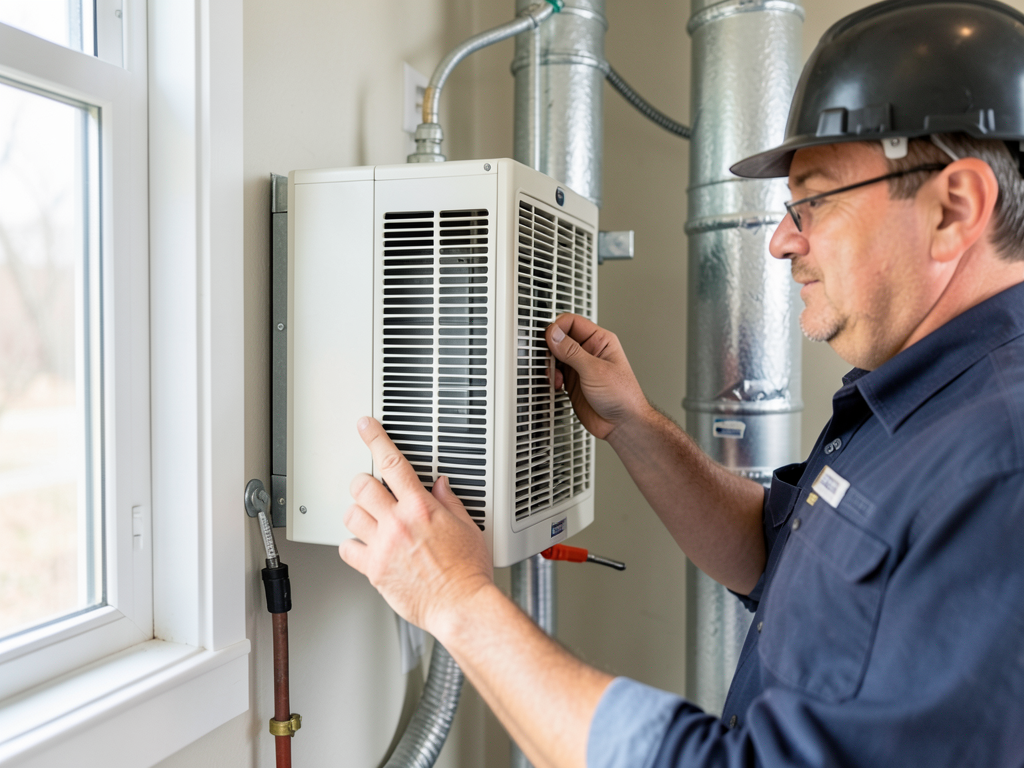
Armatage homes vary in age and construction style. Many have plaster walls that make duct installation challenging. Wall mounted HRV units work well when running new ducts is impractical. These units vent through exterior walls and require only small penetrations.
Attic installations keep equipment out of living spaces but require careful insulation of supply and return ducts. In Minneapolis winters uninsulated ventilation ducts in attics can freeze and block airflow. Proper insulation and sometimes heat tape prevent this problem. Weak Airflow from Vents.
Ventilation and Radon Gas Concerns
Minnesota has high radon levels and airtight homes can concentrate this radioactive gas. Hennepin County reports that one in three homes tests above the EPA action level of 4 picocuries per liter. New windows that seal your home tight can increase radon accumulation if you do not have proper ventilation.
HRV and ERV systems can reduce radon levels by diluting indoor air with fresh outdoor air. However they are not radon mitigation systems. If your home tests high for radon you need specialized mitigation equipment that creates constant negative pressure under your foundation.
Cost Factors for Ventilation Systems
Installation costs vary based on your home’s layout and existing ductwork. A basic HRV installation in an Armatage home typically ranges from $1500 to $2500. ERV systems cost $500 to $1000 more due to the additional moisture exchange core.
Operating costs are minimal. Most systems use 50-100 watts when running which costs about $3-5 per month in Minneapolis. The energy savings from reducing heating load often offset these costs within a few years.
Maintenance Requirements
Ventilation systems need regular maintenance to work properly. Filters should be checked every three months and replaced annually. The heat exchange core needs cleaning every two years to maintain efficiency. Some homeowners can handle basic maintenance while others prefer professional service. Fast AC Service for North Loop Condos and Lofts.
Condensate drains require attention in winter. Ice can block these drains causing water damage. Installing heat tape on drain lines prevents freezing problems. This simple addition costs about $50-100 but saves expensive repairs later. Finding an AC Repair Team in Edina That Actually Shows Up on Time.
Building Code Requirements
Minnesota residential energy code requires mechanical ventilation in new homes. Existing homes undergoing major renovations must meet current ventilation standards. The code specifies minimum ventilation rates based on square footage and number of bedrooms.
Chapter 1322 of the Minnesota State Building Code requires whole house mechanical ventilation systems in homes built after 2015. This requirement recognizes that modern construction techniques create tighter building envelopes that need active air exchange to maintain healthy indoor air quality.
Smart Ventilation Controls
Modern ventilation systems include humidity sensors and timers. These controls adjust ventilation rates based on actual conditions rather than running at constant speed. During mild weather they reduce operation to save energy. During high humidity they increase ventilation to control moisture.
Wi-Fi enabled controls let you monitor and adjust your system from your phone. You can check filter status air quality readings and energy consumption remotely. Some systems integrate with smart thermostats to coordinate heating cooling and ventilation for optimal comfort and efficiency.
Health Benefits of Proper Ventilation
Adequate ventilation reduces indoor air pollutants that cause health problems. Studies show that proper ventilation can reduce respiratory symptoms by up to 20 percent. It also helps control mold growth by keeping humidity in the optimal range.
Volatile organic compounds from new furniture carpets and cleaning products accumulate in airtight homes. These chemicals can cause headaches dizziness and long term health effects. Fresh air ventilation dilutes these pollutants to safer levels.
Energy Savings and Comfort
Proper ventilation actually improves energy efficiency. When humidity stays in the optimal range your heating and cooling systems work more efficiently. Dry air feels colder so you might raise your thermostat in winter. Balanced humidity lets you stay comfortable at lower temperatures saving energy.
Ventilation also prevents condensation that can damage windows walls and insulation. This moisture damage reduces your home’s insulation value forcing your HVAC system to work harder. Preventing this damage saves energy and extends the life of your building materials.
Professional Assessment Process
A thorough ventilation assessment starts with a blower door test to measure your home’s air tightness. We check for negative pressure around combustion appliances. We measure humidity levels and identify moisture sources. This diagnostic process reveals exactly what ventilation system your home needs.
We also evaluate your existing HVAC system to ensure it can handle the additional ventilation load. Some older furnaces need upgrades to provide adequate combustion air when ventilation systems are added.
Installation Timeline and Process
Most ventilation installations take one to two days. The process includes cutting penetrations for intake and exhaust vents installing the unit and connecting to existing ductwork or creating new duct runs. We seal all penetrations to prevent air leaks that would reduce efficiency.
Permits are required for ventilation system installations in Minneapolis. The process typically takes one to two weeks for approval. We handle all permitting to ensure your installation meets local code requirements.
Long Term Benefits
Proper ventilation protects your home investment. It prevents moisture damage that can cost thousands in repairs. It improves indoor air quality making your home healthier for your family. It also increases your home’s value since buyers recognize the importance of good indoor air quality.. Read more about What Every Tangletown Family Needs to Know About Carbon Monoxide and Older Furnaces.
Energy efficient windows save money on heating and cooling. Adding proper ventilation ensures you get the full benefit of those savings without creating indoor air quality problems. The combination gives you comfort efficiency and healthy air.
Frequently Asked Questions
Will ventilation make my heating bills go up?
Modern HRV and ERV systems recover 70-85 percent of the heat from outgoing air. This means the energy used to heat fresh air is minimal. Most homeowners see little or no increase in heating costs while gaining much better air quality.
How do I know if my home needs ventilation?
Signs include condensation on windows stuffy air lingering odors and static electricity shocks. If your home was built before 2015 and has new windows you likely need mechanical ventilation. A professional assessment can measure your exact needs.
Can I just open windows instead of installing a system?
Opening windows works in mild weather but wastes energy in extreme temperatures. It also does not provide the controlled air exchange needed to maintain consistent humidity and remove pollutants. Mechanical ventilation gives you fresh air without the energy penalty.
How long do ventilation systems last?
Quality HRV and ERV units typically last 15-20 years with proper maintenance. The heat exchange cores can last even longer. Regular filter changes and occasional cleaning keep the system working efficiently throughout its life.
Take Action for Better Indoor Air
Stuffy air stuffy feelings and moisture problems are not normal. They signal that your energy efficient windows are working too well without proper ventilation. The solution is not to remove your new windows but to add the ventilation your home needs.
Call (651) 588-9677 today to schedule your ventilation assessment. We will test your home’s air exchange rate check for negative pressure and recommend the right system for your specific needs. Your family deserves fresh healthy air year round.
Pick up the phone and call (651) 588-9677 before the next cold snap hits. Proper ventilation means comfort health and energy savings all winter long.
{
“@context”: “https://schema.org”,
“@type”: “BlogPosting”,
“headline”: “Why New Energy Efficient Windows Might Make Your Armatage Home Feel Stuffy”,
“description”: “New windows seal homes tight. Learn why Armatage homes get stuffy and how proper ventilation solves it. Call (651) 588-9677 for expert help.”,
“wordCount”: 1915,
“datePublished”: “2026-05-17T08:00:00.000Z”,
“dateModified”: “2026-05-17T08:00:00.000Z”,
“inLanguage”: “en-US”,
“mainEntityOfPage”: {
“@type”: “WebPage”,
“@id”: “https://allprohvacminneapolis.com”
},
“publisher”: {
“@type”: “LocalBusiness”,
“name”: “All Pro HVAC Minneapolis”,
“url”: “https://allprohvacminneapolis.com”
},
“author”: {
“@type”: “Organization”,
“name”: “All Pro HVAC Minneapolis”,
“url”: “https://allprohvacminneapolis.com”
},
“image”: {
“@type”: “ImageObject”,
“url”: “https://allprohvacminneapolis.com/wp-content/uploads/2026/03/why-new-energy-efficient-windows-might-make-your-a-1.png”
}
}
{
“@context”: “https://schema.org”,
“@type”: “HVACBusiness”,
“name”: “All Pro HVAC Minneapolis”,
“url”: “https://allprohvacminneapolis.com”,
“address”: {
“@type”: “PostalAddress”,
“addressLocality”: “Minneapolis”
},
“areaServed”: {
“@type”: “City”,
“name”: “Minneapolis”
}
}
{
“@context”: “https://schema.org”,
“@type”: “FAQPage”,
“mainEntity”: [
{
“@type”: “Question”,
“name”: “Will ventilation make my heating bills go up?”,
“acceptedAnswer”: {
“@type”: “Answer”,
“text”: “Modern HRV and ERV systems recover 70-85 percent of the heat from outgoing air. This means the energy used to heat fresh air is minimal. Most homeowners see little or no increase in heating costs while gaining much better air quality.”
}
},
{
“@type”: “Question”,
“name”: “How do I know if my home needs ventilation?”,
“acceptedAnswer”: {
“@type”: “Answer”,
“text”: “Signs include condensation on windows stuffy air lingering odors and static electricity shocks. If your home was built before 2015 and has new windows you likely need mechanical ventilation. A professional assessment can measure your exact needs.”
}
},
{
“@type”: “Question”,
“name”: “Can I just open windows instead of installing a system?”,
“acceptedAnswer”: {
“@type”: “Answer”,
“text”: “Opening windows works in mild weather but wastes energy in extreme temperatures. It also does not provide the controlled air exchange needed to maintain consistent humidity and remove pollutants. Mechanical ventilation gives you fresh air without the energy penalty.”
}
},
{
“@type”: “Question”,
“name”: “How long do ventilation systems last?”,
“acceptedAnswer”: {
“@type”: “Answer”,
“text”: “Quality HRV and ERV units typically last 15-20 years with proper maintenance. The heat exchange cores can last even longer. Regular filter changes and occasional cleaning keep the system working efficiently throughout its life.”
}
}
]
}
{
“@context”: “https://schema.org”,
“@type”: “BreadcrumbList”,
“itemListElement”: [
{
“@type”: “ListItem”,
“position”: 1,
“name”: “Home”,
“item”: “https://allprohvacminneapolis.com”
},
{
“@type”: “ListItem”,
“position”: 2,
“name”: “Blog”,
“item”: “https://allprohvacminneapolis.com/blog”
},
{
“@type”: “ListItem”,
“position”: 3,
“name”: “Why New Energy Efficient Windows Might Make Your Armatage Home Feel Stuffy”
}
]
}
{
“@context”: “https://schema.org”,
“@type”: “Service”,
“serviceType”: “HVAC”,
“provider”: {
“@type”: “LocalBusiness”,
“name”: “All Pro HVAC Minneapolis”,
“url”: “https://allprohvacminneapolis.com”
},
“areaServed”: {
“@type”: “City”,
“name”: “Minneapolis”
},
“description”: “New windows seal homes tight. Learn why Armatage homes get stuffy and how proper ventilation solves it. Call (651) 588-9677 for expert help.”
}