
Why Some Rooms in Your Como Home Stay Freezing While Others Overheat
Living in a Como home with uneven temperatures is frustrating. One room feels like an icebox while another becomes uncomfortably warm. This common Minneapolis problem affects older homes near the fairgrounds, where century-old ductwork and outdated HVAC systems struggle to distribute air evenly. Before you crank up the thermostat or close vents, understand what’s really happening inside your walls. Air Conditioning Contractors of America.
The issue typically stems from restricted airflow, improper duct design, or system imbalances that prevent your furnace or air conditioner from delivering consistent comfort throughout your home. In Como’s historic housing stock, these problems are amplified by aging infrastructure and the extreme temperature swings we experience in Minneapolis. How Much a New High Efficiency Furnace Really Costs in Minneapolis.
Common Causes of Uneven Temperatures in Como Homes
Several factors contribute to the hot-and-cold room problem in Como neighborhood homes. Understanding these causes helps you identify whether you need a simple fix or professional intervention.
Restricted Air Filters and Dirty Coils
When was the last time you changed your furnace filter? In Como homes, especially those near the fairgrounds with higher dust levels, filters clog quickly. A dirty filter restricts airflow, forcing your system to work harder and creating pressure imbalances that affect certain rooms more than others. Weak Airflow from Vents.
During Minnesota winters, frozen evaporator coils can also restrict airflow. When humidity levels drop and furnaces run constantly, coils may freeze and thaw repeatedly, creating ice buildup that blocks air movement. This is particularly common in older systems that haven’t been properly maintained.
Leaky or Poorly Designed Ductwork
Many Como homes built before the 1970s have ductwork that’s either undersized for modern HVAC equipment or has developed leaks over decades of use. Minnesota’s freeze-thaw cycles cause metal ducts to expand and contract, creating gaps at joints. These leaks can reduce system efficiency by 20-30%.
Additionally, some rooms may have supply ducts that are too small to deliver adequate airflow, while others have oversized returns that create negative pressure. This imbalance pulls more air from some rooms than others, creating the temperature differences you feel.
Blocked or Closed Vents
Sometimes the simplest explanation is correct. Furniture blocking floor registers, closed dampers in unused rooms, or even dust buildup in vent covers can restrict airflow. In Como’s older homes, some rooms may have been closed off for years, causing dampers to seize in the closed position.
Thermostat Location and Zoning Issues
If your thermostat sits in a hallway or room that receives direct sunlight or is near a heat source, it may not accurately represent your home’s overall temperature. This causes the system to cycle on and off at inappropriate times, leaving some rooms too warm and others too cold.
Older Como homes often lack proper zoning, meaning one thermostat controls the entire house. This one-size-fits-all approach rarely works well in homes with varying room sizes, sun exposure, and insulation levels.
How Minneapolis Climate Affects Your HVAC Performance
Como’s proximity to Lake Como and the fairgrounds creates unique microclimatic conditions that impact HVAC performance. During summer, the area experiences higher humidity levels than other parts of Minneapolis, which affects how your air conditioner removes moisture from the air.
In winter, the combination of cold outdoor temperatures and warm indoor air creates condensation issues within ductwork. This moisture can freeze and thaw repeatedly, causing duct joints to separate or rust. The Minnesota Department of Labor and Industry requires all HVAC contractors to follow specific installation standards for our climate, including proper insulation and vapor barriers. Switching to a Cold Climate Heat Pump in Minnesota (Is It Worth It?).
The extreme temperature swings in Minneapolis – from -20°F in January to 95°F in July – cause ductwork to expand and contract significantly. Over time, this movement creates gaps and leaks that worsen airflow problems. Homes in Como, with their older duct systems, are particularly vulnerable to these climate-related issues.
DIY Troubleshooting Steps Before Calling a Professional
Before scheduling a service call, try these simple troubleshooting steps. Many Como homeowners can resolve minor airflow issues without professional help. Fast AC Service for North Loop Condos and Lofts.
- Check and Replace Air Filters
Locate your furnace filter – typically behind a return air grille or in the furnace cabinet. Remove it and hold it up to a light. If you can’t see light through it, replace it with a new filter of the same size and MERV rating. MERV 8-11 works well for most Como homes.
- Inspect Supply and Return Vents
Walk through your home and check every supply and return vent. Remove vent covers and look for dust buildup, pet hair, or obstructions. Use a vacuum with a brush attachment to clean visible debris. Make sure all vents are fully open and not blocked by furniture or curtains.
- Test Dampers and Zone Controls
Find your main duct trunk and look for small levers or wheels on the ducts. These are dampers that control airflow to different zones. Make sure they’re fully open. If you have a zoned system, check that all zone dampers are functioning properly.
- Check Thermostat Settings
Verify your thermostat is set to the correct mode (heat or cool) and that the fan setting is on “auto” rather than “on.” A constantly running fan can create pressure imbalances. Also check that the temperature setting is appropriate for the season.
When to Call a Professional HVAC Technician
Some airflow problems require professional diagnosis and repair. Here are signs that indicate you need expert help: Finding an AC Repair Team in Edina That Actually Shows Up on Time.
- Rooms that consistently stay 8-10 degrees different from the thermostat setting
- Whistling sounds from vents or ducts
- Weak airflow even with a clean filter
- Higher-than-normal energy bills without explanation
- Uneven temperatures that persist through multiple seasons
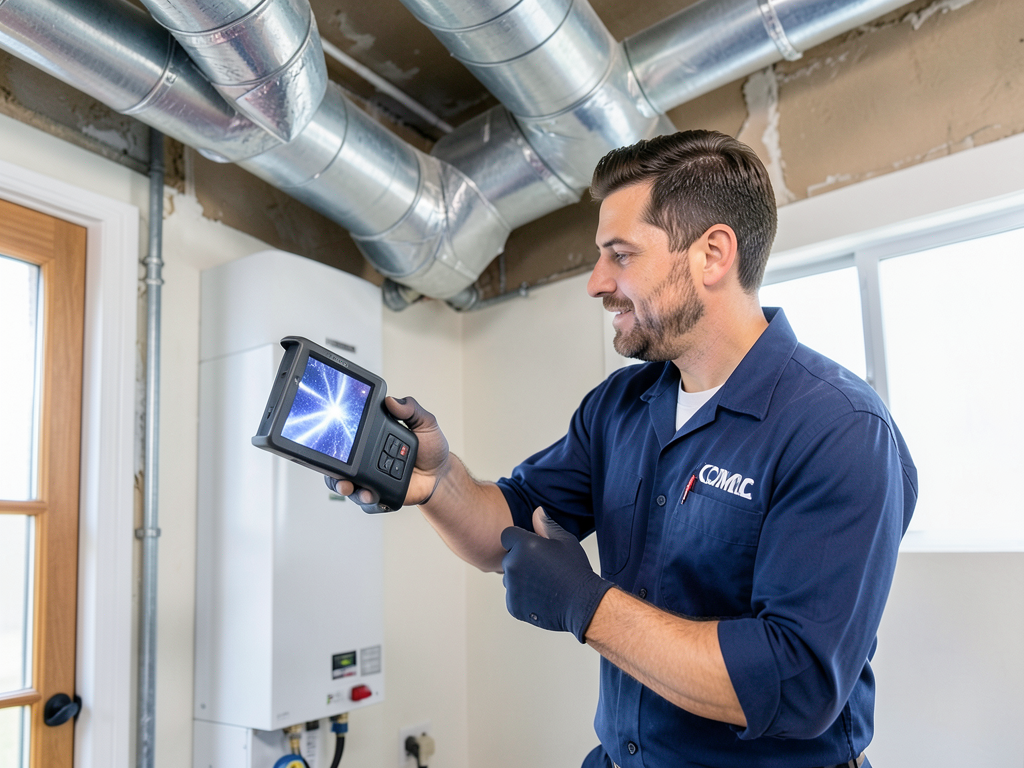
Professional HVAC technicians use specialized tools to diagnose airflow problems. They measure static pressure in your ducts, test airflow velocity at each register, and use thermal imaging to identify temperature variations throughout your home.
According to the Air Conditioning Contractors of America (ACCA), proper duct design should deliver air at 400-900 feet per minute velocity with minimal noise. Many older Como homes don’t meet these standards, which is why professional duct balancing often solves persistent temperature problems.
Professional Solutions for Como Home Airflow Issues
When DIY troubleshooting doesn’t solve the problem, professional solutions can restore comfort to your Como home. These services address the root causes of uneven temperatures.
Duct Sealing and Insulation
Professional duct sealing uses mastic sealant or metal tape to close gaps in your ductwork. This process can improve system efficiency by up to 30% in older homes. Technicians also add insulation to exposed ducts in unconditioned spaces like attics or crawl spaces.
In Como’s older homes, technicians often find disconnected ducts or gaps large enough to insert their hand. Sealing these leaks not only improves airflow but also prevents dust and pollutants from entering your living space through the duct system.
Duct Modification and Redesign
Sometimes the original duct design is simply inadequate for your home’s needs. Professional duct modification might involve adding return air pathways, resizing supply ducts, or installing new duct runs to underserved areas.
Modern duct design software can model airflow throughout your home and identify bottlenecks. Technicians can then create a customized solution that delivers balanced airflow to every room, regardless of its location or size.
Blower Motor and Air Handler Upgrades
Older HVAC systems often have single-speed blowers that can’t adjust to varying airflow demands. Variable-speed blowers can ramp up or down based on your home’s needs, improving comfort and efficiency.
The air handler – the indoor unit that moves air through your ducts – may also need replacement if it’s undersized for your home. A properly sized air handler ensures adequate airflow to all rooms, especially in larger Como homes with multiple levels.
Smart Thermostat Installation
Modern smart thermostats can learn your home’s patterns and adjust heating and cooling automatically. Some models include remote sensors that measure temperature in different rooms, allowing the system to respond to actual conditions rather than just the hallway thermostat.
Smart thermostats also provide energy usage reports and can alert you to potential HVAC problems before they become serious. This proactive approach helps prevent the uneven temperatures that plague many Como homes.
Preventing Future Airflow Problems
Once you’ve resolved your airflow issues, take steps to prevent them from returning. Regular maintenance is key to keeping your Como home comfortable year-round.
Schedule professional HVAC maintenance twice yearly – once before heating season and once before cooling season. During these visits, technicians clean coils, check refrigerant levels, inspect electrical connections, and test system performance.
Change your air filter every 1-3 months depending on your home’s dust levels and whether you have pets. Homes in Como near the fairgrounds or with multiple pets may need more frequent filter changes.
Keep vents and registers clear of furniture, curtains, and other obstructions. Even partially blocked vents can create pressure imbalances that affect your entire system.
Consider having your ducts professionally cleaned every 3-5 years. This removes accumulated dust, pet dander, and other debris that can restrict airflow and reduce indoor air quality.
Energy Efficiency and Cost Savings
Fixing airflow problems doesn’t just improve comfort – it can also reduce your energy bills. The U.S. Department of Energy estimates that sealing duct leaks and improving insulation can reduce heating and cooling costs by 20% or more. U.S. Department of Energy duct sealing guide.
Many utility companies, including Xcel Energy and CenterPoint Energy, offer rebates for duct sealing and HVAC efficiency improvements. These programs can offset much of the cost of professional repairs, making it more affordable to solve your airflow problems.
Properly balanced airflow also reduces wear and tear on your HVAC system. When air moves freely through your ducts, your furnace and air conditioner don’t have to work as hard, potentially extending their lifespan by several years.
Special Considerations for Como’s Historic Homes
Como’s historic homes require special consideration when addressing airflow problems. Many of these homes have architectural features that complicate HVAC modifications, such as plaster walls, original woodwork, and historic preservation requirements.
When working on historic Como homes, technicians must balance modern comfort needs with preservation concerns. This might mean using minimally invasive duct modifications or selecting equipment that fits within existing spaces without major structural changes.
Some Como homeowners also have concerns about indoor air quality, especially in older homes that may contain lead paint or asbestos. Professional HVAC contractors can test for these materials and use appropriate containment procedures during duct modifications.
Local Resources and Support
Como residents have access to several local resources for HVAC help. The Minneapolis Housing Inspection Services department provides information about energy efficiency programs and building code requirements for HVAC modifications.
Local HVAC contractors familiar with Como’s housing stock understand the unique challenges these homes present. They can recommend solutions that work with your home’s existing structure while improving comfort and efficiency.
Community organizations in Como sometimes offer energy efficiency workshops or home assessment programs. These resources can help you understand your options and make informed decisions about HVAC improvements.
Take Action Today
Don’t let uneven temperatures make your Como home uncomfortable. Start with the simple DIY steps outlined above, then call a professional if problems persist. The sooner you address airflow issues, the more comfortable your home will be and the more you’ll save on energy costs.
Remember that proper HVAC function isn’t just about comfort – it’s also about safety. Poor airflow can lead to carbon monoxide buildup in homes with gas appliances, and extreme temperature variations can cause pipes to freeze in winter.
Call (651) 588-9677 today to schedule your HVAC inspection. Our Minneapolis-based technicians understand the specific challenges Como homes face and can recommend solutions that work for your unique situation.
Frequently Asked Questions
Why are some rooms in my Como home always colder than others?
Colder rooms typically result from restricted airflow due to dirty filters, closed vents, or duct design issues. In Como’s older homes, undersized ducts or leaks in the duct system often prevent adequate heating from reaching certain rooms.
How often should I change my furnace filter in a Como home?
Change your filter every 1-3 months, depending on factors like pet ownership, allergies, and dust levels. Homes near the fairgrounds or with multiple pets may need monthly changes. Check the filter monthly and replace when it appears dirty.
Can I fix uneven temperatures myself or do I need a professional?
Start with DIY steps like changing filters, opening vents, and checking dampers. If problems persist after these basic fixes, you likely need professional help. Complex issues like duct design problems or system imbalances require specialized tools and expertise to diagnose and repair.
How much does professional duct sealing cost in Minneapolis?
Duct sealing typically costs $500-$2,000 depending on your home’s size and the extent of leaks. Many Minneapolis homeowners find that the energy savings pay for the repair within 2-3 years. Check with Xcel Energy or CenterPoint Energy for available rebates that can reduce your out-of-pocket cost.
{
“@context”: “https://schema.org”,
“@type”: “BlogPosting”,
“headline”: “Why Some Rooms in Your Como Home Stay Freezing While Others Overheat”,
“description”: “Uneven temperatures plague Como homes. Learn why some rooms stay freezing while others overheat and how to fix it. Call (651) 588-9677 for Minneapolis HVAC help.”,
“wordCount”: 2198,
“datePublished”: “2026-05-16T13:14:00.000Z”,
“dateModified”: “2026-05-16T13:14:00.000Z”,
“inLanguage”: “en-US”,
“mainEntityOfPage”: {
“@type”: “WebPage”,
“@id”: “https://allprohvacminneapolis.com”
},
“publisher”: {
“@type”: “LocalBusiness”,
“name”: “All Pro HVAC Minneapolis”,
“url”: “https://allprohvacminneapolis.com”
},
“author”: {
“@type”: “Organization”,
“name”: “All Pro HVAC Minneapolis”,
“url”: “https://allprohvacminneapolis.com”
},
“image”: {
“@type”: “ImageObject”,
“url”: “https://allprohvacminneapolis.com/wp-content/uploads/2026/03/why-some-rooms-in-your-como-home-stay-freezing-whi-1.png”
}
}
{
“@context”: “https://schema.org”,
“@type”: “HVACBusiness”,
“name”: “All Pro HVAC Minneapolis”,
“url”: “https://allprohvacminneapolis.com”,
“address”: {
“@type”: “PostalAddress”,
“addressLocality”: “Minneapolis”
},
“areaServed”: {
“@type”: “City”,
“name”: “Minneapolis”
}
}
{
“@context”: “https://schema.org”,
“@type”: “FAQPage”,
“mainEntity”: [
{
“@type”: “Question”,
“name”: “Why are some rooms in my Como home always colder than others?”,
“acceptedAnswer”: {
“@type”: “Answer”,
“text”: “Colder rooms typically result from restricted airflow due to dirty filters, closed vents, or duct design issues. In Como’s older homes, undersized ducts or leaks in the duct system often prevent adequate heating from reaching certain rooms.”
}
},
{
“@type”: “Question”,
“name”: “How often should I change my furnace filter in a Como home?”,
“acceptedAnswer”: {
“@type”: “Answer”,
“text”: “Change your filter every 1-3 months, depending on factors like pet ownership, allergies, and dust levels. Homes near the fairgrounds or with multiple pets may need monthly changes. Check the filter monthly and replace when it appears dirty.”
}
},
{
“@type”: “Question”,
“name”: “Can I fix uneven temperatures myself or do I need a professional?”,
“acceptedAnswer”: {
“@type”: “Answer”,
“text”: “Start with DIY steps like changing filters, opening vents, and checking dampers. If problems persist after these basic fixes, you likely need professional help. Complex issues like duct design problems or system imbalances require specialized tools and expertise to diagnose and repair.”
}
},
{
“@type”: “Question”,
“name”: “How much does professional duct sealing cost in Minneapolis?”,
“acceptedAnswer”: {
“@type”: “Answer”,
“text”: “Duct sealing typically costs $500-$2,000 depending on your home’s size and the extent of leaks. Many Minneapolis homeowners find that the energy savings pay for the repair within 2-3 years. Check with Xcel Energy or CenterPoint Energy for available rebates that can reduce your out-of-pocket cost.”
}
}
]
}
{
“@context”: “https://schema.org”,
“@type”: “HowTo”,
“name”: “How to Check Your HVAC System for Airflow Problems”,
“step”: [
{
“@type”: “HowToStep”,
“position”: 1,
“name”: “Check and Replace Air Filters”,
“text”: “Locate your furnace filter – typically behind a return air grille or in the furnace cabinet. Remove it and hold it up to a light. If you can’t see light through it, replace it with a new filter of the same size and MERV rating. MERV 8-11 works well for most Como homes.”
},
{
“@type”: “HowToStep”,
“position”: 2,
“name”: “Inspect Supply and Return Vents”,
“text”: “Walk through your home and check every supply and return vent. Remove vent covers and look for dust buildup, pet hair, or obstructions. Use a vacuum with a brush attachment to clean visible debris. Make sure all vents are fully open and not blocked by furniture or curtains.”
},
{
“@type”: “HowToStep”,
“position”: 3,
“name”: “Test Dampers and Zone Controls”,
“text”: “Find your main duct trunk and look for small levers or wheels on the ducts. These are dampers that control airflow to different zones. Make sure they’re fully open. If you have a zoned system, check that all zone dampers are functioning properly.”
},
{
“@type”: “HowToStep”,
“position”: 4,
“name”: “Check Thermostat Settings”,
“text”: “Verify your thermostat is set to the correct mode (heat or cool) and that the fan setting is on \”auto\” rather than \”on.\” A constantly running fan can create pressure imbalances. Also check that the temperature setting is appropriate for the season.”
}
],
“image”: “https://allprohvacminneapolis.com/wp-content/uploads/2026/03/why-some-rooms-in-your-como-home-stay-freezing-whi-1.png”
}
{
“@context”: “https://schema.org”,
“@type”: “BreadcrumbList”,
“itemListElement”: [
{
“@type”: “ListItem”,
“position”: 1,
“name”: “Home”,
“item”: “https://allprohvacminneapolis.com”
},
{
“@type”: “ListItem”,
“position”: 2,
“name”: “Blog”,
“item”: “https://allprohvacminneapolis.com/blog”
},
{
“@type”: “ListItem”,
“position”: 3,
“name”: “Why Some Rooms in Your Como Home Stay Freezing While Others Overheat”
}
]
}
{
“@context”: “https://schema.org”,
“@type”: “Service”,
“serviceType”: “HVAC”,
“provider”: {
“@type”: “LocalBusiness”,
“name”: “All Pro HVAC Minneapolis”,
“url”: “https://allprohvacminneapolis.com”
},
“areaServed”: {
“@type”: “City”,
“name”: “Minneapolis”
},
“description”: “Uneven temperatures plague Como homes. Learn why some rooms stay freezing while others overheat and how to fix it. Call (651) 588-9677 for Minneapolis HVAC help.”
}