
How to Clear a Clogged AC Drain Line in Your Shakopee Rental Property
Water pooling around your air handler means your AC drain line is clogged. In Shakopee rental properties this happens fast during humid Minnesota summers. Warm air meets cold evaporator coils and creates condensation. That water should flow through the PVC drain line to the outside. When the line clogs the water backs up and spills onto floors ceilings or walls.
Standing water causes mold growth in 24-48 hours. It can short out electrical components and trigger the float switch to shut down your AC completely. This guide shows you how to clear the line safely. If you find black slime or the clog keeps coming back call (651) 588-9677 before you have a bigger problem.
Signs Your AC Drain Line is Clogged
Water dripping from the ceiling or around the furnace cabinet means the primary drain line is blocked. The secondary pan under the air handler catches overflow but only holds so much. You might notice a musty smell near the air handler. That odor comes from algae and mold growing in the stagnant water. How Much a New High Efficiency Furnace Really Costs in Minneapolis.
The AC shutting off unexpectedly points to the float switch activating. This safety device cuts power when water rises in the drain pan. Some systems show a red LED or error code when this happens. If your thermostat display goes blank check the drain line first.
Why Shakopee Rentals Get Drain Clogs Fast
Shakopee sits in the Minnesota River Valley where summer humidity often exceeds 70 percent. That moisture load creates more condensation than the average system handles. The extra water flows through the drain line carrying dust pollen and organic debris.
Warm attic spaces above 90 degrees accelerate algae growth inside the PVC pipe. Cool basements with poor ventilation trap moisture and promote slime buildup. Rental properties often have filters changed less frequently allowing more particles into the system. These conditions combine to clog lines within one cooling season.
Safety First Before You Start
Turn off power to the air handler at the breaker. Water and electricity create shock hazards. Wear gloves and eye protection. Bleach and vinegar fumes can irritate lungs. Keep children and pets away from the work area.
Locate the drain line access point. This is usually a T-shaped vent with a cap near the air handler. If you cannot find it check the unit manual or call a technician. Never use chemical drain cleaners. They can damage PVC pipes and create toxic fumes.
DIY Guide: How to Clear the Line Safely
- Locate the Drain Line Access
Find the white PVC pipe near your air handler. Look for a capped vent tee or the exit point where the line exits the building.
- Attach Wet/Dry Vacuum
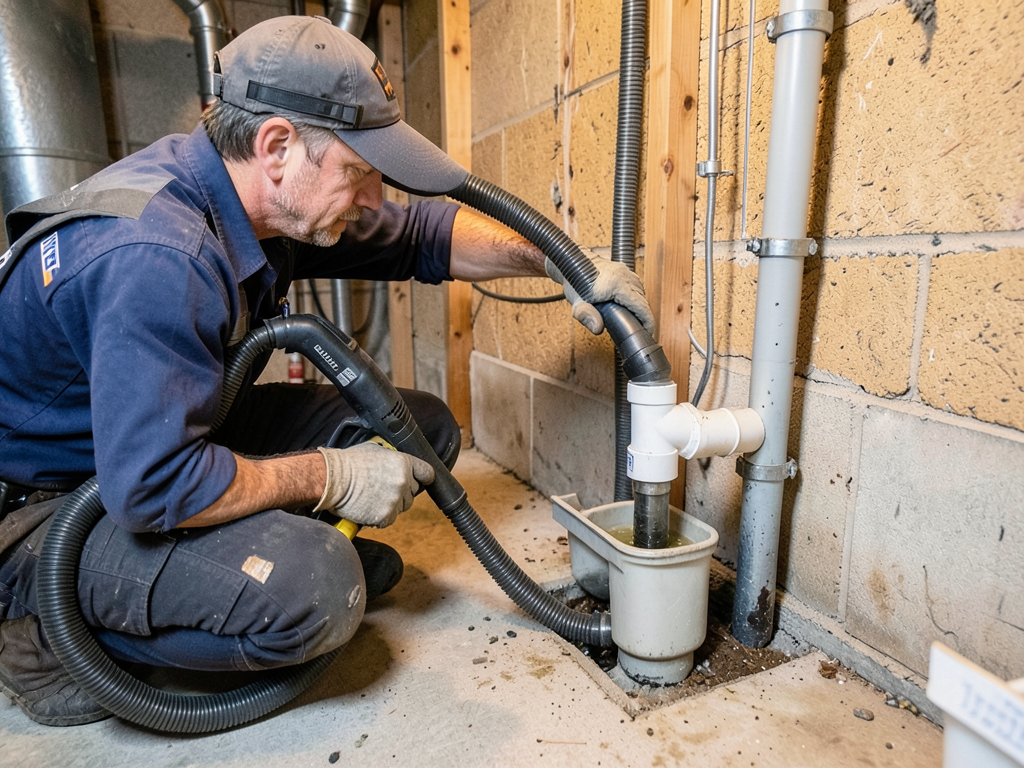
Remove the cap from the vent tee. Place the wet/dry vacuum hose over the opening. Seal with duct tape to create suction.
- Vacuum the Clog
Run the vacuum for 2-3 minutes. Listen for debris moving through the pipe. Check the vacuum canister for gunk slime or algae.
- Flush with Vinegar Solution
Mix one cup white vinegar with one cup warm water. Pour slowly into the drain line access. Let sit 30 minutes.
- Rinse with Clean Water
Pour a cup of clean water into the line. If it flows freely the clog is gone. If not repeat vacuuming.
- Check the Drain Pan
Remove standing water from the secondary pan with a wet vacuum or towels. Clean the pan with vinegar solution to prevent mold.
When to Call a Minneapolis HVAC Professional
Call for service if you see black slime or mold growing in the drain pan. That indicates a serious biological clog deep in the line. If the clog returns within a week the line may have a crack or improper slope. Fast AC Service for North Loop Condos and Lofts.
Secondary drain pans in rental properties often sit in finished ceilings. Water damage there means drywall replacement and possible mold remediation. A professional can inspect the entire condensate system and check for code compliance under Minnesota Mechanical Code Section 307.
If your AC has a condensate pump the pump itself may have failed. These pumps last 5-7 years in Minnesota’s humid climate. A broken pump needs replacement not just cleaning. Switching to a Cold Climate Heat Pump in Minnesota (Is It Worth It?).
Preventative Maintenance for Shakopee Rentals
Change air filters every 30-60 days during cooling season. Dirty filters allow more debris into the system. Pour a cup of vinegar into the drain line monthly during summer to kill algae.
Install an EZ-trap vent kit if your line lacks one. This clear U-shaped trap lets you see blockages and provides a port for cleaning. Some landlords install a secondary float switch that shuts off the AC before water overflows.
Schedule professional tune-ups in spring before the cooling season. Technicians check drain line slope clear vent pipes and test safety switches. This prevents emergency calls during July heat waves. Weak Airflow from Vents.
Cost Factors for Drain Line Service in Shakopee
Basic drain cleaning with a wet/dry vacuum and vinegar flush costs $100-$150. If the line requires disassembly or replacement expect $200-$300. Condensate pump replacement runs $250-$400 installed.
Emergency service calls after hours or weekends add $75-$125 to the base rate. Some companies charge mileage for properties outside Shakopee city limits. Ask for a written estimate before work begins.
Health Risks of a Clogged Drain Line
Standing water in your HVAC system breeds Legionella bacteria mold spores and dust mites. These contaminants circulate through your rental when the system runs. Tenants with asthma allergies or weakened immune systems face higher risks.
Black mold Stachybotrys chartarum grows in damp drain pans within 48 hours. This mold produces mycotoxins that can cause respiratory issues headaches and fatigue. Insurance may not cover mold damage if the landlord knew about the leak and failed to fix it.
Tools Comparison: DIY vs Professional Methods
| Method | Cost | Effectiveness | Best For |
|---|---|---|---|
| Wet/Dry Vacuum | $0 if you own one | Good for loose clogs | DIY maintenance |
| Vinegar Flush | $2-5 | Kills algae prevents future clogs | Monthly prevention |
| CO2 Cartridge | $20-30 | Powerful blast clears tough clogs | Recurring blockages |
| Manual Snake | $15-25 | Breaks up solid debris | Accessible lines only |
| Professional Service | $100-300 | Full system inspection guaranteed results | Complex or rental properties |
Common Mistakes to Avoid
Never pour bleach down the drain line. Bleach creates toxic fumes when mixed with other chemicals and can damage PVC over time. Do not use boiling water. PVC softens at 140 degrees and may warp.
Avoid forcing objects into the line. A coat hanger can puncture the pipe or push the clog deeper. Do not ignore the secondary drain pan. If that pan fills you have a serious problem.
Skipping filter changes leads to more frequent clogs. A $10 filter saves you a $200 service call. Do not run the AC with a clogged line. The system will shut down and you risk water damage.
Local Building Code Requirements
Minnesota Mechanical Code Section 307 requires condensate drains to discharge at least 1 inch from any building component. The line must slope a minimum of 1/8 inch per foot toward the drain. Secondary drain pans are mandatory under air handlers in attics or finished spaces.
Float switches must cut power to the equipment when water reaches 1 inch in the primary pan. Condensate lines cannot connect to waste stacks or floor drains without proper traps. These codes protect against property damage and ensure safe operation.
Violations can result in failed inspections and insurance claim denials. Always verify your rental property meets current code before renting or selling.
Frequently Asked Questions
How often should I clean my AC drain line?
Clean the line monthly during cooling season if you have pets or live in a humid area. Otherwise clean it at the start of summer and when you notice slow drainage.
Can I use bleach instead of vinegar?
Avoid bleach. It creates toxic fumes and can damage PVC pipes. White vinegar kills algae safely and costs less.
What if the clog is in the condensate pump?
Pumps have a separate reservoir and float switch. If the pump runs but water does not drain the impeller may be clogged. Most pumps need replacement rather than repair. EPA mold guidelines.
Is a clogged drain line covered by warranty?
Warranties typically cover parts not maintenance. Clogs from lack of cleaning are considered maintenance issues. Check your specific warranty terms.
How long does a drain line cleaning take?
DIY cleaning takes 30-60 minutes. Professional service takes 1-2 hours including inspection and testing.
Final Thoughts
A clogged AC drain line in your Shakopee rental property creates more than an inconvenience. Water damage mold growth and system shutdowns happen fast in Minnesota humidity. Regular maintenance prevents most clogs but when water appears act quickly.
DIY methods work for minor blockages. Use a wet/dry vacuum and vinegar flush first. If the problem returns or you see mold call a professional. Rental properties need code-compliant repairs to protect your investment and keep tenants safe. Finding an AC Repair Team in Edina That Actually Shows Up on Time.
Water on the floor means the problem already costs you money. Do not wait for a ceiling collapse or insurance claim. Pick up the phone and call (651) 588-9677 before the next storm hits. We serve Shakopee and all of the Twin Cities with fast emergency service.
Need help now? Call (651) 588-9677 for immediate AC drain line service in Shakopee. For more information, visit IICRC water damage standards.
{
“@context”: “https://schema.org”,
“@type”: “BlogPosting”,
“headline”: “How to Clear a Clogged AC Drain Line in Your Shakopee Rental Property”,
“description”: “Stop AC water damage fast. Learn to clear clogged condensate lines in Shakopee rentals before mold spreads. Call (651) 588-9677 for emergency service.”,
“wordCount”: 1603,
“datePublished”: “2026-05-18T12:20:00.000Z”,
“dateModified”: “2026-05-18T12:20:00.000Z”,
“inLanguage”: “en-US”,
“mainEntityOfPage”: {
“@type”: “WebPage”,
“@id”: “https://allprohvacminneapolis.com”
},
“publisher”: {
“@type”: “LocalBusiness”,
“name”: “All Pro HVAC Minneapolis”,
“url”: “https://allprohvacminneapolis.com”
},
“author”: {
“@type”: “Organization”,
“name”: “All Pro HVAC Minneapolis”,
“url”: “https://allprohvacminneapolis.com”
},
“image”: {
“@type”: “ImageObject”,
“url”: “https://allprohvacminneapolis.com/wp-content/uploads/2026/03/how-to-clear-a-clogged-ac-drain-line-in-your-shako-1.png”
}
}
{
“@context”: “https://schema.org”,
“@type”: “HVACBusiness”,
“name”: “All Pro HVAC Minneapolis”,
“url”: “https://allprohvacminneapolis.com”,
“address”: {
“@type”: “PostalAddress”,
“addressLocality”: “Minneapolis”
},
“areaServed”: {
“@type”: “City”,
“name”: “Minneapolis”
}
}
{
“@context”: “https://schema.org”,
“@type”: “FAQPage”,
“mainEntity”: [
{
“@type”: “Question”,
“name”: “How often should I clean my AC drain line?”,
“acceptedAnswer”: {
“@type”: “Answer”,
“text”: “Clean the line monthly during cooling season if you have pets or live in a humid area. Otherwise clean it at the start of summer and when you notice slow drainage.”
}
},
{
“@type”: “Question”,
“name”: “Can I use bleach instead of vinegar?”,
“acceptedAnswer”: {
“@type”: “Answer”,
“text”: “Avoid bleach. It creates toxic fumes and can damage PVC pipes. White vinegar kills algae safely and costs less.”
}
},
{
“@type”: “Question”,
“name”: “What if the clog is in the condensate pump?”,
“acceptedAnswer”: {
“@type”: “Answer”,
“text”: “Pumps have a separate reservoir and float switch. If the pump runs but water does not drain the impeller may be clogged. Most pumps need replacement rather than repair. EPA mold guidelines.”
}
},
{
“@type”: “Question”,
“name”: “Is a clogged drain line covered by warranty?”,
“acceptedAnswer”: {
“@type”: “Answer”,
“text”: “Warranties typically cover parts not maintenance. Clogs from lack of cleaning are considered maintenance issues. Check your specific warranty terms.”
}
},
{
“@type”: “Question”,
“name”: “How long does a drain line cleaning take?”,
“acceptedAnswer”: {
“@type”: “Answer”,
“text”: “DIY cleaning takes 30-60 minutes. Professional service takes 1-2 hours including inspection and testing.”
}
}
]
}
{
“@context”: “https://schema.org”,
“@type”: “HowTo”,
“name”: “How to Clear a Clogged AC Drain Line”,
“step”: [
{
“@type”: “HowToStep”,
“position”: 1,
“name”: “Locate the Drain Line Access”,
“text”: “Find the white PVC pipe near your air handler. Look for a capped vent tee or the exit point where the line exits the building.”
},
{
“@type”: “HowToStep”,
“position”: 2,
“name”: “Attach Wet/Dry Vacuum”,
“text”: “Remove the cap from the vent tee. Place the wet/dry vacuum hose over the opening. Seal with duct tape to create suction.”
},
{
“@type”: “HowToStep”,
“position”: 3,
“name”: “Vacuum the Clog”,
“text”: “Run the vacuum for 2-3 minutes. Listen for debris moving through the pipe. Check the vacuum canister for gunk slime or algae.”
},
{
“@type”: “HowToStep”,
“position”: 4,
“name”: “Flush with Vinegar Solution”,
“text”: “Mix one cup white vinegar with one cup warm water. Pour slowly into the drain line access. Let sit 30 minutes.”
},
{
“@type”: “HowToStep”,
“position”: 5,
“name”: “Rinse with Clean Water”,
“text”: “Pour a cup of clean water into the line. If it flows freely the clog is gone. If not repeat vacuuming.”
},
{
“@type”: “HowToStep”,
“position”: 6,
“name”: “Check the Drain Pan”,
“text”: “Remove standing water from the secondary pan with a wet vacuum or towels. Clean the pan with vinegar solution to prevent mold.”
}
],
“image”: “https://allprohvacminneapolis.com/wp-content/uploads/2026/03/how-to-clear-a-clogged-ac-drain-line-in-your-shako-1.png”
}
{
“@context”: “https://schema.org”,
“@type”: “BreadcrumbList”,
“itemListElement”: [
{
“@type”: “ListItem”,
“position”: 1,
“name”: “Home”,
“item”: “https://allprohvacminneapolis.com”
},
{
“@type”: “ListItem”,
“position”: 2,
“name”: “Blog”,
“item”: “https://allprohvacminneapolis.com/blog”
},
{
“@type”: “ListItem”,
“position”: 3,
“name”: “How to Clear a Clogged AC Drain Line in Your Shakopee Rental Property”
}
]
}
{
“@context”: “https://schema.org”,
“@type”: “Service”,
“serviceType”: “HVAC”,
“provider”: {
“@type”: “LocalBusiness”,
“name”: “All Pro HVAC Minneapolis”,
“url”: “https://allprohvacminneapolis.com”
},
“areaServed”: {
“@type”: “City”,
“name”: “Minneapolis”
},
“description”: “Stop AC water damage fast. Learn to clear clogged condensate lines in Shakopee rentals before mold spreads. Call (651) 588-9677 for emergency service.”
}