





Bloomington sits in a climate zone that punishes heating and cooling equipment. Winter temperatures drop to negative 20 degrees, forcing furnaces to run constantly for months. Summer humidity from the Minnesota River valley makes air conditioners work overtime to remove moisture, not just cool air. This freeze-thaw cycle creates massive temperature swings that stress ductwork connections and cause expansion cracks in older systems.
The soil composition around Nine Mile Creek and Hyland Lake areas contains high clay content that shifts with seasonal moisture changes. This movement affects foundation-mounted HVAC equipment and can pull ductwork connections apart over time. Properties near the airport and Mall of America face additional challenges from commercial development that creates heat islands, making cooling loads higher than expected.
Bloomington building codes require specific ventilation standards for the mix of older ranch homes in South Bloomington and newer construction near the Crosstown corridor. Systems installed before 2010 often lack proper fresh air integration, creating indoor air quality issues. The combination of extreme weather, soil movement, and evolving code requirements means HVAC systems here need technicians who understand local conditions, not just generic repair procedures.
We respond to Bloomington service calls within one hour because we understand that HVAC failure in Minnesota creates dangerous conditions fast. A broken furnace at 10 PM when it's negative 15 degrees isn't an inconvenience, it's an emergency. Our dispatch system prioritizes extreme weather calls, and we stock trucks with parts that fail most often in this climate zone. When your system quits, you need a technician who arrives with the right replacement component, not someone who has to order parts and come back in three days.
Our technicians train specifically on the HVAC challenges created by Bloomington's geography and construction patterns. We know that homes in the Poplar Bridge area have different ductwork configurations than properties near Old Shakopee Road. We recognize which furnace models were installed in developments during specific building booms and which components fail first. This local knowledge means faster diagnosis and repair, not guesswork.
All Pro HVAC Minneapolis maintains relationships with local building inspectors and understands Bloomington permit requirements. When your repair requires permit work or touches structural elements, we handle the paperwork and inspections correctly the first time. We don't treat Bloomington like every other suburb. We know the difference between serving a 1960s split-level in South Bloomington versus a 2015 construction near France Avenue, and we adjust our approach accordingly. You get technicians who understand your specific property type and the HVAC system it contains.

We dispatch technicians to Bloomington within 60 minutes of your call during emergencies. Our trucks stock common failure parts for Minnesota climate conditions, so most repairs complete the same day. When your furnace quits at midnight in January, you don't wait until morning. You get heat restored before frozen pipes become your next problem.

Minnesota's 100-degree temperature swings create failures that don't happen in moderate climates. Our technicians train on heat exchanger cracks from thermal stress, refrigerant charge problems caused by extreme cold, and condensate drain freezing. We diagnose problems that come from living in a state where your AC and furnace both run hard for months at a time.
We use thermal imaging and combustion analysis equipment to find actual problems, not just replace parts until something works. You get an honest diagnosis backed by data, with photo documentation of failed components. We explain what broke, why it broke, and what prevents it from breaking again. No upselling, no scare tactics, just facts.
We've serviced HVAC systems in every Bloomington neighborhood from East Bush Lake to the Minnesota River bottomlands. We know which subdivisions have undersized ductwork, which builders installed quality equipment, and where soil movement affects basement installations. This local experience means faster service because we already understand your property type and its common issues.
All Pro HVAC Minneapolis handles every aspect of heating, cooling, and air quality for Bloomington homes and businesses. We separate our services into emergency response, planned maintenance, and system replacement because each category requires different expertise and urgency levels. Emergency work focuses on rapid diagnosis and component replacement to restore comfort fast. Maintenance programs prevent failures before they happen through seasonal inspections and adjustment. Replacement projects involve load calculations, ductwork assessment, and proper equipment sizing for Minnesota's extreme climate.
Our service range covers everything from simple filter changes to complete system design for new construction. We repair all major brands and don't push specific manufacturers, we recommend what works best for your property and budget. Bloomington properties range from 1950s construction to modern builds, and each era presents different service challenges. We handle furnaces, central air conditioning, heat pumps, ductless systems, humidification equipment, air cleaners, and ventilation upgrades. Every service begins with honest assessment, not sales pressure.
Your furnace quits in January or your AC fails during a July heat wave. We dispatch immediately for same-day emergency service across all Bloomington neighborhoods. Our technicians arrive with diagnostic equipment and common replacement parts to fix most failures on the first visit. We repair furnaces, air conditioners, heat pumps, and thermostats from all major manufacturers. Emergency service includes after-hours response, weekend availability, and holiday coverage because HVAC failures don't respect your schedule or the calendar.
Regular maintenance catches small problems before they become expensive failures. Our seasonal tune-ups include combustion analysis, refrigerant charge verification, electrical connection inspection, and condensate drain cleaning. We check components that wear from Minnesota's temperature extremes and replace them during scheduled visits, not during emergencies. Maintenance customers get priority scheduling and discounted repair rates. Spring and fall inspections keep your system running efficiently through the seasons when you need it most, preventing midnight emergency calls.
Old systems eventually cost more to repair than replace. We perform Manual J load calculations to size equipment correctly for your home's actual heating and cooling needs, not just match the old unit's tonnage. Our installations include ductwork assessment, insulation verification, and proper refrigerant charging. We pull permits, coordinate inspections, and warranty our installation work. System replacement projects account for Bloomington's climate requirements and your property's specific construction details. You get equipment that fits your needs and budget without oversizing or underleveraging efficiency.
Bloomington's location in Minnesota's humid continental climate zone creates specific HVAC failures that happen repeatedly across the area. The combination of extreme winter cold, summer humidity, and rapid seasonal transitions stresses equipment in predictable ways. Homes built during different construction eras face different challenges based on insulation standards, ductwork design, and equipment sizing practices common at the time. Properties near the Minnesota River deal with higher humidity loads. Developments near major roads experience more dust infiltration.
Understanding these patterns helps identify problems faster and prevent recurring failures. The issues below represent the most common service calls we receive from Bloomington customers. Each problem connects to local conditions, not random equipment failure. Recognizing these signs early prevents expensive emergency repairs and extends equipment life. Minnesota's climate doesn't give HVAC systems easy conditions, so knowing what fails and why matters for every property owner.
High efficiency furnaces produce condensation that drains outside. When temperatures drop below zero, these drain lines freeze solid and back water into the furnace, triggering safety shutoffs. Homes in Bloomington experience this failure repeatedly each winter because drain routing doesn't account for Minnesota's extreme cold. We reroute drains properly and install freeze protection to prevent recurring shutdowns during cold snaps.
Furnaces that run constantly during subzero weather develop heat exchanger cracks from thermal expansion and contraction cycles. This failure happens most often in furnaces 12 to 18 years old that have experienced multiple severe winters. Cracked heat exchangers allow combustion gases into your air supply and require immediate furnace replacement. We use combustion analysis and visual inspection to catch developing cracks before they become dangerous.
Many Bloomington homes have air conditioners sized only for temperature control without accounting for Minnesota River valley humidity. These systems cool the air but don't remove enough moisture, leaving homes feeling clammy even when thermostats show 72 degrees. Proper humidity control requires correct equipment sizing and sometimes dehumidification equipment. We measure actual humidity loads and design solutions that handle both temperature and moisture.
Clay soil around Bloomington expands when wet and contracts when dry, creating foundation movement that pulls ductwork connections apart. This separation happens most often in older homes with rigid ductwork installed before flexible connection methods became standard. Separated ducts dump conditioned air into basements and crawlspaces instead of living areas. We reconnect ductwork with flexible boots that accommodate movement and seal all connections properly.
We run service calls differently than companies that prioritize sales over repairs. When you call with an HVAC problem, you talk directly to our dispatch team, not an answering service. We ask specific questions about your system and symptoms to send the right technician with appropriate parts. You get an arrival window, not an all-day wait. Our technicians call 30 minutes before arrival so you're not stuck waiting at home.
Once on site, we start with diagnosis, not parts replacement. We use testing equipment to identify actual failures and show you the problem with photos or video when possible. You receive a written estimate before any repair work begins, with clear explanation of what broke and why. We don't upsell unnecessary services or push maintenance contracts during emergency calls. You get honest assessment and fair pricing, then decide how to proceed. Our job is fixing your HVAC system correctly, not maximizing the invoice total.
Emergency calls get one-hour response across Bloomington. Scheduled appointments arrive within the confirmed time window. Our technicians text or call 30 minutes before arrival with name, photo, and truck number so you know who's coming. If we encounter delays, you get immediate notification with updated arrival time, not silence. We respect your schedule and communicate clearly throughout the service process. You stay informed from initial call through completed repair.
We diagnose problems with testing equipment, not guesswork. Thermal imaging shows heat exchanger cracks. Combustion analyzers measure furnace efficiency. Refrigerant gauges confirm proper AC charge. You receive photos of failed components and clear explanation of what went wrong. Our written estimates include parts, labor, and warranty information before work begins. We present options when multiple repair approaches exist and explain the pros and cons of each. You make informed decisions based on facts.
Every repair includes warranty on parts and labor. We stand behind our work because we do it right the first time. If a repaired component fails within the warranty period, we return and fix it at no charge. Our goal is permanent solutions, not temporary patches that generate repeat service calls. You get repairs that solve the root problem and documentation of all work performed for your records and future service needs.
We designed our service process for speed and transparency. No long waits, no surprise charges, no pressure tactics. You call with a problem, we fix it correctly, and you get back to normal life. Simple.
Contact us at (651) 588-9677 and describe your HVAC problem. Our dispatch team asks specific questions about symptoms and your equipment type. We assign a technician immediately for emergencies or schedule your preferred appointment time for non-urgent service. You receive confirmation with technician name, arrival window, and direct contact number. Emergency calls get same-day response. Scheduled appointments arrive within the confirmed window.
Our technician inspects your system and runs diagnostic tests to identify the actual failure. You receive clear explanation of what broke, why it broke, and what fixes it. We provide written estimates with parts and labor costs before starting any repair work. You approve the estimate and we complete the repair on site when possible. Most service calls resolve during the initial visit because our trucks stock common replacement parts.
We complete the approved repair and test system operation to confirm proper function. You receive documentation of all work performed, warranty information, and maintenance recommendations to prevent future failures. We clean up completely and remove all old parts and packaging. Your system runs correctly, and you have written records of the service for future reference. Payment processes after you confirm everything works as expected.
Minnesota amendments to the International Mechanical Code establish specific requirements for HVAC installations that differ from national standards. These modifications account for our extreme climate and energy efficiency mandates. Bloomington enforces state code plus local amendments that address combustion air requirements, ductwork insulation minimums, and refrigerant line sizing. Furnace installations require combustion air calculated at 50 cubic feet per 1,000 BTU input, higher than standard code in moderate climates. This prevents flame rollout and carbon monoxide issues when homes are tightened for energy efficiency.
Air conditioning installations must follow Minnesota energy code requirements for duct insulation, typically R-8 minimum for supply ducts in unconditioned spaces. Refrigerant line sets require specific insulation R-values based on line diameter and location. These standards prevent condensation problems and maintain system efficiency in our climate. Bloomington building inspectors check duct sealing methods, refrigerant charge documentation, and airflow measurements during final inspection. Improper installation voids manufacturer warranties and creates callback issues.
Heat load calculations must follow ACCA Manual J procedures modified for Minnesota's 97.5 percent winter design temperature of negative 12 degrees Fahrenheit. This ensures furnaces can maintain indoor temperature during extreme cold without running continuously. Cooling loads account for summer design conditions of 92 degrees with 50 percent humidity. Undersized equipment fails to maintain comfort. Oversized equipment short-cycles and wastes energy. Proper sizing requires room-by-room calculations, not just matching the old unit's capacity.
Permit requirements in Bloomington cover all furnace replacements, central air installations, and ductwork modifications. Permits ensure work meets code and gets inspected by qualified personnel. Some contractors skip permits to save time and cost, leaving homeowners liable for code violations and insurance claim denials. We pull permits for all work requiring them and coordinate inspections to keep projects on schedule.
Minnesota requires specific combustion air volumes and vent sizing for fuel-burning appliances. High efficiency furnaces need dedicated intake and exhaust vents sized according to manufacturer specifications and code minimums. Improper venting causes flame rollout, carbon monoxide production, and condensation damage. We calculate combustion air requirements based on total BTU input of all fuel-burning appliances and verify proper vent installation meets code.
Installation costs depend on equipment efficiency level, necessary ductwork modifications, and electrical upgrades. High efficiency equipment costs more upfront but reduces operating costs in Minnesota's extreme climate. Homes with undersized ductwork need modification to handle new equipment airflow. Older electrical panels may require upgrades to handle modern HVAC loads. Proper installation costs more than minimum work but prevents callbacks and ensures warranty coverage.
Furnaces in Minnesota average 15 to 20 years lifespan with proper maintenance. Air conditioners last 12 to 18 years depending on usage and maintenance quality. Our climate reduces equipment life compared to moderate regions because systems run harder and longer. Heat pumps experience shorter lifespans, typically 10 to 15 years, due to year-round operation. Regular maintenance extends equipment life by catching problems early and maintaining efficiency.
Minnesota requires HVAC contractors to hold specific licenses for combustion system work and refrigeration. All Pro HVAC Minneapolis maintains current licensing, liability insurance, and workers compensation coverage. This protects homeowners from liability if accidents occur during service. We provide proof of insurance upon request and ensure all technicians hold appropriate certifications for the work they perform. Unlicensed contractors cannot pull permits and leave homeowners liable.
Educational video explaining common HVAC failures in Bloomington, Minnesota and how climate conditions affect heating and cooling equipment. Covers emergency repair signs, preventive maintenance importance, and local factors like soil movement and humidity loads that create specific service challenges. Demonstrates proper diagnosis methods and explains when to call for professional HVAC service versus waiting for scheduled maintenance.
All Pro HVAC Minneapolis provides complete heating and cooling services throughout Bloomington's diverse neighborhoods, from the established homes around Moir Park to newer developments near the Crosstown Highway 62 corridor. We respond quickly to service calls in East Bloomington near the Minneapolis border, where older housing stock from the 1950s and 1960s often requires specialized knowledge of original ductwork configurations and equipment access limitations. Properties in the West Bloomington area around Penn Avenue and France Avenue feature a mix of construction eras, each with different HVAC challenges based on building practices and insulation standards from their respective decades.
South Bloomington neighborhoods near Old Shakopee Road and the Minnesota River valley experience higher humidity loads due to proximity to water. These properties benefit from dehumidification equipment and properly sized air conditioning that handles both temperature and moisture removal. The river bottomland areas require attention to condensate drainage and outdoor unit placement to account for seasonal flooding potential. We understand how geography affects HVAC performance in these locations and design solutions accordingly.
The North Bloomington area, particularly properties near Interstate 494 and the Mall of America district, deals with higher commercial development density that creates urban heat island effects. Air conditioning loads run higher than expected based on home size alone because surrounding pavement and buildings radiate stored heat. We account for these factors during load calculations and equipment sizing to ensure adequate cooling capacity.
Neighborhoods around Hyland Lake and Bush Lake parks feature larger lot sizes with mature tree coverage that affects outdoor unit placement and airflow. Properties in these areas often have longer refrigerant line runs and require attention to proper sizing and insulation to maintain efficiency. The Nine Mile Creek watershed area includes properties on sloped lots where drainage and outdoor unit stability require special installation considerations.
We also serve Bloomington residents who live near the airport and experience higher dust and particulate infiltration from proximity to constant traffic and jet exhaust. These homes benefit from upgraded air filtration systems and more frequent filter changes to maintain indoor air quality. Our service area extends throughout Hennepin County and into adjacent communities, but we maintain deep familiarity with Bloomington's specific neighborhoods, construction patterns, and geographic factors that influence HVAC system performance and longevity.
The $5000 rule is a simple guideline for repair-or-replace decisions. Multiply the age of your HVAC system by the repair cost. If the result exceeds $5000, replacement makes more financial sense than repair. For example, if your furnace is 12 years old and needs a $500 repair, that equals $6000. Replace it. In Bloomington, where furnaces run hard through January and February cold snaps, this rule helps you avoid throwing money at an aging system that will fail again soon.
HVAC jobs in Bloomington vary widely based on scope. A simple repair like replacing a capacitor or cleaning a flame sensor runs lower, while a full compressor replacement or ductwork modification costs more. Service calls for diagnostic work also vary. The harsh freeze-thaw cycles here stress systems harder than in milder climates, which can increase wear on heat exchangers and refrigerant lines. Your costs depend on equipment age, specific component failure, and labor complexity.
A new HVAC system cost depends on system size, efficiency rating, and ductwork condition. You pay more for higher SEER ratings and two-stage compressors, but you recoup costs through lower utility bills. In Bloomington, where winter heating loads are heavy and summer humidity demands proper dehumidification, a right-sized system matters more than going cheap. Ductwork repairs or replacement add to the total if your existing runs leak or are undersized.
The $5000 rule is a simple guideline for repair-or-replace decisions. Multiply the age of your HVAC system by the repair cost. If the result exceeds $5000, replacement makes more financial sense than repair. For example, if your furnace is 12 years old and needs a $500 repair, that equals $6000. Replace it. In Bloomington, where furnaces run hard through January and February cold snaps, this rule helps you avoid throwing money at an aging system that will fail again soon.
HVAC jobs in Bloomington vary widely based on scope. A simple repair like replacing a capacitor or cleaning a flame sensor runs lower, while a full compressor replacement or ductwork modification costs more. Service calls for diagnostic work also vary. The harsh freeze-thaw cycles here stress systems harder than in milder climates, which can increase wear on heat exchangers and refrigerant lines. Your costs depend on equipment age, specific component failure, and labor complexity.
A new HVAC system cost depends on system size, efficiency rating, and ductwork condition. You pay more for higher SEER ratings and two-stage compressors, but you recoup costs through lower utility bills. In Bloomington, where winter heating loads are heavy and summer humidity demands proper dehumidification, a right-sized system matters more than going cheap. Ductwork repairs or replacement add to the total if your existing runs leak or are undersized.
Replacing HVAC for a 2000 square foot house depends on insulation quality, window efficiency, and ceiling height. Most homes this size need a multi-ton system. In Bloomington, older homes near the Minnesota River often have settling issues that affect duct sealing, which increases installation complexity. You also need to factor in whether you want a single-stage or variable-speed blower, and if your current ductwork needs modification. Get a Manual J load calculation first.
Some HVAC systems qualify for federal tax credits in 2025 if they meet energy efficiency requirements. High-efficiency heat pumps, furnaces with specific AFUE ratings, and central AC units with qualifying SEER2 ratings may be eligible. You need to keep manufacturer certification statements and receipts. Minnesota also has utility rebate programs through Xcel Energy and CenterPoint that can stack with federal credits. Consult a tax professional for specific eligibility, as rules change annually.
The average HVAC lifespan is 15 to 20 years, but Bloomington's climate shortens that window. Furnaces run hard from October through April, and AC units battle high summer humidity. Poor maintenance accelerates failure. Heat exchangers crack from thermal stress. Compressors burn out from refrigerant issues. If your system is past 12 years and needing frequent repairs, start budgeting for replacement. Regular filter changes and annual tune-ups extend lifespan by reducing strain on blowers and motors.
The 3-minute rule prevents short cycling damage to your compressor. After your AC shuts off, wait at least three minutes before restarting it. This allows refrigerant pressure to equalize between the high and low sides of the system. Restarting too soon forces the compressor to start against high pressure, which stresses the motor and can cause premature failure. In Bloomington's humid summers, short cycling also reduces dehumidification effectiveness, leaving your home clammy and uncomfortable.
Homeowners insurance rarely covers HVAC repair unless damage results from a covered peril like a lightning strike, fire, or vandalism. Normal wear and tear, lack of maintenance, and age-related failures are excluded. If a storm damages your condenser unit or a tree falls on your outdoor unit, you may have coverage after your deductible. Review your policy and consider a home warranty for mechanical breakdowns, though these often have coverage limits and exclusions.
HVAC techs in the Bloomington metro area typically earn between hourly rates that reflect their certification level and experience. Entry-level apprentices earn less, while EPA-certified techs with commercial or refrigeration specialties command higher wages. Union scale affects some rates. Techs who work emergency on-call shifts or specialize in complex diagnostics often earn more. The pay reflects the skill needed to troubleshoot heat exchangers, ductwork design, and refrigerant systems in Minnesota's demanding climate.
The best months to buy an HVAC system in Bloomington are late fall and early spring. Contractors are less busy after the AC rush ends in September and before the heating season peaks in December. You get better scheduling flexibility, more attention to detail, and sometimes off-season pricing. Avoid buying during a July heat wave or January cold snap when demand spikes and you lose negotiating power. Plan ahead so you replace on your timeline, not during an emergency breakdown.
Replacing HVAC for a 2000 square foot house depends on insulation quality, window efficiency, and ceiling height. Most homes this size need a multi-ton system. In Bloomington, older homes near the Minnesota River often have settling issues that affect duct sealing, which increases installation complexity. You also need to factor in whether you want a single-stage or variable-speed blower, and if your current ductwork needs modification. Get a Manual J load calculation first.
Some HVAC systems qualify for federal tax credits in 2025 if they meet energy efficiency requirements. High-efficiency heat pumps, furnaces with specific AFUE ratings, and central AC units with qualifying SEER2 ratings may be eligible. You need to keep manufacturer certification statements and receipts. Minnesota also has utility rebate programs through Xcel Energy and CenterPoint that can stack with federal credits. Consult a tax professional for specific eligibility, as rules change annually.
The average HVAC lifespan is 15 to 20 years, but Bloomington's climate shortens that window. Furnaces run hard from October through April, and AC units battle high summer humidity. Poor maintenance accelerates failure. Heat exchangers crack from thermal stress. Compressors burn out from refrigerant issues. If your system is past 12 years and needing frequent repairs, start budgeting for replacement. Regular filter changes and annual tune-ups extend lifespan by reducing strain on blowers and motors.
The 3-minute rule prevents short cycling damage to your compressor. After your AC shuts off, wait at least three minutes before restarting it. This allows refrigerant pressure to equalize between the high and low sides of the system. Restarting too soon forces the compressor to start against high pressure, which stresses the motor and can cause premature failure. In Bloomington's humid summers, short cycling also reduces dehumidification effectiveness, leaving your home clammy and uncomfortable.
Homeowners insurance rarely covers HVAC repair unless damage results from a covered peril like a lightning strike, fire, or vandalism. Normal wear and tear, lack of maintenance, and age-related failures are excluded. If a storm damages your condenser unit or a tree falls on your outdoor unit, you may have coverage after your deductible. Review your policy and consider a home warranty for mechanical breakdowns, though these often have coverage limits and exclusions.
HVAC techs in the Bloomington metro area typically earn between hourly rates that reflect their certification level and experience. Entry-level apprentices earn less, while EPA-certified techs with commercial or refrigeration specialties command higher wages. Union scale affects some rates. Techs who work emergency on-call shifts or specialize in complex diagnostics often earn more. The pay reflects the skill needed to troubleshoot heat exchangers, ductwork design, and refrigerant systems in Minnesota's demanding climate.
The best months to buy an HVAC system in Bloomington are late fall and early spring. Contractors are less busy after the AC rush ends in September and before the heating season peaks in December. You get better scheduling flexibility, more attention to detail, and sometimes off-season pricing. Avoid buying during a July heat wave or January cold snap when demand spikes and you lose negotiating power. Plan ahead so you replace on your timeline, not during an emergency breakdown.
All Pro HVAC is conveniently located to serve the Minneapolis area and surrounding communities effectively. We invite you to view our service area on the map below, helping you visualize our reach and confirm that we are readily available to provide our expert heating, ventilation, and air conditioning services right to your doorstep, ensuring your comfort is always within reach.
Address:
Bloomington, MN, 55431
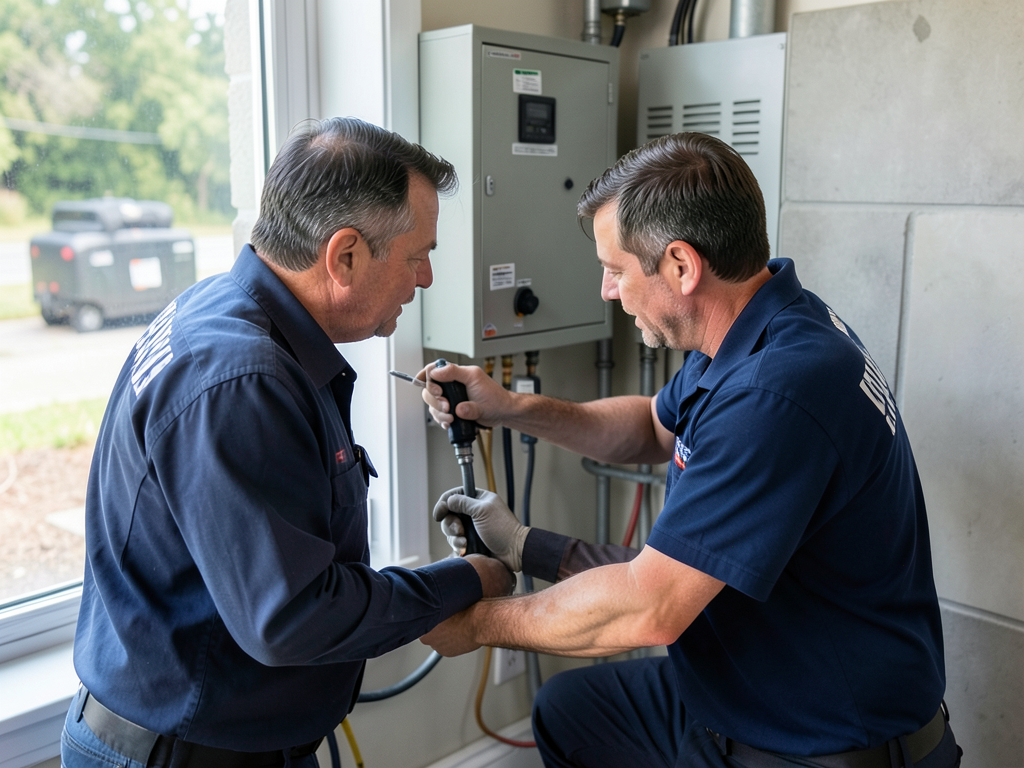
Keeping Your Home Warm During a Power Outage with HVAC Backup Power in Shoreview When winter storms hit Shoreview and the power goes out your furnace shuts down immediately leaving your home vulnerable to freezing…
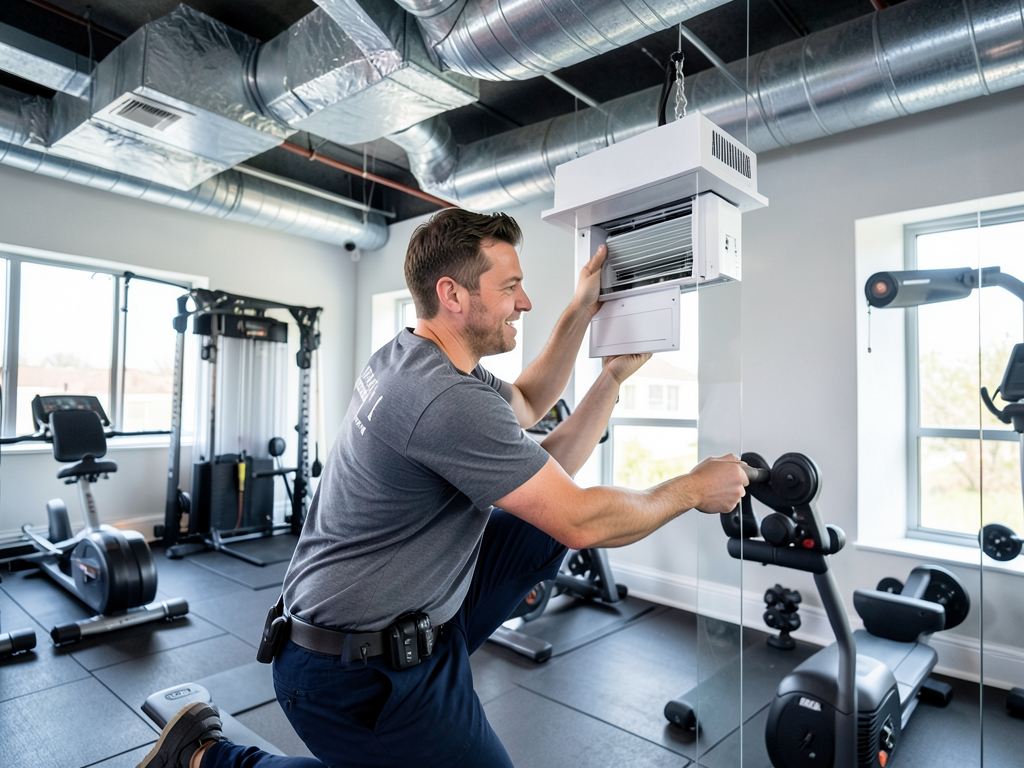
Building a Home Gym in Orono? Here's How to Keep It Comfortable Year-Round The Twin…
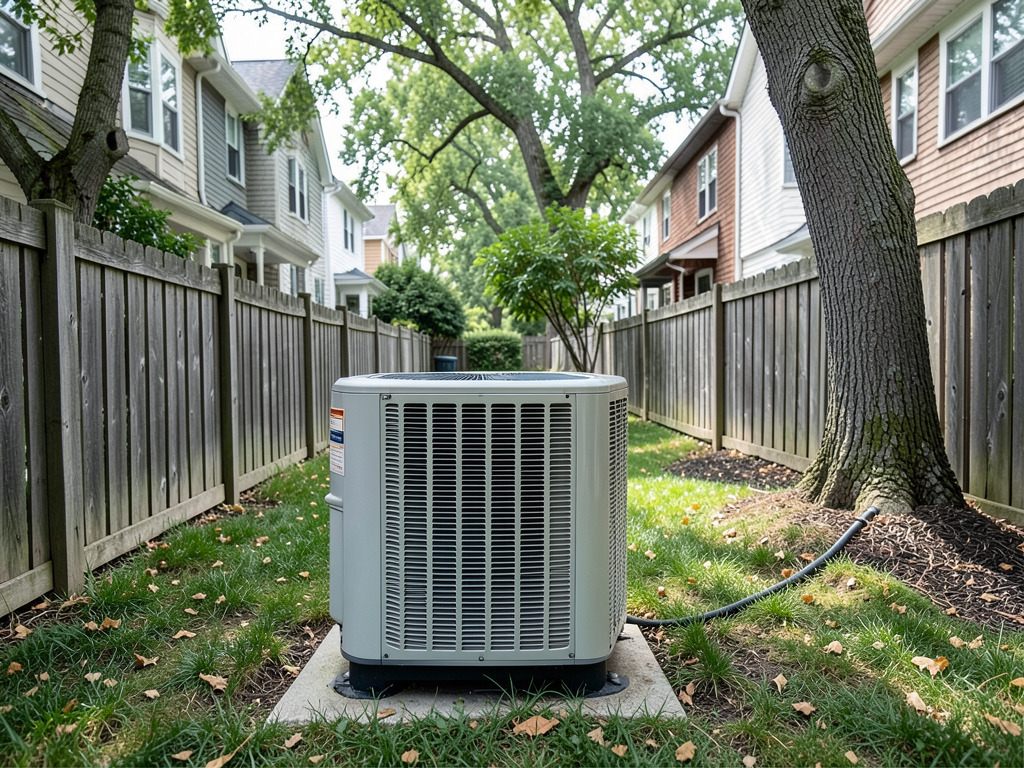
Living in Prospect Park means enjoying a tight-knit Minneapolis neighborhood where houses sit close together…
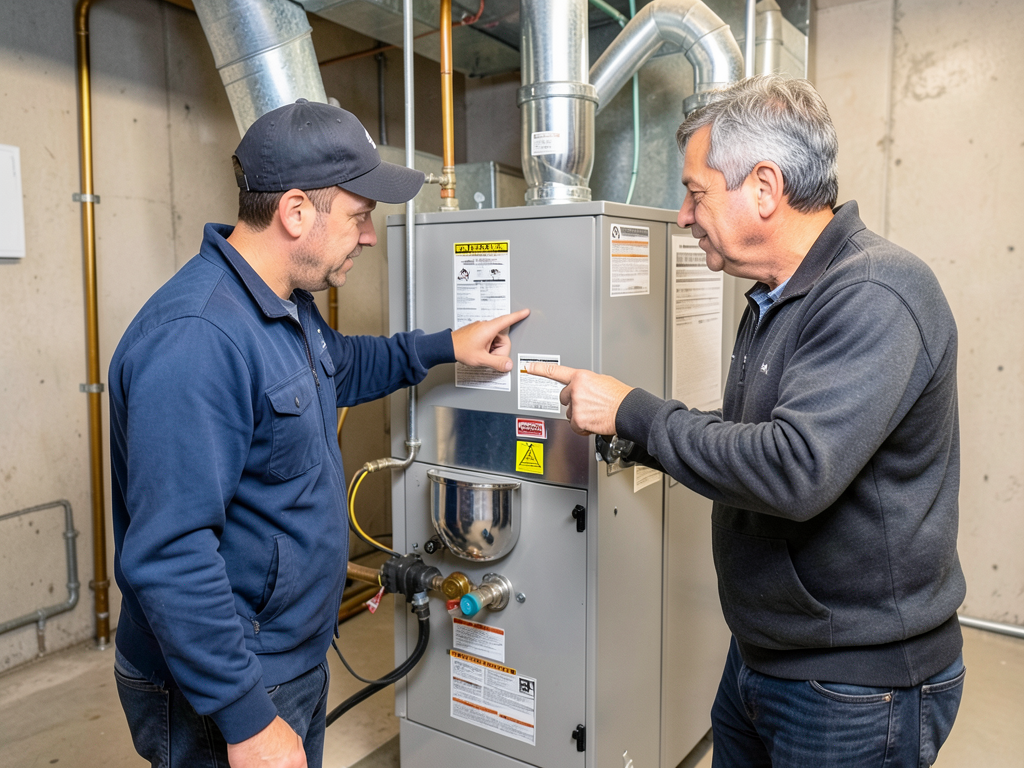
Choosing Between 80% and 96% Efficiency Furnaces for Your First Minneapolis Home Minneapolis winters are…
Your comfort system needs repair now, not next week. Call All Pro HVAC Minneapolis at (651) 588-9677 for same-day emergency service or schedule your maintenance appointment. We respond within one hour for emergencies across all Bloomington neighborhoods.