




Menu

Signs of Carbon Monoxide in Minneapolis – Recognize the Warning Signs Before It's Too Late

Learn how to identify carbon monoxide symptoms in your Minneapolis home, understand the indicators of carbon monoxide poisoning, and discover what to do when you suspect a leak in your heating system.

Slider Image 1
Slider Image 2
Slider Image 3
Slider Image 4
Slider Image 5
Slider Image 7
Slider Image 8
Slider Image 9
Slider Image 10
Slider Image 11

Why Carbon Monoxide Is a Silent Threat in Minneapolis Homes

Carbon monoxide kills without warning. You cannot see it, smell it, or taste it. In Minneapolis, where furnaces run for months during bitter winters, the risk of carbon monoxide poisoning symptoms increases dramatically.

When outdoor temperatures drop to 10 below zero, your heating system works overtime. Cracked heat exchangers, blocked flue pipes, and improperly vented gas appliances become life-threatening hazards. Homes in older Minneapolis neighborhoods like Powderhorn and Seward often have aging HVAC systems installed before modern safety standards existed.

The warning signs of carbon monoxide exposure mimic the flu. You might feel tired, dizzy, or nauseous. Headaches appear without explanation. You feel better when you leave the house, then worse when you return. These carbon monoxide symptoms worsen as exposure continues.

Indicators of carbon monoxide poisoning include confusion, blurred vision, and shortness of breath. Pets often show signs first, becoming lethargic or vomiting. Multiple people in the same home falling ill simultaneously is a red flag.

Minneapolis building codes require CO detectors, but detectors fail. Batteries die. Sensors age out after seven years. A beeping detector is not a suggestion, it is an alarm that demands immediate action.

Signs of a carbon monoxide leak extend beyond physical symptoms. Yellow or orange flames in your furnace indicate incomplete combustion. Soot buildup around appliances signals poor venting. Excess moisture on windows can mean combustion gases are not escaping properly.

Your furnace should never produce carbon monoxide in dangerous quantities when functioning correctly. When it does, you need professional intervention immediately.

Why Carbon Monoxide Is a Silent Threat in Minneapolis Homes
How HVAC Professionals Identify and Eliminate Carbon Monoxide Sources

How HVAC Professionals Identify and Eliminate Carbon Monoxide Sources

Professional carbon monoxide detection goes far beyond a handheld meter. Technicians use multi-point ambient air testing to map CO concentrations throughout your home. They measure levels at return vents, near appliances, and in sleeping areas where you spend extended hours.

The combustion analysis process tests your furnace's exhaust gases directly. A technician inserts a probe into the flue pipe to measure CO output in parts per million. Readings above 50 ppm indicate a problem. Readings above 100 ppm require immediate shutdown.

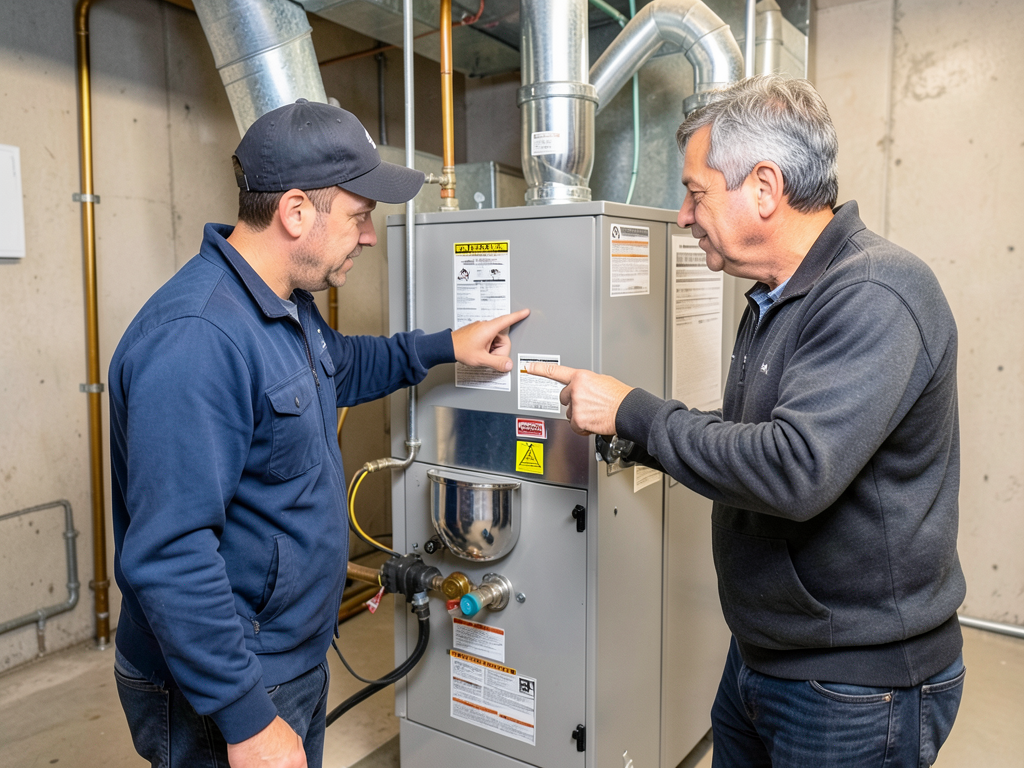
Heat exchanger inspection requires removing the furnace cabinet and blower assembly. Technicians examine the metal chambers where combustion occurs, looking for cracks, rust-through, or separation at the seams. A pinhole crack invisible to the naked eye can leak deadly gas into your ductwork.

Flue pipe integrity checks trace the exhaust path from your furnace to the exterior vent. Technicians look for disconnected sections, corrosion, or blockages from bird nests and debris. In Minneapolis, ice dams can block roof vents, forcing exhaust gases back into your home.

Proper draft measurement ensures combustion gases flow out, not back into living spaces. A manometer measures the pressure difference that pulls exhaust through the flue. Inadequate draft means your furnace cannot vent safely.

Supply and return air balance affects combustion efficiency. If your home is too tight, the furnace starves for oxygen and produces excess carbon monoxide. Technicians measure air flow and may recommend fresh air intakes.

The solution is never temporary. Cracked heat exchangers require furnace replacement. Blocked flues require cleaning or reconstruction. Improperly sized venting requires reconfiguration to code.

What Happens During a Carbon Monoxide Safety Inspection

Signs of Carbon Monoxide in Minneapolis – Recognize the Warning Signs Before It's Too Late
01

Immediate Air Quality Testing

Technicians arrive with calibrated CO meters and begin testing ambient air levels in your home. They measure concentrations in bedrooms, near appliances, and at return air vents. Any reading above 9 ppm triggers immediate investigation. The source must be identified before proceeding. This initial sweep determines whether your home is safe to occupy during inspection or requires evacuation.
02

Combustion System Diagnostics

The furnace undergoes complete combustion analysis. Technicians test exhaust gas composition, measure draft pressure, and inspect the heat exchanger for cracks or corrosion. They examine flue pipes for proper pitch, secure connections, and blockages. Gas-fired water heaters and other appliances receive the same scrutiny. Every potential CO source in your home is identified and evaluated against safety standards.
03

Repair Recommendations and Safety Restoration

You receive a detailed report identifying all carbon monoxide sources and required repairs. Critical issues like cracked heat exchangers are flagged for immediate replacement. Technicians explain which problems pose imminent danger and which are preventive concerns. Once repairs are completed, they conduct final air quality testing to verify CO levels are safe. You receive documentation of all testing and repairs for your records.

Why Minneapolis Homeowners Trust Local HVAC Experts for CO Safety

Carbon monoxide safety requires knowledge of how Minneapolis homes are built and how they age. Technicians familiar with local construction understand that homes in Longfellow and Nokomis often have original gravity furnaces converted to forced air. These retrofits can have venting problems that generic inspections miss.

Minnesota mechanical code requires specific clearances, venting materials, and combustion air provisions. A technician who works in Minneapolis daily knows these requirements without consulting a manual. They recognize when a previous installer cut corners or when an addition blocked a fresh air intake.

The region's extreme temperature swings stress heating systems in ways that mild climates never experience. A heat exchanger that looks fine in October can crack by January after repeated thermal cycling. Local HVAC professionals understand these failure patterns.

All Pro HVAC Minneapolis has responded to carbon monoxide emergencies in every Minneapolis neighborhood. The team has seen what happens when homeowners ignore detector alarms or postpone furnace maintenance. That experience translates into inspection thoroughness that prevents tragedies.

Emergency response capability matters when you discover a CO problem at 10 PM on a Friday. National chains dispatch whoever is available. Local companies send technicians who know the area, stock the right parts, and understand local building departments.

The cost of incompetence with carbon monoxide is not a callback, it is death. You cannot afford a technician who misses a cracked heat exchanger or dismisses elevated CO readings as normal. Local reputation is everything in this business. Companies that make mistakes do not survive in tight-knit Minneapolis communities.

Relationships with local inspectors streamline emergency repairs. When a furnace requires red-tagging and replacement, technicians who work regularly with city inspectors can expedite permits and inspections to restore heat safely.

What to Expect When You Schedule a CO Safety Inspection

Response Time and Availability

If you suspect carbon monoxide in your home, technicians treat it as an emergency. Same-day response is standard. If your CO detector is alarming, evacuate immediately and call from outside. A technician will arrive to test air quality and identify the source. Non-emergency inspections can typically be scheduled within 48 hours. Annual furnace maintenance includes carbon monoxide testing as standard protocol. The inspection takes 60 to 90 minutes depending on the number of fuel-burning appliances in your home.

Comprehensive Safety Assessment Process

The technician begins with ambient air testing throughout your home, measuring CO levels in parts per million. They inspect your furnace, water heater, gas fireplace, and any other combustion appliances. Each appliance undergoes combustion analysis to measure exhaust gas composition. They examine heat exchangers using inspection cameras to detect cracks invisible to the naked eye. Flue pipes are inspected for proper pitch, corrosion, and blockages. Draft pressure is measured to ensure adequate venting. You receive a written report detailing all findings and safety ratings for each appliance.

Repair Requirements and Solutions

Any appliance producing dangerous carbon monoxide levels will be shut down until repaired. Cracked heat exchangers cannot be repaired and require furnace replacement. Blocked or damaged flue pipes must be cleaned or replaced before the appliance can operate. Improperly sized or installed venting requires reconfiguration to meet code. Minor issues like dirty burners or flame sensors can often be corrected during the inspection visit. Major repairs are quoted immediately with parts availability timelines. Safety is never compromised for convenience or cost considerations.

Ongoing Monitoring and Prevention

After repairs, technicians conduct final testing to verify safe CO levels throughout your home. You receive guidance on proper CO detector placement and maintenance. Annual furnace inspections include carbon monoxide testing to catch problems before they become dangerous. Technicians document baseline readings for your equipment, making it easier to spot deterioration over time. You receive recommendations for detector replacement based on manufacture dates. Maintenance agreements ensure your heating system receives regular safety checks before each heating season.

Frequently Asked Questions

You Have Questions,
We Have Answers

What are signs of carbon monoxide in the house? +

Common signs include persistent headaches, dizziness, nausea, confusion, and flu-like symptoms without a fever. You may notice multiple family members feeling sick simultaneously. Physical indicators in your Minneapolis home include yellow or orange flames on gas appliances instead of blue, excessive condensation on windows, and soot marks around furnaces or fireplaces. Older furnaces working overtime during Minnesota winters increase risk. Your pets may show symptoms first, acting lethargic or vomiting. Carbon monoxide is odorless and colorless, so you cannot see or smell it. Install detectors on every level of your home.

How long after carbon monoxide exposure do you get symptoms? +

Symptoms can appear within minutes to hours depending on concentration levels. At high concentrations, you may feel dizzy or confused within 10 to 15 minutes. Lower levels cause gradual symptoms over several hours, including headaches and fatigue that worsen the longer you stay exposed. In Minneapolis homes with older heating systems running continuously during winter, chronic low-level exposure can cause symptoms that develop over days or weeks. Many people mistake these for the flu. If multiple people feel sick indoors but better outside, suspect carbon monoxide immediately. Leave the house and call 911.

How can I check if I have carbon monoxide? +

Install UL-listed carbon monoxide detectors on every floor, especially near bedrooms and furnace rooms. Place them at breathing height, not on ceilings like smoke alarms. Test detectors monthly and replace batteries twice yearly. In Minneapolis, have your furnace, water heater, and gas appliances inspected annually before winter. A professional HVAC technician uses specialized meters to measure carbon monoxide levels. If your detector alarms, evacuate immediately and call 911. Paramedics carry portable monitors to test air quality. Never ignore detector alarms or assume they are false. Your life depends on taking every alarm seriously.

Can a small gas leak make you feel sick? +

Yes, even small natural gas leaks can cause symptoms. Gas itself is not toxic, but it displaces oxygen in enclosed spaces, causing dizziness and headaches. Gas companies add mercaptan, a sulfur compound that smells like rotten eggs, so you detect leaks. If you smell gas or feel sick, open windows, evacuate, and call your gas company from outside. Do not flip light switches or use electronics, which can ignite gas. In Minneapolis, frozen ground and foundation shifting during freeze-thaw cycles can crack gas lines. Small leaks also waste money and increase explosion risk. Get leaks fixed immediately.

Can a phone app detect carbon monoxide? +

No credible phone app can detect carbon monoxide. Your smartphone lacks the electrochemical sensors required to measure carbon monoxide gas. Apps claiming detection capabilities are scams or only educational tools. Some Bluetooth-enabled carbon monoxide detectors connect to apps for remote monitoring and alerts, but the physical detector does the actual sensing. Do not rely on your phone for safety. Purchase proper UL-listed carbon monoxide detectors for your Minneapolis home. With extreme winter temperatures forcing furnaces to run constantly, reliable detection is critical. Invest in quality detectors, not false app-based security. Your family's safety requires real hardware.

How can I detect carbon monoxide without a detector? +

You cannot reliably detect carbon monoxide without a detector. It is odorless, tasteless, and invisible. Physical symptoms like headaches, nausea, and confusion are your only warning, but by then you are already poisoned. Watch for appliance warning signs including yellow or orange flames, excessive moisture on windows, soot buildup, or pilot lights that frequently go out. In Minneapolis, ice dams blocking furnace vents or chimneys during winter can cause dangerous backdrafts. However, these signs are unreliable. Carbon monoxide kills quickly. The only safe approach is installing detectors. They cost less than a doctor visit for poisoning.

Can I go to sleep after carbon monoxide exposure? +

Absolutely not. Carbon monoxide poisoning worsens as you continue breathing contaminated air. Sleeping after exposure can be fatal because you cannot recognize worsening symptoms while unconscious. Even mild exposure requires immediate fresh air and medical evaluation. Carbon monoxide binds to hemoglobin in your blood, preventing oxygen transport to organs and tissues. This damage continues until the gas clears your system. Evacuate your Minneapolis home immediately if you suspect exposure. Call 911 from outside. Paramedics will assess your condition and may recommend hyperbaric oxygen treatment. Never take exposure lightly. What feels mild can cause lasting neurological damage.

Is a small amount of carbon monoxide ok? +

No amount of carbon monoxide is safe. Exposure standards exist for workplace safety, but they assume healthy adults in controlled conditions. At home, vulnerable populations including children, elderly residents, and people with heart or lung conditions face greater risk at lower concentrations. Even low-level exposure causes headaches, fatigue, and cognitive impairment. Repeated exposure causes cumulative damage. In Minneapolis, furnaces running months straight during winter increase chronic exposure risk. Carbon monoxide displaces oxygen in your bloodstream, starving vital organs. Install detectors and fix leaks immediately. There is no acceptable exposure level. Protect your family with zero tolerance.

Can you recover from mild carbon monoxide poisoning on your own? +

Possibly, but you need medical evaluation first. After leaving the contaminated space, your body naturally eliminates carbon monoxide as you breathe fresh air. Half-life is approximately five hours breathing normal air, faster with supplemental oxygen. However, you cannot self-diagnose poisoning severity. Even mild symptoms can mask serious tissue damage, especially to your heart and brain. In Minneapolis, get checked immediately at an emergency room. Doctors measure carboxyhemoglobin levels and may recommend hyperbaric oxygen therapy to prevent long-term neurological problems. Pregnant women and children require extra caution. Never assume you are fine. Delayed neurological symptoms can appear weeks later.

What's the most common household thing to cause a carbon monoxide leak? +

Malfunctioning furnaces cause most residential carbon monoxide leaks. In Minneapolis, furnaces run heavily from October through April, and older systems or those lacking annual maintenance develop cracked heat exchangers, blocked vents, or incomplete combustion. Gas water heaters rank second, especially older models with poor ventilation. Attached garages where cars idle create risk, as carbon monoxide seeps through shared walls. Portable generators used during power outages kill people yearly when operated indoors or too close to homes. Blocked chimneys from ice dams or animal nests trap exhaust gases. Schedule annual HVAC inspections before winter starts.

How Minneapolis Winter Heating Demands Increase Carbon Monoxide Risk

Minneapolis endures some of the longest, coldest winters in the United States. Furnaces run continuously from October through April, with stretches of subzero temperatures demanding maximum output for days. This extended operation accelerates heat exchanger fatigue and reveals weaknesses that shorter heating seasons might not expose. Thermal expansion and contraction crack metal. Continuous combustion creates corrosive condensation. The same furnace that operates safely in Atlanta will fail faster in Minneapolis simply because of the workload. Annual inspections before heating season are not optional maintenance, they are survival requirements.

Minneapolis building codes and mechanical inspectors understand local heating demands. They enforce stricter combustion air requirements because homes are sealed tight for energy efficiency. Technicians working in Minneapolis see carbon monoxide problems that rarely occur in milder climates. They understand how ice dams block roof vents, how negative pressure from bathroom fans can backdraft water heaters, and how new windows can starve a furnace of combustion air. This local knowledge prevents the mistakes that out-of-area contractors make when they underestimate Minnesota's heating challenges.
HVAC Services in The Minneapolis Area

All Pro HVAC is conveniently located to serve the Minneapolis area and surrounding communities effectively. We invite you to view our service area on the map below, helping you visualize our reach and confirm that we are readily available to provide our expert heating, ventilation, and air conditioning services right to your doorstep, ensuring your comfort is always within reach.

Address:
All Pro HVAC Minneapolis, 1 W Franklin Ave, Minneapolis, MN, 55404

Additional Services We Offer

Our news updates

Latest Articles & News from The Blogs

How to Spot Mold Inside Your AC Unit Before it Spreads in Your White Bear Lake Home Living near White…

How to Spot Mold Inside Your AC Unit Before it Spreads in Your White Bear Lake Home

How to Spot Mold Inside Your AC Unit Before it Spreads in Your White Bear Lake Home Living near White…

How Your St. Paul Pets are Secretly Impacting Your HVAC System Performance

How Your St. Paul Pets are Secretly Impacting Your HVAC System Performance Your furry friends bring joy to your St.…

When to Change Your Air Filter During the High Pollen Season in Shorewood

When to Change Your Air Filter During the High Pollen Season in Shorewood Spring in Shorewood brings blooming trees and…

Contact Us

Do not wait for symptoms to appear. Call All Pro HVAC Minneapolis at (651) 588-9677 now to schedule a comprehensive carbon monoxide safety inspection. Same-day emergency service is available if you suspect a leak. Your family's safety cannot wait.