







Minneapolis's winter road treatment creates unique indoor air quality challenges. Salt brine, sand, and magnesium chloride used on Twin Cities roads become fine dust particles that vehicles carry home on undercarriages and clothing. This particulate matter is highly corrosive and abrasive, damaging HVAC components when it bypasses filtration. Spring brings additional challenges as street sweepers redistribute accumulated winter debris, creating dust clouds that infiltrate homes through normal air infiltration. These seasonal particulate spikes require more frequent filter changes than manufacturers' generic recommendations account for. The impact of dirty air filters multiplies here because contamination includes corrosive salts that accelerate metal degradation in heat exchangers and coils.
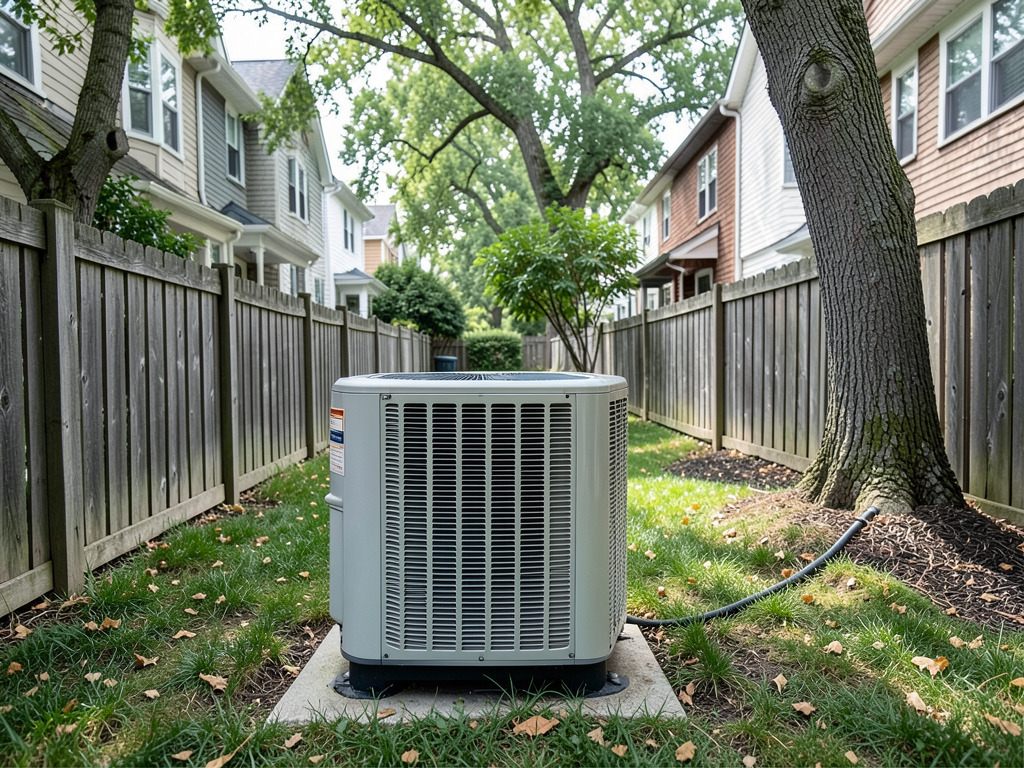
Minneapolis's mature tree canopy and Mississippi River proximity create high biological particulate loads. Cottonwood seeds in June, oak pollen in spring, and mold spores from river valley humidity challenge filtration systems beyond typical suburban environments. Local HVAC contractors understand these seasonal patterns and adjust maintenance schedules accordingly. We recognize when filter clogging accelerates during specific Minneapolis seasons and proactively schedule changes to prevent system stress. This local knowledge prevents the common mistake of applying national maintenance standards to Minneapolis's unique environmental conditions. Choosing local expertise means your filter maintenance matches actual particulate exposure rather than generic timelines that leave systems vulnerable during peak contamination periods.