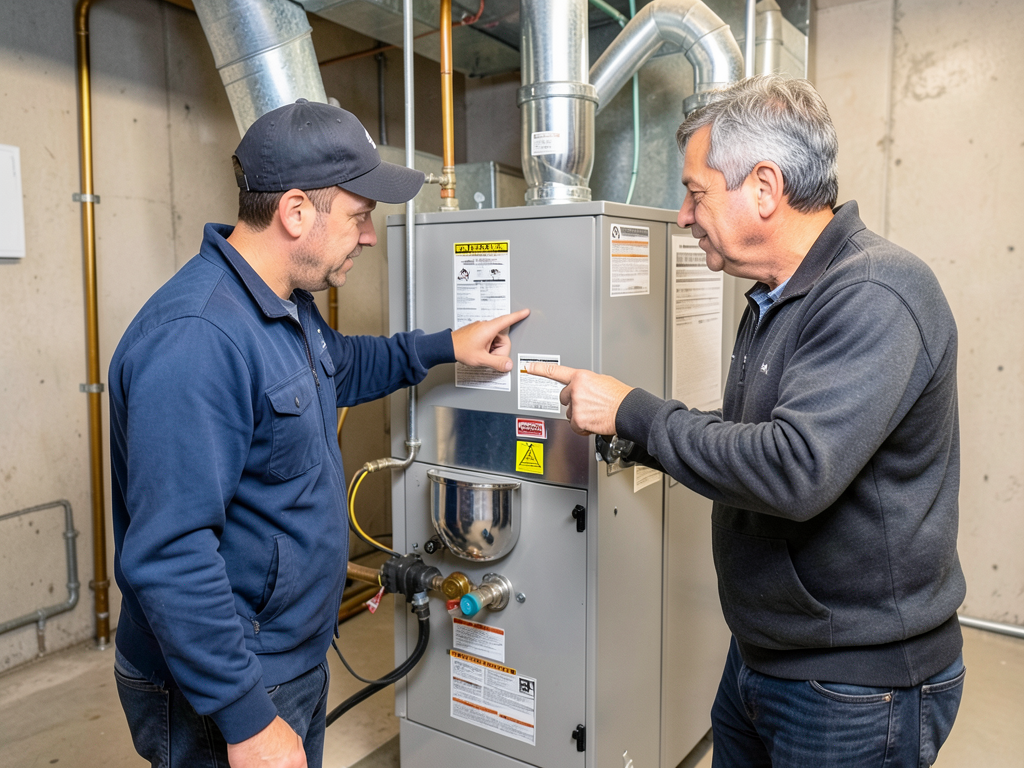





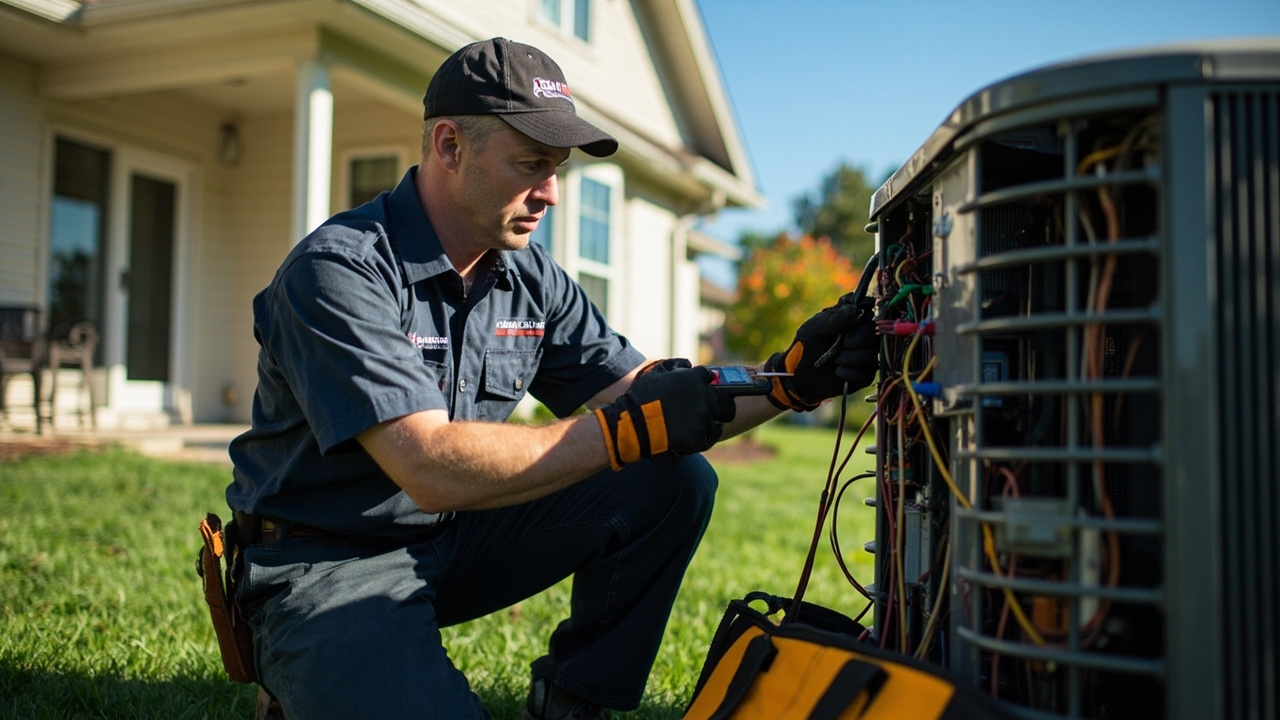
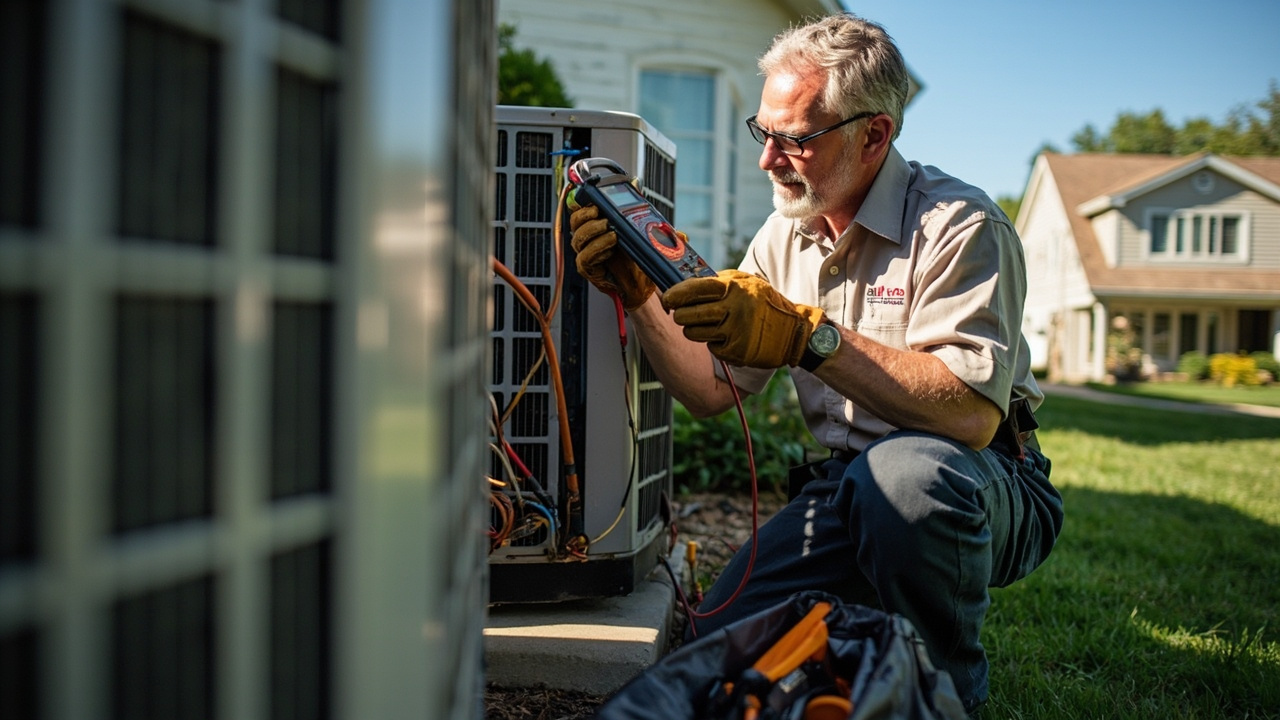

Minneapolis experiences some of the most extreme seasonal temperature shifts in the country. We go from 20 below zero in January to 95 degrees with 70 percent humidity in July. That range puts massive stress on HVAC components. Furnace heat exchangers expand and contract with temperature changes, developing cracks that cause the system to overheat and shut down. Air conditioner compressors struggle in high humidity, freezing evaporator coils and triggering pressure switches that stop the system mid-cycle. Homes built before modern insulation standards amplify these issues because the HVAC system has to work harder to maintain comfort, accelerating wear and increasing the likelihood of short cycling.
Minneapolis building codes and climate-specific installation practices matter when diagnosing short cycling. Local contractors familiar with Minnesota's energy code understand proper heat load calculations and duct sizing for our climate. A technician who only works in warmer states might miss frozen condensate drain issues or fail to account for the impact of subzero temperatures on heat pump defrost cycles. All Pro HVAC Minneapolis has diagnosed short cycling in thousands of Twin Cities homes. We know which furnace models develop cracked heat exchangers after 15 Minnesota winters and which air conditioner brands handle our humid summers better than others. That local expertise means faster diagnosis and more reliable repairs.