




Menu

Weak Airflow from Vents in Minneapolis – Expert Diagnosis and Permanent Fixes

When you notice reduced air flow from registers or little air coming out of vents, our certified technicians diagnose the root cause and restore proper airflow to keep your Minneapolis home comfortable year-round.

Slider Image 1
Slider Image 2
Slider Image 3
Slider Image 4
Slider Image 5
Slider Image 7
Slider Image 8
Slider Image 9
Slider Image 10
Slider Image 11

Why Minneapolis Homes Experience Poor Airflow from AC Systems

You turn on your system expecting relief, but instead you get low air pressure from vents. Maybe one room stays stuffy while another freezes. This frustration happens frequently in Minneapolis homes, and it is not just an inconvenience. It signals something broken in your HVAC system.

Minneapolis's extreme temperature swings, from subzero winters to humid 90-degree summers, force your system to work harder than in temperate climates. This constant demand accelerates wear on blower motors, clogs filters faster with seasonal pollen and road salt dust, and causes ductwork joints to separate as metal expands and contracts. When your AC is blowing weakly, it is often because one of these critical components has failed under the stress of our climate.

The problem compounds in older Minneapolis neighborhoods like Powderhorn Park and Longfellow, where homes built in the 1920s and 1930s feature undersized return ducts. These systems were designed for gravity furnaces, not modern forced air equipment. Add in decades of amateur duct modifications, and you get restricted airflow that no amount of thermostat adjustment can fix.

Reduced air flow from registers also creates secondary problems. Your system runs longer cycles to reach temperature, spiking your energy bills. Uneven cooling leads to hot spots that breed mold in Minneapolis's humid summers. And when your blower motor strains against restricted airflow, it burns out prematurely, turning a simple fix into a complete system failure.

The good news is that poor airflow from AC systems almost always has a diagnosable cause. Whether it is a clogged filter, failed blower capacitor, collapsed flex duct, or undersized return plenum, the solution exists once you identify the specific failure point.

Why Minneapolis Homes Experience Poor Airflow from AC Systems
How We Restore Full Airflow to Your Minneapolis HVAC System

How We Restore Full Airflow to Your Minneapolis HVAC System

We do not guess. We measure. When you report little air coming out of vents, we start with static pressure testing at your supply and return plenums. This tells us immediately whether your problem is upstream (blower assembly, heat exchanger, evaporator coil) or downstream (ductwork, dampers, registers).

If static pressure reads high on the supply side, we know the restriction sits between the blower and the vents. We remove the blower assembly and inspect the evaporator coil for ice buildup or biological growth. In Minneapolis, where summer humidity hovers around 70 percent, dirty coils grow mold that blocks airflow within weeks. We also check the blower wheel itself. Road salt and construction dust create a concrete-like buildup on the blades that reduces CFM output by 40 percent or more.

When static pressure is normal but airflow remains weak, the issue lives in your ductwork. We perform a room-by-room airflow test using a capture hood at each register. This identifies which branch runs have collapsed, disconnected, or were never properly sized. In Minneapolis split-levels and ramblers, we frequently find flex duct crushed under stored boxes in crawl spaces or attic insulation that has smothered round metal runs.

For homes with chronic low air pressure from vents across the entire system, the culprit is usually a failed blower motor capacitor or a motor running at the wrong speed tap. We test capacitance with a multimeter and verify blower RPM against manufacturer specifications. Many Minneapolis HVAC systems have motors with multiple speed taps, and previous contractors often wire them to the wrong connection, reducing airflow by 200 to 300 CFM.

Once we identify the failure point, we fix it correctly. That means replacing components with OEM parts rated for Minneapolis's temperature extremes, sealing duct joints with mastic (never tape), and verifying final airflow with post-repair measurements.

What Happens During Your Airflow Restoration Service

Weak Airflow from Vents in Minneapolis – Expert Diagnosis and Permanent Fixes
01

Initial System Diagnostics

We measure static pressure at your supply and return plenums using calibrated manometers. This baseline reading tells us whether your restriction sits in the equipment cabinet, the ductwork, or the air distribution system. We also document current CFM output at the blower and compare it to your system's rated capacity. These numbers guide every decision that follows.
02

Component Inspection and Testing

We remove access panels and visually inspect your evaporator coil, blower wheel, and heat exchanger for obstructions. We test the blower motor capacitor with a multimeter and verify motor amperage draw. If needed, we access your ductwork through existing openings or create minimal access points to inspect branch runs. We photograph problem areas so you see exactly what we found.
03

Repair and Verification

We complete the necessary repairs, whether that means replacing a capacitor, cleaning coils, sealing duct leaks, or resizing return grilles. After repairs, we re-measure static pressure and CFM output to confirm the fix worked. You get a written record of before and after readings, plus a summary of what caused your reduced air flow from registers and how we corrected it.

Why Minneapolis Homeowners Choose All Pro HVAC for Airflow Problems

Most HVAC companies in Minneapolis treat weak airflow from vents as a filter problem. They sell you a service plan and leave. We treat it as a diagnostic challenge that requires measurement tools and mechanical knowledge.

Our technicians carry digital manometers, anemometers, and multimeters on every call. We do not eyeball problems. We quantify them. When you call about your AC blowing weakly, we arrive prepared to test static pressure, measure CFM output, check capacitance, and inspect ductwork. This approach finds problems that visual inspections miss.

We also understand how Minneapolis's building stock affects HVAC performance. Homes in Kenwood and Linden Hills often have hydronic heating systems with add-on cooling, which means undersized ductwork that cannot handle proper airflow. Ramblers in Richfield and Bloomington have long duct runs with multiple elbows that create static pressure problems. We have worked in thousands of Minneapolis homes, and we recognize these patterns immediately.

Our familiarity with local codes matters too. Minneapolis requires mechanical permits for duct modifications and equipment replacements. We pull permits correctly and ensure our work passes inspection on the first attempt. This protects you from liability and ensures your system meets minimum efficiency standards required by state energy code.

You also get honest answers. If your poor airflow from AC stems from a duct system that is fundamentally undersized, we tell you. We explain your options, from adding return ducts to installing a variable-speed blower that can overcome static pressure. We give you the information you need to make the right decision for your home and budget.

We stock parts for major brands on our trucks. That means same-day repairs for failed capacitors, blower motors, and control boards. When we need to order a component, we get it from local suppliers, not three-day shipping warehouses. This keeps your system down for hours, not days.

What to Expect When You Schedule an Airflow Diagnosis

Same-Day Service Availability

We offer same-day appointments for airflow problems because we know how uncomfortable a Minneapolis summer gets when your system cannot keep up. When you call before noon, we can usually arrive the same day. You get a two-hour arrival window, and we call 30 minutes before we arrive so you do not waste your afternoon waiting. Emergency service is available for complete system failures, though most airflow issues do not qualify as emergencies unless your home temperature exceeds safe levels.

Comprehensive System Assessment

Your appointment starts with a detailed discussion about when you first noticed reduced air flow from registers and which rooms are affected. We then perform static pressure testing, blower performance testing, and visual inspection of accessible ductwork. If we need to access your attic or crawl space, we ask permission first and explain why that access is necessary. The diagnostic process typically takes 60 to 90 minutes. You receive a written report explaining what we found, what it costs to fix, and what happens if you delay the repair.

Permanent Airflow Restoration

We complete most airflow repairs in a single visit. Simple fixes like capacitor replacement or filter housing modifications take less than an hour. More involved repairs like blower motor replacement or evaporator coil cleaning take two to four hours. Ductwork modifications may require a follow-up visit if we need to fabricate custom plenums or add return branches. Before we leave, we verify airflow at your registers and document the improvement. You should notice stronger airflow immediately and better temperature control within the first cooling cycle.

Post-Repair Support and Maintenance

All repairs include a standard workmanship guarantee. If the same problem returns within 30 days, we come back at no charge. We also provide maintenance recommendations specific to your system. For Minneapolis homes, that usually means filter changes every 60 days during peak heating and cooling seasons, annual blower cleaning to remove road salt dust, and biannual coil inspections to prevent biological growth. We offer maintenance agreements that include these services at a discounted rate, but we never pressure you to sign up during a repair visit.

Frequently Asked Questions

You Have Questions,
We Have Answers

Why do I barely feel air coming out of my vents? +

Weak airflow usually points to a clogged air filter, which restricts air movement through your system. In Minneapolis homes, filters can load up quickly during spring pollen season and winter when systems run constantly. Check your filter first. If it looks gray or matted, replace it. Other causes include closed dampers in your ductwork, blocked return vents covered by furniture, or a failing blower motor. Leaky ductwork in unconditioned spaces like attics or crawl spaces also robs pressure before air reaches your vents. A technician can diagnose blower speed settings and duct leakage issues.

Why is my AC not blowing hard through the vents? +

Your AC likely has a dirty evaporator coil, frozen coil, or undersized ductwork choking airflow. Minneapolis humidity can cause coils to ice over when refrigerant runs low or airflow drops. A dirty blower wheel also reduces air velocity. If your system was installed during a quick flip or addition, contractors sometimes use undersized ducts to save money, which permanently limits airflow. Check your outdoor unit. If the compressor runs but indoor airflow stays weak, you need a coil inspection and refrigerant check. Duct sizing issues require professional assessment and possible redesign.

How to increase air flow in vents? +

Start by replacing your air filter and clearing all return and supply vents of obstructions like rugs or furniture. Open all interior doors to allow air circulation. Check your thermostat fan setting. Switch it from auto to on temporarily to test blower operation. Inspect accessible ductwork in your basement or crawl space for disconnected joints or torn flex duct, common in older Minneapolis homes after settling or rodent damage. A professional duct sealing service can address leaks you cannot reach. Upgrading to a variable speed blower motor also improves airflow efficiency and comfort.

How strong should air come out of vents? +

You should feel firm, steady airflow when you hold your hand six inches from a supply vent. The air should not blast like a wind tunnel, but it should move papers or rustle your hair. In Minneapolis, properly balanced systems deliver 400 cubic feet per minute per ton of cooling. A 3-ton system moves 1,200 CFM total across all vents. Weak airflow that barely moves a tissue signals problems. Excessively strong airflow from just one or two vents means your duct system lacks proper balancing, starving other rooms and creating hot or cold spots throughout your home.

How Minneapolis's Road Salt and Seasonal Dust Accelerate Airflow Problems

Minneapolis uses more than 360 tons of road salt each winter to keep streets safe. That salt turns into fine dust that infiltrates your home through door seals, window gaps, and fresh air intakes. Combined with spring pollen counts that regularly exceed 9.0 on the scale (considered high), your HVAC filter faces contaminant loads far beyond what systems in milder climates experience. This accelerated buildup restricts airflow within weeks instead of months. Minneapolis homes also deal with construction dust from constant road work and development. That dust settles in your return ducts and coats your blower wheel, reducing CFM output even when your filter looks clean.

Minneapolis mechanical code requires that all ductwork modifications meet minimum sizing standards and pass pressure testing. Many homeowners discover airflow problems after hiring unlicensed contractors who add rooms or finish basements without properly extending the duct system. We pull permits for all duct modifications and coordinate inspections with the city. Our work meets Minneapolis energy code requirements for duct sealing and insulation. This protects your home's resale value and ensures your system operates at the efficiency levels required by Minnesota state law. When you hire local HVAC professionals who know these requirements, you avoid costly corrections and failed inspections.
HVAC Services in The Minneapolis Area

All Pro HVAC is conveniently located to serve the Minneapolis area and surrounding communities effectively. We invite you to view our service area on the map below, helping you visualize our reach and confirm that we are readily available to provide our expert heating, ventilation, and air conditioning services right to your doorstep, ensuring your comfort is always within reach.

Address:
All Pro HVAC Minneapolis, 1 W Franklin Ave, Minneapolis, MN, 55404

Additional Services We Offer

Our news updates

Latest Articles & News from The Blogs

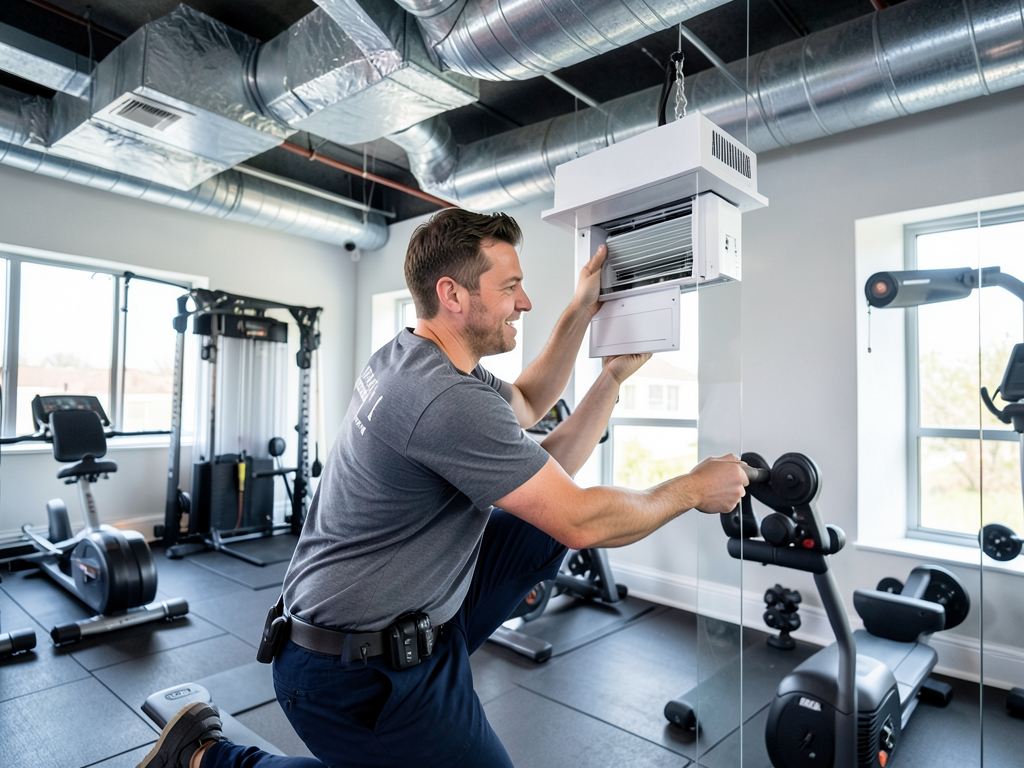
Building a Home Gym in Orono? Here's How to Keep It Comfortable Year-Round The Twin Cities climate makes home gym…

Adding HVAC to a New Home Gym or Yoga Studio in Orono

Building a Home Gym in Orono? Here's How to Keep It Comfortable Year-Round The Twin Cities climate makes home gym…

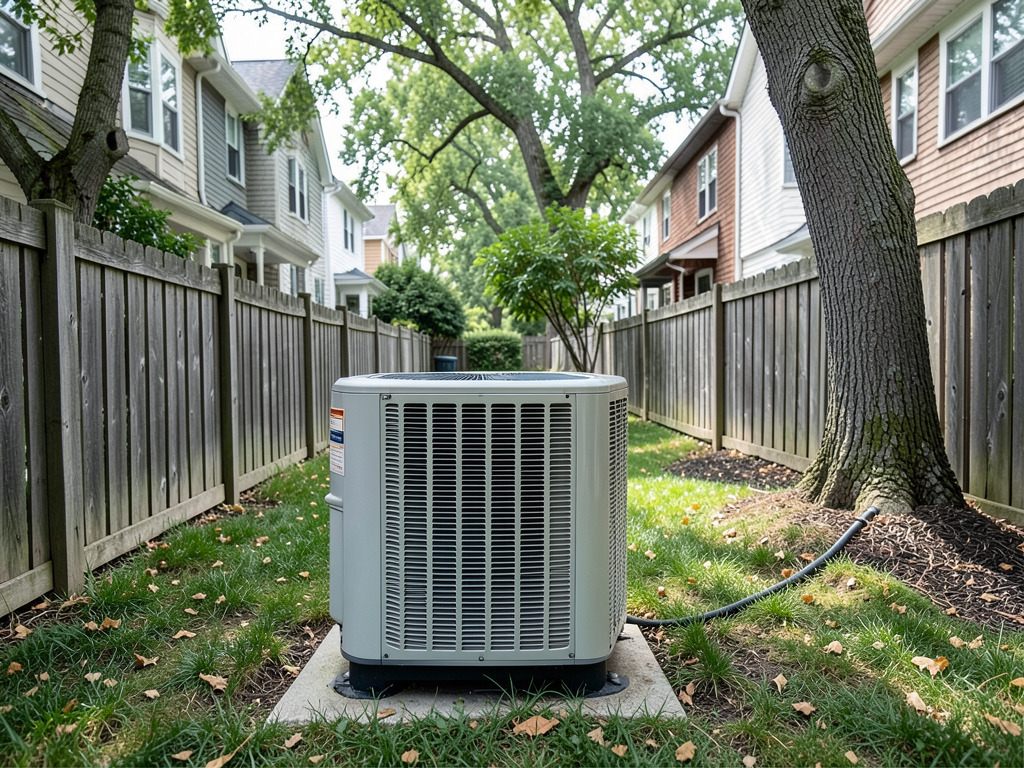
Soundproofing an Outdoor AC Unit for Small Backyards in Prospect Park

Living in Prospect Park means enjoying a tight-knit Minneapolis neighborhood where houses sit close together and outdoor spaces feel like…

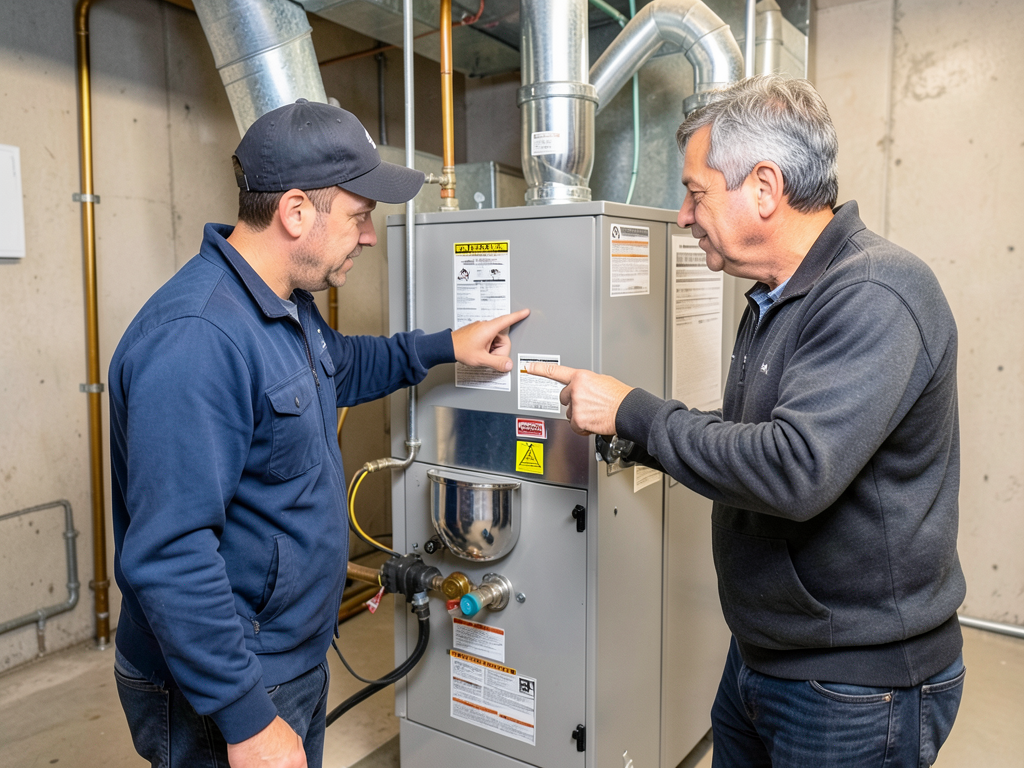
Choosing Between 80% and 96% Efficiency Furnaces for Your First Minneapolis Home

Choosing Between 80% and 96% Efficiency Furnaces for Your First Minneapolis Home Minneapolis winters are brutal and your furnace choice…

Contact Us

Stop living with weak airflow and uneven cooling. Call All Pro HVAC Minneapolis at (651) 588-9677 to schedule your same-day diagnostic appointment. We measure, diagnose, and fix the problem correctly the first time.