





Menu

Uneven Heating or Cooling in Minneapolis – Stop Wasting Energy on Hot and Cold Spots

Expert diagnosis and proven solutions for inconsistent room temperatures across Minneapolis homes. We identify the root cause of your home temperature imbalance and restore balanced comfort to every room.

Slider Image 1
Slider Image 2
Slider Image 3
Slider Image 4
Slider Image 5
Slider Image 7
Slider Image 8
Slider Image 9
Slider Image 10
Slider Image 11

Why Minneapolis Homes Struggle with Temperature Balance

You walk from your living room to your bedroom and the temperature drops 10 degrees. Your upstairs feels like a sauna while your basement stays freezing. This is not normal, and you are not imagining it.

Minneapolis homes face unique temperature challenges because of our extreme seasonal swings. Winter temperatures regularly hit below zero, forcing your HVAC system to work harder than systems in moderate climates. When your furnace cycles on and off repeatedly trying to heat problem areas, it creates hot and cold spots throughout your home.

The issue gets worse in multi-story homes common to neighborhoods like Lowry Hill, Longfellow, and Southwest Minneapolis. Heat naturally rises, but when your ductwork is improperly sized or your return air vents are blocked, you get uneven airflow distribution. Your second floor overheats while your main level stays cold.

Add in the age of Minneapolis housing stock. Many homes built before 1970 have outdated duct systems never designed for modern high-efficiency furnaces and air conditioners. The result is different temperatures in each room, no matter how you adjust your thermostat.

Poor insulation in attics and crawl spaces compounds the problem. When outside air infiltrates through gaps and poorly sealed ductwork, your system loses conditioned air before it reaches certain rooms. You pay to heat or cool air that never makes it to your living spaces.

Inconsistent room temperatures are not just uncomfortable. They signal your HVAC system is working inefficiently, driving up your energy bills while failing to maintain comfort. The problem will not fix itself, and adjusting your thermostat up and down only masks the underlying issue.

Why Minneapolis Homes Struggle with Temperature Balance
How We Diagnose and Fix Home Temperature Imbalance

How We Diagnose and Fix Home Temperature Imbalance

Most HVAC companies guess at the problem. They sell you a new thermostat or suggest closing vents in certain rooms. These band-aid fixes waste your money and leave the real problem untouched.

We start with a comprehensive airflow analysis using a digital manometer to measure static pressure in your duct system. High static pressure means your system is fighting against restricted airflow. This restriction causes uneven heating or cooling because conditioned air cannot reach every room equally.

Next, we inspect your ductwork for leaks, crushed sections, and improper sizing. Duct leakage is the leading cause of hot and cold spots in Minneapolis homes. When 20 to 30 percent of your conditioned air escapes through gaps before reaching your rooms, you get temperature imbalance. We use a duct blaster test to quantify leakage and identify every problem area.

We also evaluate your return air pathways. Many homes have a single return vent, usually in a hallway. This creates negative pressure in bedrooms with closed doors, restricting airflow and causing those rooms to stay warmer or cooler than the rest of the house. Adding return air vents or installing transfer grills balances pressure and improves circulation.

Your system capacity matters too. If your furnace or air conditioner is oversized for your home, it short cycles. The unit turns on, quickly satisfies the thermostat, then shuts off before distributing air evenly throughout the house. We perform a Manual J load calculation to verify your equipment is properly sized for your square footage and insulation levels.

Finally, we check your insulation and air sealing. Thermal imaging cameras reveal exactly where conditioned air is escaping through walls, ceilings, and floors. Sealing these leaks and upgrading insulation prevents outside temperatures from affecting individual rooms.

Our Temperature Balance Restoration Process

Uneven Heating or Cooling in Minneapolis – Stop Wasting Energy on Hot and Cold Spots
01

System Performance Testing

We measure airflow at each register using an anemometer and document temperature differentials between rooms. Static pressure readings tell us if your ductwork is restricting airflow. We also test your thermostat placement to ensure it is not in a location that gives false readings, causing your system to cycle incorrectly and create uneven temperatures throughout your home.
02

Ductwork and Airflow Correction

Based on our testing, we seal duct leaks using mastic and foil tape, never cloth duct tape which fails quickly. We resize ducts to match your system capacity and install dampers to balance airflow between floors. If your home lacks adequate return air pathways, we add return vents or transfer grills to equalize pressure. This ensures conditioned air reaches every room efficiently.
03

Final Verification and Calibration

After repairs, we retest airflow and temperature at every register to confirm balanced distribution. We calibrate your thermostat and program it for optimal cycle times that allow conditioned air to reach all areas before the system shuts off. You receive a written report showing before and after measurements, proving your home now maintains consistent temperatures in every room.

Why Minneapolis Homeowners Trust Our Temperature Solutions

Generic HVAC advice does not work in Minneapolis. Our climate demands specific solutions that account for subzero winters and humid summers. We have diagnosed temperature imbalance in thousands of Minneapolis homes, from Craftsman bungalows in Kingfield to split-levels in Richfield.

We understand the quirks of Minneapolis housing. Many homes have additions built years after the original structure, often with undersized ductwork that was never upgraded to handle the extra square footage. We see this constantly in neighborhoods like Nokomis and Standish, where families expanded their homes but never expanded their HVAC capacity.

Our technicians know local building codes and ventilation requirements. Minneapolis requires specific air changes per hour for healthy indoor air quality. When we balance your system, we ensure you meet these standards while maintaining comfort. This matters during our long heating season when homes stay sealed tight for months.

We also recognize the role Minneapolis water quality plays in HVAC performance. Hard water can cause buildup in humidifiers attached to your furnace, reducing airflow and creating humidity imbalances that make some rooms feel colder or stuffier than others. We inspect and service these components as part of our comprehensive approach.

You get honest answers. If your ductwork is damaged beyond repair, we tell you. If your issue is a simple fix like adjusting dampers or replacing a thermostat, we do not upsell you on services you do not need. Our reputation in Minneapolis depends on solving problems correctly the first time.

We also provide solutions that last through our temperature extremes. The fixes we implement are designed to perform whether it is 20 below zero in January or 95 degrees in July. Your comfort should not depend on the season.

What Happens When You Call Us for Temperature Problems

Fast Scheduling and Arrival

We schedule diagnostic appointments within 24 to 48 hours. Our technicians arrive in a fully equipped van with testing equipment, including manometers, anemometers, and thermal imaging cameras. You receive a call when we are 30 minutes away. The initial assessment takes 60 to 90 minutes, depending on your home size and system complexity. We work around your schedule, offering evening and weekend appointments for working families who cannot be home during business hours.

Thorough Diagnostic Evaluation

Our technician tests airflow at every register, measures static pressure in your supply and return ducts, and inspects your entire duct system from the furnace to the furthest room. We check insulation levels in your attic and basement, examine your thermostat placement and calibration, and use thermal imaging to identify air leaks. You receive a written report with measurements, photos, and a clear explanation of what is causing your temperature imbalance. We present your options with transparent pricing before starting any work.

Proven Temperature Correction

Once you approve the work, we complete most duct sealing and airflow balancing in a single day. Larger projects like ductwork replacement or return air installation may take two days. We test and verify results before we leave, measuring temperatures in every room to confirm balance. You will feel the difference immediately. Your system will run more efficiently, your energy bills will drop, and every room will maintain the temperature you set on your thermostat.

Ongoing Support and Maintenance

We stand behind our work. If you notice temperature issues after our service, we come back and make it right. We also offer annual maintenance plans that include airflow checks and filter changes to keep your system balanced year-round. Our maintenance customers get priority scheduling and discounted service rates. Regular maintenance prevents small issues from becoming big problems, especially important in Minneapolis where your HVAC system works harder than systems in mild climates.

Frequently Asked Questions

You Have Questions,
We Have Answers

Is uneven heating normal? +

No, uneven heating is not normal and signals a problem. Your system should distribute warm air consistently across all rooms. In Minneapolis homes, common causes include blocked vents, leaky ductwork, or an undersized furnace struggling with our extreme winter temps. Poor insulation or old single-pane windows also create cold spots. Ignoring it wastes energy and drives up heating bills. A two-degree difference between rooms is manageable, but if you have rooms that are 10 degrees colder, you need a technician to diagnose the root cause before another brutal Minnesota winter hits.

Is 70 heat the same as 70 cool? +

No, 70 degrees heat feels warmer than 70 degrees cool. Heating systems raise air temperature above 70 to warm your space, so air blowing from vents feels hot against your skin. In cooling mode, your AC removes heat and humidity, delivering air around 55 degrees at the register. Your body also radiates less heat in winter, making 70 feel cozy. In summer, higher humidity levels in Minneapolis make 70 feel muggy. Your perception changes based on season, humidity, and air movement. This is why thermostats alone do not tell the full comfort story.

What is the $5000 rule for HVAC? +

The $5,000 rule is a decision-making guideline. Multiply the cost of the repair by the age of your system. If the result exceeds $5,000, replace the unit instead of repairing it. For example, a $600 repair on a 10-year-old furnace equals $6,000, so replacement makes more sense. This rule helps you avoid throwing money at an aging system that will fail again soon. In Minneapolis, where furnaces work overtime during subzero stretches, older systems become money pits. Always get a second opinion before committing to expensive repairs on equipment past its prime.

How to fix uneven heating? +

Start by checking airflow. Open all vents and registers, replace dirty filters, and ensure no furniture blocks airflow. Inspect your ductwork in the basement or attic for visible leaks or disconnected sections. Balance dampers in your ductwork to redirect more heat to cold rooms. If that fails, you likely have insulation gaps, a failing blower motor, or an undersized furnace for your square footage. Minneapolis homes with additions or finished basements often outgrow their original system capacity. A load calculation and duct inspection from a technician will pinpoint the exact fix needed for balanced heating.

Why is half my house hot and half cold? +

Your house has half hot, half cold zones because heat distribution is broken. Possible causes include closed dampers in ductwork, crushed or disconnected ducts, or a zoning system malfunction. In Minneapolis two-story homes, heat naturally rises, leaving basements freezing if return air is inadequate. Your blower motor might be weak, pushing air to nearby rooms but not distant ones. Leaky ductwork in unconditioned spaces like attics or crawlspaces loses heated air before it reaches rooms. Poor insulation or air leaks around windows and doors also create temperature splits. A blower door test identifies where conditioned air escapes.

How to fix an unbalanced heating system? +

Balancing your heating system requires adjusting airflow. Locate dampers inside your ductwork, usually near the main trunk lines. Partially close dampers leading to warm rooms and open dampers to cold rooms. This redirects more heated air where you need it. Replace your filter monthly during Minneapolis winters when furnaces run nonstop. Seal visible duct leaks with mastic sealant, not tape. Check that your blower speed matches your ductwork size. If adjustments fail, your ductwork may be improperly sized or your furnace undersized. A Manual J load calculation determines if your equipment matches your home's heating demands.

What is the 3 minute rule for AC? +

The three-minute rule protects your compressor. After your AC shuts off, wait three full minutes before restarting it. This allows refrigerant pressure to equalize between the high and low sides of the system. Restarting too soon forces the compressor to start against high pressure, which can damage it over time or trip the breaker. This rule matters most during thermostat adjustments or power outages. In Minneapolis, where summer storms cause frequent power flickers, this protection becomes critical. Most modern thermostats have built-in delay timers, but manual overrides or older systems lack this safeguard.

Why does my house feel cold at 73 in winter? +

Your house feels cold at 73 in winter because of radiant heat loss and humidity. In Minneapolis winters, your walls, windows, and floors are cold. Your body radiates heat toward these cold surfaces, making you feel chilled even when air temperature reads 73. Low humidity also plays a role. Forced-air furnaces dry out indoor air, and dry air feels colder. Single-pane windows or poor insulation worsen the effect. Try raising humidity to 35-40 percent with a whole-home humidifier. Check for drafts around windows and doors. Adding cellular shades reduces radiant loss through glass.

How long should it take to cool a house from 78 to 74? +

Cooling from 78 to 74 should take 30 to 60 minutes in an average home with a properly sized AC. If your system takes longer, it is undersized, low on refrigerant, or struggling with airflow issues. Dirty filters, clogged coils, or blocked return vents reduce cooling speed. In Minneapolis, high summer humidity makes cooling harder because your AC must remove moisture and heat. Poor attic insulation or air leaks let heat infiltrate faster than your system can remove it. If your AC runs constantly without reaching setpoint, schedule a refrigerant check and airflow diagnosis.

What are signs my HVAC needs replacing? +

Replace your HVAC when you see frequent breakdowns, rising energy bills, uneven temps, or your system is over 15 years old. Strange noises like grinding or banging signal worn components. If repairs exceed half the cost of replacement, stop patching and upgrade. Weak airflow or constant cycling means your system cannot keep up. In Minneapolis, where furnaces endure months of subzero operation and ACs battle humid summers, equipment ages faster. Rust on the heat exchanger or refrigerant leaks are safety hazards. New systems offer better efficiency and reliability than repeatedly repairing aging equipment.

How Minneapolis Winter Extremes Expose HVAC Airflow Problems

Minneapolis averages 54 days per year below zero, placing extreme demand on residential heating systems. When your furnace runs constantly trying to maintain 70 degrees against subzero outdoor temperatures, any weakness in your ductwork or airflow balance becomes obvious. Rooms farthest from the furnace stay cold because heated air loses temperature traveling through poorly insulated or leaky ducts in attics and crawl spaces. Meanwhile, rooms closest to the furnace overheat because the system keeps running trying to satisfy the thermostat. This constant cycling drives up your heating bills while leaving parts of your home uncomfortable.

Minneapolis has strict residential energy codes requiring homes to meet specific insulation and air sealing standards. We stay current on these requirements and ensure our solutions comply with city codes. This matters when you sell your home or apply for energy efficiency rebates through Xcel Energy or CenterPoint Energy. Our familiarity with local HVAC contractors, building inspectors, and permit requirements means your repairs are done correctly and documented properly. You get peace of mind knowing your system meets Minneapolis standards for safety and efficiency.
HVAC Services in The Minneapolis Area

All Pro HVAC is conveniently located to serve the Minneapolis area and surrounding communities effectively. We invite you to view our service area on the map below, helping you visualize our reach and confirm that we are readily available to provide our expert heating, ventilation, and air conditioning services right to your doorstep, ensuring your comfort is always within reach.

Address:
All Pro HVAC Minneapolis, 1 W Franklin Ave, Minneapolis, MN, 55404

Additional Services We Offer

Our news updates

Latest Articles & News from The Blogs

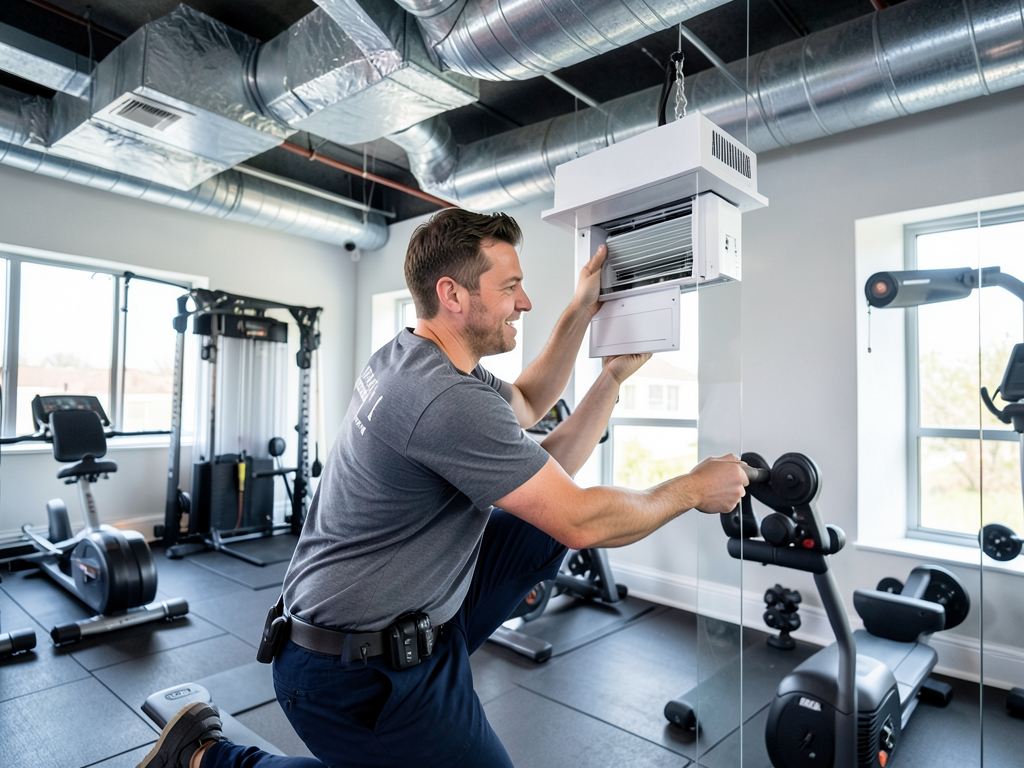
Building a Home Gym in Orono? Here's How to Keep It Comfortable Year-Round The Twin Cities climate makes home gym…

Adding HVAC to a New Home Gym or Yoga Studio in Orono

Building a Home Gym in Orono? Here's How to Keep It Comfortable Year-Round The Twin Cities climate makes home gym…

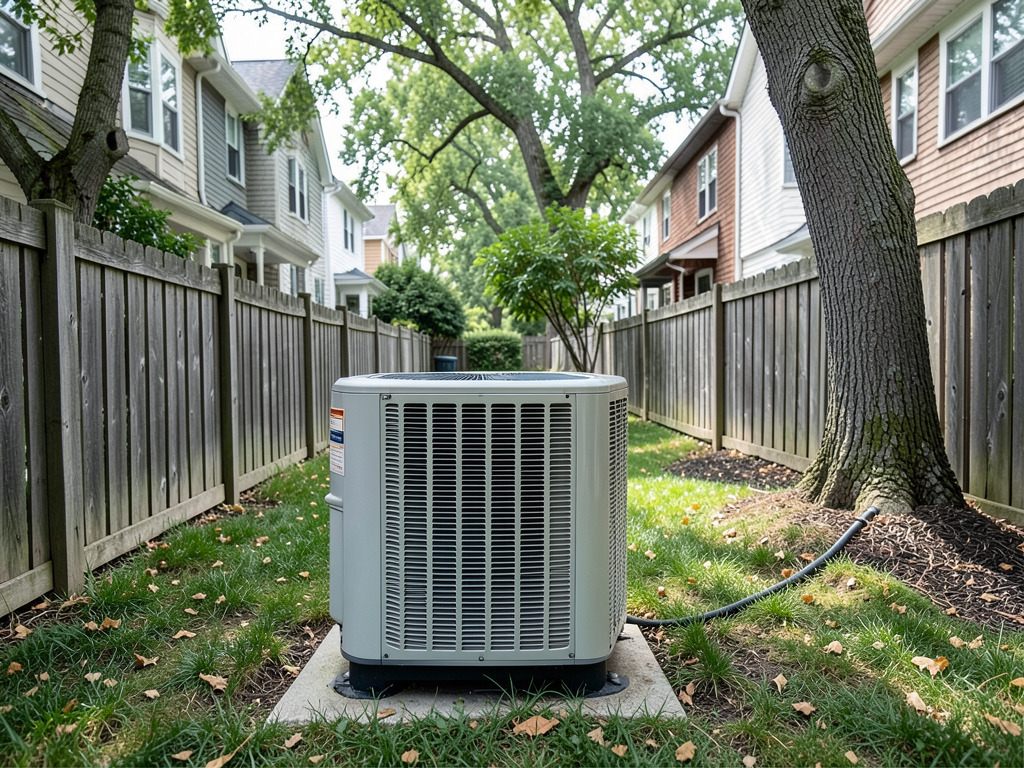
Soundproofing an Outdoor AC Unit for Small Backyards in Prospect Park

Living in Prospect Park means enjoying a tight-knit Minneapolis neighborhood where houses sit close together and outdoor spaces feel like…

Choosing Between 80% and 96% Efficiency Furnaces for Your First Minneapolis Home

Choosing Between 80% and 96% Efficiency Furnaces for Your First Minneapolis Home Minneapolis winters are brutal and your furnace choice…

Contact Us

Call All Pro HVAC Minneapolis today at (651) 588-9677 for a comprehensive temperature balance assessment. We will identify exactly why your home has hot and cold spots and fix it permanently. You deserve consistent comfort in every room.