




Menu

Emergency Furnace Repair in Minneapolis – Technicians Dispatched in 60 Minutes or Less

When your furnace fails in subzero temperatures, you need immediate heating system repair from technicians who stock parts for Minneapolis homes and respond fast. We arrive prepared with diagnostic tools and replacement components, so your family stays safe and warm tonight.

Slider Image 1
Slider Image 2
Slider Image 3
Slider Image 4
Slider Image 5
Slider Image 7
Slider Image 8
Slider Image 9
Slider Image 10
Slider Image 11

Why Minneapolis Furnace Failures Escalate Fast in Winter

Your furnace died at 11 PM. The temperature outside is dropping toward negative fifteen degrees. Inside, your thermostat reads fifty-eight and falling. Your pipes are at risk within hours.

Minneapolis winters create conditions where furnace failure becomes a life-threatening emergency. When outdoor temperatures drop below zero, homes lose heat at an accelerated rate. Older homes in neighborhoods like Powderhorn and Longfellow, built with minimal insulation and balloon framing, can lose interior heat within two to three hours. The result: frozen pipes, burst water lines, and thousands in structural damage before sunrise.

Most 24 hour furnace repair calls in Minneapolis happen between 8 PM and 6 AM because furnaces fail when they work hardest. Your system cycles constantly in subzero weather, and components like igniters, flame sensors, and blower motors fatigue under continuous load. When a heat exchanger cracks or a pressure switch fails, the system shuts down completely.

You need urgent heating repair from a technician who stocks parts specific to Minneapolis furnace brands: Lennox, Trane, Bryant, and Carrier. Generic service trucks without inventory cannot fix your system tonight. You need a team with thermal imaging cameras to diagnose cracked heat exchangers, multimeters to test control boards, and refrigerant gauges to check system pressures in extreme cold.

All Pro HVAC Minneapolis operates true 24/7 furnace service with rotating on-call technicians who live in the metro. When you call at 2 AM, you reach a dispatcher who can route the closest truck to your home, not a voicemail system that responds Monday morning.

Why Minneapolis Furnace Failures Escalate Fast in Winter
How Emergency Heater Repair Works in Extreme Cold

How Emergency Heater Repair Works in Extreme Cold

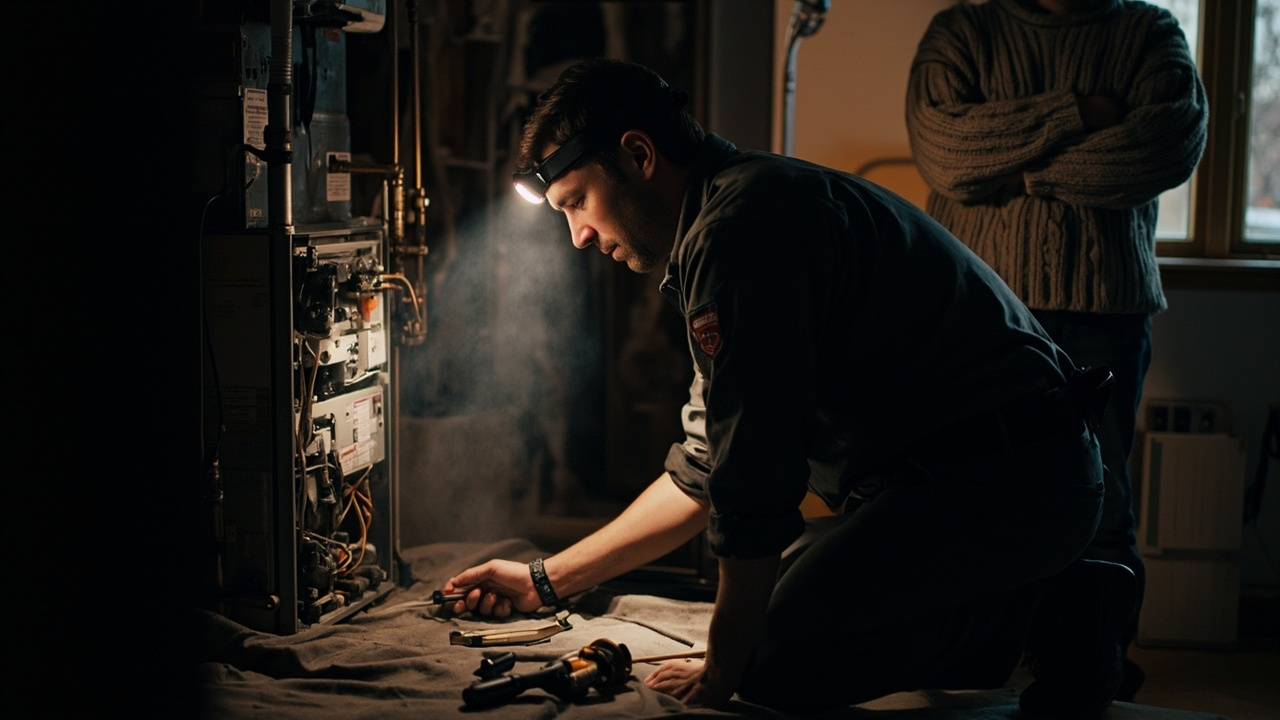
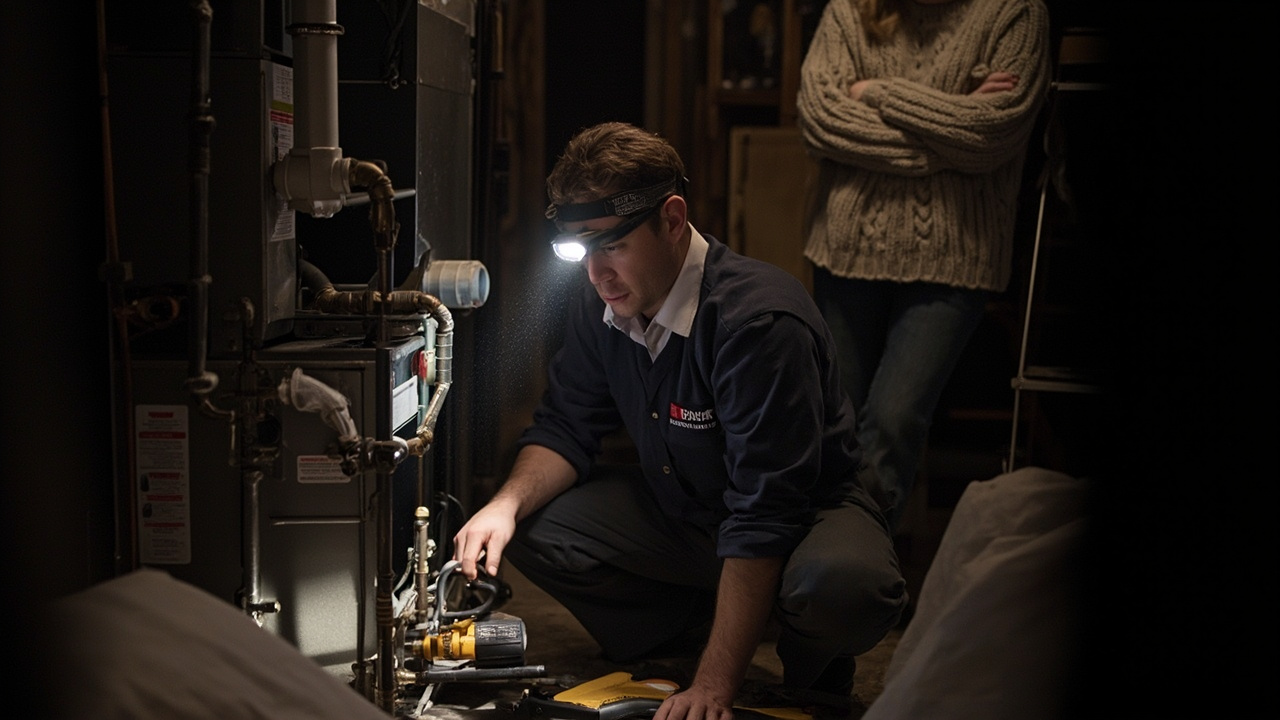
Emergency furnace repair in Minneapolis requires a different approach than scheduled maintenance. Technicians arrive with portable diagnostic equipment, bypass tools, and high-demand replacement parts already loaded. The goal: restore heat within ninety minutes or provide temporary heating while sourcing specialized components.

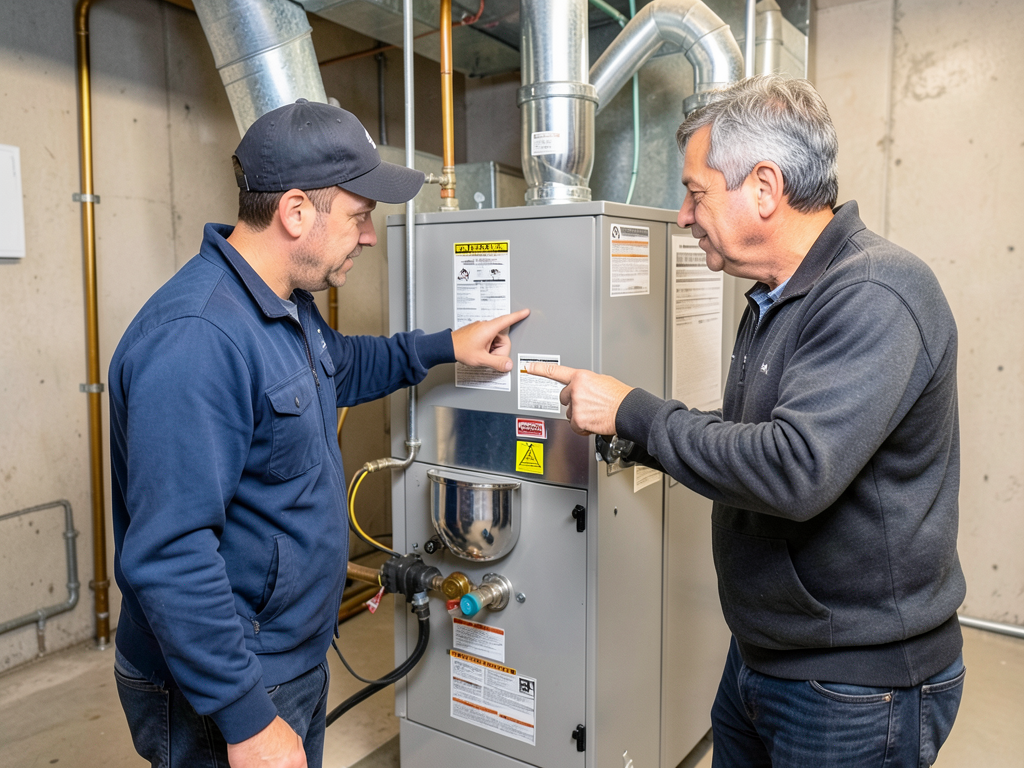
First, the technician performs a rapid diagnostic using a combustion analyzer to measure flue gas composition and a manometer to check gas pressure at the valve. This reveals whether the failure stems from fuel delivery, ignition sequencing, or airflow restriction. In Minneapolis, where natural gas pressure can fluctuate during peak demand nights, low inlet pressure often triggers safety lockouts that homeowners mistake for complete system failure.

Next, the technician inspects the heat exchanger using a video borescope. Cracks in the heat exchanger allow carbon monoxide to enter your living space, so this component cannot be bypassed or temporarily repaired. If a crack exists, the system stays off, and we deploy electric space heaters to critical areas while arranging replacement.

For repairable failures like a failed inducer motor, cracked pressure switch hose, or malfunctioning gas valve, the technician swaps the component on-site. All Pro HVAC Minneapolis stocks OEM parts for systems manufactured within the last fifteen years, meaning most repairs complete the same night.

After the repair, the technician runs a full combustion analysis to verify safe operation. We measure carbon monoxide levels in the flue, check temperature rise across the heat exchanger, and confirm the system cycles properly under load. You receive a written diagnostic report explaining what failed, why it failed, and what wear patterns suggest about future maintenance needs.

What Happens When You Call for Immediate Heating System Repair

Emergency Furnace Repair in Minneapolis – Technicians Dispatched in 60 Minutes or Less
01

Emergency Dispatch and Arrival

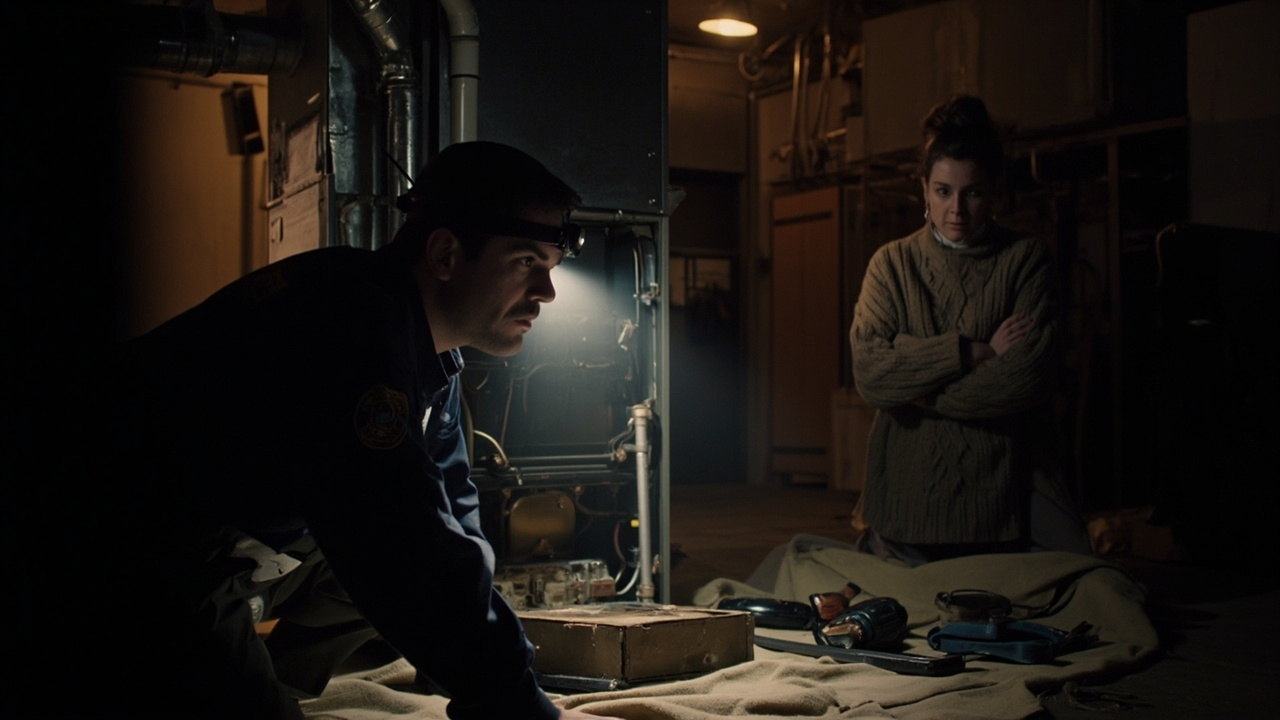
When you call our emergency line, a dispatcher logs your address, furnace brand, and symptoms. The closest available technician receives the dispatch and contacts you with an estimated arrival time, usually sixty to ninety minutes. The technician arrives with a fully stocked service van containing diagnostic tools, common replacement parts, and portable heating equipment. You receive a text notification when the technician is ten minutes away.
02

Diagnosis and Repair Options

The technician performs a system diagnostic to identify the failure point. Using combustion analysis, electrical testing, and visual inspection, they determine whether the repair is straightforward or requires ordering specialized parts. You receive a verbal explanation of the problem, repair options with transparent pricing, and realistic timelines. If parts must be ordered, we deploy temporary heating solutions to keep your home above sixty degrees until the repair completes.
03

Restoration and Safety Verification

After completing the repair, the technician tests system operation through multiple heating cycles. They measure supply air temperature, check gas combustion efficiency, and verify proper venting. You receive documentation showing before and after readings, the specific parts replaced, and maintenance recommendations to prevent future failures. The system runs under observation for fifteen to twenty minutes to confirm stable operation before the technician leaves your home.

Why Minneapolis Homeowners Choose All Pro HVAC for Urgent Furnace Failures

When your furnace fails in the middle of a Minneapolis cold snap, you need more than a technician with tools. You need someone who understands how forced-air systems behave in extreme cold, how Minneapolis building codes affect furnace installation, and which repair approaches work reliably in homes built before 1960.

All Pro HVAC Minneapolis technicians train specifically on cold-climate HVAC challenges. We know that furnaces in Minneapolis run 50 percent longer heating cycles than systems in temperate climates, creating accelerated wear on blower motors and heat exchangers. We stock cold-weather specific parts like heavy-duty pressure switches rated for negative twenty-degree outdoor temperatures and reinforced inducer motors designed for extended runtime.

We understand Minneapolis building codes and permit requirements. If your repair involves replacing a heat exchanger or installing a new furnace, we pull permits and schedule inspections with the city. We know that homes in historic districts like Kenwood require specific venting configurations, and we carry stainless steel liner kits to bring older chimneys into compliance with current code.

Our service area covers the entire Minneapolis metro, from downtown high-rises to single-family homes in suburbs like Edina, Bloomington, and Richfield. We maintain relationships with local suppliers, so when a repair requires an unusual part for an older Honeywell or White-Rodgers control system, we can source it locally instead of waiting for shipping.

You work directly with the technician who arrives at your home. There are no subcontractors, no third-party dispatch services, and no bait-and-switch pricing. The estimate you receive over the phone matches the final invoice unless additional problems emerge during repair, and in those cases, we explain the new findings and get your approval before proceeding.

What to Expect During Your Emergency Furnace Repair Visit

Response Time and Availability

All Pro HVAC Minneapolis operates true 24/7 emergency heating repair with technicians on call every night, weekend, and holiday. When you call our emergency line, you speak with a dispatcher immediately, not a voicemail system. Most service calls in Minneapolis receive a technician arrival within sixty to ninety minutes, depending on current call volume and your location within the metro. During extreme cold snaps when call volume spikes, we prioritize homes with children, elderly residents, or medical conditions affected by cold temperatures. You receive text updates with the technician's estimated arrival time and a callback number to reach them directly.

Diagnostic Process and Transparency

The diagnostic process takes twenty to forty minutes and includes visual inspection, combustion analysis, electrical testing, and airflow measurement. The technician explains findings in plain language, showing you the failed component and explaining why it failed. You receive a written estimate before any repair work begins, with line-item pricing for parts and labor. If the repair requires ordering specialized parts not stocked on the truck, the technician provides a timeline for part arrival and offers temporary heating solutions. We never proceed with work until you approve the estimate and understand the scope of the repair.

Quality of Repair and Components

All Pro HVAC Minneapolis uses OEM or equivalent-quality replacement parts, never generic aftermarket components that fail prematurely. When we replace a blower motor, you get a motor rated for continuous duty in cold-climate applications. When we replace a gas valve, you get a valve that meets current Minneapolis code requirements. The technician tests the repaired system through multiple heating cycles, measuring combustion efficiency and verifying safe operation before leaving your home. You receive documentation showing the specific parts installed, including manufacturer and model numbers, so you have a complete service record for your furnace.

Post-Repair Support and Maintenance

After completing your emergency repair, you receive a follow-up call within forty-eight hours to confirm the system operates correctly. The technician provides a written maintenance plan showing which components show wear and may require replacement in the next twelve to twenty-four months. We offer seasonal maintenance agreements that include priority emergency response, discounted service calls, and annual tune-ups before heating season. If a repaired component fails within the standard parts period, we return to diagnose the issue at no additional diagnostic charge. All service records remain in our system, so future technicians can review your furnace history and identify patterns that inform better repair decisions.

Frequently Asked Questions

You Have Questions,
We Have Answers

How much is an emergency furnace call? +

Emergency furnace calls in Minneapolis typically include a diagnostic fee covering the after-hours visit, system inspection, and troubleshooting. Costs vary based on time of day, with overnight or holiday calls running higher than standard hours. Many local HVAC companies apply this fee toward repairs if you proceed with the work. Expect higher rates during extreme cold snaps when demand spikes. Always ask about pricing upfront before the technician arrives. Reputable contractors provide transparent pricing and explain what the diagnostic fee covers before starting work on your heating system.

Who to call if your furnace is not working? +

Call a licensed HVAC contractor immediately when your furnace stops working during Minneapolis winters. Do not wait. Look for companies offering 24/7 emergency service with actual technicians on call, not just answering services. Check that they service your furnace brand and have experience with Minneapolis heating systems exposed to subzero temperatures. Avoid general handymen for furnace issues. Gas furnace problems require certified technicians due to carbon monoxide risks. If you smell gas or suspect a leak, evacuate immediately and call your gas utility company first, then contact an HVAC professional.

What is the $5000 rule? +

The $5000 rule helps you decide between repairing or replacing a furnace. Multiply the repair cost by your furnace age. If that number exceeds $5000, replacement makes better financial sense. For example, a $500 repair on a 12-year-old furnace equals $6000, suggesting replacement. A $400 repair on a 5-year-old unit equals $2000, favoring repair. This guideline accounts for diminishing equipment lifespan and escalating repair frequency. Minneapolis furnaces work harder due to extended heating seasons, which accelerates wear. Factor in efficiency gains from newer models when making your decision.

What counts as an HVAC emergency? +

An HVAC emergency means immediate risk to health, safety, or property. This includes no heat when temperatures drop below 20 degrees, gas smells indicating leaks, carbon monoxide detector alarms, furnace flames burning yellow instead of blue, or strange burning odors from vents. Electrical sparking, repeated tripped breakers, or water pooling around your furnace also qualify. Minneapolis winters make heating failures life-threatening for vulnerable residents. If your thermostat reads below 55 degrees inside and continues dropping, call immediately. Frozen pipes become a secondary risk when heat fails during subzero stretches.

What to do if you can't afford to fix your furnace? +

If furnace repairs exceed your budget, explore these options quickly. Contact your utility company about emergency payment plans or low-income assistance programs available to Minneapolis residents. Many offer crisis funds during winter months. Check if your homeowners insurance covers sudden equipment failure. Local nonprofits and weatherization programs sometimes provide emergency heating assistance. Ask HVAC contractors about financing options or payment plans for necessary repairs. Never ignore a broken furnace in Minneapolis winters. Space heaters create fire hazards and cannot safely heat your entire home. Seek help immediately to avoid frozen pipes and dangerous indoor temperatures.

What is a furnace emergency? +

A furnace emergency threatens immediate safety or health. This includes complete heating failure when outdoor temperatures fall below freezing, gas leaks creating explosion risks, carbon monoxide buildup from incomplete combustion, or electrical problems causing fire hazards. Yellow furnace flames indicate dangerous incomplete burning. Persistent burning smells, smoke from vents, or loud banging sounds demand immediate attention. Minneapolis residents face frostbite and hypothermia risks when indoor temperatures drop rapidly. Frozen pipes burst and cause extensive water damage. Any situation preventing your furnace from safely delivering heat during winter qualifies as an emergency requiring immediate professional response.

How do I force my furnace to start? +

Do not attempt to force-start your furnace. Modern units have safety lockouts preventing operation when problems exist. First, check your thermostat settings and replace batteries if needed. Verify your circuit breaker did not trip and your furnace switch is on. Check that your air filter is not completely clogged. Look for a reset button on your furnace and press it once if present. If the furnace still does not start, call a professional immediately. Repeated restart attempts can damage components or create safety hazards. Gas furnaces particularly require professional diagnosis to prevent carbon monoxide risks.

What is the most common furnace failure? +

Dirty or clogged air filters cause the most common furnace failures. Restricted airflow forces your system to overwork, triggering limit switches that shut down the burner. Minneapolis homes battle dust from winter dryness and summer pollen, accelerating filter buildup. Ignition system failures rank second, particularly in older furnaces with standing pilot lights exposed to drafts. Thermostat malfunctions and failed blower motors also occur frequently. Cracked heat exchangers develop in aging furnaces, creating serious carbon monoxide risks. Regular maintenance catches these issues early. Minneapolis heating systems run longer than national averages, increasing wear on all components.

How much money does it cost to replace a furnace? +

Furnace replacement costs depend on system size, efficiency rating, fuel type, and installation complexity. Factors affecting price include ductwork modifications, permit fees, and disposal of your old unit. High-efficiency models cost more upfront but reduce utility bills significantly during long Minneapolis heating seasons. Your home size and insulation quality determine required furnace capacity. Replacing in summer typically costs less than emergency winter replacements. Get multiple written estimates from licensed contractors. Financing options exist through manufacturers and contractors. Factor in available rebates from utility companies and tax credits for high-efficiency equipment purchases.

What are signs my HVAC needs replacing? +

Replace your HVAC system if it exceeds 15 years old and needs frequent repairs. Rising energy bills indicate declining efficiency. Uneven heating across rooms means your system cannot maintain comfort. Strange noises like grinding, squealing, or banging signal mechanical wear. Visible rust, cracks, or corrosion on components indicate structural failure risks. Yellow furnace flames suggest dangerous incomplete combustion. If your system uses R-22 refrigerant for cooling, replacement makes sense due to refrigerant phase-out costs. Minneapolis temperature extremes stress HVAC equipment harder than moderate climates. When repair costs approach half the replacement price, choose replacement.

How Minneapolis Cold Snaps and Aging Housing Stock Increase Furnace Failures

Minneapolis experiences an average of forty nights per year with temperatures below zero degrees, and these extreme cold periods create peak stress on residential heating systems. Furnaces in Minneapolis run nearly continuous heating cycles when outdoor temperatures drop below negative ten degrees, and this extended runtime accelerates wear on blower motors, heat exchangers, and ignition components. Homes built before 1970, which make up nearly 60 percent of Minneapolis housing stock, often contain original furnaces or systems installed in poorly insulated spaces like unfinished basements and crawl spaces. When these systems fail during a cold snap, frozen pipes and structural damage can occur within hours, making 24 hour furnace repair not just a comfort issue but a property protection necessity.

Minneapolis enforces strict building codes for heating system installation and repair, and working with a licensed contractor who understands local requirements protects you from code violations that affect home resale and insurance claims. The city requires permits for furnace replacement and heat exchanger repairs, and inspections verify proper venting, combustion air supply, and carbon monoxide detection. All Pro HVAC Minneapolis maintains active licensing with the city and carries the required bonding for emergency HVAC work. We understand the specific code requirements for homes in historic districts, multi-family buildings, and properties with older masonry chimneys that require stainless steel liners for safe furnace venting.
HVAC Services in The Minneapolis Area

All Pro HVAC is conveniently located to serve the Minneapolis area and surrounding communities effectively. We invite you to view our service area on the map below, helping you visualize our reach and confirm that we are readily available to provide our expert heating, ventilation, and air conditioning services right to your doorstep, ensuring your comfort is always within reach.

Address:
All Pro HVAC Minneapolis, 1 W Franklin Ave, Minneapolis, MN, 55404

Additional Services We Offer

Our news updates

Latest Articles & News from The Blogs

How Your St. Paul Pets are Secretly Impacting Your HVAC System Performance Your furry friends bring joy to your St.…

How Your St. Paul Pets are Secretly Impacting Your HVAC System Performance

How Your St. Paul Pets are Secretly Impacting Your HVAC System Performance Your furry friends bring joy to your St.…

When to Change Your Air Filter During the High Pollen Season in Shorewood

When to Change Your Air Filter During the High Pollen Season in Shorewood Spring in Shorewood brings blooming trees and…

Why Low Humidity is Hurting Your Health and Your Furniture in Inver Grove Heights

Why Low Humidity is Hurting Your Health and Your Furniture in Inver Grove Heights Winter in Inver Grove Heights means…

Contact Us

Your family should not spend another hour in a cold house. Call All Pro HVAC Minneapolis now at (651) 588-9677 for immediate heating system repair. Our emergency line is staffed 24/7, and a technician can arrive at your Minneapolis home within the hour.