





Crystal sits in the heart of Minnesota's temperature extremes. January lows average 8 degrees, while July highs push past 85 with humidity that makes it feel closer to 95. Your HVAC system battles a 90-degree temperature swing between seasons, cycling hard from November through March for heating and June through September for cooling.
This constant stress wears on compressors, heat exchangers, and blower motors faster than in moderate climates. Crystal's clay-heavy soil also shifts with freeze-thaw cycles, potentially stressing ductwork connections in crawl spaces and basements. Homes near Bass Lake and the Wirth Park area face additional humidity from proximity to water, which challenges dehumidification systems.
Minnesota building codes require high-efficiency systems to handle these extremes. Your furnace needs to fire reliably at minus 20 degrees, and your air conditioner must handle 95-degree days without breaking down. When equipment fails during peak demand, you're not just uncomfortable. You're facing frozen pipes in winter or heat exhaustion risks in summer. That's why responsive HVAC service isn't a luxury in Crystal. It's protection for your home and family.
All Pro HVAC Minneapolis built our reputation responding to Crystal's toughest service calls. When other companies quote next-week appointments, we dispatch technicians the same day because we understand what a broken furnace means in January or a failed AC means when your kids can't sleep through August nights.
Our trucks carry comprehensive parts inventory specifically selected for Crystal's common systems. Most Carrier, Trane, Lennox, and Rheem repairs get completed on the first visit because we stock what breaks most often in Minnesota's climate. No waiting three days for a capacitor or pressure switch while you run space heaters or window units.
We price every job before work begins. Our technicians diagnose the problem, explain what failed and why, then provide written estimates for repair or replacement. You decide what makes sense for your budget and timeline. No surprise charges, no pressure tactics, no upselling equipment you don't need.
Every technician on our team holds EPA certification for refrigerant handling and completes ongoing training on new high-efficiency systems. We pull proper permits for installations, follow Minnesota mechanical codes exactly, and coordinate inspections so your system stays compliant and your home insurance remains valid.
Crystal families call us back because we show up when promised, fix what's broken, and stand behind our work with solid warranties. When your neighbor needs HVAC help, you'll confidently share our number because you know we'll treat them the same way we treated you.

No HVAC emergency waits until Monday in Crystal. We dispatch technicians within hours for heating failures, AC breakdowns, and comfort emergencies. Our trucks roll seven days a week because frozen pipes and heat exhaustion don't respect business hours. When you call with an urgent problem, we respond like your comfort matters.

Our technicians carry parts for Crystal's most common HVAC systems on every truck. Capacitors, contactors, igniters, thermostats, and refrigerant stay ready for immediate installation. Most service calls get resolved the same visit without ordering parts or scheduling return trips. We fix it now so you get back to normal today.
Every repair gets diagnosed and priced before we touch a wrench. You receive written estimates explaining what failed, why it happened, and exactly what the fix costs. No hidden fees, no surprise charges, no pressure to decide immediately. Make informed choices about your heating and cooling with complete price transparency.
We size and install systems specifically for Minnesota's temperature extremes. Your equipment must handle minus 20 January mornings and 95-degree July afternoons without failing. Our load calculations account for Crystal's climate, your home's insulation, and real-world performance demands. Properly matched systems run efficiently and last longer.
All Pro HVAC Minneapolis handles every heating and cooling need your Crystal home faces. Emergency breakdowns, routine maintenance, complete system replacements, and air quality improvements all fall under services we perform daily. Minnesota's extreme weather demands reliable equipment and fast repairs when systems fail.
Our service range covers forced-air furnaces, central air conditioning, heat pumps, ductless mini-splits, humidification systems, air filtration, and thermostat upgrades. We repair all major brands and install high-efficiency replacement systems when repair costs exceed replacement value. From quick fixes to whole-home comfort overhauls, we match solutions to your specific situation and budget.
Crystal homes vary from 1950s ramblers near Theodore Wirth Park to newer construction around Bass Lake. Each building type presents unique HVAC challenges. Older homes may need ductwork modifications or zoning systems. Newer builds benefit from smart thermostats and variable-speed equipment. We customize approaches based on your home's age, layout, and existing infrastructure rather than forcing one-size-fits-all solutions.
When your furnace quits on a subzero night or your AC fails during a heat wave, we respond immediately. Our emergency service dispatches experienced technicians with fully stocked trucks to diagnose problems and restore comfort fast. We repair all major brands and handle refrigerant leaks, electrical failures, compressor issues, and ignition problems on the spot. Most emergency calls get resolved the same day without return visits.
Old equipment wastes energy and breaks down frequently. We install properly sized, high-efficiency HVAC systems matched to Crystal's climate demands and your home's specific requirements. Our installations include complete load calculations, ductwork evaluation, permit processing, and Minnesota code compliance. You get reliable heating and cooling with lower utility bills and solid manufacturer warranties backed by our installation guarantee.
Regular maintenance catches small problems before they become expensive failures. Our tune-ups include complete system inspection, cleaning, calibration, and performance testing. We check refrigerant levels, test safety controls, clean burners and coils, inspect electrical connections, and verify airflow. Maintained systems run more efficiently, last longer, and rarely break down during extreme weather when you need them most.
Crystal's climate creates specific HVAC challenges. Temperature swings from minus 20 to plus 95 stress equipment hard. Humidity from nearby Bass Lake and wetlands demands strong dehumidification. Clay soil shifts with freeze-thaw cycles, potentially disconnecting ductwork. Homes near Highway 100 collect more airborne dust and require frequent filter changes.
Older neighborhoods around downtown Crystal often have undersized ductwork from decades past when homes were smaller and efficiency standards didn't exist. These systems struggle to maintain even temperatures and waste energy. Newer construction around the northwest side sometimes features builder-grade equipment installed without proper load calculations, leading to short-cycling and premature failure.
Winter furnace failures spike during January cold snaps when systems run continuously. Summer AC breakdowns peak during July heat waves. Understanding these patterns helps us stock the right parts and prepare for surge demand. Here are the most common problems we fix in Crystal homes.
When temperatures drop below zero, furnaces cycle frequently and igniters wear out fast. Cracked heat exchangers, failed flame sensors, and clogged burners also cause no-heat emergencies. We diagnose ignition problems quickly and carry replacement igniters, sensors, and gas valves on every truck. Most furnace breakdowns get fixed the same day so you're not running space heaters overnight.
Minnesota's freeze-thaw cycles stress copper refrigerant lines. Vibration from compressor operation creates pinhole leaks at joints and bends. Low refrigerant reduces cooling capacity and damages compressors. We locate leaks with electronic detectors, repair them properly, then recharge systems to manufacturer specifications. Refrigerant work requires EPA certification, which all our technicians hold.
Settling foundations and shifting soil disconnect ductwork joints in crawl spaces and basements. Leaky ducts waste 20 to 30 percent of heated and cooled air, driving up utility bills and creating uneven temperatures between rooms. We seal duct leaks with mastic, reconnect separated sections, and insulate exposed runs to improve system efficiency and comfort.
Incorrect thermostat placement near drafty windows or heat sources causes temperature reading errors. Loose wiring creates intermittent failures where systems won't start reliably. We relocate poorly positioned thermostats, repair damaged wiring, and upgrade to programmable or smart models that reduce energy waste and improve comfort control. Proper thermostat operation matters as much as the equipment itself.
We built our Crystal service operation around what homeowners told us they wanted. No guessing when technicians will arrive. No surprise charges after work gets completed. No high-pressure sales tactics pushing unnecessary equipment. Just straight answers, fair prices, and reliable repairs that fix the problem right the first time.
When you call with an HVAC problem, you reach a real person who listens to your situation and schedules service quickly. Emergency calls get same-day response. Routine maintenance and non-urgent repairs get scheduled at your convenience. We confirm appointments the day before and call when the technician is on the way so you're not waiting around all day.
Our technicians arrive in marked trucks with your complete service history already loaded. They introduce themselves, protect your floors with shoe covers, and diagnose the problem thoroughly before recommending solutions. You get clear explanations in plain language, written estimates, and time to make informed decisions. Here's what that process looks like in practice.
You'll know exactly when we're arriving and what the service will cost before work begins. Our dispatch team provides accurate time windows and confirms appointments. Technicians call 30 minutes out so you can plan your day. After diagnosing problems, we explain what failed, show you the broken parts, and provide written estimates with parts and labor itemized. No work starts until you approve the price. Final invoices match quoted prices exactly.
Every technician on our team has years of hands-on HVAC experience and completes ongoing training on new equipment. They carry diagnostic tools to identify problems accurately rather than guessing. Our trucks stock quality replacement parts so repairs get completed without ordering delays. We fix the root cause, not just symptoms, so problems don't return next week. Quality work costs less than cheap repairs that fail repeatedly.
Repairs come with parts and labor warranties so you're covered if something goes wrong. New system installations include manufacturer equipment warranties plus our workmanship guarantee. We stand behind everything we install and service. If a repair fails within the warranty period, we return and make it right at no additional charge. You shouldn't pay twice for the same fix.
Good HVAC service shouldn't feel complicated. You have a problem, we fix it, and your home gets comfortable again. We keep the process simple and transparent so you know exactly what's happening at each step.
Call us at (651) 588-9677 or request service online. Describe what's happening with your heating or cooling system. We'll ask a few questions to understand the problem, then schedule a convenient appointment. Emergency calls get same-day response. Routine service gets scheduled when it works for you. We confirm the appointment and provide a time window so you're not waiting all day.
Our technician arrives in a fully stocked truck, evaluates your system, and identifies the problem. We explain what failed, why it happened, and what's needed to fix it. You receive a written estimate with parts and labor costs before any work begins. For system replacements, we provide multiple options at different price points so you can choose what fits your budget and needs.
Once you approve the estimate, we complete the repair or installation using quality parts and proper techniques. After finishing, we test the system thoroughly to verify it's operating correctly. You get a detailed invoice matching the quoted price, warranty information, and maintenance recommendations. We clean up completely and answer any questions before leaving. Your comfort is restored and guaranteed.
Minnesota enforces strict mechanical codes for residential HVAC installations. These regulations protect homeowners by ensuring systems operate safely and efficiently in our extreme climate. All furnace and air conditioner installations require permits and inspections in Crystal. The Minnesota State Building Code adopts the International Mechanical Code with amendments specific to cold climate requirements.
Proper installation starts with accurate load calculations using Manual J methodology. This determines the correct equipment size based on your home's square footage, insulation levels, window area, and orientation. Oversized systems short-cycle and waste energy. Undersized equipment runs continuously and fails prematurely. We calculate loads precisely rather than guessing based on square footage alone.
Ductwork design follows Manual D standards for proper airflow distribution. Minnesota code requires minimum R-8 insulation on ducts in unconditioned spaces like attics and crawl spaces. Joints must be sealed with mastic, not standard duct tape which fails in temperature extremes. Return air pathways need adequate sizing to prevent system strain. Poor duct design wastes up to 30 percent of heating and cooling energy.
Furnace installations must include proper combustion air supply and venting. High-efficiency condensing furnaces require PVC vent pipes sloped for drainage and terminated according to manufacturer specifications. Carbon monoxide detectors are mandatory within 10 feet of sleeping areas. Gas line sizing must match BTU input ratings. Every installation gets pressure tested for leaks before final connection.
Refrigerant handling requires EPA certification. We evacuate lines to 500 microns before charging, use nitrogen for pressure testing, and verify charge by subcooling and superheat measurements rather than gauge pressure alone. Incorrect refrigerant charge reduces efficiency by 20 percent and shortens compressor life. Air conditioning installations include proper condensate drainage with trap configuration to prevent airflow issues. We pull permits, complete work to code, and coordinate inspections so your installation passes the first time.
Minnesota code requires Manual J load calculations for all new HVAC installations. This room-by-room analysis determines exact heating and cooling needs based on insulation, windows, orientation, and infiltration rates. Proper sizing prevents short-cycling, ensures even temperatures, and maximizes equipment life. We calculate loads for every installation rather than estimating based on square footage rules of thumb.
Federal law sets minimum efficiency standards at 14 SEER for air conditioners and 80 percent AFUE for furnaces. Minnesota's cold climate makes higher efficiency equipment cost-effective. We recommend 16 SEER air conditioners and 95 percent AFUE furnaces for best long-term value. Higher efficiency reduces utility bills enough to offset the equipment cost difference within five to seven years.
Crystal requires mechanical permits for furnace and air conditioner replacements. We pull permits, complete installations to code, and schedule inspections with the city. Inspectors verify proper venting, gas line sizing, electrical connections, refrigerant handling, and condensate drainage. Passing inspection protects your home insurance coverage and proves the installation meets safety standards. We handle the entire permitting process.
Minnesota code mandates combustion air supply, proper venting, and carbon monoxide detection for fuel-burning appliances. High-efficiency furnaces need correctly sized PVC vent pipes with proper slope and termination clearances. We test draft pressure, verify combustion air supply meets code minimums, and install CO detectors per current regulations. Combustion safety isn't optional in Minnesota's tight, energy-efficient homes.
Comprehensive guide to HVAC service in Crystal, Minnesota covering emergency furnace repair, air conditioner maintenance, system replacement, and local climate challenges. Explains Minnesota mechanical codes, load calculation requirements, efficiency standards, and common problems facing Crystal homeowners. Features expert recommendations for handling extreme temperature swings, humidity control, and ductwork issues specific to the Crystal area.
All Pro HVAC Minneapolis serves the entire Crystal community from Bass Lake neighborhoods on the west side to the downtown district along West Broadway. We respond to service calls in the residential areas around Welcome Park and Becker Park where established homes from the 1950s and 60s often need system upgrades and ductwork improvements.
The neighborhoods bordering Theodore Wirth Park on Crystal's eastern edge face unique humidity challenges from proximity to wetlands and Wirth Lake. Homes in this area benefit from proper dehumidification systems integrated with central air conditioning. We've upgraded dozens of HVAC systems in these lakeside properties to handle moisture loads that standard equipment can't manage effectively.
Crystal's northwest quadrant near County Road 81 and Bass Lake Road features newer construction with modern HVAC systems. These homes typically need preventive maintenance and occasional repairs rather than complete replacements. We service Carrier, Trane, Lennox, and Rheem equipment common in these developments.
The central Crystal area along 36th Avenue includes a mix of housing types from compact ramblers to larger two-story homes. This variety means HVAC needs range widely. Some properties need zone systems to balance temperatures between levels. Others benefit from ductless mini-splits for additions and converted spaces. We customize solutions based on each home's specific layout and comfort requirements.
We also serve adjacent communities in Robbinsdale, Golden Valley, New Hope, and Brooklyn Center. Hennepin County's mechanical codes apply consistently across these cities, so our permitting and inspection processes remain the same. Highway 100 and Highway 169 provide quick access throughout the western metro, keeping our response times fast even during peak traffic periods.
Crystal sits just northwest of Minneapolis with easy access via I-94 and Highway 100. This location creates higher air quality demands from traffic and urban pollution. We install upgraded filtration systems and air cleaners to address these concerns. Proximity to major roads also means road salt exposure, which corrodes outdoor HVAC equipment faster. We recommend protective coatings and regular coil cleaning for units near heavily salted roads.
The $5000 rule helps Crystal homeowners decide between repair and replacement. If your system's age multiplied by the repair cost exceeds $5000, replacement makes more sense. For example, a 15-year-old furnace needing a $400 repair equals $6000, suggesting replacement. Minnesota's extreme temperature swings mean older systems work harder and fail faster. This rule factors in efficiency losses over time. A new system cuts your utility bills and handles Crystal's harsh winters better. Consider repair history too. Frequent breakdowns signal the end is near, even if one repair seems affordable.
HVAC design engineers and commercial project managers earn the highest pay, often exceeding $100,000 annually. These roles require advanced certifications, engineering degrees, and years of field experience. In the Minneapolis metro, including Crystal, commercial specialists who handle large industrial systems or complex building automation projects command premium rates. Master technicians with EPA certifications and specialized skills in controls or refrigeration also earn top wages. Sales engineers for commercial HVAC equipment manufacturers can earn six figures with commissions. The pay reflects technical complexity and the stakes involved in keeping large facilities operational year-round.
HVAC requires dedication but is learnable through structured training. You need solid math skills for load calculations and refrigerant formulas, plus mechanical aptitude for troubleshooting. Trade schools and apprenticeships in Minnesota typically take two to five years. Crystal's climate demands you master both heating and cooling systems, unlike warmer states. Electrical work, ductwork fabrication, and customer service all factor in. The challenge is the breadth of knowledge needed. You work with high-voltage electricity, pressurized gases, and complex controls. Physical demands exist too, like crawling into attics during summer. Hands-on learners thrive in this trade.
The $5000 rule helps Crystal homeowners decide between repair and replacement. If your system's age multiplied by the repair cost exceeds $5000, replacement makes more sense. For example, a 15-year-old furnace needing a $400 repair equals $6000, suggesting replacement. Minnesota's extreme temperature swings mean older systems work harder and fail faster. This rule factors in efficiency losses over time. A new system cuts your utility bills and handles Crystal's harsh winters better. Consider repair history too. Frequent breakdowns signal the end is near, even if one repair seems affordable.
HVAC design engineers and commercial project managers earn the highest pay, often exceeding $100,000 annually. These roles require advanced certifications, engineering degrees, and years of field experience. In the Minneapolis metro, including Crystal, commercial specialists who handle large industrial systems or complex building automation projects command premium rates. Master technicians with EPA certifications and specialized skills in controls or refrigeration also earn top wages. Sales engineers for commercial HVAC equipment manufacturers can earn six figures with commissions. The pay reflects technical complexity and the stakes involved in keeping large facilities operational year-round.
HVAC requires dedication but is learnable through structured training. You need solid math skills for load calculations and refrigerant formulas, plus mechanical aptitude for troubleshooting. Trade schools and apprenticeships in Minnesota typically take two to five years. Crystal's climate demands you master both heating and cooling systems, unlike warmer states. Electrical work, ductwork fabrication, and customer service all factor in. The challenge is the breadth of knowledge needed. You work with high-voltage electricity, pressurized gases, and complex controls. Physical demands exist too, like crawling into attics during summer. Hands-on learners thrive in this trade.
HVAC installers in Crystal charge between $75 and $150 per hour, depending on experience, certification level, and job complexity. This rate covers labor only. Emergency service calls or after-hours work cost more. Commercial installation rates run higher than residential. Most companies quote flat rates for installations rather than hourly pricing because job scope varies. A furnace swap in a finished basement takes longer than an open utility room install. Always get written estimates. Beware of unusually low rates, which often signal unlicensed work or corner-cutting. Quality installation directly affects your system's efficiency and lifespan.
The 2025 federal tax credit covers qualifying Energy Star certified systems with specific efficiency ratings. For central air conditioners, look for SEER2 ratings of 16 or higher. Heat pumps need HSPF2 of 7.8 or greater. Furnaces require AFUE of 97 percent or higher. The credit covers up to 30 percent of equipment and installation costs, capped at $2000 for qualifying air conditioners and furnaces. Heat pumps qualify for up to $2000. Crystal homeowners should verify equipment eligibility before purchase. Your contractor should provide the manufacturer certification statement needed for your tax filing.
The 3 minute rule prevents compressor damage after your air conditioner cycles off. Modern systems have built-in time delay relays that wait 3 to 5 minutes before restarting. This lets refrigerant pressure equalize between the high and low sides. Starting too soon forces the compressor to work against high pressure, causing overheating and premature failure. If your thermostat rapidly cycles the system on and off, the delay protects your investment. In Crystal's humid summers, short cycling also reduces dehumidification. If your system ignores this delay or cycles constantly, call a technician. The compressor is your most expensive component.
Medical specialists, corporate executives, attorneys, and investment professionals commonly earn $300,000 annually. Surgeons, anesthesiologists, and radiologists frequently exceed this threshold. Partners at law firms, especially those handling corporate or patent law, reach this level. Sales executives in medical device or pharmaceutical fields can hit $300,000 with commissions. These careers require extensive education, often a decade or more of training. In Minnesota, orthopedic surgeons and cardiologists serving the Twin Cities metro consistently earn this income. High earnings come with stress, liability, and demanding schedules. Each path requires significant upfront investment in education and credential building.
Yes, but you need the right specialization and business structure. Master technicians running their own commercial HVAC companies in the Minneapolis metro can reach $200,000 through a combination of salary, profit sharing, and ownership distributions. Commercial project managers overseeing large installations can approach this figure. A high-volume residential service company owner who employs multiple technicians and focuses on system replacements can build this income. It requires entrepreneurship, not just technical skill. W2 technicians rarely hit $200,000. You need business acumen, proper licensing, insurance, and the ability to manage people and projects simultaneously.
Specialized physicians, equity partners at major law firms, investment bankers, and C-suite executives at mid-size or larger companies earn $400,000 annually. Neurosurgeons, cardiac surgeons, and interventional radiologists frequently reach this level. Corporate lawyers handling mergers and acquisitions or intellectual property litigation can earn this at top firms. Private equity professionals and hedge fund managers commonly exceed this threshold. These roles demand extreme hours, high-stakes decision making, and often 15-plus years of career progression. In Minnesota, leaders at Fortune 500 companies headquartered in the Twin Cities metro reach this compensation through base salary, bonuses, and equity.
No, 30 is an excellent age to start HVAC. You bring maturity, work ethic, and life experience that younger apprentices lack. Many trade schools in Minnesota welcome career changers. You can complete training in two to three years and start earning immediately. Crystal's growing housing market and aging infrastructure create steady demand. Older students often advance faster because they take training seriously and communicate better with customers. Physical demands exist, but proper technique prevents injury. You can build a 25-year career with strong earning potential. Trade work offers job security that many desk jobs lack.
HVAC installers in Crystal charge between $75 and $150 per hour, depending on experience, certification level, and job complexity. This rate covers labor only. Emergency service calls or after-hours work cost more. Commercial installation rates run higher than residential. Most companies quote flat rates for installations rather than hourly pricing because job scope varies. A furnace swap in a finished basement takes longer than an open utility room install. Always get written estimates. Beware of unusually low rates, which often signal unlicensed work or corner-cutting. Quality installation directly affects your system's efficiency and lifespan.
The 2025 federal tax credit covers qualifying Energy Star certified systems with specific efficiency ratings. For central air conditioners, look for SEER2 ratings of 16 or higher. Heat pumps need HSPF2 of 7.8 or greater. Furnaces require AFUE of 97 percent or higher. The credit covers up to 30 percent of equipment and installation costs, capped at $2000 for qualifying air conditioners and furnaces. Heat pumps qualify for up to $2000. Crystal homeowners should verify equipment eligibility before purchase. Your contractor should provide the manufacturer certification statement needed for your tax filing.
The 3 minute rule prevents compressor damage after your air conditioner cycles off. Modern systems have built-in time delay relays that wait 3 to 5 minutes before restarting. This lets refrigerant pressure equalize between the high and low sides. Starting too soon forces the compressor to work against high pressure, causing overheating and premature failure. If your thermostat rapidly cycles the system on and off, the delay protects your investment. In Crystal's humid summers, short cycling also reduces dehumidification. If your system ignores this delay or cycles constantly, call a technician. The compressor is your most expensive component.
Medical specialists, corporate executives, attorneys, and investment professionals commonly earn $300,000 annually. Surgeons, anesthesiologists, and radiologists frequently exceed this threshold. Partners at law firms, especially those handling corporate or patent law, reach this level. Sales executives in medical device or pharmaceutical fields can hit $300,000 with commissions. These careers require extensive education, often a decade or more of training. In Minnesota, orthopedic surgeons and cardiologists serving the Twin Cities metro consistently earn this income. High earnings come with stress, liability, and demanding schedules. Each path requires significant upfront investment in education and credential building.
Yes, but you need the right specialization and business structure. Master technicians running their own commercial HVAC companies in the Minneapolis metro can reach $200,000 through a combination of salary, profit sharing, and ownership distributions. Commercial project managers overseeing large installations can approach this figure. A high-volume residential service company owner who employs multiple technicians and focuses on system replacements can build this income. It requires entrepreneurship, not just technical skill. W2 technicians rarely hit $200,000. You need business acumen, proper licensing, insurance, and the ability to manage people and projects simultaneously.
Specialized physicians, equity partners at major law firms, investment bankers, and C-suite executives at mid-size or larger companies earn $400,000 annually. Neurosurgeons, cardiac surgeons, and interventional radiologists frequently reach this level. Corporate lawyers handling mergers and acquisitions or intellectual property litigation can earn this at top firms. Private equity professionals and hedge fund managers commonly exceed this threshold. These roles demand extreme hours, high-stakes decision making, and often 15-plus years of career progression. In Minnesota, leaders at Fortune 500 companies headquartered in the Twin Cities metro reach this compensation through base salary, bonuses, and equity.
No, 30 is an excellent age to start HVAC. You bring maturity, work ethic, and life experience that younger apprentices lack. Many trade schools in Minnesota welcome career changers. You can complete training in two to three years and start earning immediately. Crystal's growing housing market and aging infrastructure create steady demand. Older students often advance faster because they take training seriously and communicate better with customers. Physical demands exist, but proper technique prevents injury. You can build a 25-year career with strong earning potential. Trade work offers job security that many desk jobs lack.
All Pro HVAC is conveniently located to serve the Minneapolis area and surrounding communities effectively. We invite you to view our service area on the map below, helping you visualize our reach and confirm that we are readily available to provide our expert heating, ventilation, and air conditioning services right to your doorstep, ensuring your comfort is always within reach.
Address:
Crystal, MN, 55428
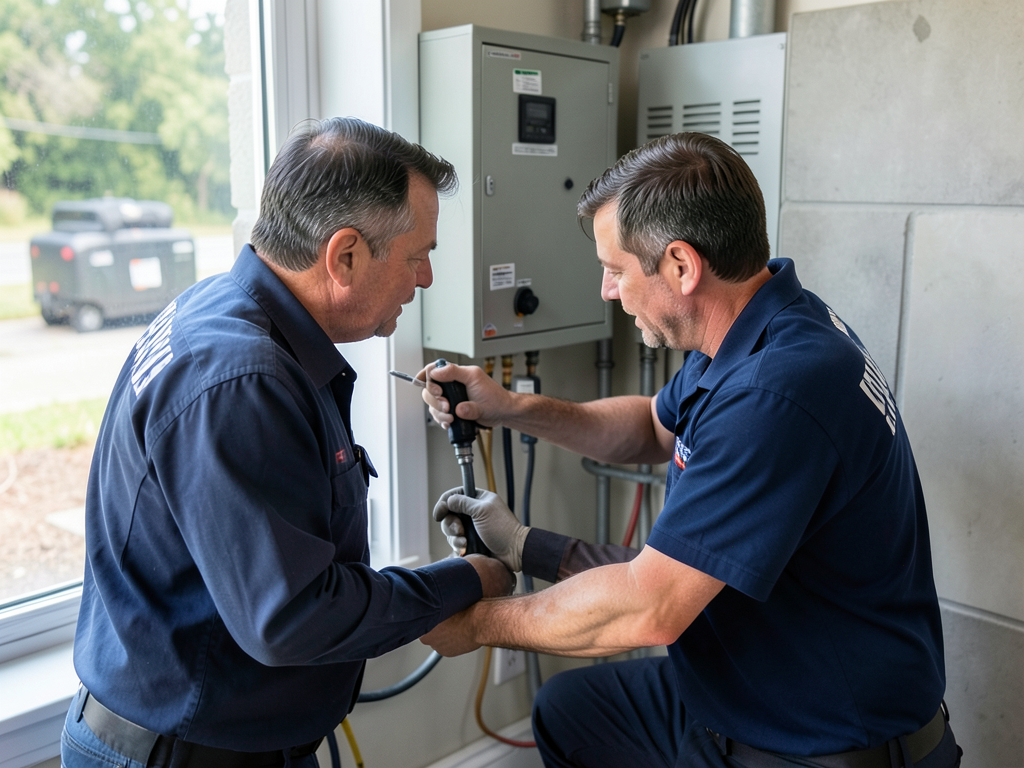
Keeping Your Home Warm During a Power Outage with HVAC Backup Power in Shoreview When winter storms hit Shoreview and the power goes out your furnace shuts down immediately leaving your home vulnerable to freezing…
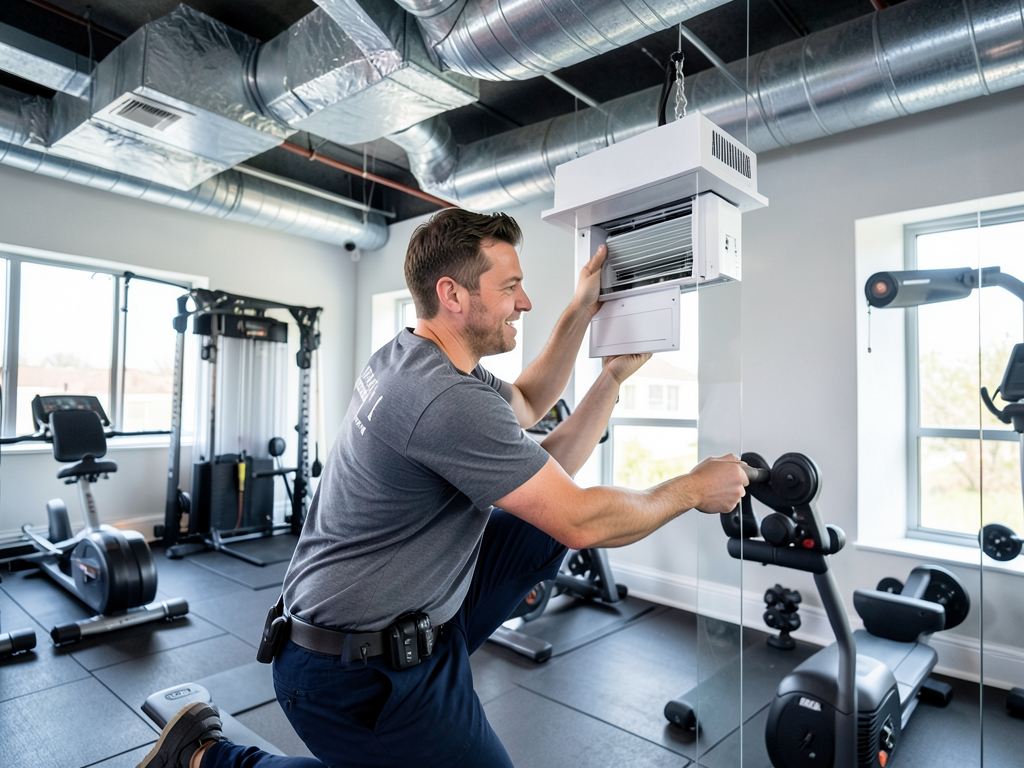
Building a Home Gym in Orono? Here's How to Keep It Comfortable Year-Round The Twin…
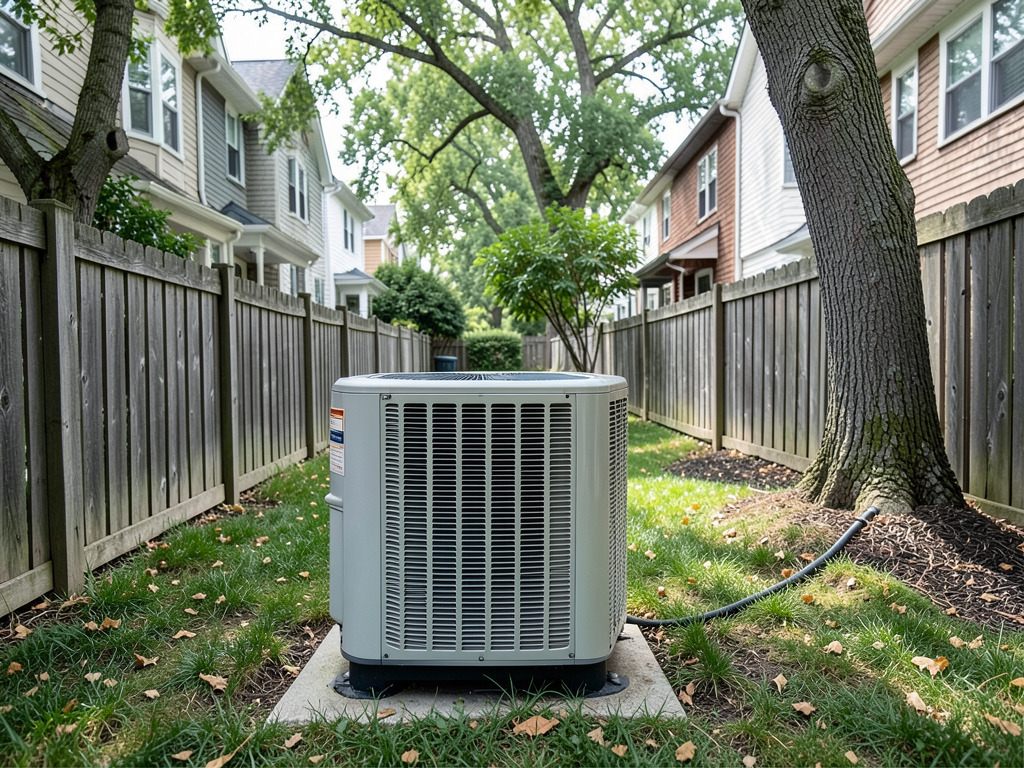
Living in Prospect Park means enjoying a tight-knit Minneapolis neighborhood where houses sit close together…
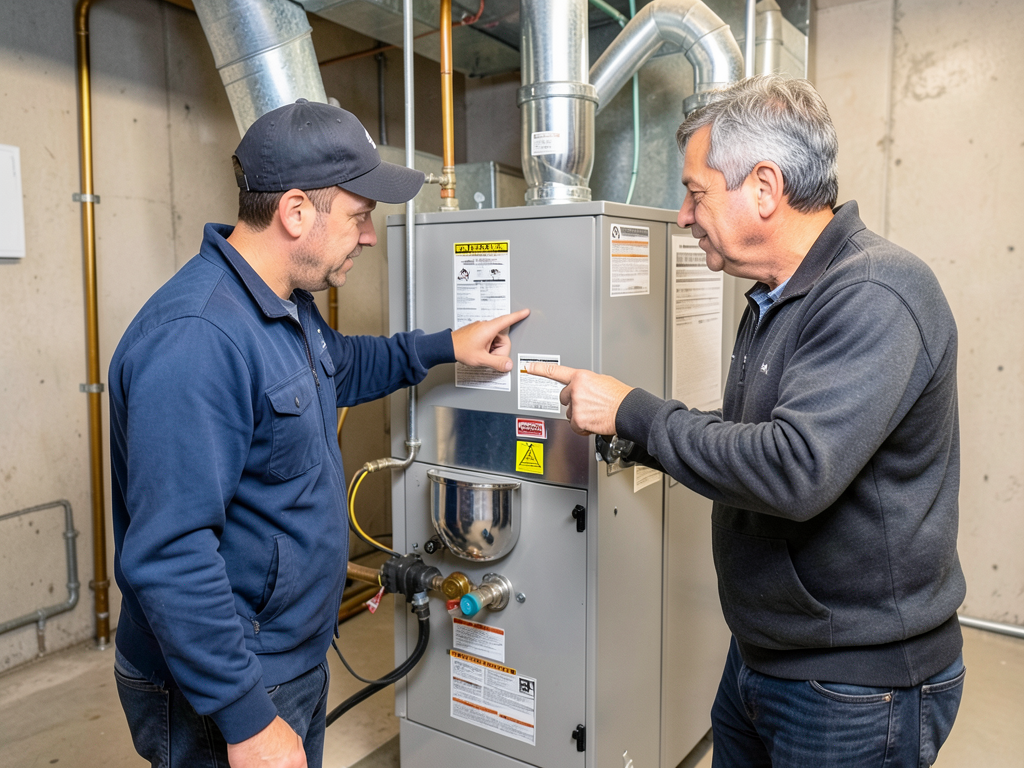
Choosing Between 80% and 96% Efficiency Furnaces for Your First Minneapolis Home Minneapolis winters are…
Don't wait until your heating or cooling system fails completely. Call All Pro HVAC Minneapolis at (651) 588-9677 for same-day emergency repairs or schedule routine maintenance that prevents breakdowns. We respond fast, fix it right, and restore comfort to your Crystal home.