
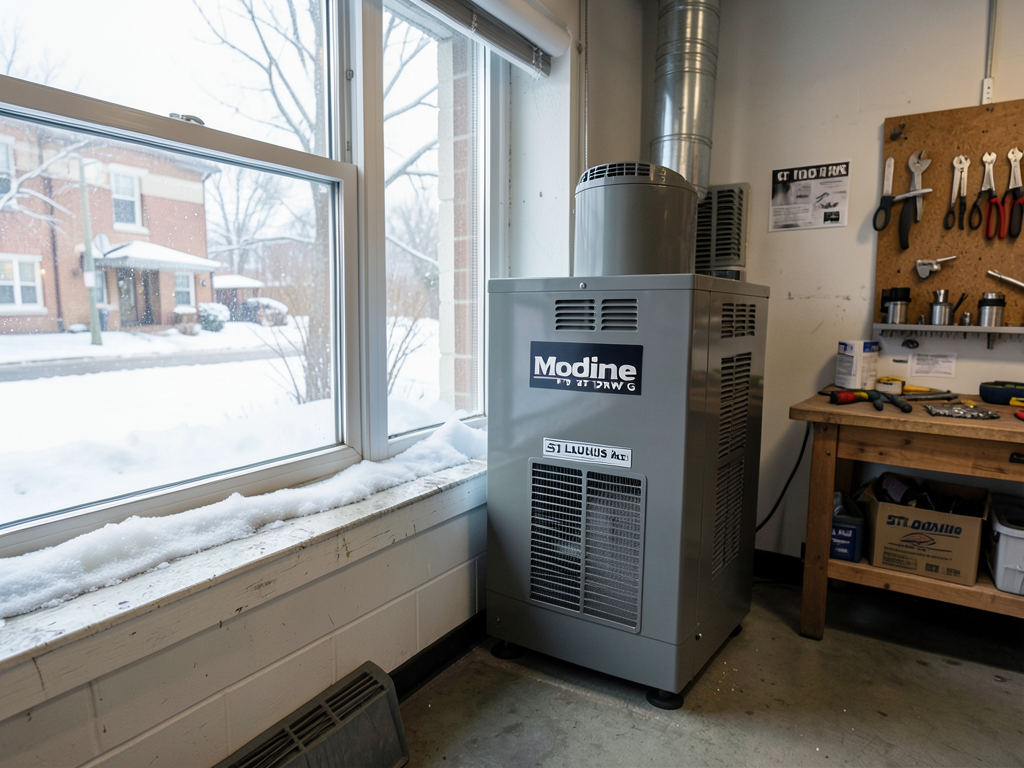
How to Choose the Right Garage Heater for Your St. Louis Park Workshop
Minnesota winters demand serious heating power for your workshop. A typical space needs 50-60 degrees Fahrenheit when outside temperatures hit -15 degrees. That 65-75 degree difference requires proper heater sizing. The wrong choice leaves you shivering in February and risks frozen tools and equipment damage.. Read more about Stepping Onto a Warm Floor This Winter — Is Radiant Heating Right for Your Kingfield Remodel?.
Minnesota Garage Heating Challenges
St. Louis Park garages face unique problems. Many structures sit detached with poor insulation and concrete floors that radiate cold. The Minneapolis-St. Paul area experiences design temperatures around -11 to -15 degrees Fahrenheit. Your heater must handle these extreme conditions. A 500 square foot poorly insulated garage needs approximately 15,000-20,000 BTUs to maintain comfortable temperatures during cold snaps. Minneapolis Mechanical Permits.
Gas vs Electric Cost Comparison
Natural gas costs about $1.10 per therm while electricity runs $0.14 per kilowatt-hour in Minnesota. A 30,000 BTU natural gas heater costs roughly $0.33 per hour to operate. The equivalent electric heater would cost about $1.40 per hour. Over a 1,000 hour heating season that adds up to $330 versus $1,400. Gas wins on operating costs but requires proper venting and gas line installation.. Read more about Heavy Duty Heating Solutions for Converted Industrial Spaces in Northeast Minneapolis.
BTU Sizing Guide for Minnesota Garages
| Garage Size | Insulation Level | Required BTUs |
|---|---|---|
| 1-Car (250 sq ft) | Poor | 10,000-15,000 |
| 2-Car (500 sq ft) | Poor | 15,000-25,000 |
| 3-Car (750 sq ft) | Poor | 25,000-35,000 |
| 1-Car (250 sq ft) | Good | 7,000-10,000 |
| 2-Car (500 sq ft) | Good | 12,000-18,000 |
| 3-Car (750 sq ft) | Good | 20,000-28,000 |
Forced Air vs Radiant Heat Systems
Forced air units heat spaces quickly but create air movement that stirs up dust in workshops. They work well for general heating but can make finishing work difficult. Radiant tube heaters mounted overhead provide silent draft-free heat that warms objects and people directly. They cost more upfront but use less energy over time. For woodworking shops radiant heat often proves superior. Energy Department Heating Guide.
Top Garage Heater Brands for Minnesota
Modine Hot Dawg units handle Minnesota’s extreme cold reliably. The HD30 model produces 30,000 BTUs and starts at temperatures below -20 degrees. Reznor UDAP units offer similar performance with electronic ignition that won’t fail in sub-zero conditions. Both brands meet Minneapolis mechanical code requirements and include safety features like high-limit switches and oxygen depletion sensors.
Minneapolis Installation Requirements
Minneapolis mechanical code requires permits for all gas-fired garage heaters. Vent pipes must extend at least 3 feet above the roof or 2 feet above any nearby obstruction within 10 feet. Combustion air must come from outside the garage space. Carbon monoxide detectors are mandatory within 10 feet of sleeping areas when installing garage heaters that share walls with living spaces.. Read more about Professional Garage Heater Installation for Lakeville Homeowners.
Electric Heater Options
240-volt electric units work well for smaller spaces under 400 square feet. A 5,000-watt heater produces about 17,000 BTUs and needs a dedicated 30-amp circuit. Installation costs less than gas but operating costs run three to four times higher. Electric heaters don’t require venting and work fine in insulated garages where temperature swings aren’t extreme.. Read more about The Truth About Installing Heated Driveway Systems in Kenwood and Lake of the Isles.
Propane as an Alternative Fuel
Propane heaters offer flexibility for detached garages without natural gas service. A 30,000 BTU propane unit burns about 1.3 gallons per hour. Propane costs roughly $2.50 per gallon making it more expensive than natural gas but cheaper than electric. Propane requires proper tank installation and regular fuel deliveries during winter months. Fast AC Service for North Loop Condos and Lofts.
Insulation Impact on Heating Performance
Adding R-13 insulation to walls and R-30 to ceilings can reduce heating requirements by 40 percent. Uninsulated garage doors lose massive amounts of heat. Foam board insulation on doors costs $200-400 but pays for itself in one heating season. Weatherstripping around doors and windows prevents cold drafts that make heaters work harder. Weak Airflow from Vents.
Thermostat Placement Matters
Mount thermostats on interior walls away from direct heat sources. In detached garages place them at workbench height about 5 feet from the floor. Avoid corners and exterior walls where temperatures fluctuate. For radiant systems use line-voltage thermostats that can handle the electrical load. Smart thermostats help optimize heating schedules for workshop use.. Read more about The Best Ways to Heat a Detached Home Office or She-Shed in Minneapolis.
Ventilation Requirements
Gas heaters produce moisture and combustion byproducts. Vented units exhaust through roof or wall penetrations using double-wall pipe. Vent-free units work in some jurisdictions but aren’t recommended for Minnesota’s tightly sealed garages. Proper venting prevents carbon monoxide buildup and moisture condensation that can damage tools and equipment.. Read more about Ways to Prevent Ice Dams by Improving Your Attic Ventilation and Insulation.
Combustion Air in Cold Weather
Sub-zero temperatures make combustion air intake critical. Passive vents can freeze shut starving the heater of oxygen. Power-vented units with sealed combustion chambers draw air directly from outside preventing this issue. Minneapolis code requires outside air for all garage heaters to prevent backdrafting and ensure safe operation.
Condensate Management
High-efficiency gas heaters produce condensate that must drain properly. In freezing conditions condensate lines can freeze and shut down the unit. Install heat tape on drain lines or use gravity drainage to indoor drains. Condensate neutralizers prevent acidic water from damaging plumbing systems. Proper condensate handling prevents mid-winter shutdowns. How Much a New High Efficiency Furnace Really Costs in Minneapolis.
Electric Panel Capacity
Large electric heaters need substantial electrical service. A 30,000 BTU electric unit requires a 60-amp dedicated circuit. Many older St. Louis Park homes have 100-amp service that cannot support additional large loads. Electric heat may require service upgrades costing $1,500-3,000. Always have an electrician verify panel capacity before selecting electric heat.
Installation Timeline and Costs
Professional gas heater installation takes 4-8 hours including permits and inspections. Costs range from $1,200-2,500 depending on gas line runs and venting complexity. Electric units install faster at $400-800 but have higher operating costs. DIY installation of gas units violates mechanical codes and voids warranties. Professional installation ensures safety and code compliance.
Maintenance Requirements
Gas heaters need annual cleaning and inspection. Burners collect dust that reduces efficiency. Heat exchangers can crack over time creating carbon monoxide risks. Electric units require less maintenance but still need cleaning and thermostat checks. Replace air filters monthly during heavy use. Professional maintenance prevents mid-winter failures when you need heat most.
Noise Considerations
Forced air units produce fan noise that can interfere with concentration or audio work. Radiant heaters operate silently. If noise matters for your workshop activities choose radiant heat or locate forced air units away from primary work areas. Sound levels typically range from 50-70 decibels for forced air units.
Moisture Management
Melting snow from vehicles creates humidity that affects both comfort and equipment. Gas heaters produce additional moisture through combustion. Use dehumidifiers during wet seasons or choose sealed combustion units that minimize moisture introduction. Proper ventilation prevents mold growth and protects sensitive equipment from humidity damage.
Safety Features to Look For
Modern heaters include multiple safety systems. High-limit switches shut off units if they overheat. Oxygen depletion sensors monitor air quality. Tip-over switches prevent accidents. Flame rollout switches detect dangerous burner conditions. Electronic ignition eliminates pilot light failures in cold weather. These features prevent common garage heating accidents.
Smart Controls and Automation
Wi-Fi enabled thermostats let you preheat your workshop before arrival. Geofencing can automatically adjust temperatures based on your proximity. Smart controls optimize energy use and provide maintenance alerts. Many systems integrate with home automation platforms. These features add $100-300 to installation costs but improve convenience and efficiency.
Local Building Permit Process
Minneapolis requires permits for all garage heating installations. The process takes 1-3 business days for review. Inspections verify proper venting gas line sizing and electrical connections. Unpermitted work can result in fines and insurance claim denials. Your HVAC contractor should handle permitting as part of the installation service.
Energy Efficiency Ratings
Gas heaters range from 80-95 percent efficient. Higher efficiency units cost more but save money long-term. Electric resistance heat is 100 percent efficient at point of use but loses efficiency in power generation. Look for Energy Star certified units when available. Efficiency ratings directly impact operating costs over the heater’s lifetime.
Brand Reliability and Warranty
Major brands offer 5-10 year warranties on heat exchangers and 1-2 years on parts. Modine and Reznor lead in commercial-grade reliability. Off-brand units often fail prematurely in Minnesota’s extreme conditions. Check warranty terms carefully – some require professional installation to remain valid. Local dealers provide better support than big-box store units.
Cost Comparison Over Five Years
| System Type | Installation Cost | Annual Operating Cost | 5-Year Total Cost |
|---|---|---|---|
| Natural Gas | $1,800 | $330 | $3,150 |
| Propane | $1,600 | $500 | $4,100 |
| Electric | $600 | $1,400 | $7,600 |
| High-Efficiency Gas | $2,500 | $290 | $3,950 |
Making Your Final Decision
Choose gas heat for spaces over 400 square feet or where operating costs matter most. Select electric for occasional use or where installation complexity makes gas impractical. Radiant heat works best for workshops with dust or noise concerns. Consider your specific needs budget and garage characteristics when making your final choice.
Frequently Asked Questions
What size heater do I need for a 2-car garage in Minnesota?
A 2-car garage in Minnesota typically needs 15,000-25,000 BTUs depending on insulation quality. Poor insulation requires the higher end of this range while well-insulated spaces can use less heating capacity.
Can I install a garage heater myself?
DIY installation of gas heaters violates mechanical codes and creates safety hazards. Electric units can be DIY if you have electrical expertise but professional installation ensures proper sizing and safe operation.
How much does it cost to run a garage heater in Minnesota?
Natural gas heaters cost about $0.33 per hour to operate while electric units cost $1.40 per hour. Over a heating season gas costs approximately $330 versus $1,400 for electric.
Do I need a permit for a garage heater in Minneapolis?
Yes Minneapolis requires permits for all gas-fired garage heaters. The permit process ensures proper venting gas line sizing and compliance with mechanical codes. Your contractor should handle permitting.
Ready to Heat Your St. Louis Park Workshop?
Don’t let another Minnesota winter freeze your projects. Call (651) 588-9677 today to schedule your garage heater consultation. We’ll assess your space recommend the right system and handle all permits and installation. Your warm workshop awaits.
You may also find this helpful. Comparing Lennox and Carrier Furnaces for the Brutal Minnesota Cold.
{
“@context”: “https://schema.org”,
“@type”: “BlogPosting”,
“headline”: “How to Choose the Right Garage Heater for Your St. Louis Park Workshop”,
“description”: “Find the best garage heater for Minnesota winters. Compare gas vs electric costs, BTU sizing, and local code requirements for St. Louis Park workshops.”,
“wordCount”: 1665,
“datePublished”: “2026-03-21T16:48:00.000Z”,
“dateModified”: “2026-03-21T16:48:00.000Z”,
“inLanguage”: “en-US”,
“mainEntityOfPage”: {
“@type”: “WebPage”,
“@id”: “https://allprohvacminneapolis.com”
},
“publisher”: {
“@type”: “LocalBusiness”,
“name”: “All Pro HVAC Minneapolis”,
“url”: “https://allprohvacminneapolis.com”
},
“author”: {
“@type”: “Organization”,
“name”: “All Pro HVAC Minneapolis”,
“url”: “https://allprohvacminneapolis.com”
},
“image”: {
“@type”: “ImageObject”,
“url”: “https://allprohvacminneapolis.com/wp-content/uploads/2026/03/how-to-choose-the-right-garage-heater-for-your-st-1.png”
}
}
{
“@context”: “https://schema.org”,
“@type”: “HVACBusiness”,
“name”: “All Pro HVAC Minneapolis”,
“url”: “https://allprohvacminneapolis.com”,
“address”: {
“@type”: “PostalAddress”,
“addressLocality”: “Minneapolis”
},
“areaServed”: {
“@type”: “City”,
“name”: “Minneapolis”
}
}
{
“@context”: “https://schema.org”,
“@type”: “FAQPage”,
“mainEntity”: [
{
“@type”: “Question”,
“name”: “What size heater do I need for a 2-car garage in Minnesota?”,
“acceptedAnswer”: {
“@type”: “Answer”,
“text”: “A 2-car garage in Minnesota typically needs 15,000-25,000 BTUs depending on insulation quality. Poor insulation requires the higher end of this range while well-insulated spaces can use less heating capacity.”
}
},
{
“@type”: “Question”,
“name”: “Can I install a garage heater myself?”,
“acceptedAnswer”: {
“@type”: “Answer”,
“text”: “DIY installation of gas heaters violates mechanical codes and creates safety hazards. Electric units can be DIY if you have electrical expertise but professional installation ensures proper sizing and safe operation.”
}
},
{
“@type”: “Question”,
“name”: “How much does it cost to run a garage heater in Minnesota?”,
“acceptedAnswer”: {
“@type”: “Answer”,
“text”: “Natural gas heaters cost about $0.33 per hour to operate while electric units cost $1.40 per hour. Over a heating season gas costs approximately $330 versus $1,400 for electric.”
}
},
{
“@type”: “Question”,
“name”: “Do I need a permit for a garage heater in Minneapolis?”,
“acceptedAnswer”: {
“@type”: “Answer”,
“text”: “Yes Minneapolis requires permits for all gas-fired garage heaters. The permit process ensures proper venting gas line sizing and compliance with mechanical codes. Your contractor should handle permitting.”
}
},
{
“@type”: “Question”,
“name”: “Ready to Heat Your St. Louis Park Workshop?”,
“acceptedAnswer”: {
“@type”: “Answer”,
“text”: “Don’t let another Minnesota winter freeze your projects. Call (651) 588-9677 today to schedule your garage heater consultation. We’ll assess your space recommend the right system and handle all permits and installation. Your warm workshop awaits.”
}
}
]
}
{
“@context”: “https://schema.org”,
“@type”: “BreadcrumbList”,
“itemListElement”: [
{
“@type”: “ListItem”,
“position”: 1,
“name”: “Home”,
“item”: “https://allprohvacminneapolis.com”
},
{
“@type”: “ListItem”,
“position”: 2,
“name”: “Blog”,
“item”: “https://allprohvacminneapolis.com/blog”
},
{
“@type”: “ListItem”,
“position”: 3,
“name”: “How to Choose the Right Garage Heater for Your St. Louis Park Workshop”
}
]
}
{
“@context”: “https://schema.org”,
“@type”: “Service”,
“serviceType”: “HVAC”,
“provider”: {
“@type”: “LocalBusiness”,
“name”: “All Pro HVAC Minneapolis”,
“url”: “https://allprohvacminneapolis.com”
},
“areaServed”: {
“@type”: “City”,
“name”: “Minneapolis”
},
“description”: “Find the best garage heater for Minnesota winters. Compare gas vs electric costs, BTU sizing, and local code requirements for St. Louis Park workshops.”
}