
The Best Ways to Heat a Detached Home Office or She-Shed in Minneapolis
Heating a detached home office or she-shed in Minneapolis requires specialized solutions that can handle sub-zero temperatures while maintaining energy efficiency. Unlike standard portable heaters that struggle when temperatures drop below freezing, you need systems specifically designed for Minnesota’s extreme climate. The right heating solution will keep your workspace comfortable year-round while avoiding the safety hazards and high operating costs of inadequate options. How Much a New High Efficiency Furnace Really Costs in Minneapolis.
Understanding Minneapolis Climate Challenges for Small Space Heating
Minneapolis experiences some of the most extreme temperature swings in the continental United States. Winter temperatures regularly drop below zero degrees Fahrenheit with wind chills reaching dangerous levels. A detached structure loses heat much faster than a home connected to central heating systems because it lacks shared walls and often has less insulation. The ground around your she-shed or office also freezes solid, creating additional thermal challenges that standard heating solutions cannot overcome.
Local building codes in Minneapolis require specific safety measures for any permanent heating installation. The Minnesota State Mechanical Code mandates proper ventilation, carbon monoxide detection, and electrical safety standards that portable heaters often violate. Understanding these requirements helps you choose solutions that keep you warm while meeting all local regulations.
Ductless Mini-Split Heat Pumps: The Gold Standard for Minneapolis Detached Spaces
Ductless mini-split heat pumps represent the most effective solution for heating detached Minneapolis structures. These systems provide both heating and cooling through a single installation, making them ideal for year-round comfort. Modern cold-climate mini-splits maintain full heating capacity at temperatures as low as -15°F, with some models continuing to operate at -20°F or below. City of Minneapolis building codes.
The key advantage of mini-splits lies in their inverter technology, which adjusts compressor speed based on heating demand rather than cycling on and off like traditional systems. This results in consistent temperatures, lower energy consumption, and reduced wear on components. For a typical 200-square-foot home office, a 9,000 BTU unit provides adequate heating while maintaining efficiency ratings above 30 SEER2.
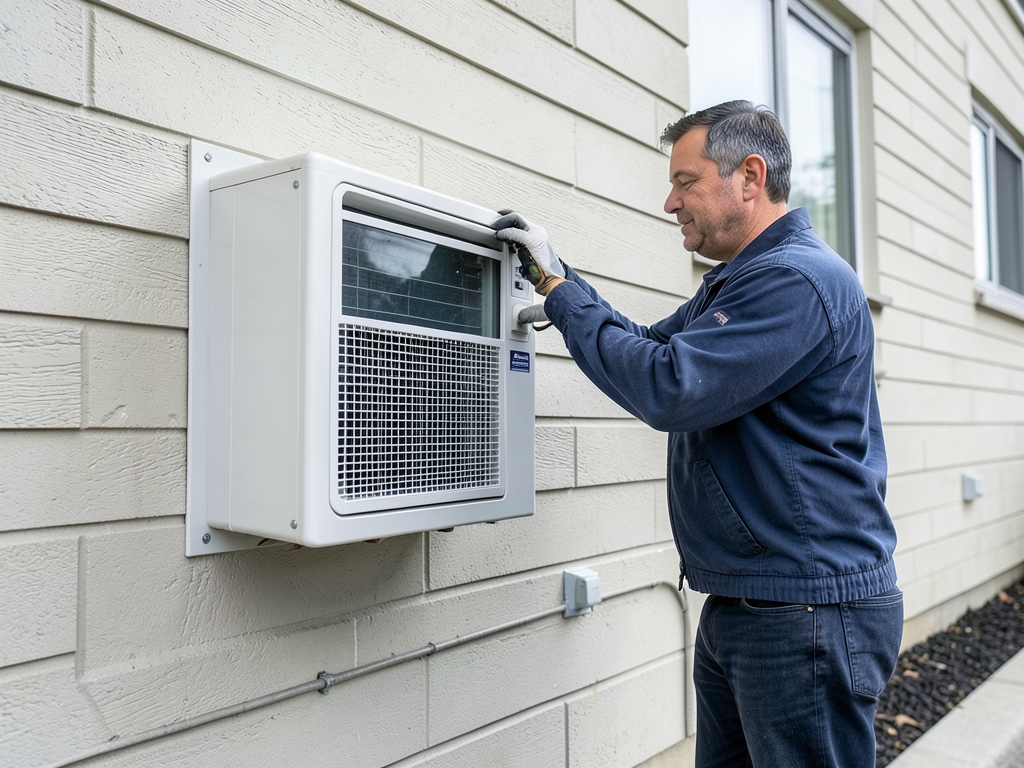
Installation requires mounting an outdoor condenser unit and an indoor air handler, connected by refrigerant lines through a small wall penetration. Professional installation ensures proper sizing, refrigerant charging, and electrical connections that meet Minneapolis electrical codes. The initial investment ranges from $3,500 to $5,500 installed, but energy savings often offset this cost within three to five years.
Electric Baseboard Heating: Simple but Costly for Minnesota Winters
Electric baseboard heaters offer the simplest installation for detached spaces. These units mount directly to walls and plug into standard 120-volt circuits, making them ideal for DIY installation. However, electric resistance heating becomes extremely expensive in Minneapolis where electricity rates average 14 cents per kilowatt-hour.
A 1,500-watt baseboard heater produces about 5,100 BTUs of heat, requiring multiple units to warm larger spaces effectively. Running three 1,500-watt heaters for eight hours costs approximately $5.04 per day at current rates. Over a typical five-month heating season, this translates to over $750 in electricity costs for basic heating.
Baseboard heaters also create uneven heating patterns, with warm air rising to the ceiling while floors remain cold. This temperature stratification reduces comfort and increases energy waste. Safety concerns include surface temperatures hot enough to cause burns and fire risks if furniture or curtains contact the heating elements.
Radiant Floor Heating: Luxury Comfort for Your Minneapolis Workspace
Radiant floor heating provides the most comfortable heating experience for detached spaces. This system installs electric heating cables or water-filled tubes beneath your flooring, creating gentle, even heat that warms objects and people directly rather than heating air. The result feels like standing on a warm beach, with no cold spots or drafts.
Electric radiant systems work well for smaller spaces up to 300 square feet. Installation involves laying heating mats over a subfloor and covering them with your chosen flooring material. Operating costs run approximately 8-12 cents per square foot per day, making a 200-square-foot office cost $16-24 monthly to heat.
Hydronic radiant systems use hot water circulated through tubes and offer lower operating costs but require more complex installation including a boiler or water heater, manifold, and circulation pump. These systems excel in larger spaces but involve higher upfront costs and ongoing maintenance requirements.
Portable Space Heaters: Emergency Solutions Only
Portable space heaters serve as temporary solutions but create significant safety and efficiency problems in Minneapolis winters. Standard 1,500-watt electric heaters draw 12.5 amps, often exceeding the capacity of older electrical circuits common in Minneapolis homes built before 1980. This creates fire hazards and frequent tripped breakers.
These units cannot maintain comfortable temperatures when outdoor temperatures fall below 20°F. Most portable heaters produce only 5,100 BTUs, requiring multiple units for adequate heating. They also create hot and cold spots, with temperatures varying by 15-20 degrees across a small room.
Propane and kerosene heaters produce moisture and carbon monoxide, requiring ventilation that defeats their heating purpose. These units also violate Minneapolis building codes for occupied spaces and create serious safety hazards including fire risks and toxic fume exposure.
Heating Performance Comparison for Minneapolis Conditions
| Heating System | Operating Cost/Month* | Effective to -10°F | Installation Cost | Safety Rating |
|---|---|---|---|---|
| Ductless Mini-Split | $45-75 | Yes | $3,500-5,500 | Excellent |
| Electric Baseboard | $150-250 | No | $300-800 | Fair |
| Radiant Floor (Electric) | $30-50 | Yes | $8-15/sq ft | Excellent |
| Portable Electric | $200-400 | No | $50-150 | Poor |
*Based on 200 sq ft space, 8 hours daily use, Minneapolis electricity rates
Installation Considerations for Minneapolis Detached Structures
Minneapolis building codes require permits for most permanent heating installations. The Minneapolis Mechanical Code Section 302 mandates proper venting, combustion air supply, and carbon monoxide detection for fuel-burning appliances. Electrical installations must comply with NEC Article 424 for fixed electric space heating equipment.
Older Minneapolis structures often have inadequate electrical service for modern heating demands. Homes built before 1950 typically have 60-amp service, while heating a detached space may require 100-amp or larger service upgrades. Professional assessment determines whether your existing electrical system can support your chosen heating solution. Fast AC Service for North Loop Condos and Lofts.
Insulation quality significantly impacts heating system performance and operating costs. Minnesota Energy Code requires minimum R-values of R-20 for walls and R-49 for ceilings in new construction. Adding insulation to existing structures often provides better returns than upgrading heating equipment.
Energy Efficiency and Operating Costs in Minneapolis
Heating efficiency directly impacts your monthly utility bills during Minneapolis’s six-month heating season. Mini-split heat pumps achieve efficiencies of 300-400%, meaning they produce three to four times more heat energy than the electrical energy they consume. This contrasts with electric resistance heating at 100% efficiency or propane furnaces at 80-95% efficiency.
Xcel Energy and CenterPoint Energy offer rebates for high-efficiency heating equipment. Current programs provide up to $500 for qualifying heat pump installations and $200 for smart thermostats that optimize heating schedules. These incentives reduce the effective installation cost while promoting energy conservation.
Proper system sizing prevents both inadequate heating and energy waste. Oversized systems short-cycle, reducing efficiency and comfort. Undersized systems run continuously without maintaining desired temperatures. Professional load calculations based on your specific structure’s dimensions, insulation levels, and Minneapolis climate data ensure optimal sizing. Switching to a Cold Climate Heat Pump in Minnesota (Is It Worth It?).
Maintenance Requirements for Reliable Minneapolis Performance
Regular maintenance keeps heating systems operating efficiently through Minneapolis winters. Mini-split systems require annual cleaning of indoor and outdoor coils, checking refrigerant levels, and testing electrical connections. Dirty coils reduce efficiency by up to 30% and can cause system failure during extreme cold.
Electric baseboard heaters need periodic cleaning to remove dust buildup that can cause odors and reduce heat output. Check electrical connections annually for signs of overheating or corrosion, particularly in older Minneapolis homes with aluminum wiring.
Radiant floor systems require minimal maintenance but need periodic inspection of electrical connections and thermostat calibration. Hydronic systems require annual boiler maintenance, pressure testing, and antifreeze level checks to prevent freeze damage.
Making the Right Choice for Your Minneapolis Detached Space
Your selection depends on several factors including budget, space size, usage patterns, and installation constraints. Mini-splits offer the best overall value for most Minneapolis applications, combining efficiency, reliability, and year-round comfort. However, they require professional installation and higher upfront investment.
Electric baseboard heaters work for occasional use or very small spaces where installation complexity must be minimized. They provide adequate heat for mild weather but become prohibitively expensive for regular winter use in Minneapolis.
Radiant floor heating delivers unmatched comfort for dedicated workspaces where you spend significant time. The higher installation cost pays dividends in comfort and energy savings for frequent users.
Portable heaters serve only as temporary solutions while planning permanent installations. Never rely on these units for regular heating in Minneapolis winters.
Professional Installation: Why DIY Often Fails in Minneapolis
Professional installation ensures your heating system meets all Minneapolis codes and performs reliably through extreme weather. Improper refrigerant charging reduces mini-split efficiency by 20-30% and can cause compressor failure. Incorrect electrical connections create fire hazards and void equipment warranties.
Professional installers understand Minneapolis-specific challenges including deep frost lines that affect outdoor unit placement, proper condensate drainage to prevent ice buildup, and electrical service requirements for older structures. They also handle permit applications and inspections required by Minneapolis building officials.
Most importantly, professionals provide warranty protection and ongoing service support. When temperatures plummet to -20°F, you need confidence that your heating system will continue operating reliably. Professional installation delivers this peace of mind through proper design, installation, and commissioning procedures.
Ready to Heat Your Minneapolis Workspace?
Don’t let another Minnesota winter force you out of your home office or she-shed. The right heating solution transforms your detached space from a seasonal afterthought into a year-round productivity powerhouse. Professional assessment determines which system best matches your specific needs, budget, and building constraints.
Call (651) 588-9677 today to schedule your heating consultation. Our Minneapolis-based technicians understand exactly what your detached space needs to stay warm through the toughest Minnesota winters. We’ll evaluate your structure, discuss your options, and provide clear recommendations with upfront pricing. Stop suffering through cold mornings and take control of your workspace comfort now.
Frequently Asked Questions
What size heating system do I need for a 200-square-foot home office in Minneapolis?
A 200-square-foot space typically requires 4,000-6,000 BTUs for adequate heating in Minneapolis winters. However, factors like ceiling height, insulation quality, and window area affect sizing. Professional heat load calculations ensure proper sizing rather than relying on square footage alone.
Can I install a ductless mini-split myself to save money?
DIY installation voids most manufacturer warranties and often violates Minneapolis building codes. Mini-splits require specialized tools for refrigerant charging, electrical connections meeting code requirements, and proper system commissioning. Improper installation reduces efficiency by 20-30% and can cause premature system failure.
How much does it cost to heat a small office in Minneapolis during winter?
Operating costs vary by system type. Mini-splits cost $45-75 monthly for typical use, electric baseboard heaters cost $150-250 monthly, and radiant floor systems cost $30-50 monthly. Your actual costs depend on insulation quality, outdoor temperatures, and usage patterns.
Do I need a permit to install heating in my detached she-shed?
Most permanent heating installations require Minneapolis permits under the Mechanical Code. Electric baseboard heaters under 48 amps may not need permits, but all fuel-burning appliances and most ductless systems require permits and inspections to ensure safety and code compliance.
What’s the most energy-efficient way to heat a small Minneapolis workspace?
Ductless mini-split heat pumps provide the highest efficiency, operating at 300-400% efficiency compared to 100% for electric resistance heating. They also provide cooling for summer use, making them the most cost-effective solution over the system’s lifetime despite higher initial costs. For more information, visit U.S. Department of Energy heating systems guide.
You may also find this helpful. How to Turn Your St. Anthony Park Three-Season Porch Into a Year-Round Space.
{
“@context”: “https://schema.org”,
“@type”: “BlogPosting”,
“headline”: “The Best Ways to Heat a Detached Home Office or She-Shed in Minneapolis”,
“description”: “Find the best heating solutions for your Minneapolis backyard office or she-shed. Compare ductless mini-splits, radiant heat, and electric options for Minnesota winters.”,
“wordCount”: 1959,
“datePublished”: “2026-04-14T14:17:00.000Z”,
“dateModified”: “2026-04-14T14:17:00.000Z”,
“inLanguage”: “en-US”,
“mainEntityOfPage”: {
“@type”: “WebPage”,
“@id”: “https://allprohvacminneapolis.com”
},
“publisher”: {
“@type”: “LocalBusiness”,
“name”: “All Pro HVAC Minneapolis”,
“url”: “https://allprohvacminneapolis.com”
},
“author”: {
“@type”: “Organization”,
“name”: “All Pro HVAC Minneapolis”,
“url”: “https://allprohvacminneapolis.com”
},
“image”: {
“@type”: “ImageObject”,
“url”: “https://allprohvacminneapolis.com/wp-content/uploads/2026/03/the-best-ways-to-heat-a-detached-home-office-or-sh-1.png”
}
}
{
“@context”: “https://schema.org”,
“@type”: “HVACBusiness”,
“name”: “All Pro HVAC Minneapolis”,
“url”: “https://allprohvacminneapolis.com”,
“address”: {
“@type”: “PostalAddress”,
“addressLocality”: “Minneapolis”
},
“areaServed”: {
“@type”: “City”,
“name”: “Minneapolis”
}
}
{
“@context”: “https://schema.org”,
“@type”: “FAQPage”,
“mainEntity”: [
{
“@type”: “Question”,
“name”: “Ready to Heat Your Minneapolis Workspace?”,
“acceptedAnswer”: {
“@type”: “Answer”,
“text”: “Don’t let another Minnesota winter force you out of your home office or she-shed. The right heating solution transforms your detached space from a seasonal afterthought into a year-round productivity powerhouse. Professional assessment determines which system best matches your specific needs, budget, and building constraints.”
}
},
{
“@type”: “Question”,
“name”: “What size heating system do I need for a 200-square-foot home office in Minneapolis?”,
“acceptedAnswer”: {
“@type”: “Answer”,
“text”: “A 200-square-foot space typically requires 4,000-6,000 BTUs for adequate heating in Minneapolis winters. However, factors like ceiling height, insulation quality, and window area affect sizing. Professional heat load calculations ensure proper sizing rather than relying on square footage alone.”
}
},
{
“@type”: “Question”,
“name”: “Can I install a ductless mini-split myself to save money?”,
“acceptedAnswer”: {
“@type”: “Answer”,
“text”: “DIY installation voids most manufacturer warranties and often violates Minneapolis building codes. Mini-splits require specialized tools for refrigerant charging, electrical connections meeting code requirements, and proper system commissioning. Improper installation reduces efficiency by 20-30% and can cause premature system failure.”
}
},
{
“@type”: “Question”,
“name”: “How much does it cost to heat a small office in Minneapolis during winter?”,
“acceptedAnswer”: {
“@type”: “Answer”,
“text”: “Operating costs vary by system type. Mini-splits cost $45-75 monthly for typical use, electric baseboard heaters cost $150-250 monthly, and radiant floor systems cost $30-50 monthly. Your actual costs depend on insulation quality, outdoor temperatures, and usage patterns.”
}
},
{
“@type”: “Question”,
“name”: “Do I need a permit to install heating in my detached she-shed?”,
“acceptedAnswer”: {
“@type”: “Answer”,
“text”: “Most permanent heating installations require Minneapolis permits under the Mechanical Code. Electric baseboard heaters under 48 amps may not need permits, but all fuel-burning appliances and most ductless systems require permits and inspections to ensure safety and code compliance.”
}
},
{
“@type”: “Question”,
“name”: “What’s the most energy-efficient way to heat a small Minneapolis workspace?”,
“acceptedAnswer”: {
“@type”: “Answer”,
“text”: “Ductless mini-split heat pumps provide the highest efficiency, operating at 300-400% efficiency compared to 100% for electric resistance heating. They also provide cooling for summer use, making them the most cost-effective solution over the system’s lifetime despite higher initial costs. For more information, visit U.S. Department of Energy heating systems guide.”
}
}
]
}
{
“@context”: “https://schema.org”,
“@type”: “BreadcrumbList”,
“itemListElement”: [
{
“@type”: “ListItem”,
“position”: 1,
“name”: “Home”,
“item”: “https://allprohvacminneapolis.com”
},
{
“@type”: “ListItem”,
“position”: 2,
“name”: “Blog”,
“item”: “https://allprohvacminneapolis.com/blog”
},
{
“@type”: “ListItem”,
“position”: 3,
“name”: “The Best Ways to Heat a Detached Home Office or She-Shed in Minneapolis”
}
]
}
{
“@context”: “https://schema.org”,
“@type”: “Service”,
“serviceType”: “HVAC”,
“provider”: {
“@type”: “LocalBusiness”,
“name”: “All Pro HVAC Minneapolis”,
“url”: “https://allprohvacminneapolis.com”
},
“areaServed”: {
“@type”: “City”,
“name”: “Minneapolis”
},
“description”: “Find the best heating solutions for your Minneapolis backyard office or she-shed. Compare ductless mini-splits, radiant heat, and electric options for Minnesota winters.”
}