
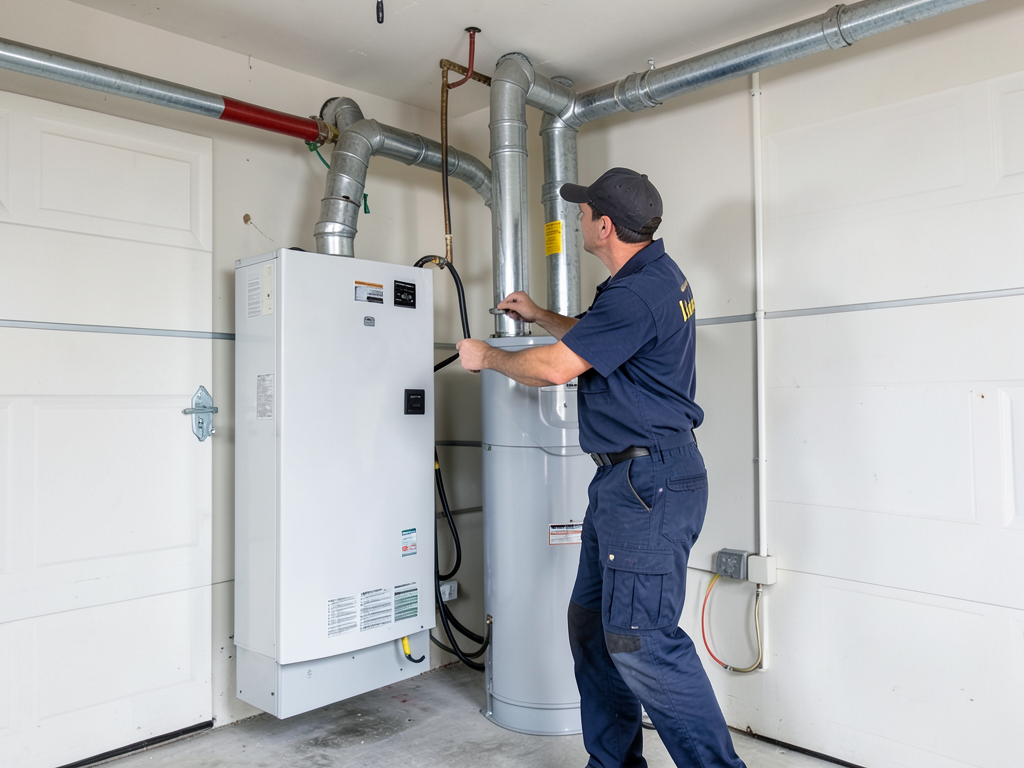
Expert Garage Heater Installation in Lakeville, MN
Minnesota winters make garage heater installation in Lakeville not just a luxury but a practical necessity for homeowners who use their garages for more than just parking cars. When temperatures drop below zero and stay there for days, a heated garage protects vehicle batteries, prevents fluid freezing, and creates usable workspace year-round. The right garage heating system transforms your cold storage space into a functional extension of your home. Weak Airflow from Vents.
Why Lakeville Homeowners Need a Heated Garage
Lakeville’s position in the southern Twin Cities metro means it experiences the full force of Minnesota’s continental climate. Winter temperatures regularly plunge below zero, with wind chills making it feel even colder. These conditions create specific problems for unheated garages that go beyond simple discomfort. Switching to a Cold Climate Heat Pump in Minnesota (Is It Worth It?).
Vehicle batteries lose significant cranking power when temperatures drop below 20°F. A fully charged battery that works fine at 70°F might deliver only half its capacity at 0°F. Combined with the increased oil viscosity in cold engines, this means many Lakeville residents face frustrating no-start situations on the coldest mornings.
Beyond vehicle concerns, a heated garage provides valuable workspace during Minnesota’s long winter months. Whether you’re a woodworker, mechanic, or simply need space for home projects, working in a 40°F garage versus a 0°F garage makes a dramatic difference in both comfort and productivity.
Types of Systems We Install
Two main categories of garage heating systems serve Lakeville homes effectively: forced air unit heaters and infrared radiant heating systems. Each has distinct advantages depending on your specific needs.
- Initial Assessment
Technician evaluates garage size, insulation, and fuel availability to recommend appropriate system.
- Fuel Line Planning
Natural gas line routing or electrical service evaluation for electric units. Fast AC Service for North Loop Condos and Lofts.
- Mounting Configuration
Optimal placement for even heat distribution and code compliance.
- Ventilation Setup
Proper venting for combustion gases if using natural gas systems.
- Thermostat Installation
Programmable or smart thermostat setup for energy efficiency. How Much a New High Efficiency Furnace Really Costs in Minneapolis.
- Final Testing
System calibration, safety checks, and efficiency verification.
Forced air unit heaters work by heating air and circulating it throughout the space. These systems typically run on natural gas or propane and use a fan to distribute warm air. They heat spaces quickly and work well for intermittent use patterns common in garages.
Infrared radiant heaters operate differently by directly heating objects and people rather than the air. These systems emit infrared radiation that warms surfaces it contacts, creating a more even heat distribution without the air movement that can stir up dust. They’re particularly effective for workshops where dust control matters.
Sizing Your Garage Heater
Proper sizing ensures your garage heater operates efficiently without wasting energy or failing to maintain comfortable temperatures. Several factors determine the right BTU output for your space.
| Garage Size | Insulation Level | Recommended BTU |
|---|---|---|
| 1-car (250-350 sq ft) | Minimal | 15,000-20,000 BTU |
| 2-car (500-600 sq ft) | Standard | 30,000-45,000 BTU |
| 3-car (750-900 sq ft) | Good | 45,000-60,000 BTU |
Lakeville’s climate zone requires slightly higher BTU ratings than national averages suggest. The Minnesota Department of Commerce recommends adding 10-15% to standard calculations for our northern climate. This accounts for the extended periods of sub-zero temperatures that occur most winters.
Garage insulation dramatically affects heating requirements. A poorly insulated garage might need twice the BTU output of a well-insulated one. Before installation, we assess your garage’s insulation quality in walls, ceiling, and especially the garage door, which often represents the largest heat loss area.
Our Local Installation Process
Professional garage heater installation in Lakeville follows specific steps to ensure safety, efficiency, and code compliance. Our process addresses the unique challenges of Minnesota garage installations.
Initial site evaluation includes measuring your garage dimensions, assessing existing insulation, and determining fuel availability. Most Lakeville homes have natural gas service, making gas-fired units the most cost-effective option for long-term operation.
Gas line installation requires careful planning to meet Minnesota fuel gas code requirements. Lines must be properly sized for the BTU load, protected from damage, and installed with appropriate clearances. Our technicians calculate gas pipe sizing using manufacturer specifications and local code requirements.
Ventilation installation proves critical for gas-fired units. Combustion produces carbon monoxide and other gases that must be safely vented outside. We install proper venting systems that maintain draft even during extreme cold when condensation can freeze and block flues.
Electrical connections include proper grounding, dedicated circuits for the heater and thermostat, and GFCI protection where required. Our installations meet all National Electrical Code requirements for garage environments.
Permits and Regulations in Lakeville
Dakota County and Lakeville city codes govern garage heater installations. Understanding these requirements prevents costly mistakes and ensures your system operates safely. Dakota County Building Services.
Minnesota State Building Code Chapter 1346 requires permits for most heating equipment installations. In Lakeville, mechanical permits are issued through Dakota County’s building services department. The permit process ensures your installation meets current safety standards.
Fuel gas piping must comply with Minnesota Fuel Gas Code, which references the International Fuel Gas Code with state amendments. These codes specify pipe sizing, material requirements, and testing procedures. All gas line work must be pressure tested before connection to the heating unit.
Ventilation requirements vary by fuel type. Natural gas units require Category III venting for high-efficiency models or Category I for standard efficiency units. Venting must terminate at specific heights above the roof and maintain proper clearances from combustible materials.
Carbon monoxide detectors are mandatory in attached garages according to Minnesota statute 299F.50. We recommend installing CO detectors as part of your garage heating system installation, even if not legally required for detached structures.
Customer Reviews from Lakeville Neighbors
Homeowners throughout Lakeville have transformed their cold garages into comfortable workspaces with our professional installations. Their experiences highlight the real-world benefits of properly sized and installed heating systems.
Sarah M. from the Briargate neighborhood installed a 45,000 BTU natural gas unit in her three-car garage last winter. “I can finally work on my woodworking projects year-round without freezing my fingers off. The system maintains 55°F even when it’s -10°F outside.”
Mike T. near Lake Marion Park chose an infrared system for his auto restoration shop. “The radiant heat doesn’t stir up dust like my old forced air unit did. My classic cars appreciate the stable temperature too.”
Tom R. from the O’Brien’s Landing area upgraded from a small electric heater to a properly sized gas unit. “My old heater ran constantly and barely kept the garage above freezing. The new system maintains 60°F while using less energy overall.”
Energy Efficiency and Operating Costs
Modern garage heaters offer significant efficiency improvements over older models. Understanding efficiency ratings helps you make informed decisions about long-term operating costs.
Annual Fuel Utilization Efficiency (AFUE) ratings indicate how much fuel converts to usable heat. Standard efficiency units achieve 80-82% AFUE, while high-efficiency models reach 90-95% AFUE. The higher initial cost of efficient units often pays for itself through reduced fuel consumption.
Natural gas remains the most economical fuel source for garage heating in Lakeville. Current Xcel Energy rates make natural gas approximately one-third the cost of electric resistance heating for the same BTU output. Propane offers similar efficiency but at higher fuel costs. Xcel Energy Minnesota.
Smart thermostats can reduce operating costs by 15-30% through scheduled operation and temperature setbacks. Programming your garage heater to maintain lower temperatures when unused spaces can significantly impact monthly utility bills.
Proper insulation provides the biggest return on investment for heating efficiency. Adding R-13 insulation to walls and R-30 to ceilings can reduce heating requirements by 40% or more, allowing you to use smaller, less expensive heating units.
Maintenance and Longevity
Regular maintenance ensures your garage heater operates safely and efficiently for its expected lifespan of 15-20 years. Simple maintenance tasks prevent most common failures.
Annual inspections should include checking heat exchanger integrity, cleaning burners, inspecting venting systems, and testing safety controls. Gas units require particular attention to prevent carbon monoxide leaks from cracked heat exchangers.
Air filter replacement every 3-6 months maintains proper airflow and efficiency. Clogged filters force heaters to work harder, reducing efficiency and potentially causing overheating failures.
Vent inspection prevents blockages from snow, ice, or debris. Minnesota winters create specific challenges as snow accumulation can block sidewall vents. We recommend installing vent extensions or guards in areas prone to drifting snow.
Thermostat calibration ensures accurate temperature control. A thermostat reading 5 degrees high causes the heater to run longer than necessary, wasting energy and reducing comfort.
Choosing the Right System for Your Needs
Selecting between forced air and infrared heating depends on your specific usage patterns and garage characteristics. Consider these factors when making your decision.
Usage frequency matters significantly. If you use your garage sporadically throughout winter, forced air units heat spaces quickly and don’t waste energy maintaining temperatures. For daily use, infrared systems provide more consistent comfort with lower operating costs.
Workshop activities influence system choice. Woodworkers and craftsmen often prefer infrared heating because it doesn’t blow air that can scatter sawdust or affect finish drying times. Auto mechanics might prefer forced air for its quick heat recovery when opening large garage doors.
Garage height affects system effectiveness. Standard 8-foot ceilings work well with either system type. Higher ceilings over 10 feet may benefit more from infrared heating, which doesn’t waste energy heating unused air space near the ceiling.
Existing infrastructure availability impacts installation costs. Natural gas availability in your area makes gas units more economical, while limited electrical service might necessitate gas even if you prefer electric operation.
Safety Considerations
Garage heater safety requires attention to specific hazards unique to these environments. Proper installation and operation prevent fires, carbon monoxide poisoning, and other dangers.
Flammable materials storage requires careful planning. Gasoline, paint thinners, and other volatile substances should be stored in approved containers away from heating equipment. Minimum clearances from combustibles must be maintained as specified in manufacturer instructions.
Combustion air requirements ensure proper burner operation. Gas units need adequate fresh air for complete combustion. Confined spaces may require outside air ducts or louvered doors to provide sufficient combustion air.
Clearance requirements prevent fire hazards. Manufacturer specifications dictate minimum distances from walls, ceilings, and stored items. These clearances are not arbitrary but based on heat shield requirements and fire safety testing.
Electrical safety in garage environments requires GFCI protection for all outlets and proper grounding of all metal components. Minnesota code requires GFCI protection for all garage receptacles, including those serving heating equipment.
Frequently Asked Questions
How long does garage heater installation take?
Most installations complete in one day. Gas line installation, unit mounting, and electrical connections typically require 4-8 hours depending on complexity.
Can I install a garage heater myself?
Minnesota law requires licensed HVAC contractors for most heating equipment installations. DIY installations void warranties and may violate building codes, creating safety hazards.
What size heater do I need for a two-car garage?
A standard two-car garage typically requires 30,000-45,000 BTU with standard insulation. Lakeville’s climate may require 10-15% more capacity than national averages suggest.
Are garage heaters noisy?
Modern units operate much more quietly than older models. Forced air units produce some fan noise, while infrared systems operate silently except for occasional clicking during ignition.
How much does it cost to run a garage heater?
Operating costs depend on fuel prices, insulation quality, and thermostat settings. A typical 45,000 BTU natural gas unit might cost $1-2 per day to maintain 55°F in a well-insulated garage.
Do I need a permit for garage heater installation?
Yes, Dakota County requires mechanical permits for most heating equipment installations. The permit process ensures code compliance and safe operation.
Can garage heaters be used in workshops with dust?
Infrared heaters work excellently in dusty environments since they don’t blow air. If using forced air, install proper air filters and consider units with sealed combustion chambers.
What’s the difference between radiant and forced air heating?
Forced air heats the air and circulates it, providing quick temperature recovery. Radiant heating warms objects directly, creating more even heat without air movement.
How long do garage heaters last?
With proper maintenance, quality garage heaters typically last 15-20 years. Annual maintenance and timely repairs extend equipment life significantly. Finding an AC Repair Team in Edina That Actually Shows Up on Time.
Can I heat an uninsulated garage?
While possible, heating an uninsulated garage proves extremely inefficient and costly. Adding basic insulation typically pays for itself within one heating season through reduced energy costs.
What fuel types are available for garage heaters?
Natural gas, propane, and electric are the most common options. Natural gas offers the best operating costs where available, while electric provides simplicity without fuel line installation.
Do garage heaters need special venting?
Gas units require proper venting to safely remove combustion gases. Venting must terminate at specific heights and maintain clearances from combustible materials as required by code.
Can I use my garage heater to heat my house?
Garage heaters are not designed for whole-house heating. They lack the capacity and distribution systems needed for residential space heating.
What maintenance do garage heaters require?
Annual professional maintenance includes burner cleaning, heat exchanger inspection, venting checks, and safety control testing. Homeowners should replace air filters every 3-6 months.
Are there energy rebates available for garage heaters?
Xcel Energy and CenterPoint Energy occasionally offer rebates for high-efficiency heating equipment. Check current programs through utility providers before installation.
Can I install a thermostat in my garage?
Yes, dedicated thermostats provide better temperature control than built-in units. Programmable or smart thermostats offer energy savings through scheduled operation.
What clearance is needed around garage heaters?
Clearance requirements vary by model but typically range from 6 inches to 3 feet from combustible materials. Always follow manufacturer specifications for safe installation.
Do garage heaters work in extremely cold weather?
Quality garage heaters maintain operation in sub-zero temperatures. High-efficiency units may experience minor efficiency reductions in extreme cold but continue providing reliable heat.
Can I use a garage heater in a workshop with chemicals?
Special consideration is needed for volatile chemicals. Sealed combustion units or units with spark arrestors may be required in environments with flammable vapors.
What brands do you recommend for garage heaters?
We install reputable brands like Modine, Reznor, and Lennox that offer proven reliability and strong warranties. The best choice depends on your specific needs and budget.
How do I know if my garage has enough insulation?
Professional energy audits can identify insulation deficiencies. As a rule, walls should have R-13 minimum and ceilings R-30 for efficient heating in Minnesota’s climate.
Can garage heaters be mounted on the ceiling?
Yes, most modern garage heaters are designed for ceiling mounting, which saves floor space and provides optimal heat distribution in typical garage configurations.
What happens if my garage heater stops working?
Most failures result from simple issues like thermostat problems or dirty filters. Our 24/7 emergency service can diagnose and repair most issues quickly to restore heat.
Are garage heaters safe around children and pets?
When properly installed with appropriate guards and controls, garage heaters are safe. Keep flammable items away and teach children about equipment safety boundaries.
Ready to Warm Up Your Lakeville Garage?
Don’t let another Minnesota winter keep you out of your garage. Whether you need basic heating for vehicle protection or a complete workshop heating solution, our experienced technicians can design and install the perfect system for your needs.
Call (651) 588-9677 today to schedule your free garage heating consultation. We’ll assess your space, discuss your options, and provide a detailed quote with no pressure or hidden fees.
Pick up the phone and call (651) 588-9677 before the next cold snap hits. Your warm, usable garage is just one call away.
{
“@context”: “https://schema.org”,
“@type”: “BlogPosting”,
“headline”: “Professional Garage Heater Installation for Lakeville Homeowners”,
“description”: “Expert garage heater installation in Lakeville MN. Learn about natural gas vs electric systems, sizing for MN winters, and local permit requirements.”,
“wordCount”: 2638,
“datePublished”: “2026-03-20T09:10:00.000Z”,
“dateModified”: “2026-03-20T09:10:00.000Z”,
“inLanguage”: “en-US”,
“mainEntityOfPage”: {
“@type”: “WebPage”,
“@id”: “https://allprohvacminneapolis.com”
},
“publisher”: {
“@type”: “LocalBusiness”,
“name”: “All Pro HVAC Minneapolis”,
“url”: “https://allprohvacminneapolis.com”
},
“author”: {
“@type”: “Organization”,
“name”: “All Pro HVAC Minneapolis”,
“url”: “https://allprohvacminneapolis.com”
},
“image”: {
“@type”: “ImageObject”,
“url”: “https://allprohvacminneapolis.com/wp-content/uploads/2026/03/professional-garage-heater-installation-for-lakevi-1.png”
}
}
{
“@context”: “https://schema.org”,
“@type”: “HVACBusiness”,
“name”: “All Pro HVAC Minneapolis”,
“url”: “https://allprohvacminneapolis.com”,
“address”: {
“@type”: “PostalAddress”,
“addressLocality”: “Minneapolis”
},
“areaServed”: {
“@type”: “City”,
“name”: “Minneapolis”
}
}
{
“@context”: “https://schema.org”,
“@type”: “FAQPage”,
“mainEntity”: [
{
“@type”: “Question”,
“name”: “How long does garage heater installation take?”,
“acceptedAnswer”: {
“@type”: “Answer”,
“text”: “Most installations complete in one day. Gas line installation, unit mounting, and electrical connections typically require 4-8 hours depending on complexity.”
}
},
{
“@type”: “Question”,
“name”: “Can I install a garage heater myself?”,
“acceptedAnswer”: {
“@type”: “Answer”,
“text”: “Minnesota law requires licensed HVAC contractors for most heating equipment installations. DIY installations void warranties and may violate building codes, creating safety hazards.”
}
},
{
“@type”: “Question”,
“name”: “What size heater do I need for a two-car garage?”,
“acceptedAnswer”: {
“@type”: “Answer”,
“text”: “A standard two-car garage typically requires 30,000-45,000 BTU with standard insulation. Lakeville’s climate may require 10-15% more capacity than national averages suggest.”
}
},
{
“@type”: “Question”,
“name”: “Are garage heaters noisy?”,
“acceptedAnswer”: {
“@type”: “Answer”,
“text”: “Modern units operate much more quietly than older models. Forced air units produce some fan noise, while infrared systems operate silently except for occasional clicking during ignition.”
}
},
{
“@type”: “Question”,
“name”: “How much does it cost to run a garage heater?”,
“acceptedAnswer”: {
“@type”: “Answer”,
“text”: “Operating costs depend on fuel prices, insulation quality, and thermostat settings. A typical 45,000 BTU natural gas unit might cost $1-2 per day to maintain 55°F in a well-insulated garage.”
}
},
{
“@type”: “Question”,
“name”: “Do I need a permit for garage heater installation?”,
“acceptedAnswer”: {
“@type”: “Answer”,
“text”: “Yes, Dakota County requires mechanical permits for most heating equipment installations. The permit process ensures code compliance and safe operation.”
}
},
{
“@type”: “Question”,
“name”: “Can garage heaters be used in workshops with dust?”,
“acceptedAnswer”: {
“@type”: “Answer”,
“text”: “Infrared heaters work excellently in dusty environments since they don’t blow air. If using forced air, install proper air filters and consider units with sealed combustion chambers.”
}
},
{
“@type”: “Question”,
“name”: “What’s the difference between radiant and forced air heating?”,
“acceptedAnswer”: {
“@type”: “Answer”,
“text”: “Forced air heats the air and circulates it, providing quick temperature recovery. Radiant heating warms objects directly, creating more even heat without air movement.”
}
},
{
“@type”: “Question”,
“name”: “How long do garage heaters last?”,
“acceptedAnswer”: {
“@type”: “Answer”,
“text”: “With proper maintenance, quality garage heaters typically last 15-20 years. Annual maintenance and timely repairs extend equipment life significantly. Finding an AC Repair Team in Edina That Actually Shows Up on Time.”
}
},
{
“@type”: “Question”,
“name”: “Can I heat an uninsulated garage?”,
“acceptedAnswer”: {
“@type”: “Answer”,
“text”: “While possible, heating an uninsulated garage proves extremely inefficient and costly. Adding basic insulation typically pays for itself within one heating season through reduced energy costs.”
}
},
{
“@type”: “Question”,
“name”: “What fuel types are available for garage heaters?”,
“acceptedAnswer”: {
“@type”: “Answer”,
“text”: “Natural gas, propane, and electric are the most common options. Natural gas offers the best operating costs where available, while electric provides simplicity without fuel line installation.”
}
},
{
“@type”: “Question”,
“name”: “Do garage heaters need special venting?”,
“acceptedAnswer”: {
“@type”: “Answer”,
“text”: “Gas units require proper venting to safely remove combustion gases. Venting must terminate at specific heights and maintain clearances from combustible materials as required by code.”
}
},
{
“@type”: “Question”,
“name”: “Can I use my garage heater to heat my house?”,
“acceptedAnswer”: {
“@type”: “Answer”,
“text”: “Garage heaters are not designed for whole-house heating. They lack the capacity and distribution systems needed for residential space heating.”
}
},
{
“@type”: “Question”,
“name”: “What maintenance do garage heaters require?”,
“acceptedAnswer”: {
“@type”: “Answer”,
“text”: “Annual professional maintenance includes burner cleaning, heat exchanger inspection, venting checks, and safety control testing. Homeowners should replace air filters every 3-6 months.”
}
},
{
“@type”: “Question”,
“name”: “Are there energy rebates available for garage heaters?”,
“acceptedAnswer”: {
“@type”: “Answer”,
“text”: “Xcel Energy and CenterPoint Energy occasionally offer rebates for high-efficiency heating equipment. Check current programs through utility providers before installation.”
}
},
{
“@type”: “Question”,
“name”: “Can I install a thermostat in my garage?”,
“acceptedAnswer”: {
“@type”: “Answer”,
“text”: “Yes, dedicated thermostats provide better temperature control than built-in units. Programmable or smart thermostats offer energy savings through scheduled operation.”
}
},
{
“@type”: “Question”,
“name”: “What clearance is needed around garage heaters?”,
“acceptedAnswer”: {
“@type”: “Answer”,
“text”: “Clearance requirements vary by model but typically range from 6 inches to 3 feet from combustible materials. Always follow manufacturer specifications for safe installation.”
}
},
{
“@type”: “Question”,
“name”: “Do garage heaters work in extremely cold weather?”,
“acceptedAnswer”: {
“@type”: “Answer”,
“text”: “Quality garage heaters maintain operation in sub-zero temperatures. High-efficiency units may experience minor efficiency reductions in extreme cold but continue providing reliable heat.”
}
},
{
“@type”: “Question”,
“name”: “Can I use a garage heater in a workshop with chemicals?”,
“acceptedAnswer”: {
“@type”: “Answer”,
“text”: “Special consideration is needed for volatile chemicals. Sealed combustion units or units with spark arrestors may be required in environments with flammable vapors.”
}
},
{
“@type”: “Question”,
“name”: “What brands do you recommend for garage heaters?”,
“acceptedAnswer”: {
“@type”: “Answer”,
“text”: “We install reputable brands like Modine, Reznor, and Lennox that offer proven reliability and strong warranties. The best choice depends on your specific needs and budget.”
}
},
{
“@type”: “Question”,
“name”: “How do I know if my garage has enough insulation?”,
“acceptedAnswer”: {
“@type”: “Answer”,
“text”: “Professional energy audits can identify insulation deficiencies. As a rule, walls should have R-13 minimum and ceilings R-30 for efficient heating in Minnesota’s climate.”
}
},
{
“@type”: “Question”,
“name”: “Can garage heaters be mounted on the ceiling?”,
“acceptedAnswer”: {
“@type”: “Answer”,
“text”: “Yes, most modern garage heaters are designed for ceiling mounting, which saves floor space and provides optimal heat distribution in typical garage configurations.”
}
},
{
“@type”: “Question”,
“name”: “What happens if my garage heater stops working?”,
“acceptedAnswer”: {
“@type”: “Answer”,
“text”: “Most failures result from simple issues like thermostat problems or dirty filters. Our 24/7 emergency service can diagnose and repair most issues quickly to restore heat.”
}
},
{
“@type”: “Question”,
“name”: “Are garage heaters safe around children and pets?”,
“acceptedAnswer”: {
“@type”: “Answer”,
“text”: “When properly installed with appropriate guards and controls, garage heaters are safe. Keep flammable items away and teach children about equipment safety boundaries.”
}
},
{
“@type”: “Question”,
“name”: “Ready to Warm Up Your Lakeville Garage?”,
“acceptedAnswer”: {
“@type”: “Answer”,
“text”: “Don’t let another Minnesota winter keep you out of your garage. Whether you need basic heating for vehicle protection or a complete workshop heating solution, our experienced technicians can design and install the perfect system for your needs.”
}
}
]
}
{
“@context”: “https://schema.org”,
“@type”: “HowTo”,
“name”: “Garage Heater Installation Process”,
“step”: [
{
“@type”: “HowToStep”,
“position”: 1,
“name”: “Initial Assessment”,
“text”: “Technician evaluates garage size, insulation, and fuel availability to recommend appropriate system.”
},
{
“@type”: “HowToStep”,
“position”: 2,
“name”: “Fuel Line Planning”,
“text”: “Natural gas line routing or electrical service evaluation for electric units. Fast AC Service for North Loop Condos and Lofts.”
},
{
“@type”: “HowToStep”,
“position”: 3,
“name”: “Mounting Configuration”,
“text”: “Optimal placement for even heat distribution and code compliance.”
},
{
“@type”: “HowToStep”,
“position”: 4,
“name”: “Ventilation Setup”,
“text”: “Proper venting for combustion gases if using natural gas systems.”
},
{
“@type”: “HowToStep”,
“position”: 5,
“name”: “Thermostat Installation”,
“text”: “Programmable or smart thermostat setup for energy efficiency. How Much a New High Efficiency Furnace Really Costs in Minneapolis.”
},
{
“@type”: “HowToStep”,
“position”: 6,
“name”: “Final Testing”,
“text”: “System calibration, safety checks, and efficiency verification.”
}
],
“image”: “https://allprohvacminneapolis.com/wp-content/uploads/2026/03/professional-garage-heater-installation-for-lakevi-1.png”
}
{
“@context”: “https://schema.org”,
“@type”: “BreadcrumbList”,
“itemListElement”: [
{
“@type”: “ListItem”,
“position”: 1,
“name”: “Home”,
“item”: “https://allprohvacminneapolis.com”
},
{
“@type”: “ListItem”,
“position”: 2,
“name”: “Blog”,
“item”: “https://allprohvacminneapolis.com/blog”
},
{
“@type”: “ListItem”,
“position”: 3,
“name”: “Professional Garage Heater Installation for Lakeville Homeowners”
}
]
}
{
“@context”: “https://schema.org”,
“@type”: “Service”,
“serviceType”: “HVAC”,
“provider”: {
“@type”: “LocalBusiness”,
“name”: “All Pro HVAC Minneapolis”,
“url”: “https://allprohvacminneapolis.com”
},
“areaServed”: {
“@type”: “City”,
“name”: “Minneapolis”
},
“description”: “Expert garage heater installation in Lakeville MN. Learn about natural gas vs electric systems, sizing for MN winters, and local permit requirements.”
}