
Stepping Onto a Warm Floor This Winter — Is Radiant Heating Right for Your Kingfield Remodel?
Stepping onto a warm floor on a sub-zero Minneapolis morning changes everything. Radiant floor heating delivers consistent silent warmth from the ground up without the drafts and noise of forced air systems. For Kingfield homeowners remodeling older bungalows or building new additions this heating method offers both comfort and efficiency. But is it worth the investment for your specific home and budget? How Much a New High Efficiency Furnace Really Costs in Minneapolis.
The answer depends on your home’s structure your remodeling plans and how you value that first step out of bed on a January morning. Let’s explore what makes radiant heating work in Minneapolis and whether it fits your Kingfield remodel.. Read more about Heavy Duty Heating Solutions for Converted Industrial Spaces in Northeast Minneapolis.
How Radiant Floor Heating Works in Minnesota Homes
Radiant floor systems heat your home by warming surfaces rather than air. Hot water pipes or electric cables installed beneath your flooring radiate heat upward creating even temperatures from floor to ceiling. This method eliminates cold spots and reduces the temperature swings common with forced air systems.
In Minneapolis where winter temperatures regularly drop below zero radiant heating offers distinct advantages. The system maintains consistent warmth even during extreme cold snaps. Heat rises naturally from the floor where you need it most keeping your feet warm and your energy bills lower.. Read more about Is Geothermal Heating Actually Realistic for Property Owners in Medina?.
Two main types serve Minnesota homes: hydronic systems use hot water pumped through PEX tubing while electric systems use resistance cables. Hydronic systems cost more to install but operate at about one-third the cost of electric systems long-term. For whole-home heating in Kingfield’s climate hydronic typically makes more sense. Switching to a Cold Climate Heat Pump in Minnesota (Is It Worth It?).
Hydronic vs Electric Which System Fits Your Kingfield Home
Hydronic radiant heating uses a boiler to heat water that circulates through tubing installed in your floors. The system connects to your home’s existing hot water infrastructure and can integrate with your current boiler or require a new high-efficiency unit. Water holds heat better than air making hydronic systems more efficient for whole-home heating.. Read more about Comparing Whole Home Humidifiers for New Construction in Lakeville.
Electric radiant systems use thin heating cables installed beneath flooring. These systems heat up faster but cost more to operate. They work best for small areas like bathrooms or kitchens rather than whole-house applications. Installation requires less invasive work since you don’t need to connect to a boiler system.
For Kingfield’s older homes hydronic systems often make more sense. Many houses already have boiler systems that can be upgraded or expanded. The deep cold of Minnesota winters means operating costs matter more than installation speed. Electric systems might work for a master bathroom addition but rarely replace whole-home heating needs.. Read more about Specialized HVAC Care for High End Homes in Linden Hills.
Installation Comparison Table
| Feature | Hydronic System | Electric System |
|---|---|---|
| Installation Cost | $12-20 per sq ft | $8-12 per sq ft |
| Operating Cost | Low (boiler efficiency) | High (electric rates) |
| Best For | Whole home large additions | Bathrooms small spaces |
| Retrofit Difficulty | Moderate (boiler needed) | Easy (no boiler needed) |
| Response Time | 30-60 minutes to warm | 10-20 minutes to warm |
Installing Radiant Heat in Your Kingfield Remodel
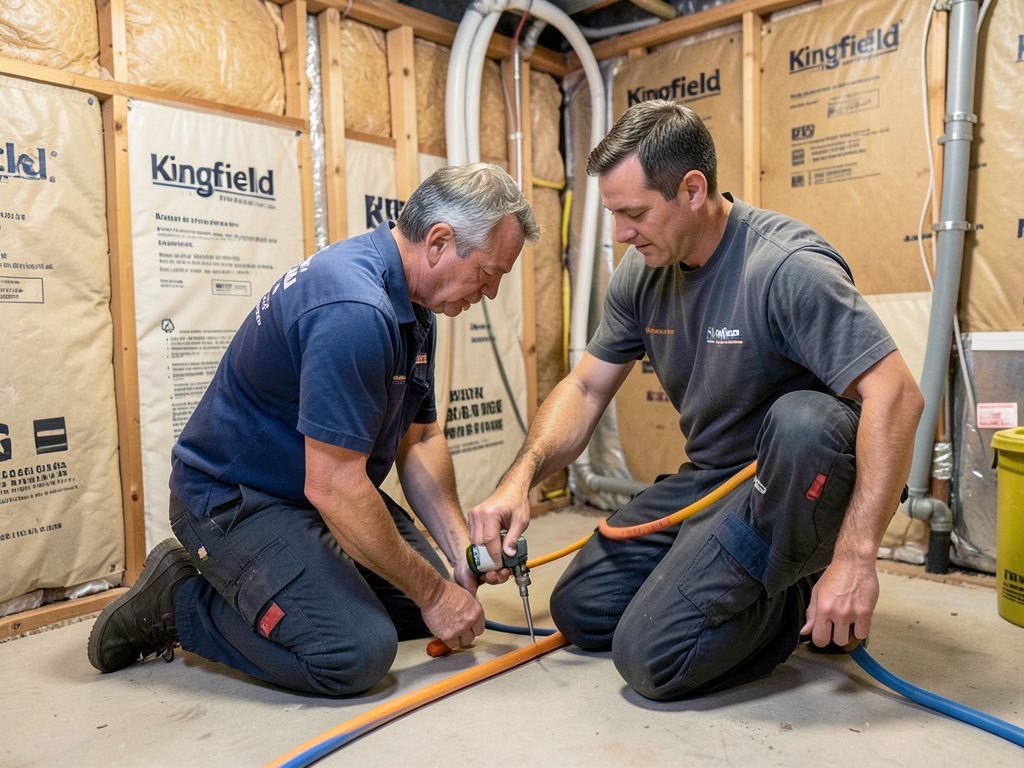
Radiant floor installation requires careful planning and specific steps. The process varies based on whether you’re working with a slab-on-grade foundation or a wood-framed floor system. Each approach demands different materials and installation techniques.
For slab installations workers lay insulation boards directly on the concrete then install PEX tubing in a serpentine pattern. They connect tubing to manifolds that distribute water from the boiler. After pressure testing the system they pour a thin concrete overlay to protect the tubing.
Joist-space installations work differently. Installers suspend tubing beneath the subfloor using heat transfer plates. This method works well for remodeling projects where you cannot alter floor height significantly. The plates help transfer heat upward through the flooring above.
Installation Process Steps
- System Design
Engineers calculate heat loss and tubing layout based on your home’s square footage and insulation levels. They determine manifold locations and boiler sizing requirements.
- Subfloor Preparation
Workers install insulation boards rated for your climate zone. They seal all edges to prevent heat loss downward into the basement or crawl space.
- Tubing Installation
Technicians lay PEX tubing according to the engineered design. They secure tubing every 12-16 inches and ensure proper spacing for even heat distribution.
- Pressure Testing
The system undergoes hydrostatic testing at 100+ PSI to check for leaks. Any defects require immediate repair before proceeding. Finding an AC Repair Team in Edina That Actually Shows Up on Time.
- Floor Installation
After passing inspection workers install your chosen flooring over the radiant system. Tile and stone work best for heat transfer.
Minneapolis building codes require specific insulation values beneath radiant slabs. The Minnesota State Building Code mandates R-10 insulation for heated slabs in climate zone 6 which includes Hennepin County. This requirement prevents heat from escaping into the ground. Weak Airflow from Vents.
Minneapolis Climate Considerations for Radiant Heating
Minneapolis winters create unique demands for heating systems. The city experiences average January lows around 7°F but temperatures often drop to -20°F or lower during polar vortex events. Your heating system must handle these extremes while maintaining efficiency.
Radiant floor heating excels in this climate because it provides steady even heat without the temperature swings of forced air. The thermal mass of your floor continues radiating warmth even after the system cycles off. This stability reduces the workload on your boiler during peak demand.
Humidity control becomes crucial with radiant systems. Unlike forced air that can dry out your home radiant heat maintains more natural humidity levels. This matters in Minnesota where winter air can become painfully dry. Your skin wood furniture and nasal passages all benefit from better humidity management.
Minneapolis also experiences significant temperature swings throughout the year. A heating system must respond quickly when temperatures plummet unexpectedly. Modern radiant systems with smart controls can adjust water temperatures based on outdoor conditions providing the right amount of heat for current weather.
Cost Factors for Kingfield Homeowners
Radiant floor heating costs vary widely based on your home’s specifics. A basic bathroom installation might cost $3000-5000 while a whole-home system for a 2000 square foot house ranges from $15000-30000. Several factors drive these costs.
Existing infrastructure plays a major role. Homes with current boiler systems cost less to retrofit since you can often expand the existing setup. Houses relying on forced air require new boilers which add $5000-10000 to the project. Your electrical panel capacity also matters for electric systems. Fixing Old Boilers in Historic South Minneapolis Homes.
Floor height changes affect costs significantly. Adding radiant heat often raises your floor by 1-2 inches. This might require modifying door heights baseboards and transitions to other rooms. In Kingfield’s older homes with original woodwork these modifications add complexity and expense.. Read more about What Homeowners in Kingfield Should Expect During a Full Ductwork Replacement.
Energy costs in Minneapolis make efficiency crucial. Xcel Energy’s residential natural gas rates average $0.92 per therm. A high-efficiency condensing boiler can operate at 95% efficiency significantly reducing monthly heating bills compared to older units at 80% efficiency.
Local incentives help offset costs. CenterPoint Energy offers rebates up to $300 for high-efficiency boilers and the federal government provides tax credits for qualifying high-efficiency heating equipment. These programs change annually so check current availability before starting your project.
Floor Covering Compatibility in Minnesota Homes
Not all flooring works well with radiant heat. The material’s thermal conductivity thickness and expansion properties all matter in Minnesota’s climate. Choosing the right covering ensures your system performs efficiently and lasts for decades.
Tile and stone provide the best heat transfer. Porcelain and ceramic tiles conduct heat efficiently and handle temperature changes without warping. Natural stone like slate or travertine works excellently but costs more. These materials typically add only 1/4 to 1/2 inch to your floor height.
Luxury vinyl plank (LVP) offers a good balance of performance and comfort. Modern LVP handles radiant heat well and provides a warmer surface than tile. Look for products specifically rated for radiant heating. Most quality LVP products allow temperatures up to 85°F floor surface temperature.
Engineered hardwood can work with radiant heat if you choose products designed for this application. Solid hardwood poses problems because it expands and contracts with temperature changes potentially causing gaps or buckling. Engineered products use layered construction that handles thermal movement better.
Carpet reduces system efficiency significantly. Thick carpet padding acts as insulation preventing heat from radiating upward. If you want carpet in some areas consider installing electric radiant mats only under those sections rather than a whole-home hydronic system.. Read more about The Truth About Installing Heated Driveway Systems in Kenwood and Lake of the Isles.
Floor Covering Performance Table
| Flooring Type | Heat Transfer | Comfort Level | Cost per sq ft |
|---|---|---|---|
| Porcelain Tile | Excellent | Cool to touch | $5-15 |
| LVP (Radiant Rated) | Good | Warm comfortable | $3-8 |
| Engineered Hardwood | Fair | Warm natural feel | $6-12 |
| Natural Stone | Excellent | Varies by type | $10-25 |
| Carpet | Poor | Warm soft | $2-6 |
Maintenance and Longevity in Minneapolis Conditions
Radiant floor systems require minimal maintenance compared to forced air systems. Without ducts to clean or filters to replace your primary tasks involve the boiler and circulation pumps. Minneapolis’s hard water makes annual maintenance particularly important.
Boiler maintenance should occur annually before heating season. Technicians check combustion efficiency clean heat exchangers and test safety controls. In Minneapolis where boilers run for six to eight months yearly this maintenance prevents mid-winter failures when you need heat most.
Water quality affects system longevity. Minneapolis tap water contains minerals that can build up in your system over time. A properly installed system includes air separators and dirt separators to remove these contaminants. Some homeowners add water treatment systems for extra protection.
Leak detection requires vigilance. While PEX tubing rarely fails connections and manifolds can develop leaks over decades. Watch for unexplained increases in water usage or pressure drops in your boiler system. Modern systems include pressure gauges that help you monitor performance.
Temperature control impacts system life. Rapid temperature changes stress both the boiler and flooring materials. Use programmable thermostats that gradually adjust temperatures rather than making sudden changes. This approach extends equipment life and improves comfort.
Minneapolis building codes require specific safety features. The Minnesota State Mechanical Code mandates pressure relief valves temperature limits and proper venting for all boiler systems. These requirements protect your home from overpressure situations and carbon monoxide risks.
Permits and Code Requirements in Hennepin County
Installing radiant floor heating in Minneapolis requires permits and inspections. Hennepin County follows the Minnesota State Building Code which includes specific requirements for hydronic heating systems. Understanding these requirements prevents costly delays or rework.
Mechanical permits cover boiler installations and major system modifications. The permit process includes submitting engineered plans that show tubing layout boiler sizing and ventilation requirements. Minneapolis inspectors check for proper combustion air supply especially important in tightly sealed modern homes.
Plumbing permits cover PEX tubing installation and connection to domestic water systems. Minnesota requires PEX tubing to meet ASTM F876 or F877 standards. Installers must provide documentation showing the tubing meets these specifications.
Electrical permits cover thermostat wiring and any new circuits for pumps or controls. Minneapolis follows the National Electrical Code with local amendments. All low-voltage thermostat wiring must be Class 2 meaning it operates at safe voltage levels.
Energy codes affect system design. Minnesota’s energy code requires specific insulation levels beneath heated slabs and in exterior walls. These requirements ensure your radiant system operates efficiently rather than losing heat to the outdoors.
Final inspections verify all code requirements. Inspectors check for proper pressure relief valve installation adequate combustion air and correct venting. They also verify that all required permits are closed before you can occupy the space.
Energy Efficiency and Environmental Impact
Radiant floor heating can significantly reduce your home’s energy consumption. The system’s efficiency comes from several factors that work together to minimize waste and maximize comfort.
Lower operating temperatures improve boiler efficiency. Traditional forced air systems require 180-200°F water temperatures while radiant systems often operate at 100-120°F. This lower temperature allows high-efficiency condensing boilers to achieve 95-98% efficiency ratings.
Even heat distribution eliminates hot and cold spots. Forced air systems create temperature stratification with hot air rising to the ceiling and cool air settling near the floor. Radiant heat warms objects and people directly allowing you to maintain comfort at lower air temperatures.
Zone control reduces energy waste. You can heat only occupied areas of your home rather than the entire house. Smart thermostats learn your schedule and adjust temperatures automatically further improving efficiency.
Environmental benefits extend beyond energy savings. High-efficiency boilers produce fewer emissions than older units. The system’s long lifespan means less manufacturing waste compared to systems requiring frequent replacement.
Minneapolis’s renewable energy goals align with efficient heating systems. Xcel Energy’s renewable portfolio continues expanding meaning the electricity powering your system’s pumps and controls increasingly comes from clean sources.
Is Radiant Heating Right for Your Kingfield Home
Several factors determine whether radiant floor heating makes sense for your specific situation. Consider your home’s structure your remodeling plans and your long-term goals before making this investment.
Home age and construction matter significantly. Kingfield’s historic homes built before 1940 often have excellent structural integrity but outdated mechanical systems. These houses frequently benefit from complete system replacements rather than patching existing equipment.
Remodeling scope affects feasibility. If you’re already removing flooring for a kitchen or bathroom remodel adding radiant heat requires minimal additional demolition. The marginal cost during major renovations often makes financial sense.
Your comfort priorities influence the decision. If you value silent operation even temperatures and warm floors radiant heating delivers these benefits consistently. The system’s lack of moving air also reduces dust circulation benefiting allergy sufferers.
Long-term plans matter for return on investment. If you plan to stay in your home for five or more years the system’s efficiency savings and comfort benefits justify the upfront costs. For shorter timelines focus on improvements that increase resale value.
Budget constraints require honest assessment. While radiant heating offers superior comfort it costs more upfront than other heating options. Balance your desire for luxury with practical financial considerations.
Local climate makes radiant heating particularly valuable in Minneapolis. The system’s ability to maintain comfort during extreme cold snaps provides peace of mind that other systems cannot match. For Kingfield homeowners who value both comfort and efficiency radiant floor heating often proves worth the investment.
Frequently Asked Questions
How long does radiant floor heating take to warm up?
Hydronic systems typically require 30-60 minutes to reach comfortable temperatures while electric systems warm up in 10-20 minutes. The exact time depends on floor mass insulation and starting temperature. Programmable thermostats can ensure your floors are warm when you need them.
Can I install radiant heat myself to save money?
DIY installation is not recommended for hydronic systems due to the complexity of boiler connections pressure testing and code compliance. Electric systems are simpler but still require electrical expertise. Professional installation ensures safety efficiency and warranty protection.
Will radiant heat raise my floor height significantly?
Most installations raise floor height by 1-2 inches depending on the system type and flooring chosen. Joist installations using heat transfer plates add less height than slab installations with concrete overlays. Plan for this height change when selecting door heights and transitions.
How does radiant heat affect my energy bills in Minneapolis?
High-efficiency radiant systems typically reduce heating costs by 15-30% compared to older forced air systems. The exact savings depend on your home’s insulation the efficiency of your boiler and your usage patterns. Minneapolis’s cold climate means these savings add up significantly over winter months.
Ready to experience the comfort of warm floors this winter? Call (651) 588-9677 today to schedule your consultation and learn how radiant heating can transform your Kingfield home.
Don’t wait until the next polar vortex hits. Pick up the phone and call (651) 588-9677 before the next storm arrives. Our team specializes in radiant heating installations for Minneapolis homes and we’ll help you choose the perfect system for your needs and budget.
You may also find this helpful. Comparing Lennox and Carrier Furnaces for the Brutal Minnesota Cold.
You may also find this helpful. The Best Ways to Heat a Detached Home Office or She-Shed in Minneapolis.
{
“@context”: “https://schema.org”,
“@type”: “BlogPosting”,
“headline”: “Stepping Onto a Warm Floor This Winter — Is Radiant Heating Right for Your Kingfield Remodel?”,
“description”: “Discover if radiant floor heating fits your Kingfield home this winter. Learn about hydronic vs electric systems costs installation and Minneapolis climate benefits for bungalows.”,
“wordCount”: 2643,
“datePublished”: “2026-03-24T11:16:00.000Z”,
“dateModified”: “2026-03-24T11:16:00.000Z”,
“inLanguage”: “en-US”,
“mainEntityOfPage”: {
“@type”: “WebPage”,
“@id”: “https://allprohvacminneapolis.com”
},
“publisher”: {
“@type”: “LocalBusiness”,
“name”: “All Pro HVAC Minneapolis”,
“url”: “https://allprohvacminneapolis.com”
},
“author”: {
“@type”: “Organization”,
“name”: “All Pro HVAC Minneapolis”,
“url”: “https://allprohvacminneapolis.com”
},
“image”: {
“@type”: “ImageObject”,
“url”: “https://allprohvacminneapolis.com/wp-content/uploads/2026/03/stepping-onto-a-warm-floor-this-winter-is-radiant-1.png”
}
}
{
“@context”: “https://schema.org”,
“@type”: “HVACBusiness”,
“name”: “All Pro HVAC Minneapolis”,
“url”: “https://allprohvacminneapolis.com”,
“address”: {
“@type”: “PostalAddress”,
“addressLocality”: “Minneapolis”
},
“areaServed”: {
“@type”: “City”,
“name”: “Minneapolis”
}
}
{
“@context”: “https://schema.org”,
“@type”: “FAQPage”,
“mainEntity”: [
{
“@type”: “Question”,
“name”: “How long does radiant floor heating take to warm up?”,
“acceptedAnswer”: {
“@type”: “Answer”,
“text”: “Hydronic systems typically require 30-60 minutes to reach comfortable temperatures while electric systems warm up in 10-20 minutes. The exact time depends on floor mass insulation and starting temperature. Programmable thermostats can ensure your floors are warm when you need them.”
}
},
{
“@type”: “Question”,
“name”: “Can I install radiant heat myself to save money?”,
“acceptedAnswer”: {
“@type”: “Answer”,
“text”: “DIY installation is not recommended for hydronic systems due to the complexity of boiler connections pressure testing and code compliance. Electric systems are simpler but still require electrical expertise. Professional installation ensures safety efficiency and warranty protection.”
}
},
{
“@type”: “Question”,
“name”: “Will radiant heat raise my floor height significantly?”,
“acceptedAnswer”: {
“@type”: “Answer”,
“text”: “Most installations raise floor height by 1-2 inches depending on the system type and flooring chosen. Joist installations using heat transfer plates add less height than slab installations with concrete overlays. Plan for this height change when selecting door heights and transitions.”
}
},
{
“@type”: “Question”,
“name”: “How does radiant heat affect my energy bills in Minneapolis?”,
“acceptedAnswer”: {
“@type”: “Answer”,
“text”: “High-efficiency radiant systems typically reduce heating costs by 15-30% compared to older forced air systems. The exact savings depend on your home’s insulation the efficiency of your boiler and your usage patterns. Minneapolis’s cold climate means these savings add up significantly over winter months.”
}
}
]
}
{
“@context”: “https://schema.org”,
“@type”: “HowTo”,
“name”: “Radiant Floor Installation Process”,
“step”: [
{
“@type”: “HowToStep”,
“position”: 1,
“name”: “System Design”,
“text”: “Engineers calculate heat loss and tubing layout based on your home’s square footage and insulation levels. They determine manifold locations and boiler sizing requirements.”
},
{
“@type”: “HowToStep”,
“position”: 2,
“name”: “Subfloor Preparation”,
“text”: “Workers install insulation boards rated for your climate zone. They seal all edges to prevent heat loss downward into the basement or crawl space.”
},
{
“@type”: “HowToStep”,
“position”: 3,
“name”: “Tubing Installation”,
“text”: “Technicians lay PEX tubing according to the engineered design. They secure tubing every 12-16 inches and ensure proper spacing for even heat distribution.”
},
{
“@type”: “HowToStep”,
“position”: 4,
“name”: “Pressure Testing”,
“text”: “The system undergoes hydrostatic testing at 100+ PSI to check for leaks. Any defects require immediate repair before proceeding. Finding an AC Repair Team in Edina That Actually Shows Up on Time.”
},
{
“@type”: “HowToStep”,
“position”: 5,
“name”: “Floor Installation”,
“text”: “After passing inspection workers install your chosen flooring over the radiant system. Tile and stone work best for heat transfer.”
}
],
“image”: “https://allprohvacminneapolis.com/wp-content/uploads/2026/03/stepping-onto-a-warm-floor-this-winter-is-radiant-1.png”
}
{
“@context”: “https://schema.org”,
“@type”: “BreadcrumbList”,
“itemListElement”: [
{
“@type”: “ListItem”,
“position”: 1,
“name”: “Home”,
“item”: “https://allprohvacminneapolis.com”
},
{
“@type”: “ListItem”,
“position”: 2,
“name”: “Blog”,
“item”: “https://allprohvacminneapolis.com/blog”
},
{
“@type”: “ListItem”,
“position”: 3,
“name”: “Stepping Onto a Warm Floor This Winter — Is Radiant Heating Right for Your Kingfield Remodel?”
}
]
}
{
“@context”: “https://schema.org”,
“@type”: “Service”,
“serviceType”: “HVAC”,
“provider”: {
“@type”: “LocalBusiness”,
“name”: “All Pro HVAC Minneapolis”,
“url”: “https://allprohvacminneapolis.com”
},
“areaServed”: {
“@type”: “City”,
“name”: “Minneapolis”
},
“description”: “Discover if radiant floor heating fits your Kingfield home this winter. Learn about hydronic vs electric systems costs installation and Minneapolis climate benefits for bungalows.”
}