
Deciding Between a Tankless Water Heater and a Standard Tank for Your Southwest Minneapolis Home
Choosing the right water heater for your Southwest Minneapolis home comes down to understanding how each system performs in our specific climate and local conditions. Tankless units heat water on demand while traditional tanks store hot water ready for use. The decision affects your energy bills maintenance needs and available space in homes near Lake Harriet or Tangletown. Switching to a Cold Climate Heat Pump in Minnesota (Is It Worth It?).
Minnesota’s cold incoming water temperatures especially during winter months create unique challenges for tankless systems. Water entering your home at 40 to 45 degrees Fahrenheit requires more energy to heat than in warmer climates. This temperature difference directly impacts the gallons per minute flow rate you can expect from a tankless unit during peak usage times.. Read more about Stepping Onto a Warm Floor This Winter — Is Radiant Heating Right for Your Kingfield Remodel?.
Southwest Minneapolis neighborhoods like Linden Hills and Armatage feature a mix of historic homes and newer construction. Many older properties have limited basement space or require venting modifications for high-efficiency units. Understanding these local factors helps you make the right choice for your specific home layout and family needs. How Much a New High Efficiency Furnace Really Costs in Minneapolis.
The Core Difference How They Heat Your Water
Traditional tank water heaters store between 40 and 80 gallons of hot water in an insulated tank. They maintain the set temperature continuously using a gas burner or electric element. When you turn on a hot water tap the tank delivers preheated water until it runs out.
Tankless water heaters heat water only when you need it. Cold water flows through a heat exchanger where gas burners or electric elements raise the temperature instantly. The system shuts off when you turn off the tap saving energy during idle periods.
Energy efficiency ratings show tankless units typically use 24 to 34 percent less energy than tanks for homes using less than 41 gallons daily. However the efficiency gap narrows for larger households with higher hot water demand. The U.S. Department of Energy reports that tankless systems can save the average family about $100 per year on utility bills. U.S. Department of Energy tankless water heater guide.
Performance in Minnesota Winters The Groundwater Factor
Minneapolis groundwater temperatures drop significantly during winter months. The Minnesota Department of Natural Resources reports average well temperatures range from 40 to 45 degrees Fahrenheit in January compared to 50 to 55 degrees in summer. This cold water entering your system affects both tank and tankless performance differently.
For tankless units the cold incoming water means longer heating times and reduced flow rates. A unit rated for 8 GPM at 70 degree temperature rise might only deliver 3 to 4 GPM when heating water from 40 to 120 degrees. This matters when multiple showers run simultaneously during busy mornings.
Traditional tanks maintain consistent output regardless of incoming water temperature. However they work harder in winter using more energy to maintain the set point. The insulation quality becomes critical as tanks lose more heat when the basement temperature drops near freezing.
<img decoding="async" src="
” alt=”Tankless water heater installed in a Minneapolis basement showing venting configuration”>
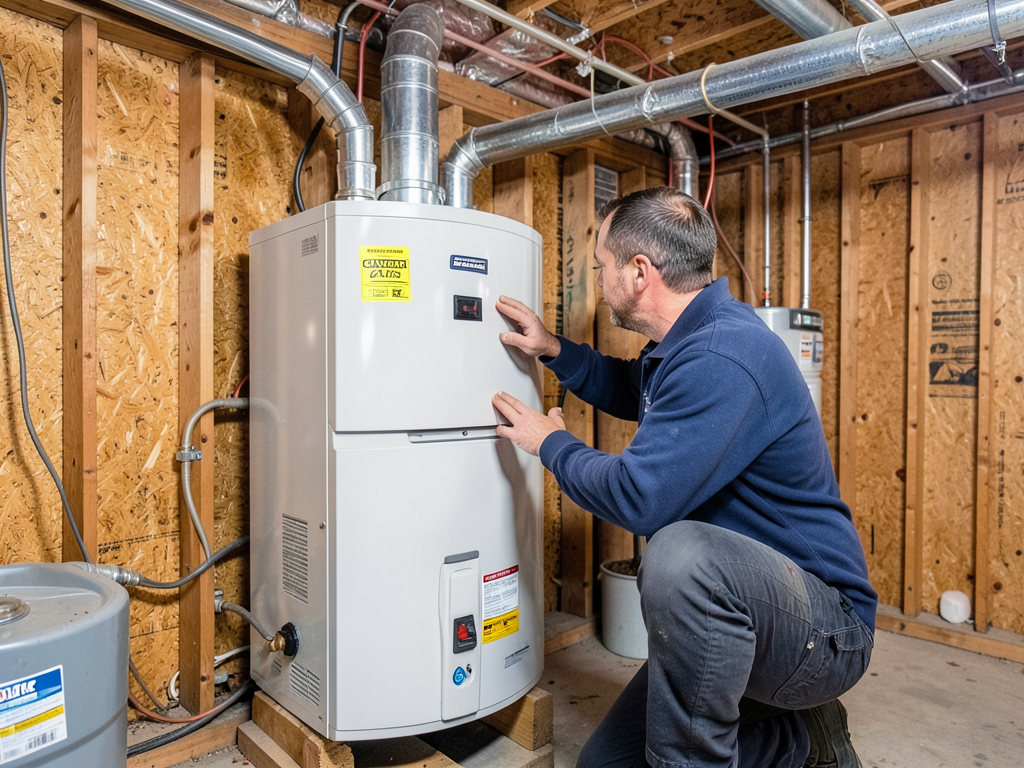
The Minneapolis plumbing code requires specific venting configurations for high-efficiency units. Tankless water heaters need Category III stainless steel venting to handle the acidic condensation produced during high-efficiency operation. This differs from the Type B venting used for standard tank models.
Pros and Cons Storage Tank vs Tankless
| Feature | Storage Tank | Tankless |
|---|---|---|
| Initial Cost | $800 – $1,500 | $1,500 – $3,000 |
| Installation Cost | $300 – $500 | $800 – $2,000 |
| Life Expectancy | 10 – 15 years | 20+ years |
| Energy Factor | 0.58 – 0.67 | 0.82 – 0.98 |
| Space Required | 5′ x 2′ x 2′ | 2′ x 2′ x 1′ |
| Hot Water Capacity | 40 – 80 gallons | Unlimited |
Storage tanks offer lower upfront costs and simpler installation. They work well for homes with consistent hot water needs and adequate space. The technology has remained largely unchanged for decades making repairs straightforward and parts readily available. Finding an AC Repair Team in Edina That Actually Shows Up on Time.
Tankless units provide endless hot water and compact size. They mount on walls freeing up floor space in tight Minneapolis basements. The longer lifespan means fewer replacements over time though the higher initial investment takes years to recoup through energy savings.
Hard water presents a significant challenge for tankless systems in Minneapolis. The Minnesota Pollution Control Agency reports Hennepin County water hardness ranges from 12 to 18 grains per gallon. This mineral content causes scale buildup inside tankless heat exchangers reducing efficiency by up to 30 percent annually without proper maintenance.. Read more about HVAC Maintenance Checklist for Landlords With Multi-Unit Properties in Marcy-Holmes.
Cost Analysis Upfront Investment vs Long-Term Savings
Initial costs for tankless water heaters run 50 to 100 percent higher than traditional tanks. A 50-gallon tank system including installation typically costs $1,100 to $2,000. Comparable tankless installation ranges from $2,300 to $5,000 depending on gas line requirements and venting modifications.
Operating costs differ significantly between the two technologies. A standard tank heating 50 gallons daily costs approximately $350 to $400 annually at current CenterPoint Energy rates. A tankless unit for the same usage drops to $250 to $300 per year. The difference grows for larger households using 80+ gallons daily.
Minneapolis residents can access utility rebates that improve the economics of high-efficiency upgrades. Xcel Energy offers $100 rebates for Energy Star certified tankless water heaters. CenterPoint Energy provides similar incentives for both tank and tankless models meeting efficiency thresholds. These rebates reduce the payback period by one to two years.
Maintenance costs also factor into long-term economics. Storage tanks require minimal maintenance beyond annual flushing to remove sediment. Tankless units need professional descaling every 12 to 24 months in Minneapolis due to hard water. This service costs $150 to $300 annually adding to the total ownership cost. Fast AC Service for North Loop Condos and Lofts.
Energy Star certification requires minimum efficiency ratings. For gas-fired tankless units this means an Energy Factor of 0.82 or higher. Storage tanks must achieve 0.58 for tanks under 55 gallons or 0.67 for larger models. These standards ensure you receive genuine efficiency improvements when upgrading.
Installation Requirements for Twin Cities Homes Venting and Gas Lines
Minneapolis building codes specify detailed requirements for water heater installations. The Minnesota State Building Code Chapter 1346 mandates proper venting materials pressure relief valves and seismic bracing for units over 40 gallons. Local amendments often exceed state minimums particularly for energy efficiency.
Tankless water heaters require dedicated gas lines typically 3/4 inch diameter for units over 150,000 BTU. Many Minneapolis homes built before 1980 have 1/2 inch gas lines insufficient for tankless demands. Upgrading the gas service adds $500 to $1,500 to installation costs.. Read more about Specialized HVAC Care for High End Homes in Linden Hills.
Venting presents another critical consideration. Tankless units produce acidic condensation requiring Category III stainless steel venting. This corrosion-resistant material costs three to four times more than standard B-vent used for tanks. The venting must terminate at least 3 feet from any operable window or door per Minneapolis Mechanical Code Section 503.
Electric tankless units eliminate gas line and venting concerns but require substantial electrical service. A whole-house electric tankless needs 120 to 200 amps at 240 volts. Many older Minneapolis homes have 100 amp service unable to support this load without panel upgrades costing $1,000 to $2,500.
<img decoding="async" src="
” alt=”Side-by-side comparison of traditional tank and tankless water heater dimensions for basement installation”>
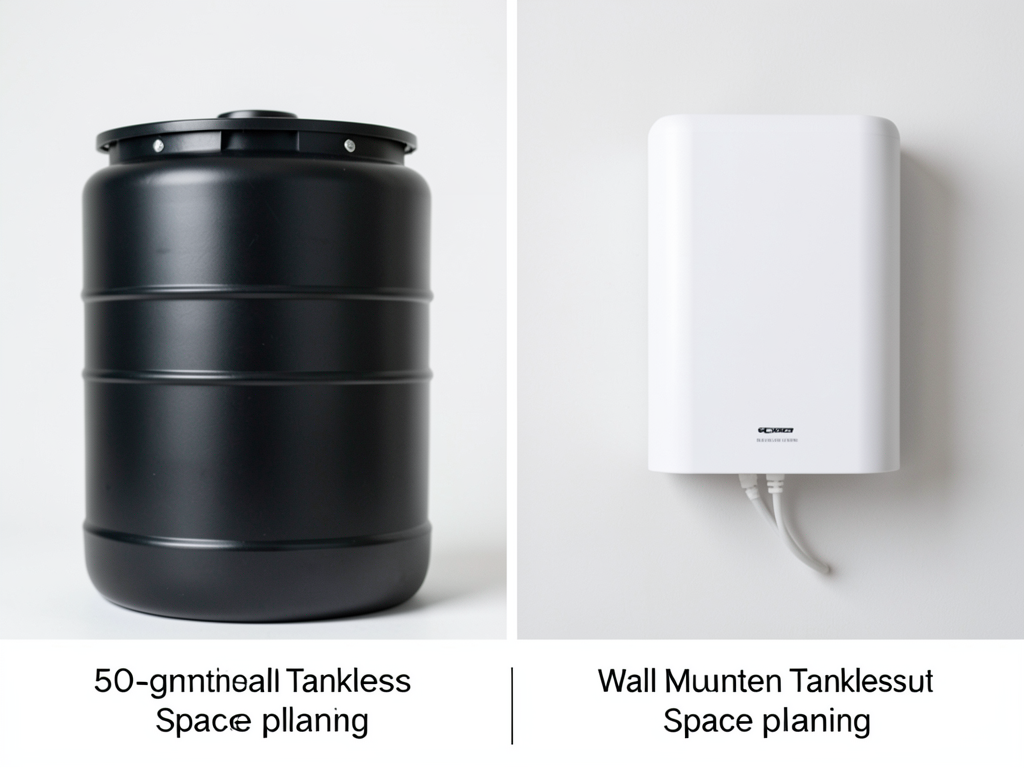
Space constraints affect installation choices in Southwest Minneapolis bungalows and Tudors. Traditional tanks fit in standard 24 inch wide closets. Tankless units mount on walls requiring only 4 to 6 inches of depth. This space saving proves valuable in homes near Minnehaha Creek where basements often serve as finished living areas.
Maintenance Needs Dealing with Minneapolis Hard Water
Minneapolis water contains high mineral content particularly calcium and magnesium. The Minneapolis Public Works reports water hardness averaging 15 grains per gallon across the city. This compares to 7 to 10 grains in many other regions making scale prevention critical for tankless longevity. City of Minneapolis water quality report.
Tankless heat exchangers develop scale deposits that insulate the water from the heating elements. This forces the unit to work harder increasing energy consumption and reducing hot water output. A 1/4 inch scale buildup can increase fuel consumption by 30 percent according to the American Society of Heating Refrigerating and Air Conditioning Engineers.
Annual descaling removes mineral deposits using food-grade acid solutions. The process takes 2 to 3 hours and requires specialized pumps and chemical handling equipment. Homeowners can perform basic maintenance but professional descaling ensures complete scale removal and system inspection.
Storage tanks also suffer from hard water but differently. Sediment collects at the tank bottom creating an insulating layer between the burner and water. This reduces efficiency and can cause popping noises during heating cycles. Annual tank flushing removes sediment extending the unit’s useful life by several years.
Anode rods protect tank interiors from corrosion. These magnesium or aluminum rods attract corrosive elements sacrificing themselves to protect the tank. Minneapolis water accelerates anode consumption requiring replacement every 2 to 3 years versus 4 to 5 years in softer water regions.
Temperature settings affect both scale formation and energy consumption. Setting tanks to 140 degrees Fahrenheit prevents legionella bacteria growth but accelerates scale formation. 120 degrees provides adequate hot water for most uses while reducing scaling and saving 10 to 15 percent on energy costs. Weak Airflow from Vents.
Verdict Which Should You Choose
Choose a traditional tank if you need the lowest upfront cost have adequate space and plan to stay in your home less than five years. Storage tanks work well for small households using less than 40 gallons daily. They provide reliable performance with minimal maintenance requirements.. Read more about How to Choose the Right Garage Heater for Your St. Louis Park Workshop.
Select a tankless unit if you value energy efficiency want endless hot water and can afford the higher initial investment. Tankless systems excel for families using 60+ gallons daily where the energy savings justify the added cost. They also suit homes where space is limited or multiple simultaneous hot water uses are common.
Consider your home’s specific characteristics when deciding. Houses built before 1950 often have smaller gas lines requiring upgrades for tankless installation. Properties near Minnehaha Creek or other flood-prone areas need flood-resistant installations regardless of water heater type.
Your expected tenure in the home affects the economics. The energy savings from a tankless unit take 6 to 10 years to offset the higher purchase price. If you plan to move within that timeframe the traditional tank provides better overall value despite higher operating costs.
Climate factors favor tankless units in Minneapolis despite the cold incoming water. The longer heating season means more months of energy savings. Additionally the compact size helps in homes where basement space serves as living area rather than just mechanical room.
Local utility rebates can tip the scales toward tankless installation. Combined Xcel Energy and CenterPoint Energy incentives often total $200 to $300 for qualified high-efficiency units. These rebates available through 2026 reduce the payback period making tankless more attractive for budget-conscious homeowners.
Call (651) 588-9677 today to schedule your inspection and get personalized recommendations for your Southwest Minneapolis home. Our technicians understand local building codes hard water challenges and the specific needs of Minneapolis households.
Frequently Asked Questions
How long do tankless water heaters last in Minneapolis?
Tankless water heaters typically last 20 to 25 years in Minneapolis when properly maintained. The hard water requires annual descaling which if neglected can reduce lifespan to 10 to 15 years. Storage tanks last 10 to 15 years regardless of water quality.
Can I install a tankless water heater myself?
Minnesota plumbing code requires licensed professionals for water heater installation. Tankless units involve gas lines high-voltage electricity and proper venting. DIY installation voids warranties creates safety hazards and fails to meet code requirements potentially affecting insurance coverage.
What size tankless water heater do I need for my home?
Size depends on simultaneous hot water needs and incoming water temperature. A typical Minneapolis home needs 150,000 to 200,000 BTU for one bathroom or 200,000 to 250,000 BTU for two bathrooms. Our technicians perform detailed load calculations considering your specific usage patterns.
Are tankless water heaters worth it in cold climates?
Yes tankless units work effectively in Minneapolis despite cold incoming water. While flow rates decrease slightly during winter the energy savings over a full heating season outweigh this limitation. Modern units include freeze protection and perform reliably even during polar vortex events.
How much can I save with a tankless water heater?
Tankless units save $50 to $150 annually on utility bills depending on household size and usage patterns. Minneapolis homes using 60+ gallons daily see the highest savings. Combined with utility rebates and longer lifespan tankless systems typically save $2,000 to $3,000 over 15 years.
You may also find this helpful. Navigating Federal Tax Credits and Utility Rebates for Your 2026 HVAC Upgrade.
Ready to upgrade your water heater? Call (651) 588-9677 now to speak with our Minneapolis water heating specialists. We provide free consultations honest recommendations and professional installation backed by our satisfaction guarantee. Don’t wait until your current unit fails pick up the phone and call (651) 588-9677 before the next cold snap hits.
{
“@context”: “https://schema.org”,
“@type”: “BlogPosting”,
“headline”: “Deciding Between a Tankless Water Heater and a Standard Tank for Your Southwest Minneapolis Home”,
“description”: “Compare tankless vs tank water heaters for Southwest Minneapolis homes. Learn about energy savings, installation requirements, and local rebates from Xcel Energy and CenterPoint Energy.”,
“wordCount”: 2181,
“datePublished”: “2026-03-17T12:47:00.000Z”,
“dateModified”: “2026-03-17T12:47:00.000Z”,
“inLanguage”: “en-US”,
“mainEntityOfPage”: {
“@type”: “WebPage”,
“@id”: “https://allprohvacminneapolis.com”
},
“publisher”: {
“@type”: “LocalBusiness”,
“name”: “All Pro HVAC Minneapolis”,
“url”: “https://allprohvacminneapolis.com”
},
“author”: {
“@type”: “Organization”,
“name”: “All Pro HVAC Minneapolis”,
“url”: “https://allprohvacminneapolis.com”
},
“image”: {
“@type”: “ImageObject”,
“url”: “https://allprohvacminneapolis.com/wp-content/uploads/2026/03/deciding-between-a-tankless-water-heater-and-a-sta-1.png”
}
}
{
“@context”: “https://schema.org”,
“@type”: “HVACBusiness”,
“name”: “All Pro HVAC Minneapolis”,
“url”: “https://allprohvacminneapolis.com”,
“address”: {
“@type”: “PostalAddress”,
“addressLocality”: “Minneapolis”
},
“areaServed”: {
“@type”: “City”,
“name”: “Minneapolis”
}
}
{
“@context”: “https://schema.org”,
“@type”: “FAQPage”,
“mainEntity”: [
{
“@type”: “Question”,
“name”: “How long do tankless water heaters last in Minneapolis?”,
“acceptedAnswer”: {
“@type”: “Answer”,
“text”: “Tankless water heaters typically last 20 to 25 years in Minneapolis when properly maintained. The hard water requires annual descaling which if neglected can reduce lifespan to 10 to 15 years. Storage tanks last 10 to 15 years regardless of water quality.”
}
},
{
“@type”: “Question”,
“name”: “Can I install a tankless water heater myself?”,
“acceptedAnswer”: {
“@type”: “Answer”,
“text”: “Minnesota plumbing code requires licensed professionals for water heater installation. Tankless units involve gas lines high-voltage electricity and proper venting. DIY installation voids warranties creates safety hazards and fails to meet code requirements potentially affecting insurance coverage.”
}
},
{
“@type”: “Question”,
“name”: “What size tankless water heater do I need for my home?”,
“acceptedAnswer”: {
“@type”: “Answer”,
“text”: “Size depends on simultaneous hot water needs and incoming water temperature. A typical Minneapolis home needs 150,000 to 200,000 BTU for one bathroom or 200,000 to 250,000 BTU for two bathrooms. Our technicians perform detailed load calculations considering your specific usage patterns.”
}
},
{
“@type”: “Question”,
“name”: “Are tankless water heaters worth it in cold climates?”,
“acceptedAnswer”: {
“@type”: “Answer”,
“text”: “Yes tankless units work effectively in Minneapolis despite cold incoming water. While flow rates decrease slightly during winter the energy savings over a full heating season outweigh this limitation. Modern units include freeze protection and perform reliably even during polar vortex events.”
}
},
{
“@type”: “Question”,
“name”: “How much can I save with a tankless water heater?”,
“acceptedAnswer”: {
“@type”: “Answer”,
“text”: “Tankless units save $50 to $150 annually on utility bills depending on household size and usage patterns. Minneapolis homes using 60+ gallons daily see the highest savings. Combined with utility rebates and longer lifespan tankless systems typically save $2,000 to $3,000 over 15 years.”
}
}
]
}
{
“@context”: “https://schema.org”,
“@type”: “BreadcrumbList”,
“itemListElement”: [
{
“@type”: “ListItem”,
“position”: 1,
“name”: “Home”,
“item”: “https://allprohvacminneapolis.com”
},
{
“@type”: “ListItem”,
“position”: 2,
“name”: “Blog”,
“item”: “https://allprohvacminneapolis.com/blog”
},
{
“@type”: “ListItem”,
“position”: 3,
“name”: “Deciding Between a Tankless Water Heater and a Standard Tank for Your Southwest Minneapolis Home”
}
]
}
{
“@context”: “https://schema.org”,
“@type”: “Service”,
“serviceType”: “HVAC”,
“provider”: {
“@type”: “LocalBusiness”,
“name”: “All Pro HVAC Minneapolis”,
“url”: “https://allprohvacminneapolis.com”
},
“areaServed”: {
“@type”: “City”,
“name”: “Minneapolis”
},
“description”: “Compare tankless vs tank water heaters for Southwest Minneapolis homes. Learn about energy savings, installation requirements, and local rebates from Xcel Energy and CenterPoint Energy.”
}