
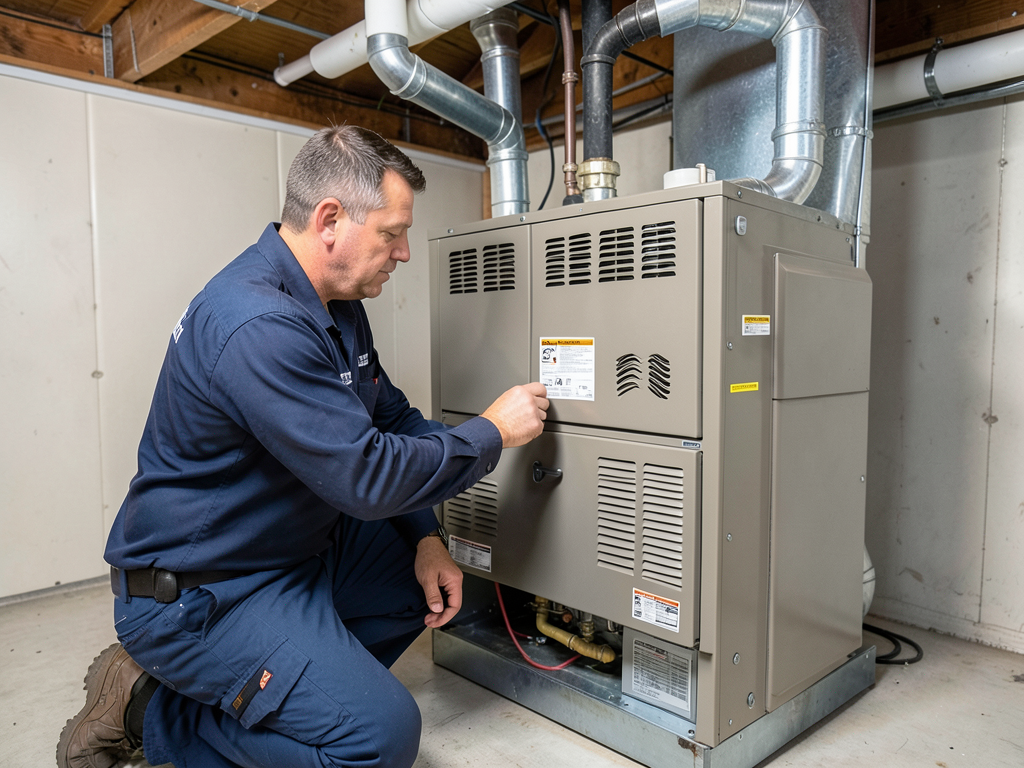
Why There Is a Puddle of Water Around Your Furnace in Diamond Lake
Finding water around your furnace can be alarming especially in Diamond Lake where many homes rely on high-efficiency heating systems. Water pooling near your furnace usually means a condensate drain issue but it could also signal a more serious problem. This guide will help you understand why it happens how to troubleshoot it and when to call a professional in Minneapolis. Minneapolis Stormwater Management.
Understanding Your Furnace Type
Before troubleshooting it helps to know what kind of furnace you have. High-efficiency condensing furnaces produce water as part of normal operation while standard furnaces should never leak water. How Much a New High Efficiency Furnace Really Costs in Minneapolis.
High-Efficiency Furnaces (90% AFUE or Higher)
These systems use a secondary heat exchanger to extract extra heat from combustion gases. The process creates cool exhaust and condensation that must drain through a condensate line. Common in newer Diamond Lake homes built after 2010 these units have PVC exhaust pipes and produce 1-2 gallons of water daily during heating season.
Standard Furnaces (80% AFUE or Lower)
Older models vent through metal chimneys and do not produce condensate. If you see water around a standard furnace it usually means a humidifier leak or an incorrectly installed AC coil during summer. These systems are common in Diamond Lake homes built before the 1990s.
Common Causes of Furnace Water Leaks
Water around your furnace can come from several sources. Here are the most common in Minneapolis homes.
Clogged Condensate Drain Line
Dirt algae and mineral buildup can block the narrow PVC drain pipe. When water cannot flow it backs up and spills onto the floor. This is the leading cause of leaks in high-efficiency furnaces during peak winter use.
Broken Condensate Pump
Many Diamond Lake basements require condensate pumps to move water from the furnace to a drain. If the pump motor fails or the float switch sticks water will overflow the pump reservoir. These pumps typically last 5-7 years in Minnesota’s hard water conditions.
Humidifier Leak
Whole-house humidifiers mounted on the furnace can leak if the water panel clogs or the feed line cracks. Aprilaire and Honeywell models are common in Minnesota homes. A failed solenoid valve can cause continuous water flow onto the furnace cabinet.
Secondary Heat Exchanger Crack
In rare cases a cracked secondary heat exchanger can cause internal condensation to leak externally. This requires immediate professional attention as it can also leak combustion gases. Homes in Diamond Lake with furnaces over 15 years old are most at risk.
AC Coil Drain Issues
If your AC coil sits above the furnace a clogged drain pan or cracked condensate line can send water down onto the furnace during summer. This is common when AC and furnace share the same closet space in townhomes.
DIY Troubleshooting Steps
Before calling a technician try these safe checks to identify the leak source.
Step 1: Turn Off the System
Switch the thermostat to “off” and turn the furnace power switch to “off.” This prevents electrical hazards and stops water production while you inspect. Weak Airflow from Vents.
Step 2: Check the Condensate Drain
Locate the white PVC drain pipe near the furnace base. Look for standing water in the trap or visible cracks. If the trap is dry pour water into it to test flow. No flow means a clog downstream.
Step 3: Inspect the Humidifier
Check the water panel for mineral buildup and ensure the feed line connections are tight. A damp area around the humidifier often indicates a slow leak that worsens over time.
Step 4: Look for External Vent Blockages
In freezing weather ice can block the PVC exhaust vent outside. This causes pressure switches to shut down the furnace but may also force water back into the drain system. Check that both intake and exhaust vents are clear of snow and ice.
Step 5: Examine the Condensate Pump
If you have a pump check the reservoir for water level. If it is full and the pump is not running the motor may be dead. Most pumps have a test button to verify operation.
Minneapolis-Specific Challenges
Diamond Lake and surrounding Minneapolis areas face unique conditions that affect furnace drainage.
Deep Frost Lines
Minneapolis building code requires exterior furnace vents to extend at least 12 inches above expected snow depth. With frost lines reaching 60 inches in extreme winters improper vent height can cause ice blockages that force water back into the home.
Hard Water Effects
Minnesota’s hard water accelerates mineral buildup in humidifier pads and condensate traps. Homes in Diamond Lake often need annual cleaning of these components to prevent premature clogging.
Combined Sewer Concerns
Some older Minneapolis neighborhoods including parts of Diamond Lake have combined storm and sanitary sewers. During heavy rain these systems can back up causing floor drains to overflow. A proper condensate drain should tie into a dedicated plumbing line not a floor drain.
Building Code Requirements
Minneapolis Mechanical Code Section 304.7 requires condensate from high-efficiency furnaces to discharge indirectly through an air gap or into a trapped floor drain. Direct connection to waste pipes is prohibited to prevent sewer gas entry.
When to Call a Professional
Some situations require immediate expert help to prevent damage or safety hazards.
Gas Odor Present
If you smell natural gas near the furnace shut off the gas valve and leave the home immediately. Call your gas utility from outside. Water leaks near gas components create explosion risks.
Electrical Components Wet
Water on the furnace control board or wiring can cause short circuits and fires. Do not attempt to dry these components yourself. Turn off power at the breaker and call a technician.
Persistent Leaks After Basic Fixes
If you have cleared the drain line and checked the humidifier but water continues to appear the issue may be internal. Secondary heat exchanger problems require specialized tools to diagnose.
System Not Heating
Many modern furnaces have safety switches that shut down operation when they detect water. If your furnace stops working in winter do not attempt to bypass safety controls. Call for emergency service. Fast AC Service for North Loop Condos and Lofts.
Preventing Future Leaks
Regular maintenance can prevent most water leak issues in Diamond Lake homes.
Annual Professional Cleaning
A technician should clean the condensate trap flush the drain line and test the pump each fall before heating season. This prevents the algae and mineral buildup that causes most clogs.
Install a Condensate Overflow Switch
This safety device shuts off the furnace if water reaches a certain level in the drain pan. It prevents basement flooding and water damage to flooring and walls.
Replace Humidifier Water Panels
Change the water panel annually in Aprilaire or Honeywell humidifiers. This prevents mineral scaling that can cause leaks and reduces strain on the solenoid valve.
Monitor Vent Clearance
After heavy snow check that exterior furnace vents remain clear. Use a broom not a shovel to avoid damaging the PVC pipes. Consider installing vent screens designed for Minnesota winters.
Cost Considerations in Minneapolis
Repair costs vary based on the problem and your furnace type. EPA Indoor Air Quality Guidelines.
| Problem | Typical Cost Range | DIY Difficulty |
|---|---|---|
| Clogged drain line cleaning | $150-$250 | Easy |
| Condensate pump replacement | $300-$500 | Moderate |
| Humidifier repair/replacement | $200-$600 | Moderate |
| Secondary heat exchanger inspection | $200-$400 | Professional only |
| Overflow safety switch install | $150-$250 | Professional |
Safety First
Water and HVAC equipment create serious hazards if mishandled.
Electrical Shock Risk
Never touch wet electrical components. Turn off power at the breaker before inspecting any internal parts.
Gas Leak Danger
Water can corrode gas line connections over time. If you notice corrosion or smell gas evacuate and call for professional help.
Structural Damage
Prolonged water exposure can damage wood flooring joists and drywall. Address leaks quickly to prevent mold growth and costly repairs. Finding an AC Repair Team in Edina That Actually Shows Up on Time.
Local Service Areas
We serve Diamond Lake and surrounding Minneapolis communities including:
- Bloomington
- Edina
- Richfield
- St. Louis Park
- Golden Valley
Frequently Asked Questions
Is a leaking furnace dangerous?
Water itself is not explosive but it can cause electrical shorts gas line corrosion and structural damage. Any gas odor requires immediate evacuation.
How much water should a high-efficiency furnace produce?
During normal operation expect 1-2 gallons per day in cold weather. This condensate should drain continuously not pool around the unit.
Can I use drain cleaner in the condensate line?
No. Chemical drain cleaners can damage PVC pipes and create hazardous fumes when the furnace operates. Use only approved condensate line cleaners or compressed air.
How often should I clean the condensate drain?
Annual cleaning before heating season prevents most clogs. Homes with very hard water may need twice-yearly maintenance.
Will my homeowner’s insurance cover water damage from a furnace leak?
Most policies cover sudden accidental discharge but not damage from neglected maintenance. Document the issue and contact your insurer promptly if damage occurs.
Get Professional Help
Water around your furnace needs quick attention to prevent damage and ensure safe operation. Our Minneapolis technicians understand the specific challenges Diamond Lake homes face with condensate drainage and hard water buildup.
Call (651) 588-9677 today to schedule your inspection. We offer 24/7 emergency service for urgent furnace water leaks and can often diagnose and repair the issue in a single visit.
Don’t wait until a small leak becomes a major problem. Pick up the phone and call (651) 588-9677 before the next cold snap hits.
You may also find this helpful. A First-Time Homeowner Guide to the Mechanical Room in Your New Bryn Mawr House.
You may also find this helpful. Why Your AC Coils Are Frozen Even When It Is 90 Degrees in Hiawatha.
You may also find this helpful. What Every Tangletown Family Needs to Know About Carbon Monoxide and Older Furnaces.
{
“@context”: “https://schema.org”,
“@type”: “BlogPosting”,
“headline”: “Why There Is a Puddle of Water Around Your Furnace in Diamond Lake”,
“description”: “Water pooling around your furnace is a common issue in Diamond Lake homes. Learn the causes, safety risks, and when to call a Minneapolis HVAC expert.”,
“wordCount”: 1585,
“datePublished”: “2026-05-07T14:54:00.000Z”,
“dateModified”: “2026-05-07T14:54:00.000Z”,
“inLanguage”: “en-US”,
“mainEntityOfPage”: {
“@type”: “WebPage”,
“@id”: “https://allprohvacminneapolis.com”
},
“publisher”: {
“@type”: “LocalBusiness”,
“name”: “All Pro HVAC Minneapolis”,
“url”: “https://allprohvacminneapolis.com”
},
“author”: {
“@type”: “Organization”,
“name”: “All Pro HVAC Minneapolis”,
“url”: “https://allprohvacminneapolis.com”
},
“image”: {
“@type”: “ImageObject”,
“url”: “https://allprohvacminneapolis.com/wp-content/uploads/2026/03/why-there-is-a-puddle-of-water-around-your-furnace-1.png”
}
}
{
“@context”: “https://schema.org”,
“@type”: “HVACBusiness”,
“name”: “All Pro HVAC Minneapolis”,
“url”: “https://allprohvacminneapolis.com”,
“address”: {
“@type”: “PostalAddress”,
“addressLocality”: “Minneapolis”
},
“areaServed”: {
“@type”: “City”,
“name”: “Minneapolis”
}
}
{
“@context”: “https://schema.org”,
“@type”: “FAQPage”,
“mainEntity”: [
{
“@type”: “Question”,
“name”: “Is a leaking furnace dangerous?”,
“acceptedAnswer”: {
“@type”: “Answer”,
“text”: “Water itself is not explosive but it can cause electrical shorts gas line corrosion and structural damage. Any gas odor requires immediate evacuation.”
}
},
{
“@type”: “Question”,
“name”: “How much water should a high-efficiency furnace produce?”,
“acceptedAnswer”: {
“@type”: “Answer”,
“text”: “During normal operation expect 1-2 gallons per day in cold weather. This condensate should drain continuously not pool around the unit.”
}
},
{
“@type”: “Question”,
“name”: “Can I use drain cleaner in the condensate line?”,
“acceptedAnswer”: {
“@type”: “Answer”,
“text”: “No. Chemical drain cleaners can damage PVC pipes and create hazardous fumes when the furnace operates. Use only approved condensate line cleaners or compressed air.”
}
},
{
“@type”: “Question”,
“name”: “How often should I clean the condensate drain?”,
“acceptedAnswer”: {
“@type”: “Answer”,
“text”: “Annual cleaning before heating season prevents most clogs. Homes with very hard water may need twice-yearly maintenance.”
}
},
{
“@type”: “Question”,
“name”: “Will my homeowner’s insurance cover water damage from a furnace leak?”,
“acceptedAnswer”: {
“@type”: “Answer”,
“text”: “Most policies cover sudden accidental discharge but not damage from neglected maintenance. Document the issue and contact your insurer promptly if damage occurs.”
}
}
]
}
{
“@context”: “https://schema.org”,
“@type”: “BreadcrumbList”,
“itemListElement”: [
{
“@type”: “ListItem”,
“position”: 1,
“name”: “Home”,
“item”: “https://allprohvacminneapolis.com”
},
{
“@type”: “ListItem”,
“position”: 2,
“name”: “Blog”,
“item”: “https://allprohvacminneapolis.com/blog”
},
{
“@type”: “ListItem”,
“position”: 3,
“name”: “Why There Is a Puddle of Water Around Your Furnace in Diamond Lake”
}
]
}
{
“@context”: “https://schema.org”,
“@type”: “Service”,
“serviceType”: “HVAC”,
“provider”: {
“@type”: “LocalBusiness”,
“name”: “All Pro HVAC Minneapolis”,
“url”: “https://allprohvacminneapolis.com”
},
“areaServed”: {
“@type”: “City”,
“name”: “Minneapolis”
},
“description”: “Water pooling around your furnace is a common issue in Diamond Lake homes. Learn the causes, safety risks, and when to call a Minneapolis HVAC expert.”
}