
Why Large Open Concept Modern Farmhouses in Victoria Often Have Cold Spots
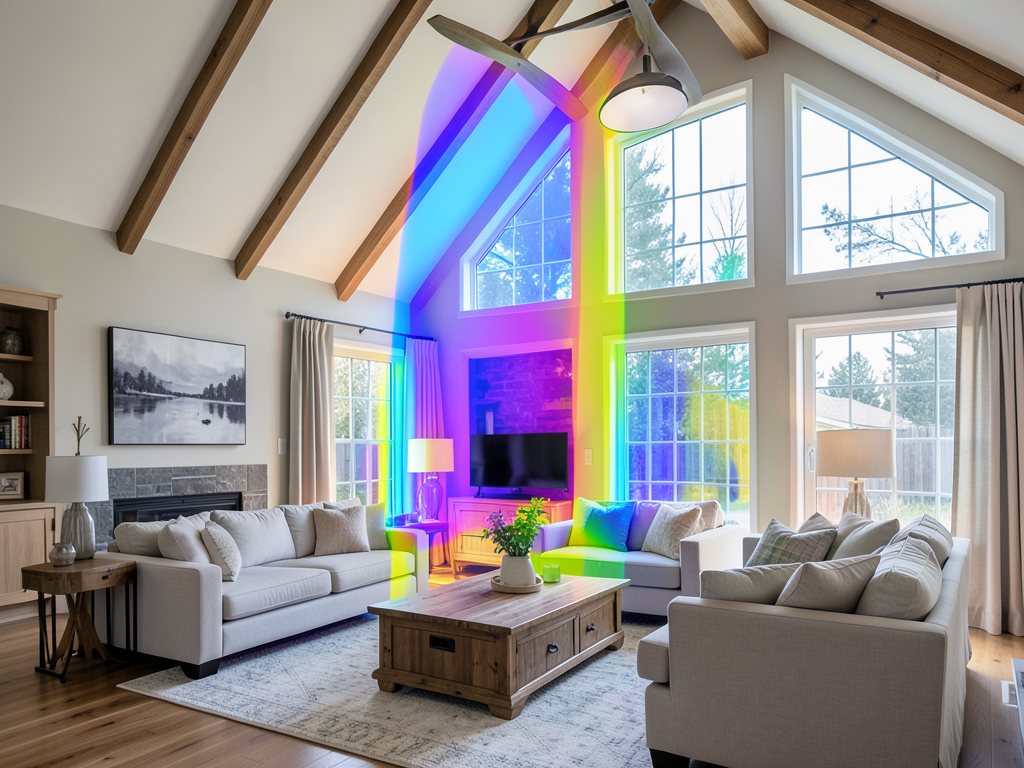
Open concept modern farmhouses in Victoria look stunning with their high ceilings and flowing spaces but they often come with a hidden problem. Cold spots. These beautiful homes lose heat quickly because large open areas allow warm air to rise and escape before it can circulate properly. The vaulted ceilings and floor-to-ceiling windows common in Victoria modern farmhouses create perfect conditions for uneven temperatures that leave you shivering in some spots while others stay warm.
The problem gets worse during Minneapolis winters when temperatures drop below zero. Your HVAC system works harder but still cannot overcome the physics of heat loss in these expansive spaces. Understanding why these cold spots happen is the first step to fixing them. Minneapolis Building Code.
The Science Behind Cold Spots in Open Concept Homes
Heat moves from warm areas to cold areas through three main methods. Conduction happens when heat travels through solid materials like walls and windows. Convection occurs when warm air rises and cool air sinks creating air currents. Radiation sends heat through space like sunlight warming your skin.
In open concept modern farmhouses these processes work against you. Warm air rises to the high ceilings where it cannot benefit anyone standing below. Large windows let heat escape through conduction especially when outdoor temperatures plummet. The open layout prevents natural air circulation from warming the entire space evenly. Weak Airflow from Vents.
Thermal stratification becomes a major issue in homes with twenty-foot ceilings. The temperature difference between floor level and ceiling level can be ten to fifteen degrees. That means your thermostat reads one temperature but your feet feel much colder.
Common Design Features That Create Cold Spots
Modern farmhouses in Victoria share several design elements that contribute to heating problems. High vaulted ceilings look impressive but create massive volumes of air that need heating. A room with twenty-foot ceilings has four times the air volume of a room with standard eight-foot ceilings.
Floor-to-ceiling windows bring in natural light but also massive heat loss. Standard double-pane windows have an R-value around 2.5 while a typical wall has an R-value of 13 to 19. That means windows lose heat five to seven times faster than walls.
Open floor plans eliminate walls that would normally help contain and direct warm air. Without barriers warm air moves freely but also escapes quickly through any opening. The lack of defined rooms means your HVAC system cannot target specific areas effectively.
Hard surface flooring like wood or tile feels cold underfoot because it conducts heat away from your body. Carpeting would insulate your feet but modern farmhouse aesthetics typically avoid wall-to-wall carpet.
Minneapolis Building Code Requirements for Open Concept Homes
The Minneapolis Mechanical and Fuel Gas Code Section 1303 requires specific heating system sizing for homes based on heat loss calculations. For open concept homes these calculations must account for the increased volume and window area.
Minnesota State Building Code Chapter 1322 mandates minimum insulation levels for new construction. Walls must have R-20 insulation and ceilings need R-49 in most climate zones. However even proper insulation cannot overcome the fundamental heat loss in large open spaces. Switching to a Cold Climate Heat Pump in Minnesota (Is It Worth It?).
The International Energy Conservation Code requires specific air infiltration rates for new homes. Open concept designs often struggle to meet these requirements because large open spaces allow more air movement and heat escape. Energy Efficiency Standards.
Top Solutions for Heating Open Concept Modern Farmhouses
Zone Control Systems offer the most effective solution for open concept homes. These systems divide your home into separate heating zones with independent thermostats. You can direct more heat to problem areas without overheating the entire house.
Smart thermostats with remote sensors solve the problem of misleading temperature readings. A thermostat placed near a window or in a warm spot does not represent the true comfort level throughout your home. Remote sensors placed in different areas give you accurate readings from multiple locations.
Ceiling fans help redistribute warm air that rises to the ceiling. Running fans clockwise on low speed in winter pushes warm air down along walls and into living spaces. This simple adjustment can make a five-degree difference in floor-level temperatures.. Read more about Why Variable Speed Furnaces Are the Best Choice for Large Woodbury Homes.
Supplemental heating options include electric fireplaces electric baseboards or ductless mini-split systems. These provide targeted heat for cold spots without running your main system at full capacity all the time.
Radiant floor heating works exceptionally well in open concept homes. Since heat rises from the floor it naturally warms the occupied space first. Electric or hydronic radiant systems can be installed under tile wood or even concrete floors.. Read more about Protecting Your Hardwood Floors from Winter Cracks with Precise Humidity Control.
Proper HVAC Sizing for Large Open Spaces
Standard HVAC sizing methods underestimate the heating needs of open concept homes. A typical bedroom needs about thirty BTUs per square foot but open concept great rooms need fifty to sixty BTUs per square foot due to the increased volume.
Manual J calculations must include ceiling height multipliers. For every additional foot above eight feet you need to increase the heating load by fifteen percent. A room with twelve-foot ceilings needs about sixty percent more heating capacity than a room with eight-foot ceilings.
Window orientation affects heating calculations significantly. South-facing windows gain heat from sunlight during the day but still lose heat at night. North-facing windows lose heat constantly. Large window walls can add thousands of BTUs of heat loss that standard calculations miss. Fast AC Service for North Loop Condos and Lofts.
Air changes per hour become critical in open concept homes. The more open space you have the more air circulation you need to maintain even temperatures. Standard HVAC systems often provide insufficient air movement for large open areas.
Strategic Vent and Return Placement
Traditional HVAC design places supply vents near outside walls and returns near inside walls. This works well in compartmentalized homes but fails in open concept layouts where there are no inside walls to use.
Supply vents should be placed to create air circulation patterns that cover the entire space. This often means installing more vents than standard designs would suggest. Ceiling diffusers work better than floor vents in rooms with high ceilings.
Return air placement becomes critical in open concept homes. Without proper returns air becomes trapped in certain areas creating pressure imbalances. Multiple return vents placed strategically ensure proper air circulation throughout the space.
Floor registers in open concept homes should be larger than standard sizes to move more air. A fifteen by twenty-inch register moves twice as much air as a standard four by ten-inch register.
Insulation and Air Sealing Strategies
Beyond minimum code requirements additional insulation in key areas makes a significant difference. Attic insulation becomes even more important in homes with high ceilings since heat rises through the ceiling into the attic.
Window quality dramatically affects heating performance. Triple-pane windows with low-E coatings can cut heat loss by seventy percent compared to standard double-pane windows. The investment pays off quickly in heating bill savings.
Air sealing prevents drafts that make rooms feel colder than they actually are. Even small gaps around windows doors and electrical outlets add up to significant heat loss. A blower door test can identify air leaks that need sealing.
Thermal bridging occurs where structural elements create direct paths for heat loss. Advanced framing techniques and continuous insulation help minimize these losses in modern construction.
Energy Recovery Ventilators for Open Concept Homes
Energy Recovery Ventilators or ERVs provide fresh air without heat loss. These systems capture heat from outgoing stale air and transfer it to incoming fresh air. In open concept homes where air circulation is already a challenge ERVs maintain air quality without wasting energy.
ERVs become essential when you add supplemental heating like gas fireplaces or wood stoves. These heat sources create air quality issues that standard HVAC filters cannot handle. ERVs provide the ventilation needed while recovering most of the heat.
Modern ERVs include HEPA filtration that removes allergens and particulates. This improves indoor air quality in large open spaces where air movement can spread contaminants throughout the home.
Smart Home Integration for Comfort Control
Smart home systems integrate multiple heating sources for optimal comfort. You can program different zones to activate based on occupancy time of day and outdoor temperature. This prevents heating empty rooms while ensuring occupied spaces stay comfortable.
Learning thermostats adapt to your schedule and preferences over time. They learn which areas get cold first and adjust heating cycles accordingly. Some systems can even predict when you will arrive home and start heating problem areas early.
Voice control integration allows quick adjustments when you notice a cold spot. Instead of walking to a thermostat you can say adjust the temperature in the living room by five degrees.
Remote monitoring through smartphone apps lets you check temperatures in different zones when you are away. You can activate supplemental heating before you return home ensuring comfort when you arrive.
Cost-Benefit Analysis of Different Solutions
Zone control systems cost between three thousand to eight thousand dollars installed depending on your home’s existing ductwork. The investment typically pays for itself within three to five years through energy savings and improved comfort.
Smart thermostats cost two hundred to five hundred dollars but offer immediate benefits. The energy savings alone justify the cost within one heating season especially in homes with comfort issues.
Radiant floor heating costs ten to twenty dollars per square foot installed. While expensive upfront it provides the most comfortable heating solution for open concept homes and can reduce overall heating costs by fifteen to twenty percent.
Supplemental electric heating costs less to install but more to operate. Baseboard heaters cost three hundred to five hundred dollars per room installed but can add five hundred to one thousand dollars to your annual electric bill.
Local Case Study: Solving Cold Spots in a Victoria Modern Farmhouse
A recent project in Victoria involved a three thousand square foot modern farmhouse with twenty-foot ceilings and a wall of floor-to-ceiling windows. The homeowners complained of cold spots especially near the large windows and in the dining area.
Our diagnostic testing revealed temperature variations of fifteen degrees across the main living area. The existing single-zone system could not overcome the heat loss through the window wall and the high ceiling created severe thermal stratification.
We installed a zone control system with three independent zones. The window wall area got its own zone with supplemental electric radiant panels. We added a smart thermostat with remote sensors in the coldest areas. Ceiling fans with reversible motors helped redistribute warm air.
The result was uniform temperatures within three degrees throughout the space and twenty percent reduction in heating costs. The homeowners reported the house felt warmer even though the thermostat setting stayed the same.
Maintenance Tips for Optimal Performance
Regular HVAC maintenance becomes even more important in open concept homes. Dirty filters restrict airflow and make uneven heating worse. Replace filters every one to three months depending on your home’s dust levels.
Annual professional tune-ups ensure your system operates at peak efficiency. A technician can check for airflow problems duct leaks and thermostat calibration issues that affect comfort. How Much a New High Efficiency Furnace Really Costs in Minneapolis.
Keep ceiling fans clean and properly balanced. Dirty fan blades reduce efficiency and unbalanced fans can damage motor bearings over time.
Check window seals annually for gaps that develop over time. Even small gaps let cold air in and warm air out. Replace weatherstripping as needed to maintain airtight seals.
Monitor your energy bills for unexpected increases. A sudden spike might indicate a developing problem with your heating system or home envelope.
Future Trends in Open Concept Heating
Heat pump technology continues to improve for cold climates. Modern cold-climate heat pumps can extract heat from outdoor air at temperatures as low as negative fifteen degrees Fahrenheit. This makes them viable primary heating sources even in Minneapolis.
Hybrid systems combine heat pumps with gas furnaces for optimal efficiency. The heat pump handles most heating needs while the gas furnace provides backup during extreme cold. This combination can cut heating costs by thirty percent compared to gas-only systems.
Smart zoning is becoming more sophisticated with AI learning algorithms. These systems predict heating needs based on weather forecasts occupancy patterns and even individual preferences for different rooms.
Building envelope improvements continue to advance. Better windows better insulation and more airtight construction reduce the heating load making it easier to maintain even temperatures in open concept homes.
Radiant heating technology is expanding beyond floors. Radiant ceiling panels and even transparent window films that generate heat from sunlight are entering the market.
Frequently Asked Questions
Why do open concept homes feel colder than traditional homes?
Open concept homes lose heat faster because they have more air volume and fewer barriers to contain warm air. The high ceilings allow warm air to rise away from living spaces and large windows create significant heat loss points.
How much more does it cost to heat an open concept home?
Open concept homes typically cost twenty to thirty percent more to heat than traditional compartmentalized homes of the same square footage. The increased air volume high ceilings and large windows all contribute to higher heating costs.
Can ceiling fans really help with heating?
Yes ceiling fans on reverse setting push warm air that rises to the ceiling back down along walls and into living spaces. This simple adjustment can make a five to ten degree difference in floor-level temperatures.
What is the best type of heating for open concept homes?
Zone control systems with smart thermostats provide the best solution for open concept homes. They allow targeted heating of problem areas while maintaining overall efficiency. Radiant floor heating also works exceptionally well for even heat distribution.
How do I know if my HVAC system is properly sized for my open concept home?
A professional Manual J calculation that accounts for ceiling height window area and air changes per hour will determine proper sizing. If your system struggles to maintain even temperatures or runs constantly it may be undersized for your space.
Get Professional Help for Your Open Concept Heating Problems
Open concept modern farmhouses offer beautiful living spaces but they require specialized heating solutions to stay comfortable during Minneapolis winters. The combination of high ceilings large windows and open layouts creates unique challenges that standard HVAC systems cannot overcome.
If you are experiencing cold spots in your Victoria modern farmhouse we can help. Our team understands the specific heating needs of open concept homes and we offer solutions from simple thermostat upgrades to complete zone control system installations.
Call (651) 588-9677 today to schedule your comfort assessment. We will diagnose your specific heating problems and recommend solutions that fit your home and budget. Do not spend another winter shivering in your beautiful open concept space.
Pick up the phone and call (651) 588-9677 before the next cold snap hits. Your comfort is too important to leave to chance and our team has the expertise to solve even the toughest heating challenges in open concept modern farmhouses.
{
“@context”: “https://schema.org”,
“@type”: “BlogPosting”,
“headline”: “Why Large Open Concept Modern Farmhouses in Victoria Often Have Cold Spots”,
“description”: “Discover why Victoria’s modern farmhouses suffer from cold spots and learn proven solutions for comfortable heating in large open spaces.”,
“wordCount”: 2527,
“datePublished”: “2026-05-31T12:03:00.000Z”,
“dateModified”: “2026-05-31T12:03:00.000Z”,
“inLanguage”: “en-US”,
“mainEntityOfPage”: {
“@type”: “WebPage”,
“@id”: “https://allprohvacminneapolis.com”
},
“publisher”: {
“@type”: “LocalBusiness”,
“name”: “All Pro HVAC Minneapolis”,
“url”: “https://allprohvacminneapolis.com”
},
“author”: {
“@type”: “Organization”,
“name”: “All Pro HVAC Minneapolis”,
“url”: “https://allprohvacminneapolis.com”
},
“image”: {
“@type”: “ImageObject”,
“url”: “https://allprohvacminneapolis.com/wp-content/uploads/2026/03/why-large-open-concept-modern-farmhouses-in-victor-1.png”
}
}
{
“@context”: “https://schema.org”,
“@type”: “HVACBusiness”,
“name”: “All Pro HVAC Minneapolis”,
“url”: “https://allprohvacminneapolis.com”,
“address”: {
“@type”: “PostalAddress”,
“addressLocality”: “Minneapolis”
},
“areaServed”: {
“@type”: “City”,
“name”: “Minneapolis”
}
}
{
“@context”: “https://schema.org”,
“@type”: “FAQPage”,
“mainEntity”: [
{
“@type”: “Question”,
“name”: “Why do open concept homes feel colder than traditional homes?”,
“acceptedAnswer”: {
“@type”: “Answer”,
“text”: “Open concept homes lose heat faster because they have more air volume and fewer barriers to contain warm air. The high ceilings allow warm air to rise away from living spaces and large windows create significant heat loss points.”
}
},
{
“@type”: “Question”,
“name”: “How much more does it cost to heat an open concept home?”,
“acceptedAnswer”: {
“@type”: “Answer”,
“text”: “Open concept homes typically cost twenty to thirty percent more to heat than traditional compartmentalized homes of the same square footage. The increased air volume high ceilings and large windows all contribute to higher heating costs.”
}
},
{
“@type”: “Question”,
“name”: “Can ceiling fans really help with heating?”,
“acceptedAnswer”: {
“@type”: “Answer”,
“text”: “Yes ceiling fans on reverse setting push warm air that rises to the ceiling back down along walls and into living spaces. This simple adjustment can make a five to ten degree difference in floor-level temperatures.”
}
},
{
“@type”: “Question”,
“name”: “What is the best type of heating for open concept homes?”,
“acceptedAnswer”: {
“@type”: “Answer”,
“text”: “Zone control systems with smart thermostats provide the best solution for open concept homes. They allow targeted heating of problem areas while maintaining overall efficiency. Radiant floor heating also works exceptionally well for even heat distribution.”
}
},
{
“@type”: “Question”,
“name”: “How do I know if my HVAC system is properly sized for my open concept home?”,
“acceptedAnswer”: {
“@type”: “Answer”,
“text”: “A professional Manual J calculation that accounts for ceiling height window area and air changes per hour will determine proper sizing. If your system struggles to maintain even temperatures or runs constantly it may be undersized for your space.”
}
}
]
}
{
“@context”: “https://schema.org”,
“@type”: “BreadcrumbList”,
“itemListElement”: [
{
“@type”: “ListItem”,
“position”: 1,
“name”: “Home”,
“item”: “https://allprohvacminneapolis.com”
},
{
“@type”: “ListItem”,
“position”: 2,
“name”: “Blog”,
“item”: “https://allprohvacminneapolis.com/blog”
},
{
“@type”: “ListItem”,
“position”: 3,
“name”: “Why Large Open Concept Modern Farmhouses in Victoria Often Have Cold Spots”
}
]
}
{
“@context”: “https://schema.org”,
“@type”: “Service”,
“serviceType”: “HVAC”,
“provider”: {
“@type”: “LocalBusiness”,
“name”: “All Pro HVAC Minneapolis”,
“url”: “https://allprohvacminneapolis.com”
},
“areaServed”: {
“@type”: “City”,
“name”: “Minneapolis”
},
“description”: “Discover why Victoria’s modern farmhouses suffer from cold spots and learn proven solutions for comfortable heating in large open spaces.”
}