
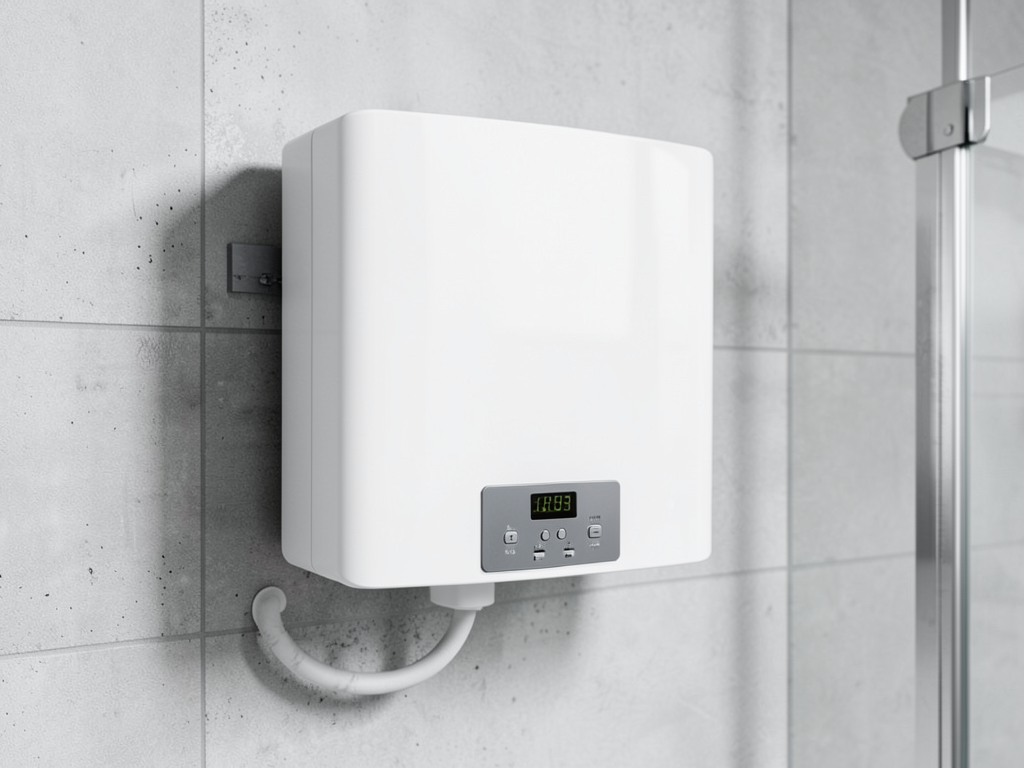
Why a Wall Mounted Heater is the Best Solution for Cold Bathrooms in Champlin
Living in Champlin means dealing with Minnesota winters where bathroom floors can feel like ice rinks. A wall mounted heater offers the perfect balance of comfort, safety, and efficiency for your bathroom space. These units provide instant warmth exactly where you need it without taking up valuable floor space or creating trip hazards. How Much a New High Efficiency Furnace Really Costs in Minneapolis.
Wall mounted heaters work exceptionally well in Champlin homes because they mount directly to your wall and plug into standard outlets. You get targeted heat that warms up in minutes, making those early morning routines much more comfortable. The compact design fits perfectly in small bathroom spaces while still delivering enough power to chase away the chill.
Modern wall mounted heaters come with built-in safety features like overheat protection and cool-touch exteriors. This matters in bathrooms where moisture and electricity meet. You can install these units near your vanity or above the toilet without worrying about water splashes or curious kids touching hot surfaces.
Benefits of Wall Mounted Bathroom Heaters in Champlin
Champlin’s cold climate makes bathroom comfort a priority during winter months. Wall mounted heaters solve several problems that other heating options can’t address effectively. Switching to a Cold Climate Heat Pump in Minnesota (Is It Worth It?).
Space efficiency stands out as the biggest advantage. Your bathroom likely has limited floor space already, and adding a freestanding heater just creates clutter. Wall units stay mounted up and out of the way while still providing powerful heat output. This matters in Champlin where many homes have smaller bathrooms typical of suburban construction from the 1980s and 1990s.
Quick heating response makes wall mounted units perfect for bathrooms. You don’t need to run them all day wasting energy. Just turn on the heater when you enter the bathroom and feel warmth within 2-3 minutes. This on-demand heating saves money compared to keeping a central vent open all winter.
Installation flexibility allows you to place heat exactly where you need it. Mount units near the shower to warm up after bathing or by the vanity for comfortable grooming. You can even install multiple smaller units if your bathroom has cold spots from exterior walls or poor insulation.
Types of Wall Mounted Bathroom Heaters Available
Several wall mounted heater technologies work well in bathroom settings. Each has different benefits depending on your specific needs and bathroom layout.
Electric convection heaters represent the most common choice for bathrooms. These units draw cool air from the bottom, heat it with electric coils, and release warm air from the top. The continuous air circulation helps eliminate cold spots and prevents moisture buildup on walls. Most models include adjustable thermostats and timers for customized comfort.
Infrared radiant heaters provide instant heat by warming objects and people directly rather than heating the air. These units feel warmer immediately because they emit heat similar to sunlight. They work great for quick warm-ups but don’t provide the same air circulation benefits as convection models.
Combination heater-fan-light units offer three functions in one fixture. These all-in-one solutions mount in the ceiling but have wall controls. They provide heating, ventilation, and lighting without multiple installations. The fan helps remove moisture during showers while the heater warms the space.
Micathermic heaters use a mineral called mica to distribute heat more evenly than standard electric coils. These units heat up faster and run quieter than traditional convection heaters. The thin profile works well in bathrooms where wall space comes at a premium.
Safety Considerations for Bathroom Heater Installation
Safety must be your top priority when installing any electrical device in a bathroom. Minnesota building codes have specific requirements for bathroom heating equipment that protect you and your family.
Ground Fault Circuit Interrupter (GFCI) protection is mandatory for all bathroom outlets and hardwired heating units. This safety device cuts power instantly if it detects electrical current flowing through water or a person. Without GFCI protection, you risk electric shock every time you use the bathroom.
Clearance requirements matter significantly in bathroom installations. Most building codes require at least 24 inches of clearance from water sources like showers, tubs, and sinks. This prevents accidental water contact with the heating element. Measure carefully before mounting any unit.
Moisture resistance ratings indicate how well a heater handles bathroom humidity. Look for units with IP ratings of at least IP21, which means they resist dripping water. Higher ratings like IP24 protect against splashing from any direction, perfect for areas near showers.
Proper wiring and circuit capacity prevent overheating and fire hazards. Bathroom heaters draw significant power, often 1500 watts or more. Make sure your electrical circuit can handle the load without tripping breakers. Dedicated circuits for bathroom heating units provide the safest operation.
Installation Process and Best Practices
Installing a wall mounted bathroom heater requires careful planning and proper technique. While some homeowners tackle this as a DIY project, professional installation ensures safety and code compliance.
Location selection impacts both comfort and safety. Choose interior walls when possible since exterior walls can be cold and may have insulation issues. Avoid mounting directly above electrical outlets or light switches. The ideal height places the unit at eye level when standing, typically 5-6 feet from the floor.
Stud finding becomes crucial for secure mounting. Bathroom walls often contain plumbing and electrical lines, so use a stud finder carefully. Mark stud locations with a pencil, not a marker that could bleed through paint. Toggle bolts work for hollow walls, but screwing directly into studs provides the most secure mounting. Finding an AC Repair Team in Edina That Actually Shows Up on Time.
Electrical preparation requires turning off power at the breaker before starting any work. Test wires with a voltage tester even after switching off breakers. Run new wiring if your existing circuit lacks capacity. Use 12 or 14 gauge wire depending on the heater’s amperage requirements. EPA bathroom ventilation guidelines.
Mounting hardware typically comes with the heater, but check that it’s appropriate for your wall type. Toggle bolts work for drywall, while masonry walls need concrete anchors. Level the mounting bracket carefully since an uneven heater looks unprofessional and may not seal properly against the wall.
Energy Efficiency and Operating Costs
Understanding energy usage helps you budget for winter heating costs in Champlin. Wall mounted bathroom heaters are generally cost-effective when used properly.
Most bathroom heaters operate at 1000 to 1500 watts on high settings. At Minnesota’s average electricity rate of about 14 cents per kilowatt-hour, running a 1500-watt heater for one hour costs approximately 21 cents. Using the heater for 30 minutes daily during the winter months adds about $10 to your monthly electric bill.
Thermostat controls significantly impact operating costs. Units with built-in thermostats cycle on and off to maintain your set temperature rather than running continuously. This can reduce energy usage by 30-40% compared to manual on/off operation.
Timer functions help manage costs by automatically shutting off the heater after a set period. Program the timer for your typical bathroom usage patterns. For example, set it to run for 45 minutes in the morning and 30 minutes in the evening if those are your primary bathroom times.
Zone heating strategy maximizes efficiency. Instead of heating your entire home to keep one bathroom warm, use the wall mounted heater only when needed. This targeted approach can lower your overall heating costs while maintaining comfort where you need it most.
Maintenance and Troubleshooting Tips
Proper maintenance keeps your wall mounted bathroom heater running safely and efficiently for years. Regular care prevents most common problems and extends the unit’s lifespan.
Dust accumulation reduces heating efficiency and can create fire hazards. Clean the heater grille monthly using a vacuum with a brush attachment. For deeper cleaning, turn off power and wipe surfaces with a slightly damp cloth. Never spray cleaning products directly on the unit.
Check the power cord monthly for signs of wear, fraying, or damage. Bathroom environments expose cords to moisture and occasional bumps. Replace damaged cords immediately rather than risking electrical problems. Look for discoloration around the plug, which indicates overheating.
Test the thermostat accuracy seasonally by placing a separate thermometer near the heater. If the actual temperature differs significantly from the set temperature, the thermostat may need calibration or replacement. Most units allow basic thermostat adjustments following manufacturer instructions.
Listen for unusual noises during operation. Clicking sounds often indicate normal thermostat cycling, but grinding or rattling suggests loose components or failing motors. Address these issues promptly since they rarely improve on their own and often lead to complete failure.
Check air vents regularly for blockages. Towels, shower curtains, or bathroom accessories can accidentally cover vents, reducing airflow and causing the unit to overheat. Keep at least 6 inches of clearance around all vents for proper operation.
Comparing Wall Mounted Heaters to Other Bathroom Heating Options
Wall mounted heaters compete with several other bathroom heating solutions. Understanding the differences helps you make the best choice for your Champlin home.
| Heating Type | Installation Cost | Operating Cost | Best For |
|---|---|---|---|
| Wall Mounted Electric | $150-300 | Medium | Quick spot heating |
| Floor Heating Mats | $300-600 | High | Whole floor warmth |
| Toe Kick Heaters | $200-400 | Medium | Under vanity heating |
| Heat Lamps | $50-150 | Low | Spot warming |
Floor heating mats provide luxurious warmth but cost significantly more to install and operate. These systems require removing existing flooring and installing heating elements underneath. While comfortable, they heat the entire floor whether you need it or not, making them less efficient than targeted wall units.
Toe kick heaters install in the space beneath bathroom vanities, providing heat where your feet naturally are. These work well for powder rooms or secondary bathrooms but may not provide enough heat for larger master bathrooms in Champlin’s coldest months.
Heat lamps offer the lowest installation cost but provide the least effective heating. These units work more like spotlights of heat rather than warming the entire space. They’re good for quick warm-ups but struggle to maintain comfortable temperatures in larger bathrooms.
Central HVAC adjustments can sometimes solve bathroom heating issues, but this approach often requires expensive ductwork modifications. Extending existing ducts to bathrooms may overload your furnace or create uneven heating throughout your home.
Choosing the Right Size and Power for Your Bathroom
Selecting the proper heater size ensures effective heating without wasting energy. Bathroom size and your local climate determine the power you need.
A basic sizing rule suggests 10 watts of heating power per square foot of bathroom space. For a typical 50-square-foot bathroom, you’d need a 500-watt heater minimum. However, Champlin’s cold climate means adding 20-30% more capacity to handle winter extremes.
Consider your bathroom’s insulation quality when sizing. Older Champlin homes built before 1990 often have minimal wall insulation, requiring more heating power. Newer homes with proper insulation and energy-efficient windows may need less capacity. Check your attic insulation too, since heat rises and escapes through the ceiling.
Multiple factors affect heating needs beyond square footage. North-facing bathrooms lose more heat than south-facing ones. Bathrooms with exterior walls need more heating than interior bathrooms. Large windows, even if energy-efficient, create additional heat loss areas. Fast AC Service for North Loop Condos and Lofts.
High ceilings increase volume without adding floor space, requiring more heating power. A bathroom with 9 or 10-foot ceilings needs approximately 15-20% more heating capacity than one with standard 8-foot ceilings. Calculate cubic feet rather than just square footage for rooms with unusual ceiling heights.
Top Features to Look for in Bathroom Wall Heaters
Modern wall mounted bathroom heaters include various features that enhance safety, convenience, and efficiency. Understanding these options helps you choose the best unit for your needs.
Digital thermostats provide more precise temperature control than basic dial thermostats. They maintain your set temperature within one or two degrees rather than the wider swings of mechanical thermostats. This precision improves comfort and can reduce energy usage by avoiding overheating.
Timer functions range from simple count-down timers to programmable 24-hour schedules. Advanced timers let you set different heating patterns for weekdays versus weekends. Some units include motion sensors that turn on automatically when you enter the bathroom, perfect for guest bathrooms or powder rooms.
Remote controls add convenience, especially for heaters mounted in hard-to-reach locations. Look for models with wall-mountable remote cradles so you always know where the remote is located. Some remotes include room temperature displays for better control.
Fan-only modes allow the unit to circulate air without heating during summer months. This feature helps prevent musty odors and reduces humidity in bathrooms without running the heating element. It’s particularly useful in Champlin’s humid summers.
Multiple heat settings give you control over energy usage. High settings provide quick warm-ups while low settings maintain comfortable temperatures using less power. Some units include an eco-mode that automatically adjusts between high and low to balance comfort with efficiency.
Installation Timing and Seasonal Considerations
Timing your bathroom heater installation can affect both comfort and cost. Understanding seasonal factors helps you plan the best approach for your Champlin home.
Fall installation ensures your heater is ready before winter arrives. Minnesota weather becomes unpredictable in October, and you don’t want to discover heating problems during the first cold snap. Early installation also gives you time to address any electrical or mounting issues before they become emergencies.
Summer installation offers several advantages. Contractors have more availability since heating season hasn’t started yet. You can turn off your furnace during installation without discomfort. Some retailers offer better prices on heating equipment during off-season sales.
Winter installations require special considerations in Champlin. Cold temperatures can affect adhesives and caulking used during installation. Contractors may need additional time to warm up before working comfortably. Plan for potential delays if severe weather affects travel or power availability.
Remodeling projects present ideal opportunities for bathroom heating upgrades. If you’re already replacing walls or updating electrical systems, adding a wall mounted heater becomes simpler and less expensive. The open walls provide easy access for running new wiring and mounting brackets.
Emergency installations happen when existing heating fails during cold weather. If your bathroom suddenly loses heat in January, prioritize safety over perfect timing. Temporary solutions like space heaters work until you can install a permanent wall mounted unit.
Call (651) 588-9677 for Professional Bathroom Heater Installation
Professional installation ensures your wall mounted bathroom heater operates safely and efficiently. Our experienced technicians understand Champlin’s specific building codes and climate challenges.
We handle everything from proper electrical wiring to secure mounting and final testing. Our team knows how to navigate the unique challenges of Minnesota bathroom installations, including proper GFCI protection and moisture-resistant mounting techniques.
Don’t risk electrical problems or code violations with DIY installation. Call (651) 588-9677 today to schedule your bathroom heater installation. We’ll help you choose the right unit for your space and ensure it’s installed correctly the first time.
Pick up the phone and call (651) 588-9677 before the next cold snap hits Champlin. Your warm, comfortable bathroom is just a phone call away.
Frequently Asked Questions
How much does it cost to install a wall mounted bathroom heater in Champlin?
Installation costs typically range from $200 to $500, depending on electrical requirements and mounting complexity. The heater unit itself costs $100 to $300. Total investment usually falls between $300 and $800 for a complete installation with professional wiring and mounting.
Can I install a bathroom heater myself or do I need an electrician?
Basic plug-in models can be DIY installed if you’re comfortable with electrical work. However, hardwired units require a licensed electrician to ensure proper GFCI protection and code compliance. Professional installation is recommended for safety and warranty protection.
How long does it take to heat a bathroom with a wall mounted heater?
Most wall mounted bathroom heaters warm the space within 2-5 minutes on high settings. You’ll feel noticeable warmth almost immediately, with the room reaching comfortable temperature in about 10-15 minutes depending on bathroom size and insulation quality.
Are wall mounted bathroom heaters safe to leave on overnight?
While modern units have safety features like overheat protection, it’s not recommended to leave bathroom heaters on overnight. Use timers or thermostats to automatically shut off the unit after your bathroom routine. Continuous operation wastes energy and creates unnecessary wear on the heating elements.
Will a wall mounted heater work during a power outage?
No, electric wall mounted heaters require electricity to operate. For backup heating during power outages, consider battery-powered options or ensure your home has an alternative heating source like a gas fireplace. Never use outdoor heating equipment indoors due to carbon monoxide risks.
How do I know what size heater I need for my bathroom?
Calculate 10 watts per square foot of bathroom space, then add 20-30% for Champlin’s cold climate. For example, a 50-square-foot bathroom needs at least 500 watts, but 600-650 watts works better for Minnesota winters. Consider insulation quality and window size when sizing your heater.
Can wall mounted heaters be painted to match my bathroom decor?
Most manufacturers advise against painting heaters as it can reduce efficiency and void warranties. However, some units come in various colors or have paintable grilles. Check your specific model’s documentation before attempting any modifications to maintain safety and performance.
What’s the difference between a wall mounted heater and a baseboard heater for bathrooms?
Wall mounted heaters install at eye level and provide quicker, more direct heating. Baseboard heaters install along the floor and provide more gradual, even heating. Wall units save floor space and heat rooms faster, while baseboard heaters work well for larger spaces needing consistent background heat.
How often should I replace my bathroom wall heater?
Quality wall mounted bathroom heaters typically last 10-15 years with proper maintenance. Replace units showing signs of rust, electrical problems, or significantly reduced heating output. If your heater is over 10 years old and needs repairs, replacement often makes more financial sense than fixing an aging unit. Fixing Old Boilers in Historic South Minneapolis Homes.
Will a wall mounted heater help prevent mold in my bathroom?
Yes, wall mounted heaters can help prevent mold by reducing moisture and maintaining consistent temperatures. Many units include fan-only modes that circulate air and reduce humidity after showers. However, proper ventilation through exhaust fans remains essential for complete moisture control in Minnesota bathrooms. For more information, visit National Fire Protection Association electrical safety.
{
“@context”: “https://schema.org”,
“@type”: “BlogPosting”,
“headline”: “Why a Wall Mounted Heater is the Best Solution for Cold Bathrooms in Champlin”,
“description”: “Discover why wall mounted heaters are ideal for Champlin bathrooms. Learn about installation, safety, and energy efficiency for Minnesota’s cold winters.”,
“wordCount”: 3070,
“datePublished”: “2026-06-05T09:26:00.000Z”,
“dateModified”: “2026-06-05T09:26:00.000Z”,
“inLanguage”: “en-US”,
“mainEntityOfPage”: {
“@type”: “WebPage”,
“@id”: “https://allprohvacminneapolis.com”
},
“publisher”: {
“@type”: “LocalBusiness”,
“name”: “All Pro HVAC Minneapolis”,
“url”: “https://allprohvacminneapolis.com”
},
“author”: {
“@type”: “Organization”,
“name”: “All Pro HVAC Minneapolis”,
“url”: “https://allprohvacminneapolis.com”
},
“image”: {
“@type”: “ImageObject”,
“url”: “https://allprohvacminneapolis.com/wp-content/uploads/2026/03/why-a-wall-mounted-heater-is-the-best-solution-for-1.png”
}
}
{
“@context”: “https://schema.org”,
“@type”: “HVACBusiness”,
“name”: “All Pro HVAC Minneapolis”,
“url”: “https://allprohvacminneapolis.com”,
“address”: {
“@type”: “PostalAddress”,
“addressLocality”: “Minneapolis”
},
“areaServed”: {
“@type”: “City”,
“name”: “Minneapolis”
}
}
{
“@context”: “https://schema.org”,
“@type”: “FAQPage”,
“mainEntity”: [
{
“@type”: “Question”,
“name”: “How much does it cost to install a wall mounted bathroom heater in Champlin?”,
“acceptedAnswer”: {
“@type”: “Answer”,
“text”: “Installation costs typically range from $200 to $500, depending on electrical requirements and mounting complexity. The heater unit itself costs $100 to $300. Total investment usually falls between $300 and $800 for a complete installation with professional wiring and mounting.”
}
},
{
“@type”: “Question”,
“name”: “Can I install a bathroom heater myself or do I need an electrician?”,
“acceptedAnswer”: {
“@type”: “Answer”,
“text”: “Basic plug-in models can be DIY installed if you’re comfortable with electrical work. However, hardwired units require a licensed electrician to ensure proper GFCI protection and code compliance. Professional installation is recommended for safety and warranty protection.”
}
},
{
“@type”: “Question”,
“name”: “How long does it take to heat a bathroom with a wall mounted heater?”,
“acceptedAnswer”: {
“@type”: “Answer”,
“text”: “Most wall mounted bathroom heaters warm the space within 2-5 minutes on high settings. You’ll feel noticeable warmth almost immediately, with the room reaching comfortable temperature in about 10-15 minutes depending on bathroom size and insulation quality.”
}
},
{
“@type”: “Question”,
“name”: “Are wall mounted bathroom heaters safe to leave on overnight?”,
“acceptedAnswer”: {
“@type”: “Answer”,
“text”: “While modern units have safety features like overheat protection, it’s not recommended to leave bathroom heaters on overnight. Use timers or thermostats to automatically shut off the unit after your bathroom routine. Continuous operation wastes energy and creates unnecessary wear on the heating elements.”
}
},
{
“@type”: “Question”,
“name”: “Will a wall mounted heater work during a power outage?”,
“acceptedAnswer”: {
“@type”: “Answer”,
“text”: “No, electric wall mounted heaters require electricity to operate. For backup heating during power outages, consider battery-powered options or ensure your home has an alternative heating source like a gas fireplace. Never use outdoor heating equipment indoors due to carbon monoxide risks.”
}
},
{
“@type”: “Question”,
“name”: “How do I know what size heater I need for my bathroom?”,
“acceptedAnswer”: {
“@type”: “Answer”,
“text”: “Calculate 10 watts per square foot of bathroom space, then add 20-30% for Champlin’s cold climate. For example, a 50-square-foot bathroom needs at least 500 watts, but 600-650 watts works better for Minnesota winters. Consider insulation quality and window size when sizing your heater.”
}
},
{
“@type”: “Question”,
“name”: “Can wall mounted heaters be painted to match my bathroom decor?”,
“acceptedAnswer”: {
“@type”: “Answer”,
“text”: “Most manufacturers advise against painting heaters as it can reduce efficiency and void warranties. However, some units come in various colors or have paintable grilles. Check your specific model’s documentation before attempting any modifications to maintain safety and performance.”
}
},
{
“@type”: “Question”,
“name”: “What’s the difference between a wall mounted heater and a baseboard heater for bathrooms?”,
“acceptedAnswer”: {
“@type”: “Answer”,
“text”: “Wall mounted heaters install at eye level and provide quicker, more direct heating. Baseboard heaters install along the floor and provide more gradual, even heating. Wall units save floor space and heat rooms faster, while baseboard heaters work well for larger spaces needing consistent background heat.”
}
},
{
“@type”: “Question”,
“name”: “How often should I replace my bathroom wall heater?”,
“acceptedAnswer”: {
“@type”: “Answer”,
“text”: “Quality wall mounted bathroom heaters typically last 10-15 years with proper maintenance. Replace units showing signs of rust, electrical problems, or significantly reduced heating output. If your heater is over 10 years old and needs repairs, replacement often makes more financial sense than fixing an aging unit. Fixing Old Boilers in Historic South Minneapolis Homes.”
}
},
{
“@type”: “Question”,
“name”: “Will a wall mounted heater help prevent mold in my bathroom?”,
“acceptedAnswer”: {
“@type”: “Answer”,
“text”: “Yes, wall mounted heaters can help prevent mold by reducing moisture and maintaining consistent temperatures. Many units include fan-only modes that circulate air and reduce humidity after showers. However, proper ventilation through exhaust fans remains essential for complete moisture control in Minnesota bathrooms. For more information, visit National Fire Protection Association electrical safety.”
}
}
]
}
{
“@context”: “https://schema.org”,
“@type”: “BreadcrumbList”,
“itemListElement”: [
{
“@type”: “ListItem”,
“position”: 1,
“name”: “Home”,
“item”: “https://allprohvacminneapolis.com”
},
{
“@type”: “ListItem”,
“position”: 2,
“name”: “Blog”,
“item”: “https://allprohvacminneapolis.com/blog”
},
{
“@type”: “ListItem”,
“position”: 3,
“name”: “Why a Wall Mounted Heater is the Best Solution for Cold Bathrooms in Champlin”
}
]
}
{
“@context”: “https://schema.org”,
“@type”: “Service”,
“serviceType”: “HVAC”,
“provider”: {
“@type”: “LocalBusiness”,
“name”: “All Pro HVAC Minneapolis”,
“url”: “https://allprohvacminneapolis.com”
},
“areaServed”: {
“@type”: “City”,
“name”: “Minneapolis”
},
“description”: “Discover why wall mounted heaters are ideal for Champlin bathrooms. Learn about installation, safety, and energy efficiency for Minnesota’s cold winters.”
}