
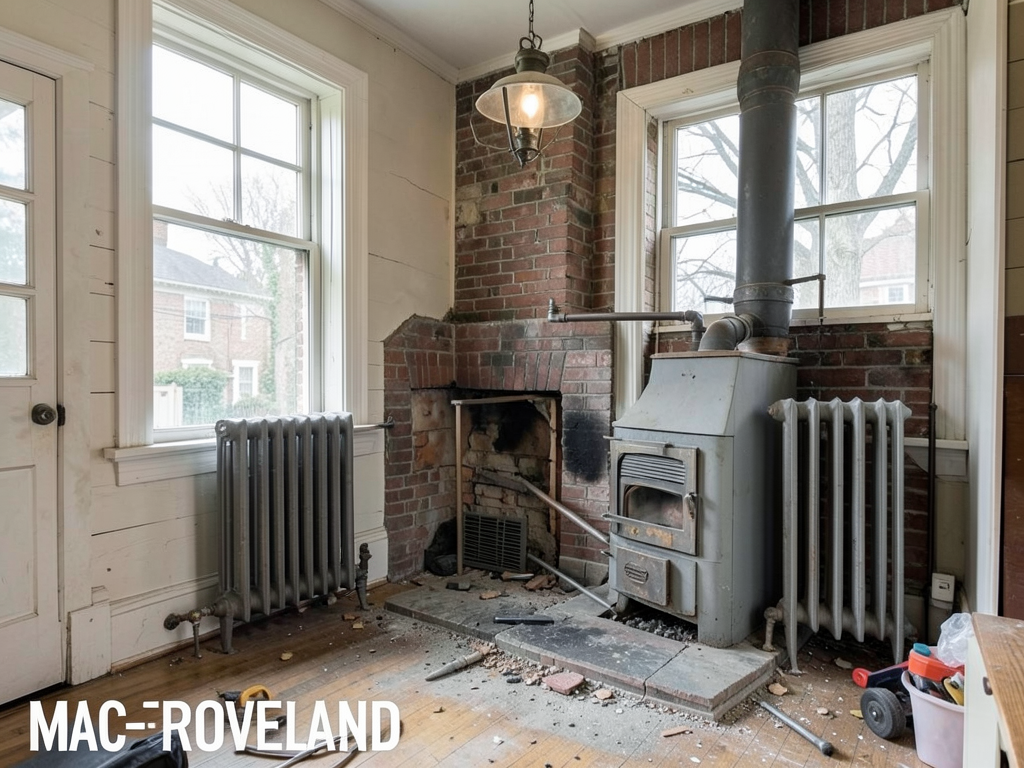
What to Know Before Replacing a Boiler with a Furnace in an Older Mac-Groveland Home
Converting from radiator heat to forced air in a Mac-Groveland home means dealing with plaster walls hidden asbestos and the need for complete ductwork installation. Most conversions cost between $12000 and $25000 depending on the home’s layout and the complexity of removing old cast iron radiators.
Before you start you need to know that Minneapolis building codes require permits for both the boiler removal and the new furnace installation. The city also mandates that any asbestos found in old pipe insulation be handled by a licensed abatement contractor. These are not optional steps. They are legal requirements that protect your family and your investment. Minneapolis Building Codes.
Many Mac-Groveland homes built before 1950 have plaster walls and no existing ductwork which makes the installation process more invasive. You may need to cut into walls run ducts through closets or even build soffits to hide the new system. In some cases a high-velocity system like Unico can be a better fit because it uses smaller ducts that fit into tight spaces.
Understanding the Cost Breakdown
The biggest expense in a boiler-to-furnace conversion is not the furnace itself. It’s the ductwork. Installing new ducts in an older home can cost $3000 to $8000 depending on the number of runs and the difficulty of routing them through finished spaces. The second-largest cost is removing the old boiler and radiators which can run $1500 to $3000 if you need to dispose of cast iron units and seal the floor penetrations. How Much a New High Efficiency Furnace Really Costs in Minneapolis.
High-efficiency furnaces with ECM motors and two-stage heating are recommended for Minnesota’s cold climate. These units cost more upfront but save money over time by reducing fuel consumption. Adding central air conditioning at the same time makes sense because the ductwork is already being installed and it can cost an additional $3000 to $5000. Switching to a Cold Climate Heat Pump in Minnesota (Is It Worth It?).
Minneapolis residents may qualify for rebates from Xcel Energy and CenterPoint Energy if they install high-efficiency equipment. The federal 25C tax credit also applies to qualifying furnaces and air conditioners which can offset up to 30% of the equipment cost. These incentives can make a significant difference in the total project cost. Xcel Energy Rebates.
Common Challenges in Mac-Groveland Homes
Mac-Groveland is known for its historic homes many of which have plaster walls and lathe construction. This makes retrofitting ductwork more difficult than in newer homes with drywall. You may need to remove sections of wall to run ducts which adds to both the cost and the mess of the project.
Another challenge is the presence of asbestos in old radiator pipe insulation. Homes built before the 1970s often have this material and it must be removed by a licensed abatement contractor before any demolition can begin. Skipping this step is not only illegal but also dangerous to your health.
Space is also a concern. Many Mac-Groveland homes have finished basements with limited room for a new furnace and air handler. You may need to sacrifice storage space or build an enclosure to house the equipment. In some cases relocating the furnace to an attic or crawl space is the only option.. Read more about Troubleshooting a Furnace Pilot Light That Won’t Stay Lit in Your Powderhorn Home.
High-Velocity Systems as an Alternative
If your home has no room for traditional ductwork a high-velocity system like Unico or SpacePak might be the answer. These systems use small flexible ducts that can be routed through wall cavities floor joists or attic spaces with minimal disruption to the home’s structure.
High-velocity systems also provide better air circulation and can remove more humidity from the air than standard forced air systems. This is a big advantage in Minnesota’s humid summers. However they do cost more per BTU of heating and cooling than standard systems so the total project cost can be higher.
The key benefit is that installation is less invasive. You won’t need to tear out walls or build soffits and the system can often be installed in a few days instead of a week or more. This makes it a good option for homeowners who want to preserve the character of their older home.
Permit Requirements and Code Compliance
In Minneapolis any boiler replacement or furnace installation requires a mechanical permit from the city. The permit ensures that the work meets the Minnesota State Building Code and the Minneapolis Mechanical and Fuel Gas Code. Skipping this step can result in fines and may void your manufacturer’s warranty.
The permit process also includes an inspection after installation to verify that the system is properly vented the gas lines are correctly sized and the electrical connections meet code. This is especially important in older homes where the existing infrastructure may not meet current safety standards.
If your home is in a historic district you may also need approval from the Minneapolis Heritage Preservation Commission. This can add time to the project but ensures that any exterior changes are in keeping with the neighborhood’s character.
Radiator Removal and Disposal
Removing old radiators is more complicated than it looks. Cast iron radiators are extremely heavy and may require special equipment to remove from upper floors. The floor penetrations where the pipes entered the home must be sealed to prevent drafts and water infiltration.
Once removed the radiators must be disposed of properly. Many recycling centers in the Twin Cities will accept them but you may need to arrange transportation. Some contractors include disposal in their bid while others charge extra for it.
If you plan to keep the radiators for resale or reuse you’ll need to store them in a dry location. Cast iron rusts quickly if left outside or in a damp basement. Proper storage can preserve their value if you decide to sell them later.
Whole-Home Humidifier Integration
One downside of forced air heating is that it can dry out your home in the winter. This is especially noticeable in Minnesota where indoor humidity can drop to 10% or lower. A whole-home humidifier can add moisture back into the air and make your home more comfortable.
Humidifiers are typically installed on the furnace’s return duct and use a water panel to add moisture to the air as it passes through. They cost $400 to $800 installed and require annual maintenance to replace the water panel and clean the unit.
Keeping your home’s humidity between 30% and 50% can also help protect wood floors furniture and musical instruments from cracking due to dry air. It can also reduce static electricity and make the air feel warmer at lower thermostat settings.
Energy Efficiency and Operating Costs
High-efficiency furnaces with AFUE ratings of 90% or higher are recommended for Minnesota’s climate. These units use less fuel to produce the same amount of heat which can lower your monthly heating bills. Over the life of the system the savings can offset the higher upfront cost.
Adding central air conditioning to your home can also improve energy efficiency by allowing you to set a consistent temperature year-round. Modern air conditioners with SEER ratings of 16 or higher use less electricity than older models which can reduce your cooling costs in the summer.
Smart thermostats can further improve efficiency by learning your schedule and adjusting the temperature automatically. Some models can even be controlled remotely via smartphone so you can turn the heat down when you’re away and back up before you return.
Resale Value and Return on Investment
Replacing a boiler with a high-efficiency furnace and central air can increase your home’s resale value by $5000 to $10000 in the Minneapolis market. Buyers often prefer forced air systems because they provide both heating and cooling in one unit and are easier to maintain than radiators.
Energy-efficient upgrades also appeal to buyers who are concerned about utility costs. A home with a high-efficiency furnace and good insulation can be a selling point in a competitive market. It may also qualify for a higher appraisal value if the appraiser recognizes the quality of the equipment.
However if your home is in a historic district or has unique architectural features removing the radiators could be seen as a negative by some buyers. In these cases a high-velocity system might be a better choice because it preserves the home’s character while adding modern comfort.
Choosing the Right Contractor
Not all HVAC contractors have experience with boiler-to-furnace conversions in older homes. Look for a company that is licensed insured and has a good reputation in the Twin Cities. Ask for references from homeowners in Mac-Groveland or similar neighborhoods.
A good contractor will inspect your home before giving you a quote. They should check the condition of your existing ductwork identify any asbestos risks and discuss your options for high-velocity systems if space is tight. They should also be familiar with Minneapolis permit requirements and code compliance.
Be wary of contractors who give you a quote over the phone without seeing your home. Every conversion is different and the only way to give an accurate estimate is to assess the site in person. A detailed written proposal should include the scope of work materials timeline and payment terms.
Timeline and What to Expect
A typical boiler-to-furnace conversion takes one to two weeks from start to finish. The first step is removing the old boiler and radiators which can take a few days. Next the new ductwork is installed followed by the furnace and air conditioner.
After installation the city will inspect the work to ensure it meets code. This can add a few days to the timeline. Once the inspection is passed the contractor will clean up the work area and walk you through the operation of your new system.
During the project you may need to find temporary housing if the work is extensive or if you have family members with health concerns. The noise and dust from demolition can be disruptive so plan accordingly.
Frequently Asked Questions
Can I keep my radiators and just add air conditioning?
Yes this is called a hybrid system. You keep the boiler for heat and add a cooling coil and ductwork for air conditioning. This can be a good option if you like your radiators but want cooling in the summer.
How long do high-efficiency furnaces last?
With proper maintenance a high-efficiency furnace can last 15 to 20 years. Regular filter changes annual tune-ups and prompt repairs when needed will extend its life. Finding an AC Repair Team in Edina That Actually Shows Up on Time.
Will I need to replace my water heater too?
Not necessarily. If your boiler also heats your water you’ll need a separate water heater after the conversion. A standard tank-style or tankless water heater can be installed at the same time as your new furnace.
What if I find mold during the conversion?
Mold is sometimes discovered when removing old radiators or opening walls. If this happens the contractor should stop work and recommend a mold remediation specialist. Do not continue until the mold is properly removed.
Can I install the system myself to save money?
No. HVAC work requires specialized tools training and knowledge of building codes. Improper installation can lead to carbon monoxide leaks fire hazards and voided warranties. Always hire a licensed professional.
Ready to Make the Switch?
Replacing a boiler with a furnace in an older Mac-Groveland home is a big project but it can bring modern comfort and efficiency to your historic home. With the right planning permits and contractor the process can go smoothly and add value to your property.
If you’re ready to explore your options call (651) 588-9677 today to schedule a free in-home consultation. We’ll assess your home discuss your needs and provide a detailed proposal so you can make an informed decision.. Read more about Why Your Kenwood Mansion Needs a Specialized High Velocity AC System.
Don’t wait until the next cold snap or heat wave. Call (651) 588-9677 now and take the first step toward a more comfortable home. For more information, visit CenterPoint Energy Rebates.
{
“@context”: “https://schema.org”,
“@type”: “BlogPosting”,
“headline”: “What to Know Before Replacing a Boiler with a Furnace in an Older Mac-Groveland Home”,
“description”: “Learn about boiler-to-furnace conversions in Mac-Groveland homes including costs, permits, ductwork, and energy efficiency. Call (651) 588-9677 for a consultation.”,
“wordCount”: 2012,
“datePublished”: “2026-03-23T07:13:00.000Z”,
“dateModified”: “2026-03-23T07:13:00.000Z”,
“inLanguage”: “en-US”,
“mainEntityOfPage”: {
“@type”: “WebPage”,
“@id”: “https://allprohvacminneapolis.com”
},
“publisher”: {
“@type”: “LocalBusiness”,
“name”: “All Pro HVAC Minneapolis”,
“url”: “https://allprohvacminneapolis.com”
},
“author”: {
“@type”: “Organization”,
“name”: “All Pro HVAC Minneapolis”,
“url”: “https://allprohvacminneapolis.com”
},
“image”: {
“@type”: “ImageObject”,
“url”: “https://allprohvacminneapolis.com/wp-content/uploads/2026/03/what-to-know-before-replacing-a-boiler-with-a-furn-1.png”
}
}
{
“@context”: “https://schema.org”,
“@type”: “HVACBusiness”,
“name”: “All Pro HVAC Minneapolis”,
“url”: “https://allprohvacminneapolis.com”,
“address”: {
“@type”: “PostalAddress”,
“addressLocality”: “Minneapolis”
},
“areaServed”: {
“@type”: “City”,
“name”: “Minneapolis”
}
}
{
“@context”: “https://schema.org”,
“@type”: “FAQPage”,
“mainEntity”: [
{
“@type”: “Question”,
“name”: “Can I keep my radiators and just add air conditioning?”,
“acceptedAnswer”: {
“@type”: “Answer”,
“text”: “Yes this is called a hybrid system. You keep the boiler for heat and add a cooling coil and ductwork for air conditioning. This can be a good option if you like your radiators but want cooling in the summer.”
}
},
{
“@type”: “Question”,
“name”: “How long do high-efficiency furnaces last?”,
“acceptedAnswer”: {
“@type”: “Answer”,
“text”: “With proper maintenance a high-efficiency furnace can last 15 to 20 years. Regular filter changes annual tune-ups and prompt repairs when needed will extend its life. Finding an AC Repair Team in Edina That Actually Shows Up on Time.”
}
},
{
“@type”: “Question”,
“name”: “Will I need to replace my water heater too?”,
“acceptedAnswer”: {
“@type”: “Answer”,
“text”: “Not necessarily. If your boiler also heats your water you’ll need a separate water heater after the conversion. A standard tank-style or tankless water heater can be installed at the same time as your new furnace.”
}
},
{
“@type”: “Question”,
“name”: “What if I find mold during the conversion?”,
“acceptedAnswer”: {
“@type”: “Answer”,
“text”: “Mold is sometimes discovered when removing old radiators or opening walls. If this happens the contractor should stop work and recommend a mold remediation specialist. Do not continue until the mold is properly removed.”
}
},
{
“@type”: “Question”,
“name”: “Can I install the system myself to save money?”,
“acceptedAnswer”: {
“@type”: “Answer”,
“text”: “No. HVAC work requires specialized tools training and knowledge of building codes. Improper installation can lead to carbon monoxide leaks fire hazards and voided warranties. Always hire a licensed professional.”
}
},
{
“@type”: “Question”,
“name”: “Ready to Make the Switch?”,
“acceptedAnswer”: {
“@type”: “Answer”,
“text”: “Replacing a boiler with a furnace in an older Mac-Groveland home is a big project but it can bring modern comfort and efficiency to your historic home. With the right planning permits and contractor the process can go smoothly and add value to your property.”
}
}
]
}
{
“@context”: “https://schema.org”,
“@type”: “BreadcrumbList”,
“itemListElement”: [
{
“@type”: “ListItem”,
“position”: 1,
“name”: “Home”,
“item”: “https://allprohvacminneapolis.com”
},
{
“@type”: “ListItem”,
“position”: 2,
“name”: “Blog”,
“item”: “https://allprohvacminneapolis.com/blog”
},
{
“@type”: “ListItem”,
“position”: 3,
“name”: “What to Know Before Replacing a Boiler with a Furnace in an Older Mac-Groveland Home”
}
]
}
{
“@context”: “https://schema.org”,
“@type”: “Service”,
“serviceType”: “HVAC”,
“provider”: {
“@type”: “LocalBusiness”,
“name”: “All Pro HVAC Minneapolis”,
“url”: “https://allprohvacminneapolis.com”
},
“areaServed”: {
“@type”: “City”,
“name”: “Minneapolis”
},
“description”: “Learn about boiler-to-furnace conversions in Mac-Groveland homes including costs, permits, ductwork, and energy efficiency. Call (651) 588-9677 for a consultation.”
}