
The Truth About Installing Heated Driveway Systems in Kenwood and Lake of the Isles
Minneapolis winters can bury your driveway under feet of snow and turn your morning commute into a dangerous ice rink. In Kenwood and Lake of the Isles where historic homes and luxury properties line the streets, a heated driveway system isn’t just a convenience—it’s a smart investment that protects your property and eliminates the backbreaking work of snow removal. The truth is that hydronic snow melt systems powered by your existing boiler can keep your driveway clear through the harshest Minnesota blizzards while adding significant value to your home. Minneapolis Building Code Requirements.
Installing a heated driveway in Minneapolis requires specialized knowledge of local conditions. The freeze-thaw cycles that plague our area cause concrete to crack and heave, but a properly installed snow melt system prevents this damage by keeping the surface consistently above freezing. The system works by circulating a glycol-water solution through PEX-a tubing embedded in your driveway, controlled by automatic sensors that activate when snow or ice is detected. Weak Airflow from Vents.
Why Minneapolis Homeowners Choose Hydronic Snow Melt Systems
Hydronic systems dominate the Twin Cities market because they offer superior efficiency and lower operating costs compared to electric alternatives. While electric cables can cost three to four times more to operate, a hydronic system taps into your existing boiler or a dedicated high-efficiency modulating-condensing unit. The Minneapolis area’s natural gas infrastructure makes this the most economical choice for most homeowners in Kenwood and Lake of the Isles. How Much a New High Efficiency Furnace Really Costs in Minneapolis.
The real advantage shows during our notorious Polar Vortex events. When temperatures plummet to -20°F, electric systems struggle to maintain adequate melting power, but a properly sized hydronic system continues operating efficiently. The glycol solution prevents freezing even in the tubing, and the system can be zoned to prioritize high-traffic areas like the garage apron and main entrance.
Local building codes in Minneapolis require specific safety features for hydronic snow melt systems. The Minneapolis Mechanical and Fuel Gas Code mandates pressure relief valves, high-limit controls, and proper insulation to prevent heat loss. Our technicians calculate exact BTU requirements based on Hennepin County’s climate zone 6 specifications, ensuring your system delivers enough heat to melt snow even during the heaviest storms. Switching to a Cold Climate Heat Pump in Minnesota (Is It Worth It?).
Our Installation Process: From Design to First Snowfall
Professional installation starts with a comprehensive heat loss calculation. We measure your driveway’s square footage, assess sun exposure, and factor in wind patterns specific to your Lake of the Isles property. The calculation determines the exact tubing spacing and boiler capacity needed. For most Minneapolis driveways, we install PEX-a tubing at 6-inch centers, though areas under trees or in shaded spots may need 4-inch spacing.
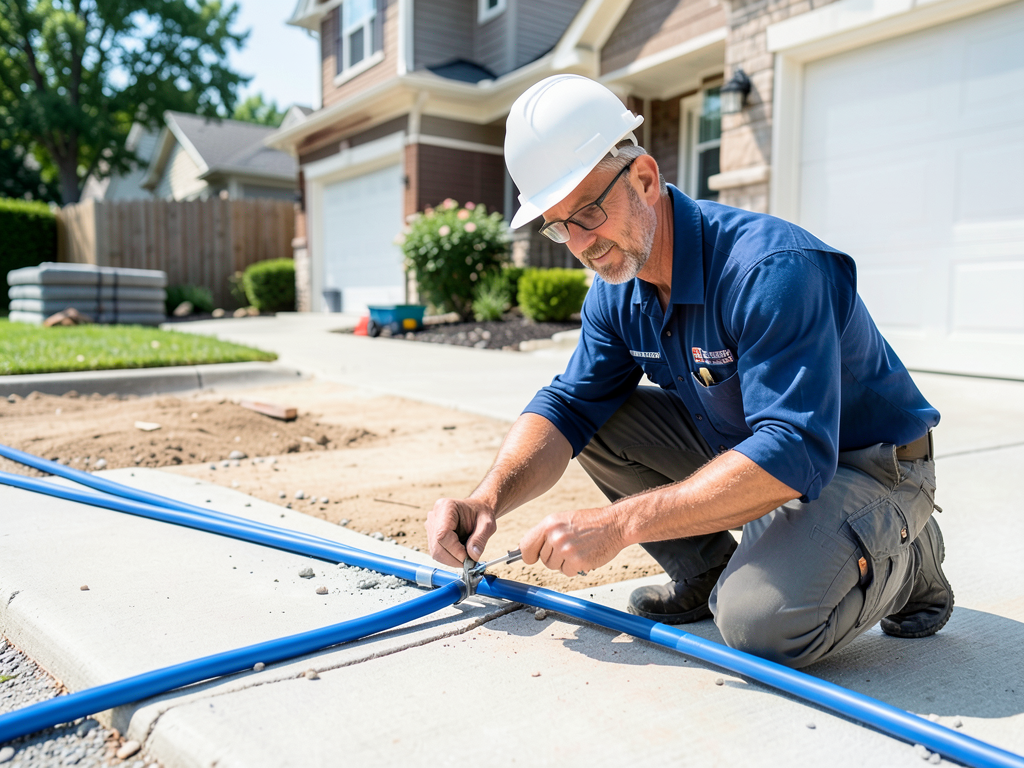
The installation timeline is critical in Minnesota. We can only install these systems between May and October when the ground isn’t frozen. Trying to rush installation in November often leads to compromised performance. The process involves removing existing pavement, grading for proper drainage, laying insulation boards, and then installing the PEX-a tubing in a serpentine pattern. We pressure test the system at 100 PSI for 24 hours to check for leaks before covering it with concrete or asphalt.
Manifold placement requires careful planning. We typically install manifolds in a heated garage or mechanical room where they’re protected from freezing. Each zone has its own manifold with flow meters and isolation valves, allowing you to control different areas independently. The control system includes moisture and temperature sensors that automatically activate the system when conditions warrant, typically at 38°F with moisture present.. Read more about Climate Control for Private Wine Cellars in Orono and Lake Minnetonka Estates.
Cost Factors for Snow Melt Systems in the Twin Cities
Several factors determine the final cost of your heated driveway system. Square footage is the primary driver—larger driveways require more tubing, more manifold ports, and higher boiler capacity. A typical 1,000-square-foot driveway in Kenwood might cost between $15,000 and $25,000 installed, while a smaller 400-square-foot walkway could run $8,000 to $12,000.
Existing surface removal adds significant cost. If you have an old concrete driveway that needs demolition, factor in $3 to $5 per square foot for removal and disposal. Asphalt removal costs less at $2 to $3 per square foot. New concrete installation runs $8 to $12 per square foot in Minneapolis, while asphalt costs $4 to $7 per square foot.
Energy source selection impacts both installation and operating costs. Natural gas systems have higher upfront costs but lower monthly bills. Electric systems cost less to install but can run $2 to $3 per hour to operate during heavy snowfall. With Xcel Energy’s winter rates and CenterPoint Energy’s natural gas pricing in 2026, hydronic systems typically pay for themselves within 5 to 7 years through eliminated snow removal costs and reduced maintenance. Xcel Energy Minnesota Rates.
Local Case Study: Kenwood Driveway Retrofit
We recently completed a heated driveway installation on West Lake of the Isles Parkway where the homeowner wanted to preserve their existing bluestone pavers. This required a specialized approach using permeable paver installation with 18 inches of excavation. We installed a high-density insulation board rated at R-10, then laid the PEX-a tubing in a custom pattern that avoided the paver edges.
The system included four zones with individual sensors for each section. During the December 2025 blizzard that dropped 18 inches of snow, the system kept the driveway completely clear while neighboring properties struggled with ice dams and snow accumulation. The homeowner reported zero slip-and-fall incidents and eliminated their $1,200 annual snow removal contract.
Building permits for this project required approval from both the City of Minneapolis and Hennepin County. The permit process took three weeks and included inspections of the tubing layout, manifold installation, and final system testing. We coordinate all permit requirements as part of our service, ensuring your installation meets every local code requirement. Fast AC Service for North Loop Condos and Lofts.
Frequently Asked Questions about Heated Driveways
Does it work in -20°F temperatures?
Yes. Our hydronic systems are designed for Minnesota’s extreme cold. The glycol solution prevents freezing in the tubing, and the high-efficiency boiler maintains consistent heat output even during Polar Vortex events. We size systems with a 20% safety factor to handle the coldest days.
What permits are required in Minneapolis?
You need a mechanical permit from the City of Minneapolis and possibly an electrical permit for the control systems. Our team handles all permit applications and coordinates inspections with the city’s building department. The process typically takes 2-4 weeks depending on the season.
How much maintenance do these systems need?
Annual maintenance includes checking the glycol concentration, testing safety controls, and inspecting the manifold for leaks. We recommend a fall service appointment to ensure everything is ready before the first snowfall. Most systems run trouble-free for 15-20 years with proper maintenance.
Can I install this on an existing driveway?
Yes, but it requires removing the existing surface. You cannot retrofit heating elements under an existing driveway without excavation. However, if you’re planning to replace your driveway anyway, adding snow melt during the replacement is cost-effective since the excavation is already happening.
How long does installation take?
From demolition to final pour, most residential installations take 7-10 days. The tubing installation itself takes 2-3 days, but concrete needs 7 days to cure before it can handle vehicle traffic. We work efficiently to minimize disruption to your daily routine.

Call (651) 588-9677 Today to Schedule Your Inspection
Don’t wait until the first snowfall to think about a heated driveway. The installation season in Minneapolis is short, and our schedule fills quickly. We offer free site assessments where we evaluate your property, discuss your options, and provide a detailed quote with no pressure. Our team has installed dozens of snow melt systems throughout Kenwood and Lake of the Isles, and we understand the unique challenges of these historic properties.
Pick up the phone and call (651) 588-9677 before the next storm hits. A heated driveway means no more shoveling, no more ice, and no more worrying about whether your guests can safely reach your front door. Let us show you how affordable and practical this upgrade can be for your Minneapolis home.
Ready to Eliminate Snow Shoveling Forever?
Hydronic snow melt systems represent the ultimate convenience for Minneapolis homeowners who value their time and safety. The technology has advanced significantly, making these systems more efficient and reliable than ever. Whether you’re building a new home in Kenwood or upgrading your existing property in Lake of the Isles, we have the expertise to design and install a system that meets your specific needs.
Call (651) 588-9677 now to schedule your free consultation. Our experienced technicians will explain all your options, show you examples of our previous installations, and help you understand the true cost and benefits of heated driveway systems. Don’t let another Minnesota winter catch you unprepared.
- Schedule Your Free Assessment
Call (651) 588-9677 to book a site visit. We’ll evaluate your driveway, discuss your goals, and take measurements for heat loss calculations.
- Review Your Custom Design
We provide detailed plans showing tubing layout, manifold locations, and control system design. You’ll see exactly how the system will work on your property.
- Obtain Permits and Schedule Installation
We handle all permit applications and coordinate the installation timeline to fit your schedule and Minnesota’s weather constraints.
- Enjoy Snow-Free Driveways
After installation and testing, your system is ready for the first snowfall. No more shoveling, no more ice, just clear pavement year-round.
{
“@context”: “https://schema.org”,
“@type”: “BlogPosting”,
“headline”: “The Truth About Installing Heated Driveway Systems in Kenwood and Lake of the Isles”,
“description”: “Learn the real costs and installation process for hydronic snow melt systems in Minneapolis’ most prestigious neighborhoods. Call (651) 588-9677 for a free quote.”,
“wordCount”: 1595,
“datePublished”: “2026-03-26T08:54:00.000Z”,
“dateModified”: “2026-03-26T08:54:00.000Z”,
“inLanguage”: “en-US”,
“mainEntityOfPage”: {
“@type”: “WebPage”,
“@id”: “https://allprohvacminneapolis.com”
},
“publisher”: {
“@type”: “LocalBusiness”,
“name”: “All Pro HVAC Minneapolis”,
“url”: “https://allprohvacminneapolis.com”
},
“author”: {
“@type”: “Organization”,
“name”: “All Pro HVAC Minneapolis”,
“url”: “https://allprohvacminneapolis.com”
},
“image”: {
“@type”: “ImageObject”,
“url”: “https://allprohvacminneapolis.com/wp-content/uploads/2026/03/the-truth-about-installing-heated-driveway-systems-1.png”
}
}
{
“@context”: “https://schema.org”,
“@type”: “HVACBusiness”,
“name”: “All Pro HVAC Minneapolis”,
“url”: “https://allprohvacminneapolis.com”,
“address”: {
“@type”: “PostalAddress”,
“addressLocality”: “Minneapolis”
},
“areaServed”: {
“@type”: “City”,
“name”: “Minneapolis”
}
}
{
“@context”: “https://schema.org”,
“@type”: “FAQPage”,
“mainEntity”: [
{
“@type”: “Question”,
“name”: “Does it work in -20°F temperatures?”,
“acceptedAnswer”: {
“@type”: “Answer”,
“text”: “Yes. Our hydronic systems are designed for Minnesota’s extreme cold. The glycol solution prevents freezing in the tubing, and the high-efficiency boiler maintains consistent heat output even during Polar Vortex events. We size systems with a 20% safety factor to handle the coldest days.”
}
},
{
“@type”: “Question”,
“name”: “What permits are required in Minneapolis?”,
“acceptedAnswer”: {
“@type”: “Answer”,
“text”: “You need a mechanical permit from the City of Minneapolis and possibly an electrical permit for the control systems. Our team handles all permit applications and coordinates inspections with the city’s building department. The process typically takes 2-4 weeks depending on the season.”
}
},
{
“@type”: “Question”,
“name”: “How much maintenance do these systems need?”,
“acceptedAnswer”: {
“@type”: “Answer”,
“text”: “Annual maintenance includes checking the glycol concentration, testing safety controls, and inspecting the manifold for leaks. We recommend a fall service appointment to ensure everything is ready before the first snowfall. Most systems run trouble-free for 15-20 years with proper maintenance.”
}
},
{
“@type”: “Question”,
“name”: “Can I install this on an existing driveway?”,
“acceptedAnswer”: {
“@type”: “Answer”,
“text”: “Yes, but it requires removing the existing surface. You cannot retrofit heating elements under an existing driveway without excavation. However, if you’re planning to replace your driveway anyway, adding snow melt during the replacement is cost-effective since the excavation is already happening.”
}
},
{
“@type”: “Question”,
“name”: “How long does installation take?”,
“acceptedAnswer”: {
“@type”: “Answer”,
“text”: “From demolition to final pour, most residential installations take 7-10 days. The tubing installation itself takes 2-3 days, but concrete needs 7 days to cure before it can handle vehicle traffic. We work efficiently to minimize disruption to your daily routine.”
}
},
{
“@type”: “Question”,
“name”: “Ready to Eliminate Snow Shoveling Forever?”,
“acceptedAnswer”: {
“@type”: “Answer”,
“text”: “Hydronic snow melt systems represent the ultimate convenience for Minneapolis homeowners who value their time and safety. The technology has advanced significantly, making these systems more efficient and reliable than ever. Whether you’re building a new home in Kenwood or upgrading your existing property in Lake of the Isles, we have the expertise to design and install a system that meets your specific needs.”
}
}
]
}
{
“@context”: “https://schema.org”,
“@type”: “HowTo”,
“name”: “How to Get Started with a Heated Driveway”,
“step”: [
{
“@type”: “HowToStep”,
“position”: 1,
“name”: “Schedule Your Free Assessment”,
“text”: “Call (651) 588-9677 to book a site visit. We’ll evaluate your driveway, discuss your goals, and take measurements for heat loss calculations.”
},
{
“@type”: “HowToStep”,
“position”: 2,
“name”: “Review Your Custom Design”,
“text”: “We provide detailed plans showing tubing layout, manifold locations, and control system design. You’ll see exactly how the system will work on your property.”
},
{
“@type”: “HowToStep”,
“position”: 3,
“name”: “Obtain Permits and Schedule Installation”,
“text”: “We handle all permit applications and coordinate the installation timeline to fit your schedule and Minnesota’s weather constraints.”
},
{
“@type”: “HowToStep”,
“position”: 4,
“name”: “Enjoy Snow-Free Driveways”,
“text”: “After installation and testing, your system is ready for the first snowfall. No more shoveling, no more ice, just clear pavement year-round.”
}
],
“image”: “https://allprohvacminneapolis.com/wp-content/uploads/2026/03/the-truth-about-installing-heated-driveway-systems-1.png”
}
{
“@context”: “https://schema.org”,
“@type”: “BreadcrumbList”,
“itemListElement”: [
{
“@type”: “ListItem”,
“position”: 1,
“name”: “Home”,
“item”: “https://allprohvacminneapolis.com”
},
{
“@type”: “ListItem”,
“position”: 2,
“name”: “Blog”,
“item”: “https://allprohvacminneapolis.com/blog”
},
{
“@type”: “ListItem”,
“position”: 3,
“name”: “The Truth About Installing Heated Driveway Systems in Kenwood and Lake of the Isles”
}
]
}
{
“@context”: “https://schema.org”,
“@type”: “Service”,
“serviceType”: “HVAC”,
“provider”: {
“@type”: “LocalBusiness”,
“name”: “All Pro HVAC Minneapolis”,
“url”: “https://allprohvacminneapolis.com”
},
“areaServed”: {
“@type”: “City”,
“name”: “Minneapolis”
},
“description”: “Learn the real costs and installation process for hydronic snow melt systems in Minneapolis’ most prestigious neighborhoods. Call (651) 588-9677 for a free quote.”
}