
The Hidden Dangers of HVAC Rental Contracts and Equipment Leasing in Minnesota
Minnesota homeowners face unique challenges when it comes to HVAC rental agreements. With winter temperatures dropping below -20°F and summer humidity pushing AC systems to their limits, the stakes for reliable heating and cooling are incredibly high. Yet many families sign rental contracts without understanding the long-term financial traps, service limitations, and legal complications that can follow. Minnesota Attorney General’s Office.
Before you sign that dotted line, you need to know what predatory HVAC rental companies don’t tell you. This guide breaks down the real risks, Minnesota-specific regulations, and how to protect yourself from costly mistakes.
Why Minnesota’s Climate Makes HVAC Rentals Risky
The Twin Cities experience some of the most extreme temperature swings in the continental United States. According to the Minnesota Department of Commerce, our state sees an average of 30 days below zero annually in northern regions. This puts enormous strain on heating systems, especially during polar vortex events when temperatures can plummet to -30°F or lower. Fast AC Service for North Loop Condos and Lofts.
When you rent an HVAC system in Minnesota, you’re betting that the equipment can handle these conditions for years. But many rental units are entry-level models not specifically rated for our climate. A standard 80% AFUE furnace might work fine in Tennessee, but it could struggle to keep your Minneapolis home warm when the mercury drops below zero for days on end. How Much a New High Efficiency Furnace Really Costs in Minneapolis.
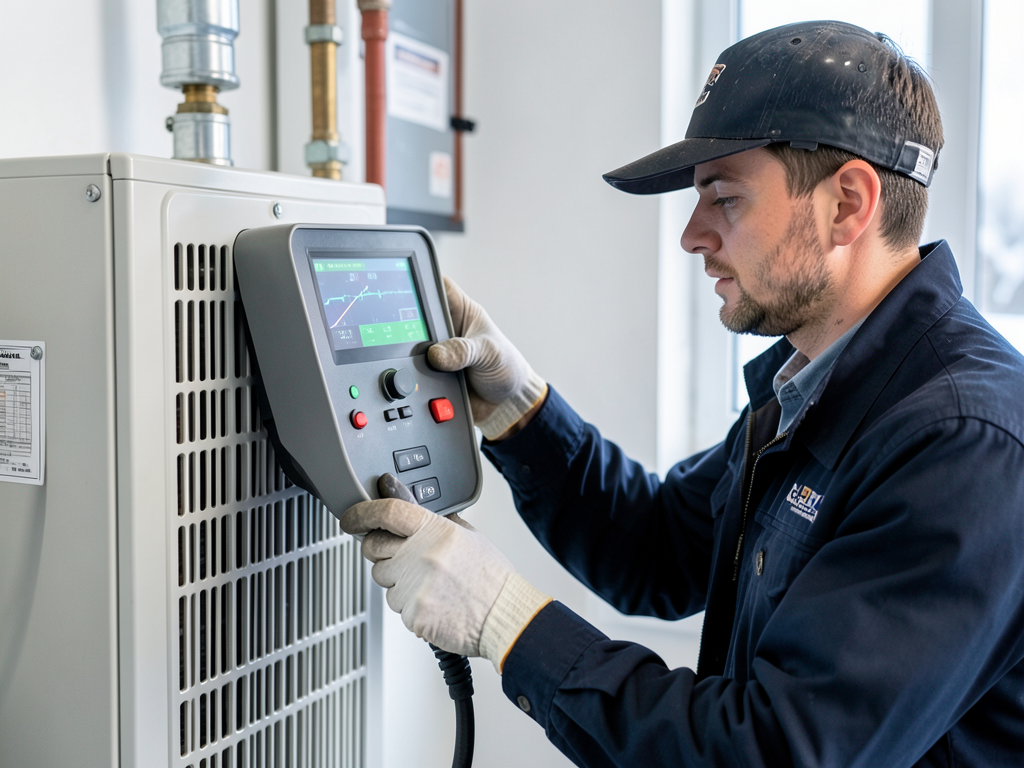
A technician using a combustion analyzer to test furnace efficiency during a polar vortex diagnostic check.
The Fine Print That Traps Minnesota Homeowners
Most HVAC rental contracts contain clauses that become expensive problems in Minnesota’s unique housing market. One common trap is the “non-transferable” clause. If you sell your home, the rental company can demand immediate removal of the equipment or force the new buyer to assume the contract. In a hot real estate market, this can kill a sale or reduce your home’s value by thousands of dollars.
Another dangerous provision is the “automatic renewal” clause. Many Minnesota homeowners have discovered too late that their 5-year rental automatically extends for another term unless they provide written notice 90 days before expiration. This can lock you into payments for years longer than you intended.
Minnesota law requires specific disclosures for rental agreements, but enforcement is spotty. The Minnesota Attorney General’s Office has issued warnings about HVAC companies using high-pressure sales tactics, particularly targeting elderly homeowners and those in financial distress.
Service Level Agreements: The Gap Between Promise and Reality
Most rental contracts promise 24/7 emergency service, but the reality in Minnesota winters can be very different. During major cold snaps, rental companies often experience call volume spikes that can delay response times by 24-48 hours. When your furnace fails at -15°F, that delay isn’t just inconvenient—it’s dangerous.
According to Xcel Energy’s winter peak demand data, Minnesota homes use 3-4 times more natural gas in January than in April. This means rental equipment faces its highest stress during the exact periods when service delays are most likely to occur.
Many rental agreements also include “wear and tear” exclusions that can leave you responsible for major repairs. A rental company might cover the furnace motor but not the heat exchanger—a component that typically fails after 12-15 years of Minnesota winters. Replacing a heat exchanger can cost $1,500-$2,500, money you thought you were avoiding by renting. Finding an AC Repair Team in Edina That Actually Shows Up on Time.
Minnesota Building Codes and Rental Equipment Compliance
Minnesota has some of the strictest HVAC installation codes in the country. The Minnesota Mechanical Code requires specific venting configurations, combustion air provisions, and safety controls that vary by municipality. Minneapolis and St. Paul have additional requirements through their local mechanical inspections departments.
When you rent equipment, you’re relying on the rental company to ensure compliance. But many out-of-state rental operations don’t understand Minnesota’s frost line requirements or the need for specific condensate drain configurations in our climate. Improper installations can lead to code violations that become your responsibility when you sell your home. Switching to a Cold Climate Heat Pump in Minnesota (Is It Worth It?).
The Minnesota Department of Labor and Industry requires all HVAC contractors to be licensed and insured. However, many rental companies operate through third-party installers who may not have proper credentials. This creates liability issues if something goes wrong—and in Minnesota’s harsh climate, something often does.
Financial Analysis: The True Cost of Renting vs. Buying in Minnesota
Let’s break down the real numbers for a typical Minneapolis home. A basic rental furnace and AC package might cost $89-$129 per month. Over a 10-year period, that’s $10,680-$15,480 in payments. Meanwhile, purchasing a comparable high-efficiency system might cost $6,000-$8,000 upfront, with annual maintenance around $150.
The break-even point typically occurs around year 5-6. But here’s where Minnesota’s climate changes the equation: rental equipment often uses lower-quality components that fail more frequently in our extreme conditions. Those “free” repairs during the warranty period might involve refurbished parts or lengthy service delays.
Additionally, purchased equipment qualifies for Minnesota’s Energy Efficiency rebates through Xcel Energy and CenterPoint Energy. These rebates can reduce your net cost by $300-$800 for high-efficiency furnaces and $200-$600 for AC units. Rental companies rarely pass these savings to customers.
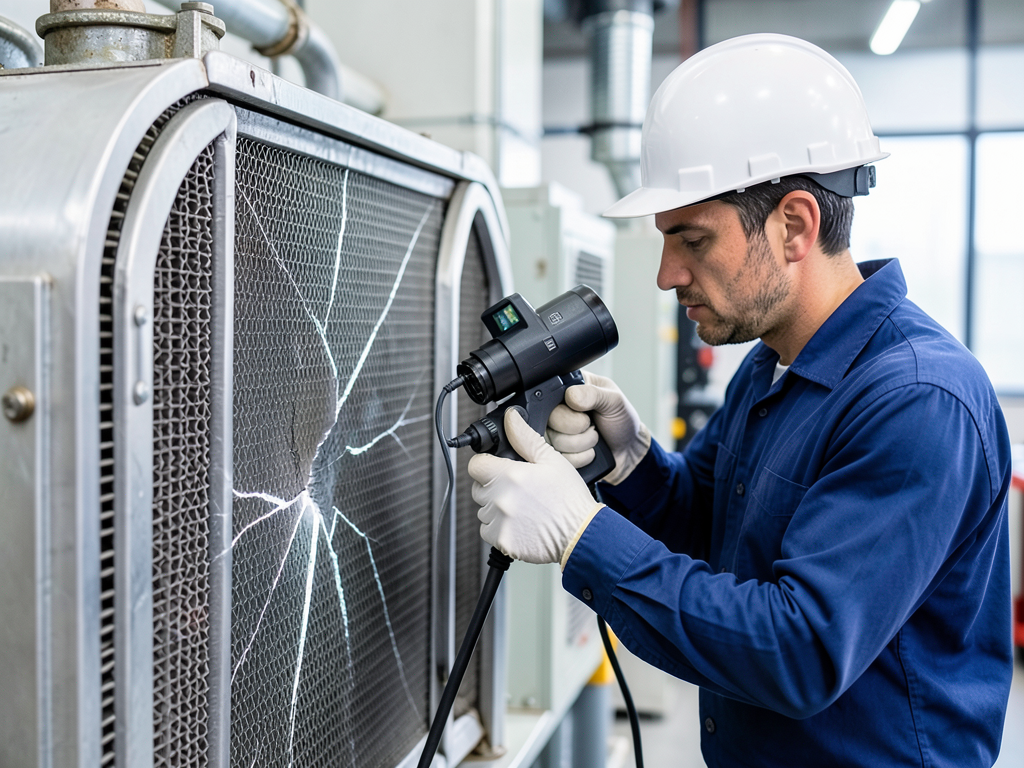
A technician inspecting a heat exchanger for cracks using a borescope camera during a routine maintenance check.
Emergency Replacement Protocols: What Actually Happens When Your Rental Fails
When a purchased furnace fails in Minnesota winter, you can typically get same-day emergency replacement from any qualified contractor. But rental agreements often lock you into specific service providers, even if they can’t respond quickly enough.
Minnesota’s mechanical code requires specific procedures for temporary heating during equipment replacement. Most rental companies don’t have portable heating equipment on hand, leaving families without heat for extended periods. In sub-zero conditions, this can lead to frozen pipes, water damage, and even health emergencies.
The Minnesota State Building Code also requires permits for major HVAC replacements. Rental companies sometimes skip this step to save time and money, creating liability for the homeowner. If unpermitted work is discovered during a home inspection, it can derail a sale or require costly corrections.
Transferability Issues in Minnesota’s Housing Market
Minnesota’s housing market has unique characteristics that make rental contract transferability especially problematic. Our state has a high percentage of older homes, many with original mechanical systems. When you install rental equipment, you’re adding a layer of complexity to an already complicated system.
According to the Minneapolis Area Association of Realtors, homes with rental HVAC agreements typically sell for 3-5% less than comparable properties with owned equipment. Buyers are wary of assuming unknown monthly payments and potential service issues.
Minnesota law requires specific disclosures about rental agreements during real estate transactions. Failure to disclose can result in lawsuits and financial penalties. Many homeowners discover too late that their rental contract includes early termination fees of $500-$1,500 if they need to remove the equipment to sell their home.
Commercial vs. Residential Rental Agreements: Different Risks
Commercial HVAC rentals in Minnesota face different challenges than residential agreements. Businesses in the Twin Cities must comply with additional regulations through the Minnesota Department of Health and local fire marshals. Commercial rentals often include clauses that limit liability for business interruption, leaving companies responsible for lost revenue during equipment failures.
Minnesota’s commercial buildings, particularly in downtown Minneapolis and St. Paul, often have complex mechanical systems that require specialized knowledge. Many rental companies provide generic equipment that isn’t optimized for specific building requirements, leading to higher energy costs and more frequent breakdowns.
The Americans with Disabilities Act also creates additional requirements for commercial HVAC systems. Rental agreements that don’t address ADA compliance can create legal liability for business owners.
Red Flags: How to Spot a Predatory HVAC Rental Contract
Several warning signs indicate you might be dealing with a predatory rental company. High-pressure sales tactics are common—if a representative tells you that you must sign today or lose a “special offer,” that’s a major red flag. Legitimate companies understand that HVAC decisions are significant investments that deserve careful consideration.
Another warning sign is lack of transparency about total costs. If the company won’t provide a clear breakdown of monthly payments, total term costs, and buyout options, walk away. Minnesota law requires specific disclosures, but enforcement varies by jurisdiction.
Be especially wary of companies that target specific neighborhoods or demographics. Many predatory operators focus on areas with older housing stock or communities with higher percentages of elderly residents. They often use fear tactics about carbon monoxide or system failures to push rushed decisions.
A technician performing a combustion analysis test on a high-efficiency furnace to verify proper operation and safety.
Minnesota-Specific Consumer Protection Resources
Minnesota offers several resources for homeowners dealing with HVAC rental issues. The Minnesota Attorney General’s Office maintains a consumer protection division that handles complaints about unfair business practices. They’ve published specific guidance about HVAC sales tactics and rental agreements.
The Minnesota Department of Commerce Energy Division provides information about energy efficiency rebates and can help you compare the true costs of different HVAC options. They also maintain records of licensed contractors and can verify a company’s credentials.
Local resources include the Better Business Bureau of Minnesota and North Dakota, which tracks complaints and ratings for HVAC companies. Many Minnesota counties also have consumer protection offices that can assist with local disputes.
Alternative Solutions: Safer Options for Minnesota Homeowners
Instead of traditional rentals, consider several safer alternatives. Many Minnesota HVAC companies offer financing programs with competitive interest rates and clear terms. These programs often include maintenance plans and warranties without the long-term commitment of rental agreements.
Service agreements are another option. For $15-$30 per month, you can get annual maintenance, priority service, and discounts on repairs without the equipment ownership issues of rentals. Many Minnesota companies offer these plans with no long-term contracts.
Energy efficiency upgrades through utility rebate programs can also reduce your overall costs. Xcel Energy and CenterPoint Energy offer rebates for high-efficiency equipment that can offset a significant portion of your investment while ensuring you own the equipment outright.
Making the Right Decision for Your Minnesota Home
The decision about HVAC rental versus ownership depends on your specific situation. If you’re facing a sudden system failure during extreme weather, the convenience of immediate replacement might outweigh long-term cost considerations. But for most Minnesota homeowners, the financial and legal risks of rental agreements aren’t worth the perceived benefits.
Before signing any agreement, get multiple quotes from licensed Minnesota contractors. Ask about financing options, service agreements, and energy efficiency rebates. Read every contract carefully, paying special attention to duration, termination clauses, and service terms.
Remember that Minnesota’s climate puts unique demands on HVAC systems. Equipment that works fine in milder climates may struggle here, leading to more frequent repairs and higher energy costs. Make sure any system you choose is specifically rated for our temperature extremes and humidity levels.
Protect Your Home and Your Wallet
HVAC rental contracts can seem like an easy solution to immediate heating and cooling needs, but the hidden dangers often cost Minnesota homeowners far more than they save. From predatory terms and service limitations to compliance issues and transferability problems, the risks are significant.
Instead of rushing into a rental agreement, take time to explore all your options. Talk to multiple licensed contractors, understand your financing choices, and make sure you’re getting equipment specifically designed for Minnesota’s harsh climate. Your home is likely your biggest investment—don’t let a bad HVAC decision put it at risk.
If you’re dealing with HVAC issues or considering your options, call (651) 588-9677 today to speak with a licensed Minnesota professional who can help you understand your choices without pressure or hidden agendas. We’ll provide clear, honest advice about what’s best for your home and your budget.
Frequently Asked Questions
Are HVAC rental contracts legal in Minnesota?
Yes, HVAC rental contracts are legal in Minnesota, but they must comply with state consumer protection laws and disclosure requirements. The Minnesota Attorney General’s Office has issued specific guidance about HVAC sales practices and rental agreements.
What happens if my rental furnace fails during a polar vortex?
Most rental contracts promise emergency service, but response times can vary significantly during extreme weather events. Some Minnesota homeowners have experienced 24-48 hour delays during major cold snaps. Check your contract for specific service level agreements and emergency protocols. Weak Airflow from Vents.
Can I sell my home if I have a rental HVAC system?
Selling a home with rental HVAC equipment can be challenging. Many buyers are reluctant to assume monthly payments, and some contracts include non-transferable clauses. This can reduce your home’s marketability or require you to buy out the contract before selling.
Do rental companies handle Minnesota permit requirements?
Not always. Some rental companies skip permit requirements to save time and money, creating liability for homeowners. Minnesota law requires permits for major HVAC replacements, and unpermitted work can cause problems during home sales or inspections.
What are the alternatives to HVAC rentals in Minnesota?
Alternatives include traditional financing through HVAC companies, service agreements for maintenance and repairs, and purchasing energy-efficient equipment with utility rebates. These options often provide better long-term value without the risks of rental agreements. For more information, visit U.S. Department of Energy.